15 Outdated Technologies That Are Somehow Still in Use Today
In a world dominated by cutting-edge innovations and rapid technological advancement, it’s surprising how many antiquated devices and systems continue to operate behind the scenes of our modern society. While smartphones and artificial intelligence capture headlines, these technological relics quietly soldier on, refused retirement by industries and individuals who depend on their reliability or simply resist change.
Here is a list of 15 outdated technologies that, against all odds, continue to function in various corners of our world today:
Fax Machines

Despite the ubiquity of email and digital document sharing, fax machines maintain a stubborn presence in healthcare, legal, and government offices. Due to perceived security benefits and regulatory compliance, many medical practices and law firms still rely on fax transmissions for document transfers.
The familiar screech of a fax connection remains a daily soundtrack in thousands of offices nationwide, with an estimated 43 million fax machines still in use globally.
Pagers

While smartphones have replaced most communication devices, pagers remain essential in hospitals and emergency services. Their reliability in critical situations, battery longevity, and ability to function in areas with poor cellular coverage make them invaluable to medical professionals.
Many hospitals maintain pager systems because they operate on dedicated frequencies that aren’t affected by network congestion during emergencies.
Like Go2Tutors’s content? Follow us on MSN.
Magnetic Stripe Cards
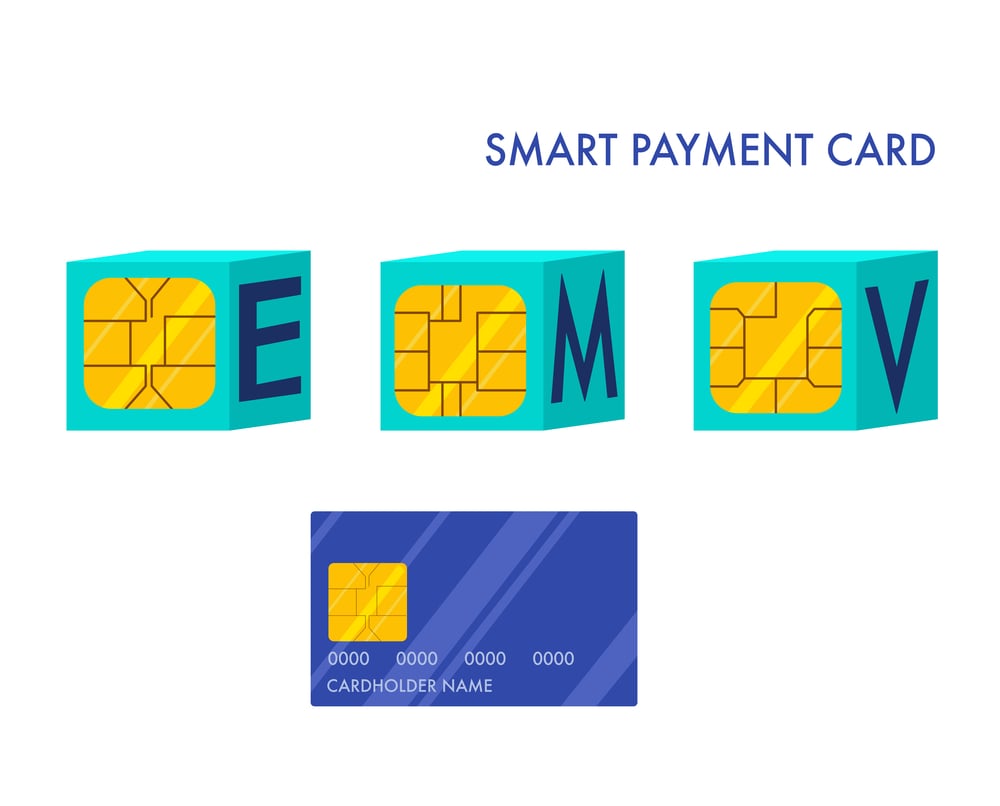
Despite the introduction of EMV chip cards and contactless payment options, magnetic stripe technology from the 1960s remains on most credit and debit cards in America. These black stripes store data using tiny iron-based magnetic particles—essentially the same technology used in cassette tapes.
Financial institutions continue the slow transition away from this vulnerable technology, with complete phase-out plans extending well into the late 2020s.
COBOL Programming

The 1959 programming language COBOL (Common Business-Oriented Language) is still used by government databases, insurance firms, and banking systems. Since 43% of banking systems and 95% of ATM transactions still use this antiquated code, there is a growing need for COBOL programmers as the original developers retire.
This language is still ingrained in vital infrastructure, as the Y2K panic showed.
Dot Matrix Printers
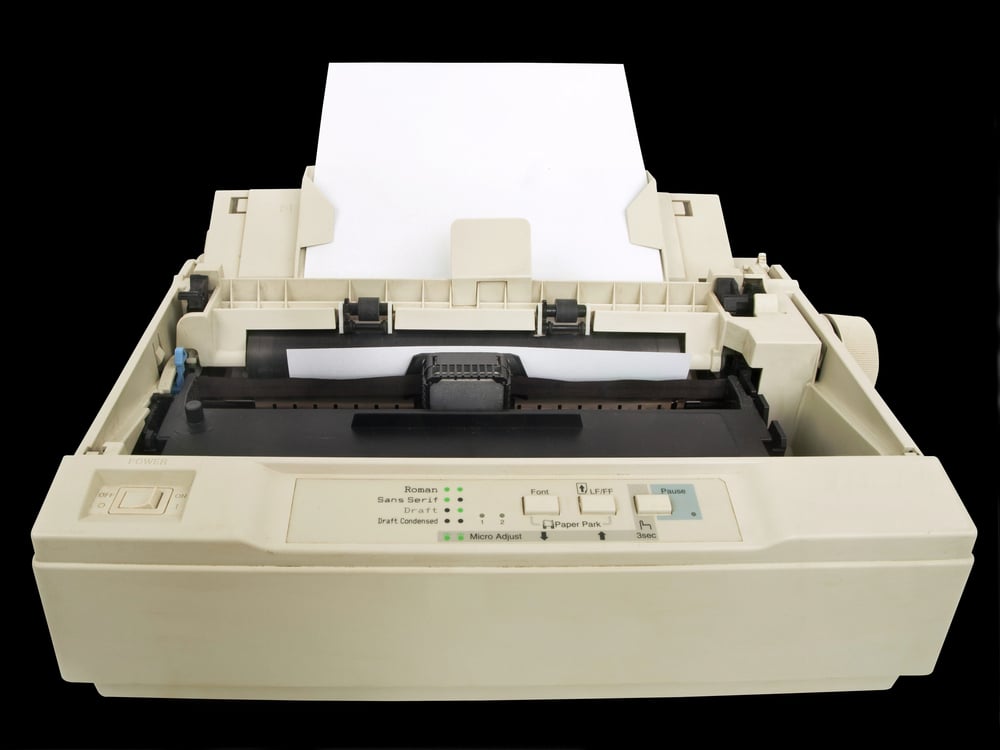
Except in certain sectors needing multipart forms, dot matrix printers have essentially vanished from workplaces, their unique buzzing sound and perforated paper defining them. Manufacturing plants, auto parts shops, and shipping businesses appreciate their capacity to print carbon duplicates in a single pass using continuous feed paper.
Their mechanical simplicity also allows them to run dependably in hot, dusty conditions where current laser or inkjet printers would fail.
Like Go2Tutors’s content? Follow us on MSN.
Record Players

After almost becoming extinct, vinyl records have had a spectacular resurgence, with sales steadily increasing since 2007. Many audiophiles prefer the richness and fidelity of this analog technology from the 1800s over digital versions.
In response to demand, record pressing facilities have reopened all over the world, and in recent years, vinyl sales have outpaced free streaming services in terms of revenue.
Film Photography

Despite the convenience of digital photography, traditional film has maintained a devoted following and even experienced growth among younger generations. Professional photographers appreciate film’s unique color reproduction, dynamic range, and the disciplined approach it requires.
Different film stocks’ distinctive grain patterns and color profiles create effects that digital filters attempt to replicate but never quite match.
Mainframe Computers

These room-sized computing behemoths from the 1960s and 70s continue processing transactions for airlines, banks, and government agencies. IBM still manufactures and sells mainframes because it excels at handling massive transaction volumes with unparalleled reliability.
A single mainframe can process up to 30 billion transactions daily, explaining why companies hesitate to replace systems that, while outdated, consistently perform critical business functions.
Like Go2Tutors’s content? Follow us on MSN.
Paper Maps and Nautical Charts

Despite GPS technology and navigation apps, physical maps and charts remain essential backup systems for travelers and mariners. Professional sailors and pilots still train with paper navigation tools, recognizing that electronic systems can fail during emergencies.
The National Oceanic and Atmospheric Administration continues producing paper nautical charts, acknowledging their importance for maritime safety when digital alternatives are compromised.
Landline Telephones

The copper-wire grid constructed during the previous century continues to serve tens of millions of Americans, especially rural and elderly Americans. Landlines continue to work even during outages and deliver more precise 911 location information than cell phones.
Phone companies continue to keep this vintage plant alongside newer fiber-optic gear, forming a technology bridge between communications ages.
Library Card Catalogs

Some libraries keep their original card systems as backups or for historical collections, even though the majority of libraries have digital catalogs. A classification system created in 1876 and operating smoothly for more than a century is represented by these painstakingly arranged drawers full of index cards.
Card catalogs are frequently preserved by specialized libraries with collections of rare books because they contain extensive metadata and academic annotations that are not transferred to digital systems.
Like Go2Tutors’s content? Follow us on MSN.
Cash Registers
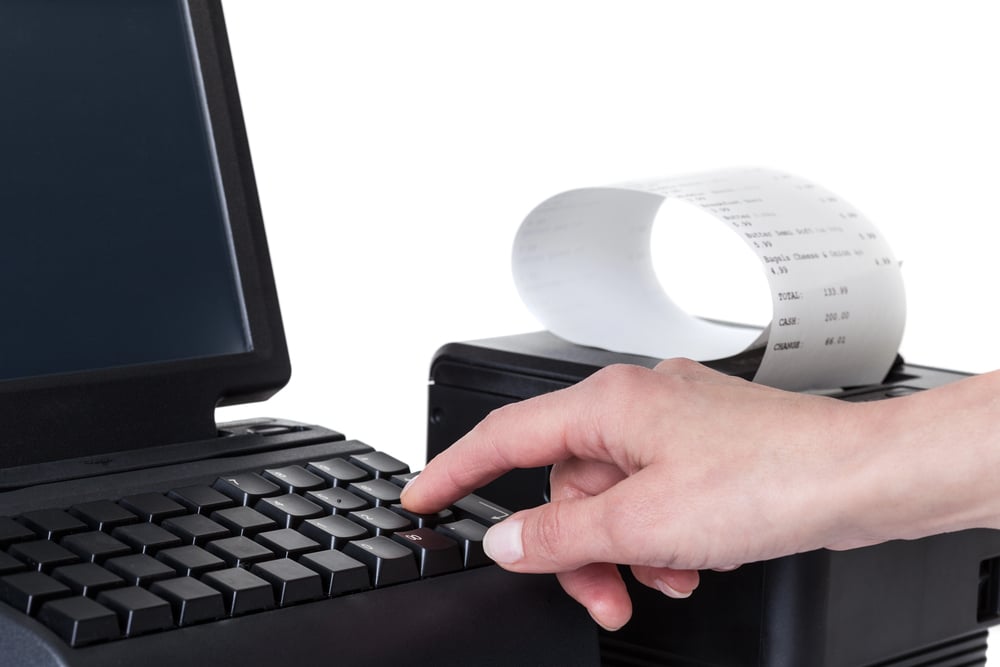
Though mechanical devices still ring up sales in tiny businesses all throughout America, modern point-of-sale systems have replaced most conventional cash registers. For businesses with simple demands, their simplicity, dependability during power outages, and lower cost make them a sensible solution.
Essentially specialized calculators with cash drawers, these mechanical wonders need no internet connection, software upgrades, or cybersecurity policies.
CRT Monitors and Televisions

Cathode ray tube displays have largely disappeared from homes, but remain valued in specific applications like arcade machines and medical equipment. Vintage gaming enthusiasts prize CRTs for their perfect reproduction of classic video games designed for these displays.
The responsiveness, motion clarity, and color accuracy of high-end CRTs still compete with modern displays for certain specialized uses.
Typewriters

Manual and electric typewriters continue serving writers, poets, and government offices requiring tamper-proof documentation. Some legal documents, prison correspondence, and forms must be completed on typewriters to prevent digital manipulation.
Writers like Cormac McCarthy and Tom Hanks maintain collections of typewriters, appreciating how they eliminate digital distractions and produce immediate physical results.
Like Go2Tutors’s content? Follow us on MSN.
Nuclear Command Systems Using Floppy Disks
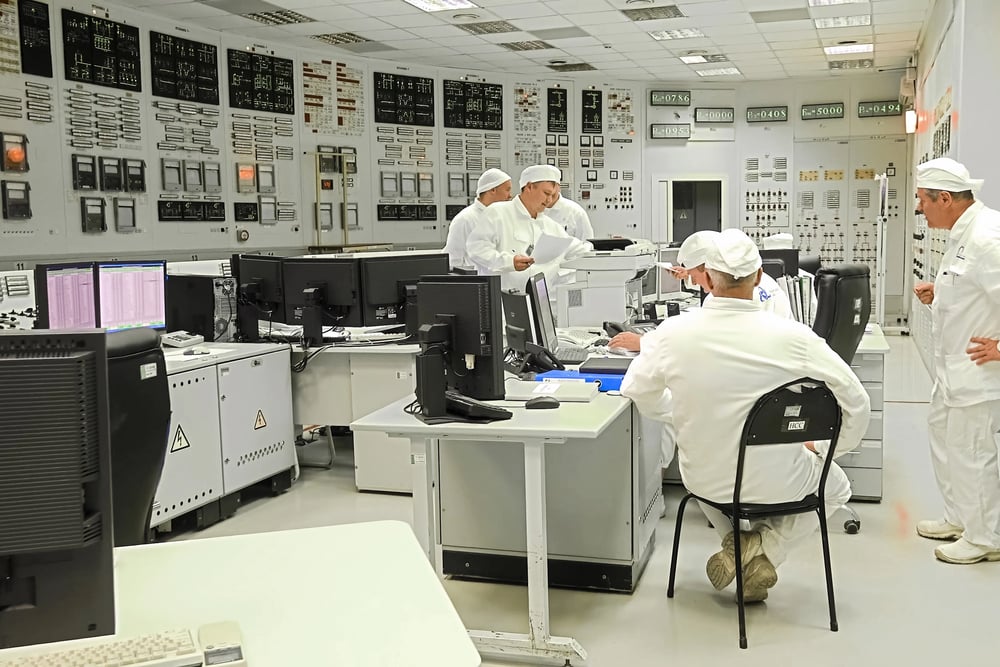
Perhaps most surprisingly, until very recently, parts of the United States’ nuclear weapons command and control system relied on 8-inch floppy disks and computers from the 1970s. The Strategic Automated Command and Control System was only updated in 2019 after decades of using technology most museum curators would consider artifacts.
Military officials defended the obsolete system, noting that air-gapped, outdated technology offers inherent security advantages against modern hacking attempts.
Technological Persistence
These technological survivors demonstrate an important principle about innovation: reliability often trumps novelty when critical systems are involved. Many of these outdated technologies continue functioning because they perform specific tasks exceptionally well or because the cost and risk of replacement exceed the benefits of upgrading.
Their persistence reminds us that technological progress isn’t always linear—sometimes the old ways endure alongside the new, creating a layered technological ecosystem that spans generations.
More from Go2Tutors!

- 18 Unexpectedly Valuable Collectibles You Might Have Lying Around
- 20 Little-Known Historical Battles That Had Huge Consequences
- 20 Historical Artifacts That Scientists Can’t Explain
- 15 Inventions That Were Immediately Banned After Being Created
- 20 Actors Who Were Almost Cast in Iconic Roles
Like Go2Tutors’s content? Follow us on MSN.