15 Street Games Kids Played Before Video Games
Before screens dominated childhood entertainment, neighborhoods echoed with the sounds of children playing outside—their laughter, disputes, and victory cheers filling suburban streets and city blocks. These games required little more than chalk, a tin can, or just imagination, yet they built physical skills and social bonds that many parents now reminisce about.
Here’s a look at 15 classic street games that kept kids entertained for generations before digital alternatives arrived.
Hopscotch
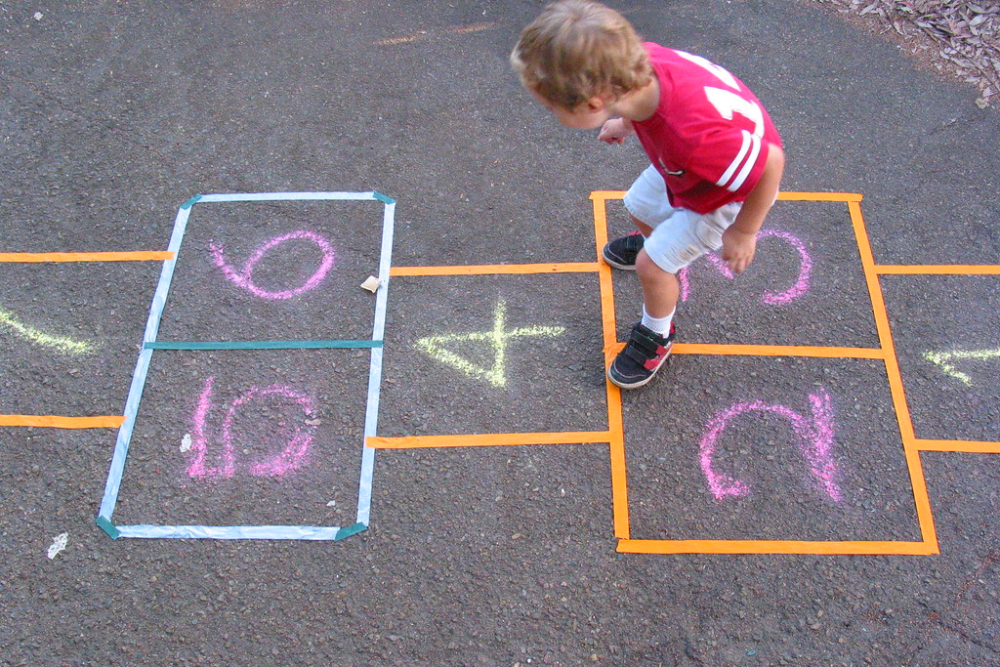
This ancient game involved scratching or chalking a pattern of numbered squares on pavement, then hopping through them after tossing a marker. Players developed balance and coordination while navigating the course—standing on one foot, bending to retrieve their marker without falling, all while following strict rules about which lines couldn’t be touched.
Regional variations abounded, with some neighborhoods playing “airplane hopscotch,” featuring a spiral pattern instead of the traditional grid.
Kick the Can
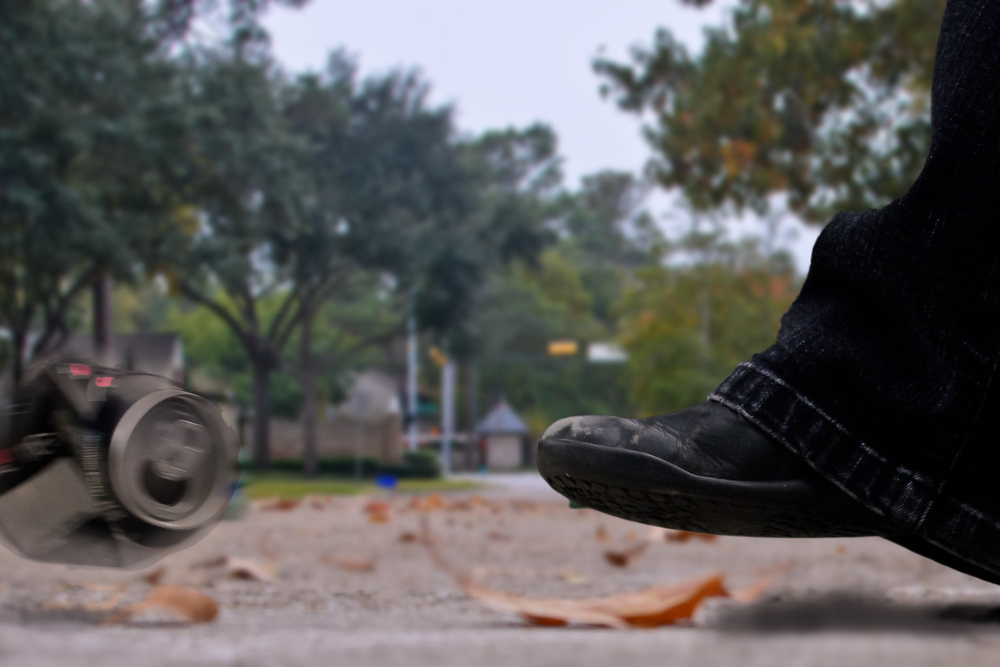
Part hide-and-seek, part jailbreak, this game centered around an empty tin can placed in an open area. One player guarded the can while others hid, then tried sneaking back to kick it without being tagged.
The game could last for hours as players developed elaborate strategies—some creating diversions while others attempted daring sprints toward the target. Summer evenings often saw neighborhood kids dispersing into shadows at the first shout of “Ready or not!”
Like Go2Tutors’s content? Follow us on MSN.
Red Rover
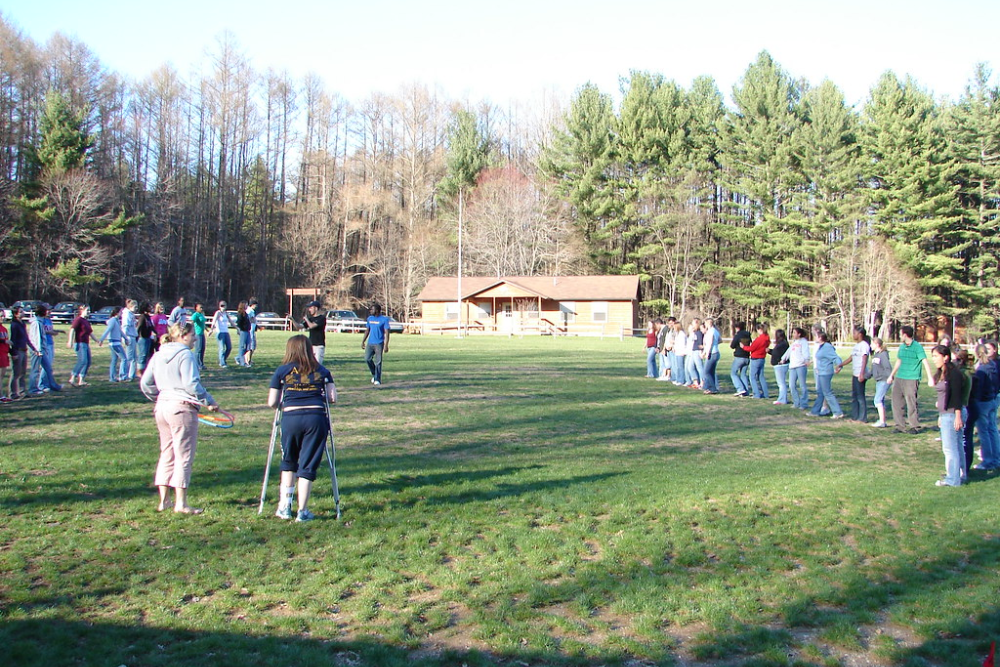
Two lines of children faced each other, holding hands to create human chains, before calling “Red Rover, Red Rover, send [child’s name] right over!” The summoned player would charge full speed, attempting to break through the opposing line’s linked arms.
Success meant bringing a captured player back to their team—failure meant joining the enemy ranks. The game combined strategy—picking whose grip seemed weakest—with physical courage that sometimes resulted in scraped knees or occasional tears.
Marbles

Before becoming collectibles, marbles fueled competitive neighborhood games played in dirt circles or sidewalk cracks. Kids carried prized “shooters” in cloth bags, using them to knock opponents’ smaller marbles out of boundaries drawn in dirt.
Players developed surprising precision—flicking marbles with their thumbs against their curled index fingers. Games operated under elaborate local rules with winners proudly carrying home newfound treasures to display on windowsills.
Jump the River
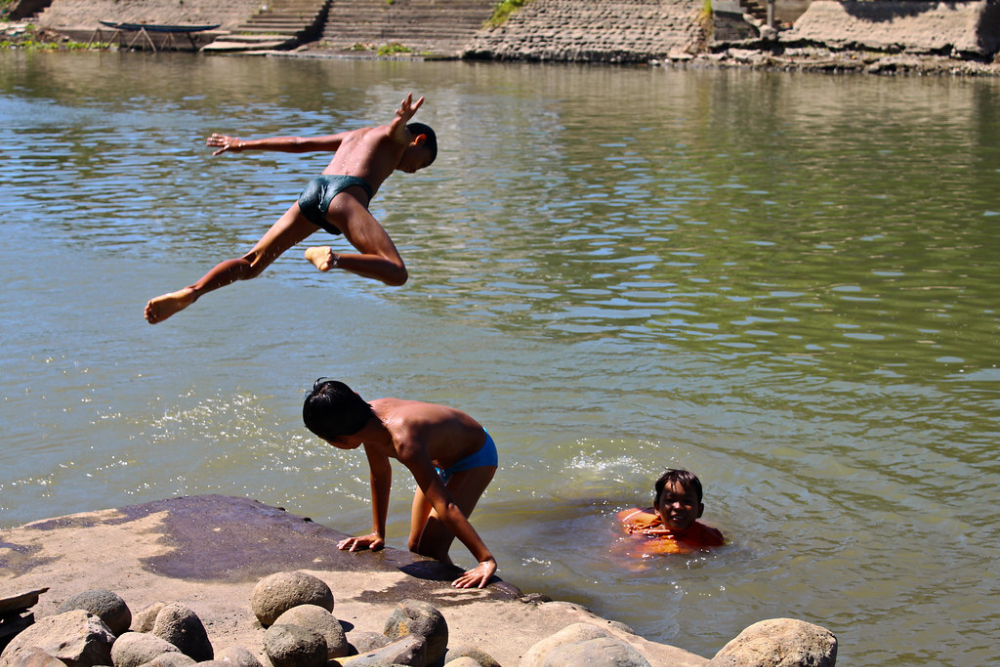
With just two sticks or lines drawn on the ground, kids created a “river” they had to leap across. Each round, the space between the lines grew wider, and players had to jump farther to stay in the game.
This simple test of agility and leg power often drew crowds of cheering spectators, especially once only the boldest jumpers remained. Falls meant laughter—and sometimes a pretend soaking—but always a second chance to try again.
Like Go2Tutors’s content? Follow us on MSN.
Double Dutch
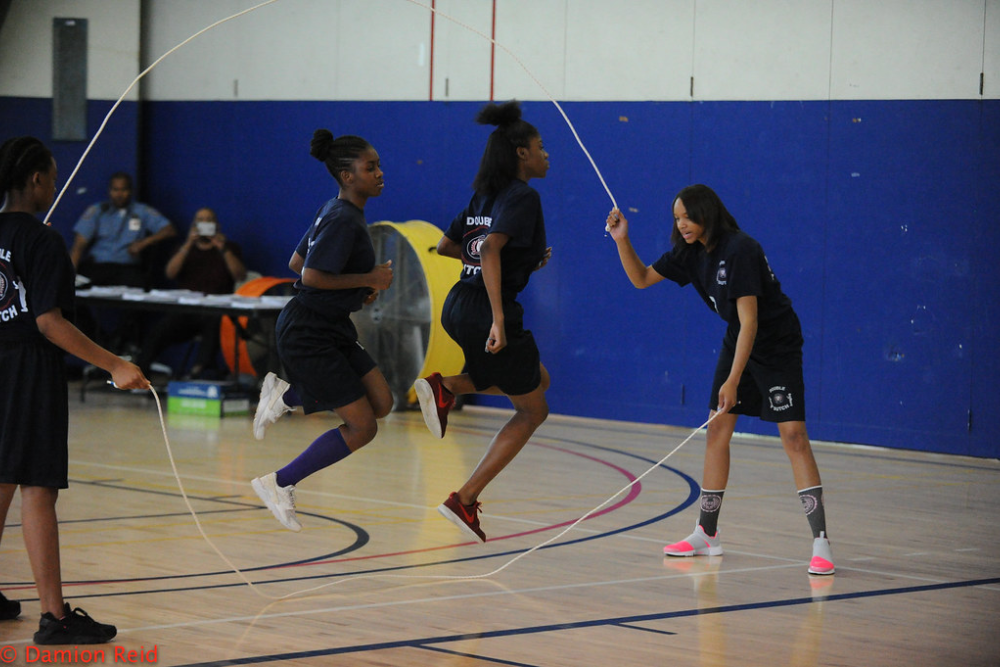
This jump rope variation featured two ropes turning in opposite directions while jumpers performed increasingly elaborate footwork and chants. Skilled Double Dutch teams developed synchronized routines combining athleticism with rhythm—incorporating dance moves, rhymes, and sometimes multiple jumpers.
The activity fostered remarkable coordination and served as a social hub in many urban neighborhoods, where generations of girls passed down specific jumping patterns and accompanying songs.
Shadow Tag
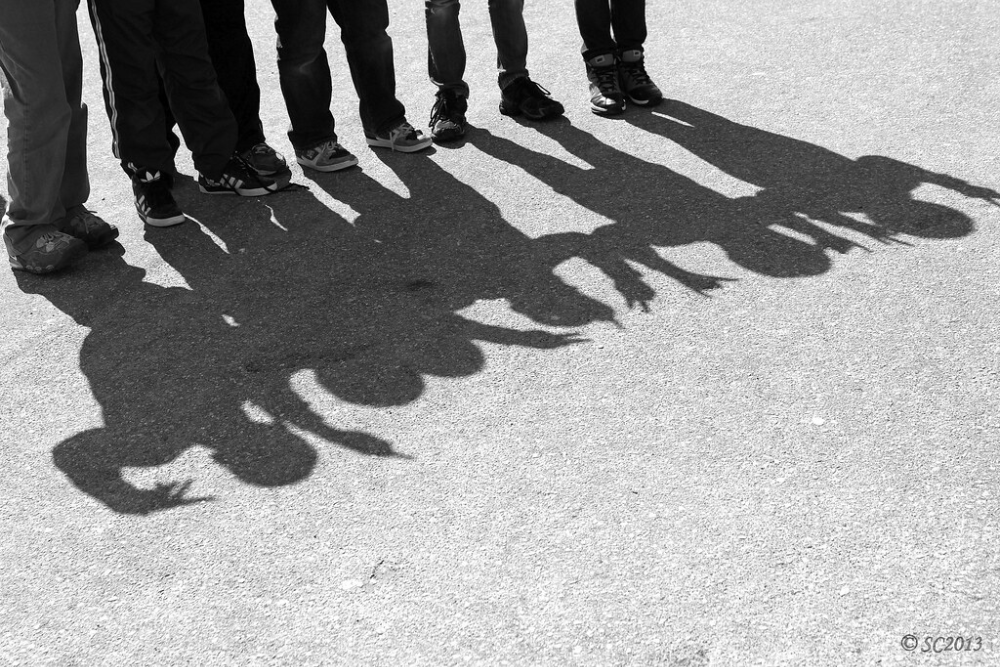
In this sunny-day favorite, “it” tried to step on other players’ shadows to tag them. The twist?
Your body was safe—but your shadow was not. Players darted, dodged, and twisted to protect their ever-changing outlines, with sudden cloud cover adding surprise twists.
The game combined creativity with awareness of angles and movement, turning ordinary sidewalks into active zones of strategy and laughter.
Mother May I
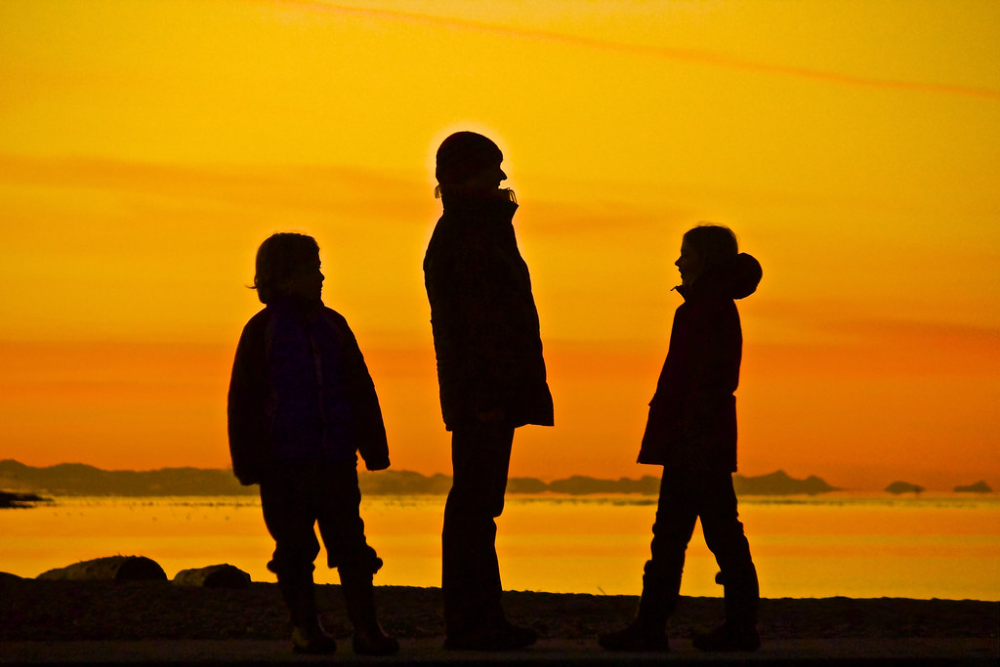
One child played the role of “Mother,” standing at one end of the play area and granting (or denying) movement requests from the others. Players asked, “Mother, may I take five giant steps?” and had to follow exact instructions to move closer.
But if they forgot to ask permission—or moved without it—they had to return to the start. The game taught patience, listening, and quick thinking, often with clever kids trying to outwit the leader.
Like Go2Tutors’s content? Follow us on MSN.
Capture the Flag
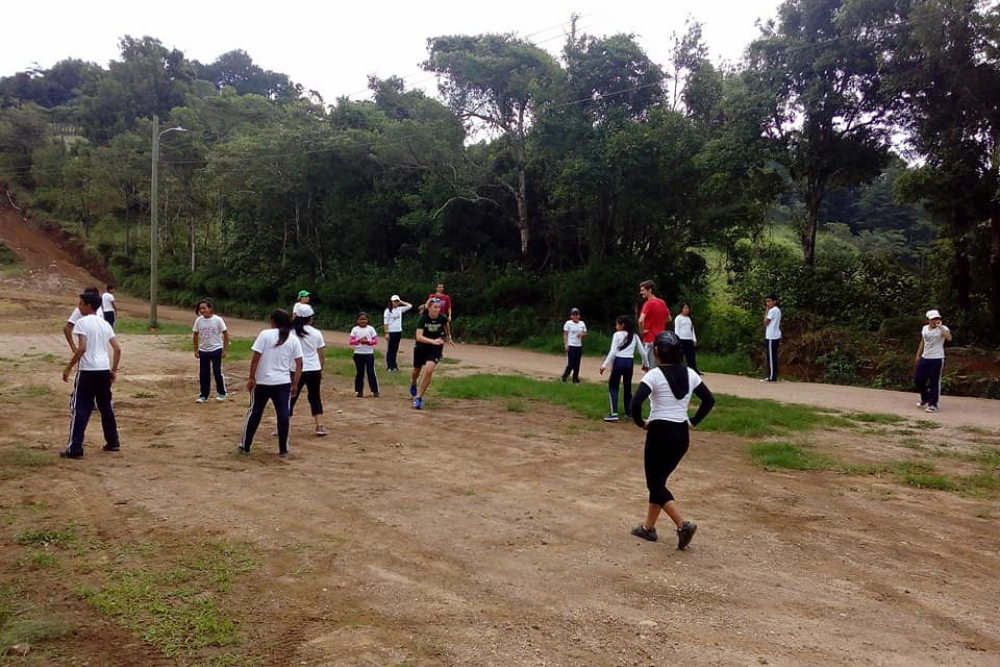
This team strategy game divided neighborhoods into territories, with each side hiding a flag or bandana for opponents to find. Players venturing into enemy territory risked being tagged and sent to “jail,” requiring rescue by teammates.
The game taught teamwork while transforming familiar streets into thrilling battlegrounds, where kids developed elaborate defensive formations and offensive strike teams. Summer games sometimes stretched past dusk, with boundaries expanding to encompass entire blocks.
Freeze Tag
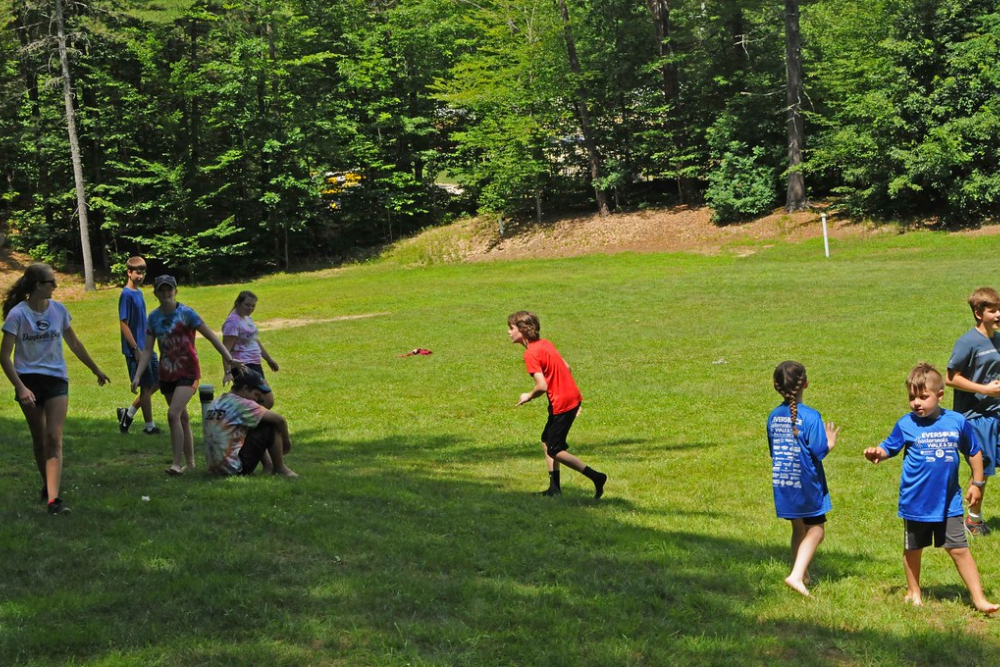
This simple yet endlessly entertaining variation of tag added drama by “freezing” tagged players in place until freed by a teammate’s touch. The game created temporary sculptures of children in mid-stride or awkward positions throughout the play area, sometimes causing fits of giggles that made staying frozen nearly impossible.
Strategic players learned to freeze opponents in inconvenient locations—behind obstacles or far from potential rescuers.
Follow the Leader
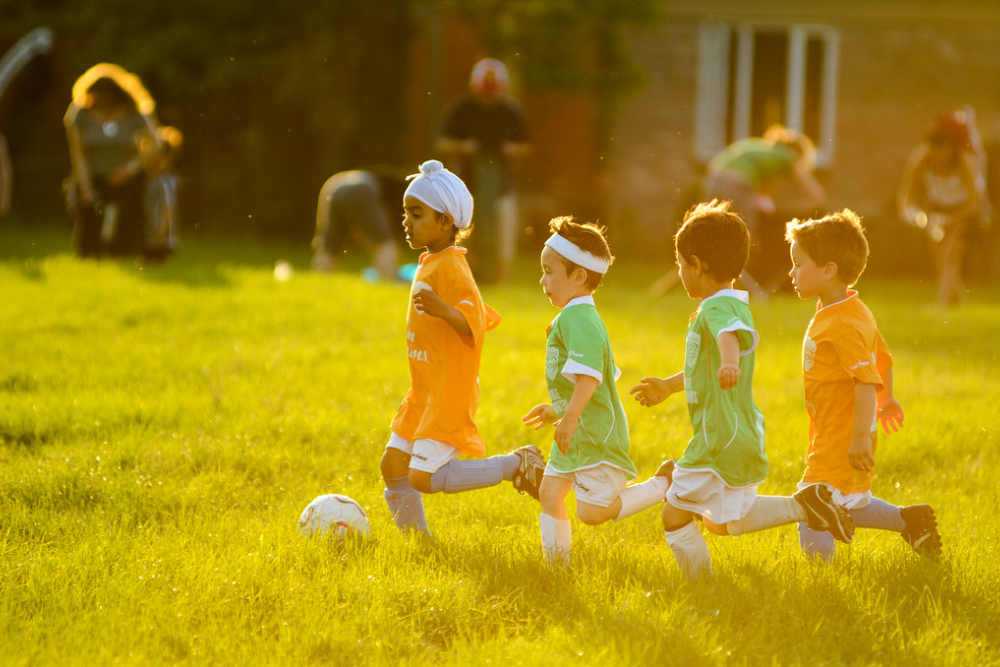
In this game, one child led the group through a series of actions—skipping, crawling, spinning, hopping on one foot—while others imitated them exactly. Anyone who failed to match a move was out, and the last player standing often became the new leader.
The game encouraged creativity and group cohesion as leaders tried to stump their followers with silly or unexpected stunts.
Like Go2Tutors’s content? Follow us on MSN.
Red Light, Green Light
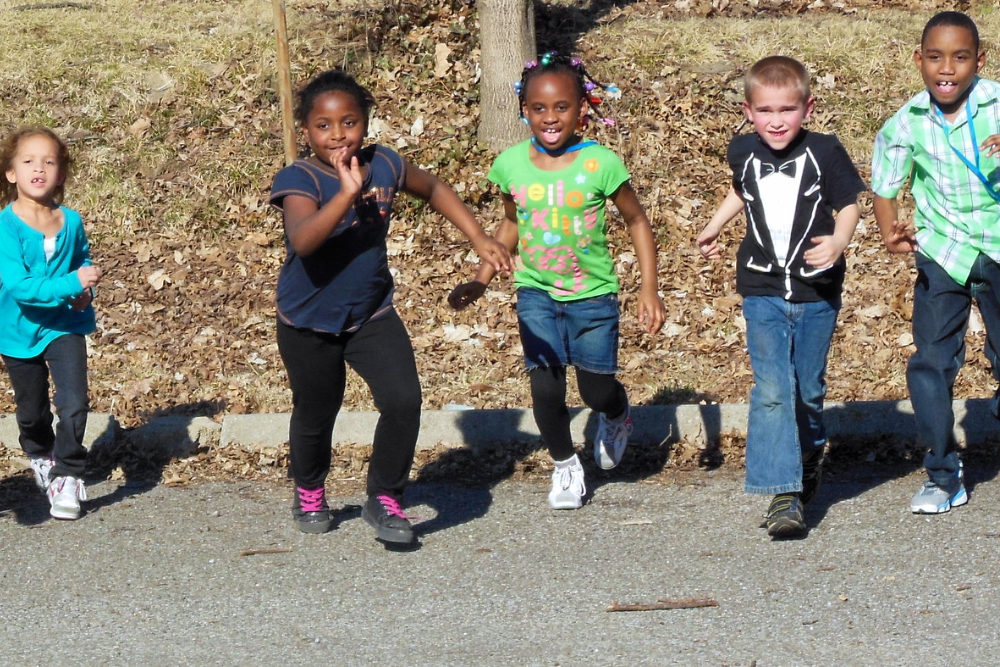
One child served as the traffic light, turning their back and calling “Green light!” as others raced forward, then suddenly spinning around after shouting “Red light!” Anyone caught moving had to return to the starting line.
The game built impulse control and body awareness as kids learned to freeze instantly mid-step. Some versions added “Yellow light!” requiring slow-motion movement—often leading to exaggerated, comical walking styles that tested the “traffic light’s” ability to maintain a straight face.
Bottle Caps
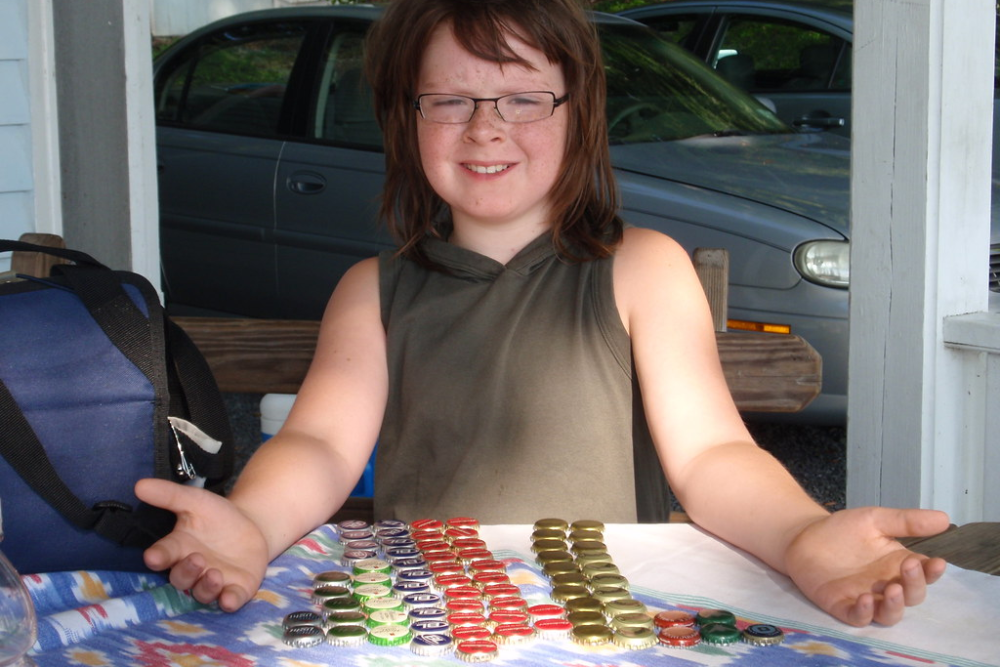
In urban areas where space was limited, kids flattened metal bottle caps, filled them with melted crayon or candle wax, then raced them along lines drawn on sidewalks. Players developed techniques for flicking the caps forward without flipping them over—using thumbnails or specially designed “shooters.”
Detailed race courses featured hairpin turns, obstacles, and sometimes stretched for blocks, with neighborhood championships drawing spectators who cheered on competitors.
Buck Buck
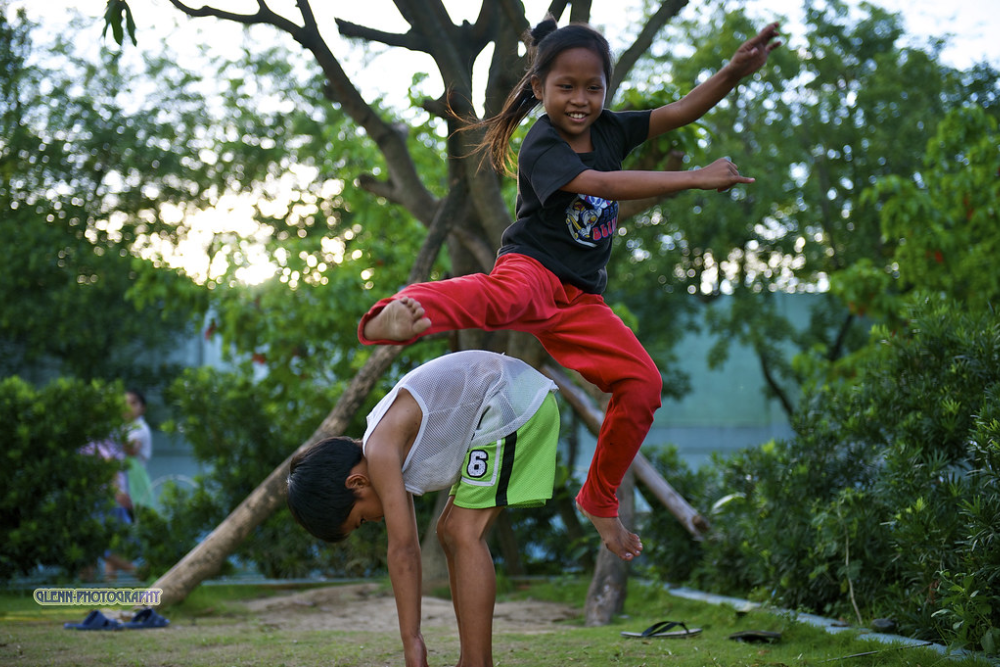
Also called “Johnny on the Pony,” this physical game involved one team bending over to form a human platform while the other team jumped onto their backs—trying to make them collapse under the weight. The jumping team chanted, “Buck Buck number one, come in!” before each leap, with successful landings allowing another teammate to pile on.
The game tested both strength and strategy as the jumping team tried distributing weight effectively while the supporting team braced themselves against the increasing load.
Like Go2Tutors’s content? Follow us on MSN.
Simon Says
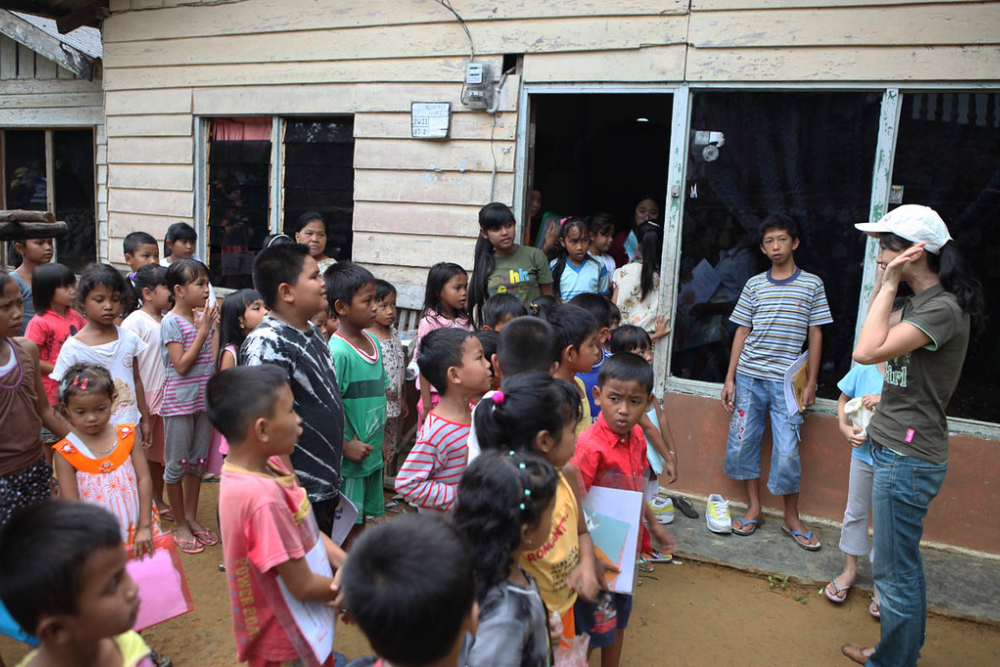
Requiring no equipment, this game tested attention and impulse control as one child gave commands prefaced with “Simon says.” Following instructions without the magic phrase meant elimination—creating a psychological challenge that taught careful listening.
Skilled “Simons” developed tricky combinations of verbal commands and misleading body movements, sometimes speaking so rapidly that even vigilant players made mistakes. The simple premise masked surprising complexity, keeping children engaged through multiple rounds.
Neighborhood Play Legacy

These street games—passed down through generations before video games arrived—built physical fitness, social skills, and resilience. Children negotiated rules, resolved disputes, and created entertainment with minimal resources.
While many of these activities have faded from daily play, they occasionally resurface in physical education classes or nostalgic neighborhood events. The ingenious simplicity of these games reminds us how creativity once flourished in environments unmediated by screens—when chalk, imagination, and willing playmates were all children needed to transform everyday spaces into worlds of adventure.
More from Go2Tutors!

- 16 Restaurant Chains That Went Too Fast
- 12 Things Sold in the 80s That Are Now Illegal
- 15 Strange Things People Have Tried to Ban (And Failed)
- 16 Collectibles People Tossed Out Too Soon
- 17 Myths from Your Childhood That Were Actually Based on Real Things
Like Go2Tutors’s content? Follow us on MSN.



