Knockoff Labels That Briefly Beat The Real Thing
The fashion world runs on prestige, but sometimes the pretenders win. Not through deception or clever marketing, but by doing something the originals couldn’t or wouldn’t do.
These knockoff brands didn’t just copy — they improved, innovated, or found gaps the established players had ignored. For a moment, they made the real thing look like the imitation.
Zara
Fast fashion gets dismissed as cheap copying, but Zara built something the luxury houses couldn’t match: speed. While designer brands planned collections eighteen months in advance, Zara could spot a trend on a Tuesday and have it in stores by Friday.
The result wasn’t just affordable fashion — it was current fashion, sometimes more current than the originals.
The luxury brands had tradition, craftsmanship, and exclusivity. Zara had relevance.
Turns out relevance wins more customers than heritage, at least until the heritage brands learned to move faster.
Xiaomi
Apple spent years perfecting the smartphone, then Xiaomi spent months perfecting Apple’s mistakes. The Chinese company took everything that worked about the iPhone (the clean design, the premium materials, the attention to detail) and fixed what didn’t work for most people: the price.
But price wasn’t Xiaomi’s only advantage — they moved faster than Apple ever could (or would), releasing new models constantly, updating software weekly, and listening to user feedback in real time rather than waiting for the next annual product cycle.
For a few years there, Xiaomi phones felt more advanced than iPhones, because in many ways they were.
H&M
Before H&M, fashion moved in seasons like clockwork. Spring collections in spring, fall collections in fall.
The Swedish retailer looked at that system and saw an opportunity that the established fashion houses had somehow missed: people want new clothes more than twice a year.
H&M didn’t just copy runway looks — they democratized them, making high fashion accessible to people who couldn’t afford designer prices but still wanted to look current.
The quality wasn’t the same, but the style was close enough that it didn’t matter. Sometimes being good enough and available is better than being perfect and out of reach.
OnePlus

OnePlus called itself the “flagship killer,” and for a while, that’s exactly what it was. Samsung and Apple were charging premium prices for premium phones, but OnePlus proved that premium performance didn’t require premium pricing.
Their phones had the same processors, similar cameras, and comparable build quality for hundreds less.
The established brands had marketing budgets and retail presence. OnePlus had online sales and word of mouth.
In the early smartphone wars, enthusiasts mattered more than advertising, and enthusiasts loved getting flagship performance at mid-range prices.
Forever 21

Fast fashion before fast fashion had a name. Forever 21 didn’t wait for trends to trickle down from high fashion — they grabbed them directly from the runway and had them in stores before the original designers had finished their press tours.
The quality was questionable, but the speed was undeniable.
For young shoppers who wanted to look current without spending their entire paycheck, Forever 21 was perfect.
The clothes might not last long, but fashion moves so fast that longevity wasn’t the point anyway. Sometimes disposable fashion makes more sense than investment pieces.
Shein
Shein took the fast fashion model and accelerated it beyond what anyone thought possible. Where other retailers updated their inventory monthly or weekly, Shein updates daily.
Thousands of new items appear on the site constantly, capturing micro-trends that bigger brands would never bother with because they move too slowly to make them profitable.
The company figured out something the fashion establishment hadn’t: social media creates trends faster than traditional fashion cycles can handle.
By the time a major brand notices a TikTok trend and gets it into production, the trend is already over. Shein catches trends while they’re happening.
Trader Joe’s
Trader Joe’s built its reputation by reverse-engineering expensive specialty foods and selling them at grocery store prices. They didn’t hide this strategy — they celebrated it, creating store-brand versions of premium products that were sometimes better than the originals.
The company understood that most people wanted good food but couldn’t afford to shop exclusively at specialty stores.
So they brought specialty store quality to neighborhood prices, making gourmet accessible to regular shoppers. Their knockoff products weren’t shameful copies — they were democratic alternatives.
Kirkland Signature
Costco’s store brand doesn’t just copy name-brand products — it often improves them. Kirkland Signature items are frequently made by the same manufacturers as premium brands, but with better ingredients or more generous portions.
The vodka is smoother than Grey Goose, the olive oil is better than many Italian imports, and the batteries last longer than most name brands.
The secret is volume purchasing and lower margins. Costco can afford to make better products because they’re not paying for advertising, fancy packaging, or brand premiums.
Sometimes the knockoff is better because it doesn’t have to carry the overhead of being the original.
Amazon Basics
Amazon looked at everyday products and asked a simple question: what if these were cheaper and worked just as well? Their strategy wasn’t complicated — find successful products, make functional versions, and sell them at lower prices with the convenience of Prime shipping.
The approach works because most people don’t need premium versions of basic items.
The Amazon Basics phone charger does the same job as the expensive original. The batteries power devices just as reliably.
Sometimes the knockoff wins simply by being adequate and available.
Target’s Designer Collaborations
Target figured out how to make designer fashion accessible without making it cheap. Their limited-time collaborations with high-end designers created affordable versions of luxury items that maintained the style and quality people wanted, just at prices they could actually pay.
These weren’t traditional knockoffs — they were partnerships that brought designer aesthetics to mass market prices.
The clothes looked expensive because they were designed by the same people who created the expensive versions. Target proved that you could democratize good design without cheapening it.
Warby Parker
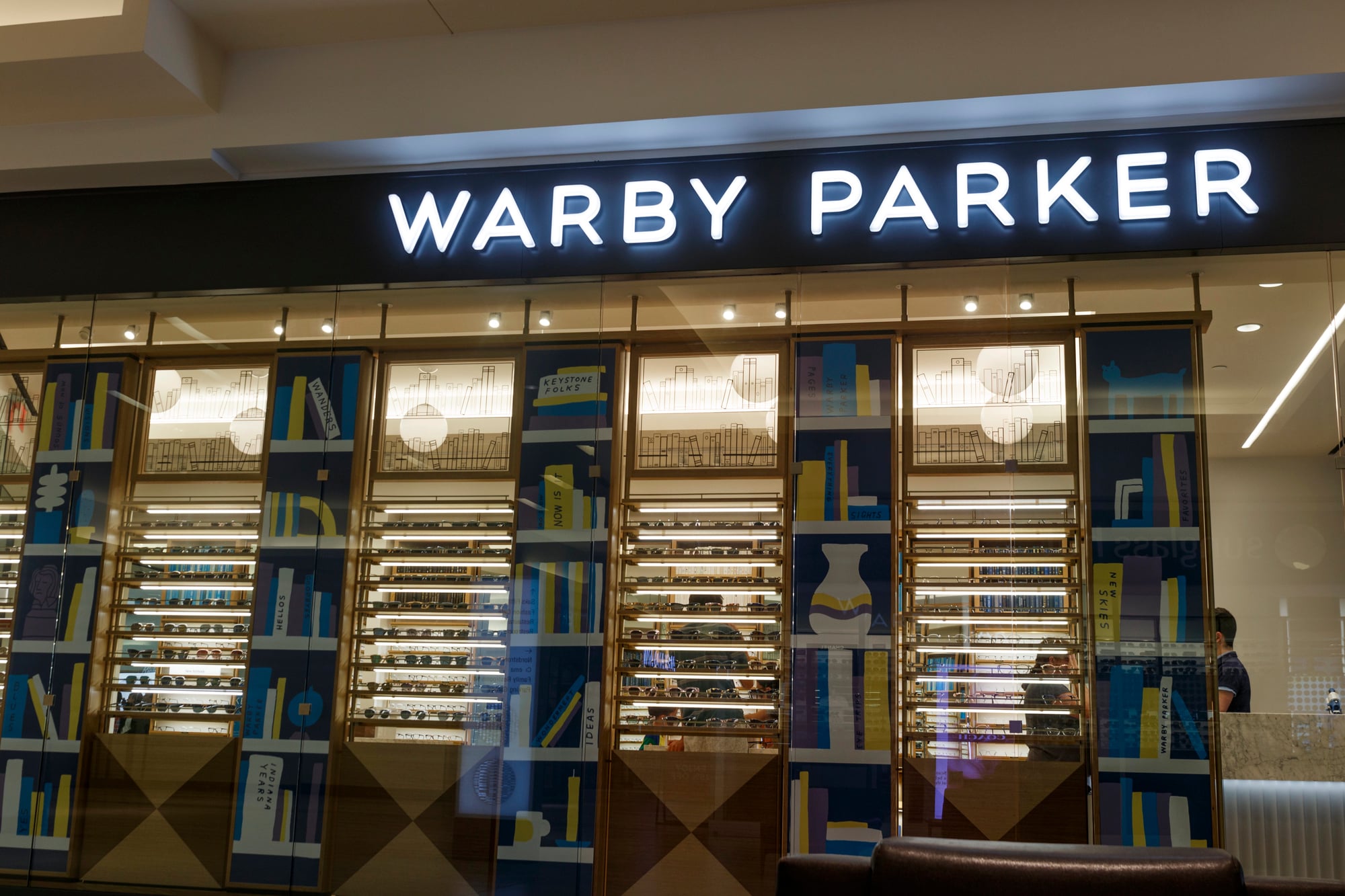
The eyewear industry was controlled by a single company that kept prices artificially high. Warby Parker broke that monopoly by cutting out middlemen and selling directly to customers.
Their glasses looked like expensive designer frames but cost a fraction of the price.
The company didn’t just compete on price — they competed on convenience and social responsibility.
Home try-ons made shopping easier, and their buy-a-pair-give-a-pair program made customers feel good about their purchases. Sometimes beating the original means fixing everything the original does wrong.
Casper
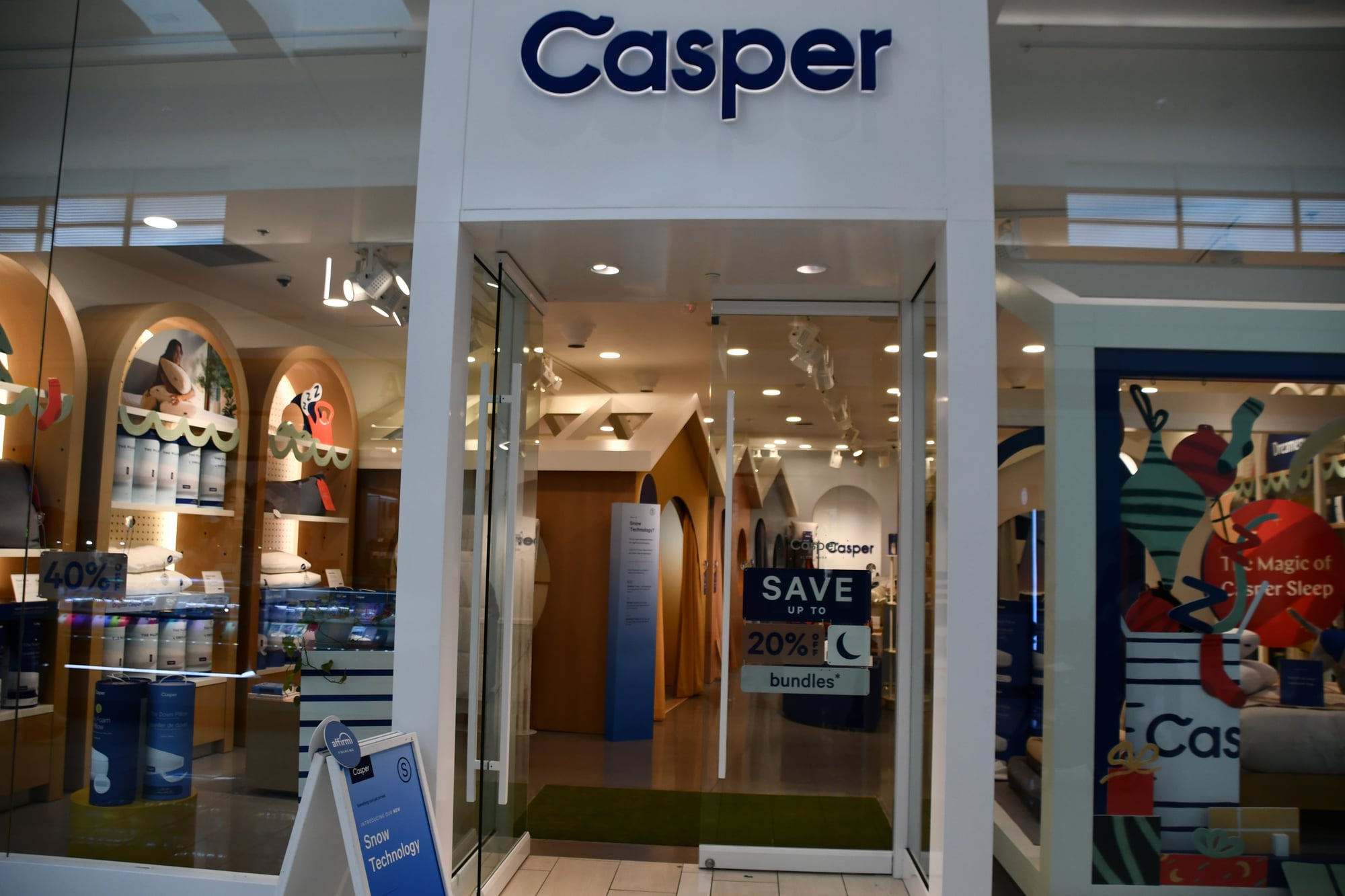
The mattress industry was stuck in the past — expensive showrooms, pushy salespeople, confusing product lines, and inflated prices. Casper simplified everything: one good mattress, fair pricing, online ordering, and home delivery.
They made buying a mattress as easy as buying anything else online.
Traditional mattress companies had decades of experience, but Casper had a better customer experience.
They proved that innovation isn’t always about making a better product — sometimes it’s about making the process of buying that product less painful.
Dollar Shave Club
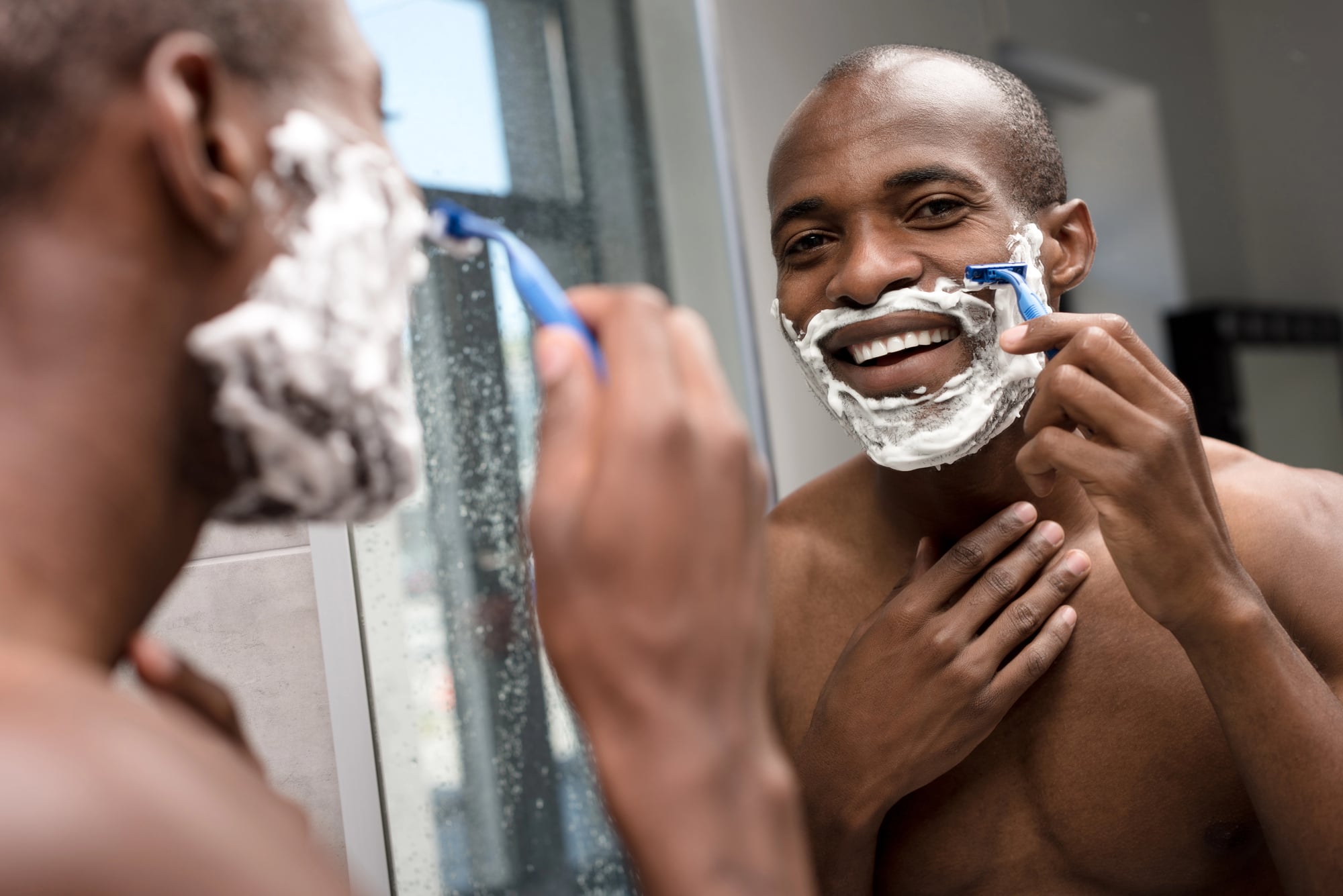
Gillette spent decades convincing men they needed increasingly complex and expensive razors. Dollar Shave Club looked at that strategy and decided it was ridiculous.
Their basic razors did the same job for a fraction of the price, delivered to your door without the retail markup.
The company’s success wasn’t just about cheaper razors — it was about calling out the absurdity of premium razor pricing.
Their marketing was funnier, their pricing was transparent, and their product was adequate. Sometimes adequate and honest beats premium and pretentious.
The Lesson Hidden In Plain Sight

These knockoff success stories share a common thread that the original brands missed until it was almost too late. They succeeded not by copying, but by questioning assumptions that established companies had stopped examining.
The originals had built their businesses on certain beliefs about what customers wanted, how much they’d pay, or how they preferred to shop — and then never revisited those beliefs as the world changed around them.
The knockoffs won temporarily because they paid attention to what was actually happening rather than what was supposed to be happening. Eventually, most of the original brands adapted, learned, and reclaimed their positions.
But for a moment, the students became the teachers, and the copies showed the originals how to do it better.
More from Go2Tutors!

- The Romanov Crown Jewels and Their Tragic Fate
- 13 Historical Mysteries That Science Still Can’t Solve
- Famous Hoaxes That Fooled the World for Years
- 15 Child Stars with Tragic Adult Lives
- 16 Famous Jewelry Pieces in History
Like Go2Tutors’s content? Follow us on MSN.