Largest Cruise Ships Currently In Service
There’s something almost absurd about floating cities. Ships so massive they carry entire neighborhoods worth of people, complete with shopping districts, entertainment venues, and enough food to feed a small town for weeks. The cruise industry has spent decades in an arms race of scale, each new vessel trying to outdo the last in sheer audacious size. These aren’t just boats anymore — they’re engineering marvels that happen to float, carrying more passengers than some airports see in a day.
Symphony of the Seas
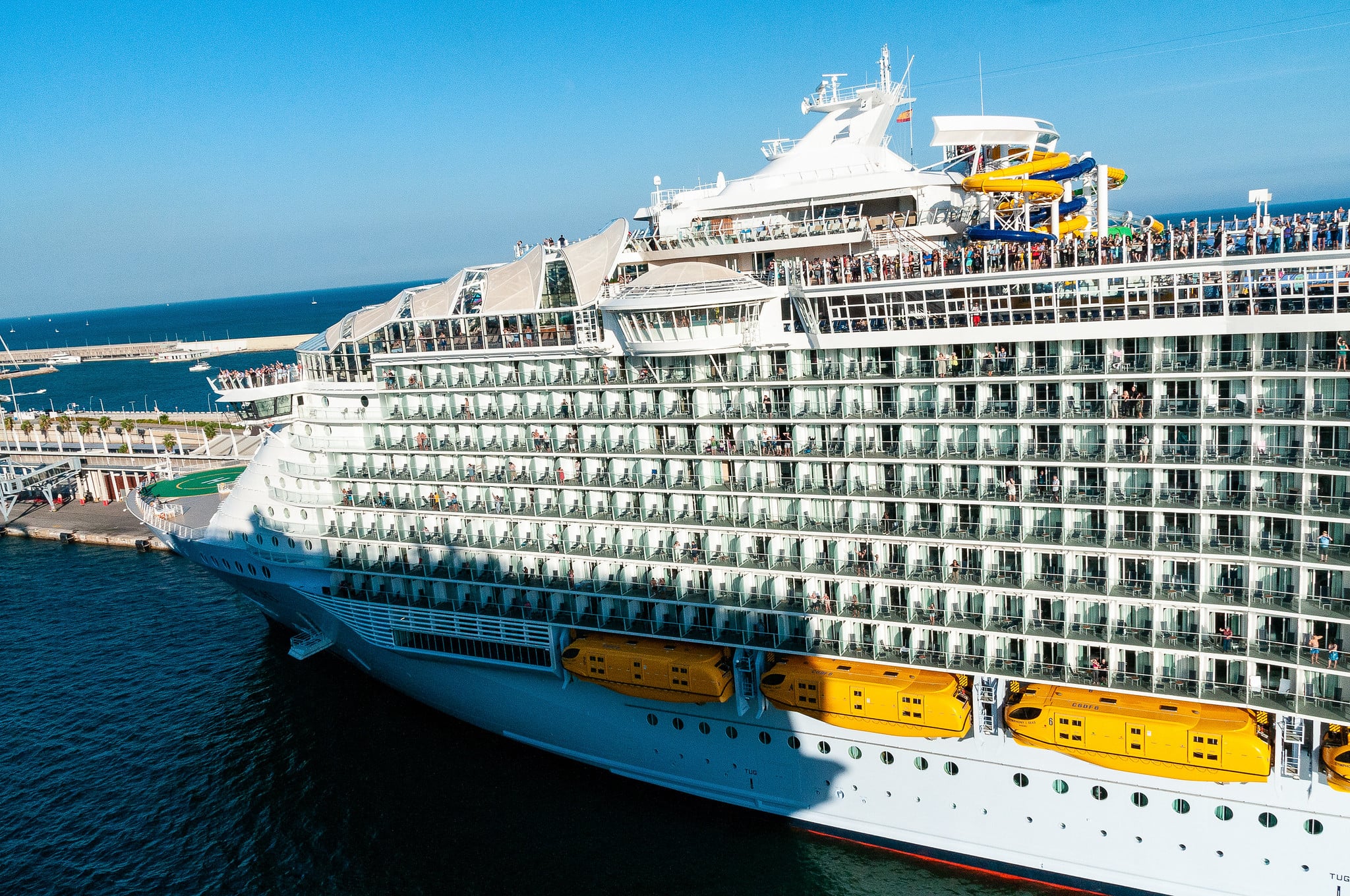
This ship doesn’t mess around. At 228,081 gross tons, Symphony of the Seas was the world’s largest cruise ship when built in 2018, but has since been surpassed. Icon of the Seas, which launched in January 2024 at 248,663 gross tons, is currently the world’s largest cruise ship by gross tonnage. It carries 6,680 passengers when fully loaded.
The vessel spans 18 decks and stretches longer than the height of the Eiffel Tower laid on its side. Royal Caribbean built it to be noticed.
Wonder of the Seas
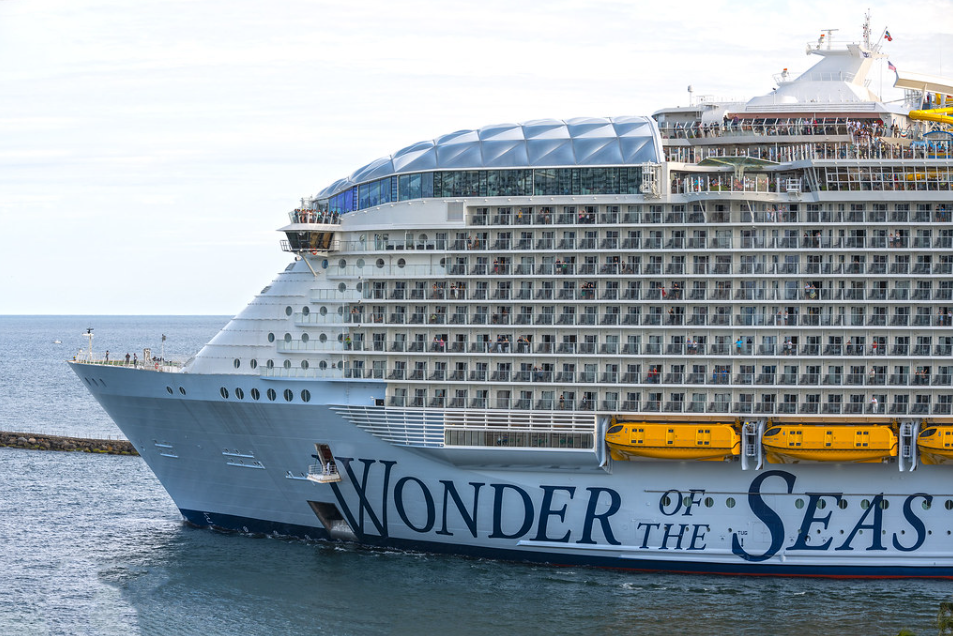
Wonder of the Seas took the crown from Symphony briefly before giving it back due to measurement technicalities (cruise ship rankings can be surprisingly bureaucratic, as it turns out, with different metrics creating different winners depending on who’s counting what). But at 236,857 gross tons, this Royal Caribbean vessel remains a contender that deserves recognition for pushing the boundaries of what maritime engineering considers possible. The ship launched in 2022, and like its sister ships, it operates as a small city that happens to move across oceans — complete with neighborhoods (they actually call them that), multiple pools, and enough restaurants to make some metropolitan areas jealous. And yet there’s something oddly charming about the fact that this massive feat of engineering still has to follow the same basic rules of buoyancy that govern rubber duckies in bathtubs.
Harmony of the Seas
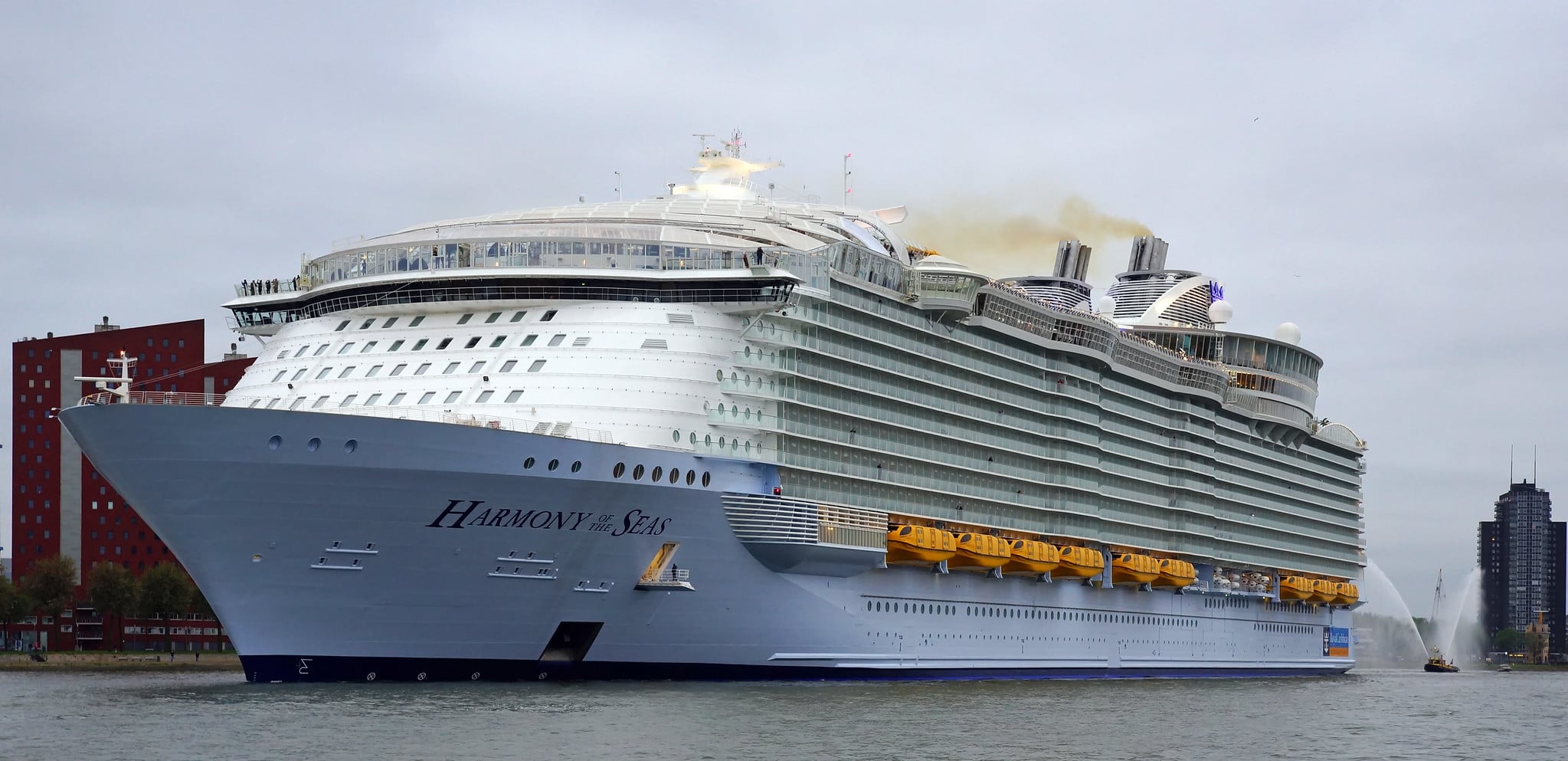
Harmony of the Seas operates like a small metropolis that decided to take a vacation. The ship divides itself into seven distinct neighborhoods, each with its own personality and purpose — the Boardwalk feels like a seaside town, Central Park brings an actual park experience to the middle of the ocean, complete with living plants that somehow thrive in salt air.
There’s something quietly remarkable about engineering a space where 5,479 passengers can spread out enough that the ship never feels truly crowded. The designers understood that size alone isn’t enough — you need to create pockets of intimacy within the vastness, corners where two people can have a conversation without shouting over the ambient noise of thousands of other vacationers.
Allure of the Seas
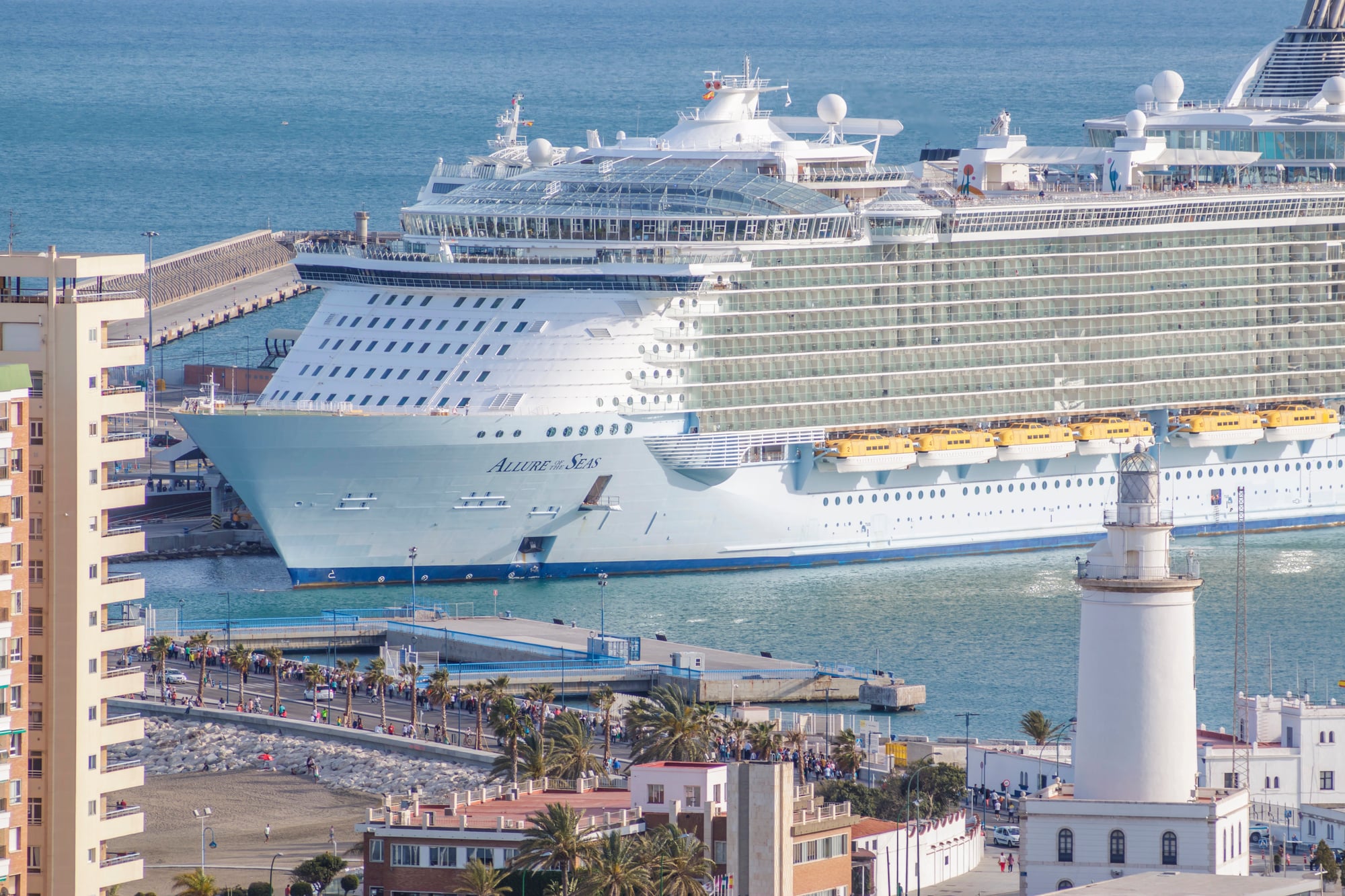
Allure of the Seas proves that being slightly smaller doesn’t mean being less impressive. The ship carries 5,400 passengers and maintains the same neighborhood concept that makes its sister ships work so well.
The vessel launched before Harmony but established many of the design principles that would define this class of ship. Sometimes being first matters more than being biggest.
Oasis of the Seas
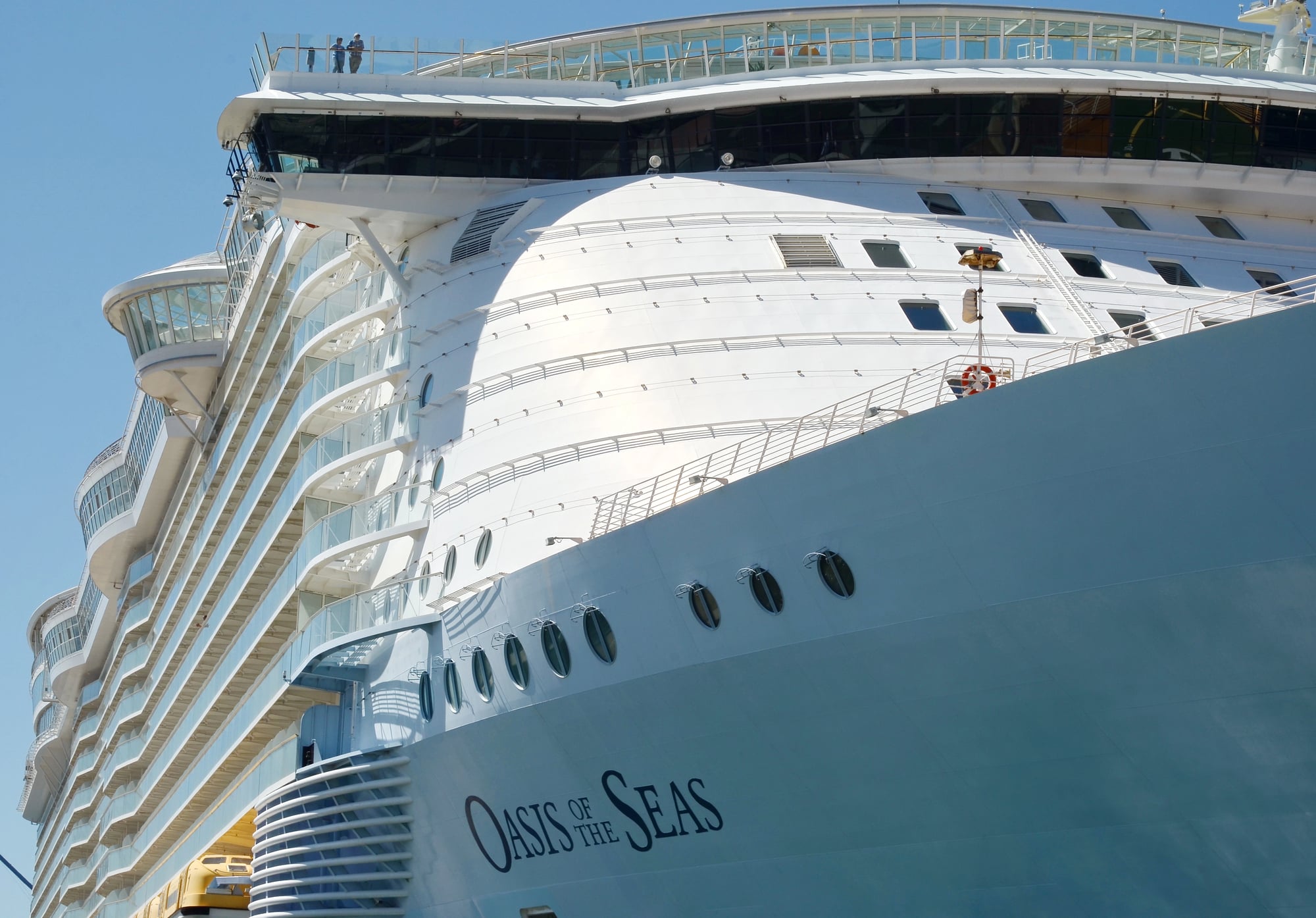
The ship that started this particular arms race of size deserves credit for proving the concept could work (and for having the nerve to try it in the first place, which was no small gamble when Royal Caribbean was designing something larger than anyone had attempted before). Oasis of the Seas launched in 2009, carrying 5,400 passengers across 16 decks, and introduced the world to the idea that cruise ships could function as genuine destinations rather than just transportation with amenities. But here’s what’s interesting: the ship feels more intimate than its successors, possibly because the designers were still figuring out how to fill all that space — so they left more room for passengers to breathe, creating accidental moments of tranquility that later ships, packed with more attractions, sometimes struggle to maintain.
Stars of the Seas
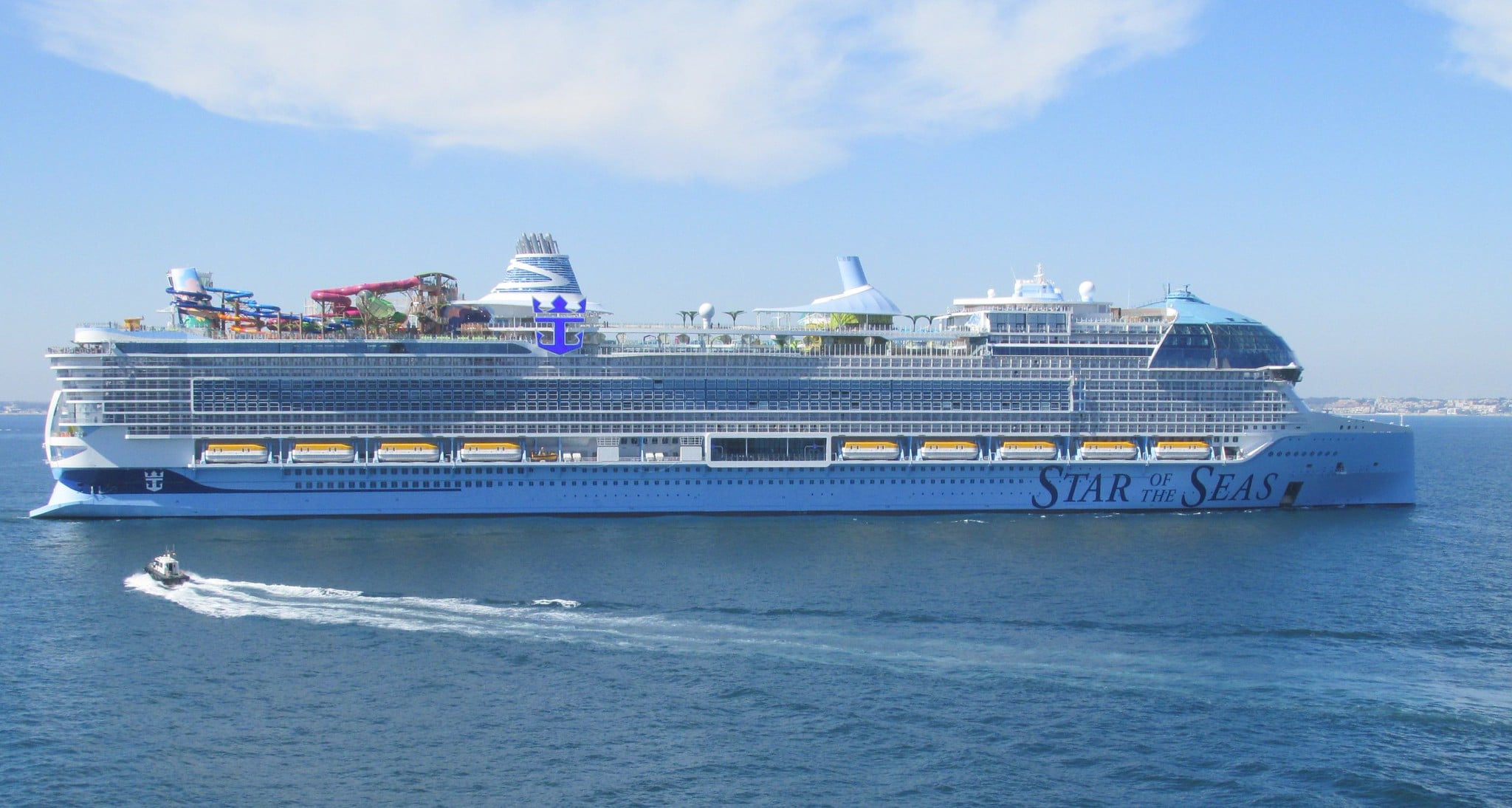
Star of the Seas represents Royal Caribbean’s latest thinking on floating cities. At 248,663 gross tons, it’s technically the largest by gross tonnage but carries fewer passengers than Symphony of the Seas at maximum capacity.
The ship launched in 2024 with neighborhoods that feel more integrated than previous designs. Royal Caribbean learned from a decade of operating massive ships and applied those lessons here. The result feels less like a collection of attractions bolted together and more like a cohesive experience that happens to be enormous.
MSC World Europa
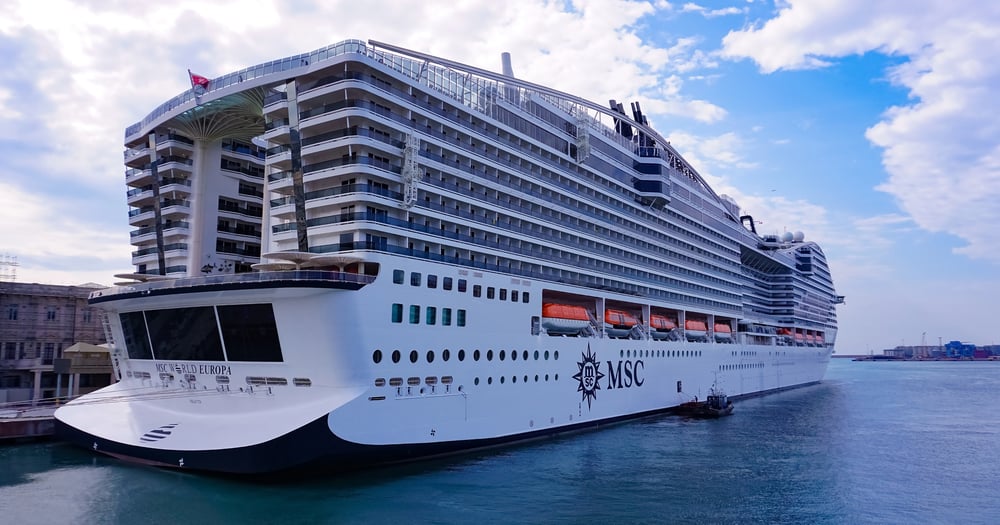
European cruise lines approach gigantic ships differently than their American counterparts, and MSC World Europa demonstrates this philosophical divide in fascinating ways. The ship carries 5,400 passengers but organizes the experience around a more traditional European sensibility — less theme park, more sophisticated resort that happens to move. The dining feels more intentional, the entertainment more varied but less overwhelming, and the ship maintains areas of genuine quiet that larger vessels sometimes sacrifice to pack in more attractions. There’s an understated elegance to how MSC handles scale, proving that bigger doesn’t always have to mean louder or more frantic.
Spectrum of the Seas
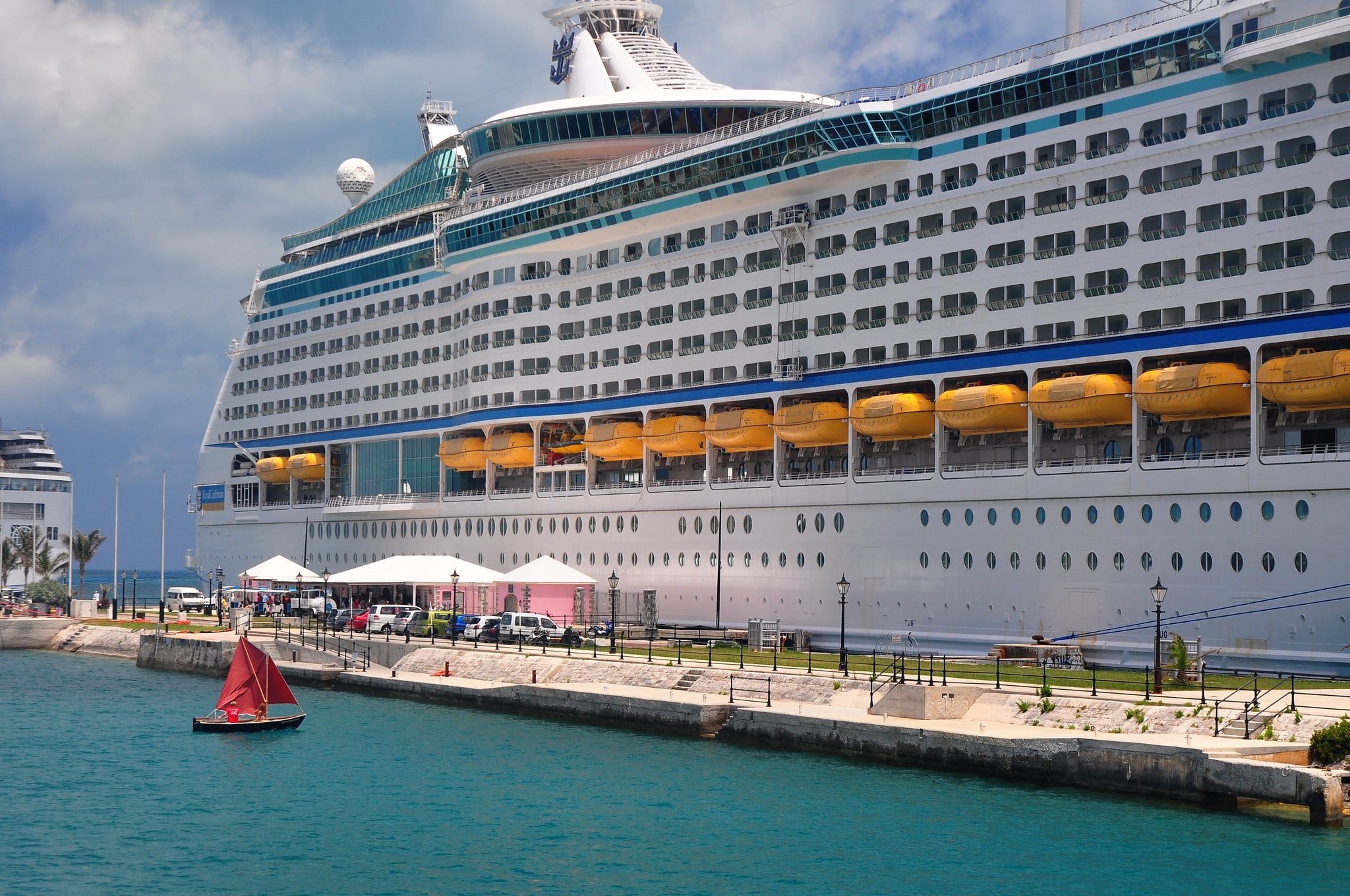
Spectrum of the Seas gets built for specific markets and specific expectations. The ship carries 4,246 passengers and operates primarily in Asian waters, where passenger preferences run different from Caribbean or Mediterranean cruising.
Royal Caribbean designed this ship with longer cruises in mind. The amenities reflect that reality — more variety in dining, more sophisticated entertainment options, spaces designed for passengers who might be aboard for two weeks rather than seven days.
Voyager of the Seas
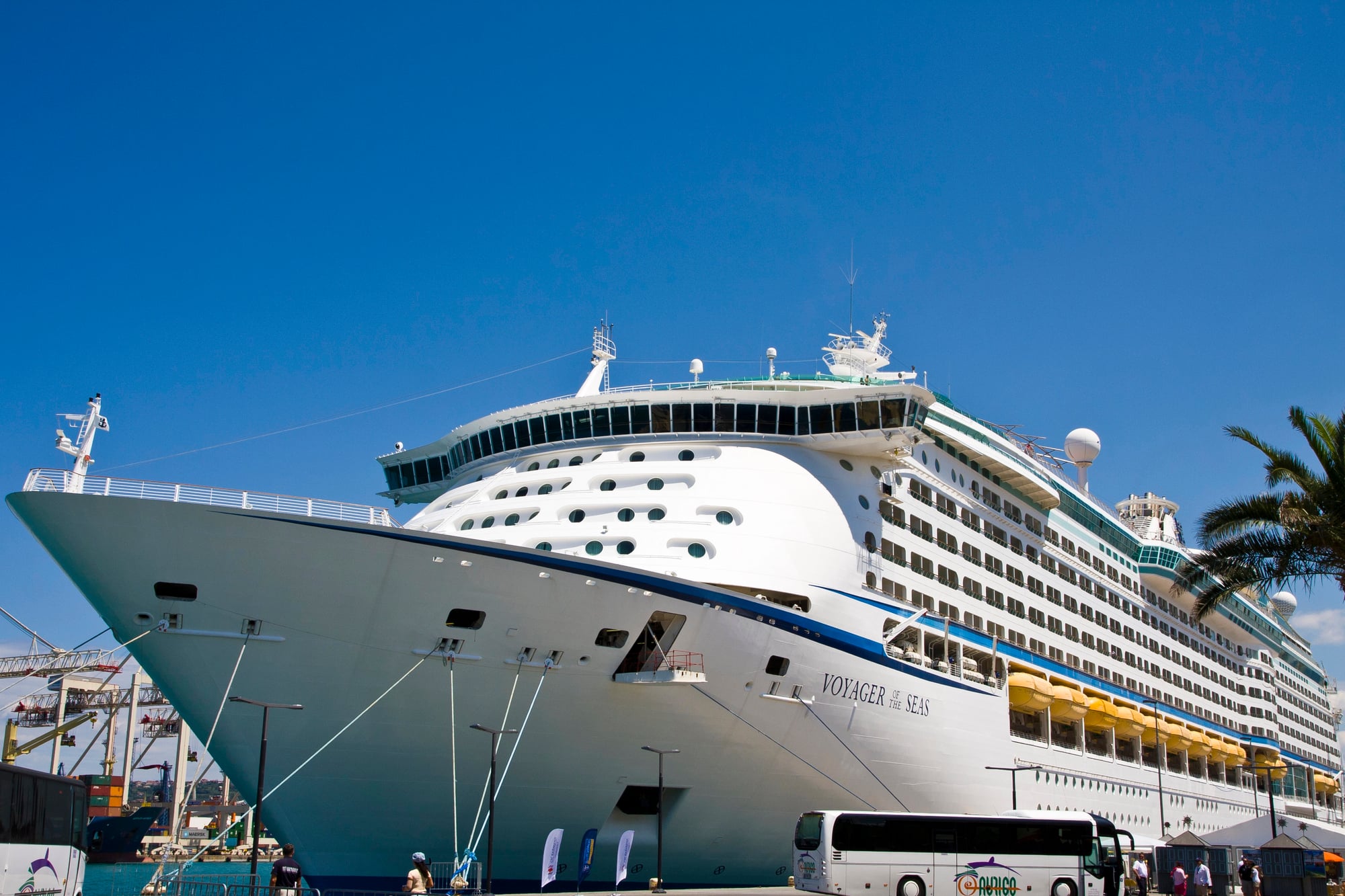
This ship launched the Voyager class back in 1999 and established many conventions that larger ships still follow today (the ice skating rink, the rock climbing wall, the promenade that runs down the center of the ship like a main street). At 137,276 gross tons, Voyager of the Seas carries 3,114 passengers and feels almost quaint compared to modern giants, but it proved that passengers would embrace ships designed as destinations rather than transportation. So many design elements that seem standard now — multiple dining venues, elaborate entertainment, indoor spaces that don’t feel like ship interiors — trace back to decisions made on this vessel. And yet it still operates successfully, which suggests that there might be an optimal size for cruise ships that the industry passed several vessels ago.
Navigator of the Seas
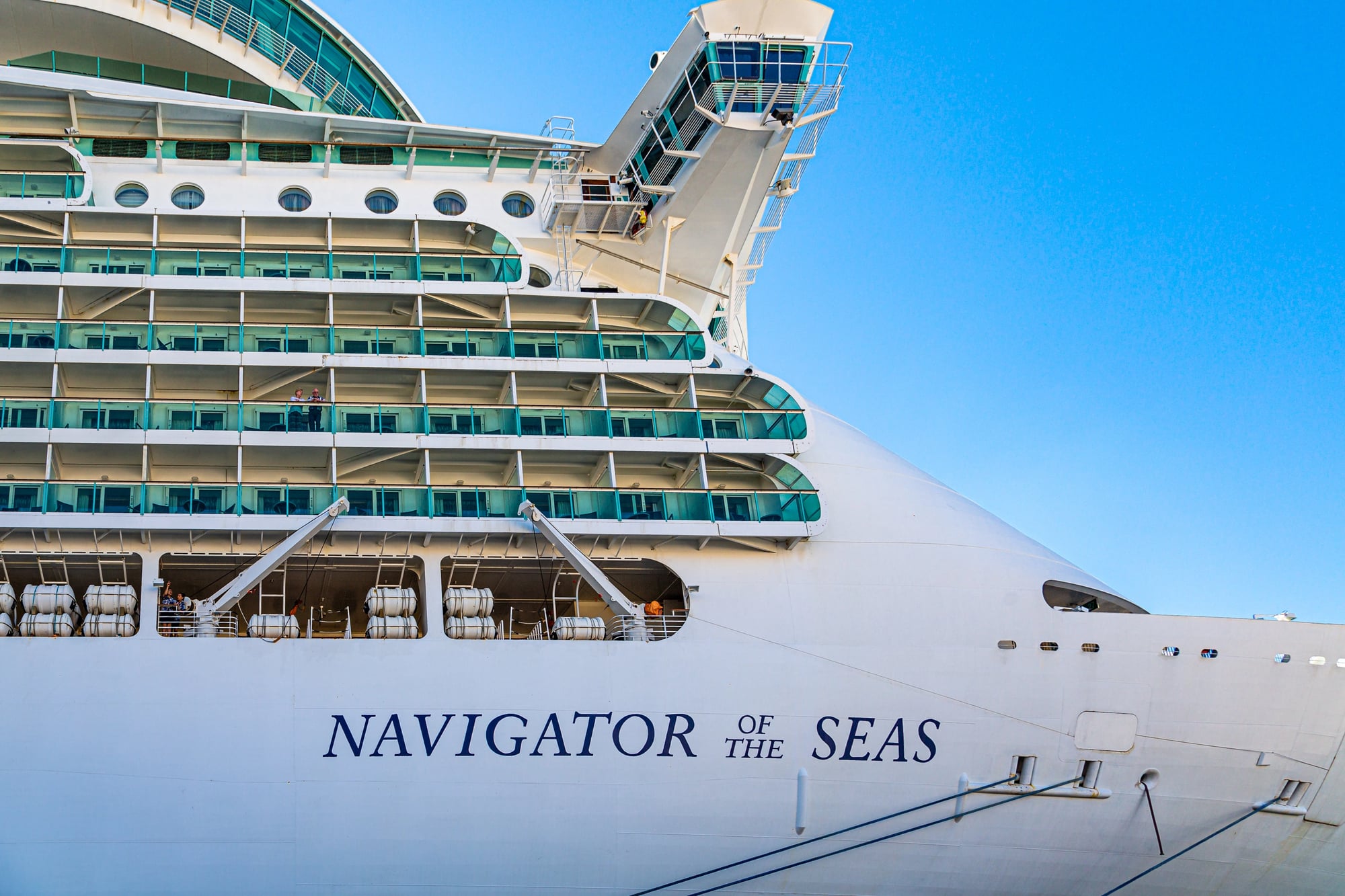
Navigator of the Seas carries 3,114 passengers and maintains the Voyager-class design that prioritizes variety over sheer scale. The ship operates globally, which requires more flexibility than ships designed for specific routes.
The vessel proves that success doesn’t require being the largest. Sometimes being the right size for the mission matters more than breaking records.
Adventure of the Seas
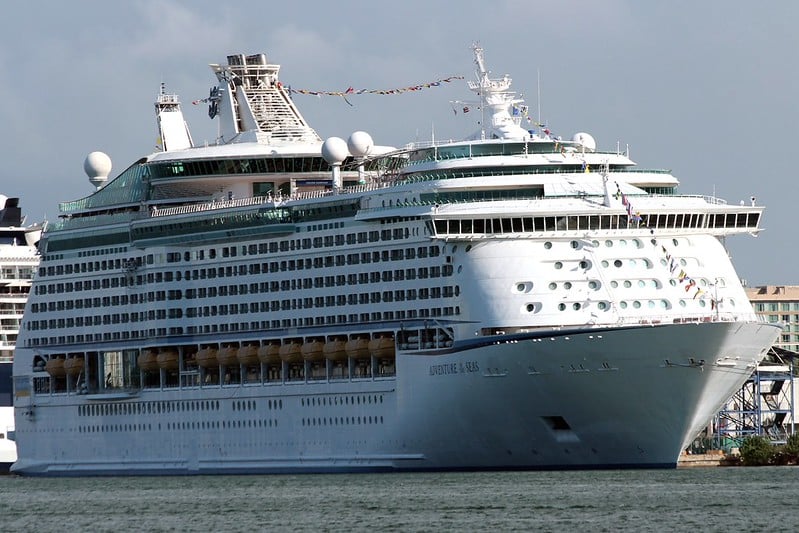
Adventure of the Seas understands its role in the Royal Caribbean fleet. At 137,276 gross tons with capacity for 3,114 passengers, it operates in markets where massive ships would be overkill but standard ships would disappoint.
The ship offers Voyager-class amenities without the overwhelming scale of newer vessels. For many passengers, this hits the sweet spot between variety and manageability.
Mariner of the Seas
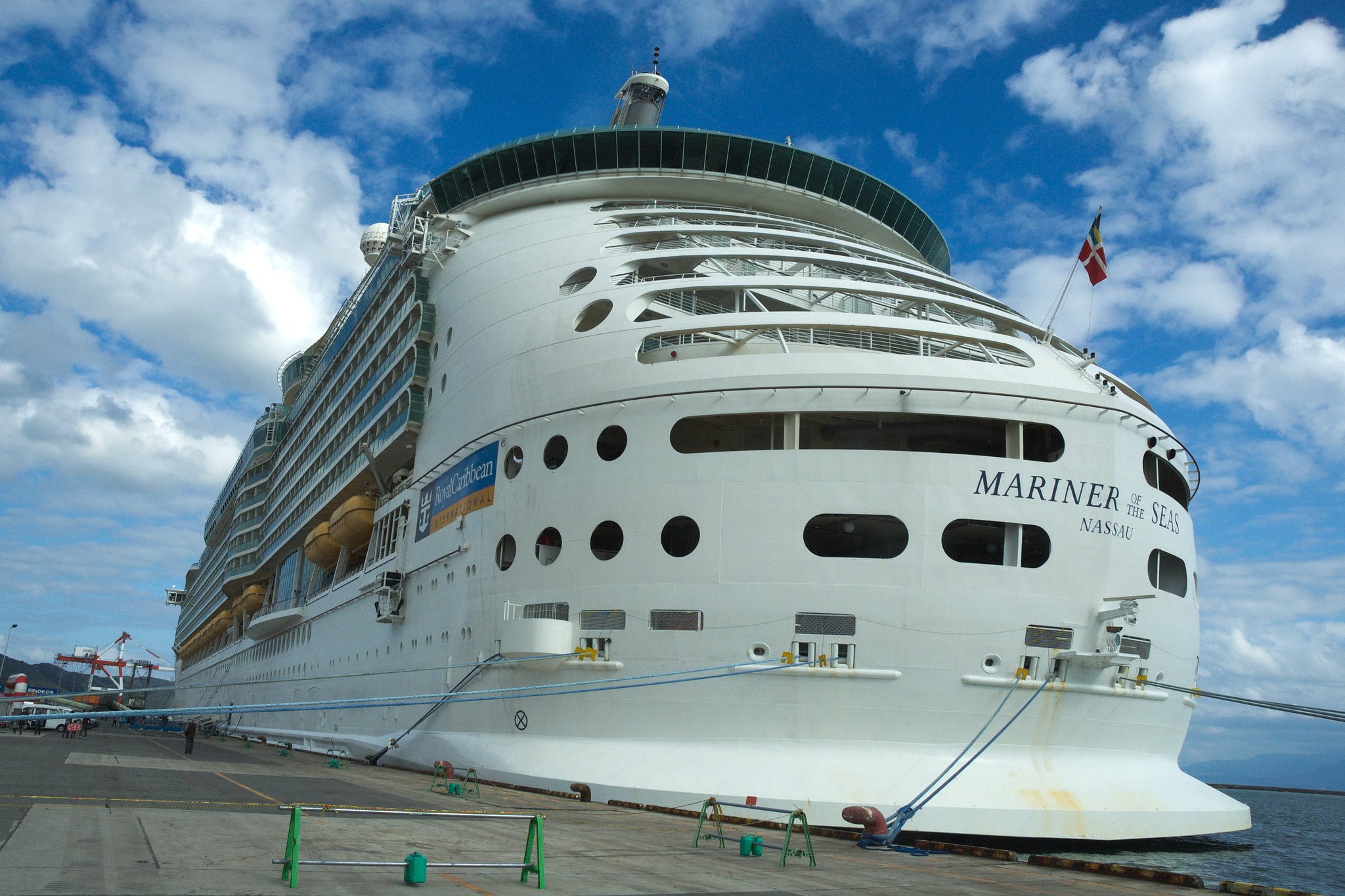
Mariner of the Seas represents the Voyager class at its most refined, having undergone multiple renovations that updated its facilities without changing its fundamental character — think of it as a classic car with a modern engine. The ship carries 3,114 passengers across itineraries that require versatility rather than spectacle, and it delivers experiences that feel more personal than what you’ll find on vessels twice its size. There’s something to be said for ships that know what they are: Mariner doesn’t try to be a floating theme park or a maritime mall, it just focuses on being a really good cruise ship that happens to have some interesting extras (the ice skating rink still surprises first-time passengers, even though it’s been there since launch).
MSC Grandiosa
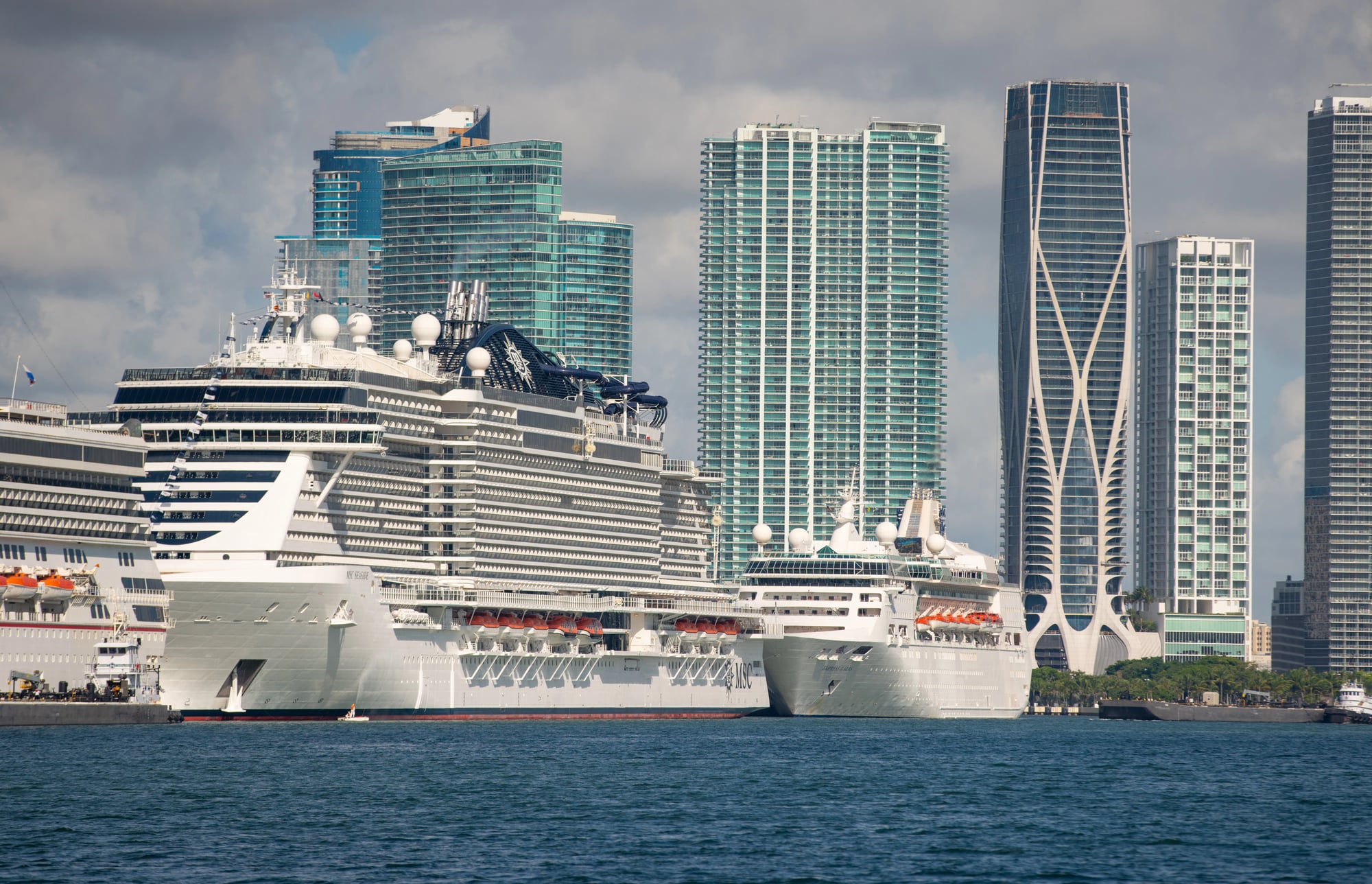
MSC Grandiosa brings European cruise philosophy to large ship design in ways that feel genuinely different from the Royal Caribbean approach. The ship carries 4,842 passengers but distributes them through spaces that prioritize sophistication over spectacle.
The ship’s Mediterranean routing influences everything from dining options to entertainment programming. MSC designed this vessel for passengers who want large ship amenities without theme park atmospherics. The result feels more grown-up, which is either exactly what you want or completely missing the point, depending on your cruise expectations.
Where the Ocean Meets Ambition
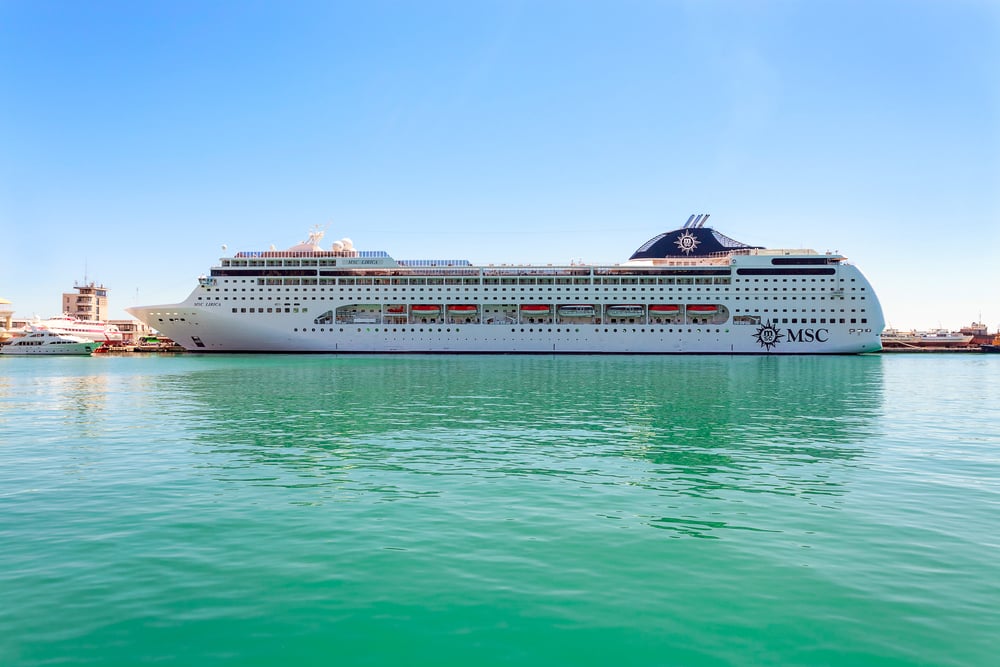
These floating giants represent more than engineering achievements — they’re monuments to human restlessness, our refusal to accept that vacations should be simple or small. Each ship pushes against practical limits while trying to create experiences that feel effortless for passengers who never see the complexity required to keep these cities afloat. The largest ships currently sailing carry more people than lived in most towns throughout human history, yet somehow they’ve made sharing space with thousands of strangers feel like luxury rather than chaos. Whether that’s progress or madness probably depends on how much you enjoy crowds and whether you think bigger automatically means better.
More from Go2Tutors!

- The Romanov Crown Jewels and Their Tragic Fate
- 13 Historical Mysteries That Science Still Can’t Solve
- Famous Hoaxes That Fooled the World for Years
- 15 Child Stars with Tragic Adult Lives
- 16 Famous Jewelry Pieces in History
Like Go2Tutors’s content? Follow us on MSN.



