15 Restoration Fails That Ruined Famous Paintings
Art restoration is supposed to preserve masterpieces for future generations, but sometimes things go spectacularly wrong. When amateur restorers take on projects beyond their skill level, or when professionals make questionable decisions, the results can be more tragic than comic. These disasters have sparked debates about who should be allowed to touch priceless cultural treasures.
The internet has made these restoration nightmares famous worldwide, turning local mishaps into global cautionary tales. Here is a list of 15 restoration fails that transformed beloved artworks into unrecognizable disasters.
Ecce Homo in Borja
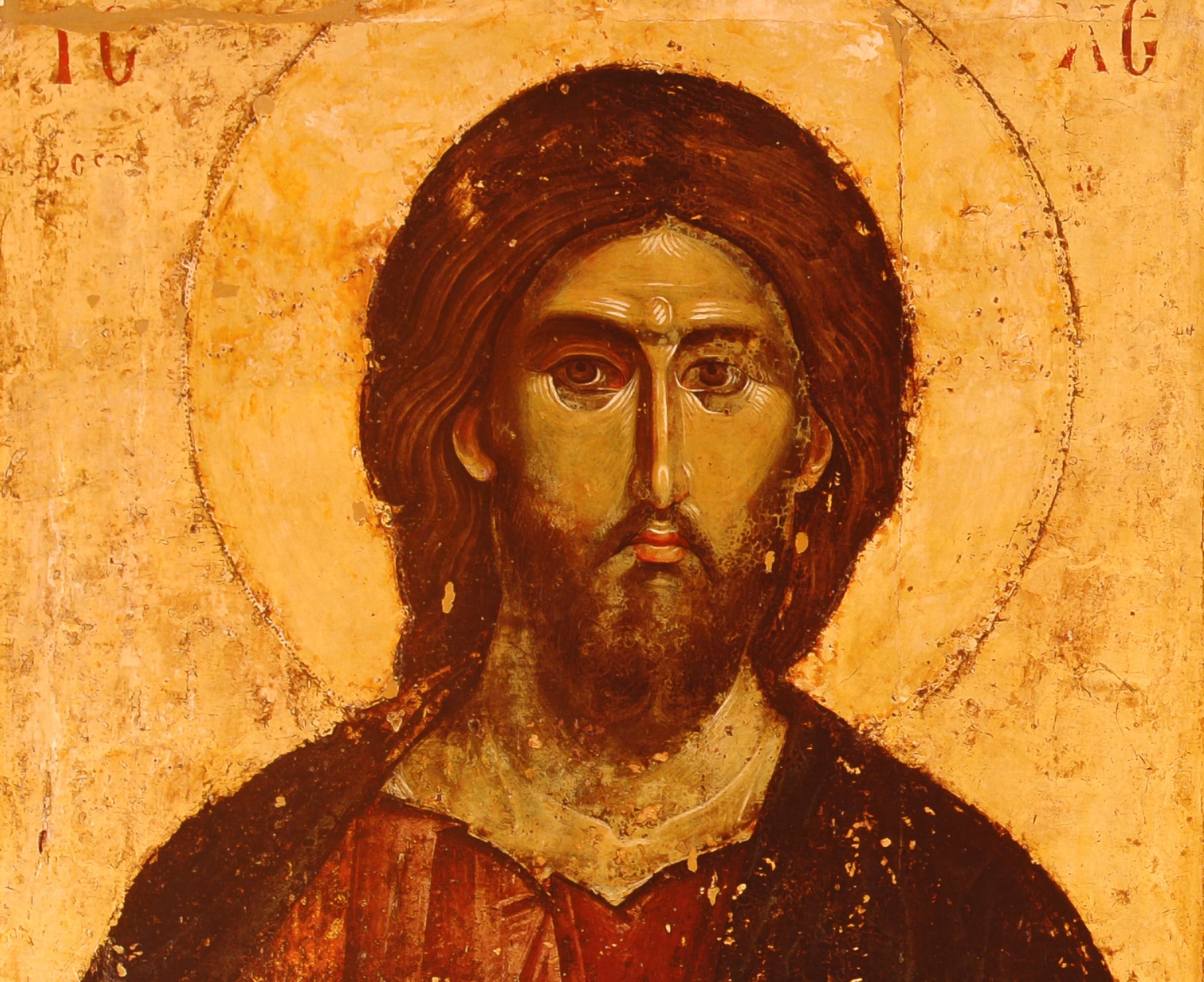
An 80-year-old parishioner named Cecilia Giménez decided to restore a deteriorating fresco of Jesus in her local Spanish church without permission. Her well-intentioned effort turned the serene face of Christ into what people dubbed ‘Monkey Christ’ or ‘Potato Jesus.’
The botched restoration became an internet sensation and accidentally turned the tiny town of Borja into a tourist destination, though the original 1930 fresco by Elías García Martínez was lost forever.
Saint George and the Dragon
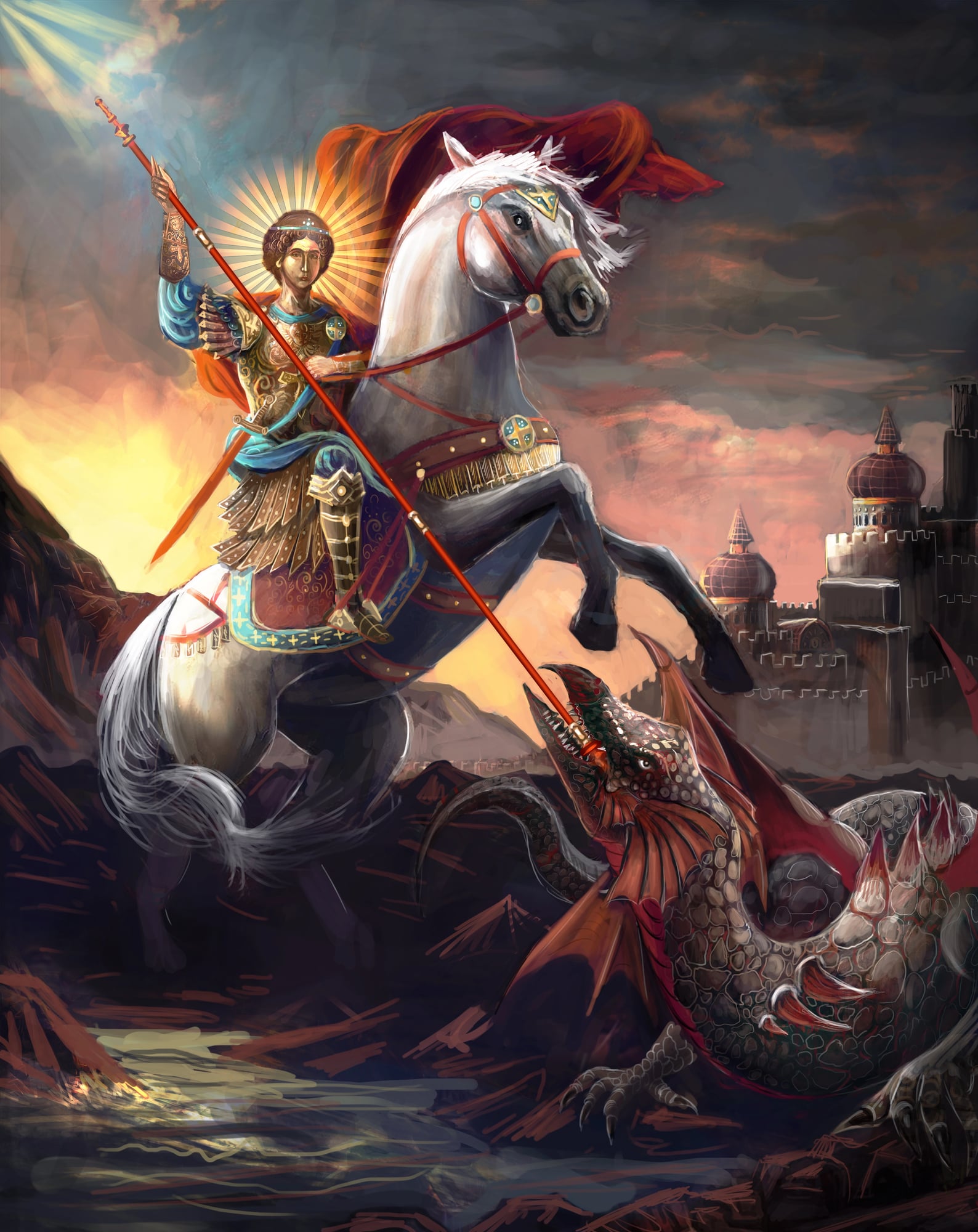
This 500-year-old wooden carving in Spain suffered what many consider the worst restoration in history. A furniture restorer was hired to clean the piece, but instead painted over the entire sculpture with bright, cartoonish colors that made Saint George look like a toy action figure.
The medieval artwork’s subtle details and aged patina were completely obliterated under layers of garish paint that bore no resemblance to the original color scheme.
Like Go2Tutors’s content? Follow us on MSN.
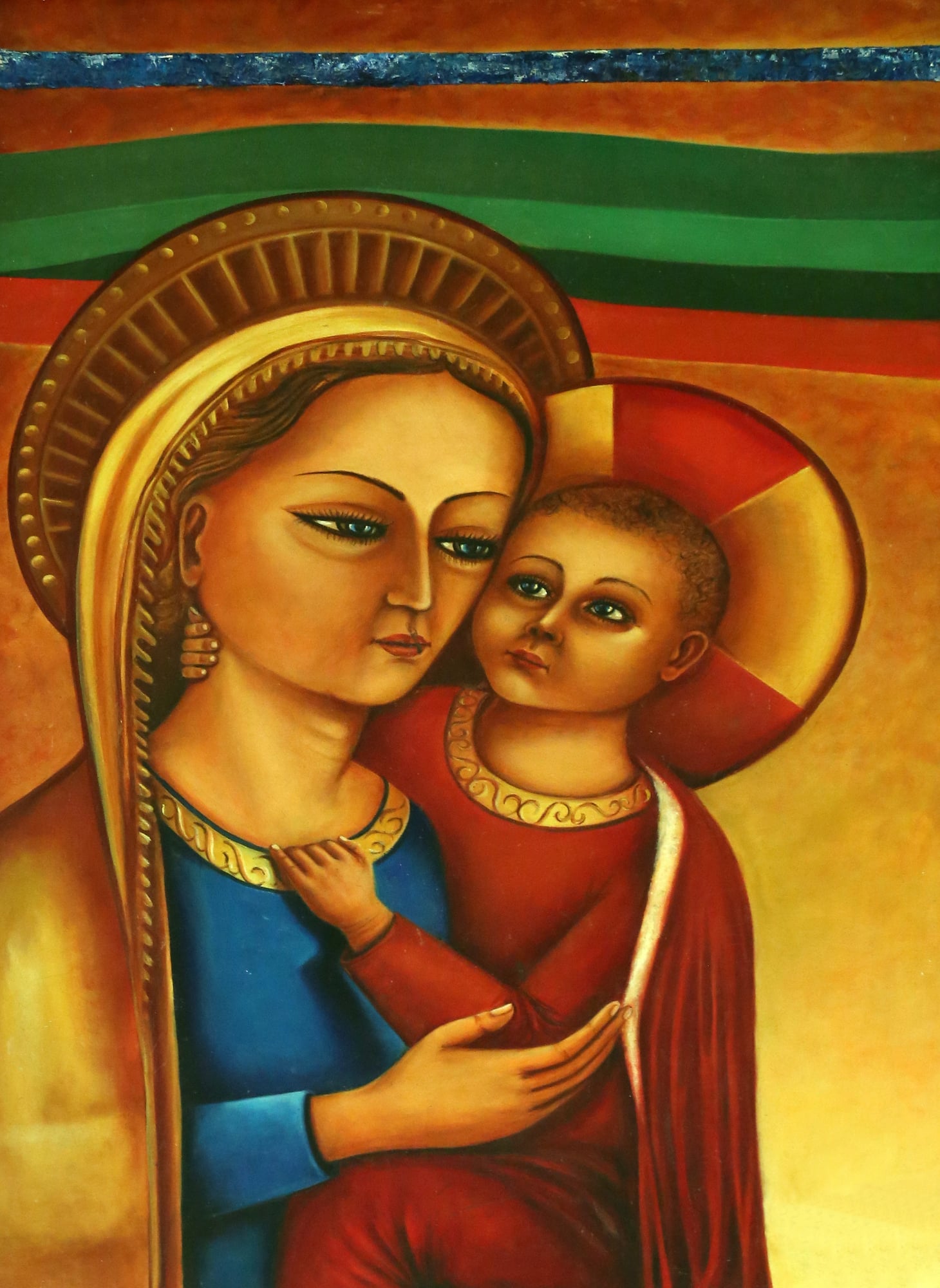
The Virgin Mary Statue in Sudbury

A 500-year-old wooden statue of the Virgin Mary in Ontario, Canada, was ‘restored’ by someone who apparently thought it needed a complete makeover. The result looked more like a department store mannequin than a sacred religious artifact.
The statue’s gentle, weathered features were replaced with a plastic-looking face complete with rosy cheeks and bright red lips that would make a fashion doll jealous.
Leonardo’s The Last Supper
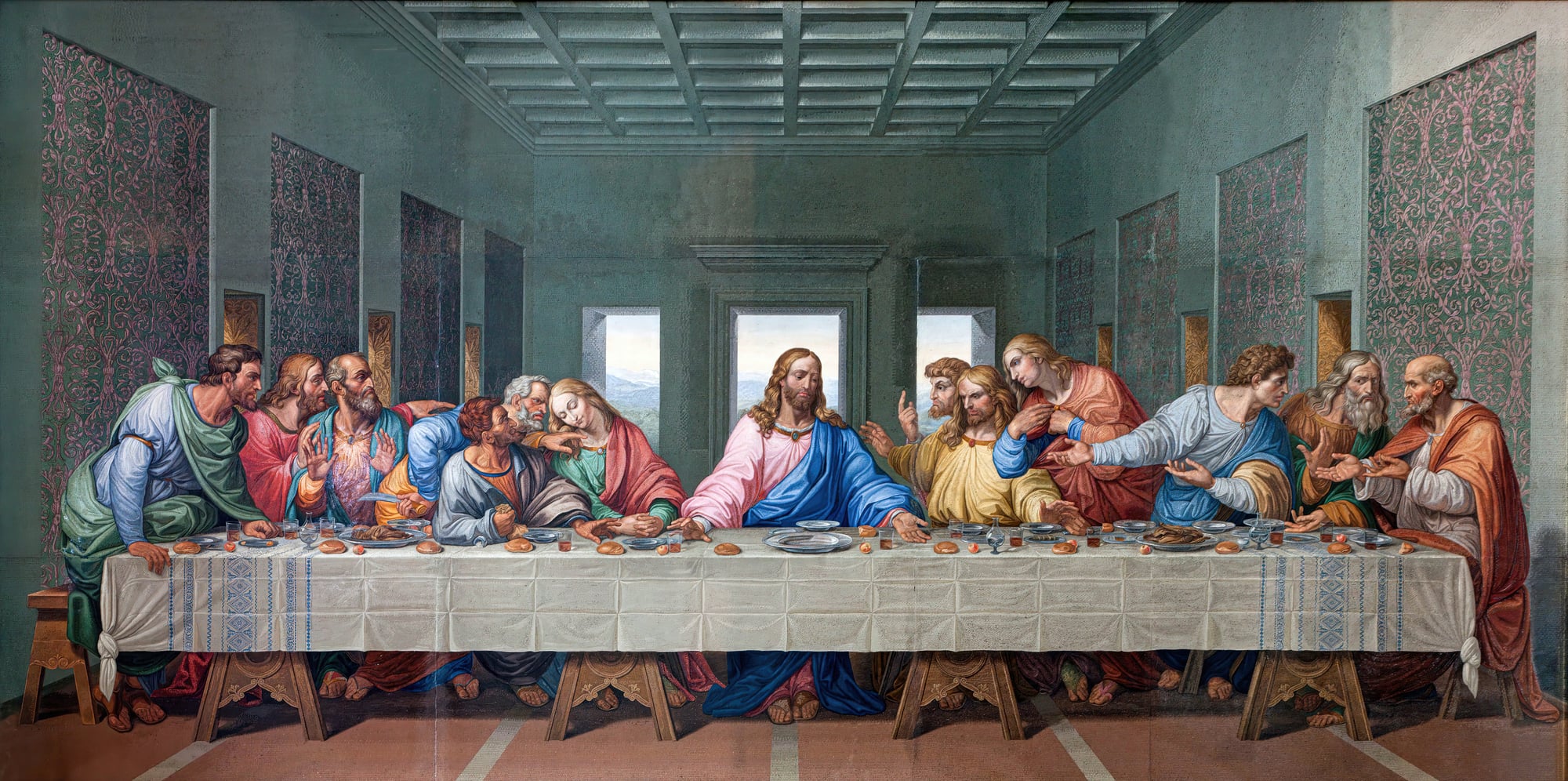
One of the most famous paintings in history has suffered through multiple restoration attempts over the centuries, with mixed results at best. The most controversial restoration took place from 1978 to 1999, when restorers removed what they believed were later additions to reveal Leonardo’s original work.
Critics argued that much of what was removed might have actually been Leonardo’s own paint, leaving us with a version that may be more interpretation than original masterpiece.
The Immaculate Conception Mural
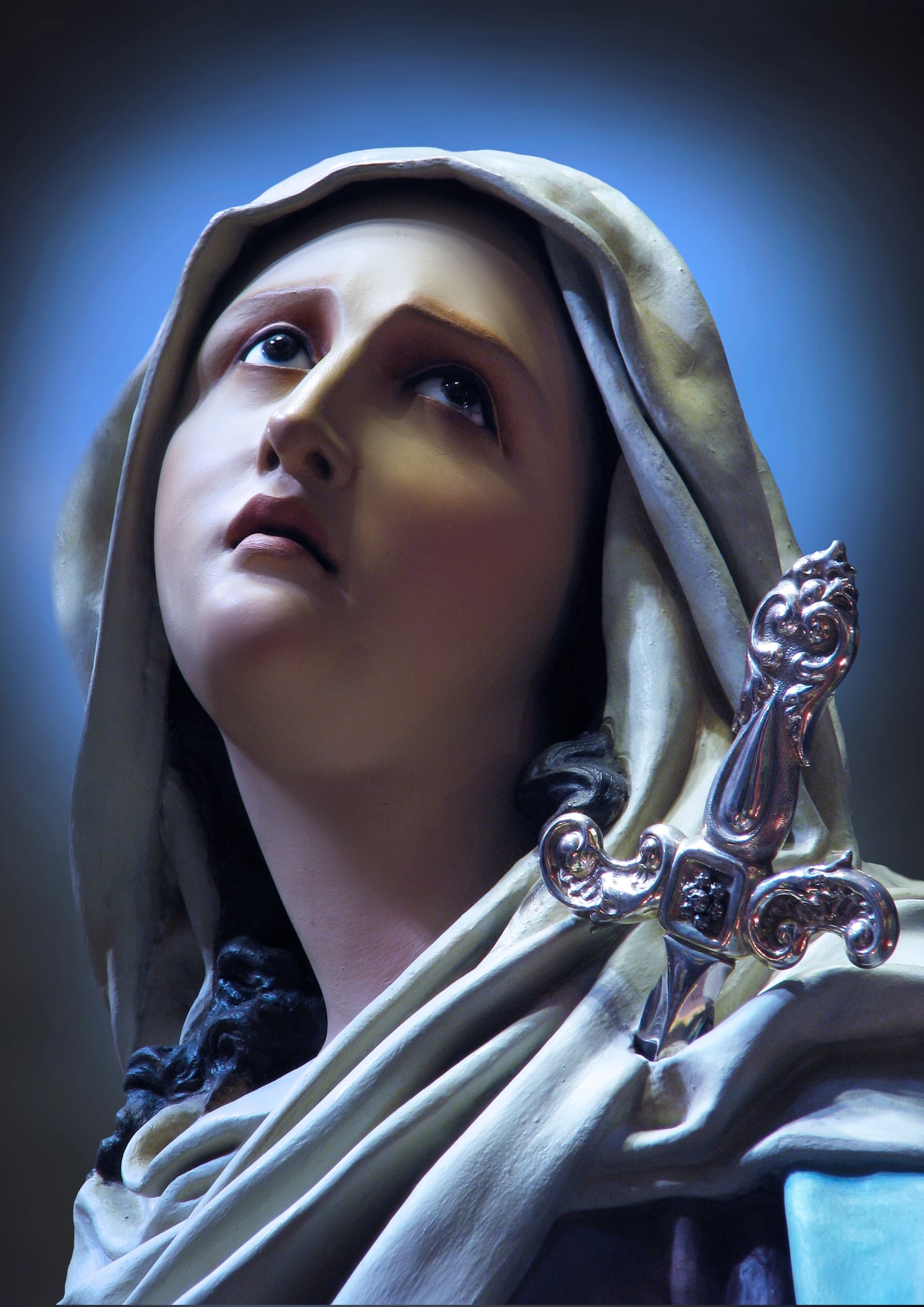
A church mural in Valencia, Spain, depicting the Immaculate Conception received an amateur restoration that transformed the Virgin Mary’s face into something resembling a cartoon character. The restorer apparently had no understanding of traditional religious iconography or artistic technique.
The result was so jarring that it made international news and prompted Spain to tighten regulations about who can perform art restorations.
Like Go2Tutors’s content? Follow us on MSN.
Bartolomé Murillo’s Immaculate Conception
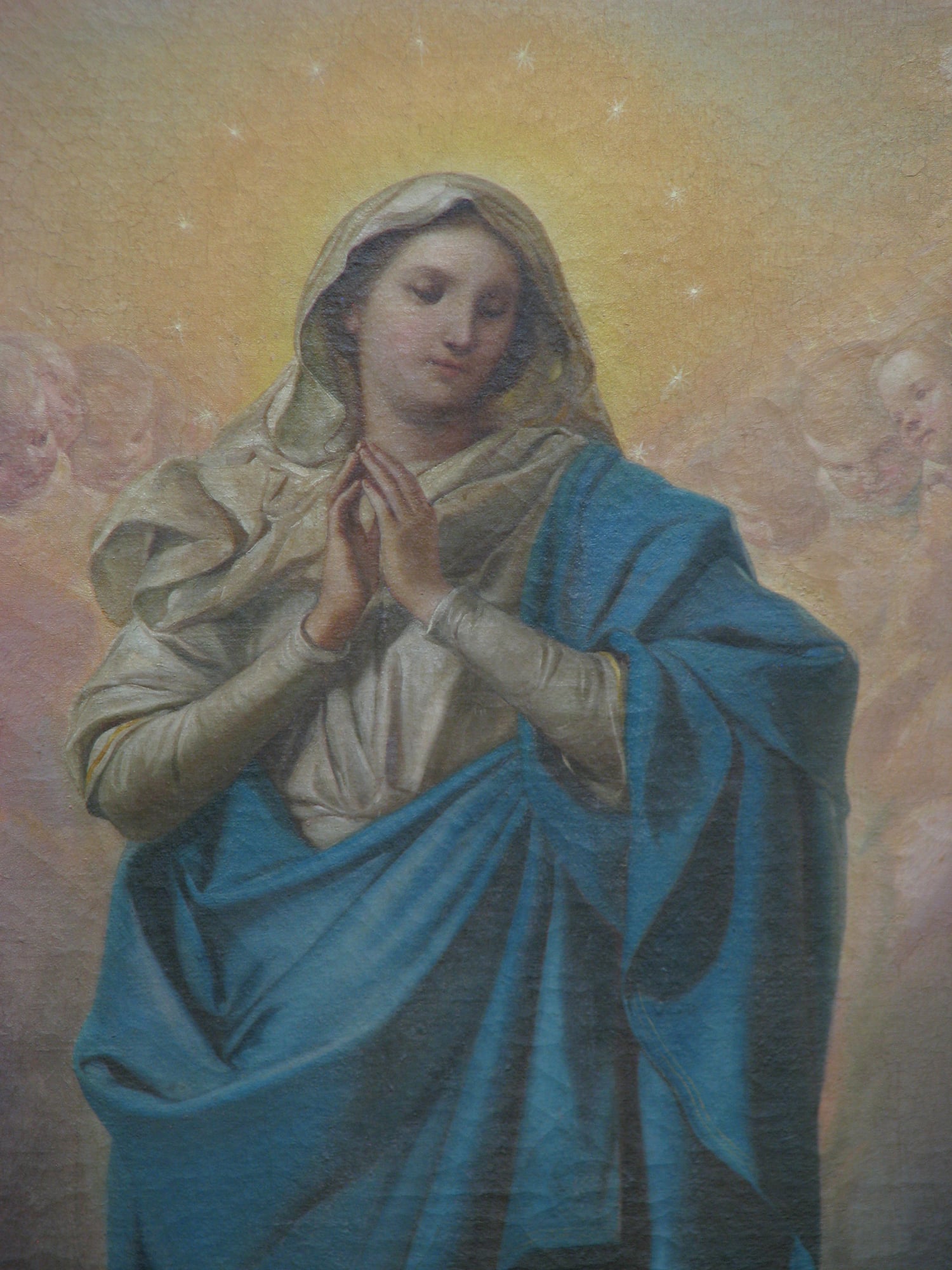
A private art restorer in Valencia attempted to clean this 17th-century masterpiece but ended up completely repainting the Virgin Mary’s face. The delicate, ethereal features that Murillo was famous for were replaced with a crude, modern interpretation that looked like it belonged in a contemporary comic book.
The restoration was so poor that experts initially thought it might be a deliberate act of vandalism.
The Crying Boy Paintings
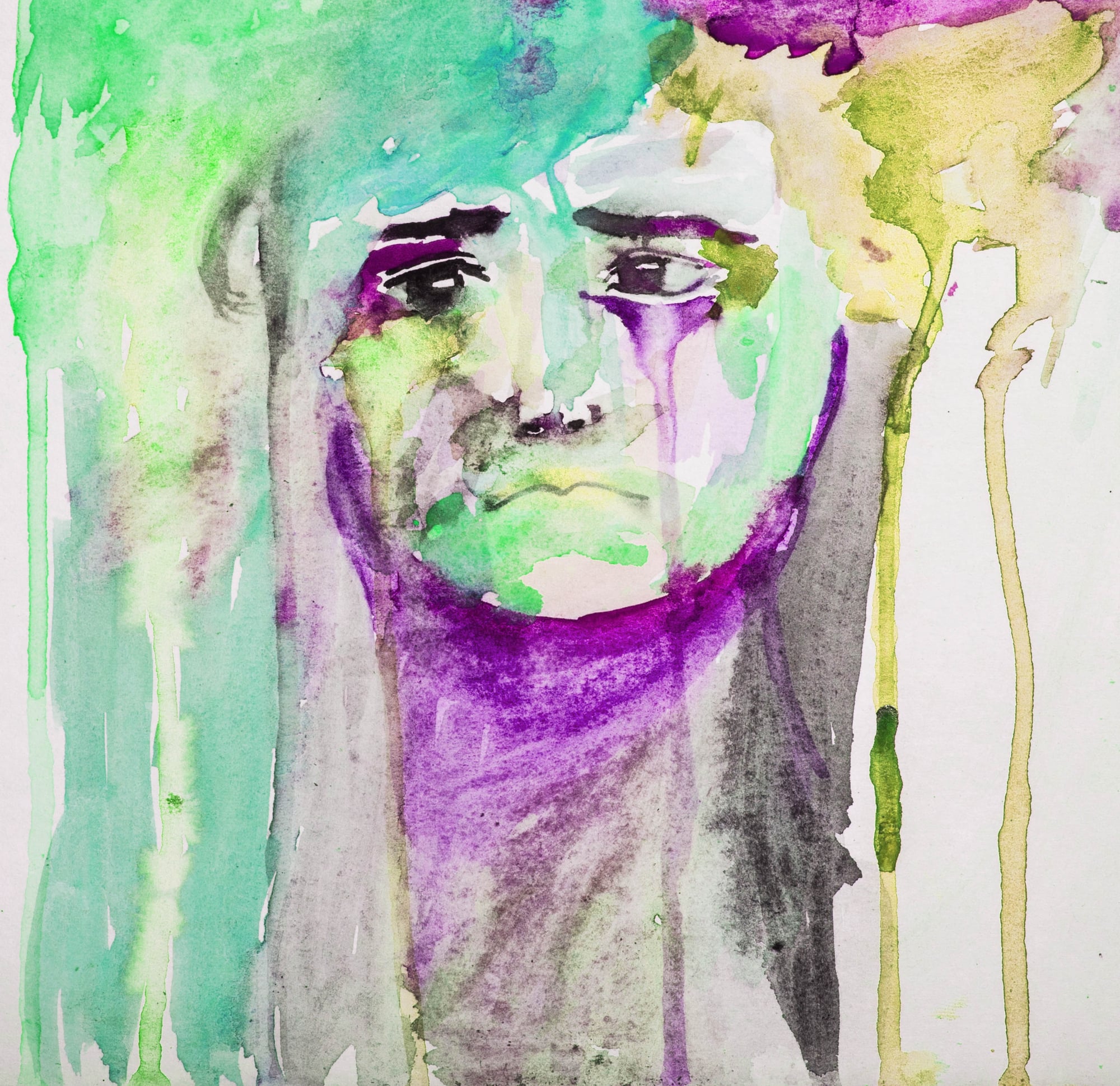
Multiple copies of this popular 1950s painting have suffered botched restorations over the years, but one particularly infamous example turned the melancholy child’s face into a disturbing mask-like visage. The restorer apparently tried to ‘brighten up’ the sad expression but instead created something that looked more frightening than touching.
The painting’s emotional impact was completely destroyed by someone who fundamentally misunderstood the artwork’s purpose.
Saint Michael the Archangel
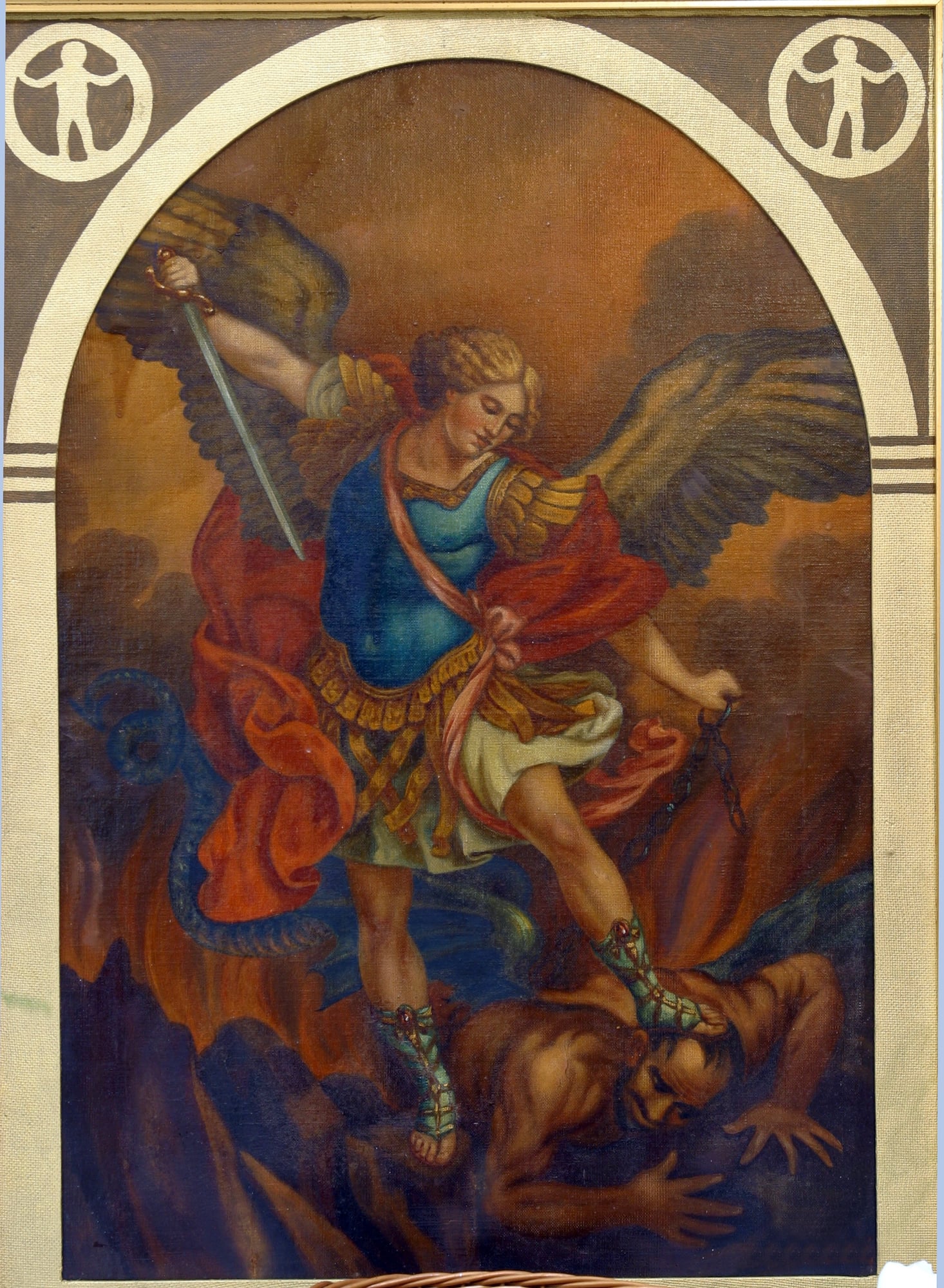
A wooden sculpture of Saint Michael in a Spanish church was subjected to a restoration that gave the warrior archangel a fresh coat of paint in colors that would make a kindergarten art class cringe. The restorer used bright blues, pinks, and yellows that bore no relationship to traditional religious art or historical accuracy.
The result looked more like a piñata than a sacred representation of one of Christianity’s most important figures.
Like Go2Tutors’s content? Follow us on MSN.
The Altarpiece of Íscar
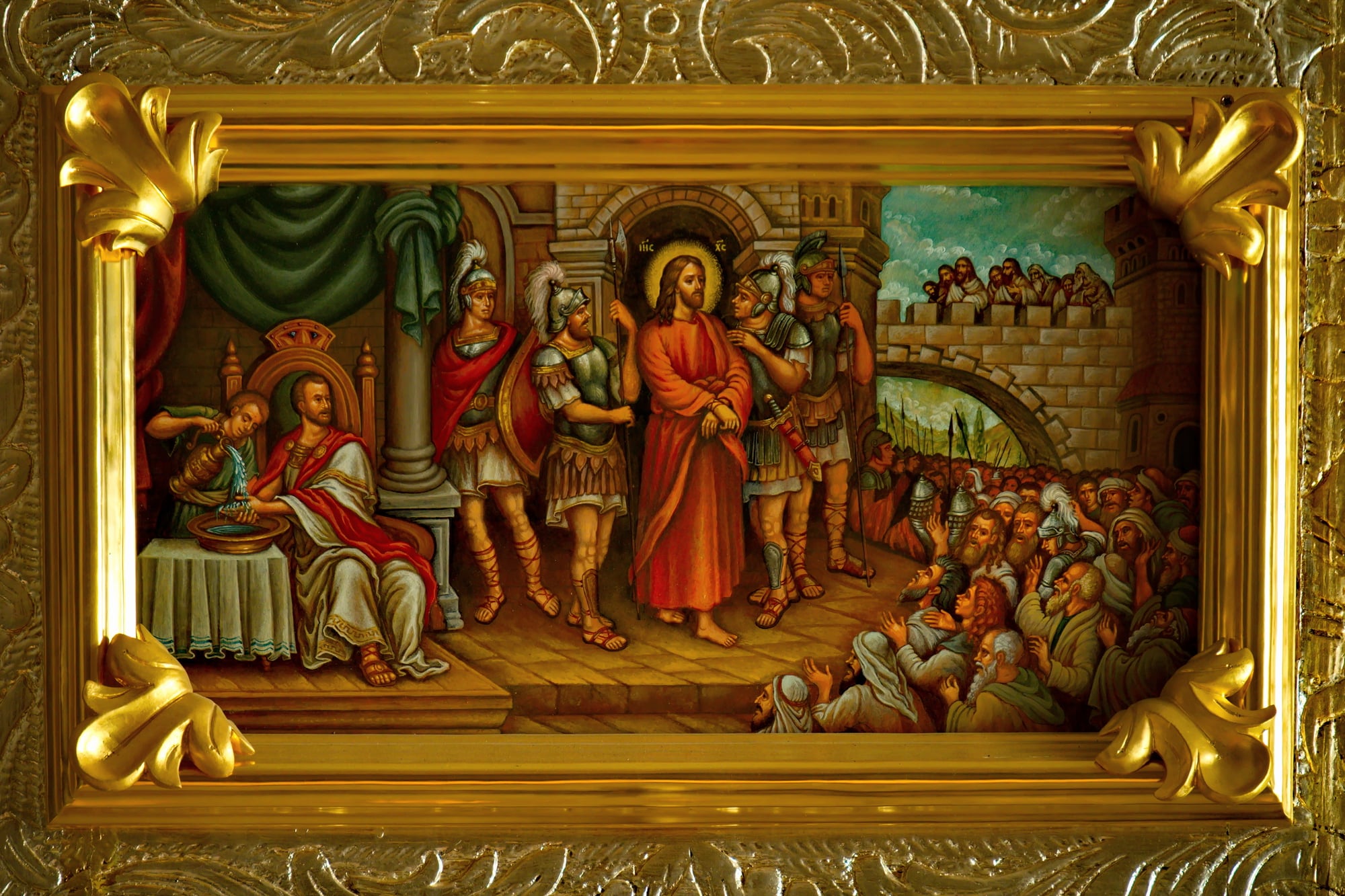
This 16th-century altarpiece in Spain was ‘restored’ by someone who apparently thought religious art needed to be more colorful and cheerful. The saints’ faces were repainted with rosy cheeks and bright smiles that made them look like department store Santa Clauses rather than holy figures.
The restoration was so inappropriate that it sparked a national conversation about protecting Spain’s cultural heritage from amateur do-gooders.
Christ Carrying the Cross
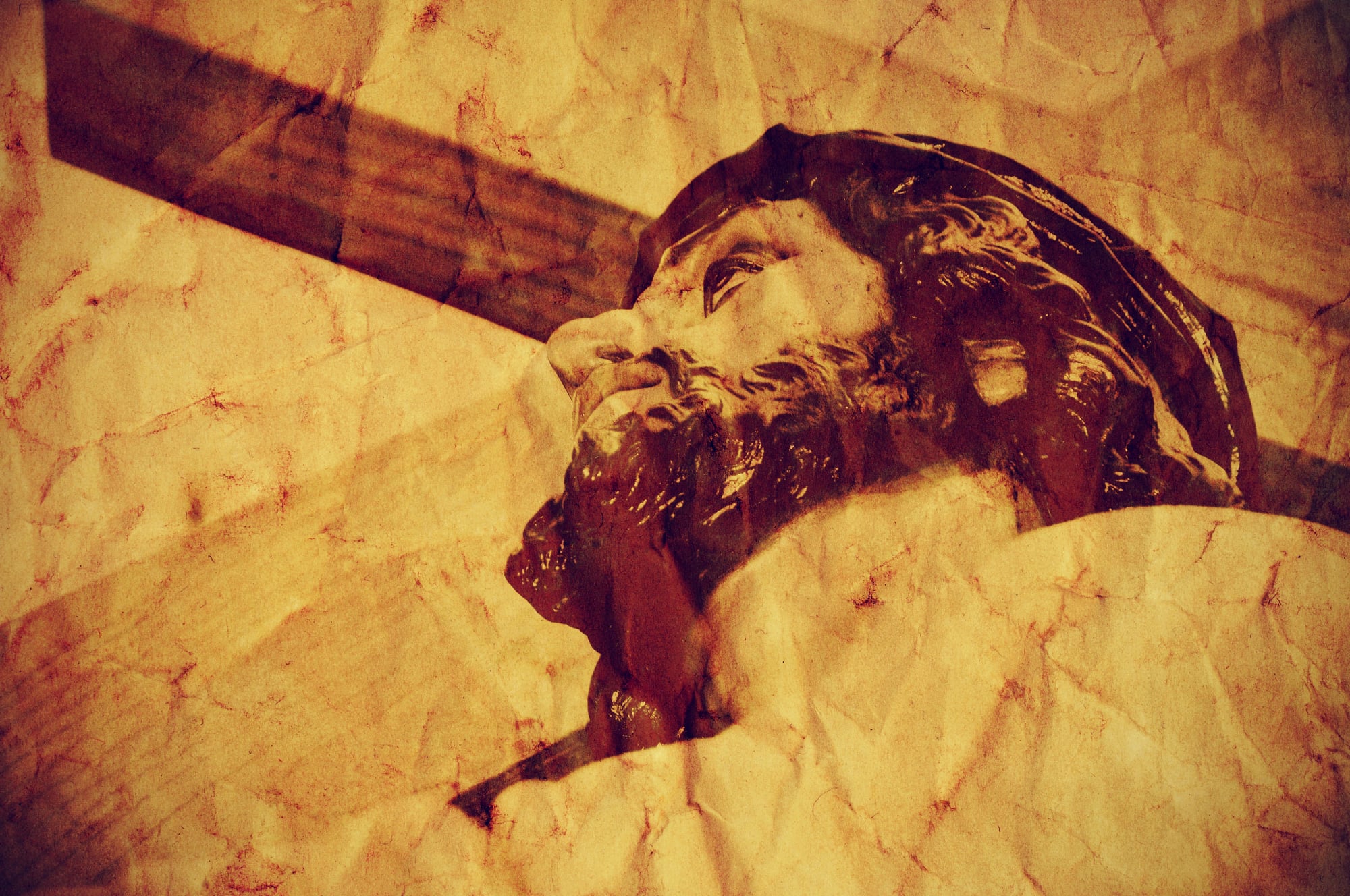
A painting attributed to Caravaggio’s school suffered a restoration attempt that completely changed the emotional tone of the piece. The restorer apparently decided that Christ’s expression of suffering wasn’t clear enough and repainted his face with exaggerated features that looked more like a theatrical mask.
The subtle interplay of light and shadow that characterized the original work was lost under heavy-handed brushstrokes.
The Smiling Saints
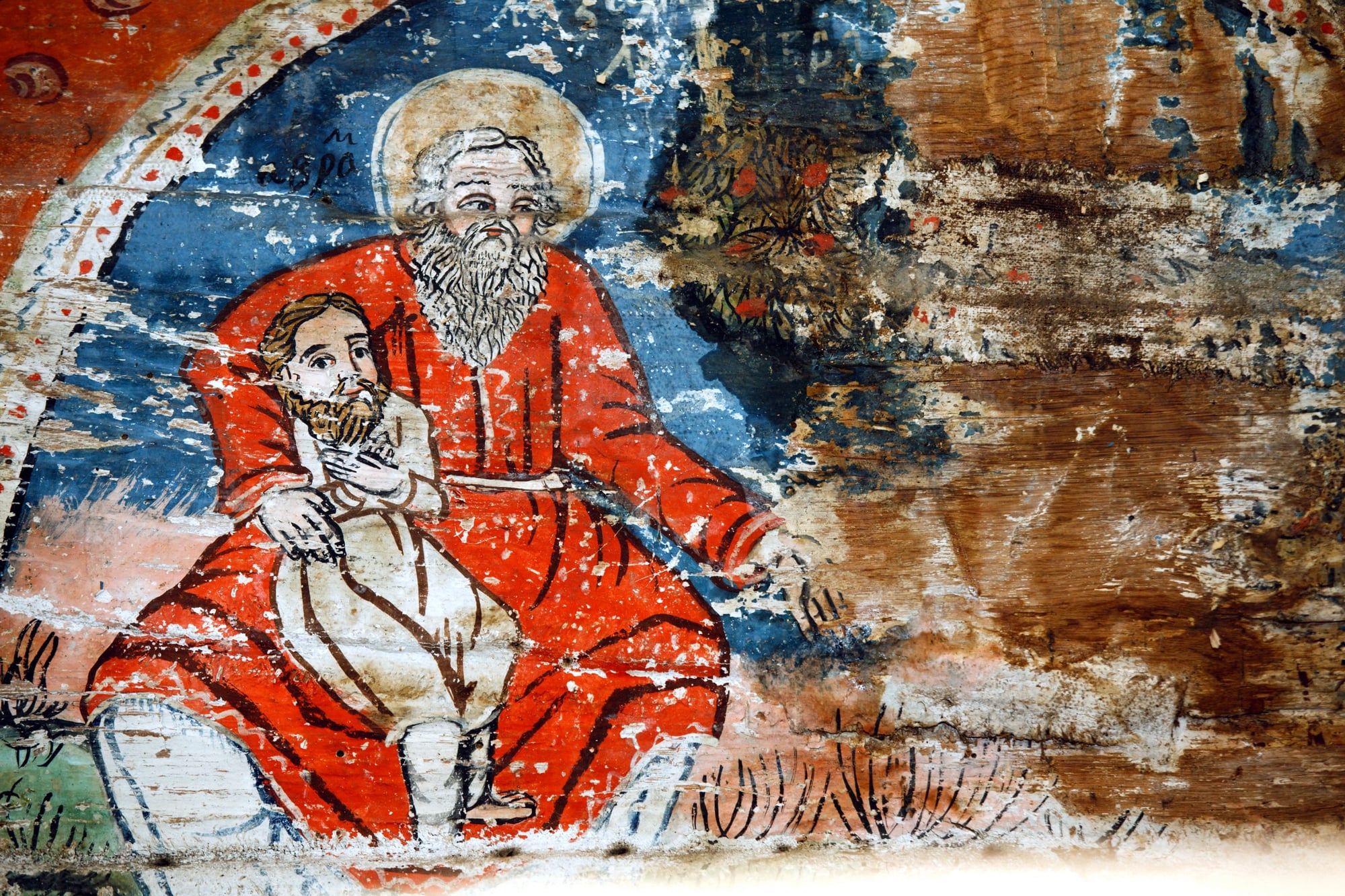
Multiple religious paintings in small Spanish churches have fallen victim to well-meaning parishioners who thought the saints looked too serious or sad. These amateur restorers have systematically added bright smiles and rosy cheeks to centuries-old religious art, fundamentally altering the spiritual and artistic intent of the original works.
The pattern is so common that it’s become a running joke among art historians.
Like Go2Tutors’s content? Follow us on MSN.
The Modern Mary Magdalene
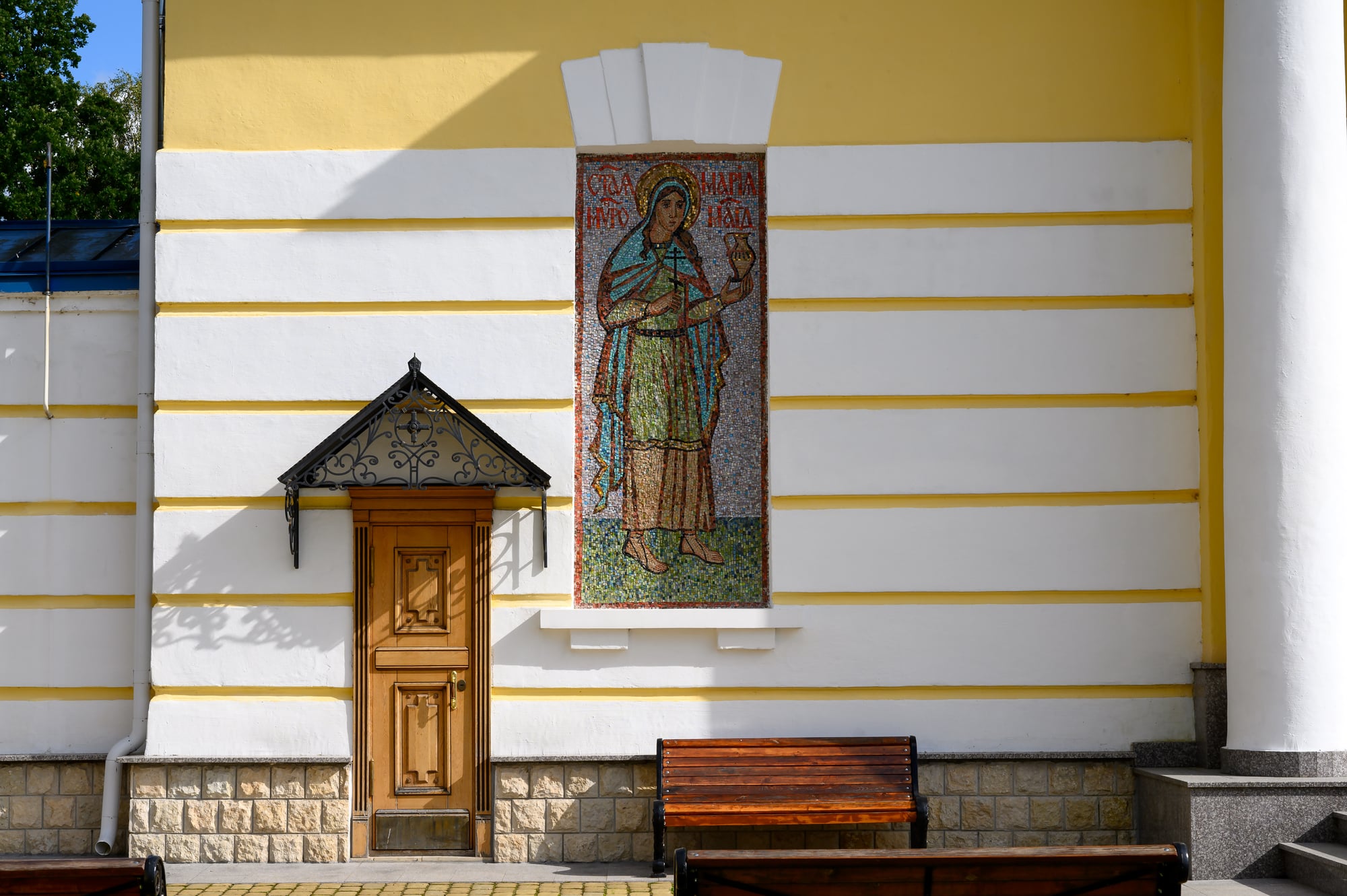
A Renaissance painting of Mary Magdalene was ‘restored’ by someone who apparently thought she needed to look more like a contemporary fashion model. The restorer gave her perfectly applied makeup, styled hair, and modern facial features that completely destroyed the painting’s historical authenticity.
The result was so anachronistic that it looked like a magazine advertisement had been painted over a classical artwork.
The Colorful Crucifix
A medieval wooden crucifix in Spain received a restoration that turned it into what critics called a ‘carnival decoration.’ The restorer used bright, glossy paints in inappropriate colors and added decorative elements that had nothing to do with traditional religious iconography.
The cross looked more suitable for a festival parade than a place of worship, completely undermining its sacred purpose.
Like Go2Tutors’s content? Follow us on MSN.
The Cartoon Apostles
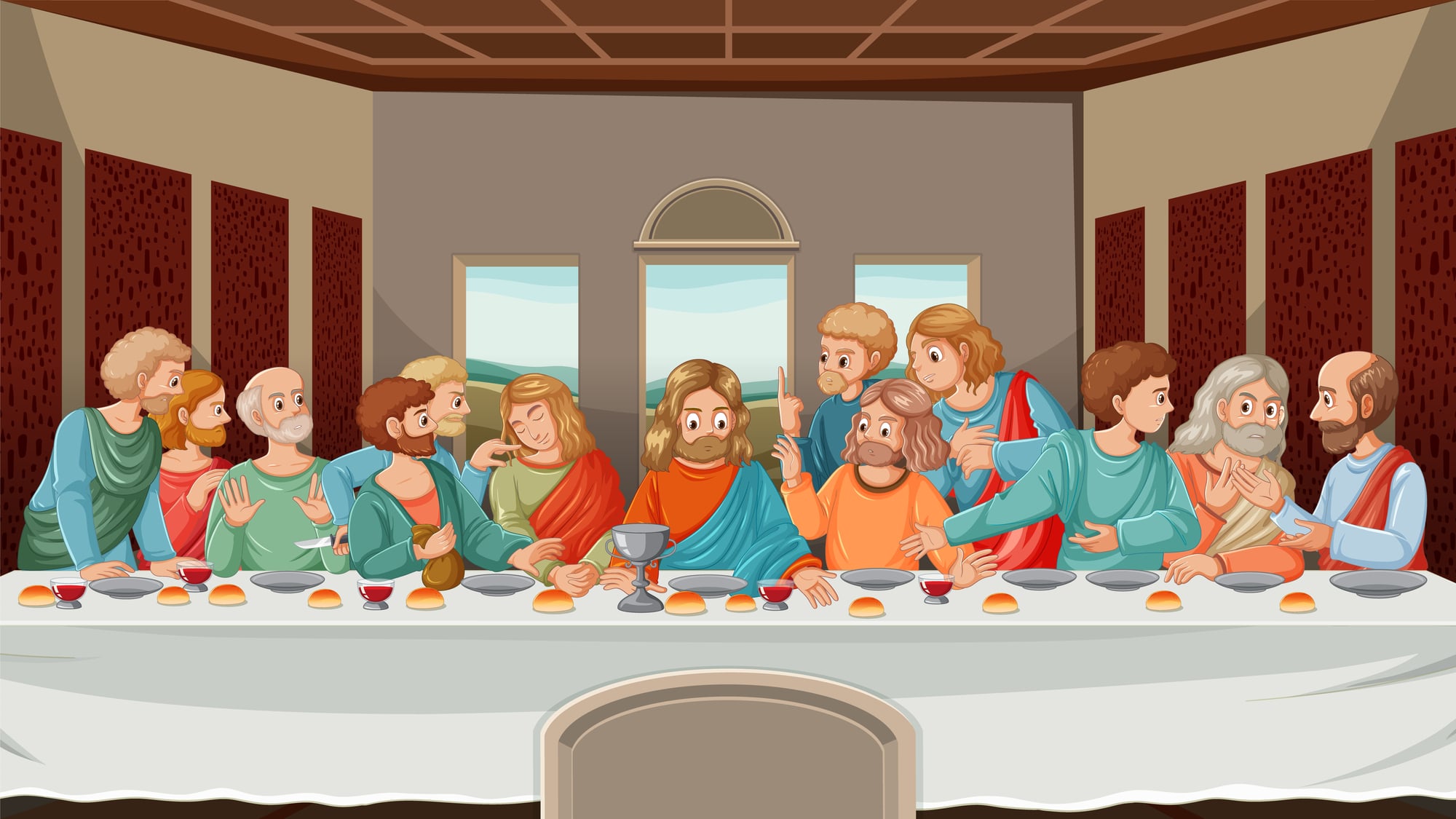
A series of paintings depicting the twelve apostles in a Spanish church were all ‘restored’ by the same amateur who apparently thought religious art should look like animated cartoons. Each apostle received the same treatment: bright colors, exaggerated facial expressions, and modern styling that made them look like characters from a children’s television show.
The historical and spiritual significance of these artworks was completely lost.
The Angel of Perpetual Confusion
A beautiful 18th-century painting of an angel was subjected to a restoration that turned the heavenly messenger into something that looked more confused than divine. The restorer completely repainted the angel’s face with inappropriate colors and expressions, destroying the serene, otherworldly quality that made the original so moving.
The painting became a symbol of what happens when good intentions meet insufficient skill.
When Good Intentions Meet Bad Execution
These restoration disasters remind us that preserving art requires more than enthusiasm and a paintbrush. They’ve sparked important conversations about professional standards, cultural responsibility, and the irreplaceable nature of historical artworks.
While some of these botched restorations have accidentally become tourist attractions, they represent permanent losses to our shared cultural heritage. The real tragedy isn’t just the ruined paintings, but the reminder that once these masterpieces are gone, no amount of skill or technology can truly bring them back to their original glory.
More from Go2Tutors!

- 16 Restaurant Chains That Went Too Fast
- 12 Things Sold in the 80s That Are Now Illegal
- 15 Strange Things People Have Tried to Ban (And Failed)
- 16 Collectibles People Tossed Out Too Soon
- 17 Myths from Your Childhood That Were Actually Based on Real Things
Like Go2Tutors’s content? Follow us on MSN.