Images Of What The US Looked Like 50 Years Ago
Back then, America felt like another planet. Vehicles took up more space on the road, outfits grabbed attention, yet daily routines crawled compared to now.
Flip through old pictures and you will spot a nation shifting hard – jobs changing, pastimes evolving, even streets transforming right under people’s feet.
Back then, cameras clicked without screens lighting up. Life moved slower, filled with faces instead of feeds.
Moments stayed where they happened, not floating online. Phones sat on walls, waiting. People met in person, talked face to face.
The world felt closer, even if it was farther apart. Streets bustled without constant buzzing. Time passed differently – less tracked, more lived.
Gas Lines Stretched For Blocks
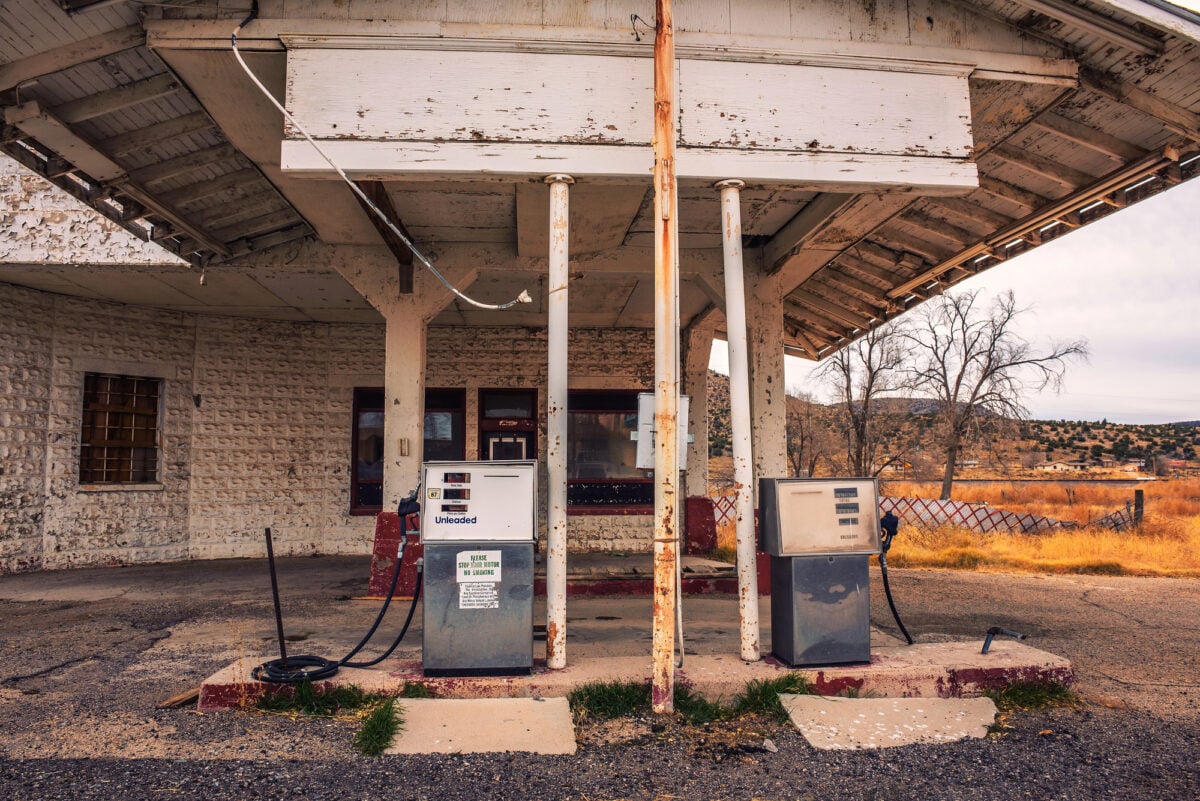
Fuel shortages struck U.S. households sharply around 1975, then refueling turned into a full-day struggle almost overnight. Miles-long rows of vehicles sat idle near pumps, their operators passing time – sometimes hours – for just a small amount of gasoline.
In certain urban areas, access depended on your license plate’s last digit, flipping rules daily between odd and even endings. That tension stuck, reshaping public views on power use across the nation in ways that lasted decades.
Phone Booths Stood On Every Corner
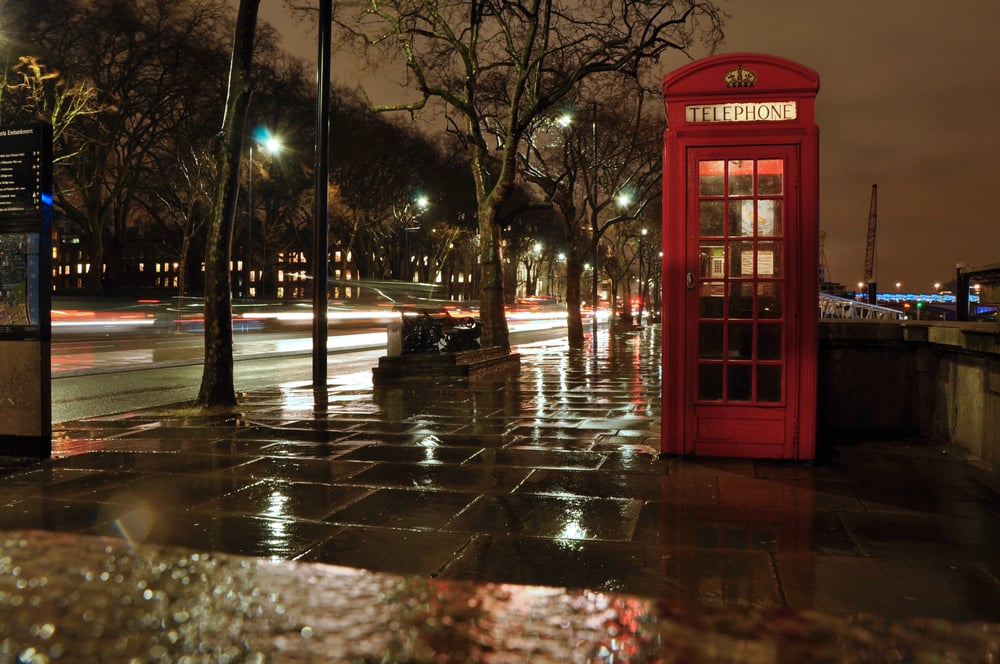
Back then, pay phones stood on nearly every street corner since cellphones hadn’t yet slipped into pockets. Carrying loose change mattered – it paid for voice calls made away from home.
When travelers wanted to check in with loved ones mid-journey, they stopped, stepped toward a roadside booth, dropped coins through a slot. Hours without contact? That wasn’t odd. It simply was.
Shag Carpeting Covered Living Room Floors

Orange, brown, avocado green – thick carpets covered floors everywhere. Fancy? People thought so, anyway.
Mess built up fast, almost magnetically pulling in dust and spills. Cleaning meant heavy lifting every single time.
A dropped drink turned into a long battle most wanted to avoid. Yet somehow, that messy texture stayed the top look for years.
Muscle Cars Ruled The Roads
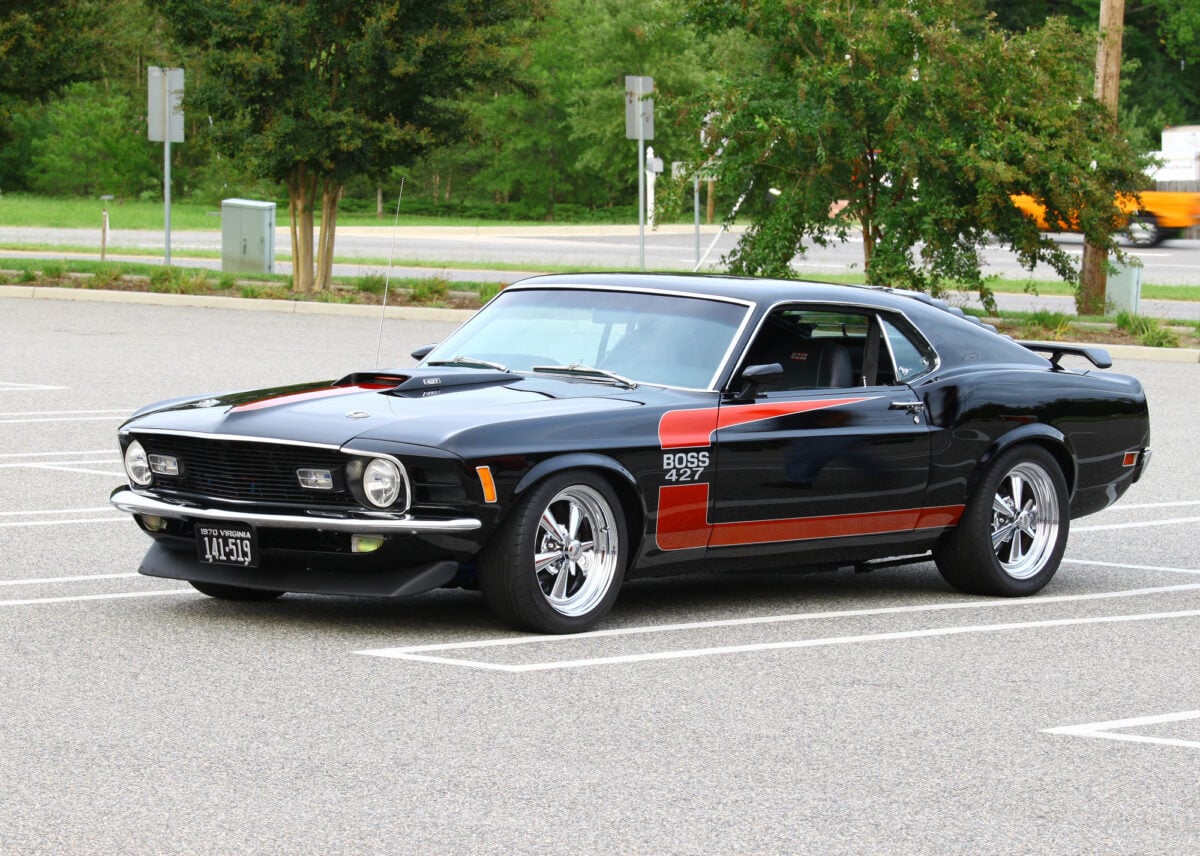
Big engines rumbled through Detroit’s assembly lines, ignoring how much gas they drank. Dodge Chargers, Chevy Camaros, then Ford Mustangs tore along highways on raw power from V8 motors.
Loud machines, heavy frames, blistering speed defined them. Though short-lived thanks to oil shortages, those years saw US roads ruled by muscle.
A brief chapter ended – yet memories of thunder still echo.
Grocery Stores Looked Completely Different
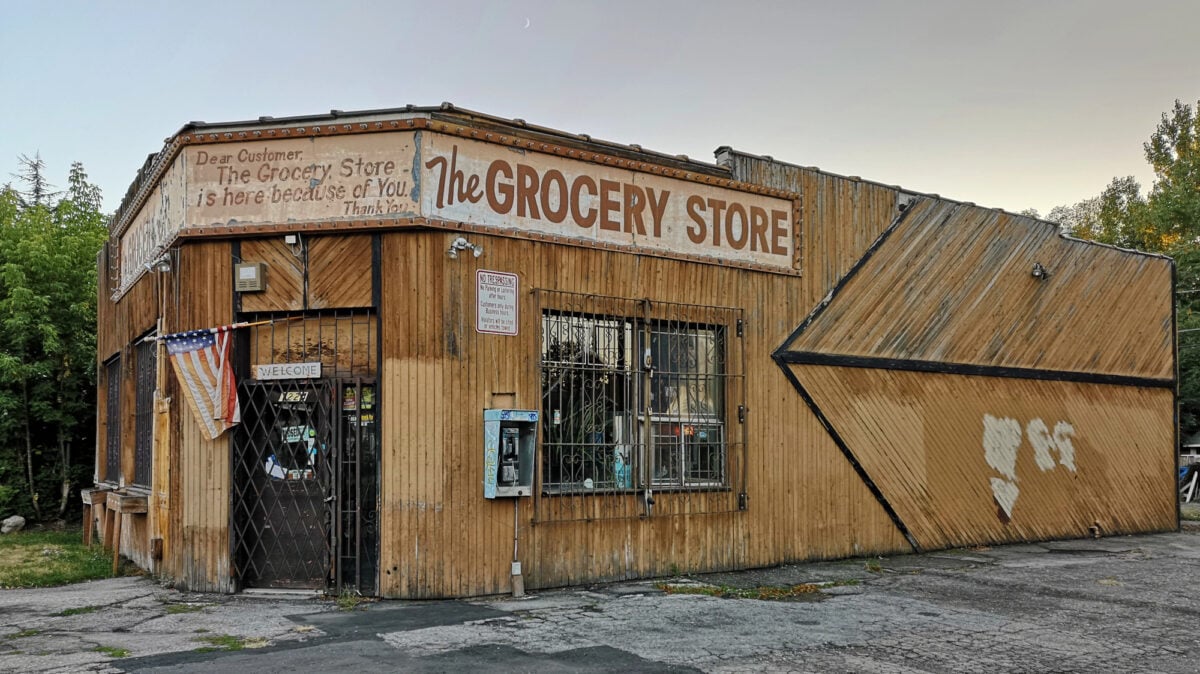
Back then, stores fit inside tighter spaces, offering just a fraction of what you’d find now. Instead of dozens of yogurts, there might be three – maybe four if lucky.
Whole sections for organic goods? Not even close. Workers typed each price into clunky machines, fingers tapping metal keys one by one.
Payment came in paper bills or handwritten slips since plastic hadn’t caught on. Time moved slower through those checkout lines, yet somehow everything seemed to connect more.
Rotary Phones Sat In Every Kitchen
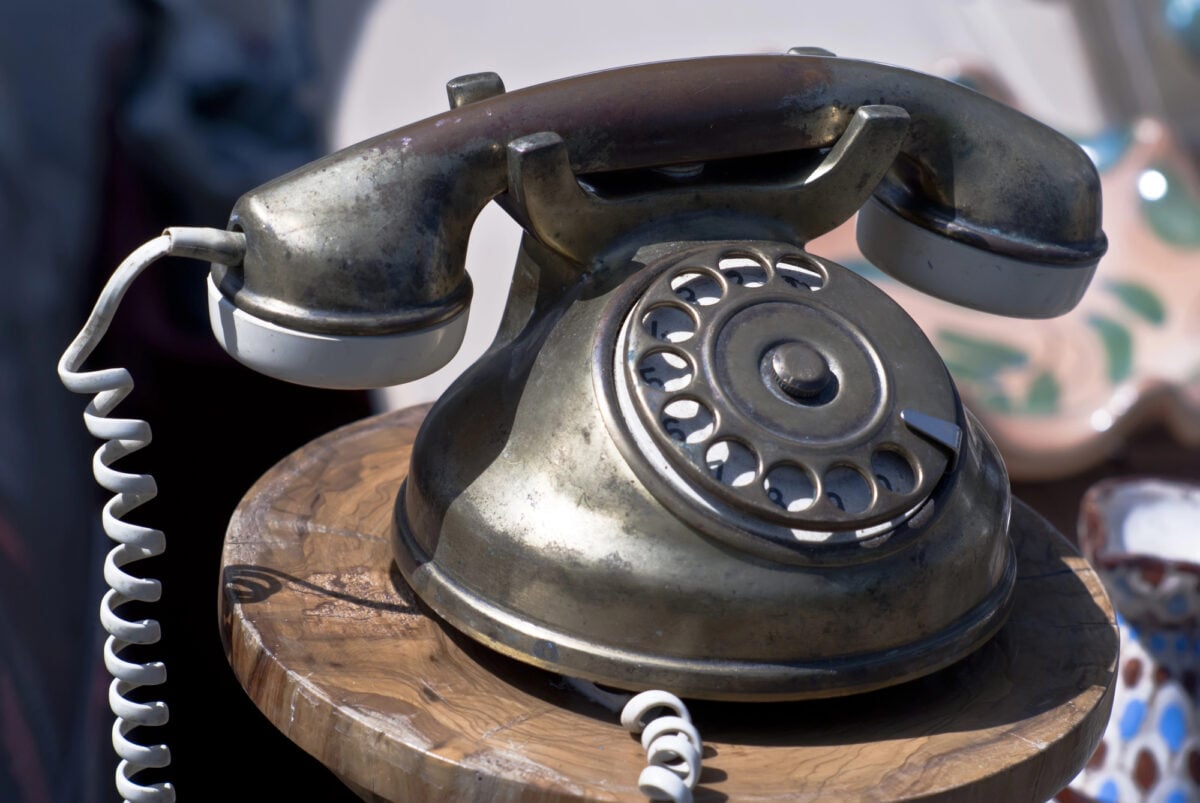
Spinning the dial made every digit feel like work, each one needing time to swing back before the next. Get one wrong? Back to square one, no shortcuts.
Calling far away drained wallets fast, which is why most talks lasted under five minutes. That twisty wire never stayed neat – knots formed no matter how careful you were.
Pulling it into hallways or behind furniture just to whisper happened in nearly every home.
Cig Sections Filled Restaurants

Cig smoke curled through restaurants, workplaces, spaces where breathing clean air wasn’t an option. Those who didn’t smoke tolerated clouds of fumes simply because there was no alternative back then.
Tables held ashtrays like standard fixtures, much like salt shakers or napkin holders. Public rooms often looked foggy, thick with lingering odor.
Doctors warned about dangers long before habits changed. Culture moved slowly, stuck in old routines despite the facts.
Wood Paneling Decorated Most Homes
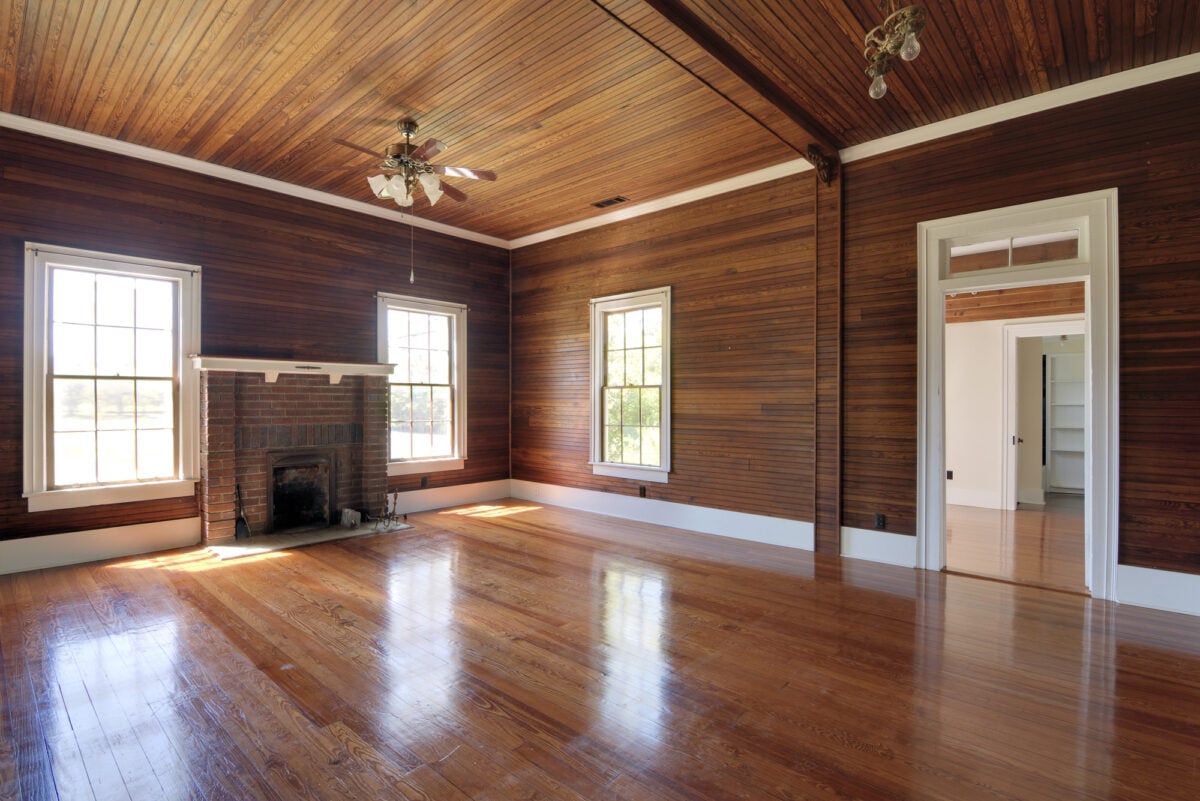
Wooden walls, dark and thick, lined many American family spaces – basements, dens, living areas. Though they brought in less light, shrinking the sense of space, people saw them as sophisticated.
Paired often with fuzzy carpets and curtains full of fabric, these choices built an unmistakable mood. That mood? Strongly tied to the seventies.
Later on, pulling those panels down turned into one of the most common fixes during home updates.
Drive-In Theaters Packed With Families
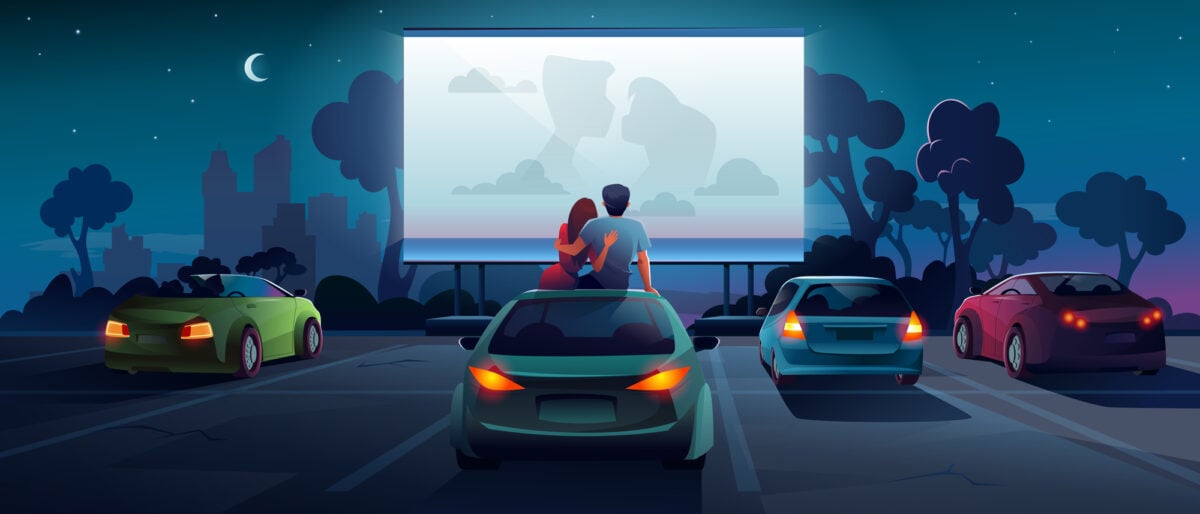
Under the open sky, movie nights in vehicles drew crowds each Friday and Saturday. Packed with popcorn and sodas, folks lined up bumper to bumper across dusty fields.
Thin metal speakers clamped onto glass frames carried sound into the dark. Before reels started rolling, children chased one another near swings lit by projector beams.
Low cost did not mean low joy – whole neighborhoods shared laughter beneath constellations.
Typewriters Clacked In Offices

Back then, machines that could compute weren’t common – offices stuck to clunky metal typewriters instead. A single slip-up? That called for white paint or tossing the sheet entirely.
Fingers flew across keys; precision mattered since undoing wasn’t an option. Row after row of workers tapping turned rooms into rhythmic echo chambers.
Paycheck Lines Formed Every Friday

Direct deposit didn’t exist yet, so workers lined up to collect physical paychecks. Some people cashed them right at the bank, while others took them home.
Managing money meant balancing a checkbook by hand and keeping careful records. Automated banking was still science fiction.
Television Offered Only A Few Channels
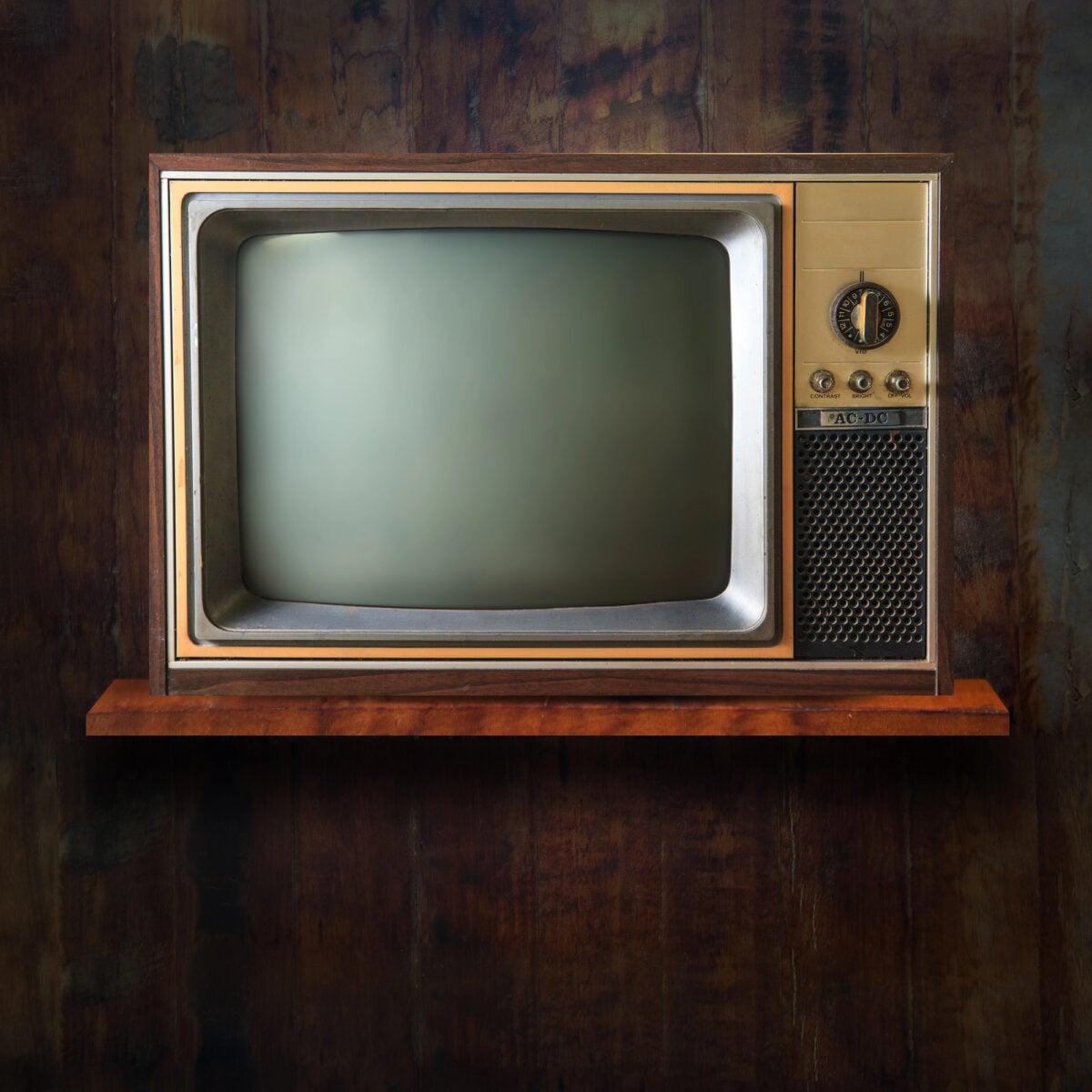
Families gathered around the TV to watch whatever was on because options were limited. Most homes got three or four networks, maybe a local station if they were lucky.
No remote control meant getting up to change the channel manually. If someone missed their favorite show, they missed it for good because recording wasn’t really a thing yet.
Billboards Advertised Different Products

Highway advertising focused on cigarettes, motor oil, and roadside attractions instead of tech companies and apps. Giant signs urged drivers to visit quirky tourist traps hundreds of miles away.
The messaging felt simpler and more direct. These billboards shaped road trip culture and turned certain landmarks into national icons.
Record Stores Thrived In Every Mall

Music lovers flipped through vinyl albums in dedicated stores that smelled like cardboard and plastic. Buying an album was an investment, and people listened to the whole thing, not just one song.
Store clerks actually knew about music and could make recommendations. Saturdays at the record store were social events for teenagers.
Station Wagons Hauled Entire Families
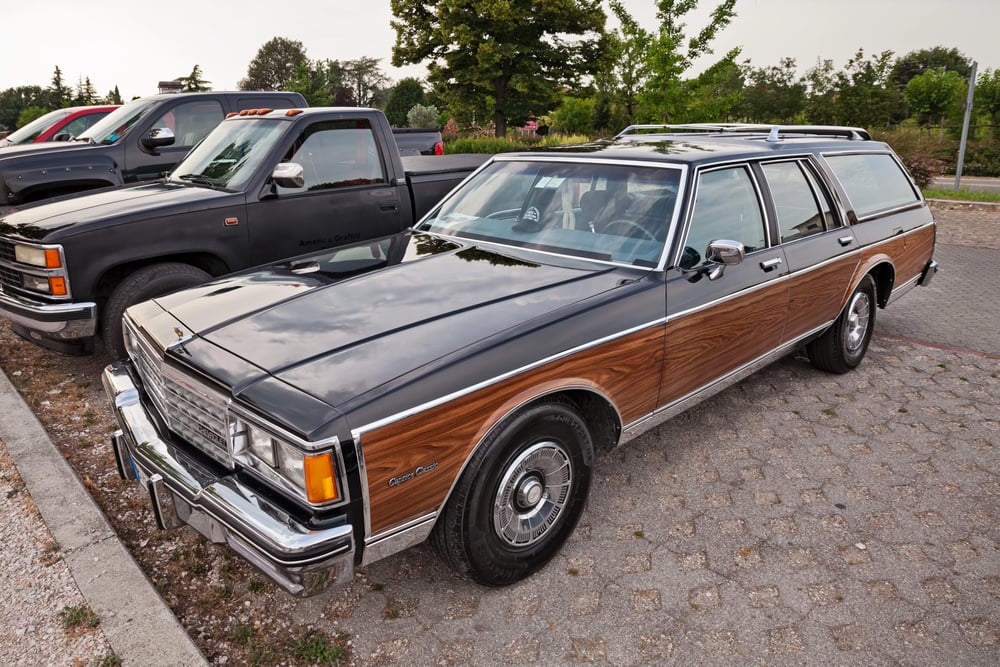
These long vehicles with fake wood paneling on the sides were the minivans of their day. Kids piled into the back, sometimes facing backward in the rear seat.
There were no car seats for older children, and seatbelt laws were barely enforced. Road trips meant cramming everyone and everything into one massive car.
Polaroid Cameras Captured Instant Memories
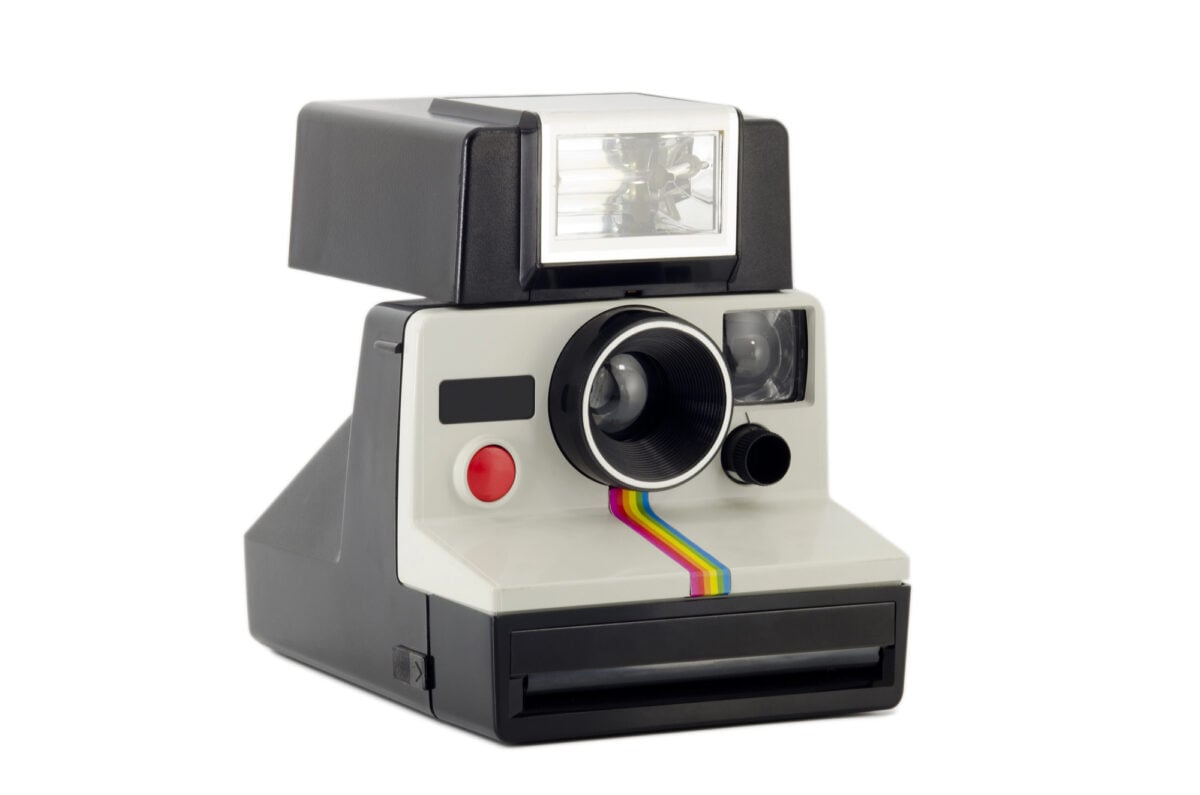
People snapped photos and watched them develop right in their hands within minutes. No waiting for film to be developed at a lab, no digital previews.
Each photo cost money, so people were more careful about what they shot. Those square instant photos with the white borders became icons of the era.
When Today Meets Yesterday
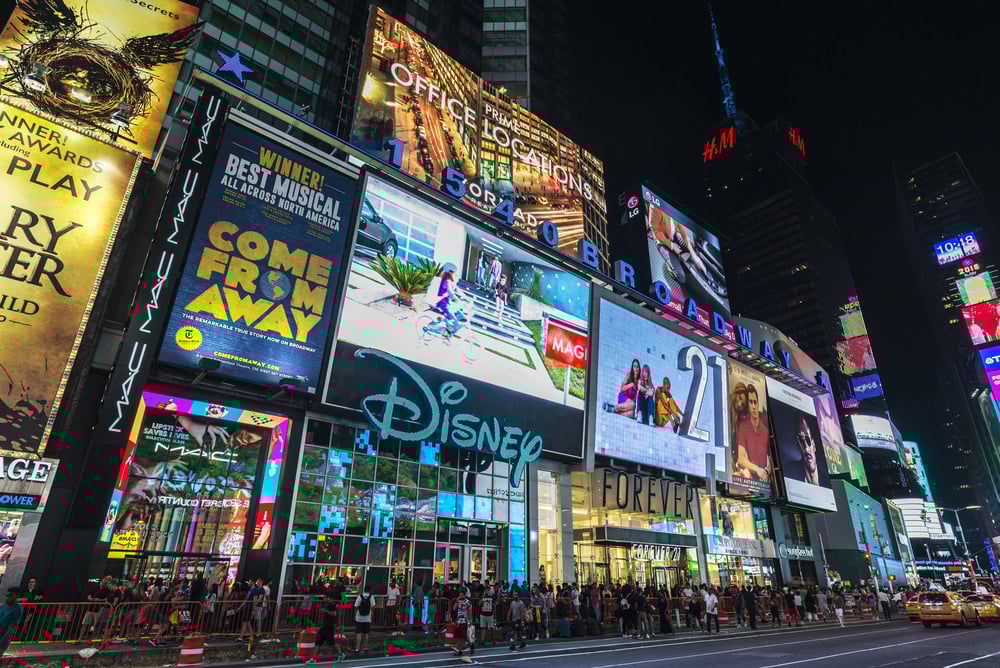
Flipping through these old images feels like visiting a foreign country that happens to share the same geography. The buildings might still stand and the roads might still run the same routes, but everything else has shifted in ways both big and small.
What seemed permanent back then turned out to be just one chapter in a much longer story. These photos remind us that the world keeps changing whether people are ready or not, and fifty years from now, today’s normal will look just as strange to future eyes.
More from Go2Tutors!

- The Romanov Crown Jewels and Their Tragic Fate
- 13 Historical Mysteries That Science Still Can’t Solve
- Famous Hoaxes That Fooled the World for Years
- 15 Child Stars with Tragic Adult Lives
- 16 Famous Jewelry Pieces in History
Like Go2Tutors’s content? Follow us on MSN.