Legendary Hoards Said to Doom Their Discoverers
Stories of cursed treasure have captivated human imagination for millennia, weaving tales of incredible wealth shadowed by misfortune. These aren’t just ancient myths relegated to dusty tomes and campfire stories.
Real treasure hunters have reported strange coincidences, tragic accidents, and inexplicable runs of bad luck after claiming legendary hoards. Whether the result of supernatural forces or simply the dangerous nature of treasure hunting itself, these tales continue to both attract and warn those who seek fortune in forgotten places.
The Tomb of Tutankhamun

Lord Carnarvon died from an infected mosquito bite just months after entering King Tut’s burial chamber. His death sparked decades of speculation about the pharaoh’s curse, though historical records show that most people involved in the tomb’s excavation lived normal lifespans and the death rate was consistent with expectations for their era.
Arthur Mace, who helped break down the sealed doorway, fell into a coma shortly after and never recovered. George Jay Gould, a financier who visited the tomb, developed a fever the next day and died within months.
The Treasure of the Knights Templar

The Templars’ legendary hoard (accumulated during the Crusades through banking and pilgrimage protection) has drawn treasure hunters for centuries, and those who claim to have found pieces of it often report devastating personal losses afterward. The treasure supposedly contains not just gold and silver, but sacred relics that weren’t meant for secular hands — which might explain why those who disturb it seem to face particularly severe consequences.
Jacques de Molay, the last Grand Master, was burned at the stake in 1314, but not before allegedly cursing King Philip IV and Pope Clement V, both of whom died within the year. Modern treasure hunters have reported similar patterns: financial ruin following initial windfalls, family tragedies that seem too coincidental to ignore, and a persistent sense that they’re being watched or followed.
The few who claim to have found Templar gold rarely keep it long — they either lose it through theft, legal battles, or simply give it away, desperate to break what they perceive as a supernatural cycle of misfortune.
The Lost Dutchman’s Mine
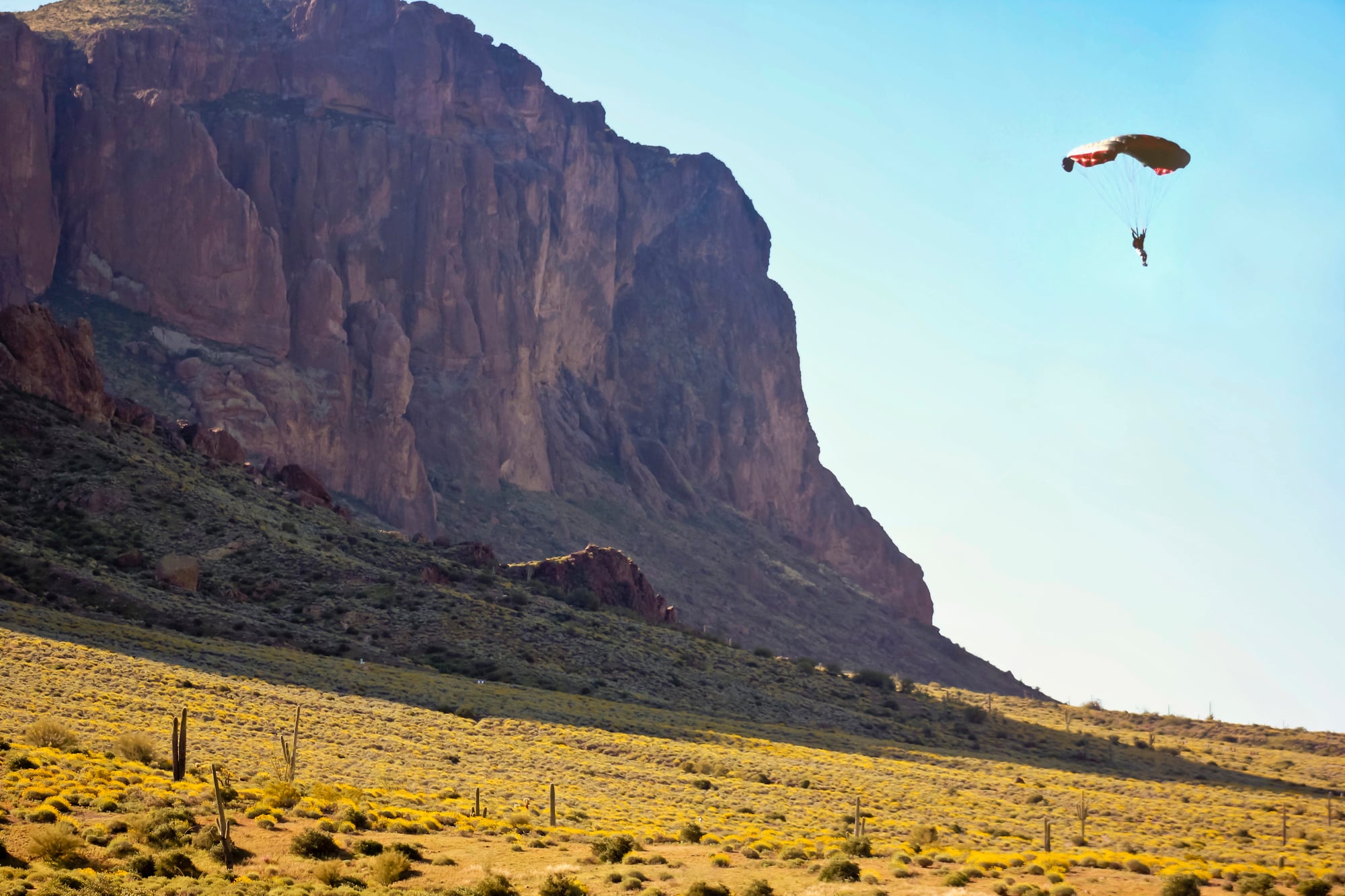
Jakob Waltz took the location of his Arizona gold mine to his grave in 1891. Everyone who’s claimed to find it since has faced tragedy.
Adolph Ruth disappeared in the Superstition Mountains while searching for the mine in 1931. His skull was found months later with two bullet marks.
The pattern repeats with unsettling consistency. Treasure hunters vanish without explanation or turn up dead from exposure, falls, or violence.
Even those who return safely often report equipment failures, getting lost despite using GPS, and an overwhelming sense of dread that follows them home.
Montezuma’s Treasure
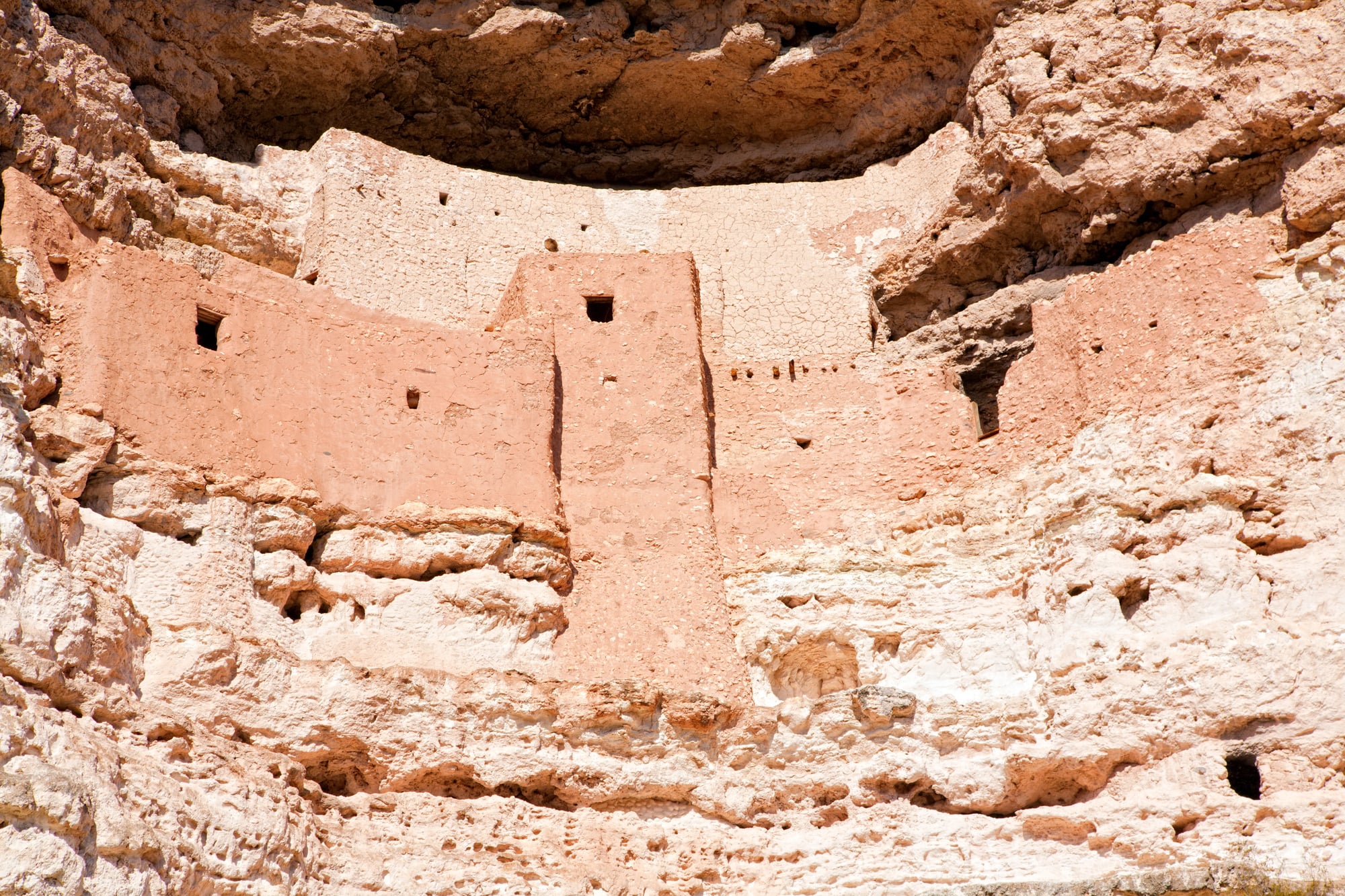
When Cortés conquered the Aztec Empire, Montezuma’s vast hoard of gold supposedly vanished into the wilderness. The curse seems to strike anyone who gets close to recovering it — and given that this treasure was accumulated through conquest and blood sacrifice, perhaps that makes sense (the Aztecs weren’t exactly known for their gentle approach to wealth accumulation, after all).
Spanish conquistadors reported strange deaths among their ranks whenever they pursued leads about hidden Aztec gold. Modern expeditions fare no better.
Cars break down in impossible ways, team members fall seriously ill, and local guides refuse to continue past certain points in the mountains. The few artifacts that surface in private collections tend to change hands quickly — collectors report nightmares, financial disasters, and family illnesses that only stop when they get rid of their Aztec pieces.
Even museums have reported unusual incidents with Montezuma-era gold: security systems failing, unexplained temperature drops, and staff members developing sudden, inexplicable phobias about handling the artifacts.
Captain Kidd’s Treasure

Like a ship refusing to come to port, Kidd’s buried treasure has always seemed just beyond reach. The pirate captain buried his loot somewhere along the American coast before his capture in 1699, but every serious attempt to recover it has ended in disaster.
The treasure carries the weight of violence — Kidd’s crew mutinied, his victims cursed his name as they died, and Kidd himself was executed for piracy. Treasure hunters report the same phenomena: compasses spinning wildly, metal detectors giving false readings, and an oppressive atmosphere that makes even experienced searchers want to flee.
Teams that persist often face accidents — cave-ins, equipment failures, and injuries that seem to target whoever’s leading the expedition. The curse appears to be patient, sometimes waiting years before striking, but it rarely misses its mark.
The Amber Room

The Nazis looted this masterpiece from Russia during World War II. It vanished near the war’s end, along with anyone who knew its location.
The room’s curse seems rooted in its violent theft and the suffering of those who died protecting it. Russian soldiers, Nazi officers, and postwar treasure hunters have all met untimely ends while pursuing leads about the Amber Room.
The deaths follow no single pattern — some are accidents, others appear to be murders, and a few simply vanish entirely. What remains consistent is that knowledge of the room’s location proves fatal.
Blackbeard’s Lost Fortune
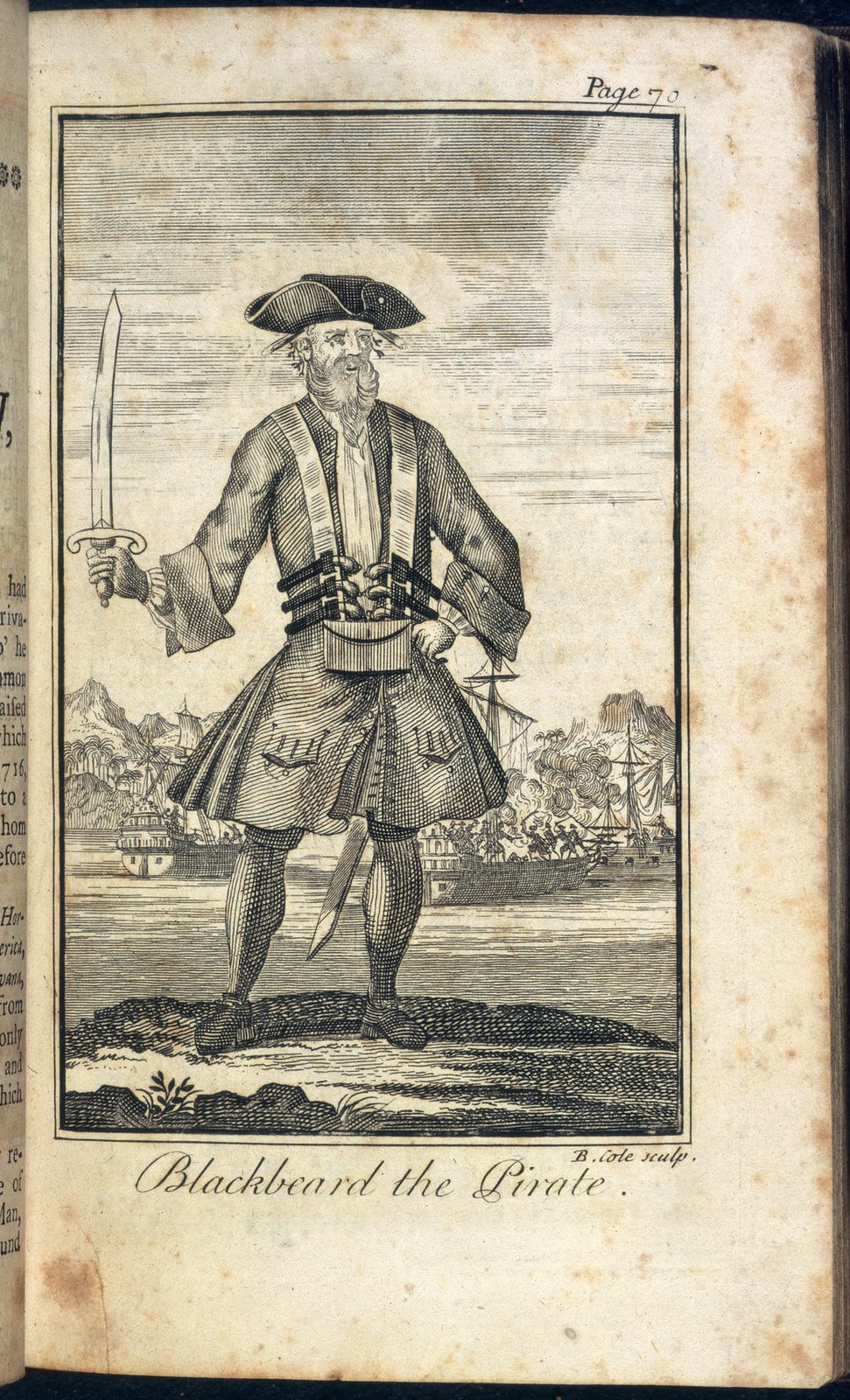
Edward Teach buried treasure up and down the Carolina coast before his death in 1718 — and his violent end seems to have poisoned every coin he left behind. Blackbeard died fighting, his head severed and his body thrown overboard, but not before swearing that his treasure would bring ruin to anyone who claimed it.
The curse strikes with the sudden fury of a pirate raid: fast, brutal, and seemingly random until you notice the pattern. Treasure hunters along the Outer Banks report equipment that works perfectly until they get close to potential burial sites, then fails catastrophically.
Boats develop leaks in calm weather, metal detectors short out despite being waterproof, and even GPS systems start giving directions that lead searchers in circles. Those who persist often face more serious consequences — accidents that leave them permanently injured, financial ruin that wipes out their life savings, or family tragedies that force them to abandon their search.
And the few who claim to have actually found pieces of Blackbeard’s hoard rarely keep them long. The gold seems to slip away through theft, legal complications, or simple misfortune, as if it refuses to stay in any hands but those of its original owner.
The Treasure of Lima

When revolutionaries threatened Lima in 1820, the Spanish loaded their wealth onto the Mary Dear and sailed for Mexico. Captain William Thompson killed the Spanish guards and buried the treasure on Cocos Island.
He was captured, but the location died with him. Every expedition to Cocos Island has failed, often dramatically.
Ships run aground on reefs that don’t appear on charts. Searchers fall ill with tropical diseases that have no business existing on the island.
Equipment vanishes overnight from locked storage.
Yamashita’s Gold

General Tomoyuki Yamashita allegedly hid billions in looted gold throughout the Philippines before Japan’s surrender. The treasure comes with the blood of thousands — Filipino civilians forced to dig the tunnels, then executed to keep the secret.
Ferdinand Marcos claimed to have found some of the gold, using it to fund his dictatorship. His reign ended in exile and disgrace.
Other treasure hunters report cave-ins, flooding, and mysterious illnesses. The few who surface with authentic artifacts often face legal battles that consume their fortunes.
The Confederate Treasury
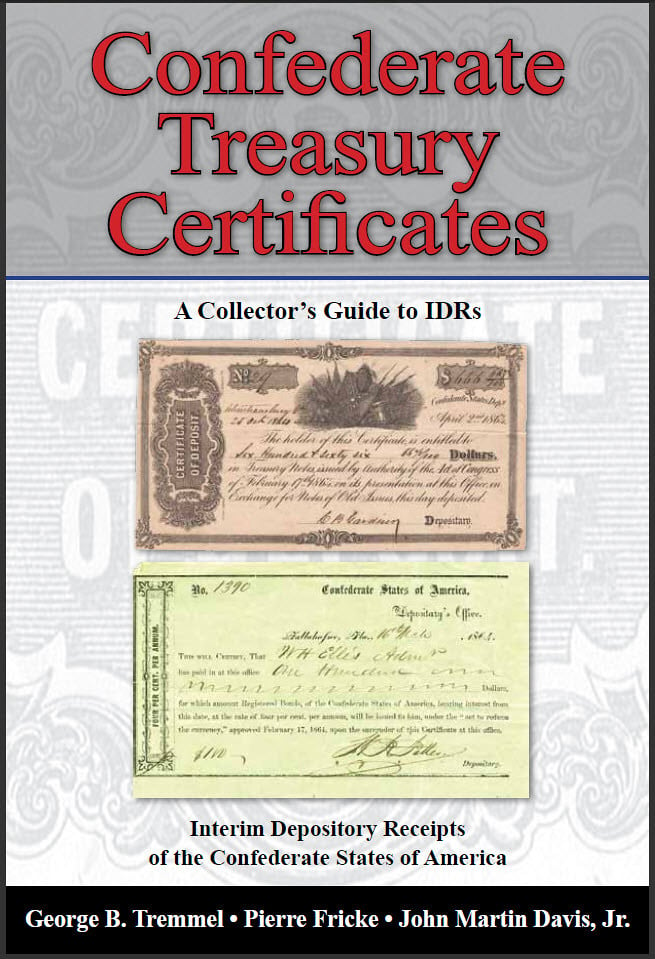
When Richmond fell in 1865, Jefferson Davis fled with the Confederate treasury — millions in gold and silver that simply vanished somewhere in Georgia or the Carolinas. This money carries the weight of a lost cause, the desperation of a dying government, and the curses of those who suffered under the system it represented.
But searching for Confederate gold means more than just dealing with supernatural consequences. The treasure hunters who get close often face very real dangers: descendants of Confederate sympathizers who view the gold as their heritage, federal agents concerned about the political implications of such a discovery, and local communities that would rather leave certain aspects of their past buried.
Those who claim to have found pieces of the treasury report that their luck turns bad immediately — not just minor inconveniences, but life-altering disasters that seem designed to force them to abandon their claims and disappear quietly.
The Treasure of the Flor de la Mar

This Portuguese ship sank in 1512 carrying the greatest treasure ever assembled — gold from Malacca, jewels from India, and artifacts looted from conquered kingdoms. The curse seems to emanate from the sacred objects stolen from temples, items that were never meant to leave their holy sites.
Modern salvage attempts have ended in disaster. Ships develop mechanical problems in calm seas.
Divers report equipment failures and disorienting experiences underwater. Those who surface with artifacts often sell them quickly, claiming the objects brought nightmares and inexplicable accidents to their families.
Forrest Fenn’s Treasure
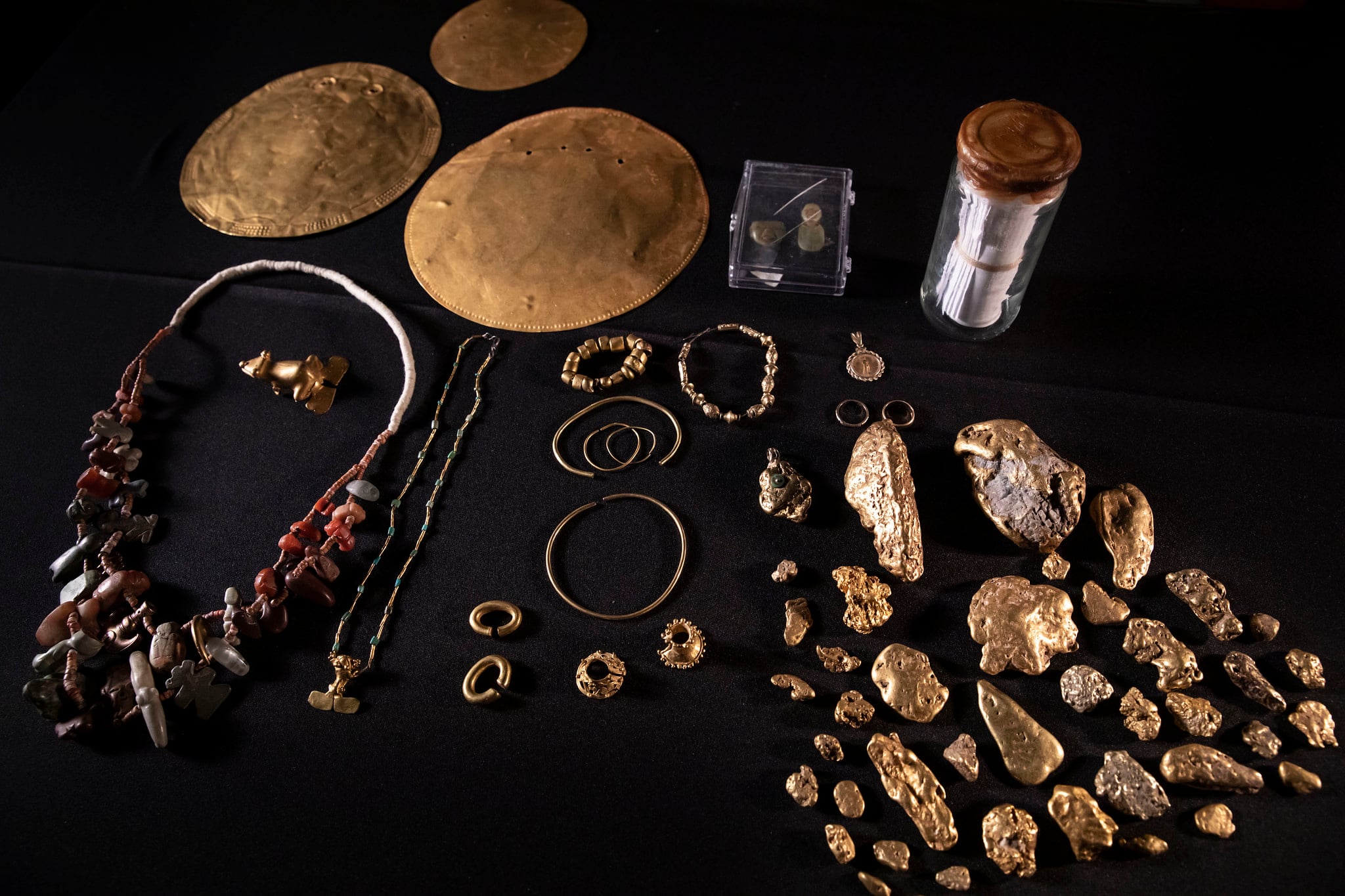
Fenn hid his treasure chest somewhere in the Rocky Mountains, accompanied by a poem with clues to its location. The chest was finally found in 2020, but not before claiming at least five lives and destroying countless others through obsession, bankruptcy, and broken relationships.
The curse seemed to work differently with Fenn’s treasure — rather than punishing those who found it, it destroyed those who couldn’t. Searchers abandoned careers, spent life savings, and risked everything for a chest that remained hidden for a decade.
Even after its discovery, the finder chose to remain anonymous, perhaps sensing that some treasures are better left unclaimed publicly.
The Cowherd’s Treasure

Legend places this Spanish colonial hoard somewhere in the American Southwest, buried by a cowherd who struck it rich in the gold fields, then hidden when Apache raids made travel dangerous. The man died before revealing its location, but not before warning that the gold was cursed by the Apache blood spilled to protect it.
Treasure hunters in the desert Southwest report phenomena that seem designed to disorient: water sources that appear on maps but don’t exist on the ground, landmarks that seem to shift position overnight, and an oppressive heat that strikes even in winter.
Those who claim to have found pieces of the cowherd’s gold often report that their discoveries bring nothing but trouble — family members develop serious illnesses, businesses fail for no apparent reason, and accidents multiply until they get rid of whatever they’ve found.
The curse seems patient but persistent, working slowly to separate searchers from both their finds and their peace of mind.
The Weight of Gold

These stories share common threads that reveal something unsettling about the nature of cursed treasure. The hoards that carry the strongest curses tend to be those acquired through violence, stolen from sacred places, or accumulated through the suffering of others.
Whether you believe in supernatural forces or simply acknowledge that treasure hunting is an inherently dangerous pursuit, the pattern remains consistent: those who seek legendary hoards often find more than they bargained for, and what they find rarely brings the happiness they expected.
More from Go2Tutors!

- The Romanov Crown Jewels and Their Tragic Fate
- 13 Historical Mysteries That Science Still Can’t Solve
- Famous Hoaxes That Fooled the World for Years
- 15 Child Stars with Tragic Adult Lives
- 16 Famous Jewelry Pieces in History
Like Go2Tutors’s content? Follow us on MSN.