Why Select Cities Became Luxury Capitals
Some cities just have it. Walk down certain streets in Paris or Milan, and luxury isn’t just sold—it’s woven into the sidewalks, the architecture, the very air people breathe.
These places didn’t become luxury capitals by accident. They earned their spots through centuries of craftsmanship, strategic positioning, and a relentless commitment to excellence that still defines them today.
So what separates these elite destinations from everywhere else? Let’s explore the forces that turned specific cities into the world’s undisputed temples of high-end living.
Historical craftsmanship traditions

Cities like Florence and Paris built their reputations on the backs of master artisans who perfected their trades over generations. These weren’t just workers—they were artists who treated leather, fabric, and metal like sacred materials.
Guilds passed down techniques that became closely guarded secrets, creating products so exceptional that royalty traveled across continents to acquire them. That legacy of craftsmanship still echoes today when someone buys a handmade Italian bag or a Swiss timepiece.
Strategic trade route locations
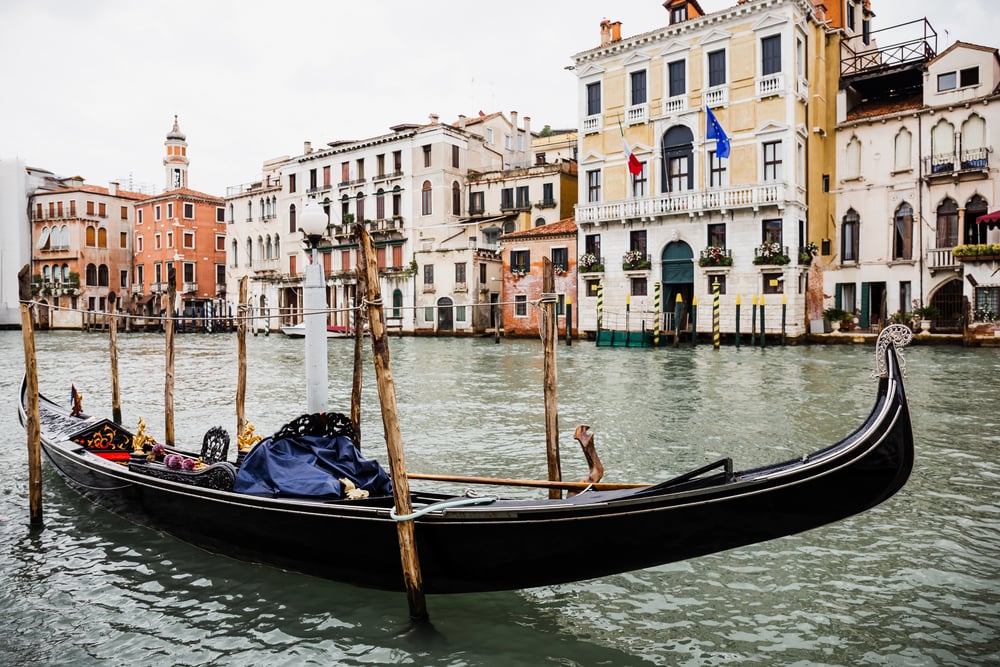
Geography handed certain cities a winning lottery ticket. Venice controlled Mediterranean trade routes for centuries, making it the gateway between East and West.
Hong Kong sits perfectly positioned between major Asian markets and Western buyers. Cities that controlled the flow of silk, spices, and precious goods naturally became centers where wealth accumulated and luxury items changed hands.
Being at the crossroads of commerce meant being at the center of desire.
Royal and aristocratic patronage
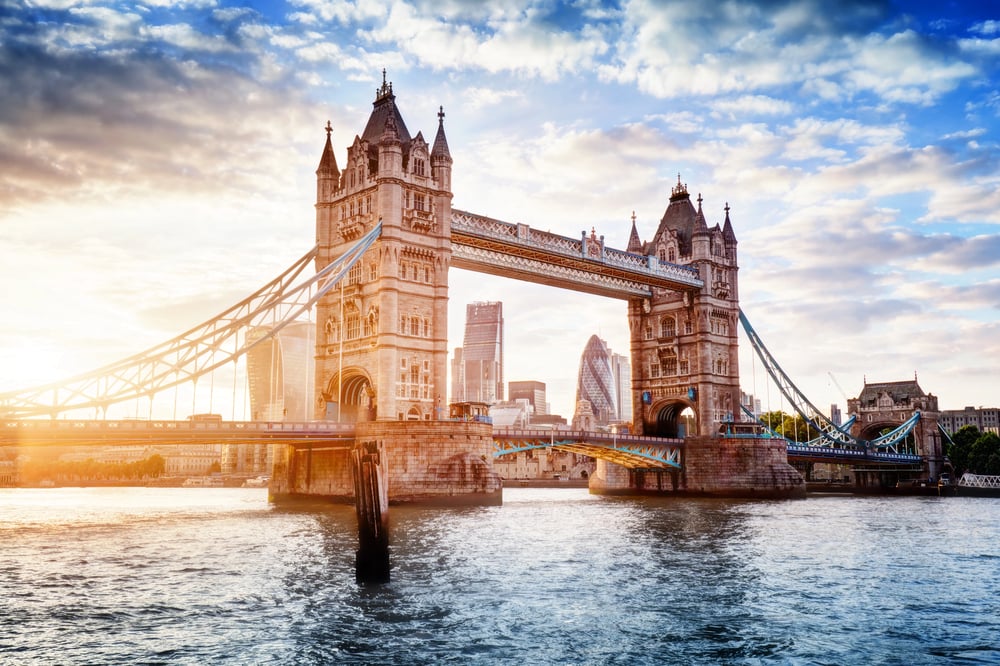
When kings and queens made a city their home, luxury followed like a faithful servant. Versailles transformed the area around Paris into a showcase of opulence that attracted the finest craftspeople in Europe.
London’s luxury district developed because British royalty demanded the best of everything within reach. These royal courts didn’t just buy luxury—they defined what luxury meant, and their presence turned neighborhoods into permanent monuments to refinement.
Fashion industry concentration
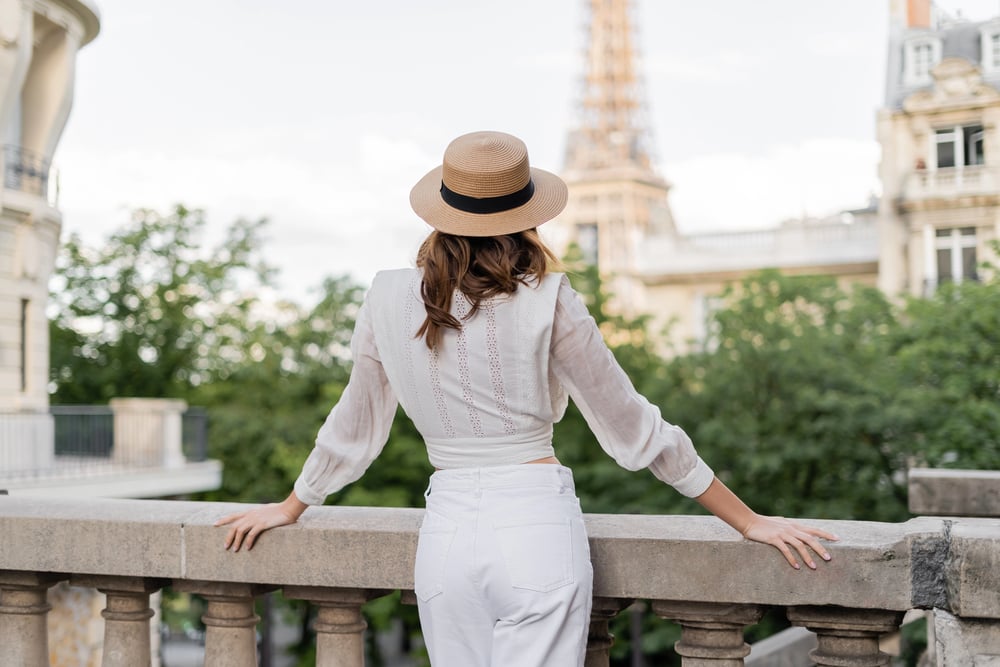
Milan and Paris didn’t just host fashion shows—they became fashion. Designers clustered together, competing and collaborating in ways that pushed creativity to new heights.
When all the major fashion houses set up headquarters in the same city, something electric happened. Buyers, models, photographers, and journalists had to be there too.
This concentration created an ecosystem where trends were born at breakfast and became global phenomena by dinner.
Banking and financial power centers
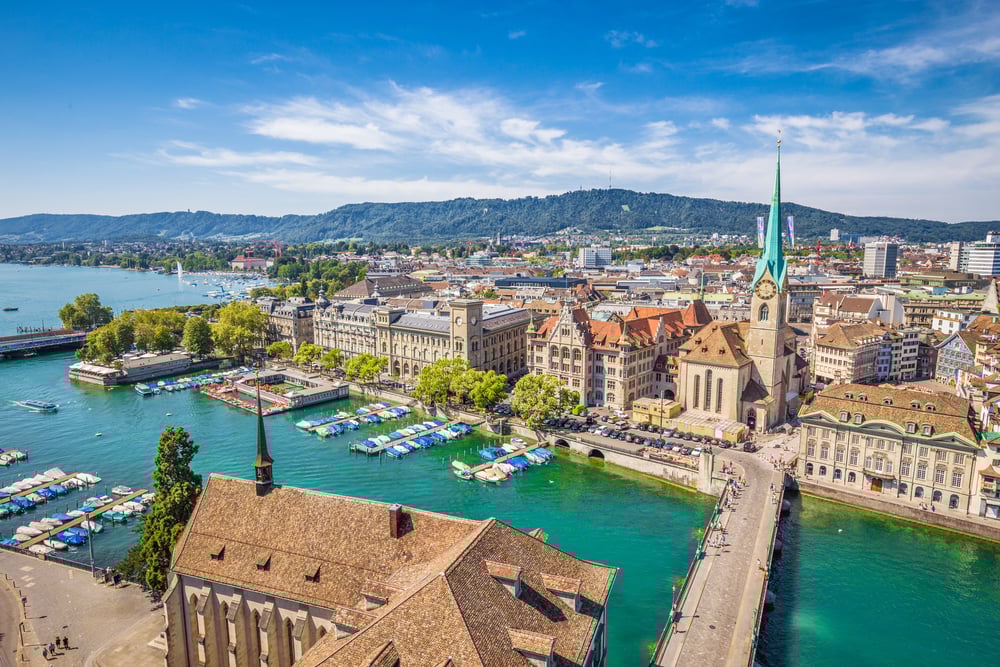
Money needs somewhere to live, and it prefers nice neighborhoods. Zurich and Geneva became luxury capitals partly because they housed the wealth managers and private banks that served the world’s richest families.
When massive fortunes get managed in a city, the people managing them want to live well. High-end retailers, jewelers, and watchmakers followed the money, knowing their best customers worked just blocks away.
Cultural institutions and museums
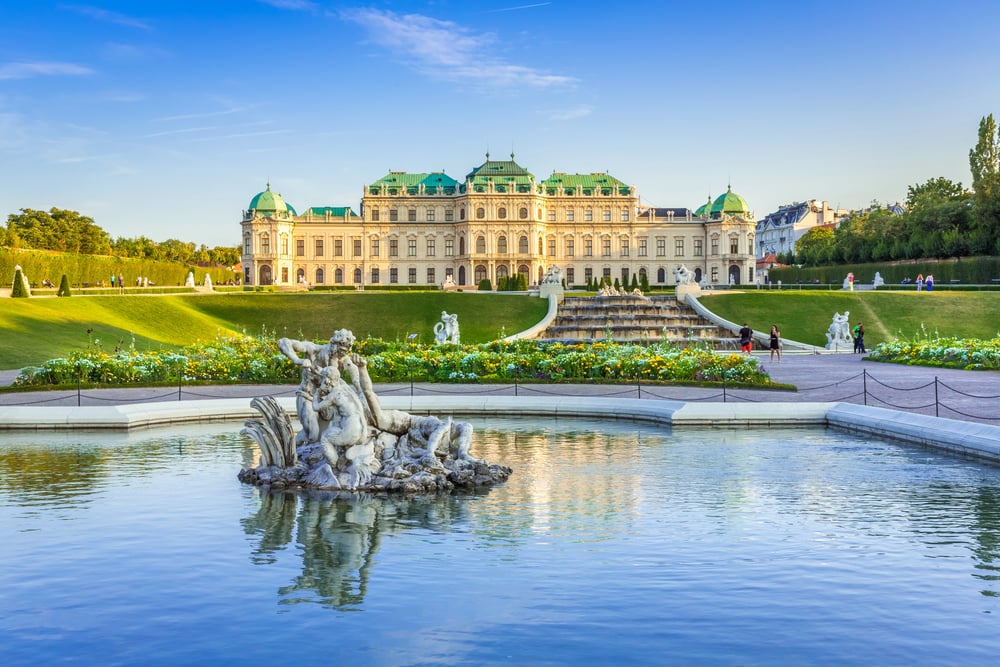
Great museums and opera houses aren’t just tourist attractions—they’re luxury magnets. Cities that invested heavily in culture attracted educated, wealthy residents who appreciated the finer things.
Vienna’s concentration of classical music venues created an atmosphere of sophistication that luxury brands wanted to be associated with. Cultural prestige and commercial luxury feed off each other, creating a cycle that elevates both.
Architectural beauty and urban planning
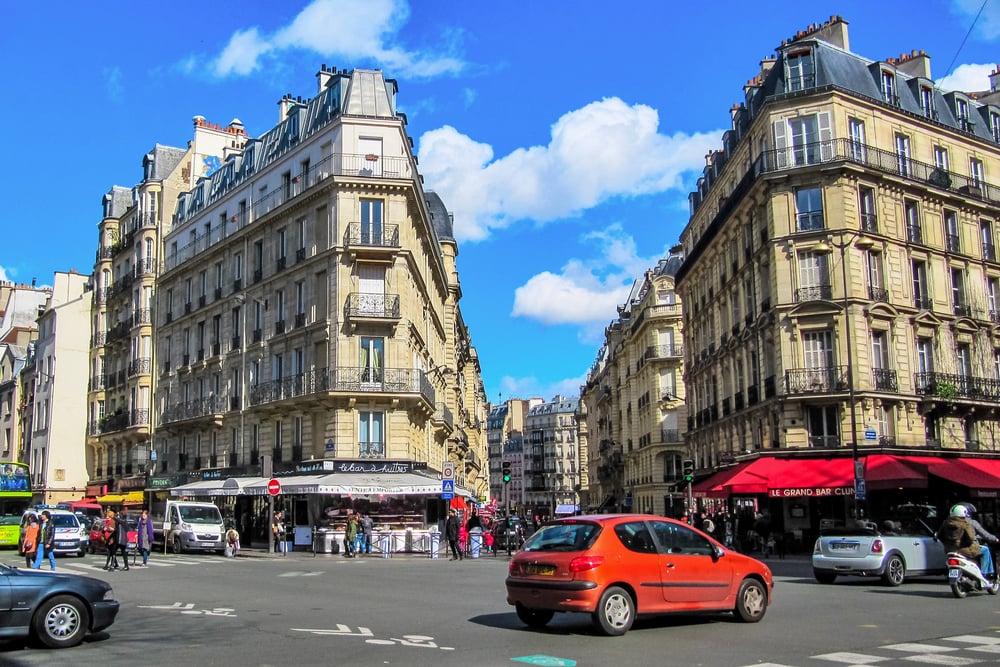
Paris didn’t become a luxury capital with ugly buildings. Baron Haussmann’s 19th century renovation created those wide boulevards and elegant facades that still make the city breathtaking.
Architecture sets the stage for luxury retail. Beautiful cities attract beautiful stores, and both attract people willing to pay premium prices.
Urban planning that prioritizes aesthetics over pure efficiency creates environments where luxury feels natural rather than out of place.
Tourism infrastructure development
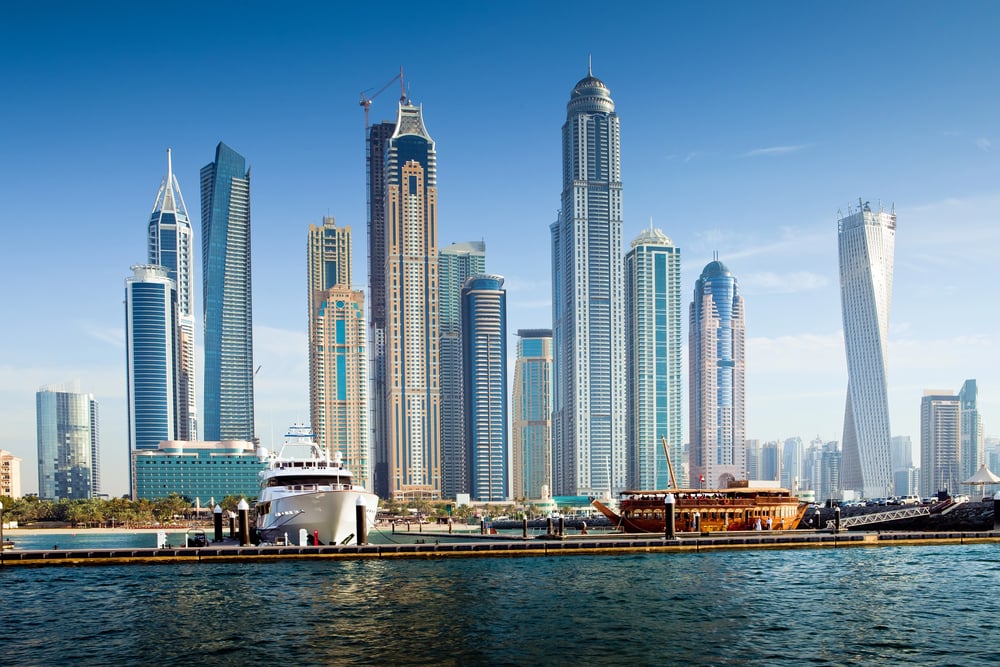
Some cities invested billions in becoming destinations, not just places. Dubai built itself from desert sand into a luxury powerhouse by creating infrastructure that catered to the ultra wealthy.
Five star hotels, world class airports, and tax free shopping turned it into a magnet for high spenders. Cities that made it easy and pleasant for rich people to visit found that luxury brands rushed to open flagship stores.
Tax policies favoring luxury goods
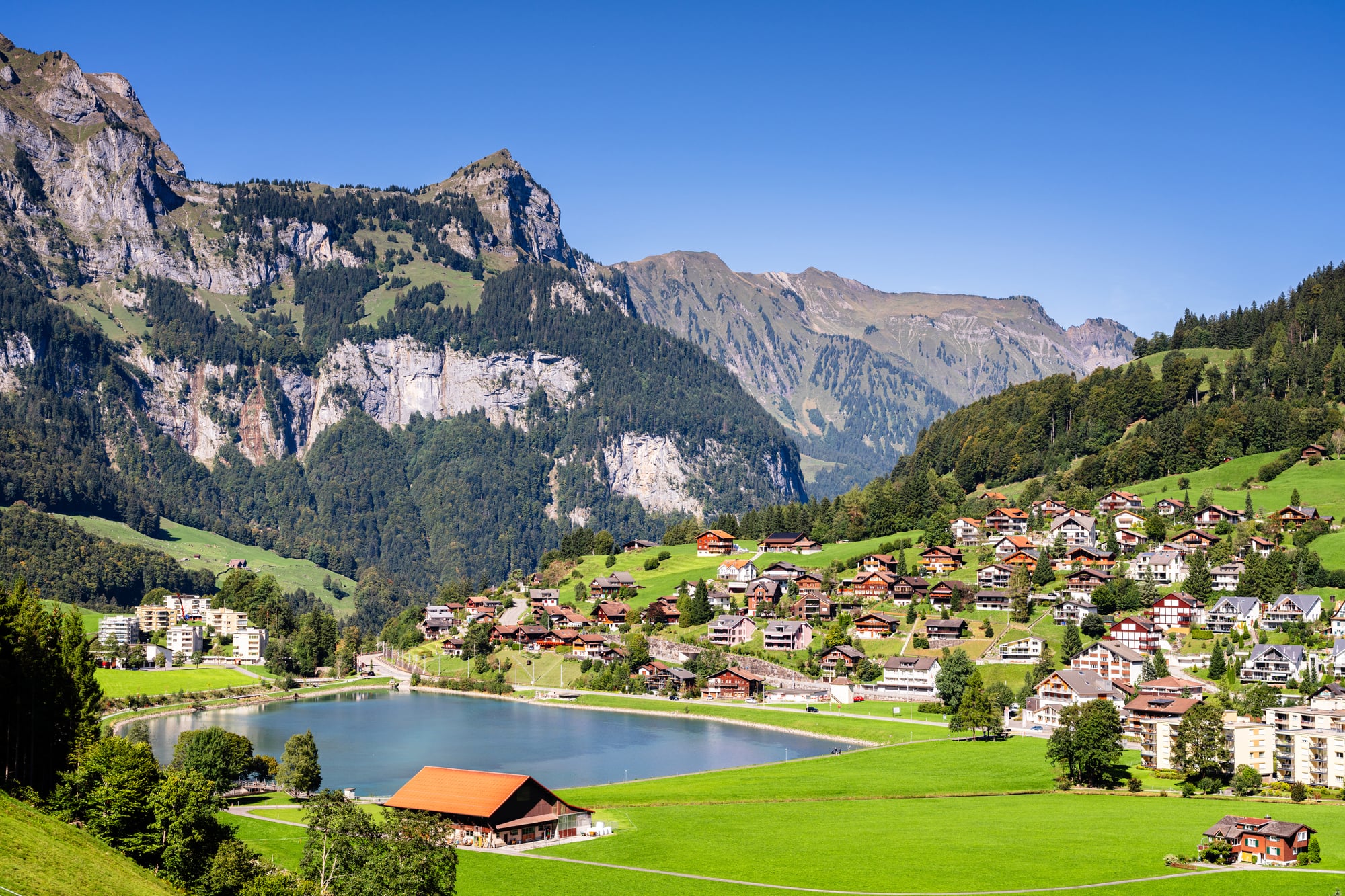
Switzerland and Monaco didn’t accidentally become luxury shopping destinations. Their favorable tax structures made buying expensive items more attractive than in neighboring countries.
When a watch costs significantly less in Geneva than in Frankfurt, serious buyers take notice. Tax policy might sound boring, but it’s shaped where people choose to make major luxury purchases and where brands decide to invest in retail presence.
Celebrity and influencer associations
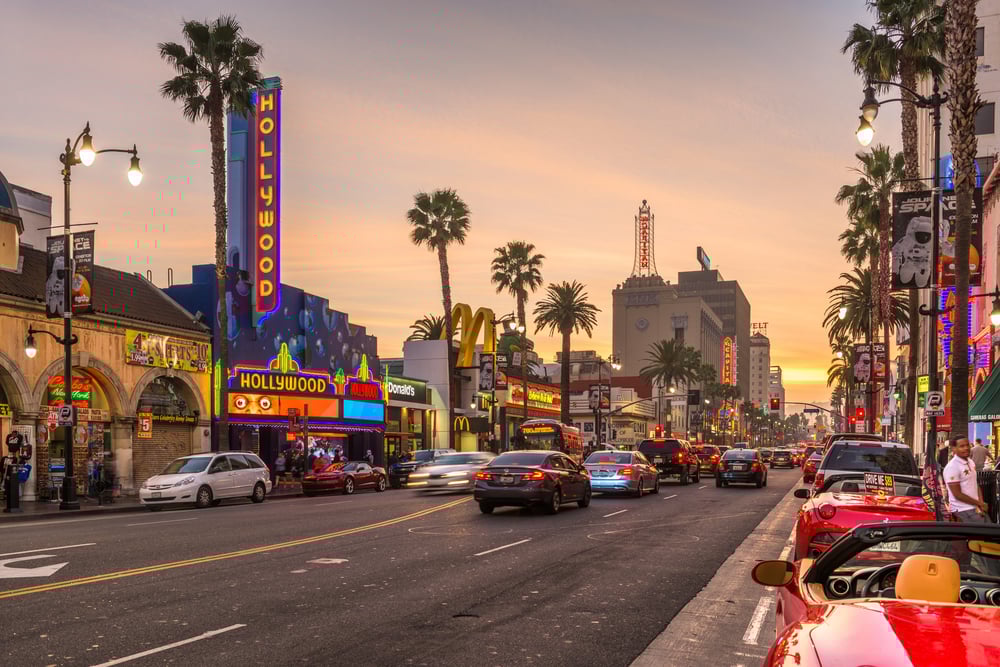
When movie stars consistently vacation in the same place, that place becomes aspirational. The French Riviera turned into a luxury capital partly because Hollywood fell in love with it in the 1950s.
Monaco’s tiny size didn’t stop it from becoming synonymous with glamour because Grace Kelly and Formula 1 races made it impossibly chic. Modern luxury cities understand this—they court celebrities and social media influencers because association with the famous creates desire.
Exclusivity through limited access
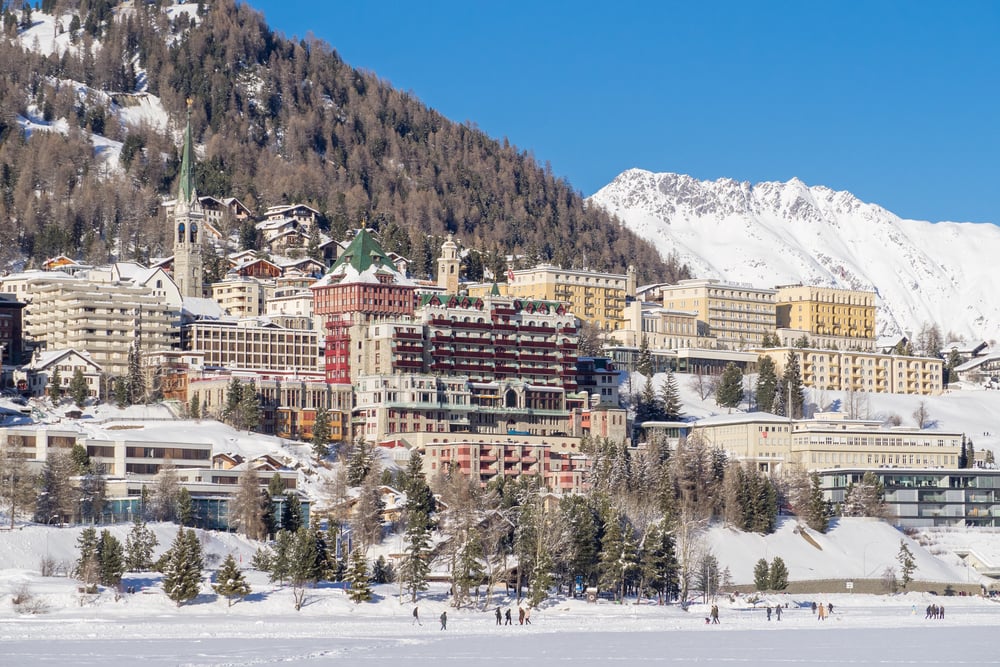
Some luxury capitals maintain their status by being slightly difficult to reach or experience fully. St. Moritz remains elite partly because getting there requires effort and money.
Cities that avoid becoming overcrowded maintain an air of exclusivity that mass market destinations can’t replicate. Limited access isn’t a bug—it’s a feature that keeps luxury feeling special.
Educational institutions for luxury trades
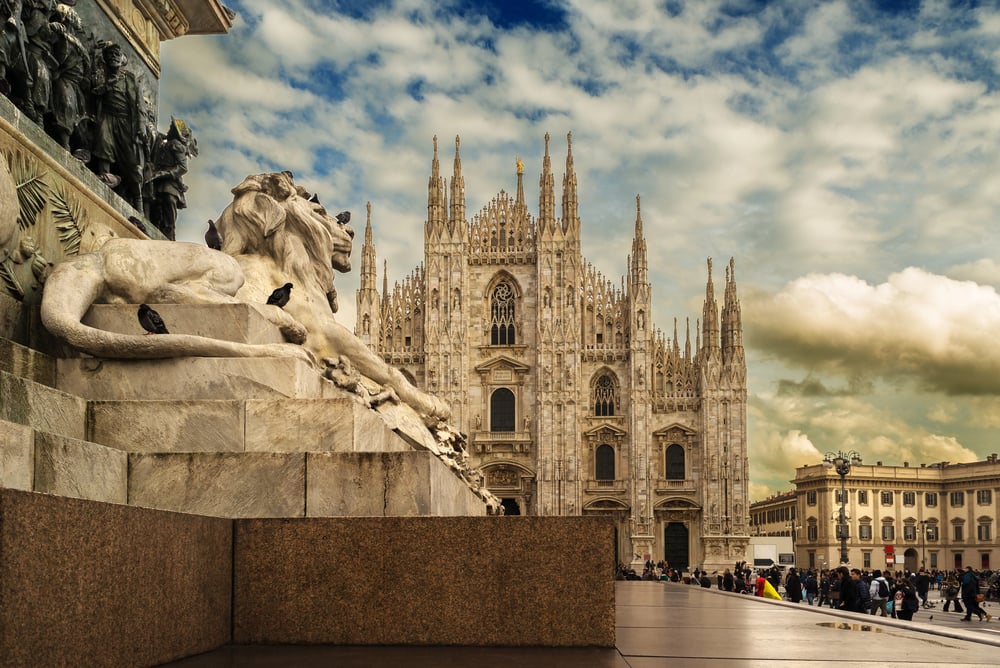
Milan houses design schools that produce the next generation of fashion talent. Swiss cities host watchmaking academies where students spend years learning complications.
Cities that invested in educating craftspeople ensured a steady supply of skilled workers who could maintain luxury standards. These schools also attracted ambitious young people from around the world, creating diverse talent pools that kept innovation flowing.
Marketing and brand mythology
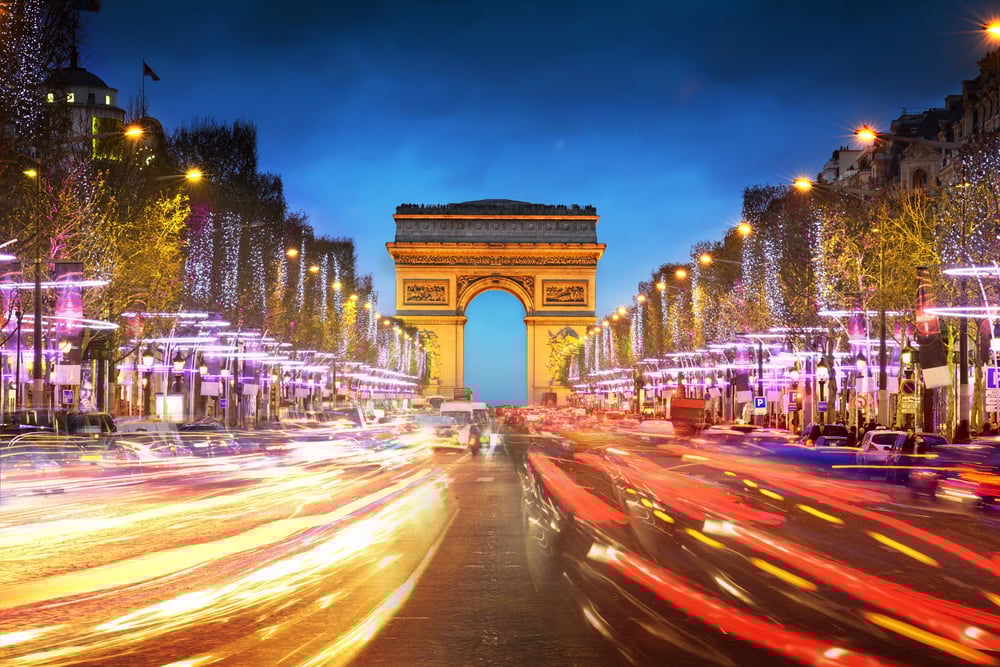
Paris didn’t just happen to become the city of light and love—French tourism boards and luxury brands worked together to build that image. Effective marketing turns cities into ideas, and ideas sell better than geography.
New York positioned itself as the city where ambition comes true, which made it the natural home for American luxury brands. The story a city tells about itself determines whether luxury brands want to be part of that narrative.
High end real estate markets
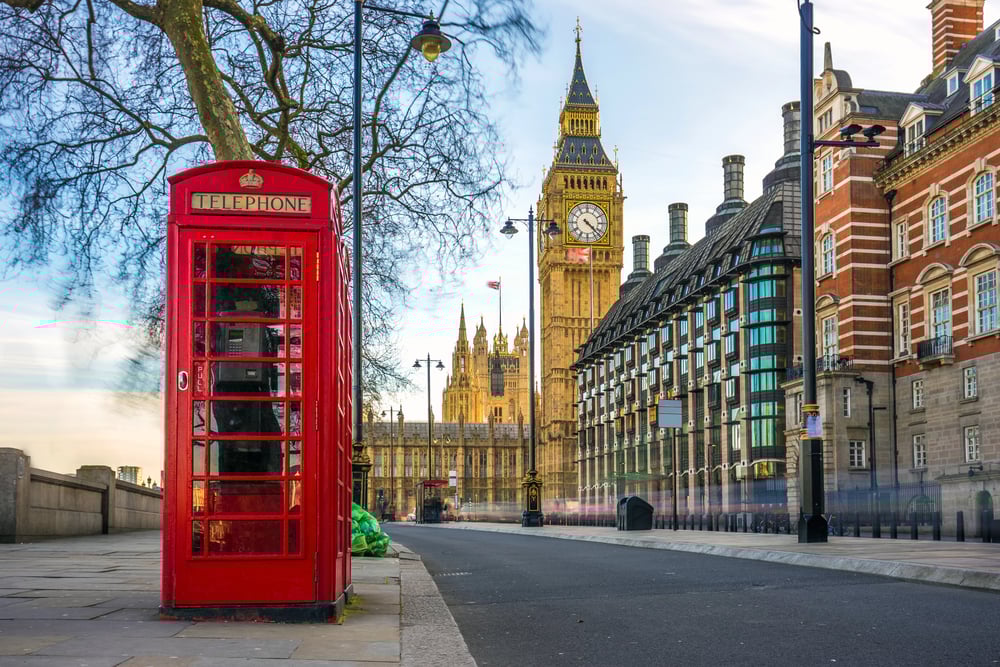
When property prices reach stratospheric levels, only wealthy people can afford to live there. London neighborhoods like Mayfair became luxury capitals partly through astronomical real estate costs that filtered out everyone except the extremely affluent.
Luxury retailers followed their customers, knowing that people who pay millions for apartments think nothing of dropping thousands on accessories. High property values create natural sorting mechanisms.
International airport connectivity
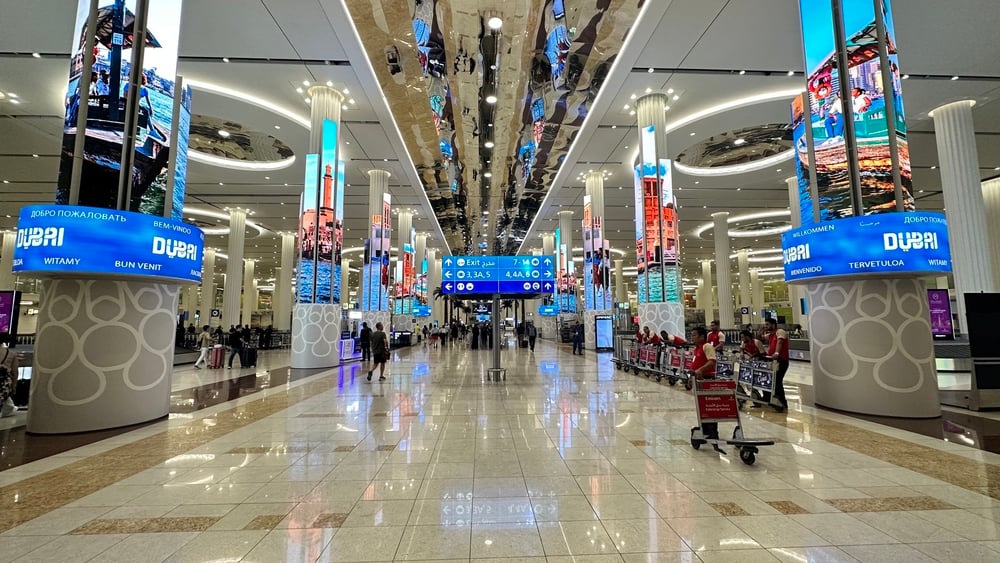
Cities need more than charm—they need runways. Dubai’s massive airport investment made it accessible from anywhere on Earth within hours.
Direct flights from major financial centers matter enormously when your customers are global billionaires. Cities with limited international connectivity struggle to compete for luxury retail dominance, no matter how beautiful their historic centers might be.
Luxury hospitality ecosystems
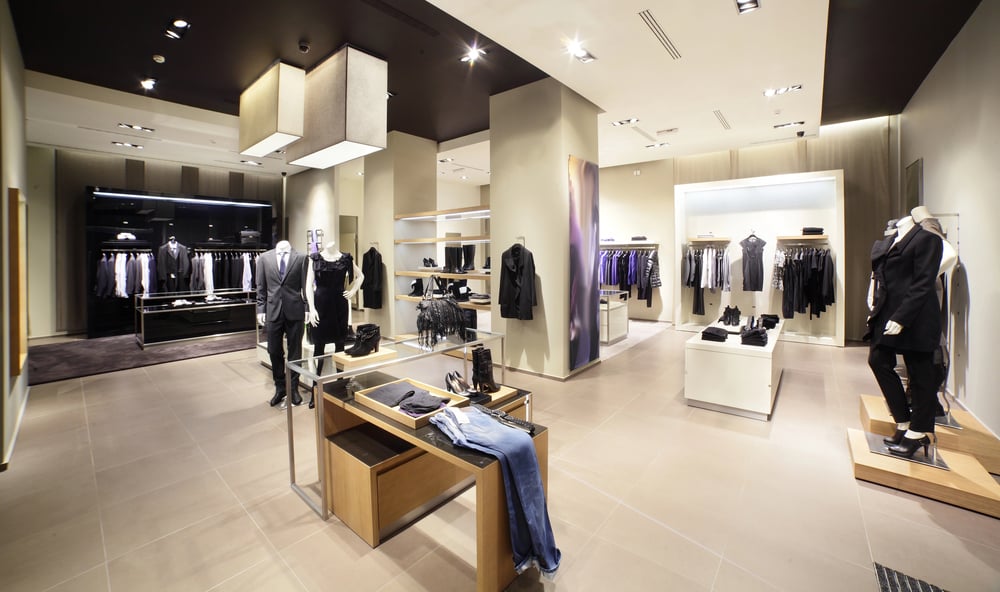
Luxury shops thrive when top tier hotels are close by. Where cities built solid hotel industries, fancy shopping followed naturally.
Staff at hotels point guests to boutiques. Boutiques send clients back to those same stays.
In Tokyo, precise service across stores and lodging formed a network where premium labels felt confident customers were always well cared for.
Law shields hand made work

Farmers in France don’t only guard bubbly drinks. They stand behind a mindset where realness matters.
Towns and nations setting up rules to shield skilled making let fancy labels bet big money. If fake copies face strong pushback while old school methods gain official nods, being genuine rises in worth.
Such shields allow high end hubs to hold firm lines that back their top shelf status.
Cultural views on buying luxury stuff
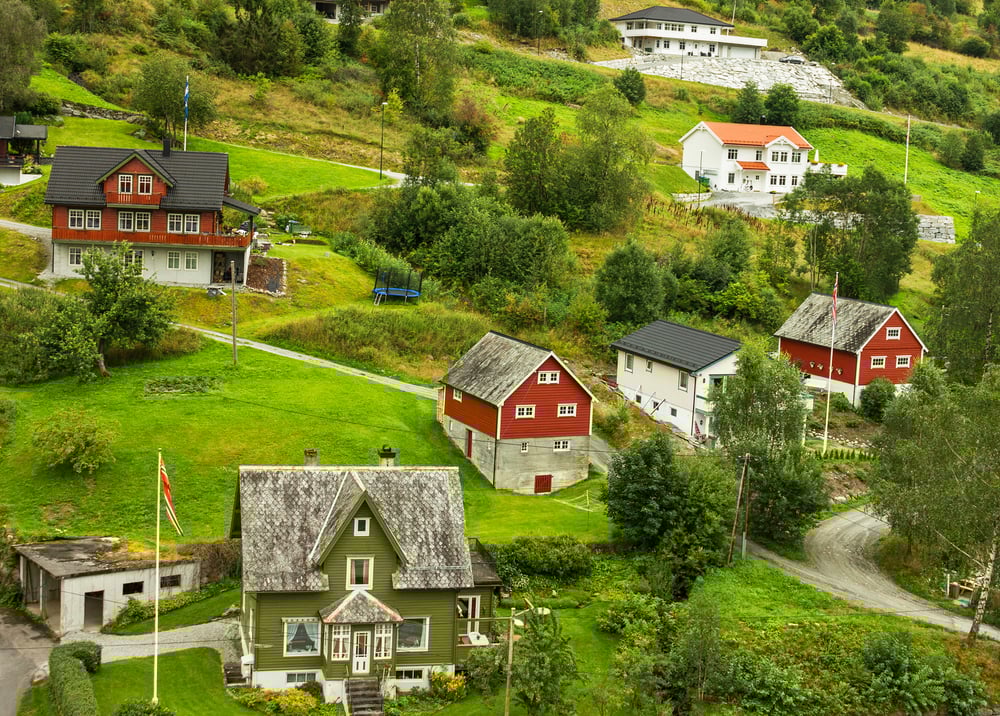
Some communities see flashy spending as tacky; on the flip side, plenty welcome it loud and clear. Urban areas where showing off money is normal tend to roll out the red carpet for high end shops.
Places such as Dubai do well since splurging isn’t looked down upon there. Meanwhile, Nordic capitals, though loaded with cash, have way less fancy boutiques thanks to a deep rooted love for simplicity.
What people value spills into what gets built.
Where fancy things grow next
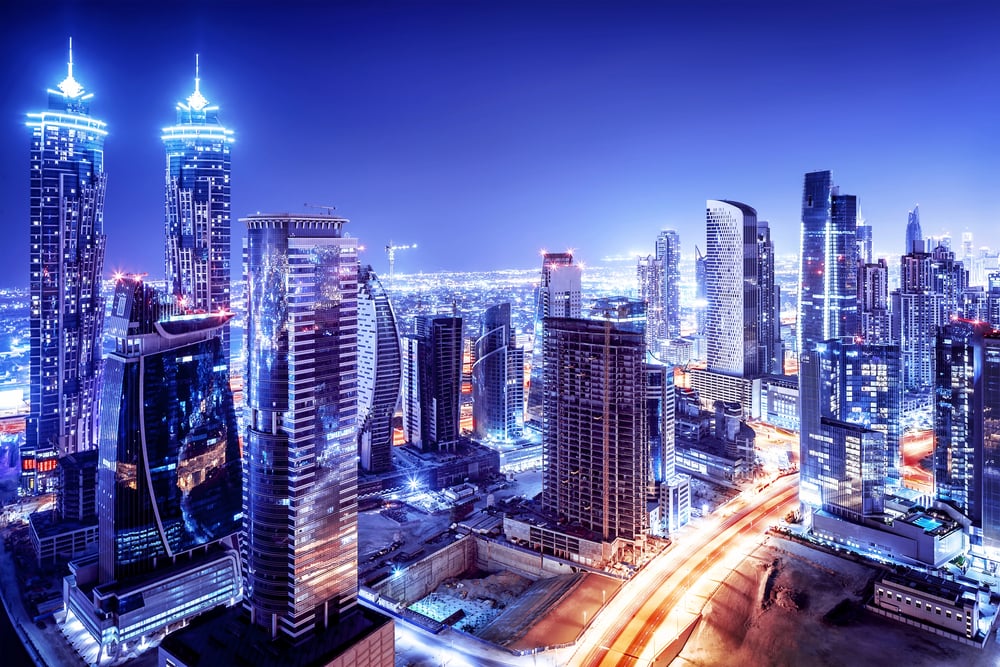
The big names in high end shopping from the last 100 years might not stay on top. As money moves toward Asia, its cities climb higher, while online buying questions whether we even need real world luxury hubs anymore.
Still, stepping into an elegant shop on a classic avenue brings a vibe no screen can copy. Places that get how fancy stuff isn’t the point, instead focusing on spaces where greatness seems natural, that’s who’ll hold onto status.
Fresh challengers will pop up; however, cash alone won’t build what Paris, Milan, and London shaped over hundreds of years.
More from Go2Tutors!

- The Romanov Crown Jewels and Their Tragic Fate
- 13 Historical Mysteries That Science Still Can’t Solve
- Famous Hoaxes That Fooled the World for Years
- 15 Child Stars with Tragic Adult Lives
- 16 Famous Jewelry Pieces in History
Like Go2Tutors’s content? Follow us on MSN.