Legendary Real-World Artifacts That Inspired Indiana Jones
From somewhere deep in time came Indiana Jones. That hat.
The coiled leather tool at his side. Running full tilt through crumbling temples – none of it appeared out of thin air.
Real explorers dug into forgotten ground, chasing myths with their boots on the line. Their stories shaped what we see on screen.
Actual quests for lost cities, real artifacts pulled from dust and sand, gave weight to scenes where someone sprints ahead of rolling stone death traps. Adventure fiction leans hard on truth like this.
Without those stubborn men and women who climbed into tombs just to find answers, the movies would feel hollow.
Down there you’ll find the actual pieces – objects that spent years inside museum cases, stirred debates, caused ripples among scholars way before any movie studio took notice.
The Ark Of The Covenant
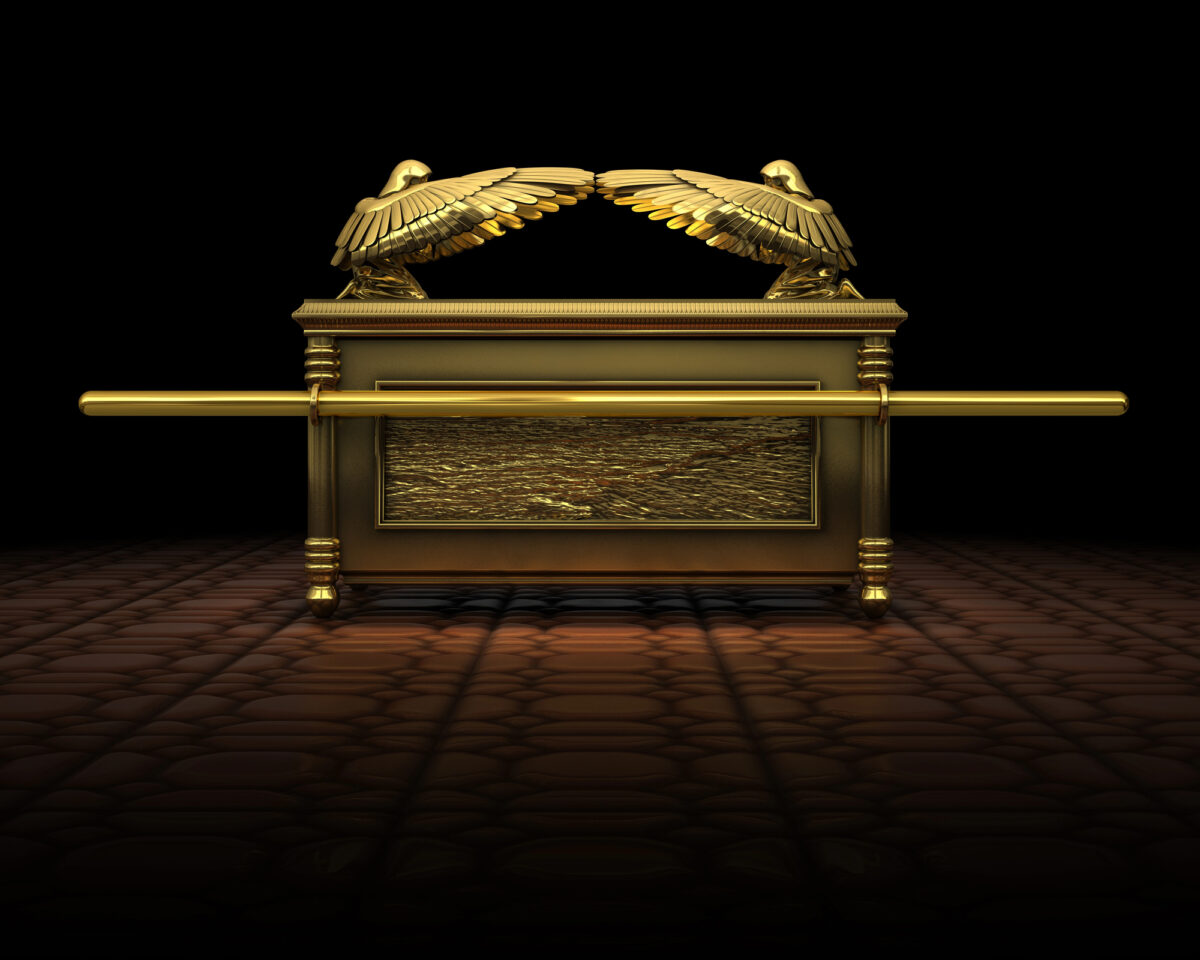
Inside the first Indiana Jones movie, the Ark of the Covenant takes center stage – yet its actual past carries similar weight. Scripture says it was a box made of wood, wrapped in gold, storing stone slabs etched with divine rules, able to bring down whole legions by unseen force.
After Jerusalem fell to Babylon in 587 BC, records went silent; nobody knows where it slipped off to. Since then, guesses have stretched from Ethiopia through Egypt all the way to Ireland, each spot drawing quiet quests across centuries.
The Holy Grail
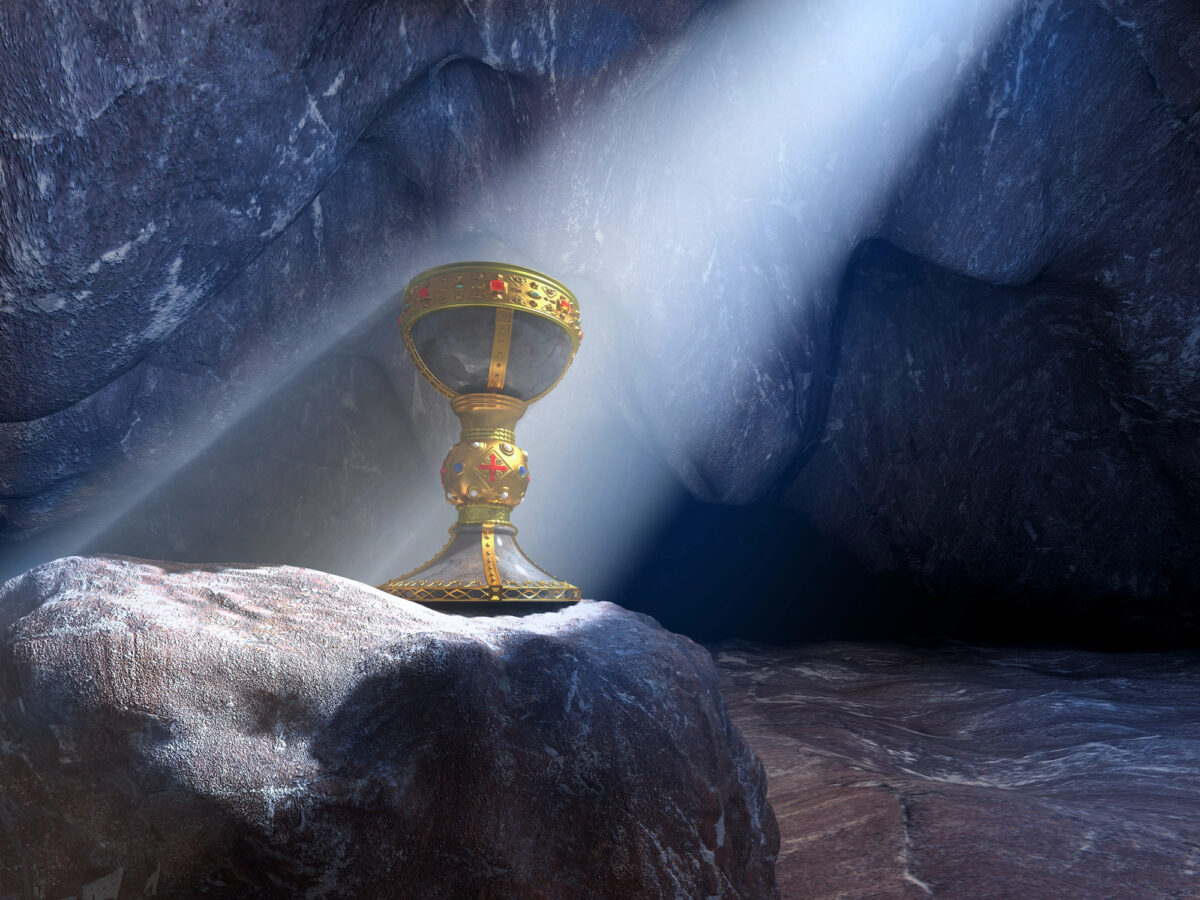
Hunting the cup from the Last Supper wasn’t just Indy’s mission – legends pulled kings and knights into the search too. Across centuries, royal courts and adventurers scoured Europe, drawn by whispers of the Grail.
In a quiet corner of Valencia Cathedral, one chalice claims the title, standing behind glass. Though unproven, its presence carries weight – backed loosely by church nods.
People still come, not only to see an artifact but to wonder if myth might hold truth after all.
The Crystal Skulls

Long before movies tossed aliens into the tale, actual crystal skulls stirred debate among archaeologists for years. One after another, hefty carvings in clear quartz appeared during the 1800s, each said to be a relic from old Mesoamerica.
Institutions like the British Museum and the Smithsonian hold some, having poked at their origins with every test available. Though evidence leans toward European workshops equipped with recent tooling, questions still hang – how did these objects begin moving through markets?
Who shaped them first has never been fully pinned down.
The Sankara Stones
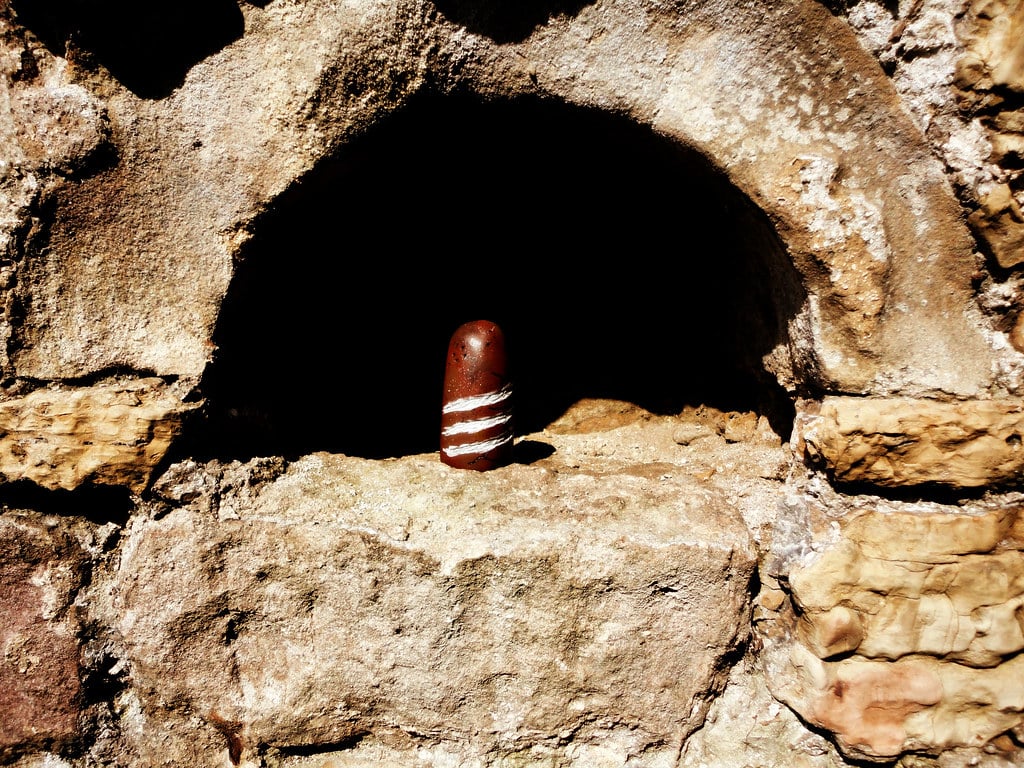
Sacred stones known as Sankara Stones drive the story of Indiana Jones and the Temple of Doom. These draw hints not from fantasy, but old beliefs rooted in India’s spiritual past.
Hidden within Hindu tales lies the figure of the Syamantaka – a stone believed to make fresh gold every dawn. Danger stayed away from whoever carried it, if they were truly meant to hold it.
Long passages written centuries ago paint it as more than treasure – a spark for conflict, greed, unrest. Wherever it appeared, struggle followed close behind.
Though no one today holds proof it once existed, the writings about it remain sharp, clear, impossible to ignore.
The Spear Of Destiny
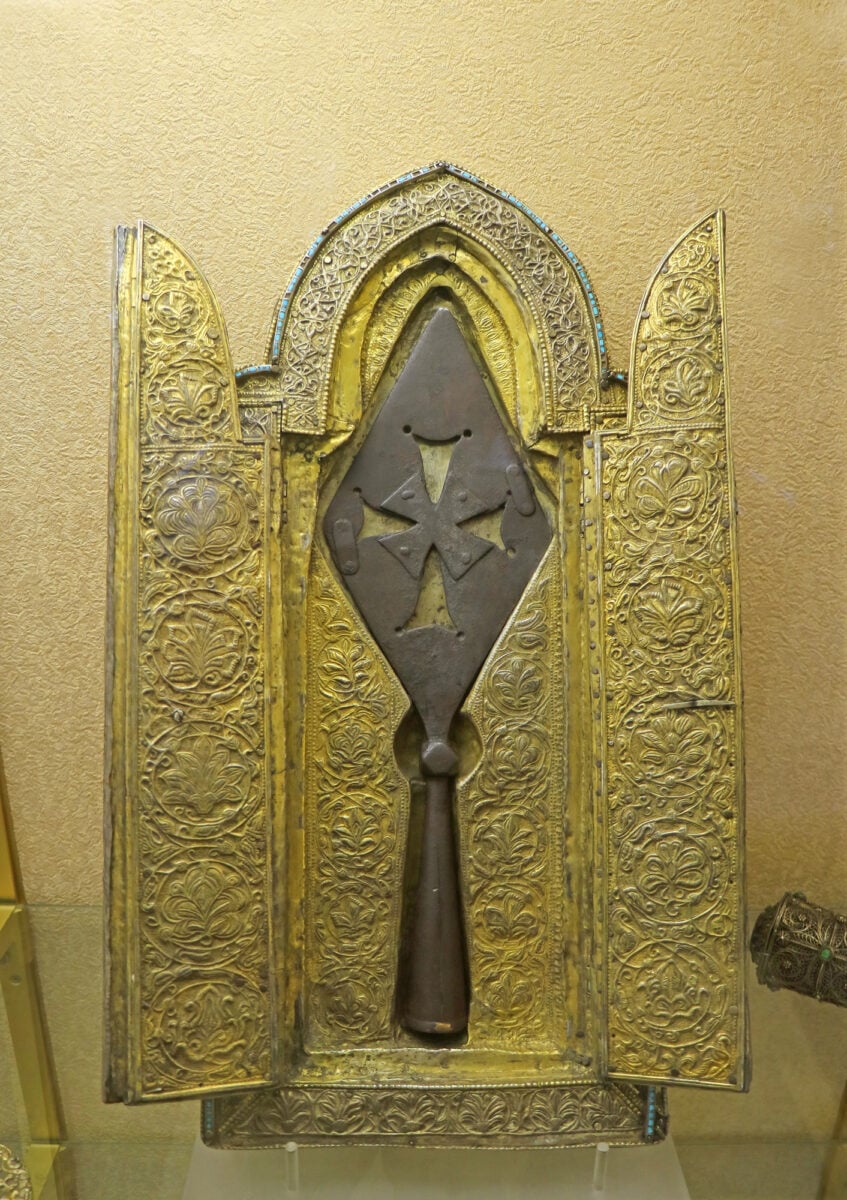
Called different things at different times – Holy Lance, Spear of Longinus – it’s said to have pierced Jesus during the crucifixion. Found its way into royal hands across Europe, where leaders like Charlemagne once treasured it as a symbol of strength.
Centuries later, Adolf Hitler became obsessed, convinced owning it would bring victory. When German troops took Austria in 1938, he ordered the Vienna artifact taken and brought to Nuremberg.
After the war ended, U.S. soldiers found it hidden away. Now? It rests again in Vienna’s Hofburg Palace, back among relics, almost unnoticed but still there.
The Dead Sea Scrolls
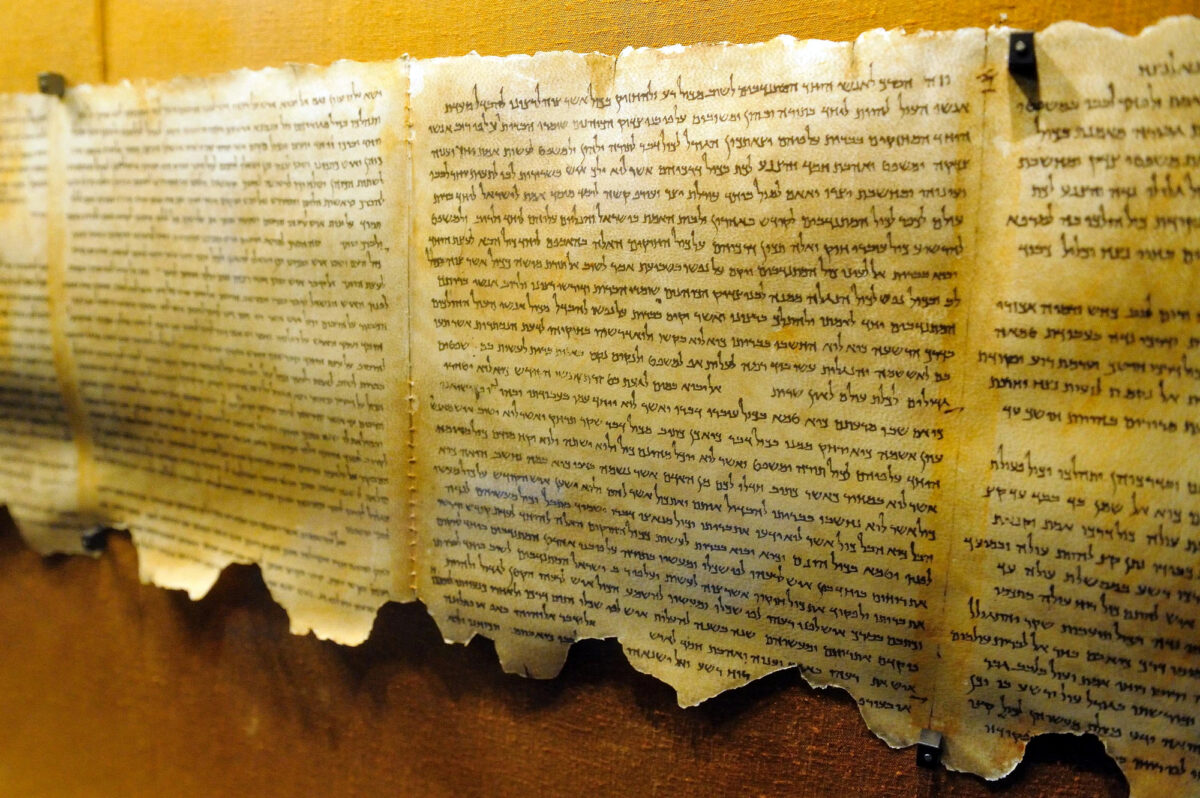
A lone shepherd boy tossed a stone into a cave – and stumbled onto history. Hidden within dusty jars lay fragile papers older than most nations.
These scraps rewrote what scholars thought they knew about ancient scripture. Ownership disputes flared fast, tangled in politics and secrecy.
Black-market traders slipped fragments across borders like forbidden letters. For fifty years, access played hide-and-seek behind academic walls.
Not until the nineties did sunlight finally reach every line. Old words, cracked yet clear, now speak through centuries.
The Nazca Lines
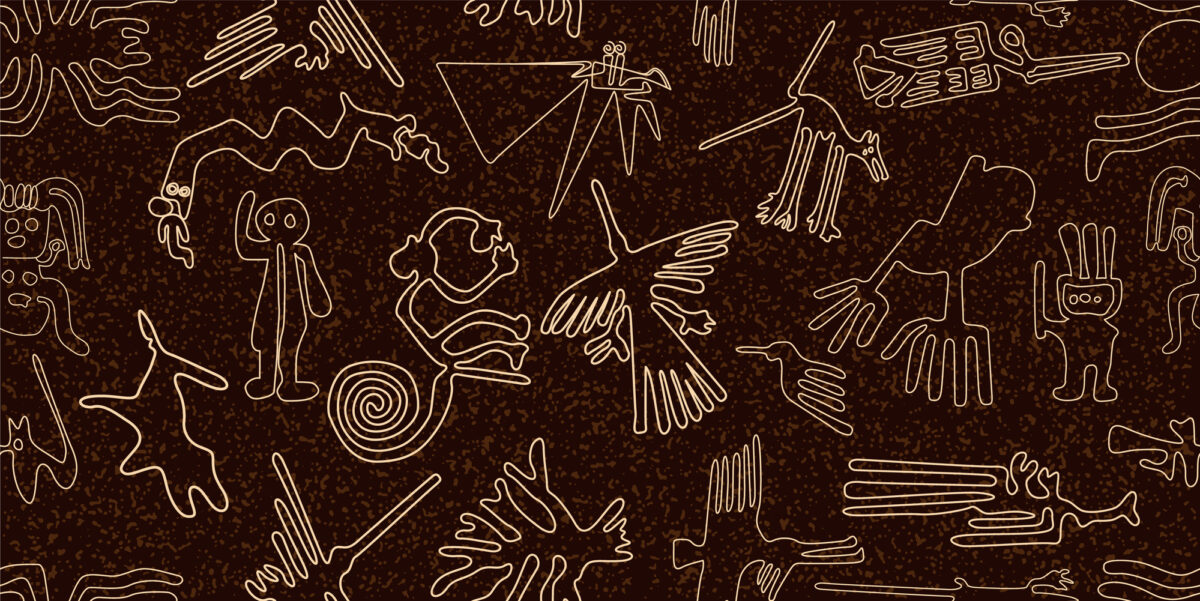
Across southern Peru, on a dry flatland, lie giant drawings carved into earth – creatures, plants, odd patterns – so vast they can be seen clearly only when viewed from above. These marks came from the hands of the Nazca culture, made sometime between five centuries before Christ and five hundred years after.
Since scientists began studying them in the 1900s, nobody has agreed completely on why they exist. Some suggest they tracked stars or sun events; others think they guided rituals on foot; some even tie them to visitors from space.
Building such massive designs without today’s tools – or the ability to see them whole while making them – still unsettles many who study ancient works.
The Voynich Manuscript
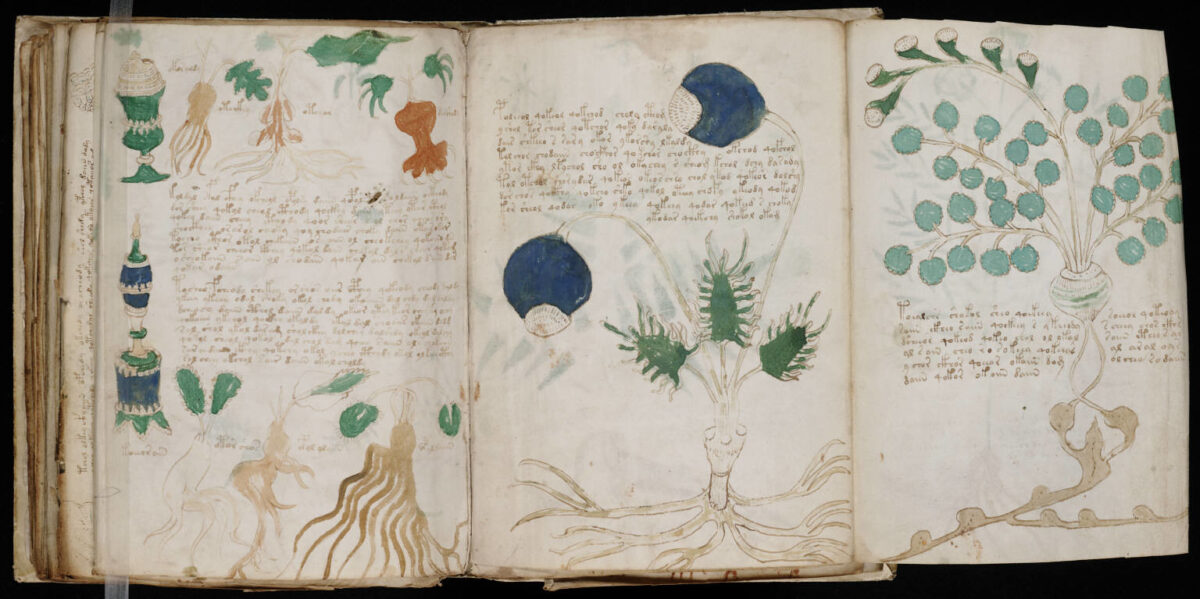
The Voynich Manuscript is a handwritten book from the early 15th century filled with an unknown writing system and illustrations of plants that do not exist in nature. It has stumped professional codebreakers, linguists, and historians for over a century, with no one successfully deciphering even a single confirmed word.
The manuscript was purchased by rare book dealer Wilfrid Voynich in 1912 and eventually ended up at Yale University’s Beinecke Library, where it still lives. Some researchers believe it is an elaborate hoax, but the complexity of the text makes even that explanation difficult to fully accept.
The Antikythera Mechanism
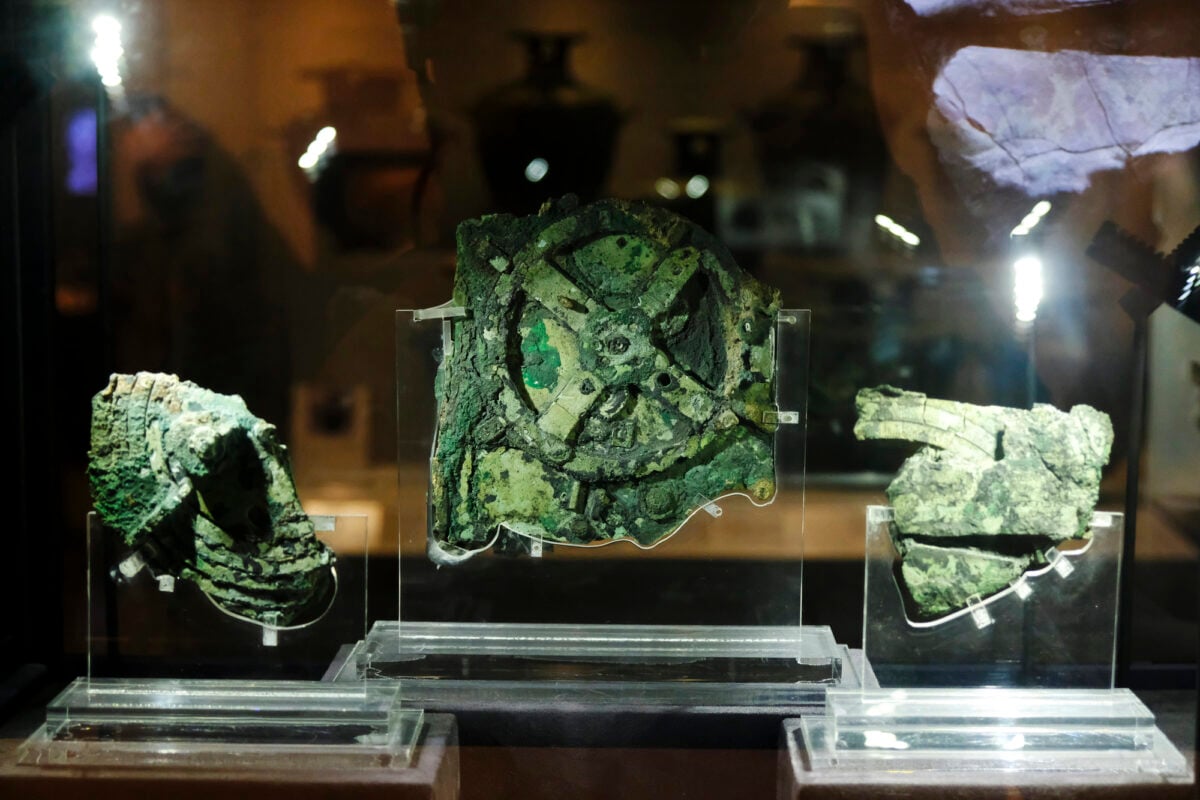
Found in a shipwreck off the Greek island of Antikythera in 1901, this ancient device is essentially a hand-cranked mechanical computer built around 100 BC. It tracked the movements of the sun and moon, predicted eclipses, and calculated the timing of the Olympic Games using a system of interlocking bronze gears.
Nothing else remotely like it appears in the historical record for the next 1,000 years, which has led to serious academic debate about what else the ancient Greeks might have built that simply did not survive. The device now sits in the National Archaeological Museum in Athens and remains one of the most studied objects in history.
The Amber Room

The Amber Room was a full chamber inside Catherine Palace near St. Petersburg, Russia, constructed almost entirely of amber panels, gold leaf, and mirrors. It took more than a decade to build in the early 1700s and was considered one of the most impressive rooms in Europe at the time.
Nazi forces dismantled and transported the entire room to Königsberg Castle in 1941, and it vanished sometime before the end of World War II. Despite numerous searches across Germany, Russia, and Poland, no confirmed trace of it has ever been recovered, making it one of the most expensive missing objects in history.
The Ark Of Gilgamesh
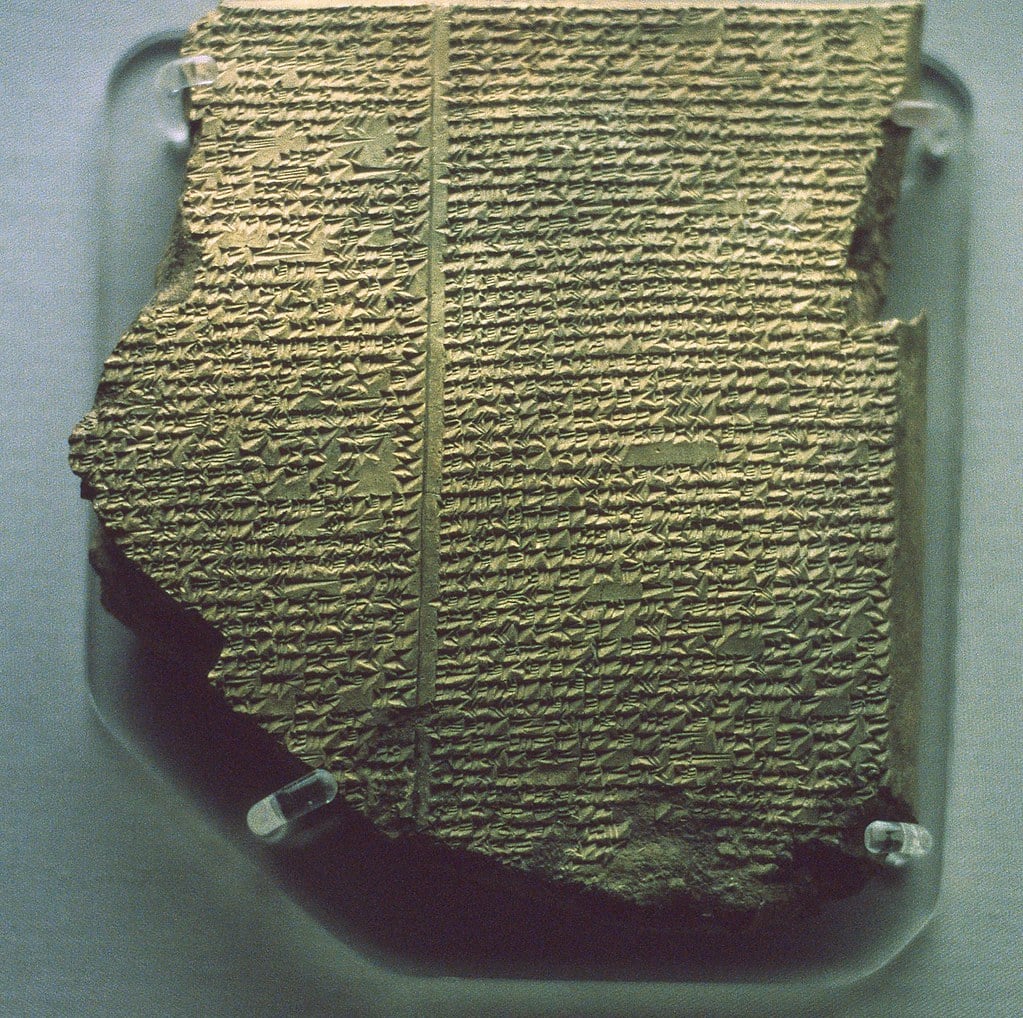
The Epic of Gilgamesh is one of the oldest written stories in human history, and it includes a flood narrative with a large wooden vessel built to survive a catastrophic deluge, centuries before the Noah story appears in the Bible. Archaeologists have spent considerable time and resources in Turkey’s Mount Ararat region searching for physical evidence of the vessel described in both accounts.
In 2010, a group of researchers announced they found wooden remains at high altitude on Ararat, though the claim was disputed. The search continues, and the overlap between the Gilgamesh text and later biblical narratives remains one of the more fascinating puzzles in ancient history.
The Philosopher’s Stone
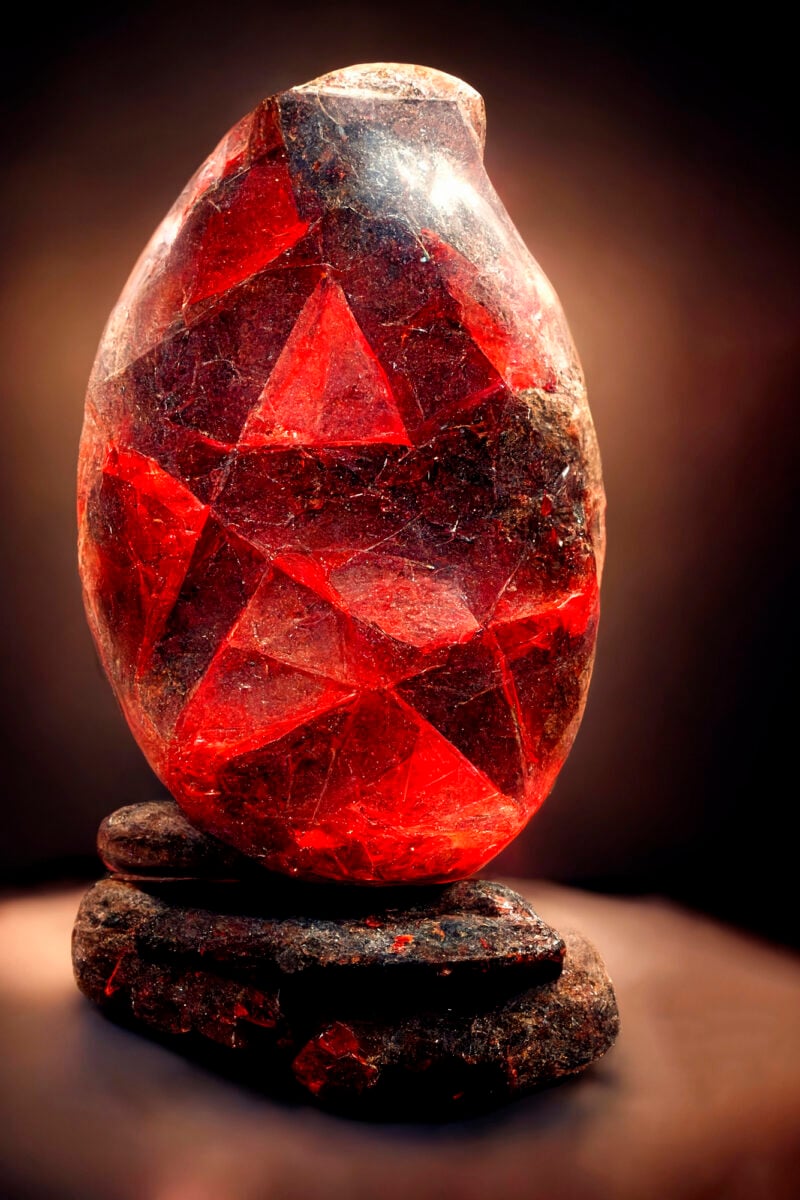
Long before it appeared in a certain British children’s book, the philosopher’s stone was the obsession of serious medieval scholars who called themselves alchemists. They believed it was a real substance capable of turning base metals into gold and granting whoever held it an extraordinarily long life.
Isaac Newton, one of the greatest scientific minds in history, spent significant portions of his life writing about alchemy and the stone, though he never published most of that work. The idea of a physical object that fundamentally changes the rules of the world maps almost perfectly onto the power objects that drive Indiana Jones stories.
The Copper Scroll

Found among the Dead Sea Scrolls but written on copper rather than parchment, this particular text reads like a treasure map. It lists 64 locations across ancient Judea where gold, silver, and sacred objects from the Temple in Jerusalem were supposedly hidden.
Most of the place descriptions do not match any currently identifiable location, and attempts to decode the geography have largely failed. Some scholars believe the list is genuine and represents real hidden treasure.
Others think it is a record of a fantasy or an accounting error. Either way, it is a legitimate ancient document that reads exactly like a prop from an adventure film.
The Koh-I-Noor Diamond

The Koh-i-Noor is one of the largest cut diamonds in the world, and its history involves conquest, theft, and dispute across several continents over hundreds of years. It passed through the hands of Mughal emperors, Persian rulers, Afghan kings, and Sikh maharajas before the British East India Company acquired it and presented it to Queen Victoria in 1850.
It now sits in the Tower of London as part of the Crown Jewels. India, Pakistan, Iran, and Afghanistan have all formally requested its return, and the British government has declined each time, making it an ongoing real-world conflict over a stolen artifact, which is essentially an Indiana Jones film in slow motion.
The Rosetta Stone
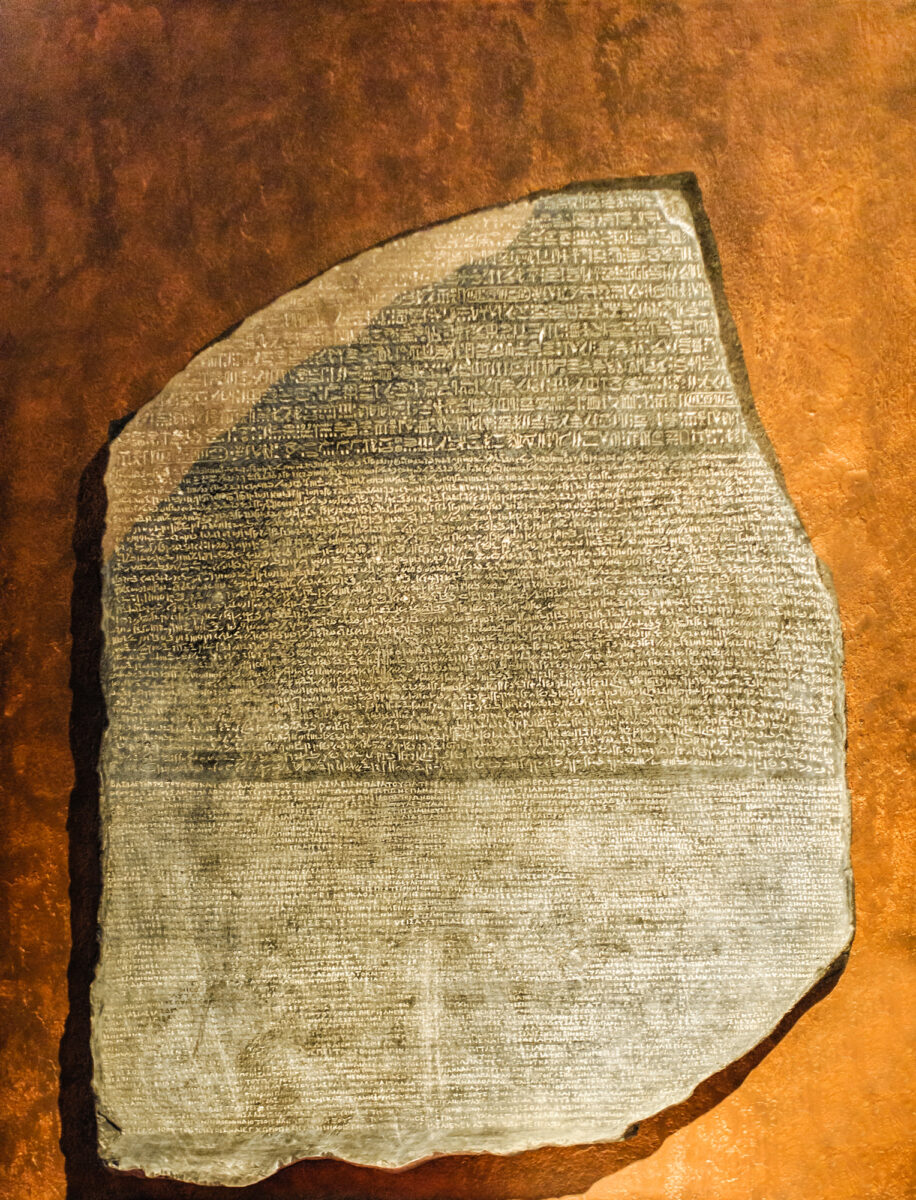
The Rosetta Stone is a granite slab discovered in Egypt in 1799 by French soldiers during Napoleon’s campaign, and it turned out to be the key to understanding ancient Egyptian hieroglyphics. The stone carries the same decree written in three different scripts, which allowed scholars to cross-reference and decode a language that had been unreadable for nearly 1,400 years.
British forces later took it from the French, and it has lived in the British Museum since 1802. Egypt has repeatedly requested its return, and the debate over where it belongs has grown significantly louder in recent years, adding a modern layer of tension to an already dramatic history.
Still Out There
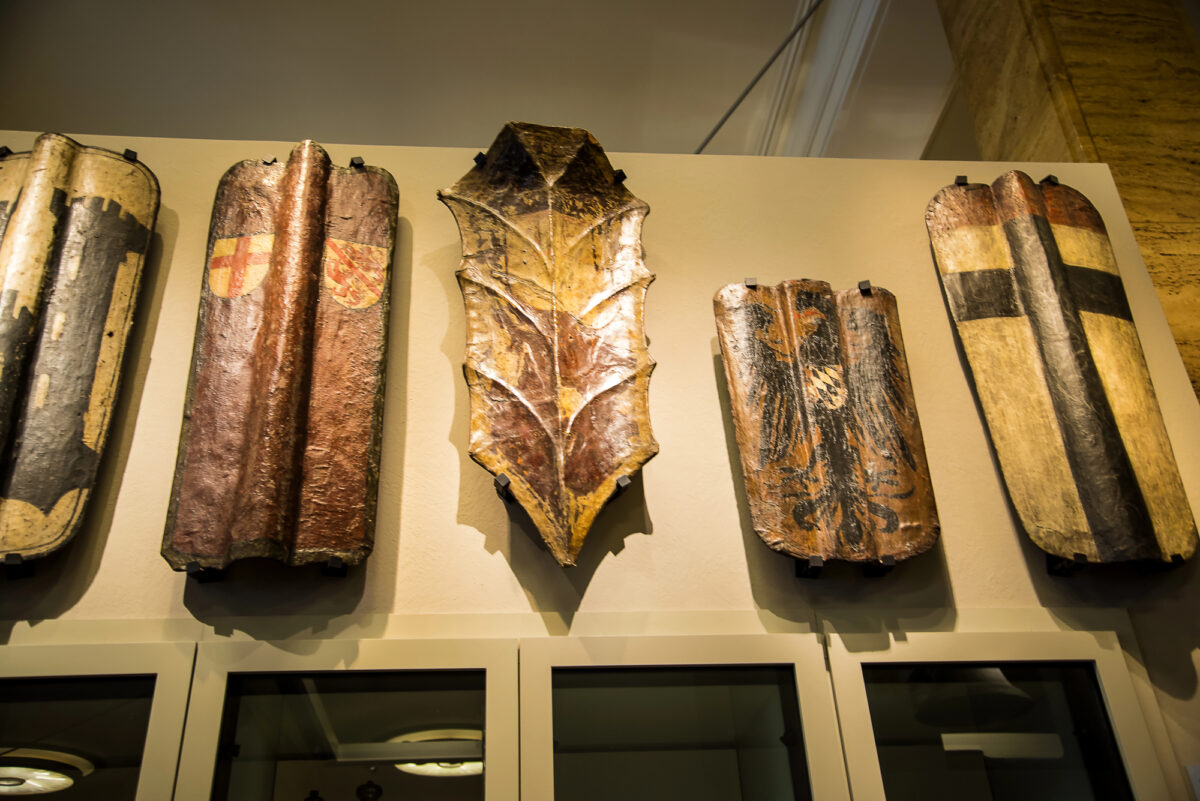
The real-world history behind Indiana Jones is not a closed book. Several of these artifacts remain missing, disputed, or only partially understood, which means the spirit of the stories, chasing something ancient and significant through incomplete information, is not entirely fiction.
Archaeology has always sat at the intersection of science, history, and the kind of stubborn curiosity that sends people into deserts and caves and underwater shipwrecks without a guarantee of finding anything. The difference between Indy and a real archaeologist is mostly the whip.
The obsession looks exactly the same.
More from Go2Tutors!

- The Romanov Crown Jewels and Their Tragic Fate
- 13 Historical Mysteries That Science Still Can’t Solve
- Famous Hoaxes That Fooled the World for Years
- 15 Child Stars with Tragic Adult Lives
- 16 Famous Jewelry Pieces in History
Like Go2Tutors’s content? Follow us on MSN.