Legendary Tennis Rivalries That Defined the Sport
There’s something about a great tennis rivalry that no other sport quite replicates. Two people, no teammates to hide behind, separated by a net and a few dozen feet of court — and somehow, the tension between them becomes bigger than either player alone.
The rivalries covered here didn’t just produce memorable matches; they rewired what fans expected from the sport and pushed players to become versions of themselves they might never have reached otherwise. Some of these pairings were defined by contrasting styles, others by contrasting personalities, and a few by something harder to name — a mutual recognition that the person across the net was the only one who truly understood the standard being set.
Björn Borg vs. John McEnroe
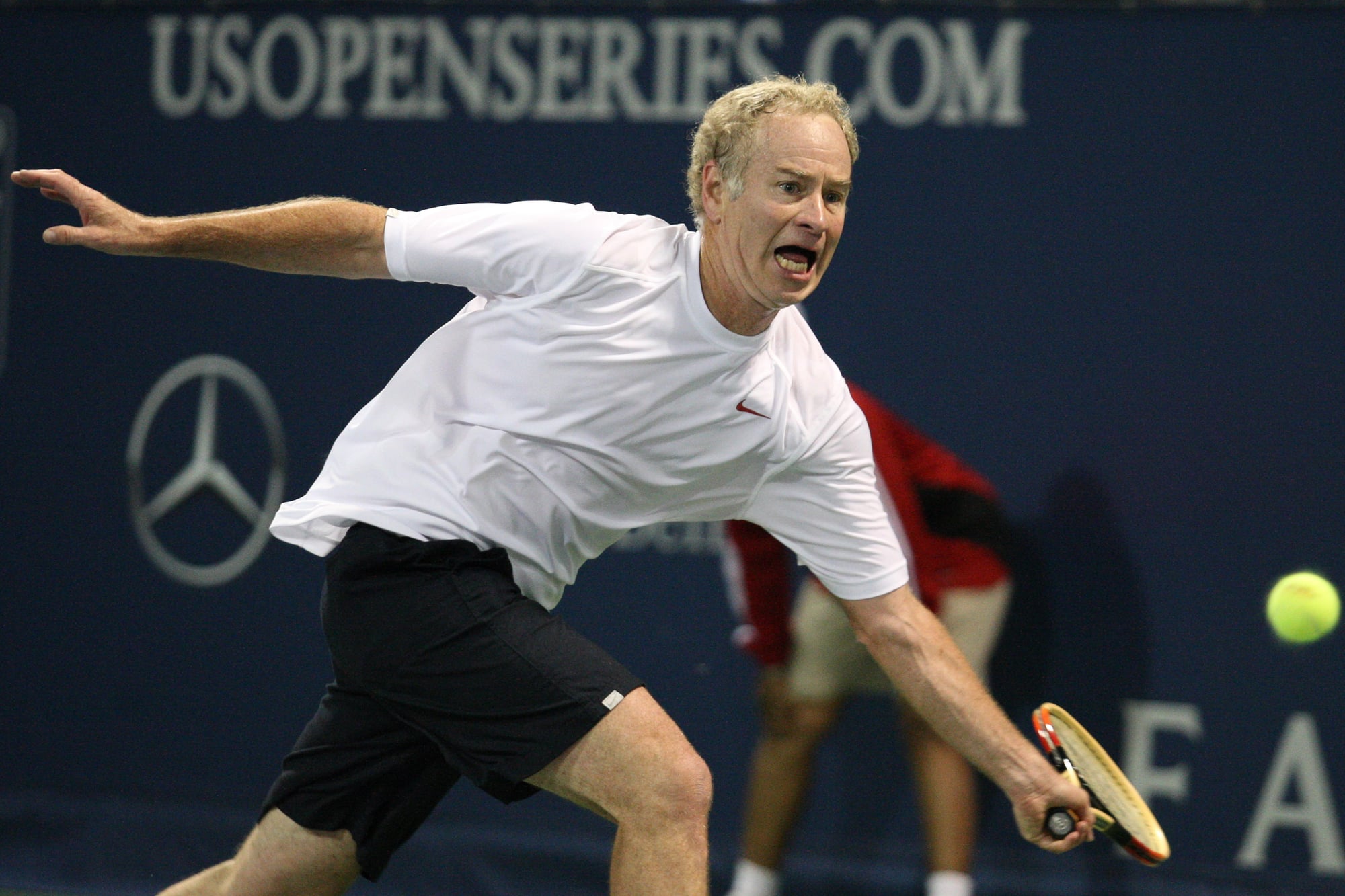
Ice and fire is too easy a description, but it keeps getting used because it keeps being accurate. Borg — still, composed, mechanically relentless — and McEnroe — volcanic, gifted, perpetually aggrieved — met in four Wimbledon finals between 1977 and 1981, with the 1980 final standing as the most analyzed match in the tournament’s history.
The fourth-set tiebreak alone, 18–16 in McEnroe’s favor after Borg saved five match points, remains the kind of thing people describe to people who’ve never watched tennis.
Chris Evert vs. Martina Navratilova
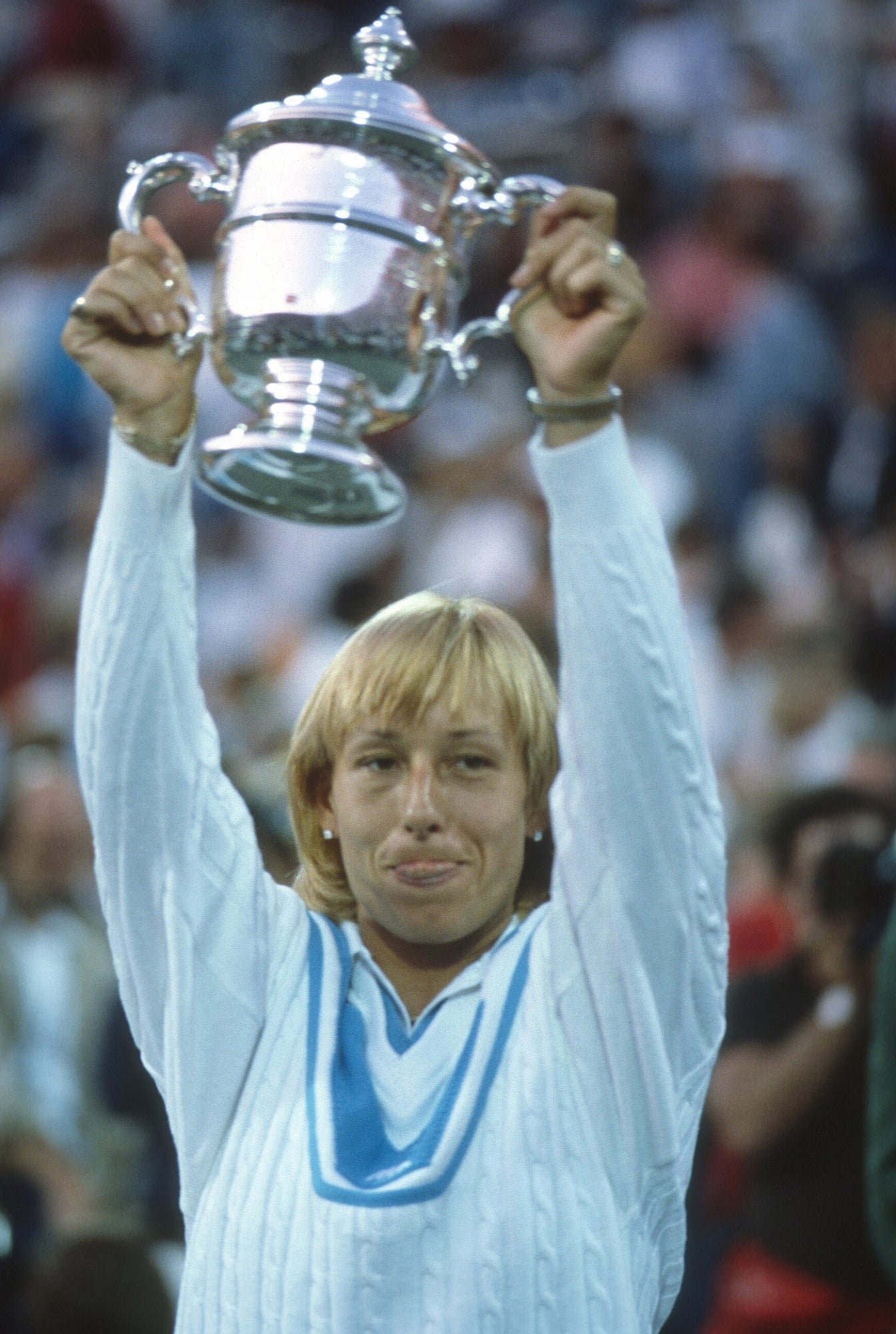
The greatest women’s rivalry in the sport’s history ran for nearly two decades and produced 80 meetings — Navratilova leading 43–37 in the head-to-head. What made it extraordinary wasn’t just the frequency: it was the way each player seemed to exist specifically to expose the other’s limitations, Navratilova’s serve-and-volley aggression meeting Evert’s stubborn baseline precision in a conversation that never quite resolved.
And somehow, across all of it, they remained close friends — which is either a testament to their characters or proof that greatness has its own strange code of conduct.
Pete Sampras vs. Andre Agassi
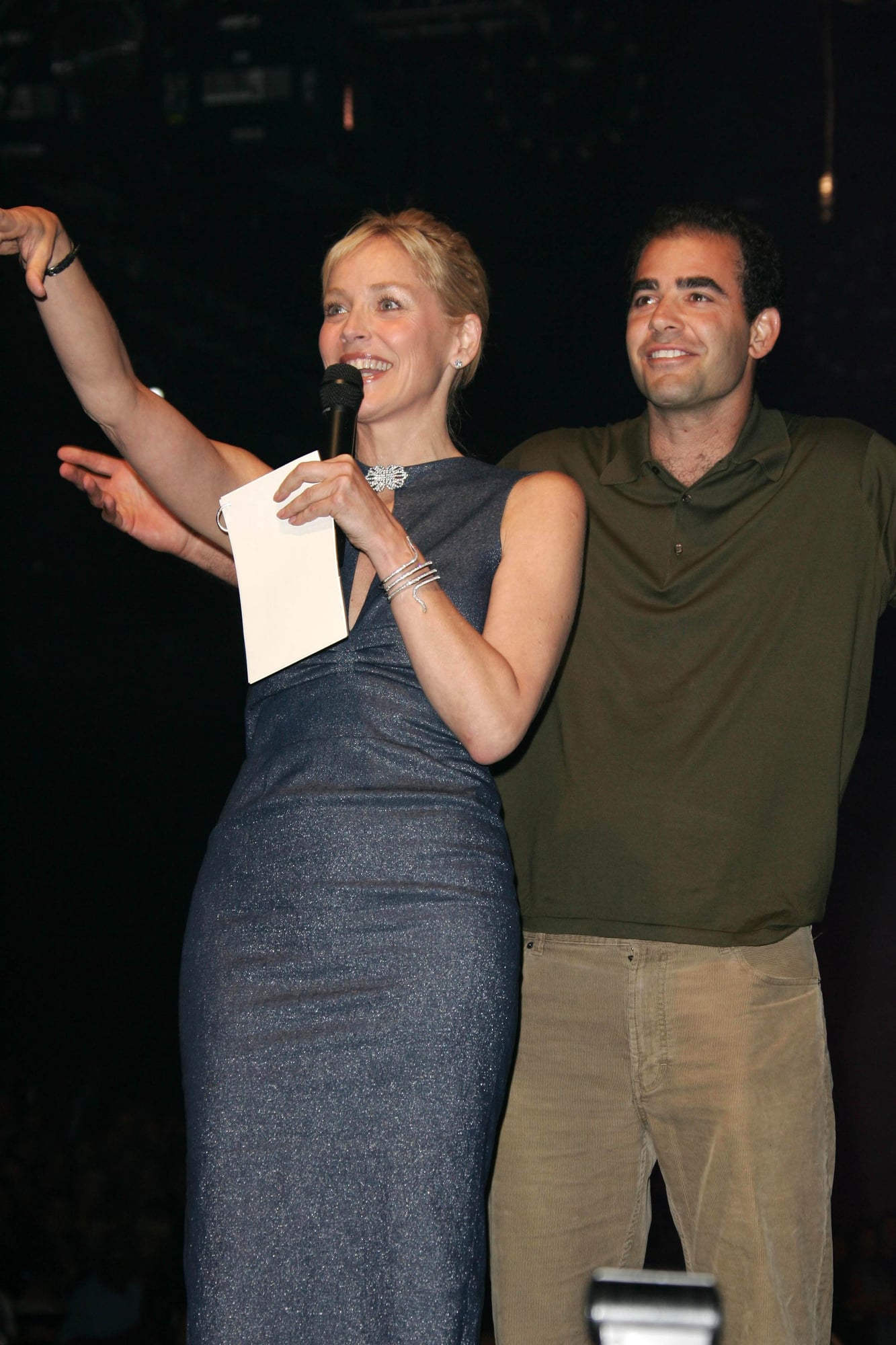
Sampras and Agassi were opponents for over a decade, but the rivalry felt like something larger — a disagreement about what tennis was supposed to look like. Agassi, all flair and return-of-serve genius, wearing denim shorts at the 1990 French Open; Sampras, quietly dismantling opponents at Wimbledon with a serve that opponents described as genuinely unfair.
They met 34 times, with Sampras leading 20–14, but the 2001 US Open quarterfinal — widely considered the finest match of both careers — went to Agassi in five sets.
Roger Federer vs. Rafael Nadal
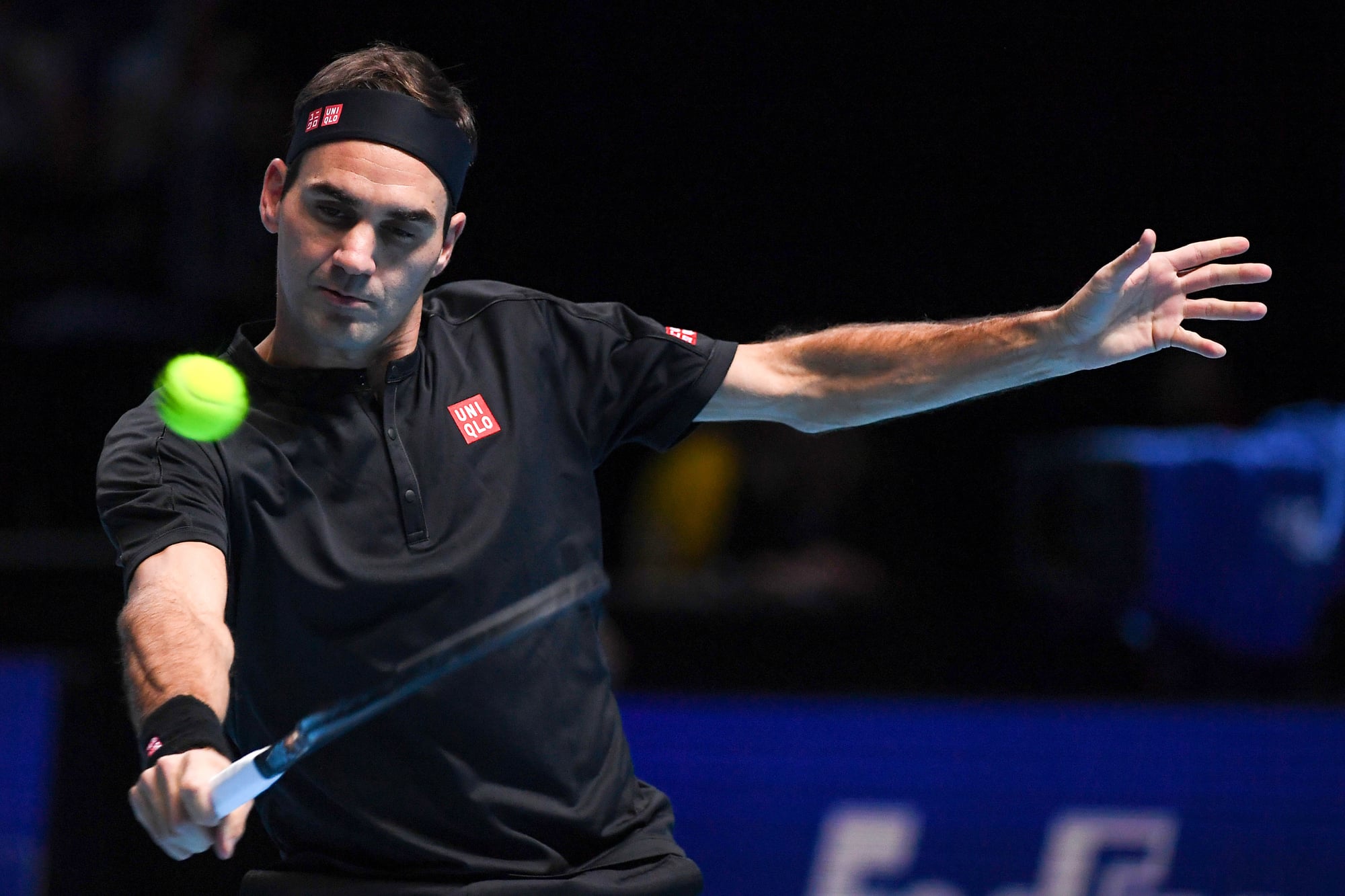
This is the rivalry that introduced tennis to an entirely new generation of fans. Federer’s balletic economy of motion against Nadal’s relentless, physical, spinning ferocity — two completely different interpretations of excellence, meeting across nearly every surface and every major stage imaginable.
The 2008 Wimbledon final, which Nadal won 9–7 in the fifth after nearly five hours, is regularly cited as the greatest tennis match ever played — and that’s not nostalgia talking, that’s just the footage.
Roger Federer vs. Novak Djokovic
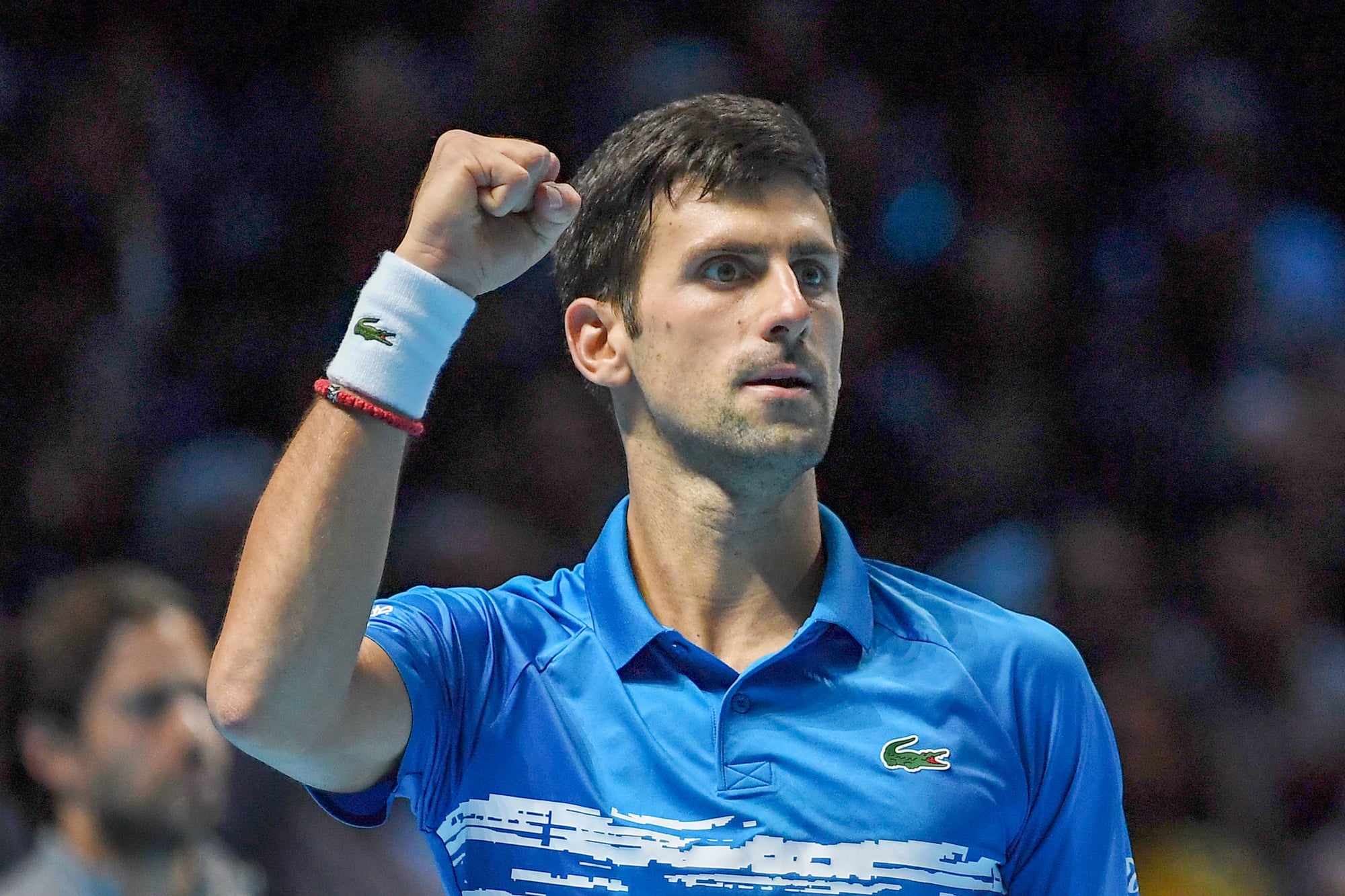
The Federer–Djokovic rivalry carried a different kind of weight than Federer–Nadal — quieter, more technical, and in many ways crueler. Djokovic leads the head-to-head 27–23, but the margin obscures how many of those wins came by peeling away something Federer had assumed was irreducible: the Wimbledon final in 2019, where Djokovic saved two championship points at 8–7 in the fifth and won the tiebreak, sits in the memory like a door closing.
Federer had the room, and then — very suddenly — he didn’t.
Rafael Nadal vs. Novak Djokovic
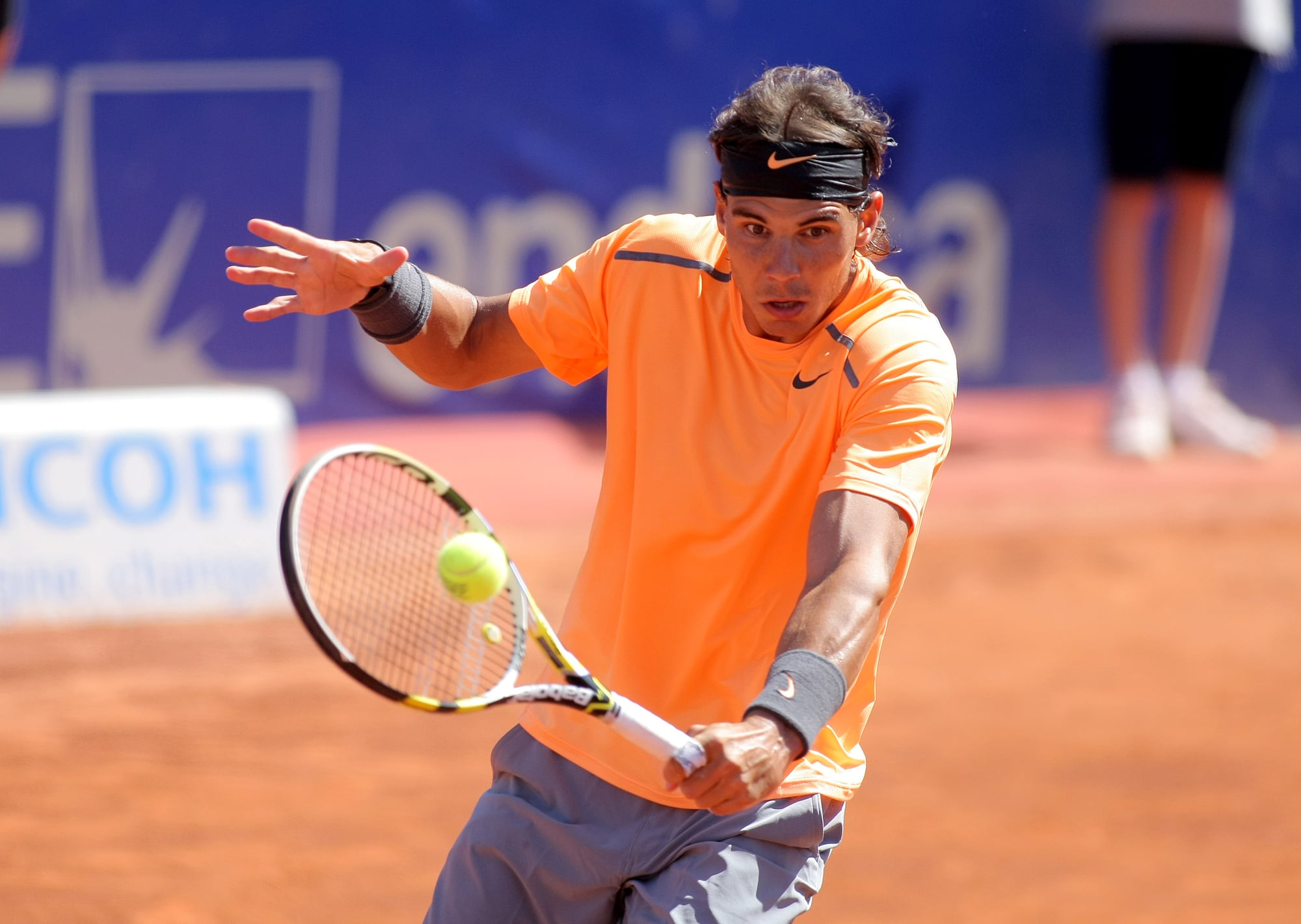
Nadal versus Djokovic is the rivalry that doesn’t get the romantic framing it deserves, possibly because both men project toughness rather than poetry. They’ve met 60 times — Djokovic leads 30–29 — and their matches at Roland Garros alone constitute a separate argument about what clay-court tennis can be.
The 2012 Australian Open final lasted five hours and 53 minutes, finishing just before 1:30 in the morning local time: the longest Grand Slam final ever played, and arguably the most physically punishing match two human beings have ever agreed to.
Jimmy Connors vs. Ivan Lendl
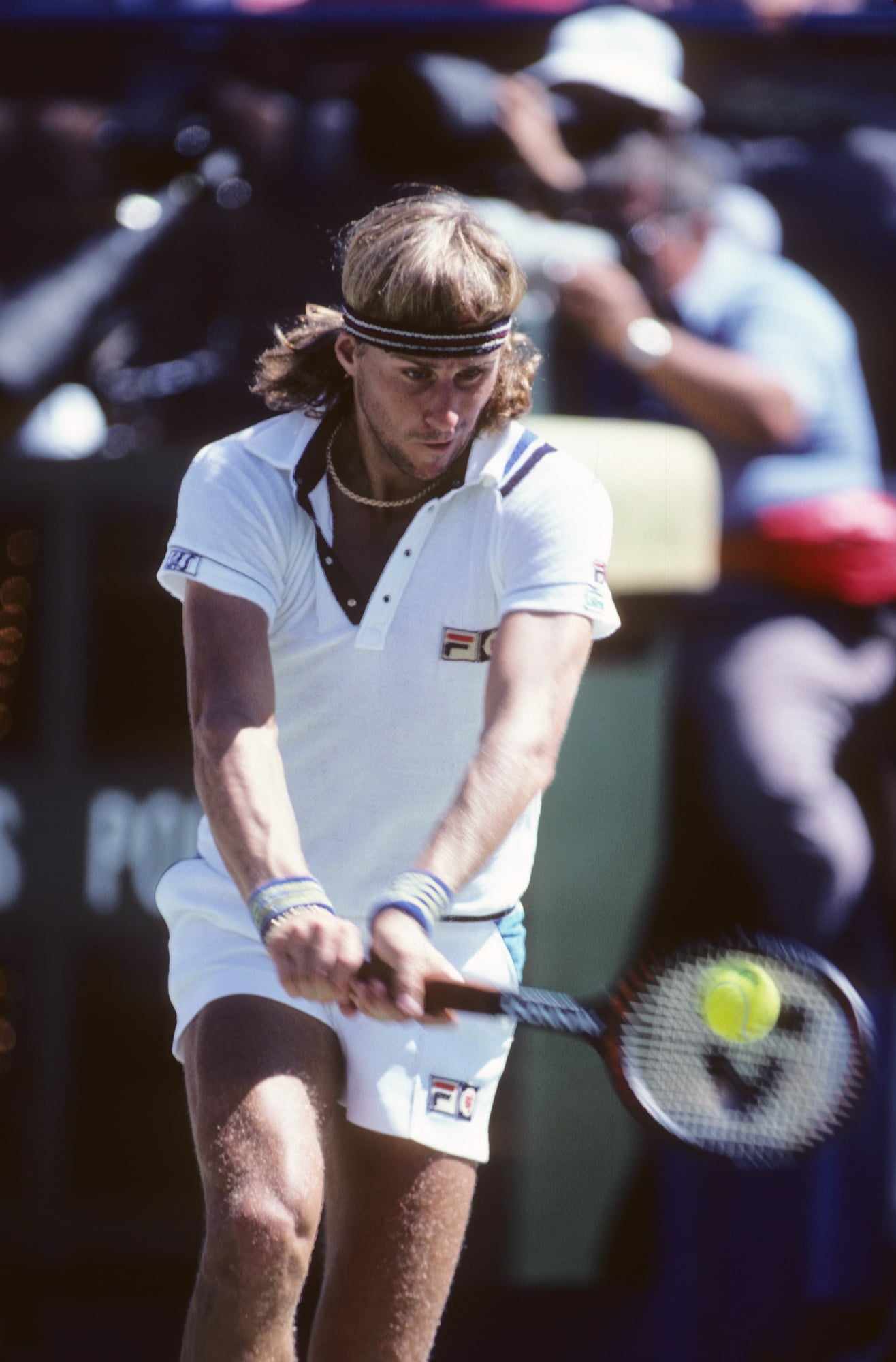
Connors and Lendl met 36 times across a rivalry that functioned partly as a generational handoff — Connors the scrapping, defiant holdover from an earlier era, Lendl the methodical, gym-built arrival of modern baseline tennis. Lendl leads the head-to-head 22–14, which tells one story; the 1982 US Open final, where Lendl squandered two sets and a break before Connors clawed back to win 6–3 in the fifth, tells a completely different one.
To be fair to Lendl, he won the next three US Open finals he appeared in — so the lesson was absorbed.
Steffi Graf vs. Monica Seles
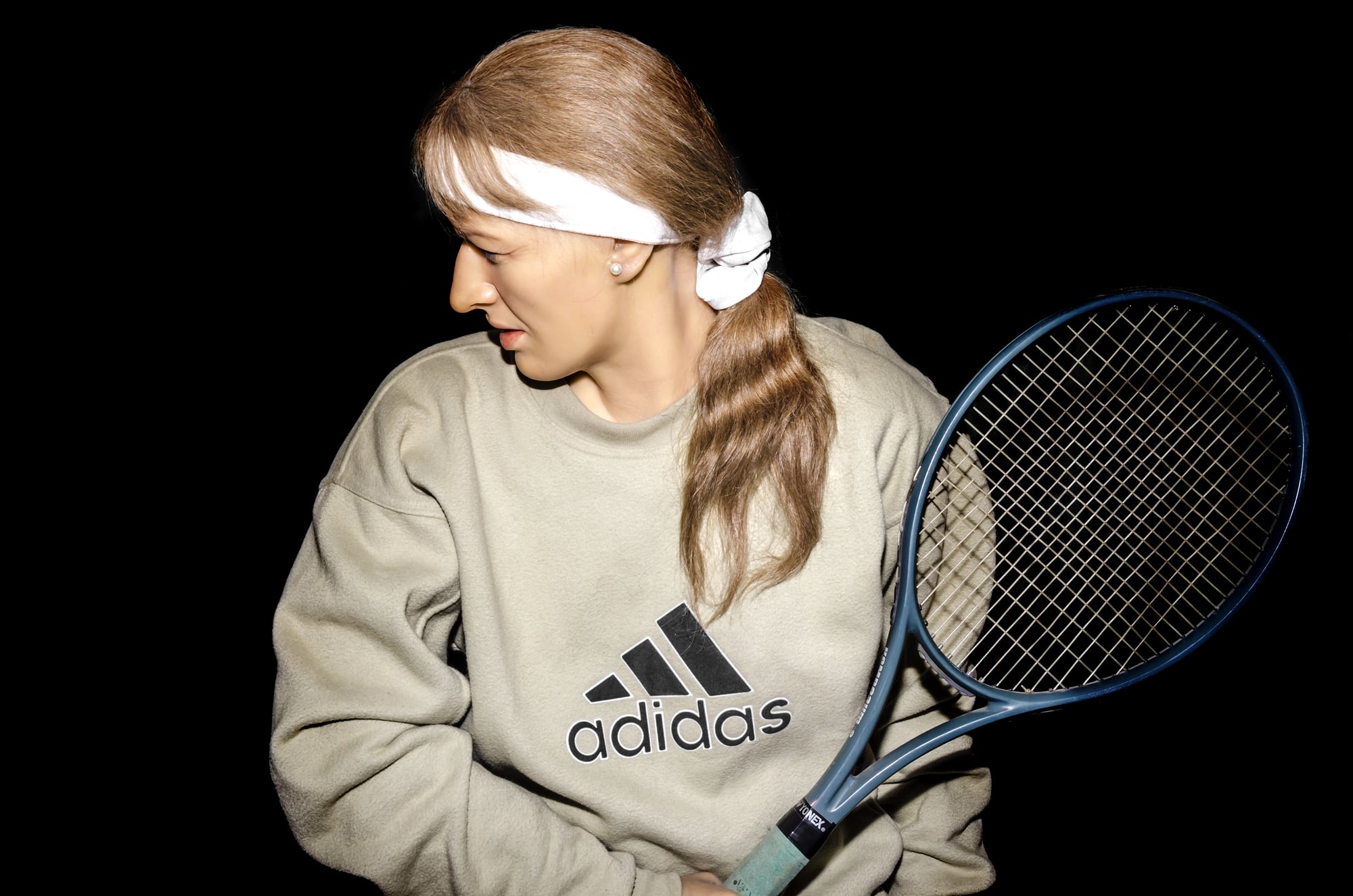
Seles was on a trajectory to own the 1990s entirely — eight Grand Slam titles before the age of 20, a two-handed groundstroke from both wings that was genuinely new, and a ranking that seemed to be pulling away from the field. Graf, by any reasonable measure already one of the greatest players in the sport’s history, was still being outpaced.
Then in April 1993, Seles was stabbed on court in Hamburg by a man who wanted Graf to reclaim the number-one ranking — and the rivalry, already one of the finest the women’s game had seen, was interrupted in a way that left it permanently unresolved.
Lleyton Hewitt vs. Andy Roddick
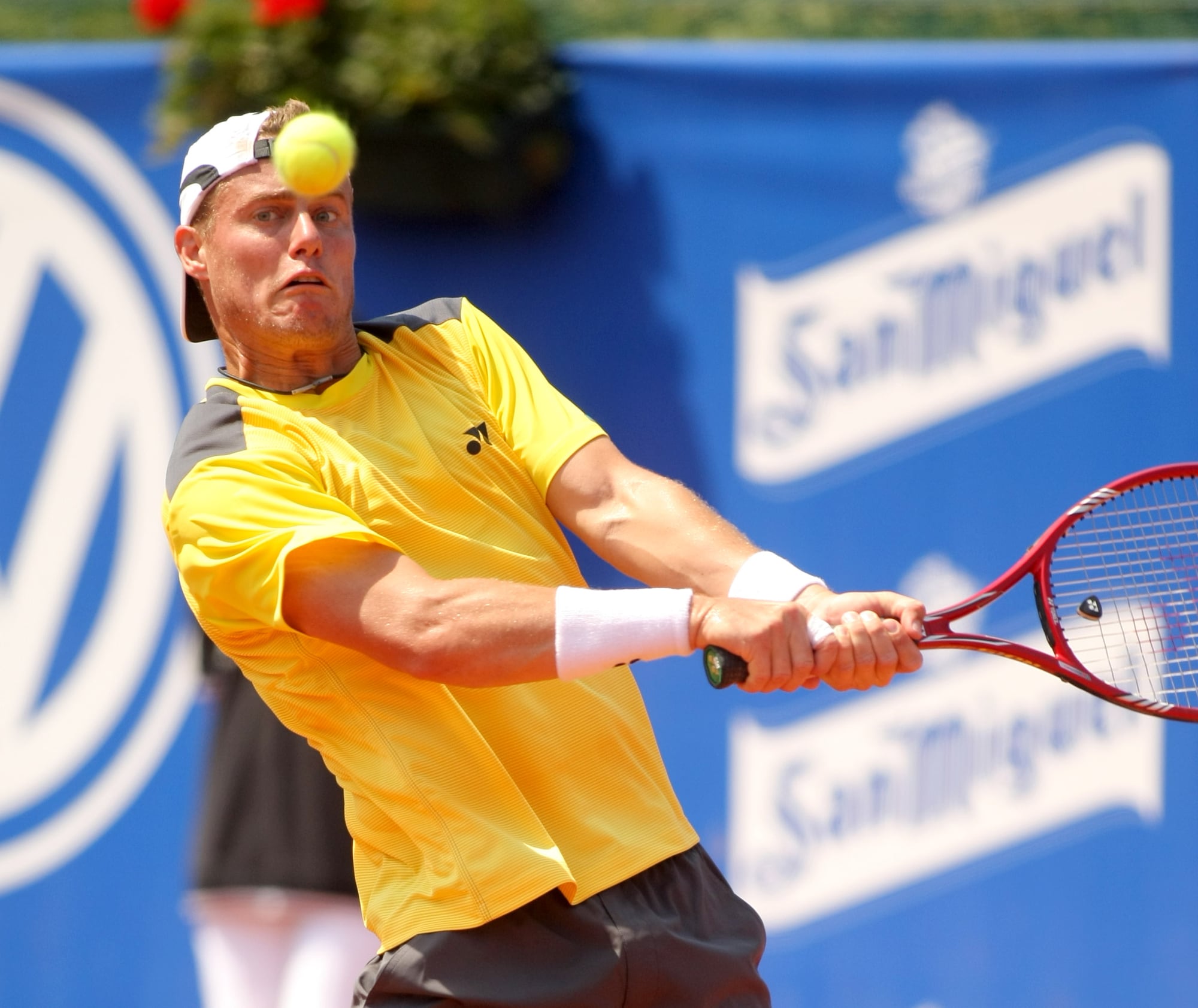
The Hewitt–Roddick rivalry belongs to a specific, slightly underappreciated era of men’s tennis — the gap between Sampras-Agassi and the arrival of Federer-Nadal-Djokovic, when these two were genuinely fighting over the top of the sport. Roddick leads the head-to-head 15–11, and their matches were reliably combative: two players who scraped for every point, neither one equipped with a weapon so overwhelming it ended discussions early.
It wasn’t the most technically beautiful rivalry the sport has seen. It was, to be fair, extremely watchable.
John McEnroe vs. Jimmy Connors
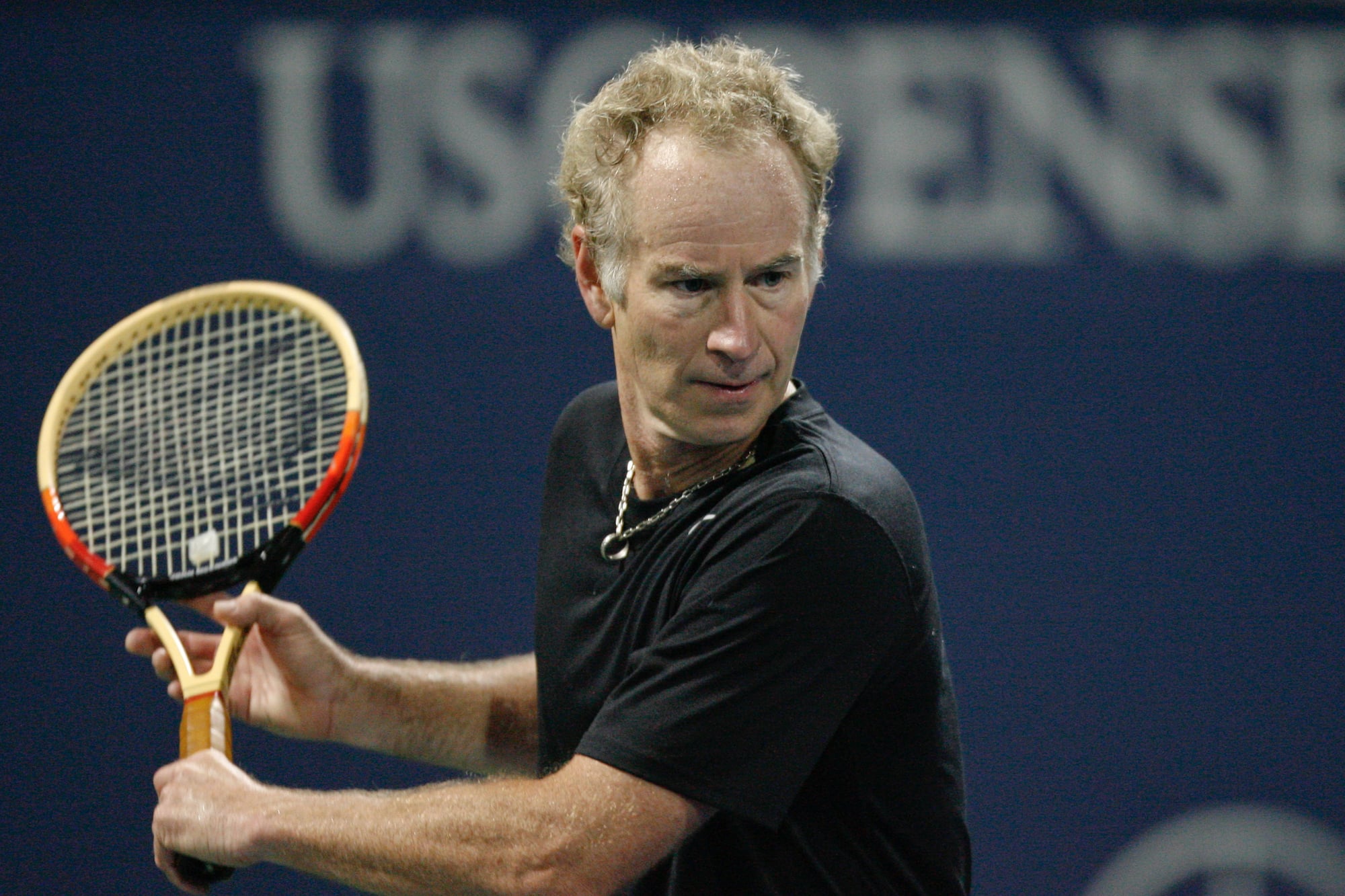
Before McEnroe vs. Borg became the defining rivalry of that era, McEnroe vs. Connors was already operating at a high temperature. Connors leads the head-to-head 20–16 across a rivalry that stretched from 1977 to 1991 — which, when you stop to count it, is fourteen years of two of the most combustible personalities in the sport’s history regularly sharing a court.
They were also, at various points, two of the three best players in the world simultaneously, which kept the matches from being merely theatrical.
Martina Hingis vs. Venus Williams

Hingis and Venus Williams met 16 times, with Williams leading 9–7 in a rivalry defined by a specific, charged moment: the 1999 US Open final, where Hingis accused Williams of foot-faulting mid-match and then lost 6–3, 7–6. Hingis — all craft, placement, and court IQ — was facing something her game hadn’t fully calibrated for: an opponent whose power and athleticism simply overrode the angles she relied on.
The rivalry was brief by historical standards. It was not brief in the impression it left.
Serena Williams vs. Venus Williams
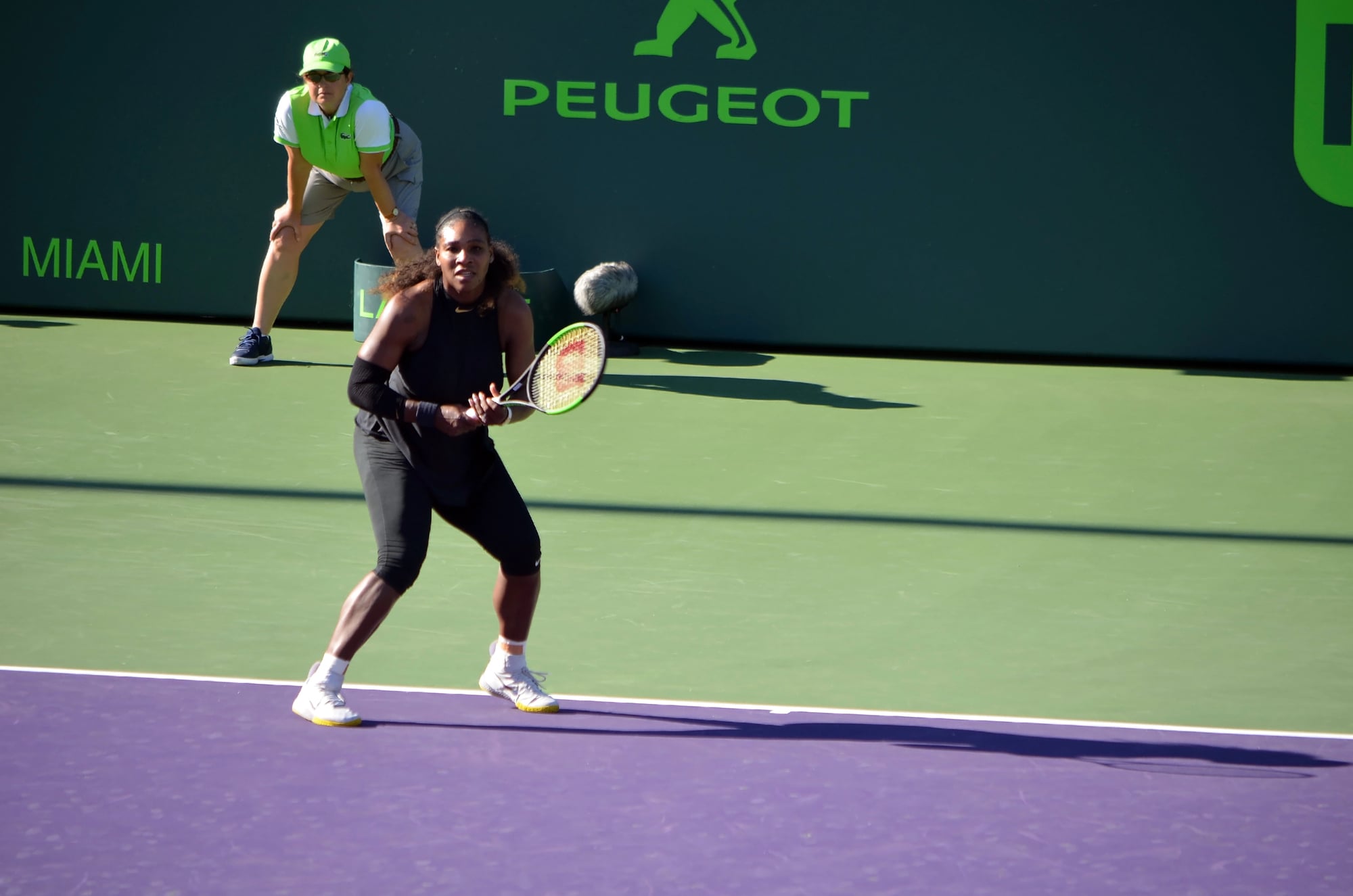
No rivalry in tennis history is stranger or more emotionally layered than this one. Two sisters, trained by the same father on the same public courts in Compton, California — and yet they met in nine Grand Slam finals, with Serena winning seven of them.
The matches were never easy to watch in the conventional sense: you were always aware that one of them was about to lose, and that the loss would travel home in the same car. Serena leads the overall head-to-head 19–12, but the number feels less like a verdict and more like an artifact.
Andre Agassi vs. Jim Courier
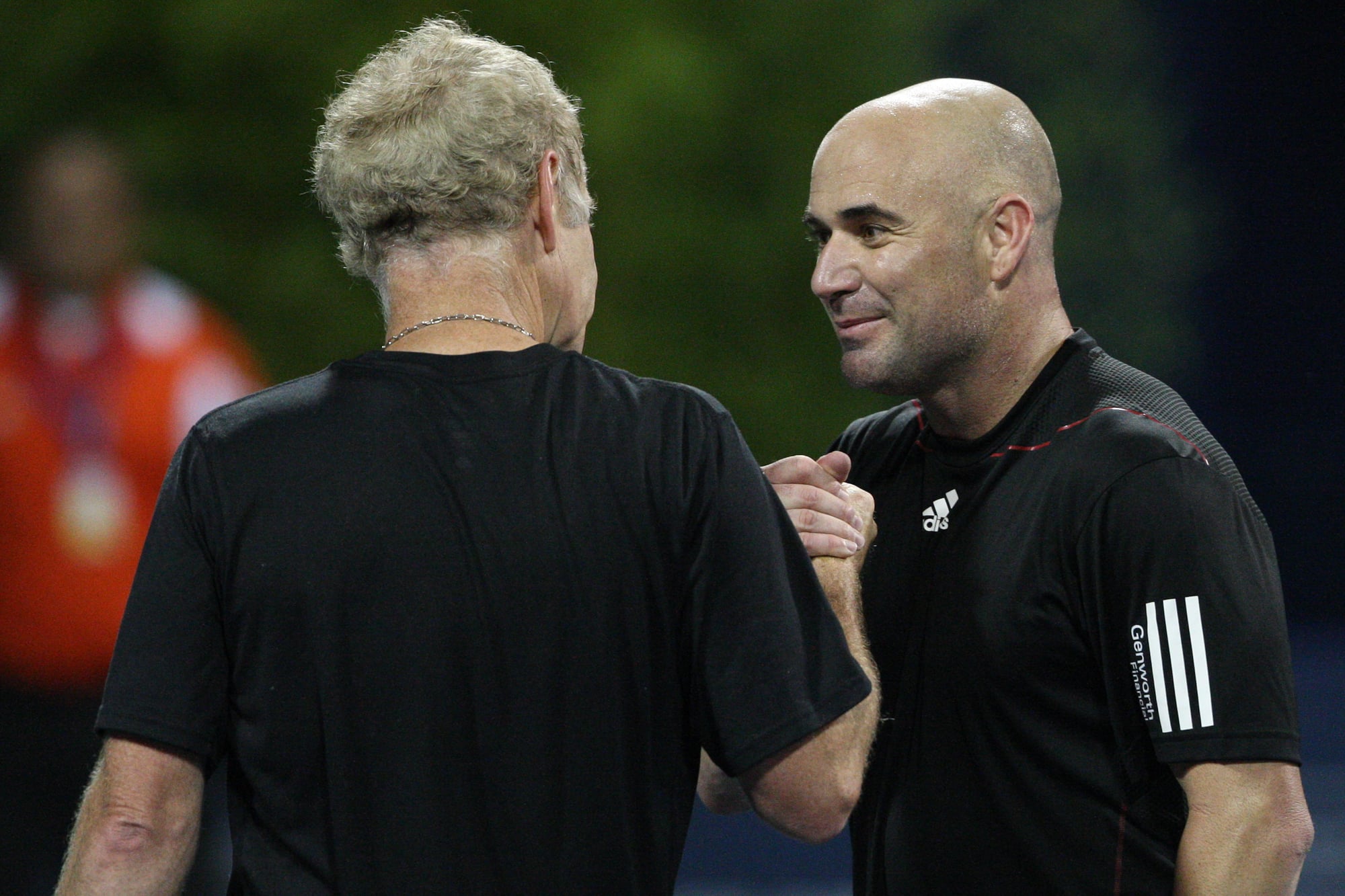
In the early 1990s, Agassi and Courier were the American tennis story — two former juniors who had trained together at Nick Bollettieri’s academy in Florida and emerged into the top of the world rankings within a year of each other. Courier leads the head-to-head 14–10, and their 1991 French Open final, which Courier won in four sets, announced that the next era of American men’s tennis had officially begun.
What the rivalry captured, more than any single match, was the particular texture of competing against someone who knows exactly how you were built.
Boris Becker vs. Stefan Edberg

Becker and Edberg contested three Wimbledon finals between 1988 and 1990, and their rivalry across that period was essentially a debate about how grass-court tennis should be played. Edberg leads the overall head-to-head 25–10 — a margin that seems too wide to be real until you check the record and find it’s accurate.
But the Wimbledon matches were closer than that number suggests, and the stylistic contrast — Becker’s thundering, body-first athleticism against Edberg’s elegant, understated serve-and-volley — gave those finals a visual quality that clay-court tennis simply couldn’t replicate.
Guillermo Vilas vs. Björn Borg
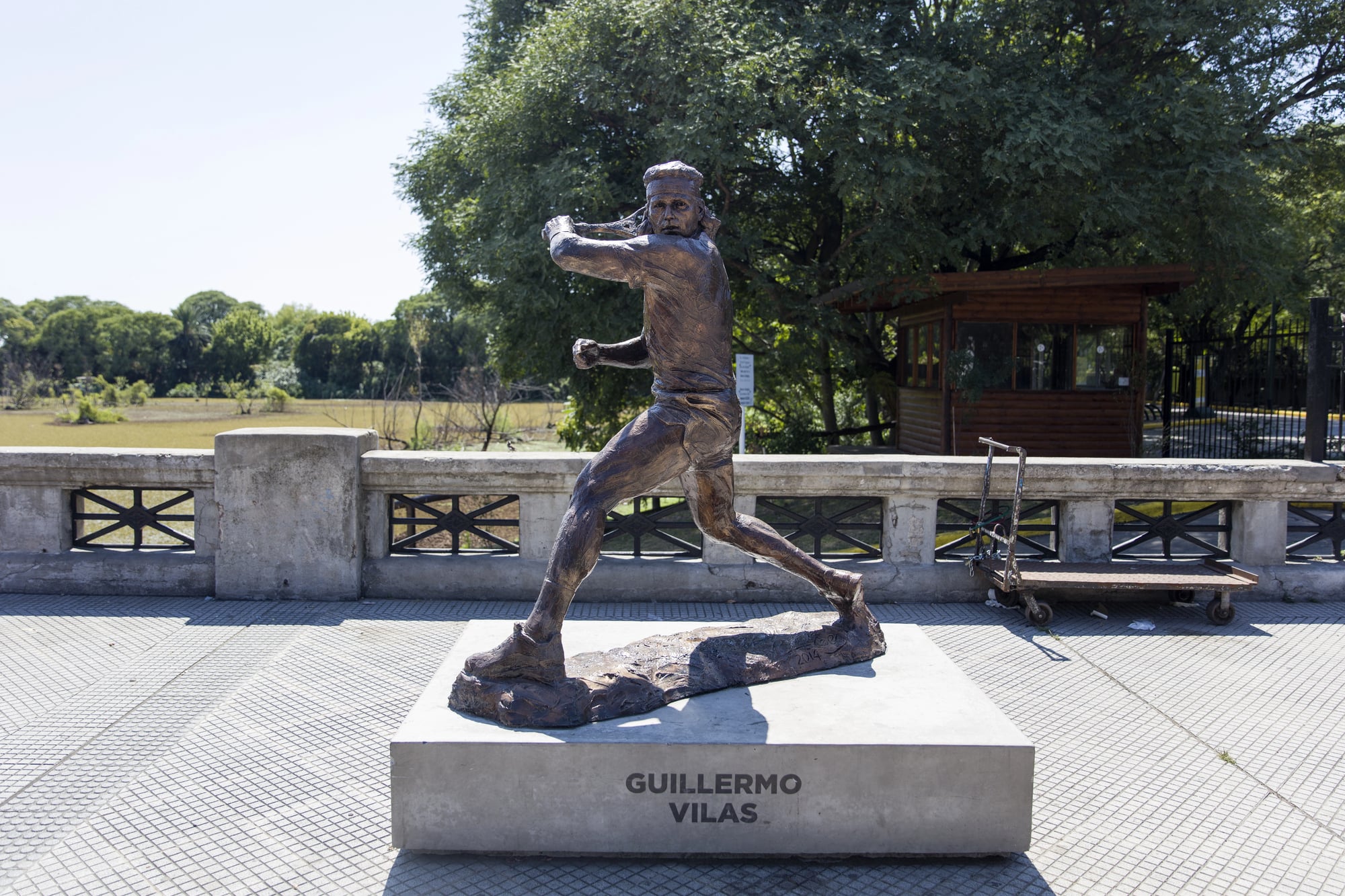
Vilas and Borg met 23 times across the late 1970s, a rivalry that unfolded largely on clay and largely away from the attention it deserved. Borg leads 14–9, but Vilas — who won 46 consecutive matches in 1977, a modern-era record — pushed him harder on that surface than almost anyone else of that era.
There’s a particular kind of rivalry that lives outside the grand narrative: no defining Wimbledon final, no iconic photograph, just two genuinely brilliant players repeatedly measuring themselves against each other until one of them retired. This was that.
Ivan Lendl vs. Stefan Edberg
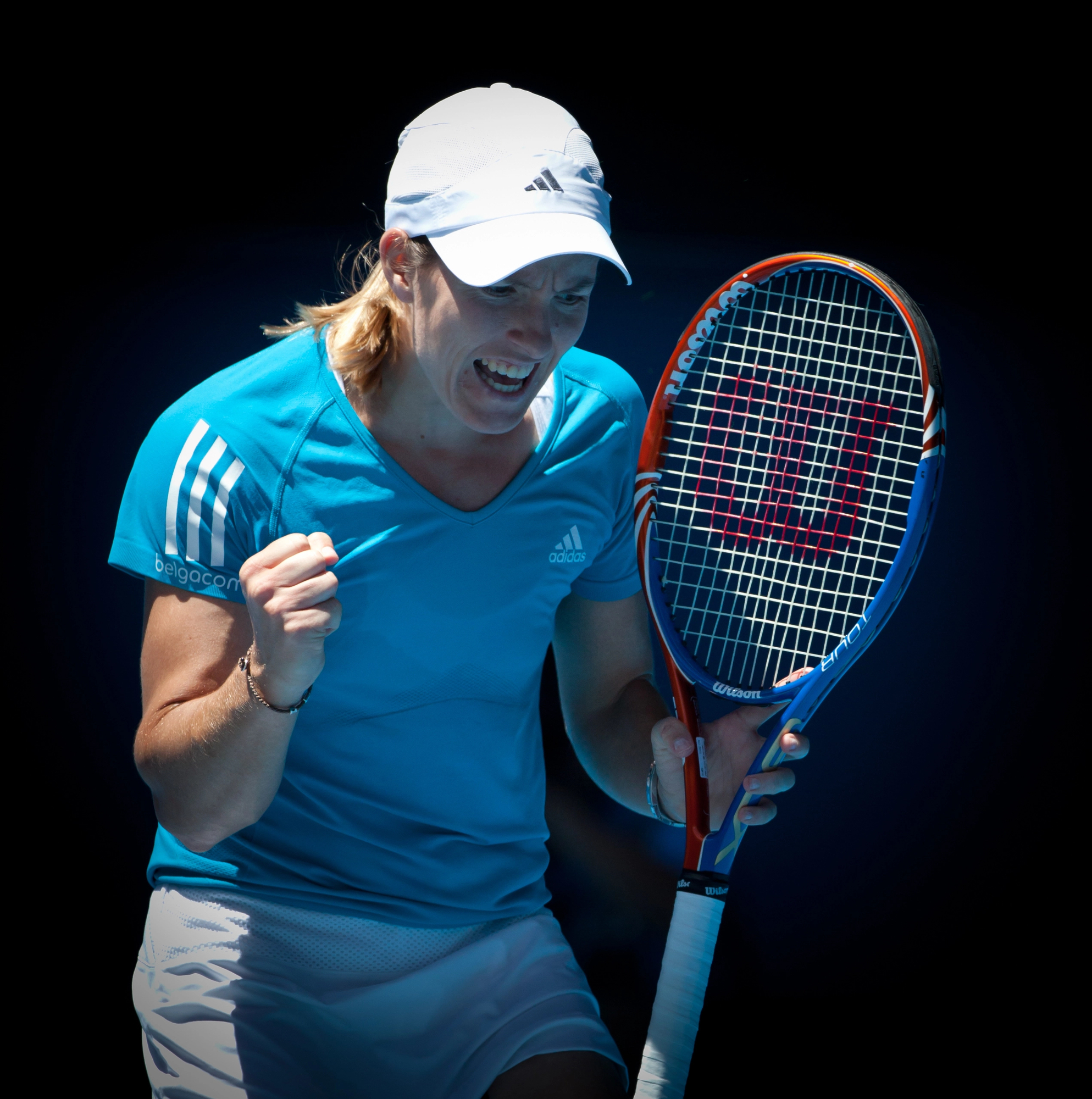
Lendl and Edberg met 36 times across a rivalry that cuts to the center of what made 1980s tennis so compelling. Edberg leads 19–17 in a head-to-head where the surface often determined everything: Lendl dominant on clay and hard courts, Edberg essentially unmatchable on grass.
Their 1985 US Open final — Lendl’s first Grand Slam title, in five sets — arrived after Lendl had lost his first four Grand Slam finals and was beginning to accumulate a reputation for not winning the matches that mattered most. He corrected that impression, emphatically, over the next five years.
Kim Clijsters vs. Justine Henin
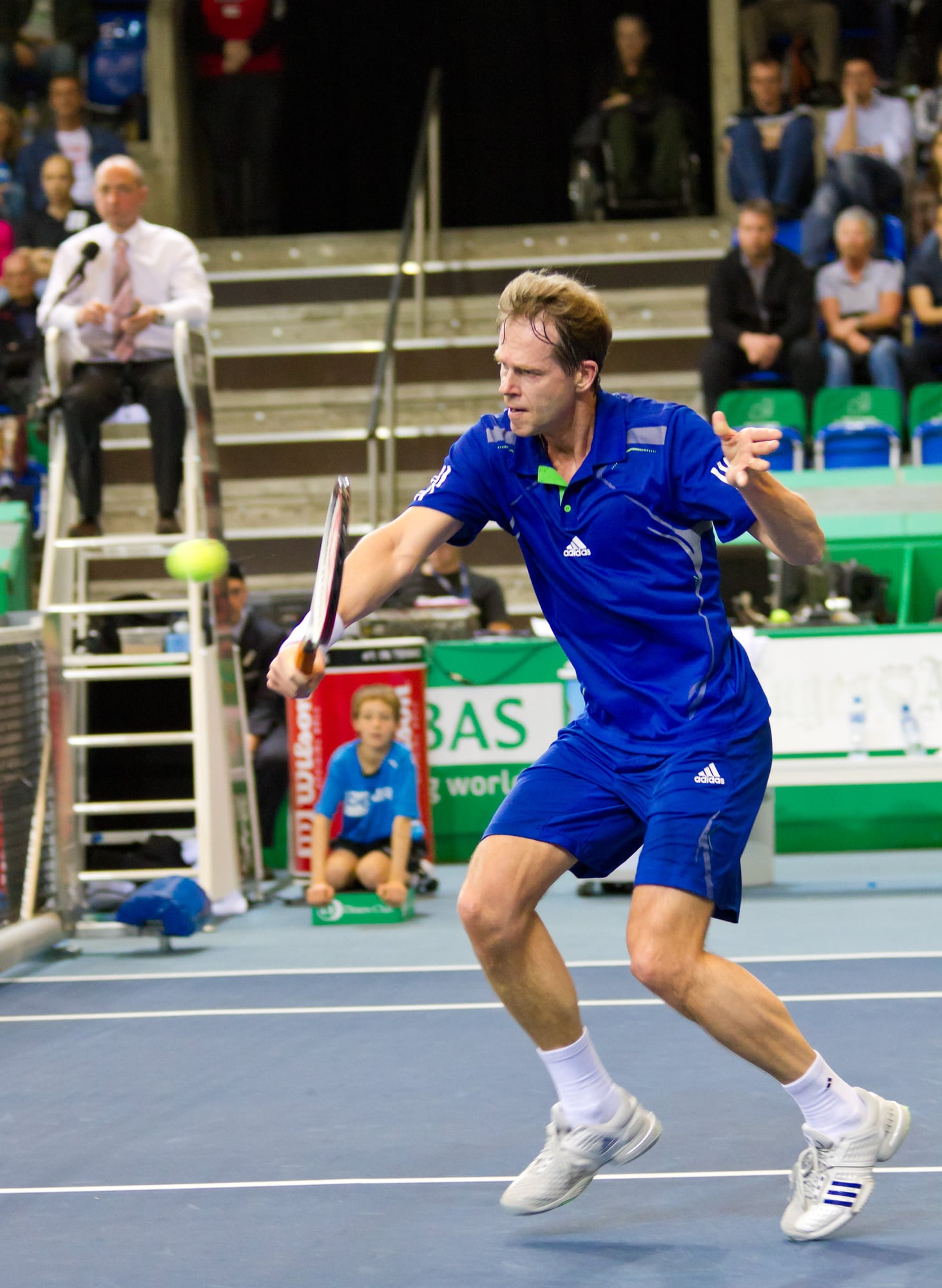
Clijsters and Henin were Belgian — both of them, simultaneously — which meant that every match between them carried a weight that had nothing to do with tennis rankings. They met 25 times, with Henin leading 14–11, and their rivalry at Roland Garros in particular felt like the tournament had constructed a private competition inside the main draw just for them.
Henin’s 2003 semifinal refusal to confirm a Clijsters shot was out — leading to a controversial let call that altered the match — is still discussed in Belgian tennis circles with an intensity that suggests the wound never fully closed.
Carlos Alcaraz vs. Novak Djokovic
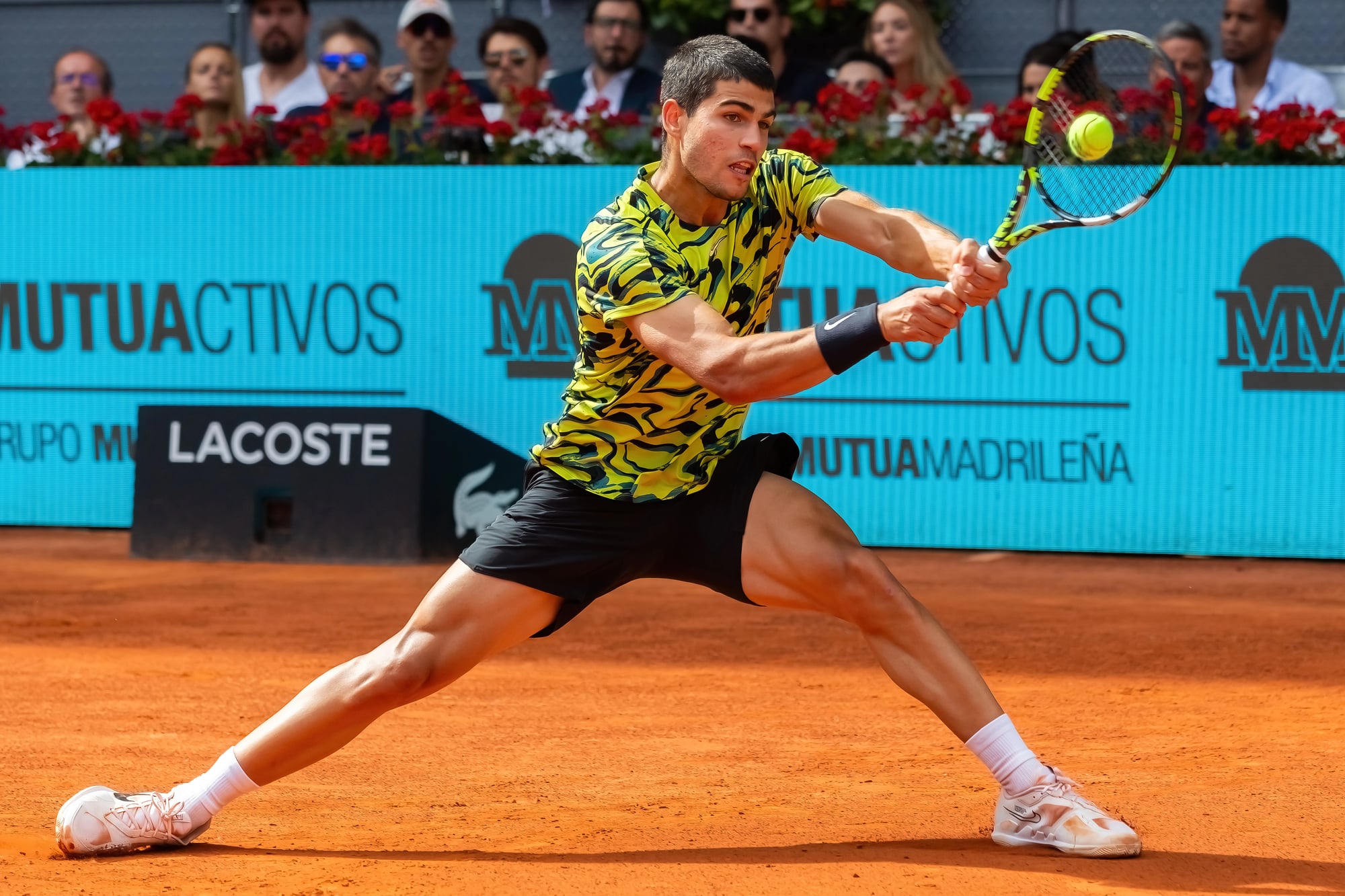
The rivalry between Alcaraz and Djokovic is still being written, which is part of what makes it already worth paying attention to. Their 2023 Wimbledon final — Alcaraz winning 1–6, 7–6, 6–1, 3–6, 6–4 after Djokovic took the first set in just 28 minutes — had the feeling of a baton being offered and accepted in real time.
Djokovic leads the overall head-to-head heading into 2024, but the trajectory is visible to anyone watching: there’s a new standard-setter arriving, and the old one isn’t going to make it easy.
When the Net Becomes the Space Between Two Eras
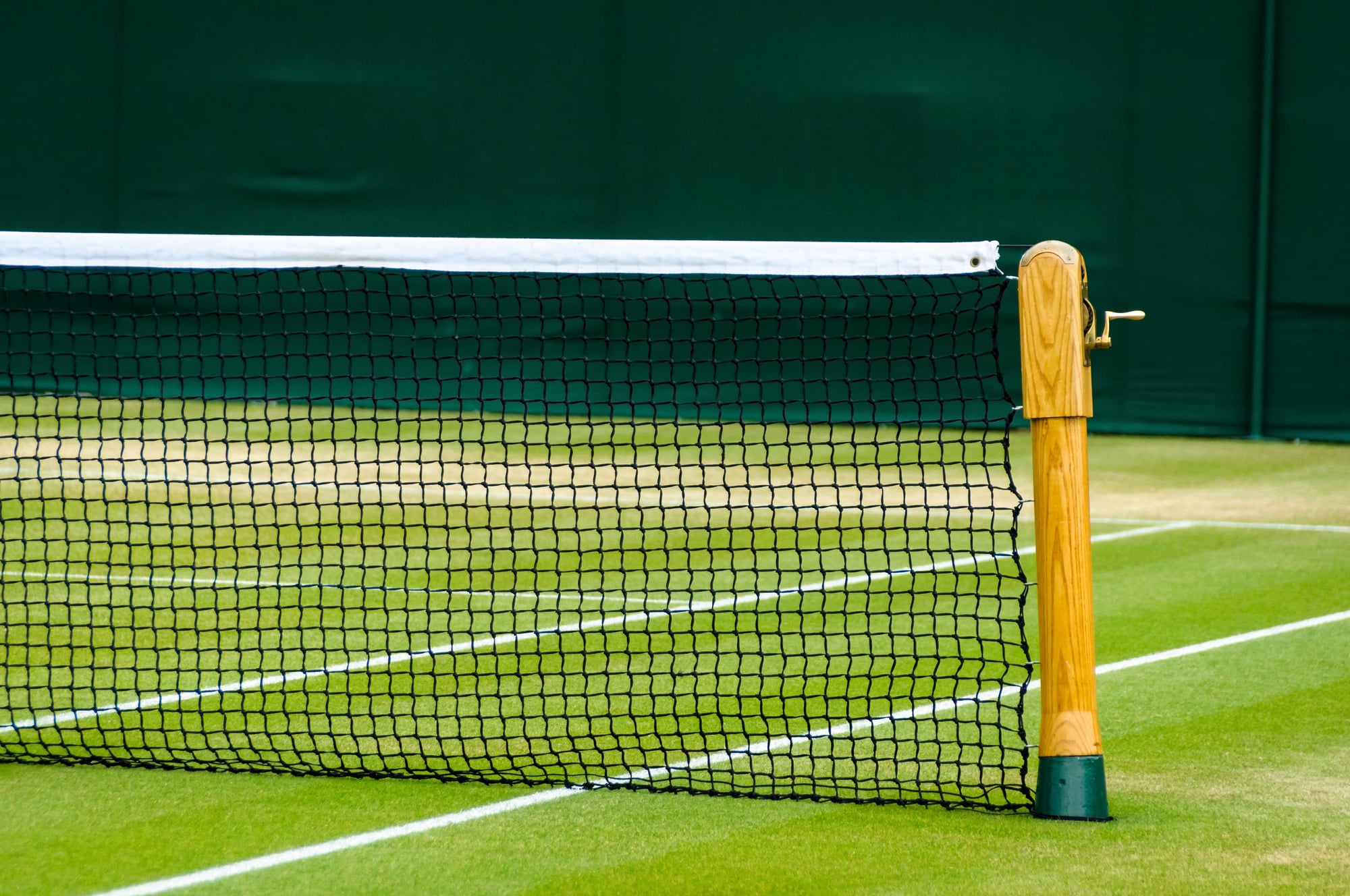
The deepest tennis rivalries don’t just produce great matches — they reframe what came before and what comes after. You watch Borg and McEnroe and suddenly understand something about the 1970s; you watch Federer and Nadal and understand something about the early 2000s and what that decade needed from sport.
Every rivalry in this list was, at some level, a negotiation between two visions of excellence — and the sport that emerged from those negotiations is richer, stranger, and more demanding than it would have been if either player had simply gone unchallenged. The net stays exactly where it is. Everything else keeps changing.
More from Go2Tutors!

- The Romanov Crown Jewels and Their Tragic Fate
- 13 Historical Mysteries That Science Still Can’t Solve
- Famous Hoaxes That Fooled the World for Years
- 15 Child Stars with Tragic Adult Lives
- 16 Famous Jewelry Pieces in History
Like Go2Tutors’s content? Follow us on MSN.