Legendary US Navy Ships And Their Epic Tales
The ocean has a long memory. It holds onto wrecks, battles, and the names of ships that changed history — not just naval history, but the course of wars and nations.
Some of these vessels were floating fortresses. Others were symbols of something larger than steel and gunpowder.
A few became famous for surviving the impossible. And some are remembered precisely because they didn’t.
Here are some of the most legendary ships in US Navy history, and the stories that made them unforgettable.
USS Constitution — The Ship That Refused to Sink
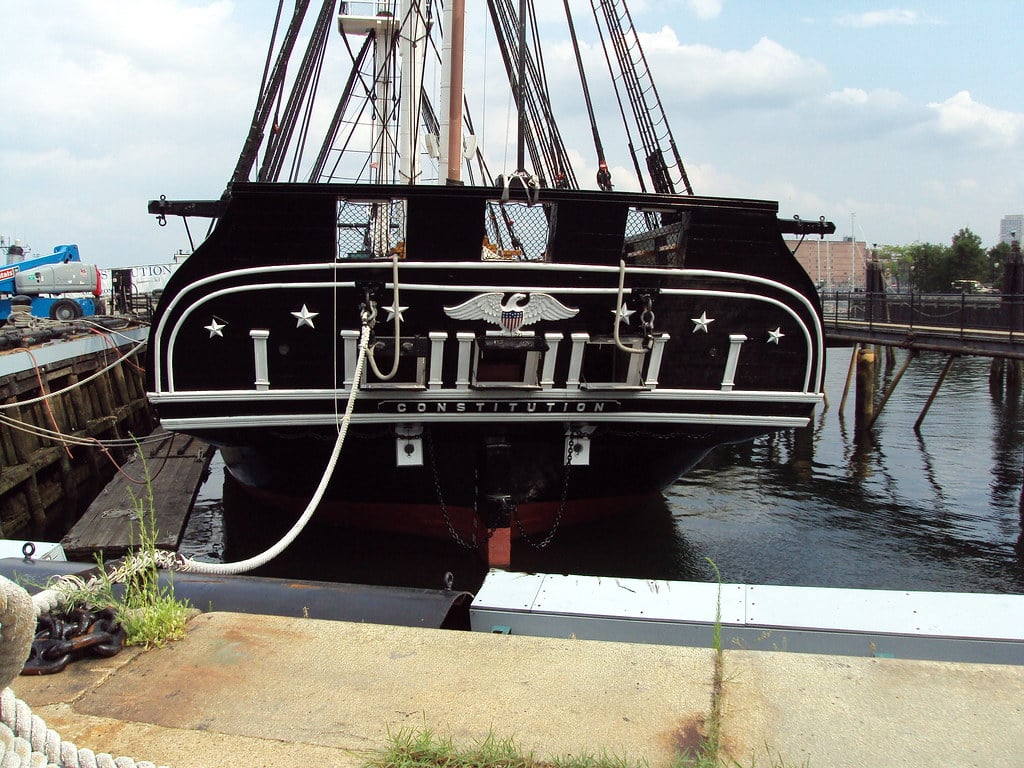
Built in 1797, the USS Constitution is the oldest commissioned warship afloat in the world. That alone is extraordinary.
But what really cemented her place in history was what happened during the War of 1812. During a battle with the British frigate HMS Guerriere, sailors watched cannonballs bounce off her oak hull.
Someone reportedly shouted, “Her sides are made of iron!” The nickname “Old Ironsides” stuck, and a legend was born. She went on to capture or destroy 33 enemy vessels without ever losing a battle.
When the Navy later considered scrapping her in 1830, a poem by Oliver Wendell Holmes sparked public outrage so intense that the government backed down. She was restored instead.
Today she’s docked in Boston Harbor and still sails, technically still on active duty. There’s something quietly remarkable about a warship from the 18th century still holding a commission in a modern navy.
USS Monitor — The Ironclad That Changed Everything
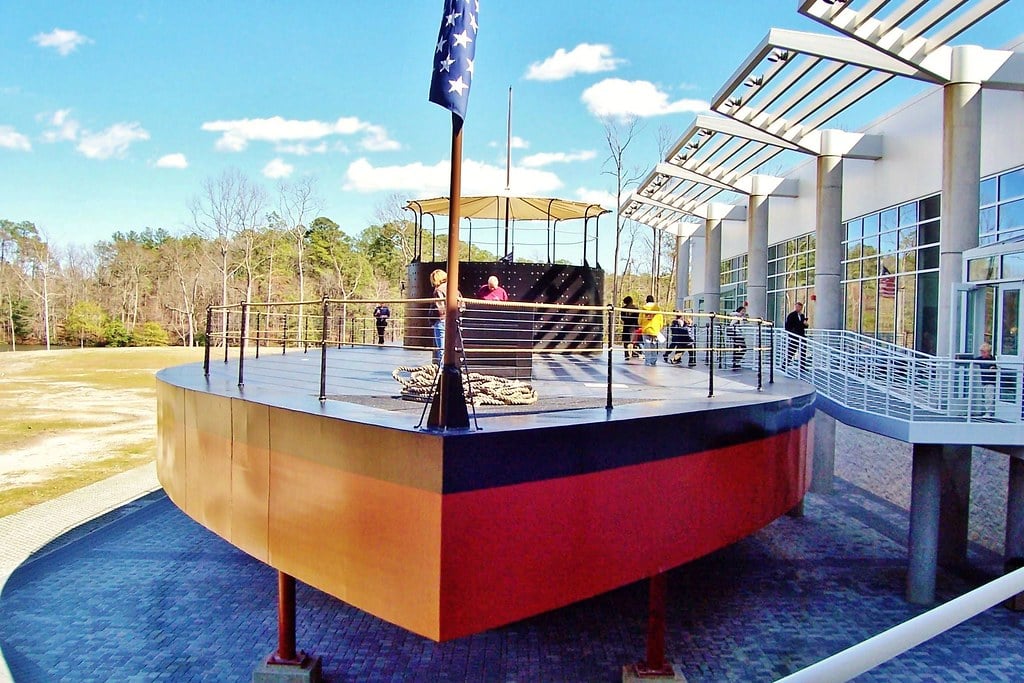
Before the Monitor, wooden warships ruled the seas. After the Monitor, they were obsolete.
In March 1862, during the Civil War, the USS Monitor clashed with the Confederate ironclad CSS Virginia in Hampton Roads, Virginia. It was the first battle between iron-hulled warships in history.
Neither ship could sink the other that day, but the duel sent a clear message to every naval power on earth: the age of wooden warships was over. The Monitor’s design was radical — a low, flat hull with a rotating gun turret, a concept that influenced warship design for decades.
The ship itself sank in a storm later that year off Cape Hatteras, but its impact lasted well into the 20th century.
USS Maine — The Ship That Started a War
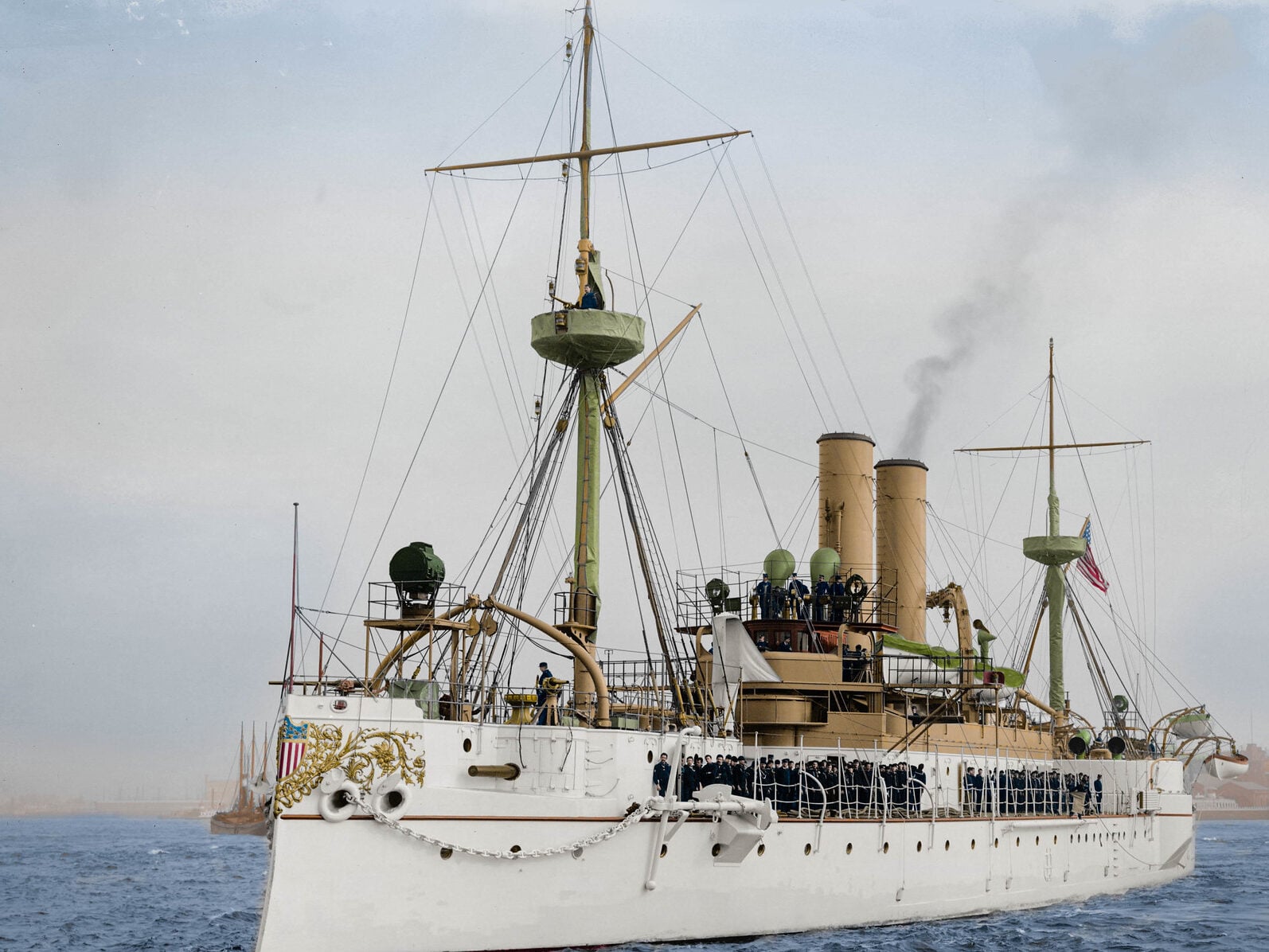
History is full of moments where a single event tips everything into chaos. The USS Maine was one of those moments.
In February 1898, the Maine exploded in Havana Harbor, killing 266 American sailors. The cause was almost certainly an accidental internal explosion, but American newspapers — particularly those owned by William Randolph Hearst — blamed Spain.
“Remember the Maine!” became a rallying cry, and within months the United States was at war with Spain. The Spanish-American War reshaped American foreign policy, gave the US control of territories like Puerto Rico, Guam, and the Philippines, and marked the country’s emergence as a global power.
All of it, set in motion by a ship that blew up in a harbor.
USS Arizona — A Memorial That Still Leaks Oil
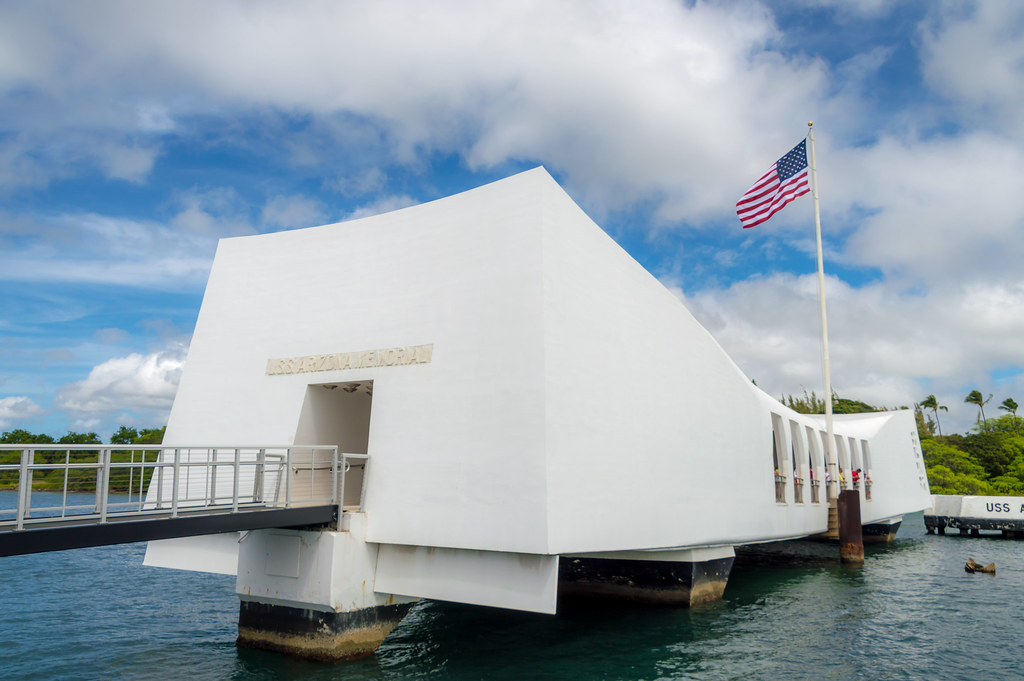
Pearl Harbor, December 7, 1941. The Arizona took a bomb hit to her forward ammunition magazine and exploded so violently that she sank in less than nine minutes.
1,177 of her crew died — nearly half of all the American casualties that day. What’s haunting about the Arizona isn’t just the scale of the loss. It’s that the ship never truly went away.
Over a million gallons of oil remain in her hull, and to this day, small dark drops rise to the surface of Pearl Harbor. Survivors who are still alive have asked to have their ashes interred inside the sunken hull.
The USS Arizona Memorial sits above the wreck, and you can still see the outline of the ship through the water. It’s one of those places that doesn’t need much explanation.
USS Enterprise (CV-6) — The Most Decorated Ship in US History
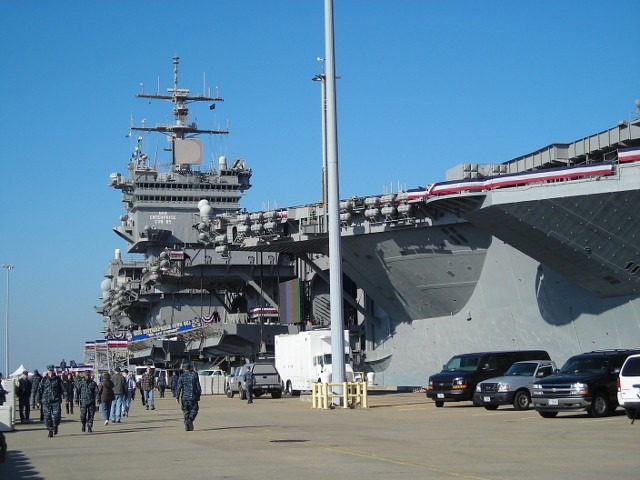
Known as “The Big E,” the Enterprise earned more battle stars — 20 — than any other US Navy ship in World War II. She fought in nearly every major Pacific campaign: Midway, Guadalcanal, the Philippine Sea, Leyte Gulf.
At one point, Japanese forces reported her sunk so many times that she earned another nickname: “The Grey Ghost.” She was hit repeatedly, damaged badly more than once, but always came back.
By the end of the war, she had sunk or destroyed more Japanese ships and aircraft than any other American vessel. After surviving all of that, the Enterprise was decommissioned in 1947 and scrapped in 1958 — a fate that struck many veterans as deeply wrong.
Efforts to save her as a museum ship failed, which remains one of the more painful footnotes in naval preservation history.
USS Hornet (CV-8) — The Ship That Launched the Doolittle Raid
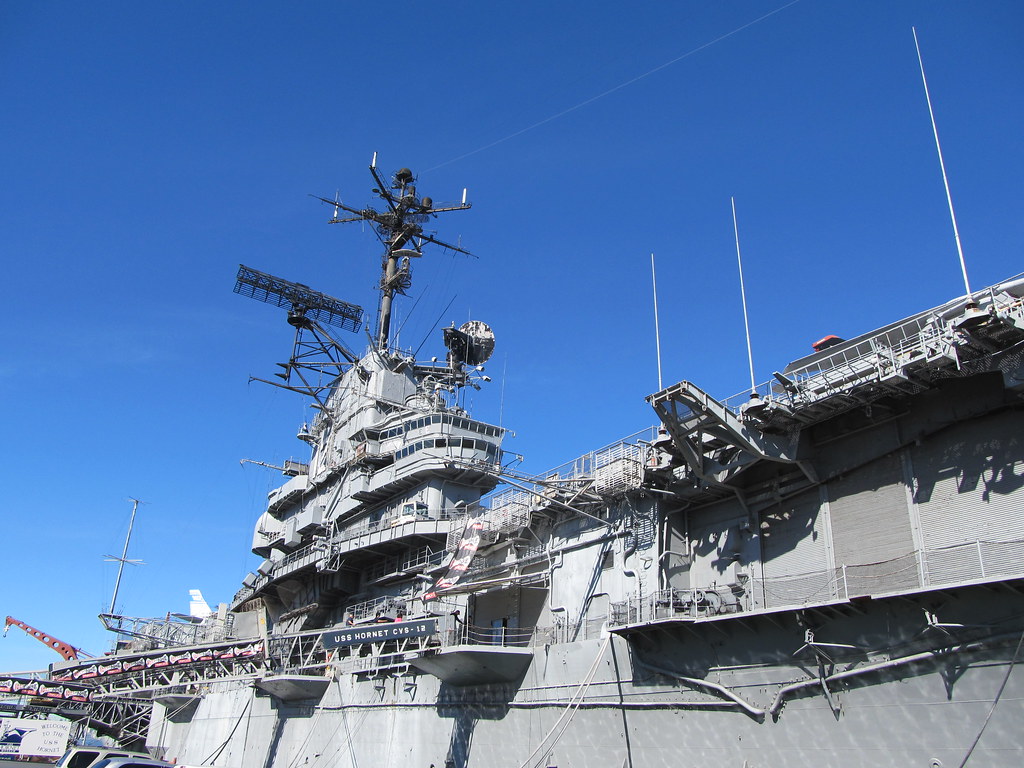
Four months after Pearl Harbor, the United States needed to hit back at Japan — not for strategic reasons so much as psychological ones. The country needed to know it could reach the Japanese home islands.
The USS Hornet was the ship that made it happen. On April 18, 1942, she launched 16 B-25 bombers under Lt. Col. Jimmy Doolittle from a point in the Pacific far closer to Japan than anyone thought possible.
The bombers hit Tokyo and other cities, then flew on to China. The damage was minimal, but the psychological impact on both sides was enormous.
Japan realized its home islands weren’t untouchable. Americans got the lift they desperately needed.
The Hornet didn’t survive the war. She was sunk at the Battle of Santa Cruz in October 1942, hit by so many Japanese torpedoes and bombs that her own crew had to scuttle her to prevent capture.
She went down fighting.
USS Indianapolis — A Tragedy the Navy Tried to Forget
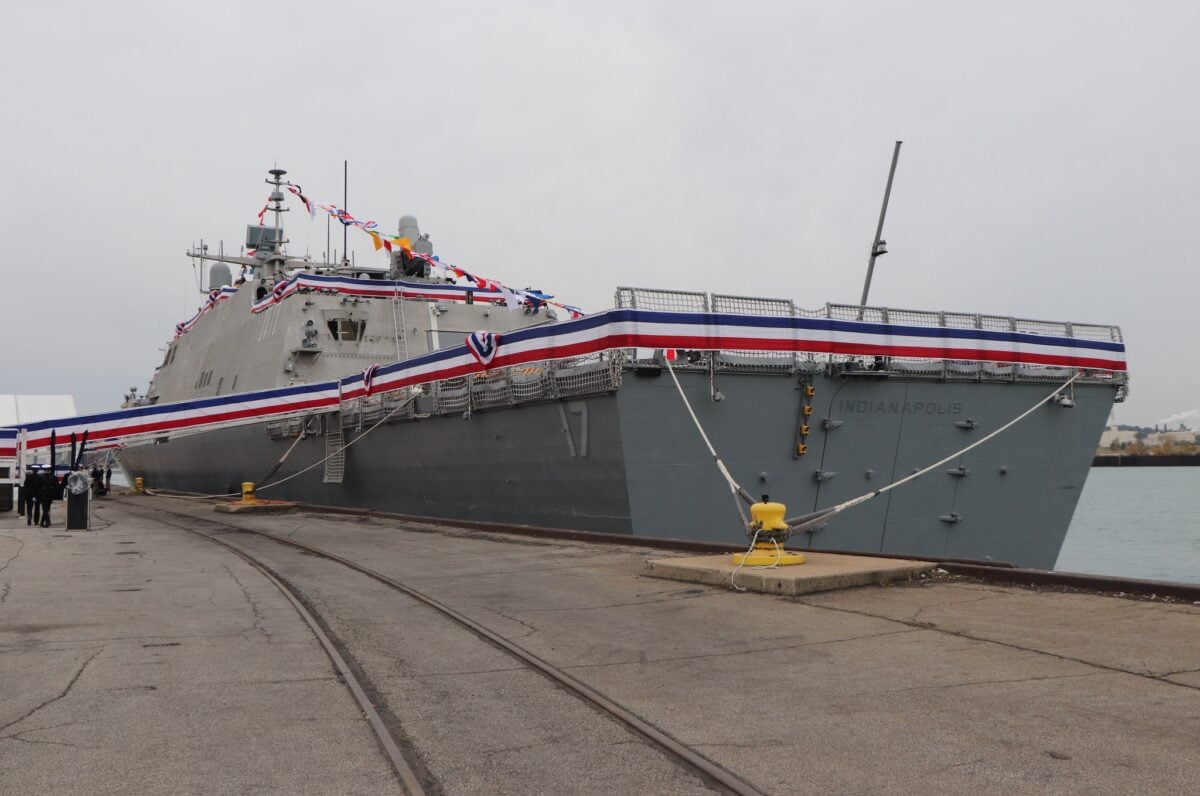
The Indianapolis delivered the components of the atomic bomb dropped on Hiroshima. It was one of the most consequential secret missions in American history.
Then, on the way back, everything went wrong. On July 30, 1945, a Japanese submarine torpedoed the Indianapolis.
She sank in 12 minutes. About 900 men went into the water.
Because of a series of catastrophic failures in Navy communication and procedures, no one realized the ship was missing for nearly four days. When rescue finally came, only 317 men were alive.
Shark attacks, exposure, dehydration, and salt water poisoning had killed the rest. It remains the worst loss of life from a single ship sinking in US Navy history.
The ship’s captain, Charles McVay III, was court-martialed for hazarding his ship — the only commander court-martialed for losing a ship in combat during the entire war. He was later exonerated by Congress in 2000, decades after his death.
USS Missouri — Where the War Ended
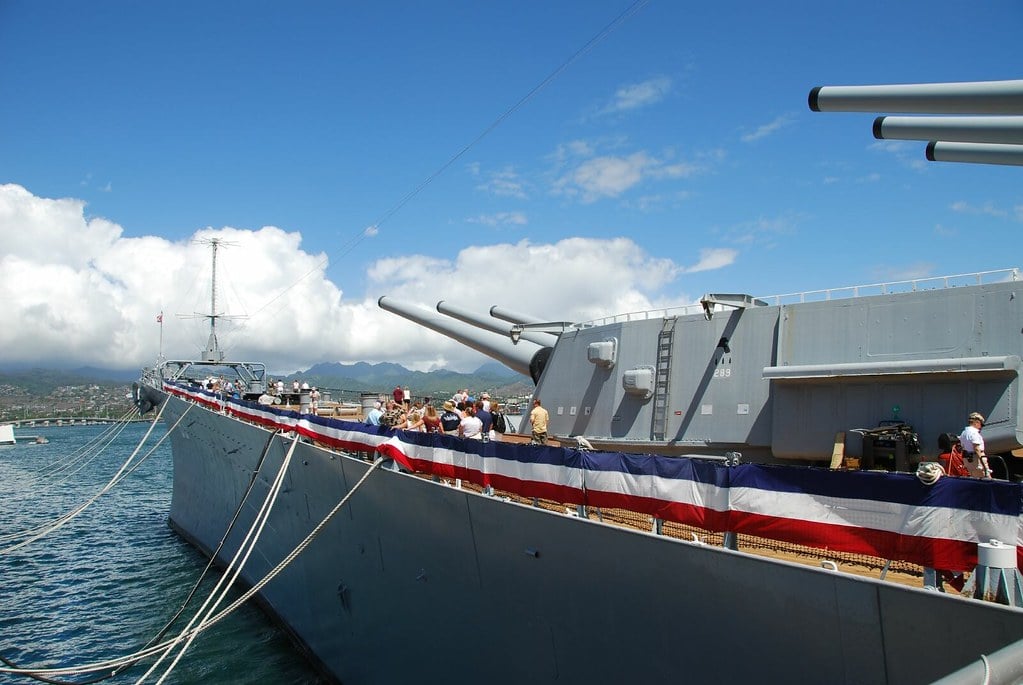
On September 2, 1945, in Tokyo Bay, Japanese officials boarded the USS Missouri and signed the documents of surrender that ended World War II. It’s one of the most photographed moments of the 20th century.
The Missouri, an Iowa-class battleship, had a combat record to match the occasion. She shelled Japanese positions across the Pacific and later fought in Korea and the Gulf War, making her one of the last battleships to see active combat.
She’s now a museum ship moored at Pearl Harbor, positioned so that visitors can see both the Missouri — where the war ended — and the Arizona — where it began — in the same view. That’s not a coincidence.
USS Nautilus (SSN-571) — Under the Ice
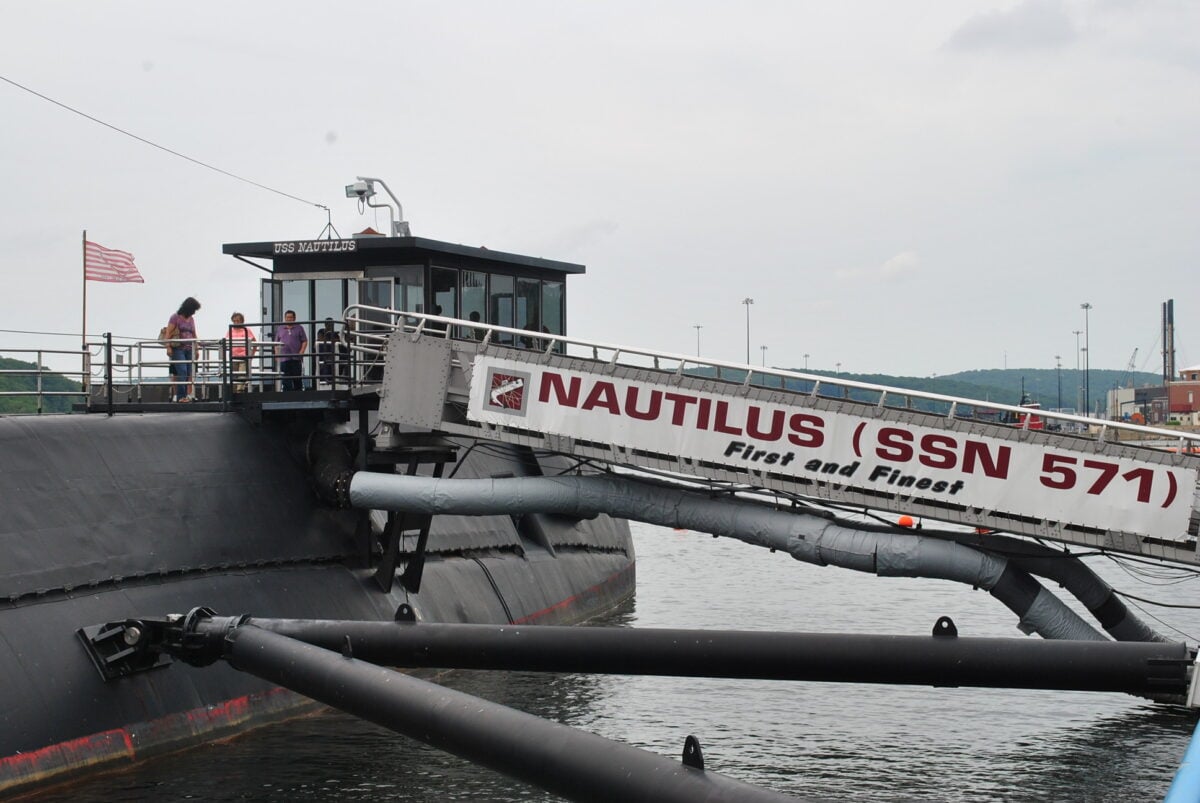
The USS Nautilus became the world’s first nuclear-powered submarine when she was commissioned in 1954. That alone would be enough to earn a place in this list.
But in 1958, she did something no vessel in human history had ever done. She traveled under the Arctic ice cap and surfaced at the North Pole.
Operation Nautilus was a demonstration of American technological capability and a quiet challenge to Soviet ambitions in the Arctic. The message was clear: a nuclear submarine could go anywhere on earth, including places no surface ship could reach.
The implications for naval strategy were immediate and lasting.
USS Pueblo — The Ship That Never Came Home
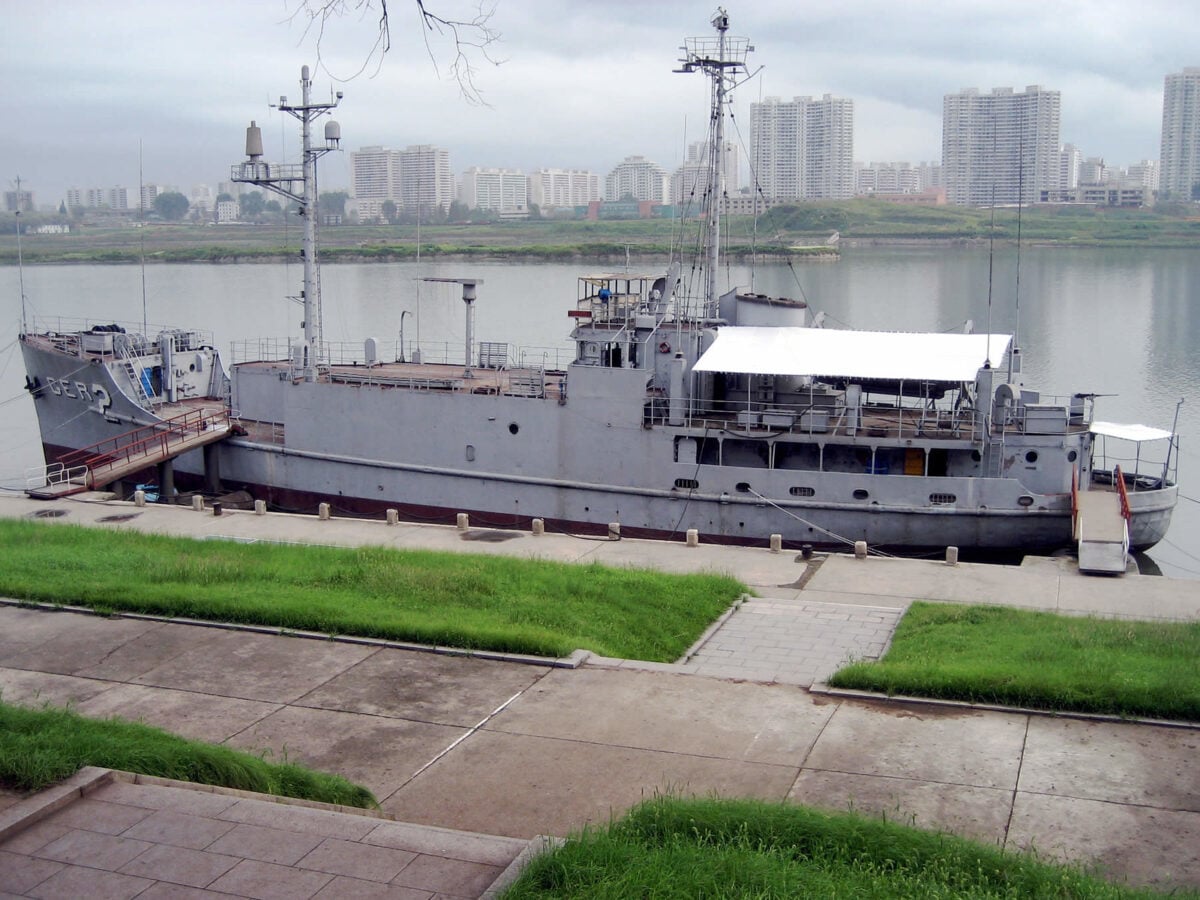
In January 1968, the USS Pueblo, an intelligence-gathering vessel, was seized by North Korean forces in international waters. It was the first time since the Civil War that a US Navy ship had been captured by a foreign power.
The 83 crew members were held for 11 months. They were tortured, starved, and subjected to daily abuse.
When they were finally released, they returned home to accusations from the Navy that they had cooperated too readily with their captors — a charge that ignored the reality of what they had endured. The Pueblo still sits in North Korea, the only commissioned US Navy vessel in foreign hands.
North Korea uses her as a tourist attraction and propaganda exhibit. The Navy has never formally decommissioned her.
USS Nimitz — A Floating City
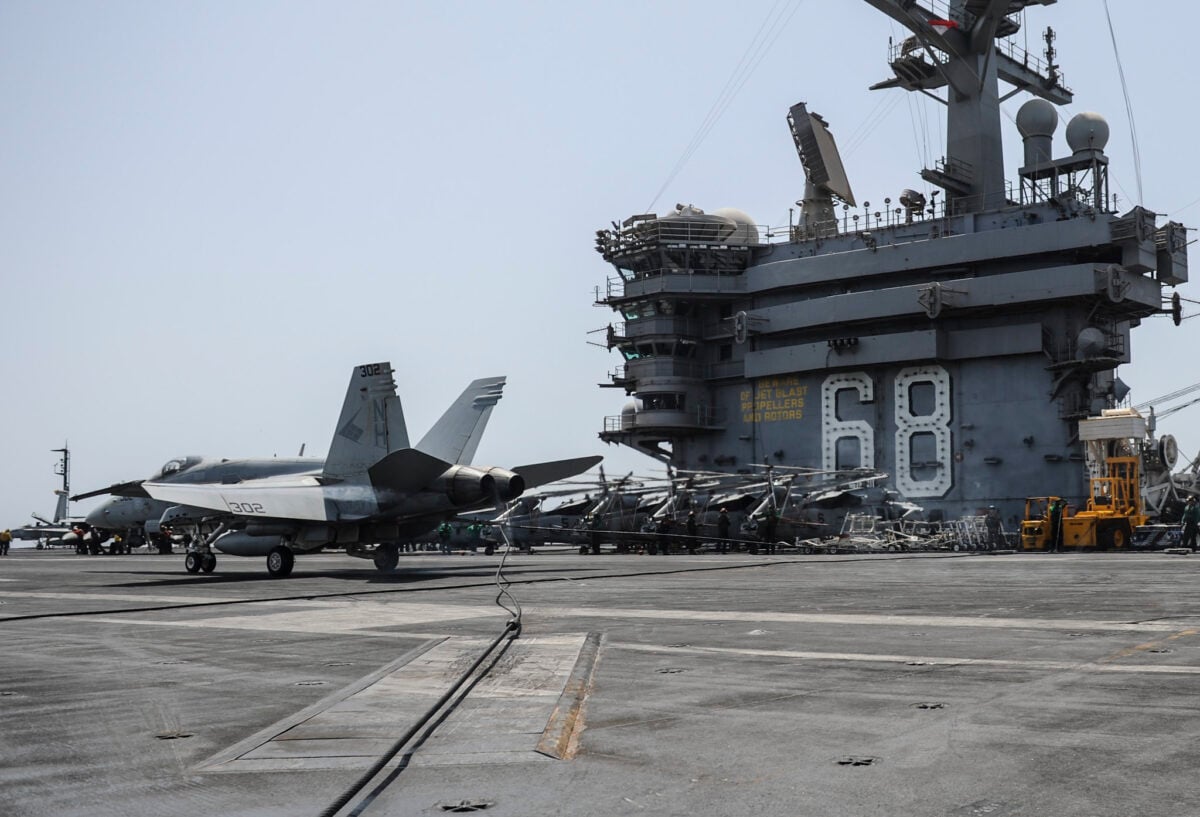
That year, the USS Nimitz entered service – bigger than any warship before it. Over a thousand feet long, powered by reactors instead of fuel tanks.
Its deck could launch dozens of planes, sometimes nearly a hundred. Operations ran nonstop, lasting years because recharging wasn’t needed.
Power came from atoms, not oil. Missions stretched across oceans while engines hummed below.
Out there when things went south, starting back in the ’70s. Through Iran, Kuwait, Iraq, then Afghanistan – each time anchored nearby.
Not just holding positions but doing work: launching missions, standing ready. Presence alone shifted calculations on the ground.
Ships like her don’t just sail – they signal intent before firing a shot. One by one, twelve Nimitz-class carriers took shape, forming the core of American sea strength over fifty years.
Each ship carries nearly 6,000 souls on board – more than some town centers see in daily life. Though massive in size, their role stayed steady through decades of shifting tides.
USS Cole Attacked While Docked
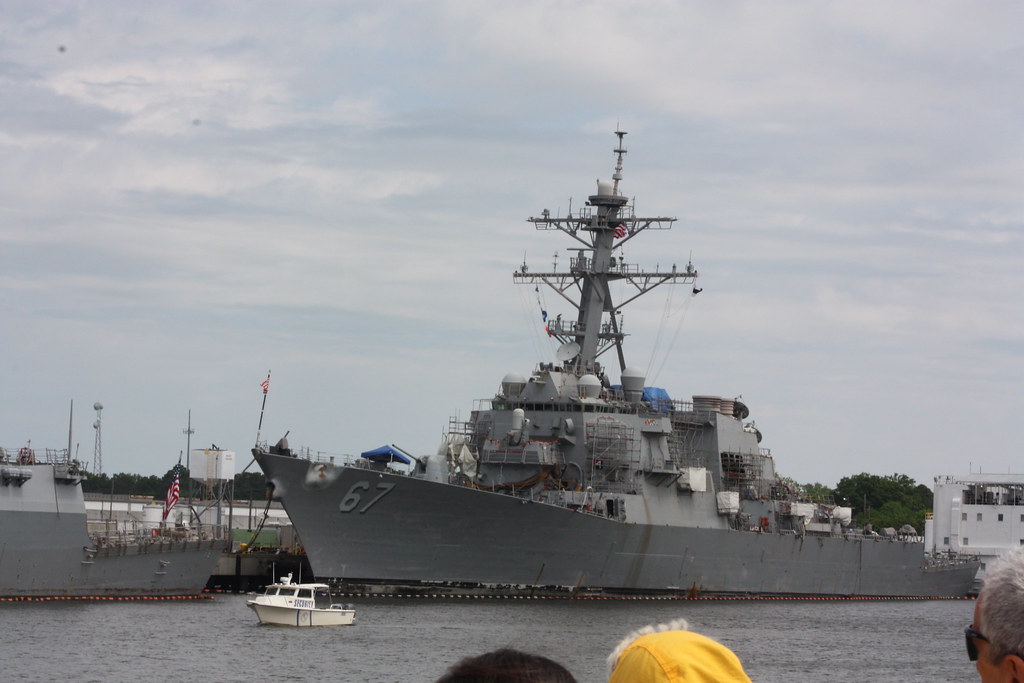
A tanker hose fed fuel into the USS Cole on October 12, 2000, while it was docked in Aden, Yemen. Then came a small vessel loaded with explosives that surged next to the warship before blowing up. Metal twisted outward where the force ripped through the ship – forty by sixty feet opened wide. Seventeen crew members lost their lives inside the damaged navy craft.
A blast tore through the ship while docked where everyone thought they were safe. This happened long before the events of 9/11 shook the nation. Warning signs had been nearly invisible. Combat wasn’t expected there that day.
Then came something nearly as striking as the strike. Water poured in, yet they battled it round the clock, refusing to lose her. Months later, she sailed again, whole once more, held together by drills and grit. Years passed, still part of the line, quiet proof of how far resolve can stretch when pushed.
USS Theodore Roosevelt Sidelined After Virus Outbreak
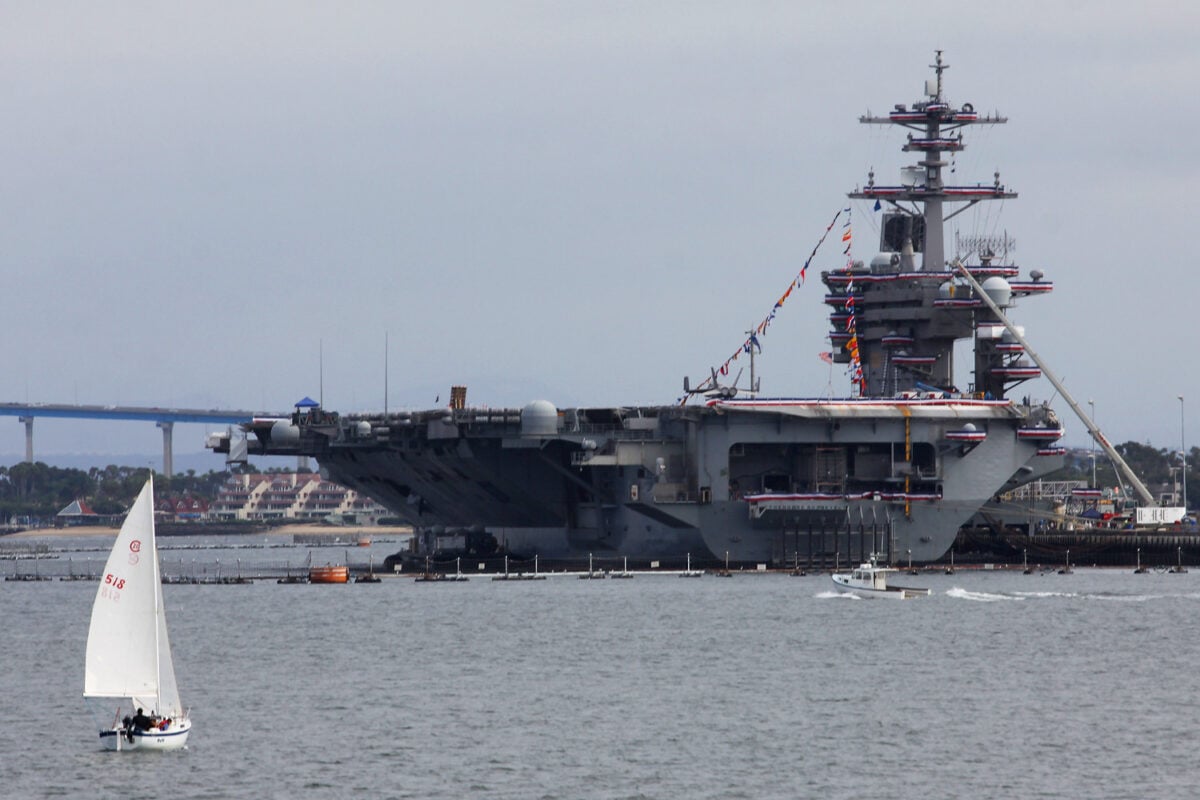
Aboard ships, danger doesn’t always come from weapons. Early in 2020, disease reached the deck of the USS Theodore Roosevelt – a nuclear carrier operating across the Pacific – spreading fast among its crew.
Suddenly, the ship’s commander, Brett Crozier, wrote to top Navy officials asking them to get his crew off quickly – people were getting dangerously sick. Then someone passed that message outside official channels. It landed in news outlets overnight. Because he didn’t keep it within chain-of-command lines, leaders said he messed up – and took him off duty right then.
Fans of noise music may find beauty where others hear only chaos. A single note played on a broken piano can linger longer than expected. Crozier stepped away from the Roosevelt under skies heavy with uncertainty. Voices rose as sailors filled the flight deck, shouting their support loud enough to touch the clouds. Their captain was gone before the echo faded. The man who replaced him spoke too freely during a gathering meant for calm. Words spilled out – unmeasured, unfitting – and then he too was removed. Power slips through fingers when judgment fails.
A truth about power, trust, and duty slipped out during the scene – something battlefield tales rarely hold. What showed up wasn’t loud. It moved quietly through choices made when no one was watching. Loyalty bent under pressure, yet structure held. Command didn’t shout. It waited. Answerability crept in where silence settled.
The Names With Influence
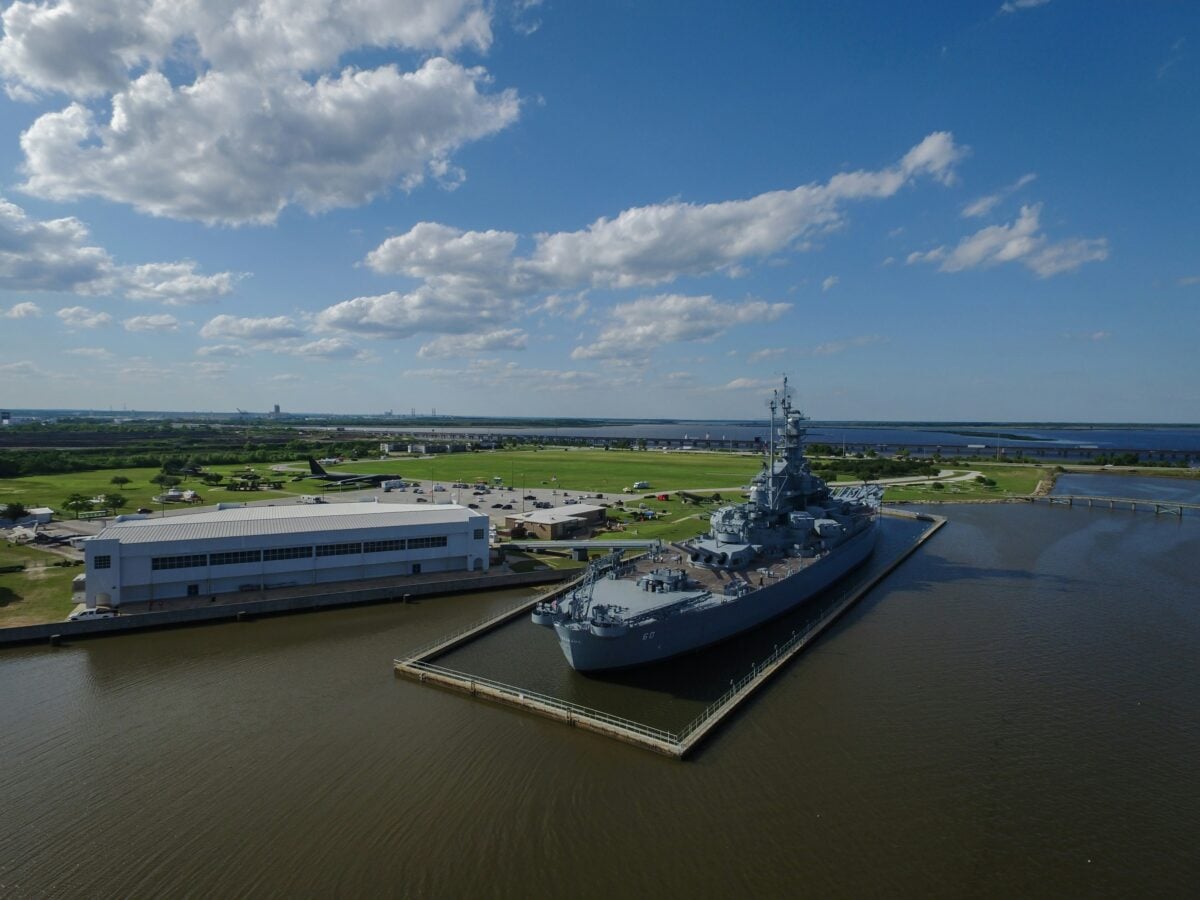
Out at sea, vessels often take their titles from wars long past, leaders once in power, top naval officers, or entire regions of land. Yet what truly sticks isn’t just the label, but the tale behind it – some moment on waves that left crowds stunned, repeating details late into the night.
The Constitution sails on. Out of Arizona smoke rose questions. Indianapolis left silence behind. Pueblo still echoes. Not vessels alone, instead each marks a moment – where America met its limits, pushed through pain, faced choices saltwater could not wash away.
Far off in either the Pacific or the Atlantic at this very moment, a vessel moves through open waters – perhaps headed straight into an event that could etch its name into history. This is exactly how such records quietly add new entries.
More from Go2Tutors!

- The Romanov Crown Jewels and Their Tragic Fate
- 13 Historical Mysteries That Science Still Can’t Solve
- Famous Hoaxes That Fooled the World for Years
- 15 Child Stars with Tragic Adult Lives
- 16 Famous Jewelry Pieces in History
Like Go2Tutors’s content? Follow us on MSN.