Lesser Known Historical Figures Who Deserve Their Own Bio Pic
Every classroom seems to hang those familiar portraits. George Washington stands stiff in uniform.
Abraham Lincoln stares deep into some distant thought. Then there’s Cleopatra, draped in legend.
Napoleon marches through textbooks like he owns them. These figures circle the curriculum endlessly.
Yet countless others shaped events just as deeply – without parades or biopics. Some changed nations while staying invisible.
Others sparked movements that lasted decades. Their stories sit buried under time and selective memory.
Quiet impact often gets drowned by loud fame. Here are some names that Hollywood seriously needs to put on its radar.
Sybil Ludington
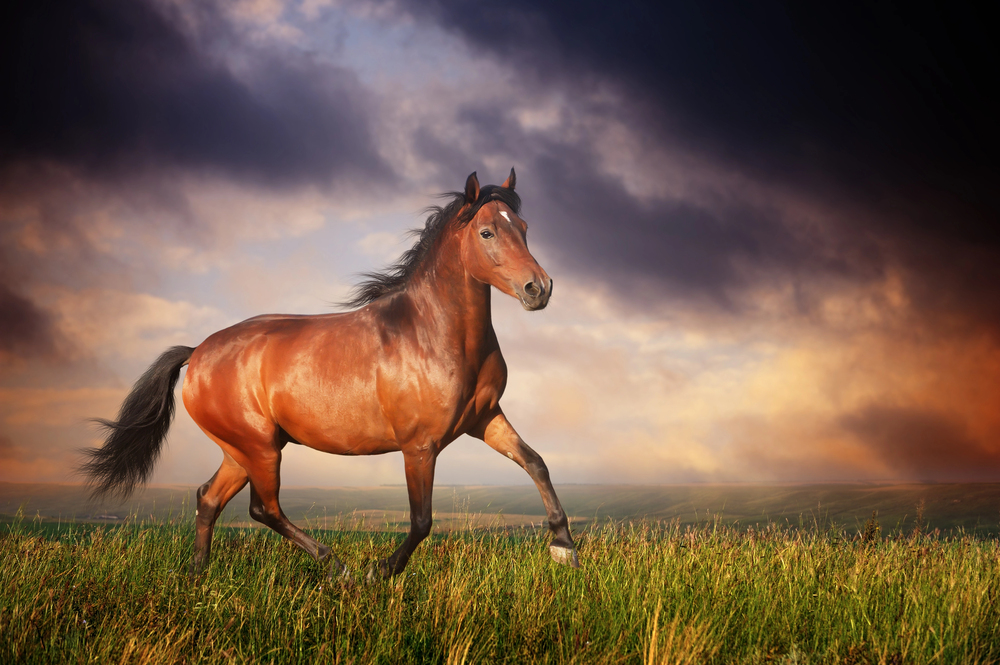
While many know about Paul Revere’s famous nighttime journey, Sybil Ludington covered double the distance – and she was just sixteen.
April of 1777 brought her on horseback across almost forty miles of New York terrain, warning militia forces when the British struck Danbury.
She made the trip solo, after dark, during heavy rain. Her figure is cast in bronze in Carmel, yet few today would recognize her face.
History remembers some loudly, others quietly. That statue watches over a town that barely recalls her name.
Nikola Tesla
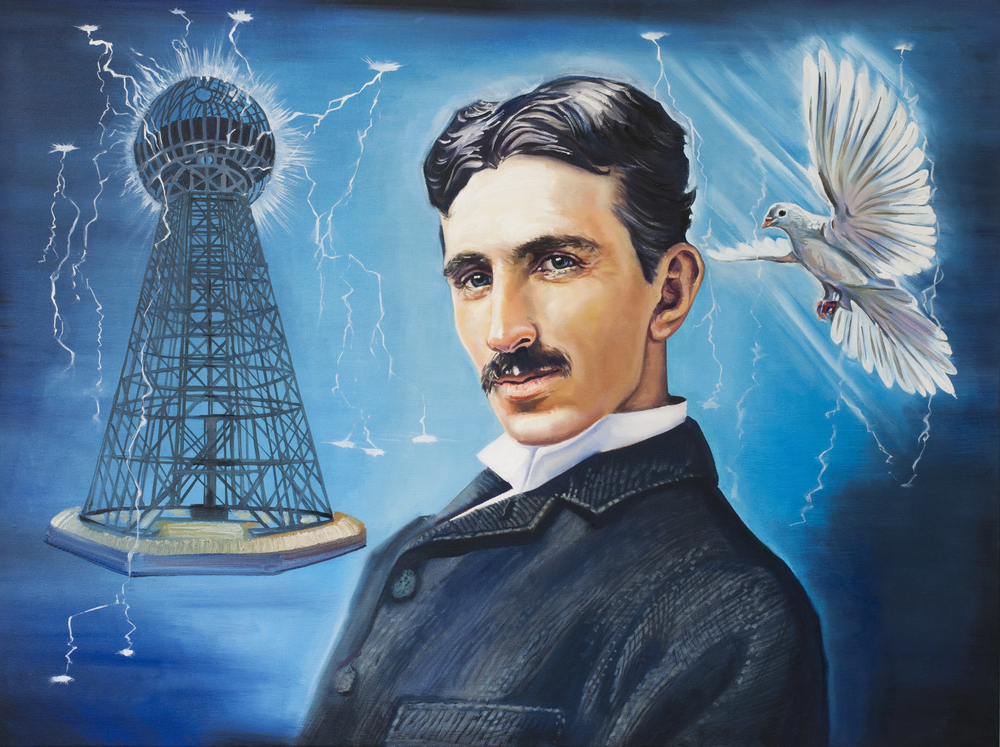
A forgotten bed in a quiet hotel held the last breaths of a man who shaped everything. Though he lit up cities with alternating current, loneliness marked his final days.
Radio waves carry echoes of his work, even if others claimed the spotlight early on. Decades passed before people saw how clearly he imagined invisible signals flying through air.
The battle with Edison unfolded like pages torn from a tense novel – tricks, lies, power fights. Genius gets tossed around too easily, yet somehow his story makes the word feel earned.
Mary Seacole
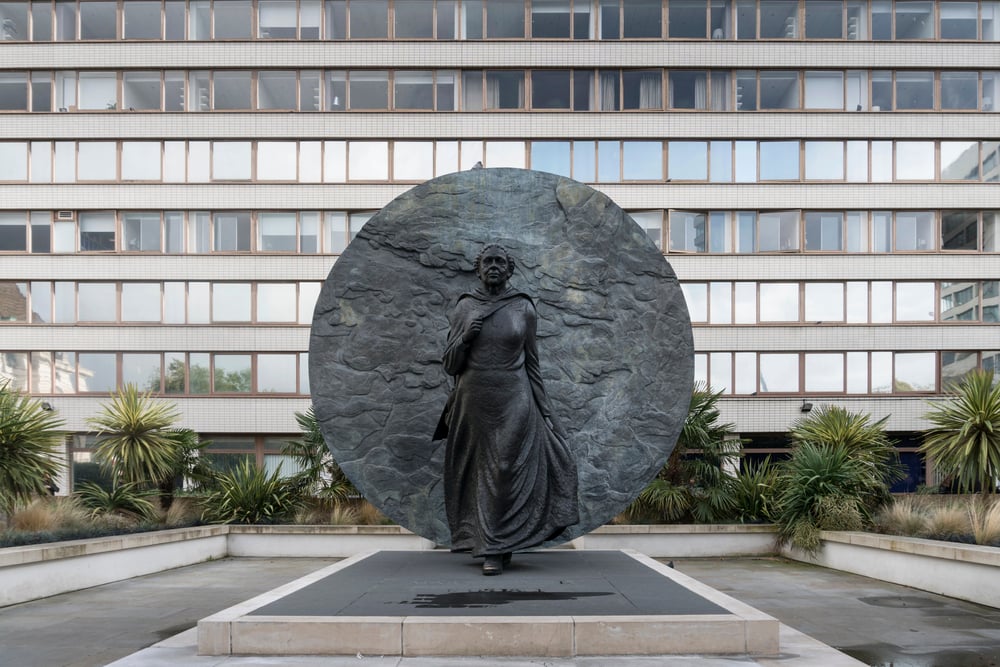
Though Florence Nightingale often took the spotlight for wartime care during the Crimean conflict, Mary Seacole stepped forward without waiting for approval.
From Jamaica she came, a woman of trade and healing, funding her own roadside refuge close to where fighting raged.
Turned down by British authorities, she went anyway – determined, undeterred. Right beside the front lines, she opened shelter and aid using what she had.
The troops gave her the name ‘Mother Seacole,’ drawn to her presence like warmth at dusk. What drives someone to walk that far into chaos?
Stubborn hope. Relentless will. A spirit unwilling to accept silence.
Chandra Shekhar Azad
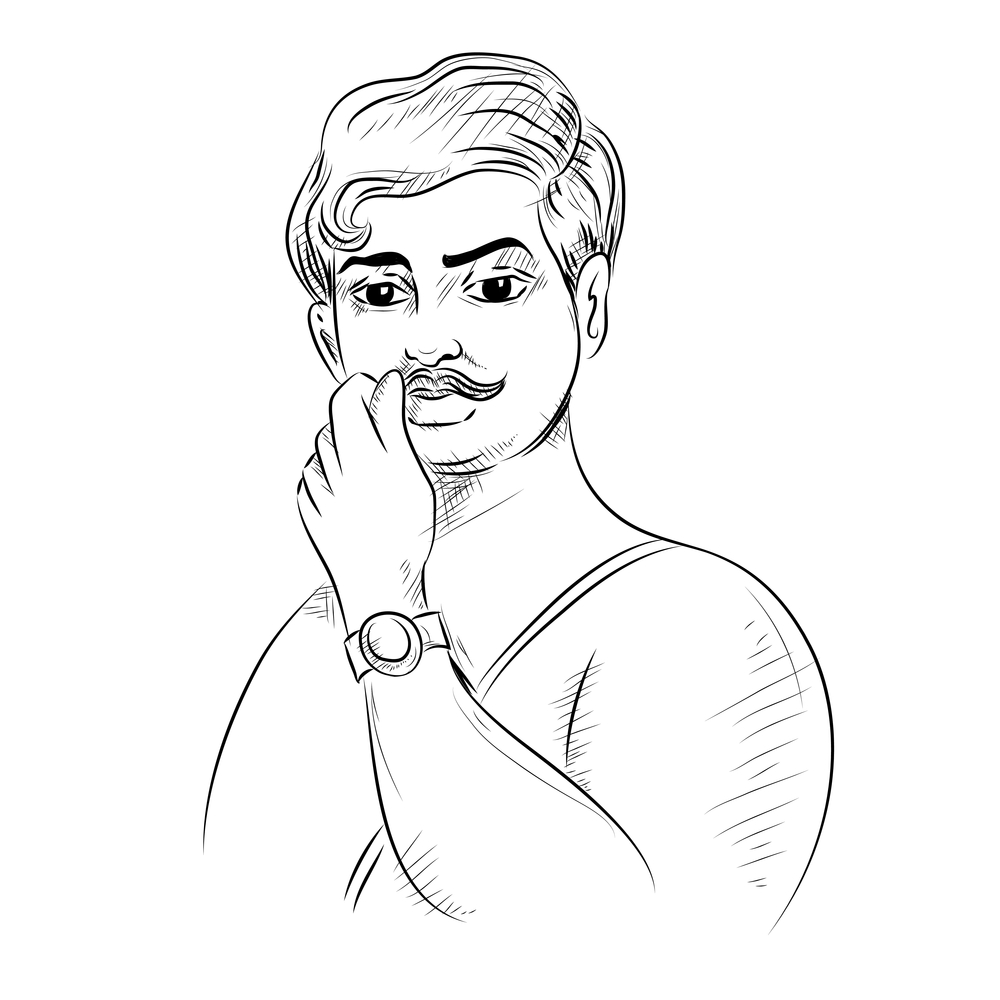
At fifteen, this Indian rebel swore an oath: British officers would never take him alive – a vow he honored without fail.
Not one arrest touched him, thanks to quick thinking and nerves like steel. Operations sparked under his guidance, bold moves aimed straight at colonial control.
A self-taught marksman, he hit targets others missed, moving through shadows with ease. His end came in a public garden in Allahabad, 1931, gun still in hand, shots fired even as life slipped away.
Hedy Lamarr
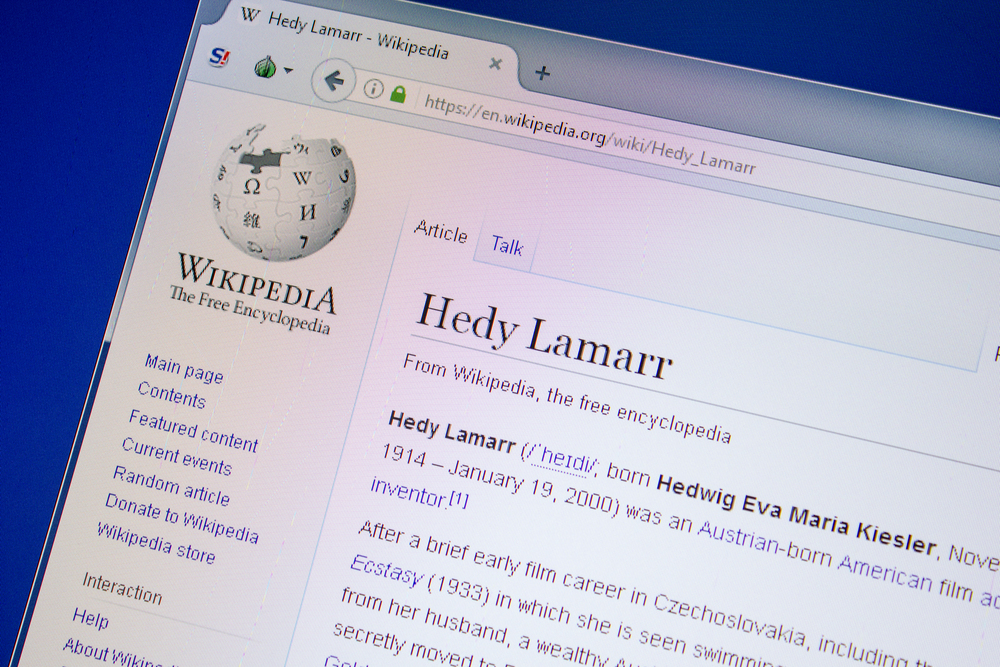
Back in the 1940s, Hedy Lamarr lit up movie screens across America. Yet behind those bright lights came something sharper – a mind at work on secret signals.
While war raged overseas, she sketched out a way to hop radio frequencies so torpedoes could dodge jamming. This wasn’t just theory; it was real engineering crafted alongside a composer who liked tinkering.
Though the patent landed officially on file, money never followed. Years passed before others used her method for what we now call wireless links between devices.
Beauty made headlines then, yet her brains slipped quietly into history. Even though gears turned beneath her fame, few credited her when digital worlds rose from the blueprint.
Yasuke
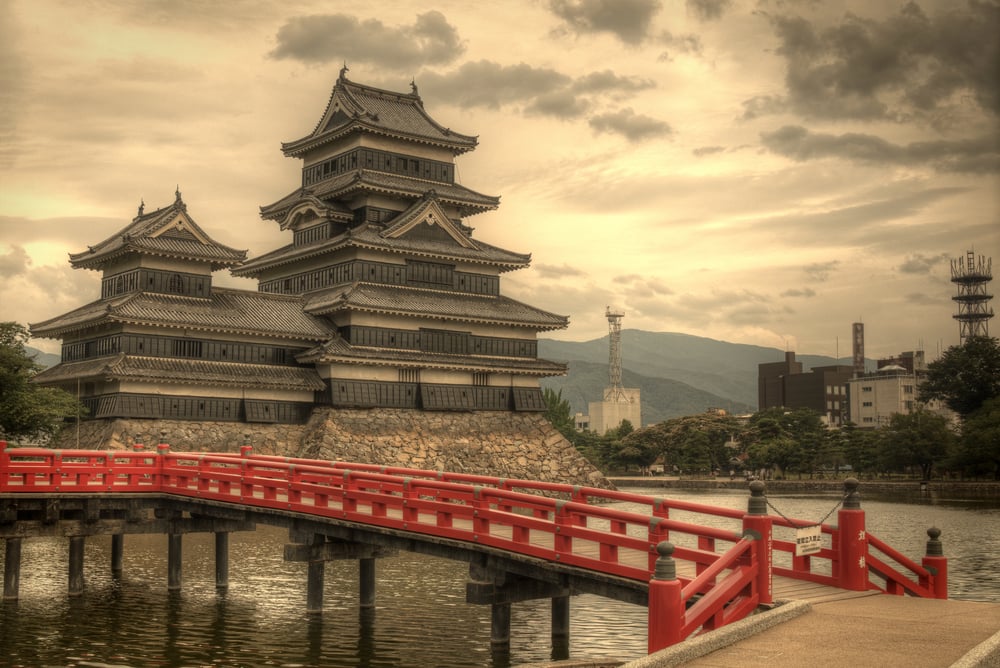
Some say he came from Mozambique, though records are thin – this man named Yasuke stepped onto Japanese soil in 1579.
Not long after, he stood beside Oda Nobunaga, a powerful warlord struck by his presence. Because of that bond, Yasuke found himself handed a home, attendants, even a traditional sword.
He moved through life as the first foreign-born warrior granted samurai status anyone knows of. Between shifting clans, continental roots, and upheaval across Asia, his path twists through worlds rarely linked.
Truth sounds odd here – but every word holds firm.
Bayard Rustin
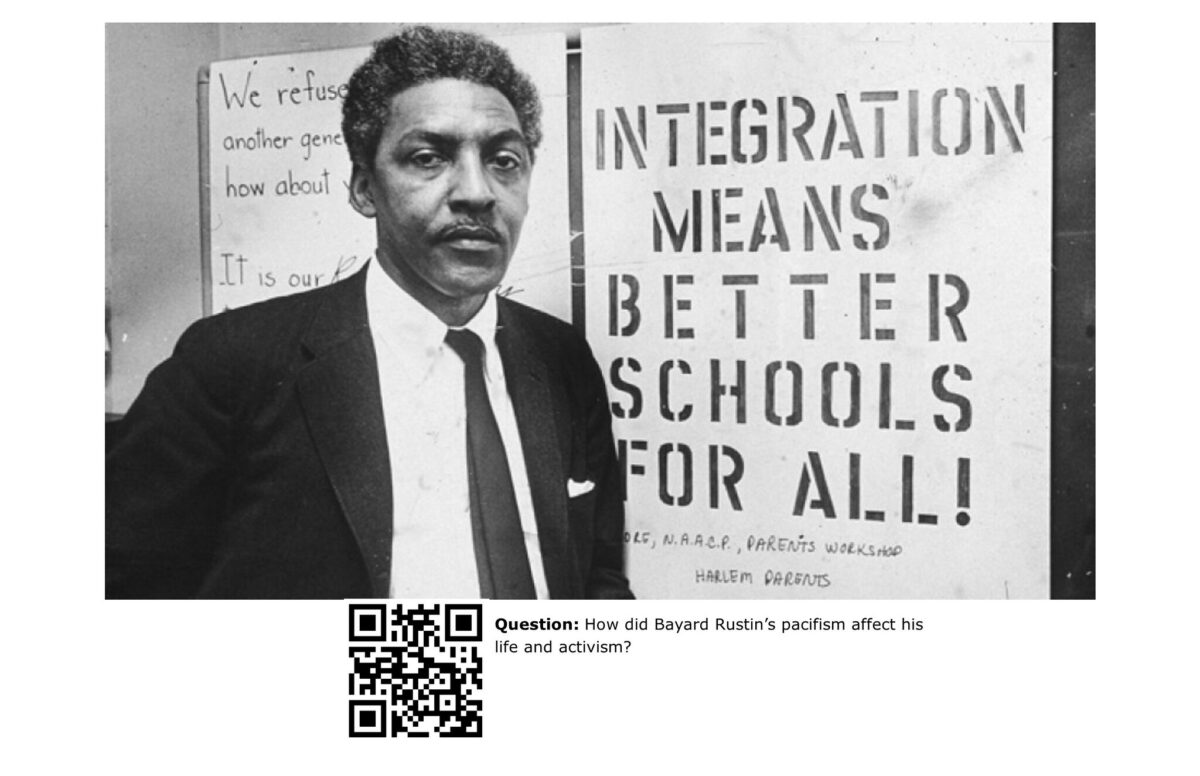
Few recognize Bayard Rustin, though he shaped the 1963 March on Washington – a landmark moment in civil rights history.
Behind the scenes, he handled every detail, quietly steering momentum while others stood forward. Close to Martin Luther King Jr., he guided strategy with steady precision, trained deeply in peace-driven resistance well ahead of its time.
Because of who he was, credit rarely reached him, buried under bias instead. Though absent from spotlight photos, his influence hums through every march that followed.
Someone else stepped into light; the architect stayed hidden.
Ada Lovelace
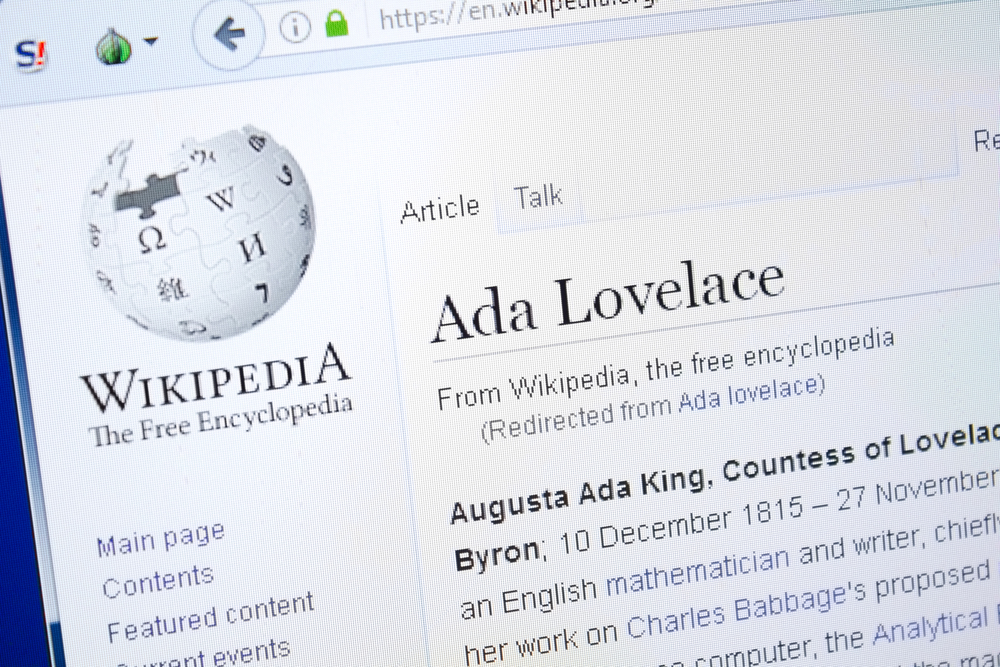
Ada Lovelace wrote the world’s first computer algorithm in the 1840s, roughly a hundred years before computers actually existed.
She worked alongside mathematician Charles Babbage on his proposed ‘Analytical Engine’ and saw possibilities in it that even Babbage himself hadn’t imagined.
Her notes contained ideas so advanced that scientists didn’t fully appreciate them until the 20th century. A film about her life would sit somewhere between science fiction and historical drama, which is a rare and exciting combination.
Mansa Musa
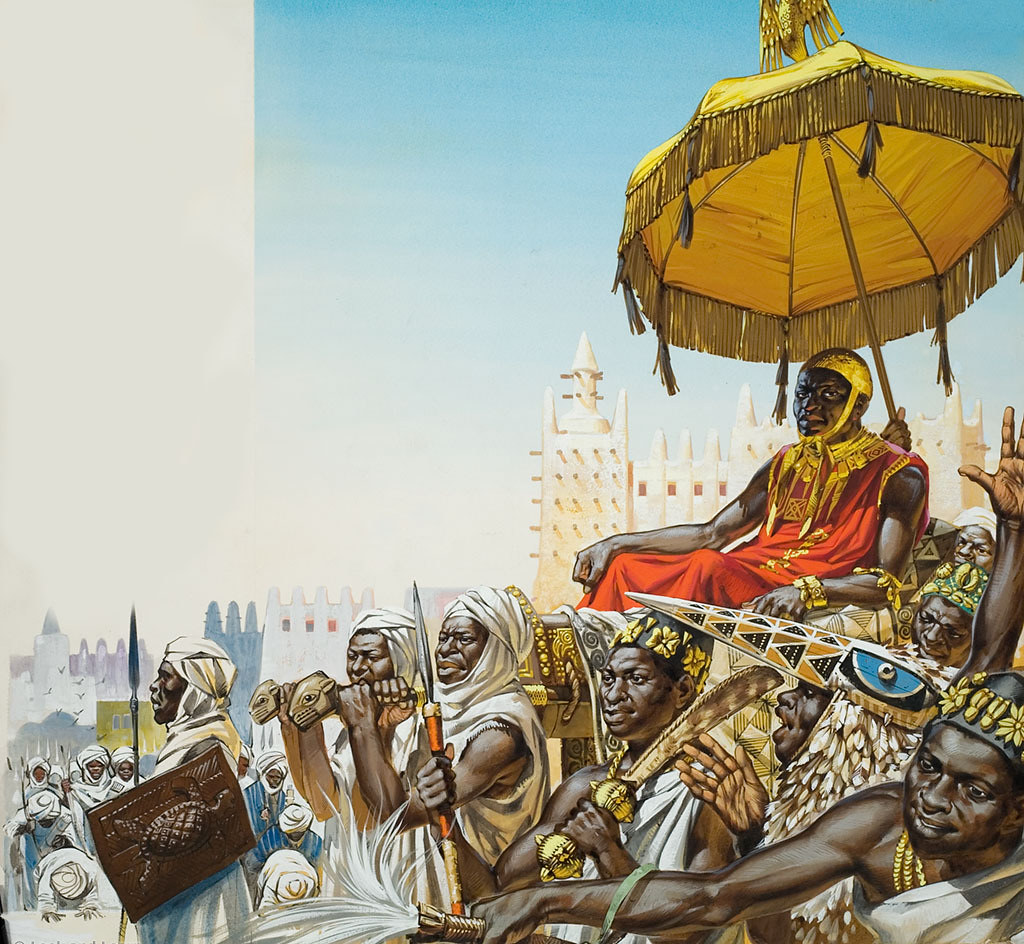
Mansa Musa was the ruler of the Mali Empire in the 14th century and is widely considered the wealthiest person who ever lived.
When he made his pilgrimage to Mecca in 1324, he brought so much gold with him that he accidentally crashed the economies of Egypt and several other countries along the way.
His empire covered modern-day Mali, Senegal, Guinea, and more. He built universities, libraries, and mosques, and yet most history books barely give him a paragraph.
Irena Sendler
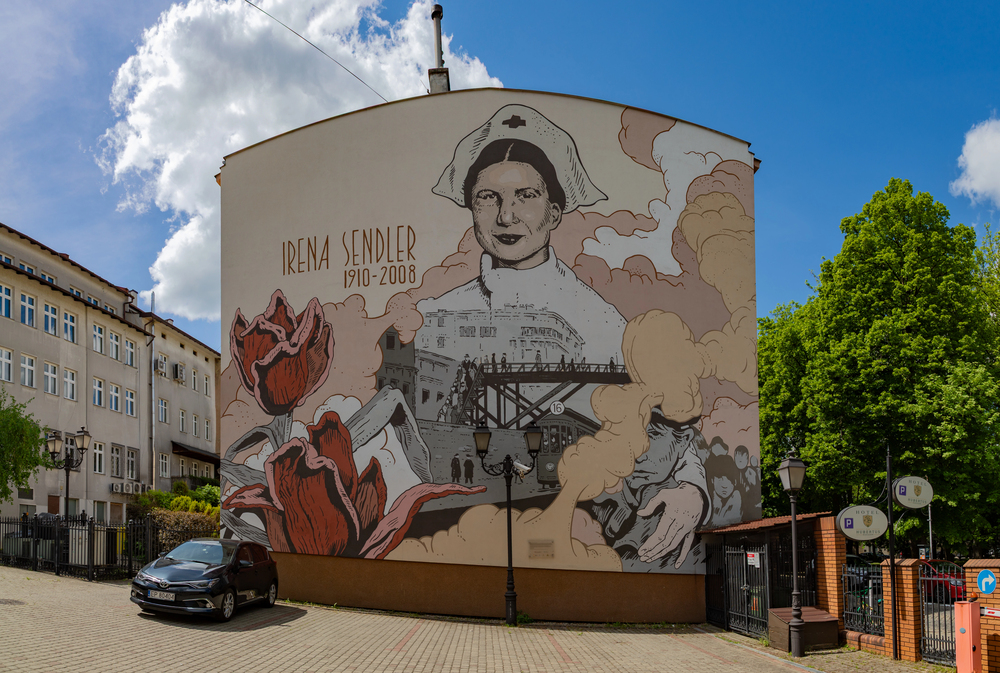
Irena Sendler was a Polish social worker who smuggled roughly 2,500 Jewish children out of the Warsaw Ghetto during World War II.
She hid babies in toolboxes, children under stretchers, and kept detailed records of every child’s real name so families could reconnect after the war.
The Nazis eventually caught her, tortured her, and sentenced her to death. She survived and kept working.
She was nominated for the Nobel Peace Prize in 2007 and lost to Al Gore for his climate documentary.
Harriet Tubman’s Spy Career
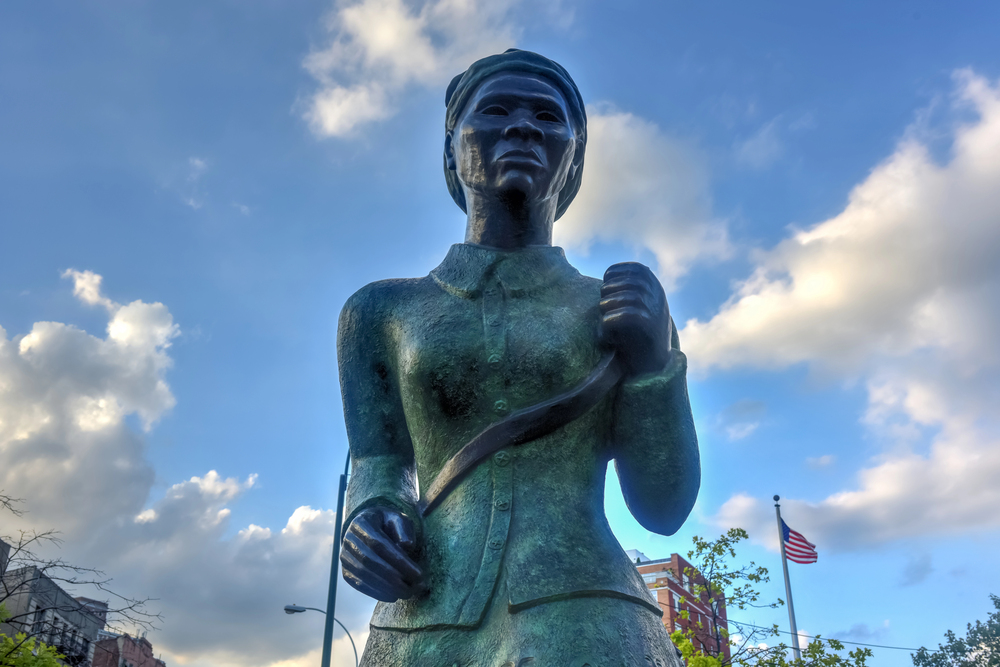
Most people know Harriet Tubman as the conductor of the Underground Railroad, but far fewer know that she also worked as a spy and military strategist for the Union Army during the Civil War.
She led an armed raid in 1863 along the Combahee River in South Carolina that freed more than 700 enslaved people in a single night.
She gathered intelligence, recruited informants, and operated behind Confederate lines without getting caught. That part of her story alone is enough for a full feature film.
Zheng Yi Sao

Zheng Yi Sao was a Chinese pirate commander in the early 1800s who controlled a fleet of over 1,800 ships and an estimated 80,000 sailors.
She started as a woman sold into a floating brothel and ended up commanding one of the largest pirate organizations in history.
She made her own laws, punished deserters, and negotiated her own retirement deal with the Chinese government. She retired peacefully and ran a gambling house until she was 69.
James Armistead Lafayette
James Armistead Lafayette was an enslaved Black man who became one of the most effective double agents of the American Revolution.
He worked as a spy for the Continental Army, feeding false information to British General Cornwallis while passing real intelligence back to General Lafayette.
His work helped set up the British defeat at Yorktown, one of the turning points of the war. After the war, the Marquis de Lafayette personally wrote a letter supporting his freedom.
He was granted it in 1787.
Sophie Scholl
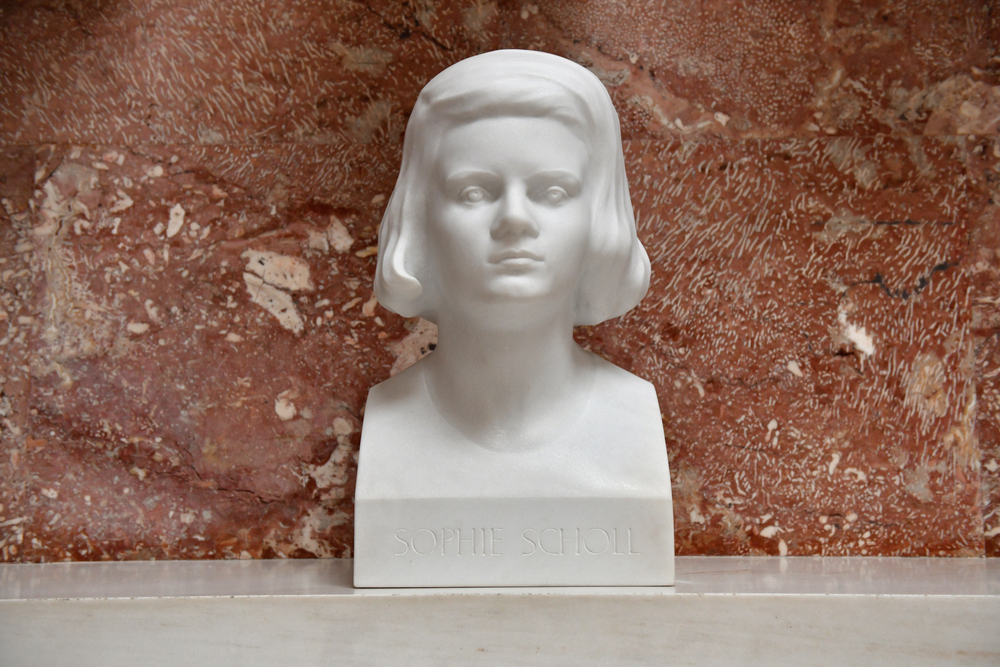
Sophie Scholl was a 21-year-old German student who actively resisted the Nazi regime from inside Germany during World War II.
She was a key member of the White Rose, a group that printed and distributed anti-Nazi leaflets at enormous personal risk.
She was arrested in 1943 while distributing pamphlets at the University of Munich and was executed by guillotine just four days later. Her courage in the face of a government that killed people for disagreeing is something that stays with you long after you learn about it.
Claudette Colvin
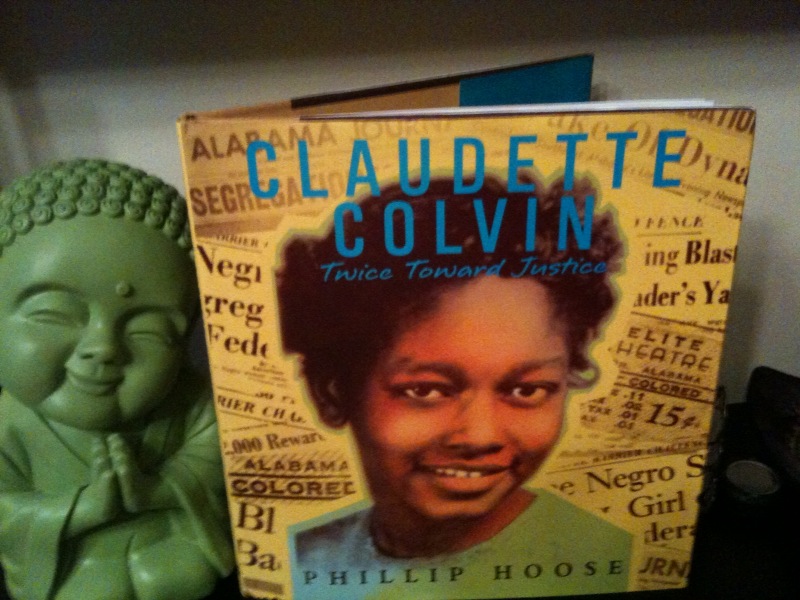
Claudette Colvin refused to give up her seat on a Montgomery, Alabama bus nine months before Rosa Parks did, and she was 15 years old at the time.
Civil rights leaders actually considered using her case to challenge bus segregation laws but ultimately chose Rosa Parks instead, partly because Colvin was a teenager and had become pregnant.
She still testified as a key witness in the court case that legally ended bus segregation. She spent decades working quietly as a nurse in New York, largely unknown to the public.
History’s Unfinished Credits

The names in this article did not just fill gaps in history; they shaped the world people live in today.
Their stories have all the ingredients of great films: danger, sacrifice, brilliance, and moments that changed everything.
The fact that most of them are still unknown says more about who controls storytelling than about what they actually achieved. Every generation deserves to meet the full cast of history, not just the headliners.
More from Go2Tutors!

- The Romanov Crown Jewels and Their Tragic Fate
- 13 Historical Mysteries That Science Still Can’t Solve
- Famous Hoaxes That Fooled the World for Years
- 15 Child Stars with Tragic Adult Lives
- 16 Famous Jewelry Pieces in History
Like Go2Tutors’s content? Follow us on MSN.



