MLK Day Quotes That Resonate
Every year in January, certain phrases tied to Martin Luther King Jr. circle through schools, talks, while others fade behind them. Still, what gives weight to his voice isn’t just frequency – it’s precision.
Each phrase carved with purpose, built on deep conviction, faith that held firm, a quiet certainty about every person’s worth.
What made King different? He never floated above reality.
Each phrase he shaped came straight from moments of real harm, seen by everyone yet named by too few. Time passes, but those lines stay sharp.
Not because they are old, not because they are famous – because they fit today just as tight. Comfort gets questioned.
Waiting gets questioned. Silence definitely gets questioned.
Peering into MLK Day sayings shows more than remembrance – it reveals tasks left hanging. These words echo, not due to fame, yet simply because their meaning still waits for completion.
‘Injustice anywhere is a threat to justice everywhere.’

This line, written by Martin Luther King Jr. while imprisoned in Birmingham, cuts through the illusion of distance. It rejects the idea that injustice can be contained, ignored, or dismissed as someone else’s problem.
King was addressing critics who urged him to wait, to focus locally, or to stay in his lane.
What makes the quote endure is its refusal to allow moral compartmentalisation. It insists that injustice weakens the entire structure of fairness, not just one part of it.
Today, the line resonates because global awareness has made separation harder to justify. Systems are interconnected, and so are their consequences.
The quote remains a reminder that silence is not neutrality, but participation by omission.
‘The time is always right to do what is right.’
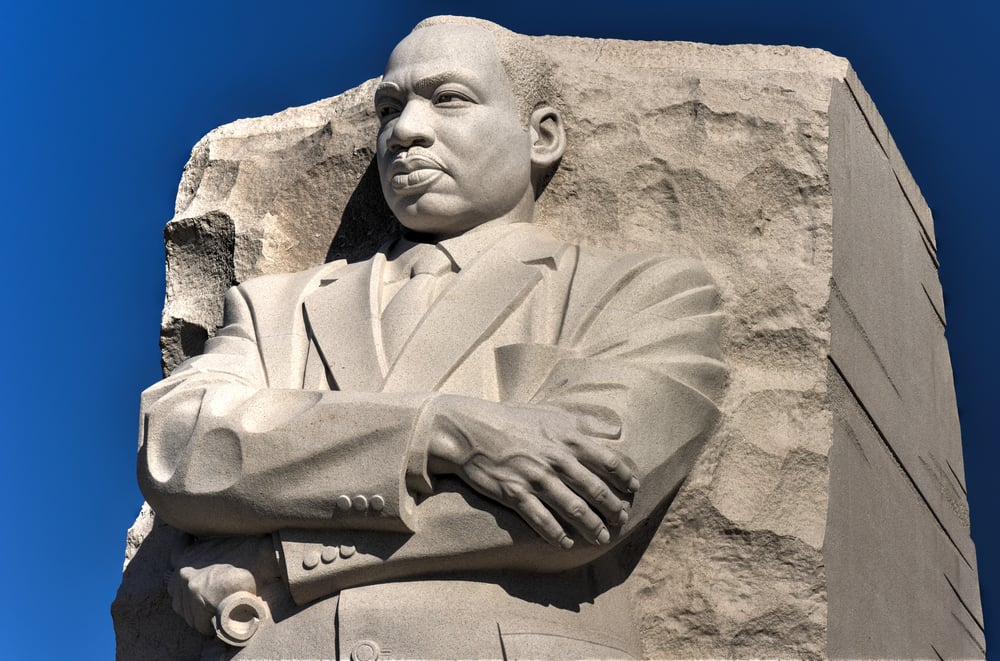
This statement challenges the comfort of delay. It rejects the argument that progress must wait for better timing, broader approval, or less resistance.
King understood that calls for patience often function as tools to preserve the status quo.
What gives the quote its staying power is its simplicity. It leaves no room for negotiation with conscience.
The phrase does not demand perfection or heroism, only action aligned with principle. In the present day, it resonates because many injustices are acknowledged but postponed.
King’s words collapse that distance. They argue that morality is not seasonal, political, or conditional.
‘Our lives begin to end the day we become silent about things that matter.’

This quote speaks to the cost of disengagement. King was not suggesting that silence ends physical life, but that it erodes purpose and integrity.
The statement reframes apathy as a form of loss rather than comfort.
Its resonance today lies in how easy silence has become. Overexposure to information can dull urgency, and constant outrage can lead to withdrawal.
King’s words cut through that fatigue. They suggest that speaking up is not only about changing the world, but about preserving one’s own sense of meaning.
The quote endures because it connects moral courage to personal vitality.
‘Darkness cannot drive out darkness; only light can do that.’

This line captures King’s philosophy of nonviolence with poetic clarity. Rather than framing justice as a battle of opposing forces, he framed it as a transformation.
Retaliation, in his view, only deepened harm rather than resolving it.
The quote resonates because it resists the instinct to mirror hostility with hostility. In moments of division, it offers an alternative rooted in discipline and restraint rather than passivity.
King did not equate nonviolence with weakness. He presented it as a deliberate moral strategy.
Today, the line continues to challenge narratives that confuse force with effectiveness.
‘We must accept finite disappointment, but never lose infinite hope.’

This quote acknowledges reality without surrendering to it. King understood that progress is uneven and often painful.
Victories are partial, setbacks are real, and disappointment is unavoidable.
What makes the line endure is its balance. It neither denies hardship nor glorifies suffering.
Instead, it insists that hope must outlast discouragement. In the present, this resonates with people navigating slow change and repeated setbacks.
The quote offers a framework for endurance, suggesting that hope is not naive optimism, but a disciplined refusal to give up.
‘Faith is taking the first step even when you don’t see the whole staircase.’
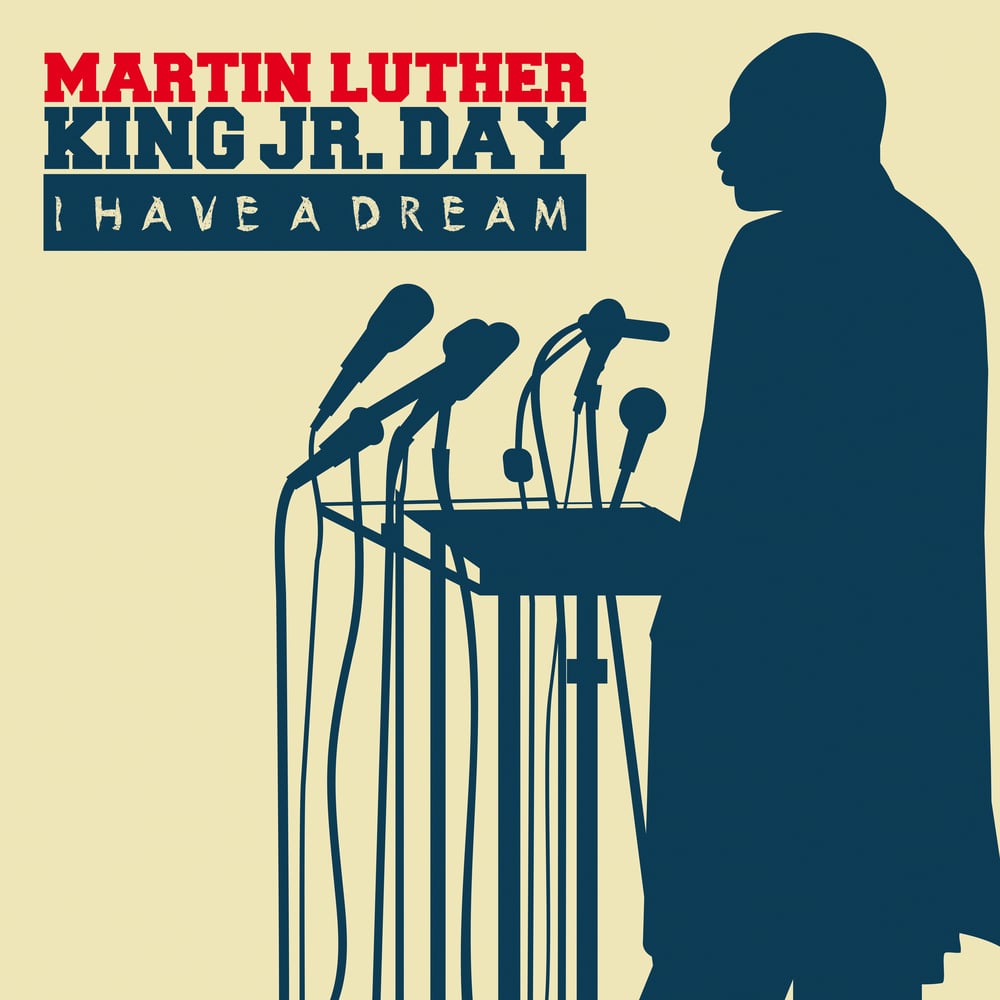
This metaphor reflects King’s grounding in spiritual conviction, but its reach extends far beyond religion. It speaks to action taken without guarantees, progress made without full visibility.
The quote resonates because uncertainty defines much of modern life. People are often asked to act without clear outcomes, whether in social change, personal growth, or collective responsibility.
King’s words validate that discomfort. They frame uncertainty not as a reason to stop, but as a condition of meaningful movement.
The line endures because it offers courage without certainty.
‘A genuine leader is not a searcher for consensus but a molder of consensus.’
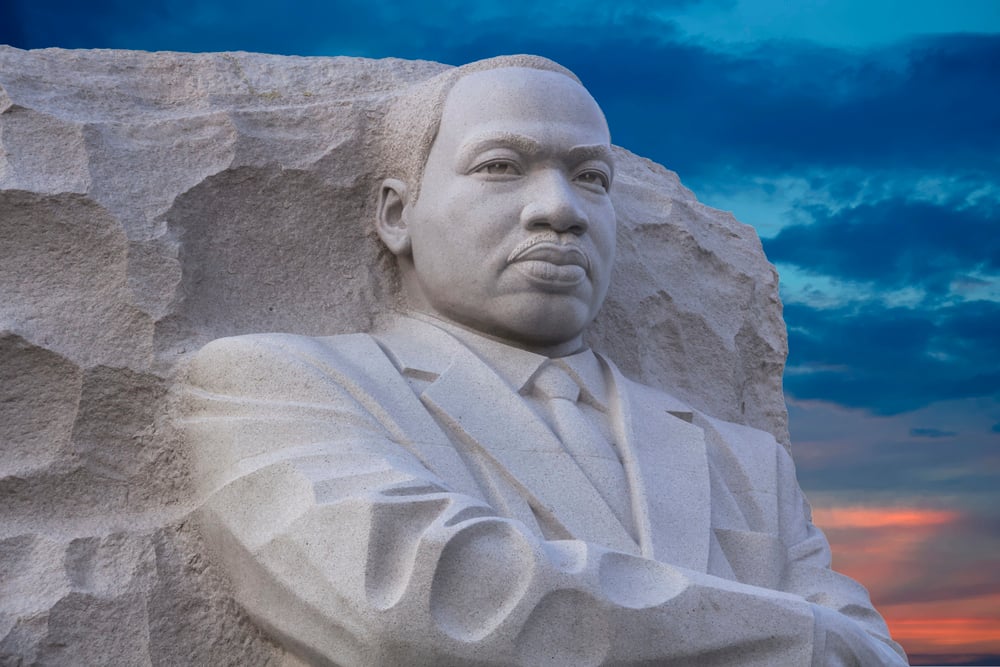
This statement reframes leadership as responsibility rather than popularity. King understood that justice often requires moving ahead of public opinion, not waiting for it.
Its relevance today lies in a climate where approval is frequently measured in numbers rather than impact. The quote challenges leaders to shape values rather than chase them.
It also challenges communities to recognise leadership that may initially feel uncomfortable. King’s words endure because they remind us that progress often begins before agreement.
‘The arc of the moral universe is long, but it bends toward justice.’

Perhaps one of King’s most cited lines, this quote is often misunderstood as passive reassurance. In reality, King believed the arc bends because people pull it.
The quote resonates when viewed correctly, not as inevitability, but as responsibility. It suggests that justice requires sustained effort across generations.
In the present, it offers perspective without complacency. The arc bends slowly, and only through continued pressure.
That tension between patience and action is why the line continues to matter.
‘Everybody can be great, because anybody can serve.’

This quote expands the definition of greatness beyond status or recognition. King redefined impact as service, available to anyone regardless of position.
Its endurance comes from its accessibility. The line does not lower the standard of greatness.
It broadens it. In a culture that often equates value with visibility, the quote restores dignity to quiet contribution.
It resonates today because it decentralises change, placing responsibility and possibility in everyday choices rather than exceptional circumstances.
Why These Words Still Matter on MLK Day

Monday’s honor does not sit still. It moves. Words stay sharp, never softening with time. Delay gets called out.
Quiet moments feel heavy. What you say you believe must show up in what you do.
Action gives meaning. Without it, ideals drift.
Truth pushes back against waiting. Doing matters more than repeating phrases.
Honor lives in motion, not monuments. Stillness hums behind these words – not polish, but purpose. Not meant for applause.
Meant for motion. Returning yearly isn’t about echoing phrases.
It’s weighing what we’ve done when they spoke. Power hides there. Buried in doing.
More from Go2Tutors!

- The Romanov Crown Jewels and Their Tragic Fate
- 13 Historical Mysteries That Science Still Can’t Solve
- Famous Hoaxes That Fooled the World for Years
- 15 Child Stars with Tragic Adult Lives
- 16 Famous Jewelry Pieces in History
Like Go2Tutors’s content? Follow us on MSN.