Life in Ancient Rome Versus Modern City Living
Picture this: you’re stuck in traffic, scrolling through your phone, wondering how your great-great-great (add about 60 more greats) grandparents managed to survive without Wi-Fi and delivery apps. The truth is, urban living has been a fascinating experiment for thousands of years, and comparing ancient Rome to today’s cities reveals just how much has changed — and surprisingly, how much hasn’t.
From the way people navigate crowded streets to how they entertain themselves after dark, the parallels between Roman city life and modern urban existence might leave you questioning whether humans have evolved as much as our technology suggests.
Housing And Living Conditions
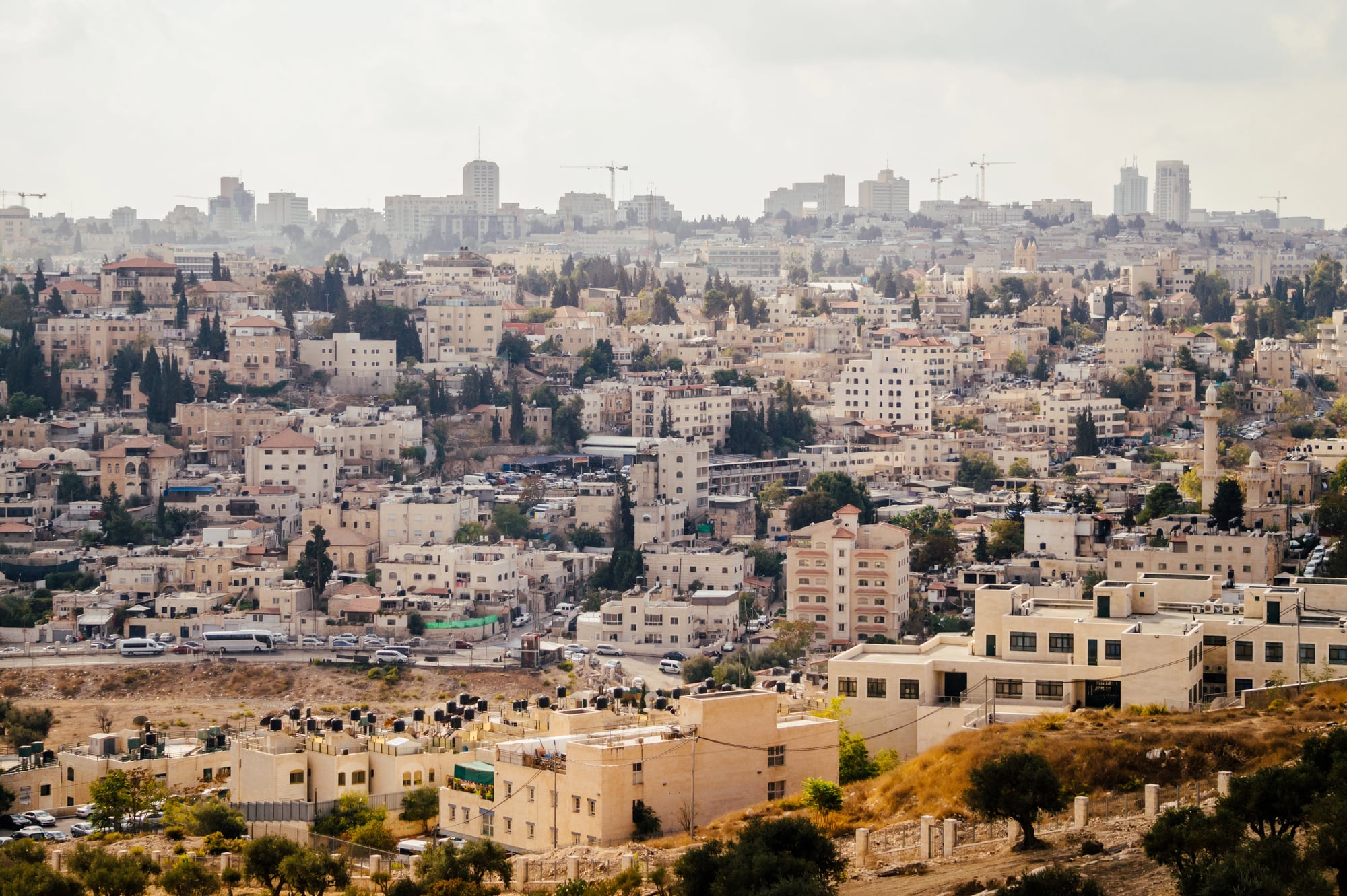
Ancient Romans lived vertically. Sound familiar?
The wealthy occupied ground-floor domus with courtyards. Everyone else climbed stairs to cramped apartments called insulae.
Six stories high, paper-thin walls, no elevators. Most people today complaining about their studio apartment have never tried sharing two rooms with an entire family while the building occasionally collapsed.
Transportation And Traffic
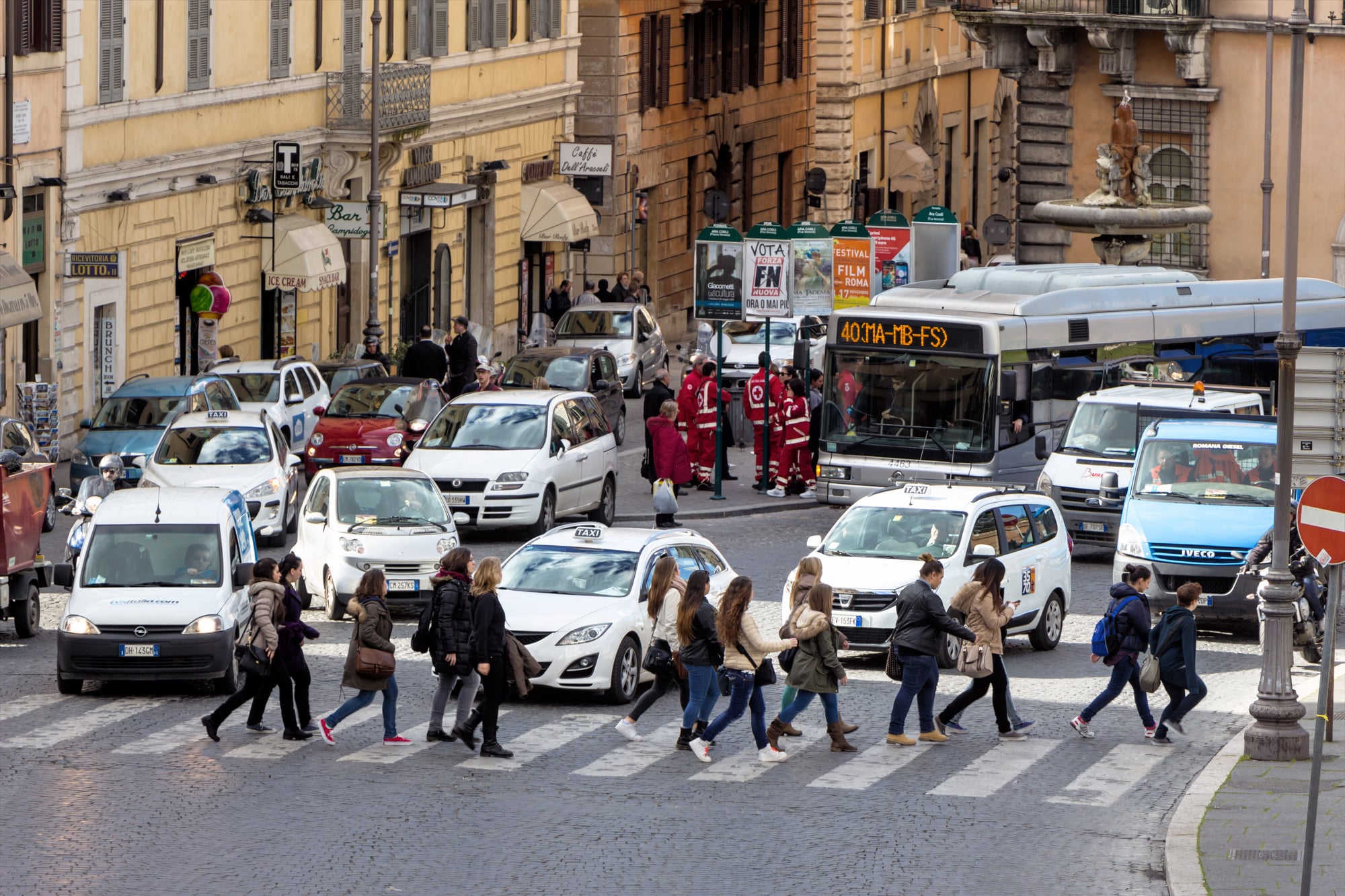
Roman streets were absolute chaos — which is saying something, considering anyone who’s driven through downtown Manhattan might think they invented traffic jams. Chariots, carts, pedestrians, and livestock all competed for the same narrow stone pathways, creating gridlock that would make rush hour on the 405 look organized.
The Romans actually banned wheeled traffic during daylight hours in the city center (take notes, modern urban planners), but this just meant the noise shifted to nighttime when delivery carts rumbled over cobblestones. So Romans got the worst of both worlds: daytime pedestrian chaos and nighttime noise pollution.
At least they didn’t have car alarms going off at 3 AM, though the occasional donkey probably wasn’t much quieter.
Work And Commerce

There’s something oddly tender about how both ancient Romans and modern city dwellers wake up each morning and trudge toward their version of making a living. Romans had their workshops and stalls lining busy streets — the barber working next to the baker, next to the blacksmith, each craft showing into the next in a symphony of productivity and survival that modern strip malls try to replicate but never quite capture.
The rhythm was different then: Romans worked with the sun, their day shaped by light rather than artificial deadlines, but the fundamental dance remained the same. People gathered, exchanged goods, argued over prices, and went home tired.
And just like today’s gig economy, many Romans pieced together income from multiple sources — a potter might also sell bread, a scribe might moonlight as a tutor. The hustle, it turns out, isn’t nearly as modern as people think.
Social Entertainment And Leisure
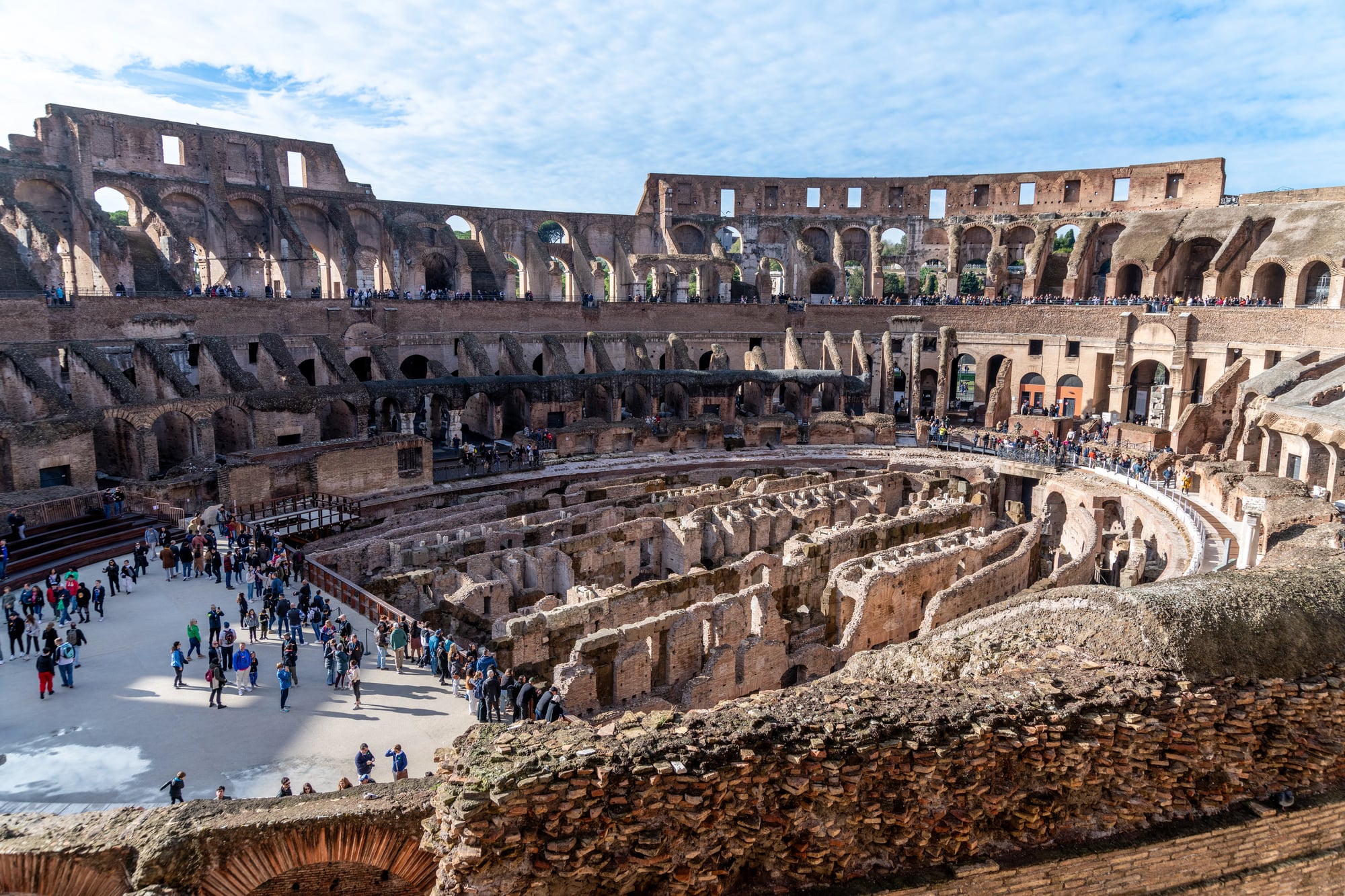
Romans threw better parties than anyone gives them credit for. The Colosseum wasn’t just a stadium — it was free entertainment for 50,000 people who needed distraction from cramped apartments and long working hours.
Modern cities offer concerts, sports, and festivals, but Romans got gladiators and wild animal hunts with their afternoon off.
Public baths served as social clubs, gyms, and gossip centers all rolled into one. People spent hours there not just getting clean, but networking, conducting business, and catching up on city drama.
The closest modern equivalent might be coffee shops, but even Starbucks doesn’t offer massages and hot pools. Romans understood that leisure needed to be communal to be worthwhile.
Sanitation And Public Health
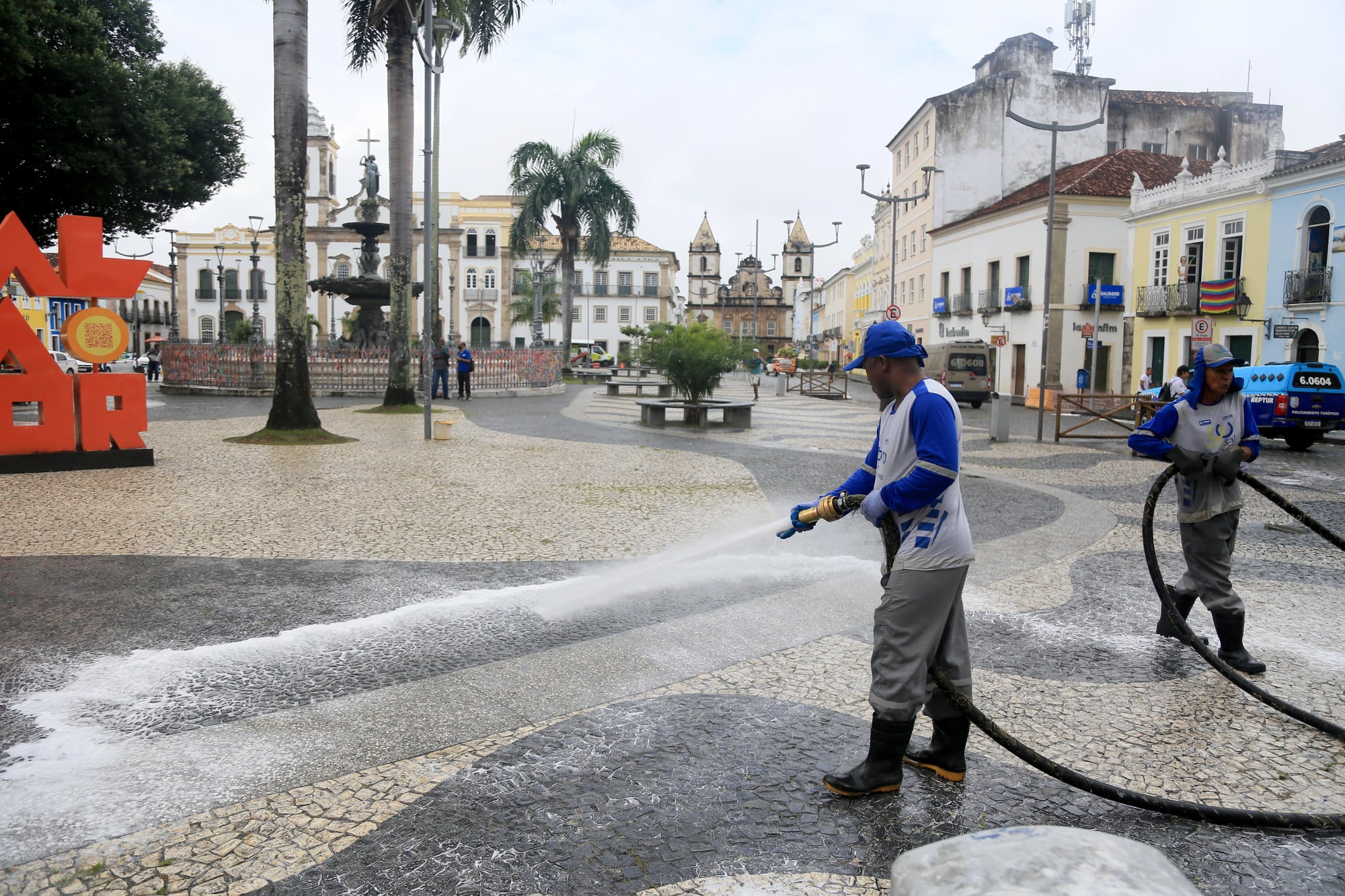
Roman engineering was absurdly advanced — and yet most people still lived in conditions that would horrify a modern health inspector. The famous aqueducts brought fresh water to the city (something many contemporary cities still struggle with), but that water rarely made it to upper floors of apartment buildings, leaving residents to haul buckets up narrow staircases or rely on street-level fountains.
The sewage system was revolutionary for its time, but only connected to wealthy homes and public buildings. Everyone else used chamber pots or public latrines — shared stone benches with openings, no privacy, and social conversations that would make modern bathroom etiquette seem paranoid by comparison.
So while Romans pioneered urban infrastructure, the benefits were distributed about as evenly as high-speed internet in rural areas today. The rich got convenience; everyone else got creative.
Food And Dining
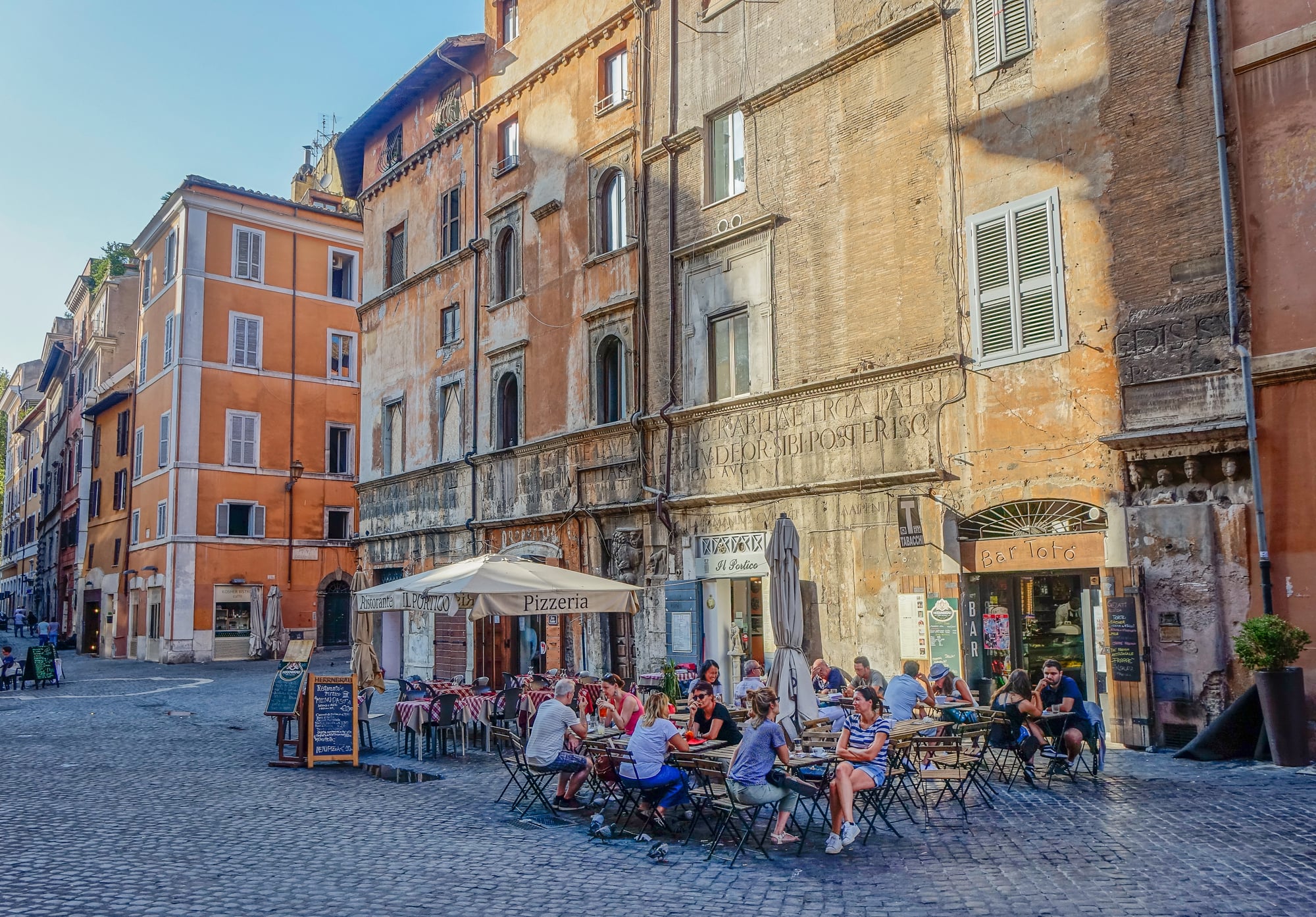
Street food ruled ancient Rome. Vendors lined every major thoroughfare selling hot sausages, bread, and wine from small stalls.
Most apartment dwellers couldn’t cook at home — too dangerous and not enough space — so they ate out for nearly every meal. Sound familiar?
The quality varied wildly. Wealthy Romans enjoyed elaborate dinner parties with multiple courses and imported delicacies.
Poor Romans grabbed whatever was cheap and filling from the nearest thermopolium. Modern food trucks and corner delis operate on essentially the same model: quick, affordable meals for people too busy or too broke to eat anywhere fancy.
Crime And Safety

Ancient Rome after dark belonged to a different species of human entirely — the kind that carried knives and wasn’t particularly concerned with your evening plans. Streets turned dangerous once the sun disappeared, partly because there was no public lighting and partly because law enforcement was, to put it generously, inconsistent.
Romans with money hired bodyguards or simply stayed home after sunset (which explains why dinner parties started so early). The poor took their chances or traveled in groups, developing the same urban survival instincts that modern city dwellers recognize: walk with purpose, avoid certain neighborhoods, stay alert.
The tools have changed — pepper spray instead of short swords — but the fundamental calculations remain identical. Cities concentrate opportunity and danger in equal measure, and people adapt accordingly.
But here’s what’s fascinating: Romans dealt with petty theft, con artists, and violent crime using almost exactly the same strategies modern urbanites use. They learned which areas to avoid, developed networks of trust within their neighborhoods, and accepted a certain level of risk as the price of city living.
Human nature, it turns out, doesn’t evolve nearly as quickly as architecture.
Noise And Urban Environment
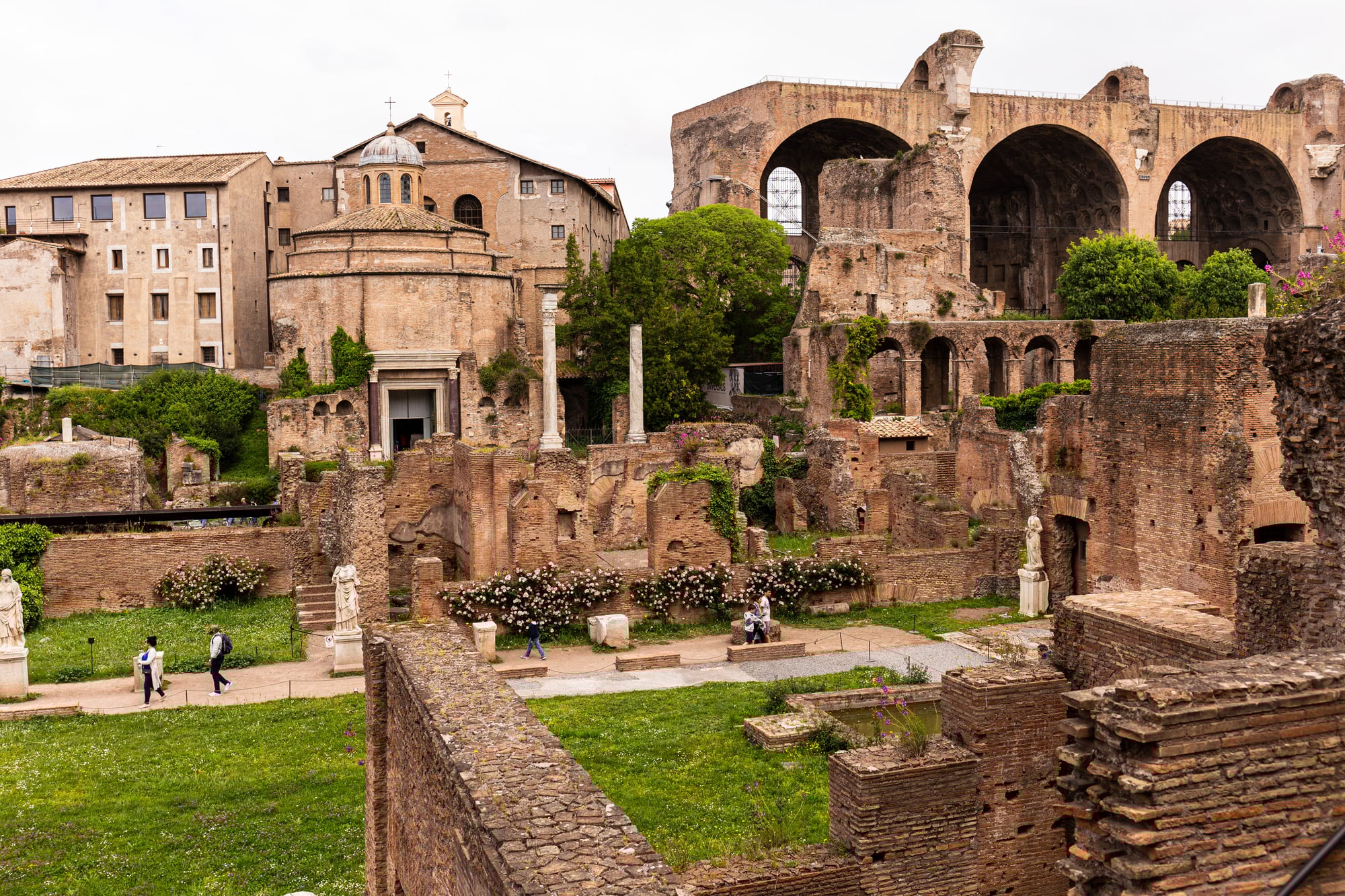
Roman cities were loud in ways that would make contemporary noise ordinances look quaint. Blacksmiths hammered metal, vendors shouted prices, animals brayed, and cart wheels clattered over stone streets at all hours.
Add in the sounds of construction (Romans were always building something), public announcements being bellowed from street corners, and the general chaos of half a million people living in close quarters.
Modern cities traded anvils for car horns, donkeys for sirens, but the fundamental challenge remains the same: too many humans making noise in too small a space. Romans learned to sleep through it, just like New Yorkers learn to tune out traffic.
The human capacity for adaptation apparently includes developing selective hearing.
Political Participation

Romans invented political theater — literally staging public spectacles to win votes and maintain power. Citizens gathered in forums to hear speeches, watch debates, and participate in the messy business of democracy.
Modern cities offer town halls, protests, and endless opportunities for civic engagement, but Romans made politics into entertainment that people actually wanted to attend.
The class divisions were more explicit then. Patricians had different rights than plebeians, and slaves had no political voice at all.
Modern cities still struggle with inequality, but at least the barriers are legal rather than explicitly hereditary. Romans would probably find modern voter turnout puzzling — they fought for centuries to expand political participation, while many contemporary citizens skip elections entirely.
Economic Inequality

Wealth gaps in ancient Rome would make modern income inequality look modest. Senators lived in marble-columned mansions with dozens of servants while craftsmen shared single rooms with their entire families.
There was no middle class as we understand it — just varying degrees of wealth and poverty with very little mobility between them.
Modern cities offer more economic opportunities and social safety nets, but the basic geography of inequality remains familiar. Rich Romans lived in desirable neighborhoods with better amenities; poor Romans got stuck with whatever they could afford.
Today’s gentrification and housing costs follow patterns that Roman real estate speculators would recognize immediately. Location, location, location worked the same way 2,000 years ago.
Education And Literacy

Roman education was a luxury good. Wealthy families hired private tutors; poor families sent their children to work as soon as they were physically capable.
Literacy rates were probably around 10-15% — high for the ancient world, but laughably low by modern standards.
What’s interesting is how Romans valued education despite limited access to it. Parents who could afford schooling invested heavily, understanding that literacy and rhetoric opened doors to better opportunities.
Modern cities have democratized education through public schools and libraries, but the underlying dynamic remains unchanged: knowledge is power, and parents still sacrifice to give their children educational advantages.
Religious And Cultural Diversity
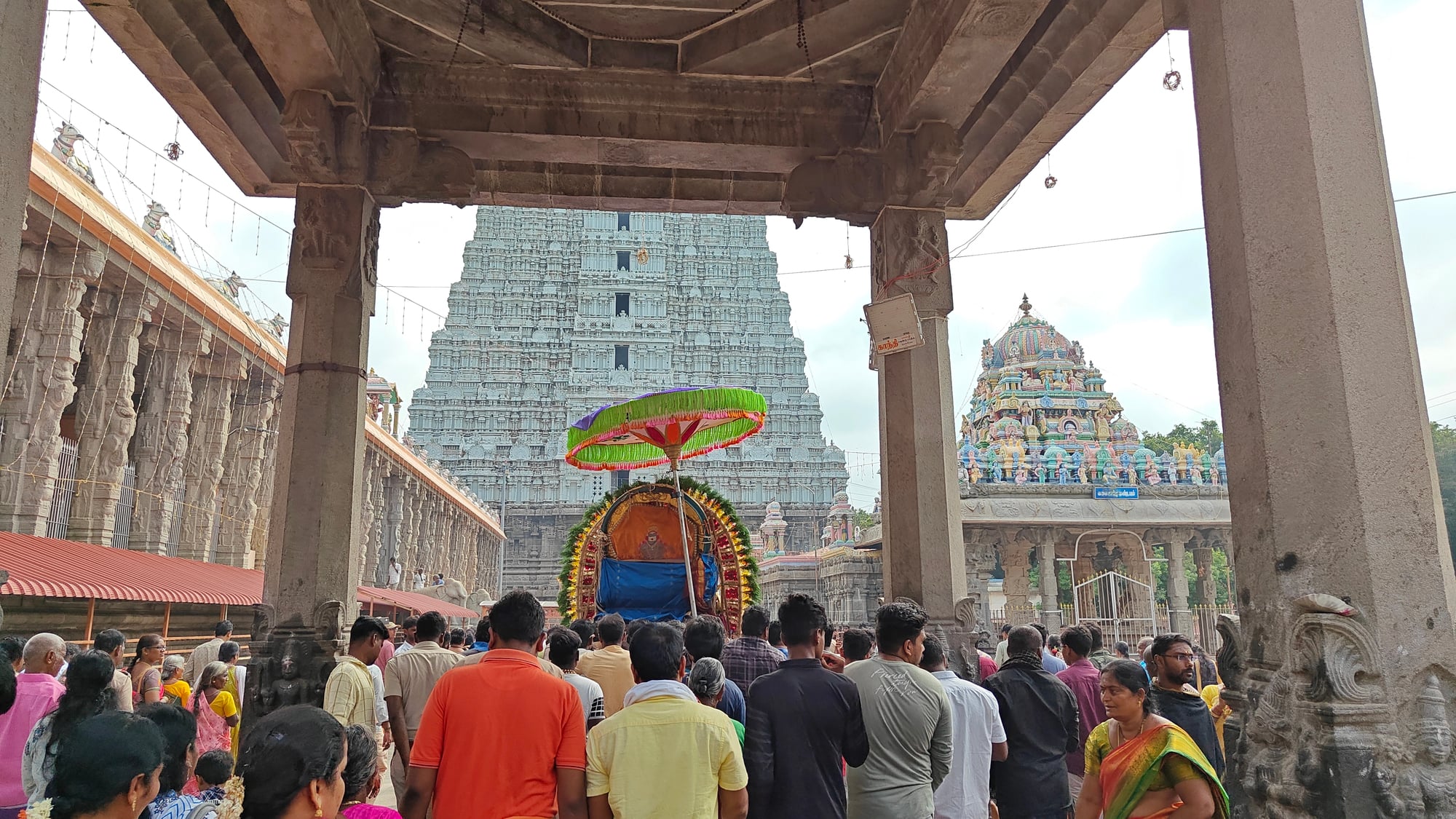
Ancient Rome was a melting pot that would make modern multicultural cities jealous. Romans worshipped dozens of gods, incorporated religious practices from conquered territories, and generally took a pragmatic approach to spirituality.
If a foreign deity seemed effective, Romans added it to their collection.
This created a religious marketplace not unlike what you’d find in contemporary urban areas. Temples, mystery cults, and philosophical schools competed for followers using many of the same strategies modern religious communities employ: community service, social networks, and promises of meaning in an otherwise chaotic world.
Romans were surprisingly tolerant of religious diversity — until Christianity came along and changed the rules entirely.
Looking Back, Moving Forward

The strangest thing about comparing ancient Rome to modern city living isn’t how different the two experiences are — it’s how similar they remain beneath the surface. Romans worried about rent, complained about traffic, sought entertainment after work, and tried to build decent lives in crowded, noisy, expensive places that simultaneously offered opportunity and frustration in equal measure.
They just did it without smartphones and air conditioning, which says something about either their resilience or their lack of better options.
Cities, it turns out, are fundamentally human experiments in organized chaos, and the basic challenges haven’t changed as much as the technology we use to address them. The Romans figured out urban living well enough to build an empire; modern city dwellers are still working on it.
More from Go2Tutors!

- The Romanov Crown Jewels and Their Tragic Fate
- 13 Historical Mysteries That Science Still Can’t Solve
- Famous Hoaxes That Fooled the World for Years
- 15 Child Stars with Tragic Adult Lives
- 16 Famous Jewelry Pieces in History
Like Go2Tutors’s content? Follow us on MSN.