Little-Known Things About Niagara Falls
Most people know Niagara Falls as that massive waterfall on the border between the US and Canada. The pictures look amazing, the mist rises hundreds of feet, and millions of tourists show up every year to see it.
But the falls hold plenty of secrets that don’t make it into the typical vacation snapshots or tour guide speeches. These details change how you see the place—not just as a natural wonder, but as something stranger and more complex than it first appears.
The Falls Run Backwards Sometimes
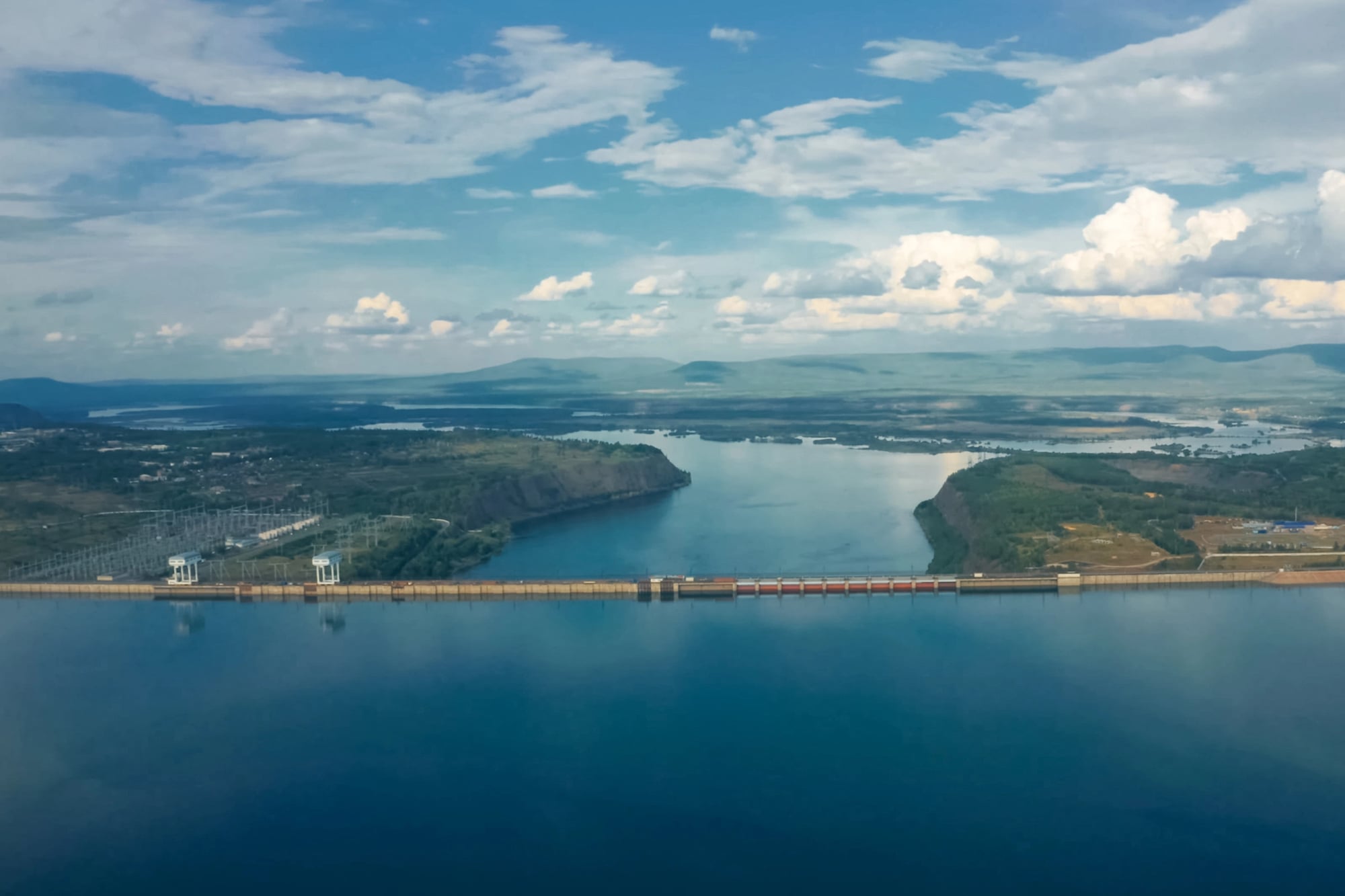
Engineers actually reverse the flow of water at night during low tourist seasons. They redirect more water through hydroelectric stations, which means less water goes over the falls.
You can’t see the difference easily, but the falls essentially get turned down like a dimmer switch. This happens to generate power when demand is high and preserve the rock face from excessive erosion.
The Niagara River never stops flowing, but humans control how much of it becomes that iconic cascade.
Fish Go Over the Falls Daily
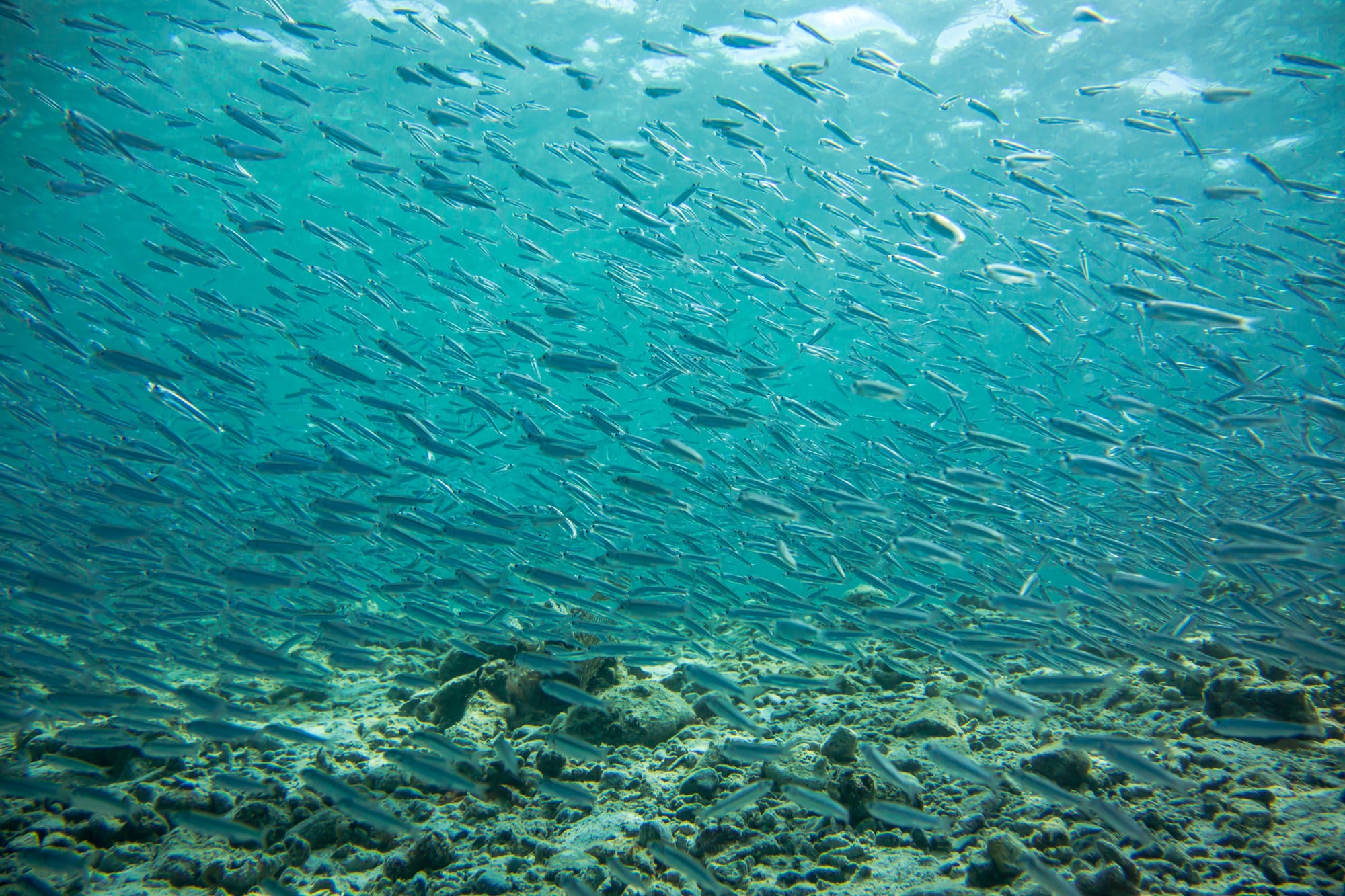
Thousands of fish take the plunge every day. Most of them survive.
The deep pool at the base cushions the fall, and fish don’t experience impact the same way larger animals do. Lake sturgeon, which can grow to six feet long, go over regularly and swim away just fine.
Scientists have found that about 90% of fish survive the trip. The unlucky ones usually die from injuries or stress, but the falls don’t work as the death trap you might imagine.
The Water Comes From Four Great Lakes
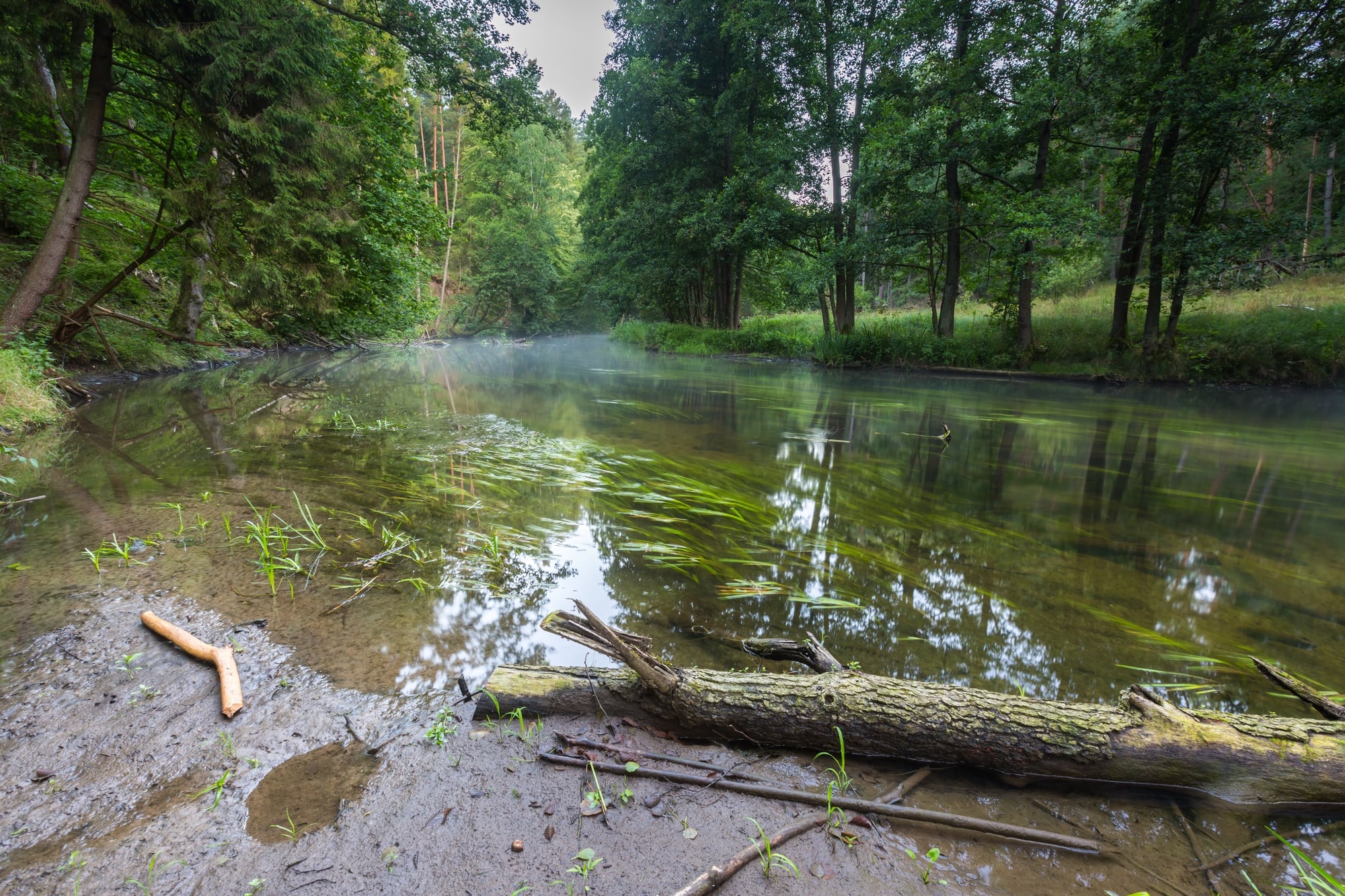
Lake Superior, Michigan, Huron – then Erie – all flow into the Niagara River before spilling down the falls toward Lake Ontario. So the water rushing by? It’s likely journeyed hundreds of miles across interconnected lakes.
Parts of it could’ve been swirling around these basins for years – even decades – before reaching this point. These drops serve as an outlet for about one out of every five gallons of freshwater on Earth’s surface.
Someone Survived the Falls in a Rubber Container

Annie Edson Taylor rode over Niagara Falls inside a wood barrel back in 1901. At age 63, she tried this daring move hoping for quick cash.
During the 167-foot plunge, the barrel kept her safe – she only got a tiny cut on her head. Despite surviving, she didn’t end up earning much at all.
Several folks have attempted this kind of thing over time – some made it, some didn’t. It’s against the law wherever you look along the boundary, yet a few still go ahead anyway.
The American Falls Almost Dried Up Once
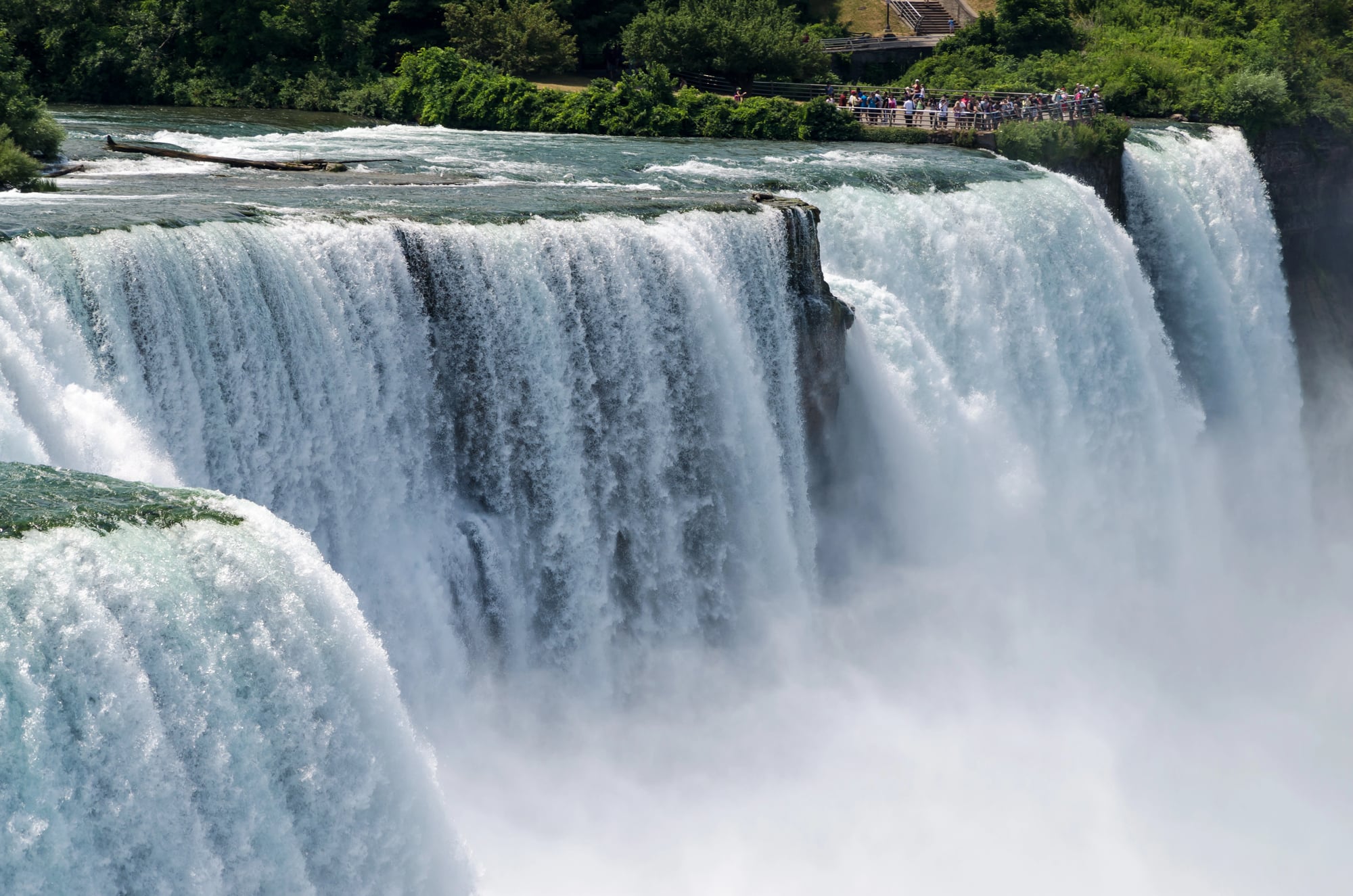
In 1969, the US Army Corps of Engineers put up a short-term dam, so water quit pouring over the American Falls for a few months. Their goal? To check out the cliff wall while clearing off shaky boulders that could lead to worse breakdowns later.
Visitors got to stroll across the bare river floor – seeing stuff usually buried under tons of fast-moving water. Down below, workers came across two dead people along with loads of change.
In the end, they figured it was best to leave those wobbly stones alone since the waterfall seemed more natural-looking with rubble piled at its foot.
Niagara Falls Is Moving Upstream
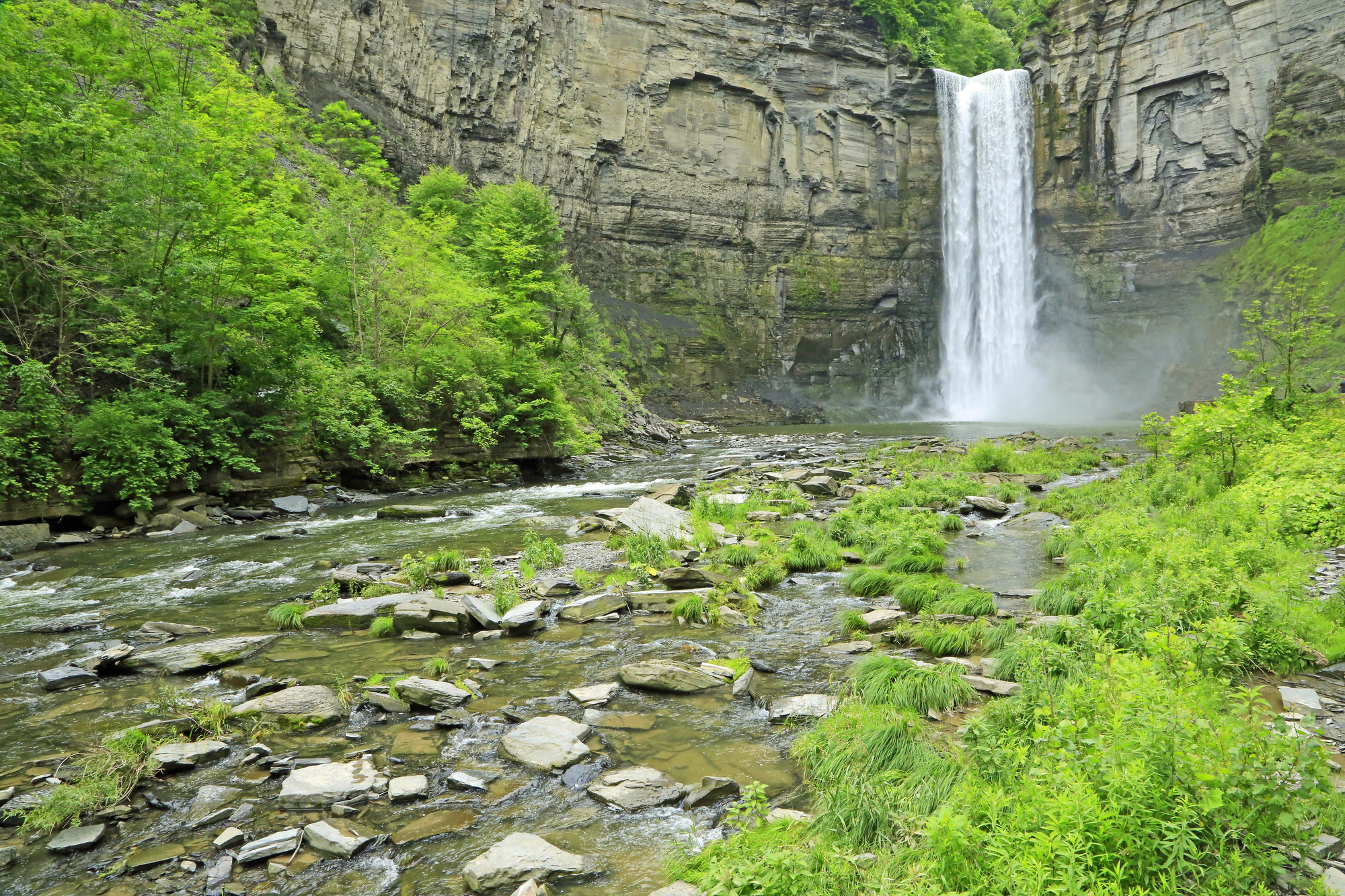
Erosion pushes the falls backward at a rate of about one foot per year. That doesn’t sound like much, but over thousands of years, it adds up.
The falls started near what’s now Lewiston, New York, about seven miles downstream from the current location. In another 20,000 years, the falls might erode all the way back to Lake Erie and disappear completely.
Engineers have slowed the erosion by reinforcing the rock face, but they can’t stop it entirely.
The First Person to Cross on a Tightrope Cooked an Omelet Halfway

Jean François Gravelet, known as The Great Blondin, walked across Niagara Gorge on a tightrope in 1859. He crossed multiple times, and during one crossing, he stopped in the middle, lowered a rope to a boat below, pulled up a small stove, and cooked an omelet while standing on the tightrope.
He ate it before finishing the walk. The stunts made him famous across Europe and America.
Other tightrope walkers followed, including one who crossed while wearing a sack over his head.
Winter Creates Massive Ice Bridges
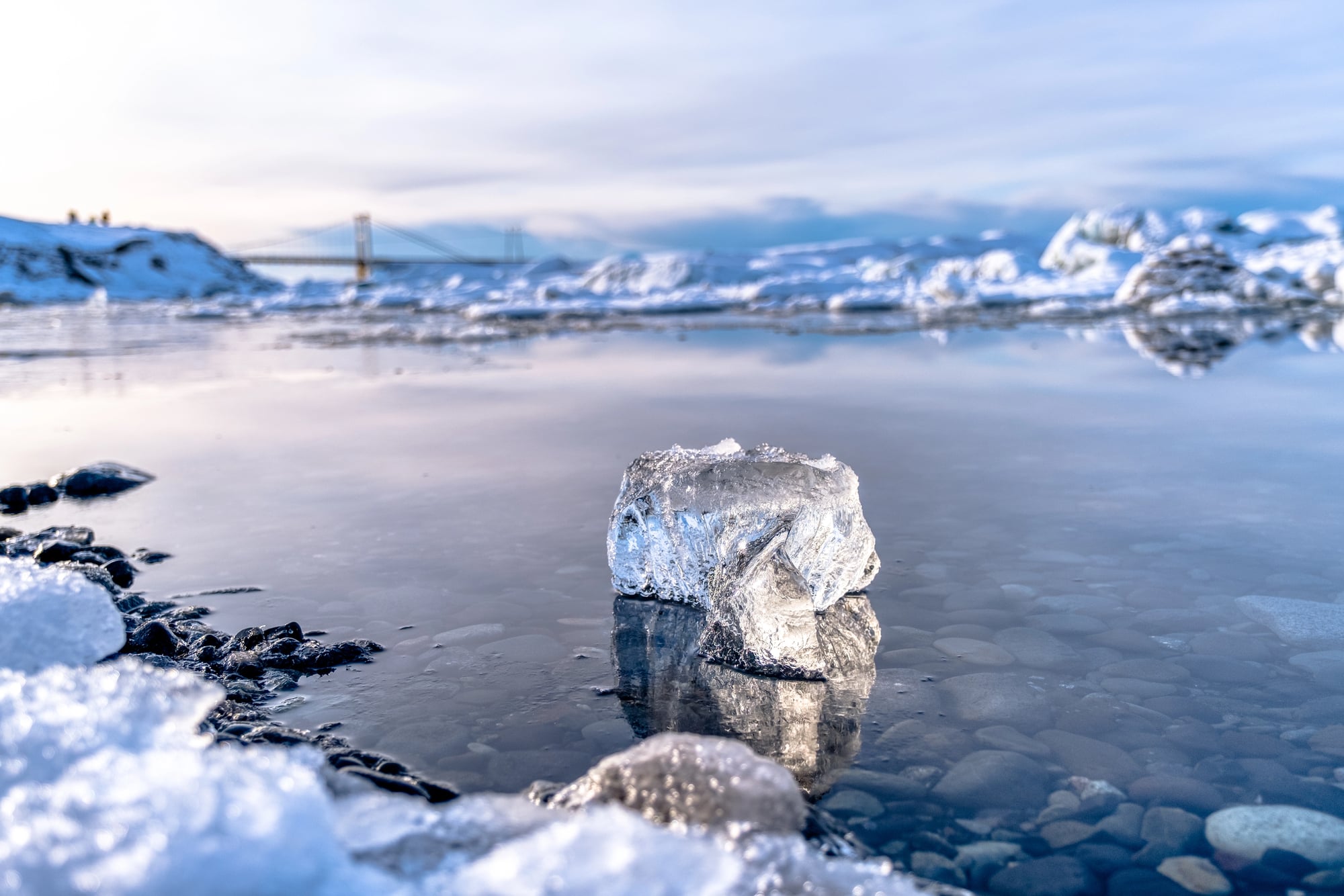
Before 1912, people used to walk across the Niagara River on ice bridges that formed at the base of the falls during harsh winters. Vendors set up shops on the ice, and tourists took photos standing on the frozen river.
In February 1912, the ice broke apart while people were on it, and three people died. Authorities banned walking on the ice after that.
The ice still forms, creating huge formations called ice mountains, but no one goes out there anymore.
The Maid of the Mist Boats Are Older Than You Think
The first Maid of the Mist boat started operating in 1846. The company has run continuously since then, except during World War II.
The boats were replaced regularly, but the same family operated the American side until 2013, when New York gave the contract to a different company. Passengers wear rain ponchos because the mist soaks everyone who gets close to the falls.
The boats approach the Horseshoe Falls so closely that the roar drowns out everything else.
Tesla and Westinghouse Built the First Power Plant Here
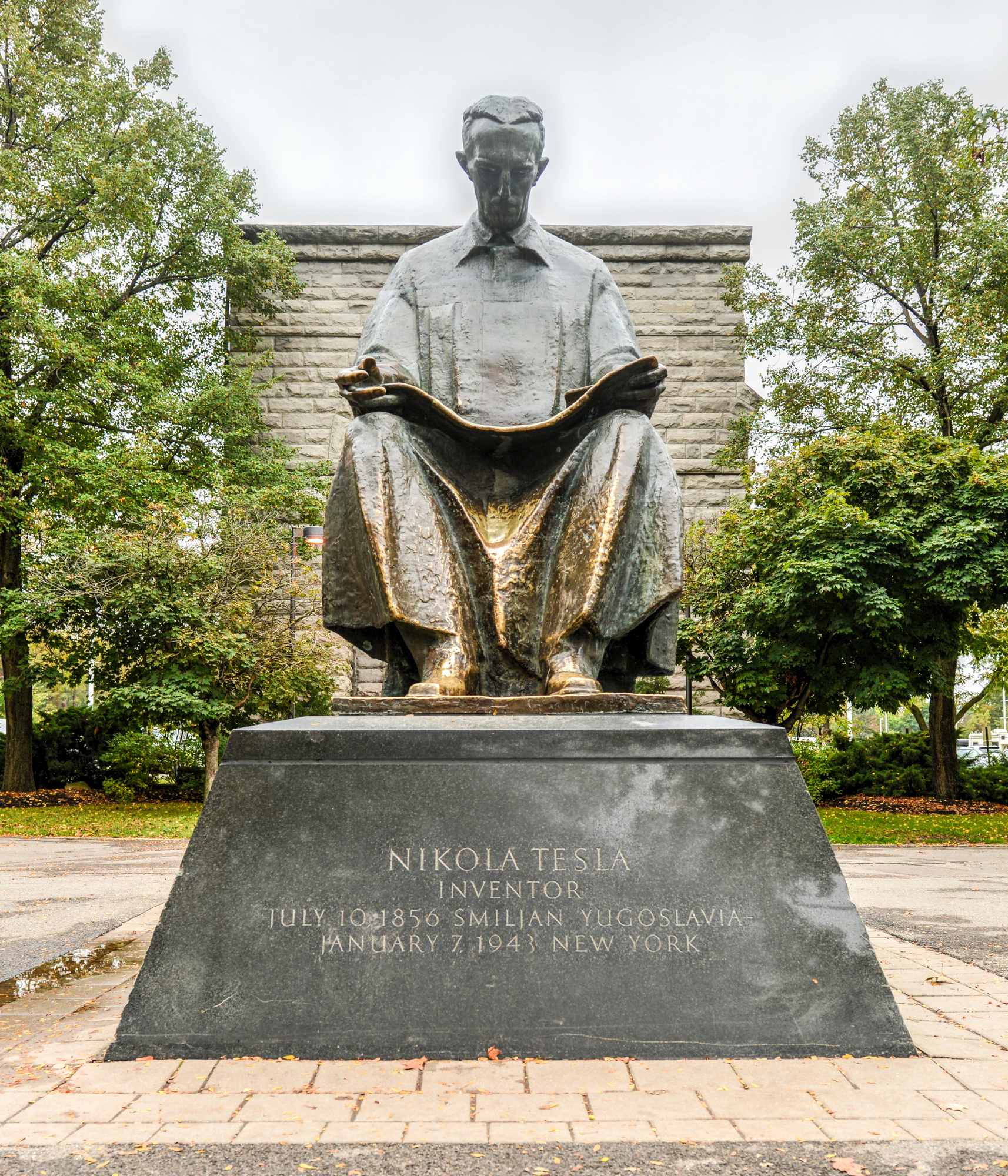
Nikola Tesla designed the AC generators that powered the first large-scale hydroelectric plant at Niagara Falls in 1895. George Westinghouse built the plant, and it sent electricity to Buffalo, New York, 26 miles away.
This proved that alternating current could transmit power over long distances, which changed how the world generates and uses electricity. The original plant still stands, though newer facilities handle most of the power generation now.
The falls produce about 4.4 million kilowatts of electricity today.
Honeymoon Capital Started With a Fake Story
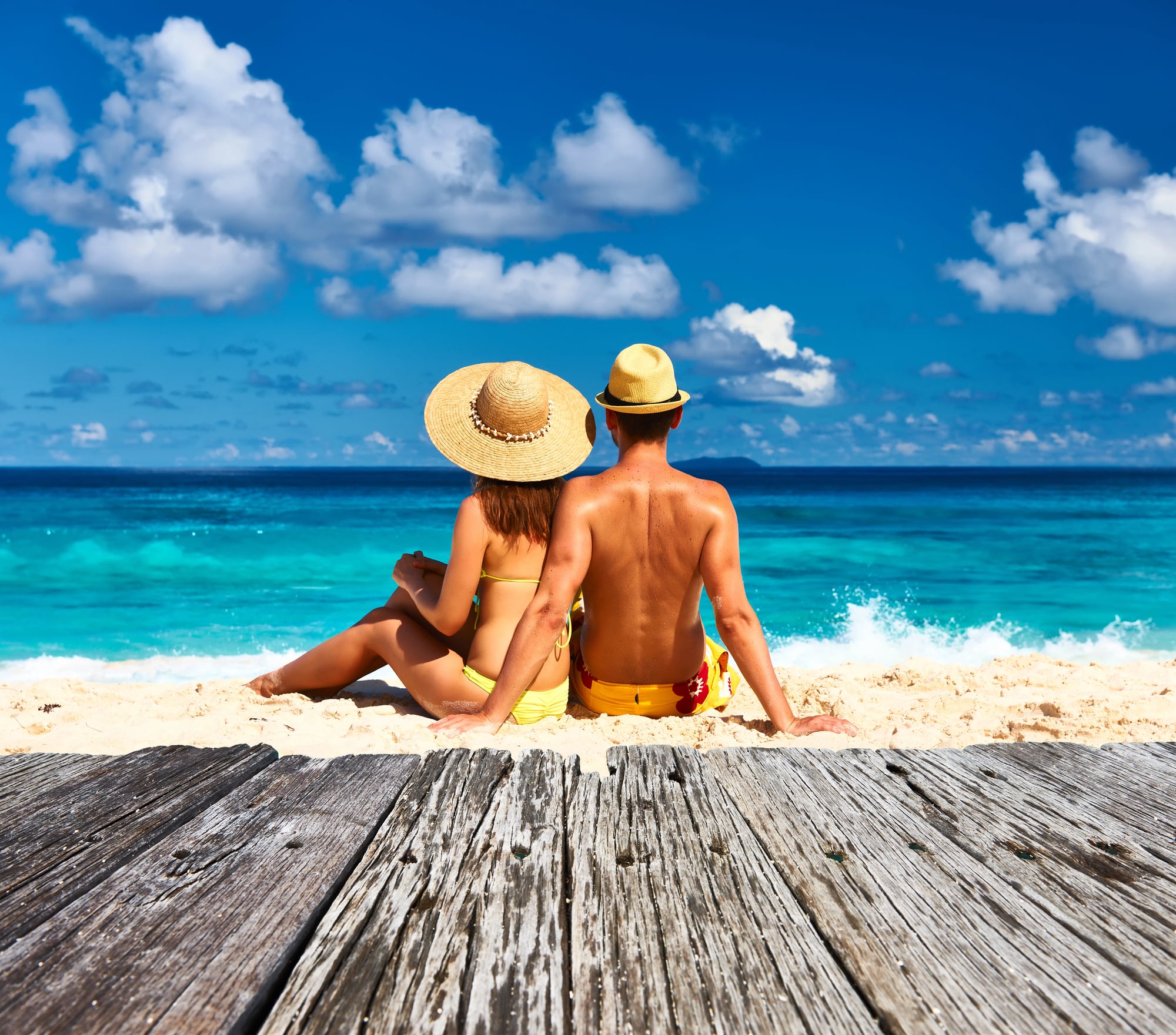
Niagara Falls became a honeymoon destination partly because of Napoleon Bonaparte’s brother, Jerome, who supposedly honeymooned there with his bride in 1804. The story spread through newspapers and travel guides, and newlyweds started flocking to the falls.
Historians now doubt whether Jerome actually visited Niagara during his honeymoon, but the tradition stuck anyway. Hotels marketed themselves as honeymoon destinations, and the reputation became self-fulfilling.
Millions of couples have honeymooned there since.
The Canadian Side Has a Better View
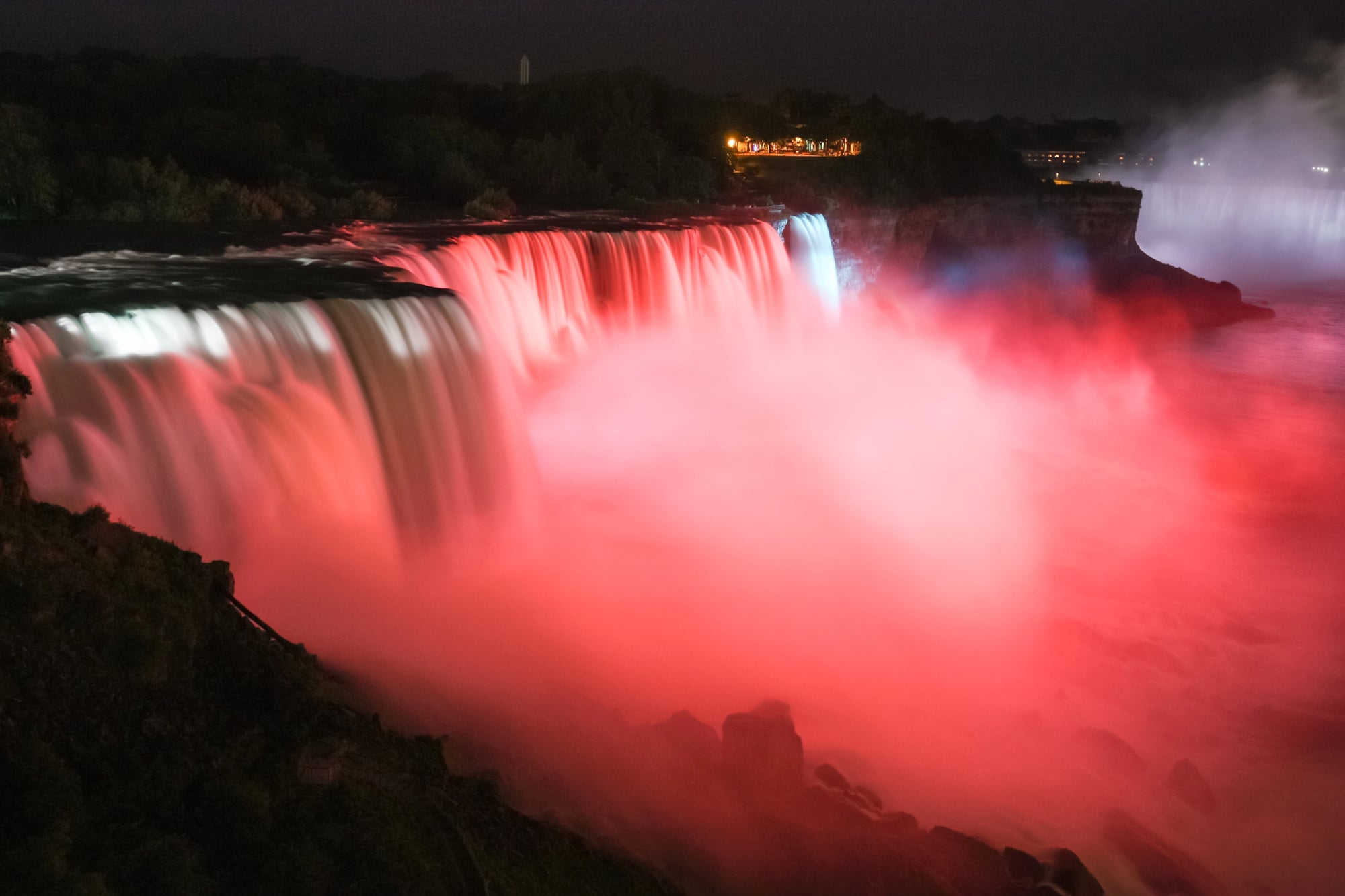
Everyone who visits agrees that the Canadian side offers the superior view. The Horseshoe Falls faces toward Canada, which means you see the full curve and power of the largest section.
The American side gives you a view from the side or top, which doesn’t capture the same drama. This geographic accident has made the Canadian side far more developed for tourism, with bigger hotels, more attractions, and a more commercial atmosphere.
Americans cross the border just to see their own falls from a better angle.
Barrel Rides Led to Some Strange Inventions

After Annie Edson Taylor went over in a barrel, other daredevils tried to improve on the design. People went over in a steel drum, a rubber container, and even a jet ski in 1995.
Bobby Leach went over in a steel barrel in 1911 and survived, only to die 15 years later from complications after slipping on an orange peel in New Zealand. Charles Stephens went over in a wooden barrel with an anvil tied to his feet for ballast in 1920—the barrel came up empty except for his right arm still strapped inside.
These attempts pushed the limits of what containers could protect a human body during that kind of fall.
The Falls Glow at Night
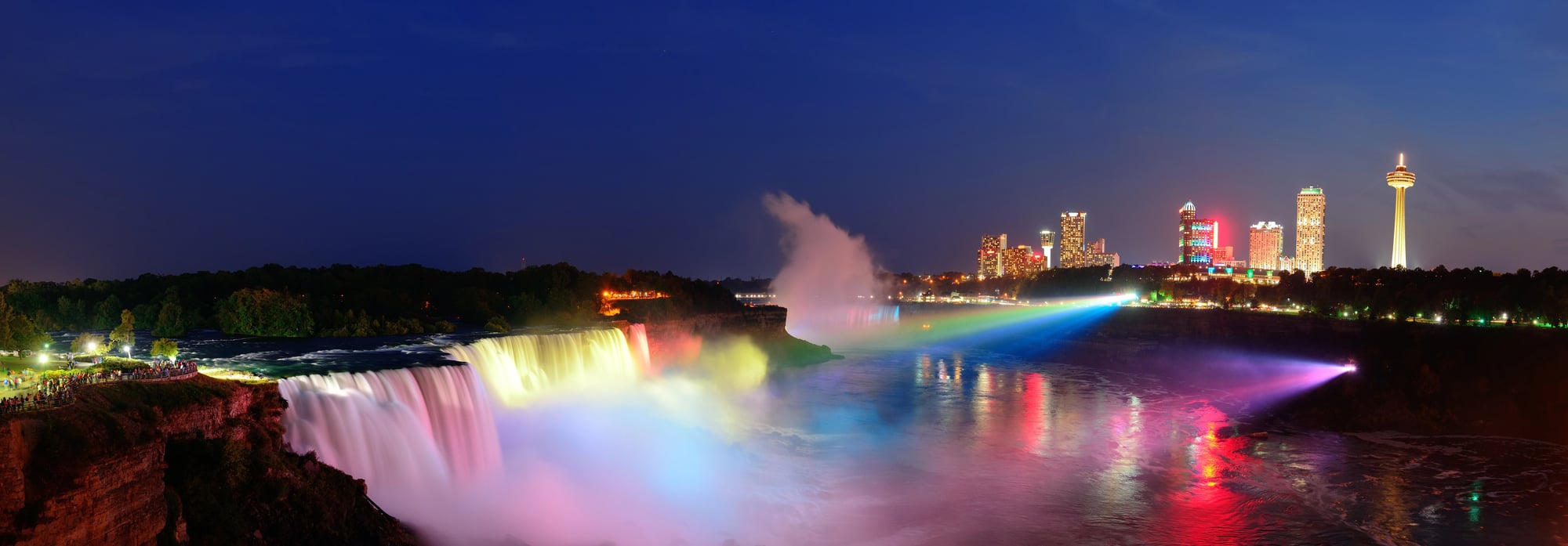
Colored lights light up Niagara Falls at night – this started back in 1925. Back then, they used carbon arc lamps giving off simple tones.
Today’s system uses LEDs mounted on both the U.S. and Canada side, blending changing hues all evening. These displays run daily no matter the season, transforming rushing foam into waves of blue, green, pink, or red.
Crowds gather each night, checking it out from viewing spots or eateries along the canyon edge.
Where the Mist Settles
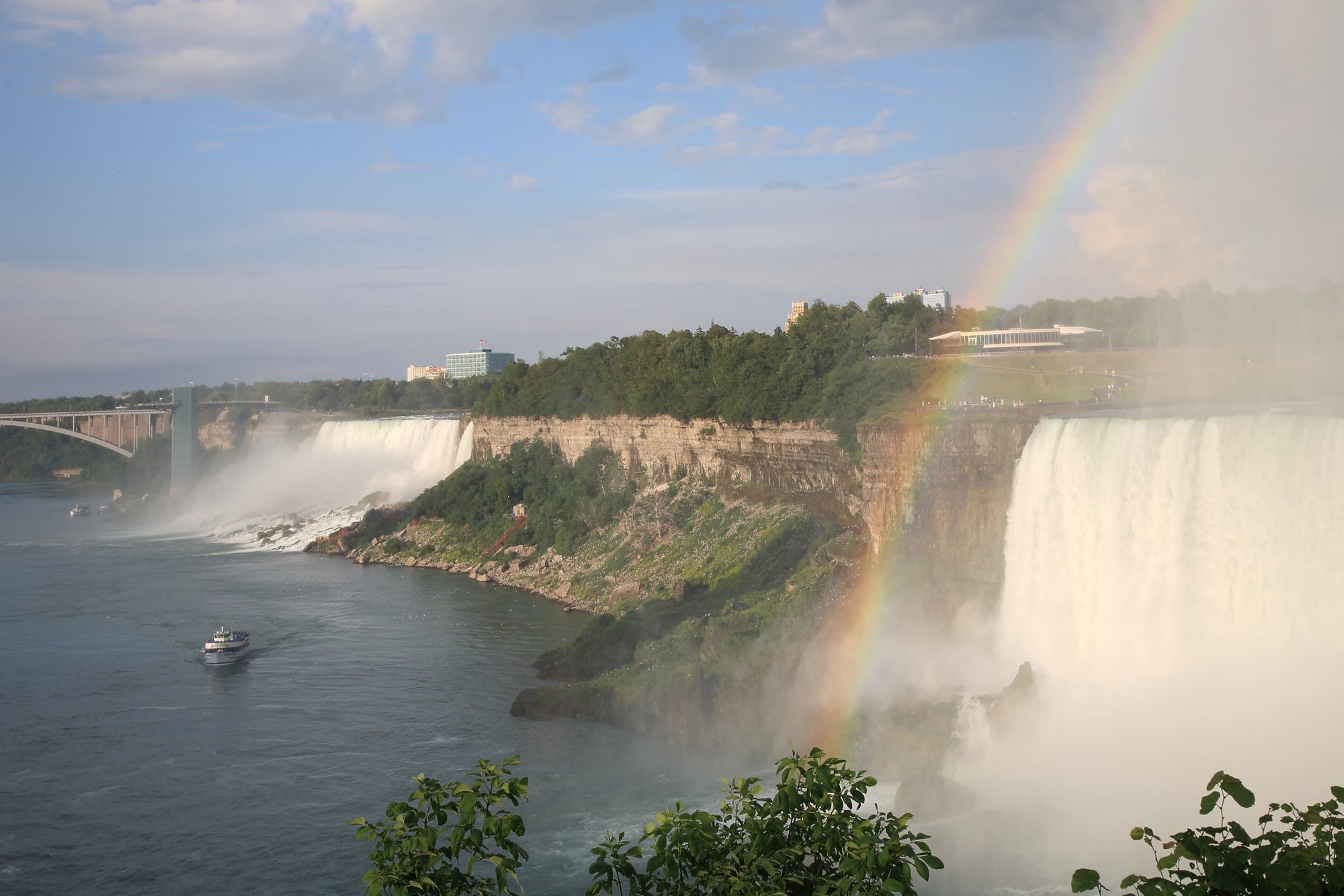
The mist from the falls stirs up tiny whirls nearby. On heavy-air days, you see water bits flying upward – hundreds of feet high – even visible from far off places.
This constant damp helps plants thrive here that normally couldn’t hack the northern cold. Certain fish, such as rainbows, adjusted to colder temps because of the moist, floating haze.
Now and then, the noise carries a crazy distance; people living near say they stop noticing – it blends into daily sound, sorta like distant traffic drone.
More from Go2Tutors!

- The Romanov Crown Jewels and Their Tragic Fate
- 13 Historical Mysteries That Science Still Can’t Solve
- Famous Hoaxes That Fooled the World for Years
- 15 Child Stars with Tragic Adult Lives
- 16 Famous Jewelry Pieces in History
Like Go2Tutors’s content? Follow us on MSN.