How Apollo 12 Changed Moon Science Forever
Even though Apollo 12 was only a few months after the first Moon landing, it was a scientific advance rather than merely a follow-up. Apollo 12 demonstrated that humans could land on the Moon with accuracy, purpose, and a focus on research, while Apollo 11 demonstrated that humans could land on the Moon and return safely.
Every choice, including the instruments and landing location, was made with the goal of advancing human knowledge of the lunar environment. What transpired was a mission that subtly changed how scientists investigate planetary bodies worldwide, not just the Moon.
Here are 13 ways that Apollo 12 permanently altered the field of moon science.
The First Precision Landing
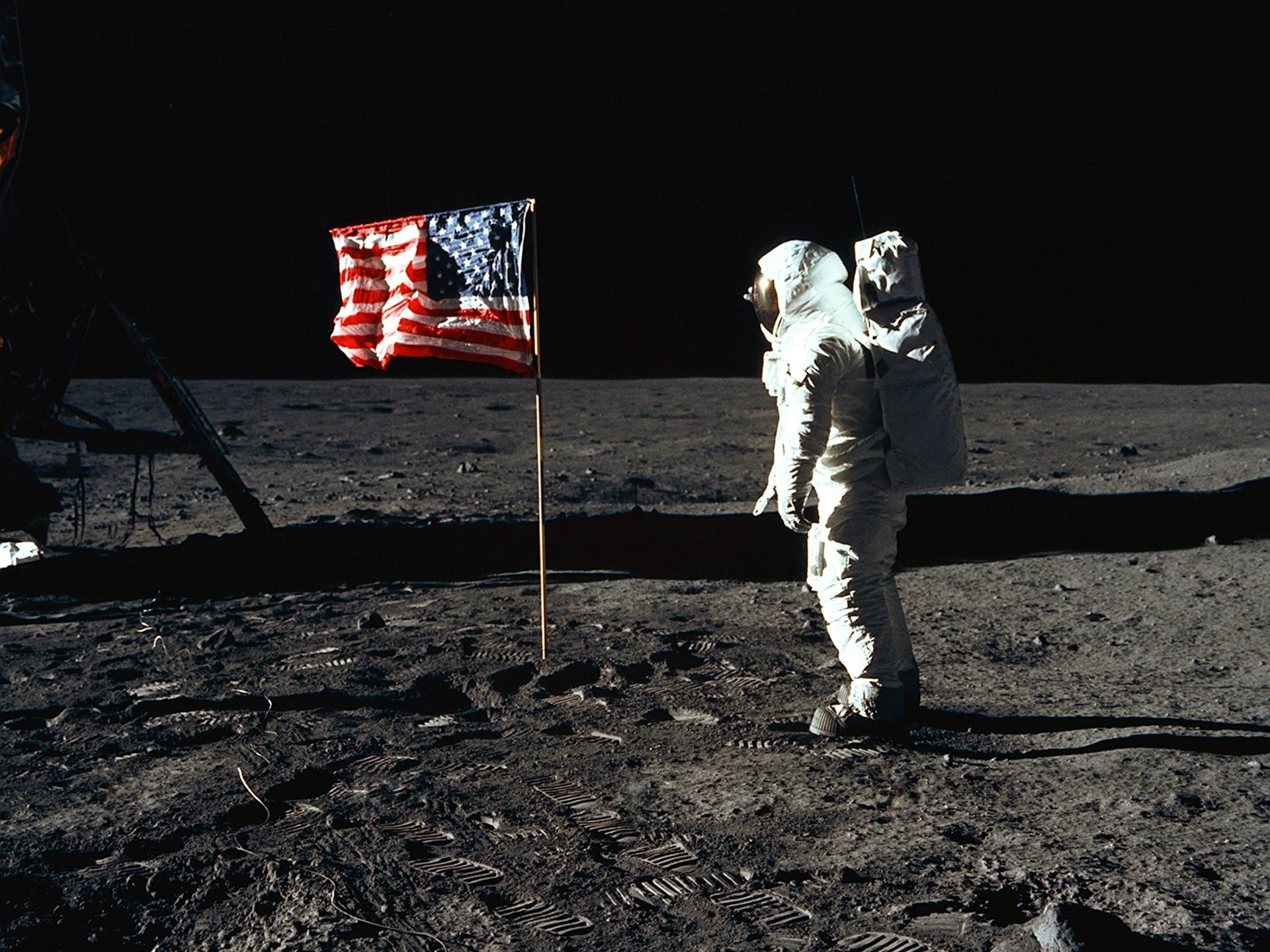
Apollo 12 was the first lunar mission to demonstrate an exact landing. The astronauts touched down less than 600 feet from the unmanned Surveyor III probe, a feat of navigation that showed NASA could target specific regions on the lunar surface.
This precision changed how future missions were planned, allowing landings near scientifically rich areas rather than just safe, flat terrain. It marked the beginning of purposeful exploration instead of cautious experimentation.
The landing also gave NASA immense confidence in its computer-guided targeting systems—technology that would later become essential for planetary landings on Mars and beyond.
Revisiting Surveyor III
The visit to Surveyor III was more than a symbolic stop—it became one of Apollo 12’s biggest scientific bonuses. The crew dismantled and brought back parts of the spacecraft, including its camera, giving scientists a chance to examine how two and a half years of lunar exposure affected manmade materials.
The study revealed insights about radiation damage, thermal cycling, and micrometeorite impacts, helping engineers design better spacecraft for deep-space endurance. It was the first time scientists could directly measure how hardware survived long-term in another world’s harsh environment—a preview of the durability challenges facing modern space probes.
The First Lunar Science Station
Apollo 12 carried the most advanced package of experiments yet—the Apollo Lunar Surface Experiments Package, or ALSEP. It included a seismometer, magnetometer, heat flow probe, and instruments for studying the solar wind.
Once activated, the station sent data back to Earth for years after the crew returned home. It turned the Moon into a living laboratory and set the blueprint for every Apollo mission that followed.
For scientists, ALSEP proved that even short human missions could produce data that lasted a decade—laying the foundation for today’s long-term planetary observation programs.
The Moon That Rang
After departing the Moon, the astronauts intentionally crashed the ascent stage of their lunar module into the surface. The seismometer they had left behind recorded the impact in stunning detail.
The vibrations lasted for almost an hour, prompting scientists to describe the Moon as ‘ringing like a bell.’ The discovery revealed that the Moon’s crust was rigid and fractured rather than molten, challenging assumptions about its interior composition.
This single event changed the trajectory of lunar geology by proving the Moon wasn’t geologically dead—it was simply a different kind of world, one shaped by collisions and ancient heat rather than ongoing activity.
Discovering Moonquakes
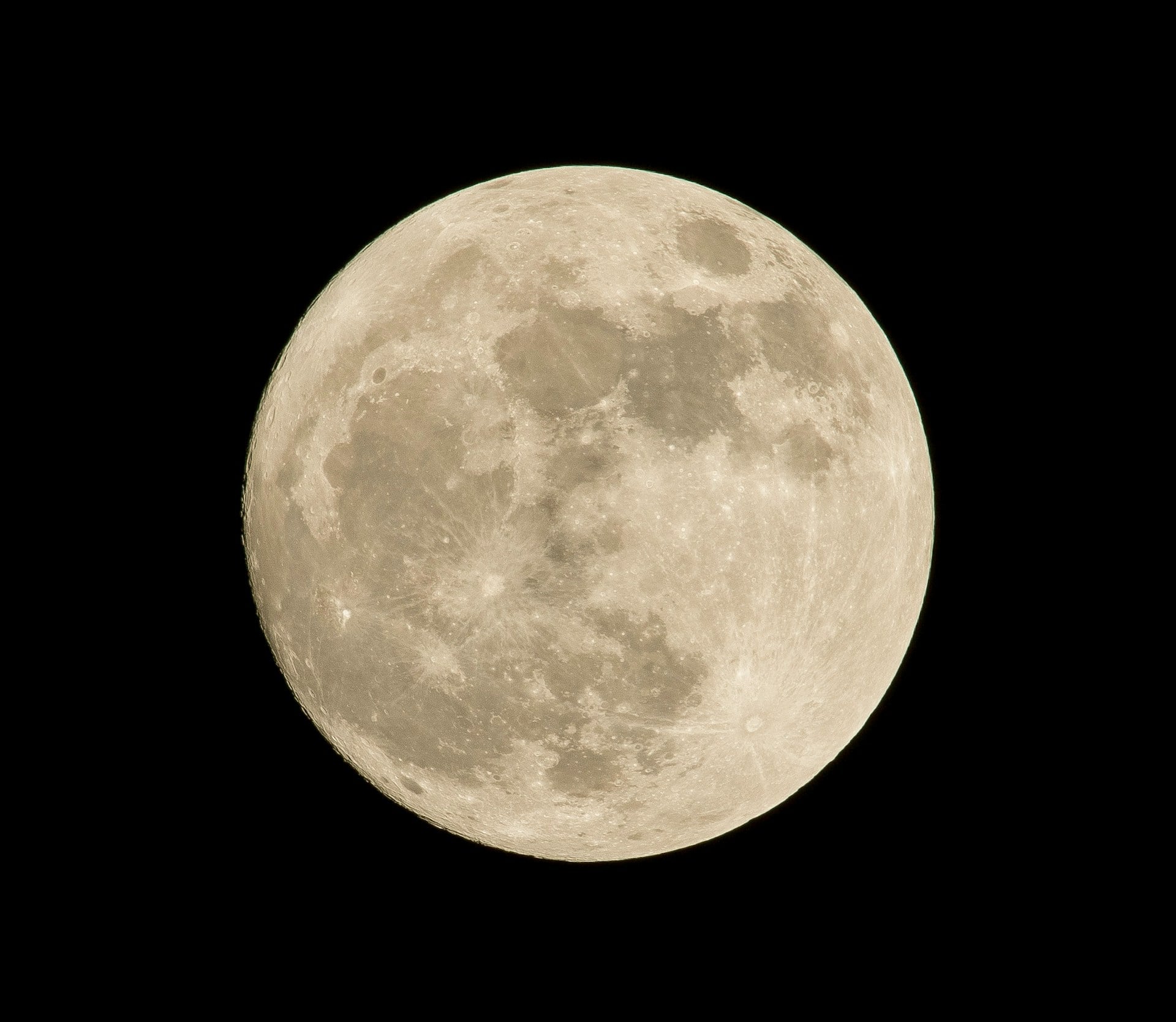
The Apollo 12 seismometer detected multiple natural moonquakes during its years of operation. These tremors helped researchers learn that the Moon’s interior was still geologically active, though much quieter than Earth’s.
By measuring how seismic waves moved through the crust, scientists could estimate the thickness of the lunar mantle and core. This data laid the groundwork for understanding the Moon’s long cooling process and how solid worlds evolve over billions of years.
Those early findings even informed modern missions like GRAIL, which mapped the Moon’s internal gravity field with far greater accuracy—data made possible by Apollo 12’s seismic legacy.
Mapping the Magnetic Field

The magnetometer aboard Apollo 12 showed that, unlike Earth, the Moon has no global magnetic field. Instead, it contains small patches of localized magnetism in certain rocks.
These findings changed theories about the Moon’s early history, suggesting that its core may have once been molten and active but eventually cooled and lost its dynamo effect. The readings helped refine models of planetary magnetism still used today.
Apollo 12 also demonstrated that studying magnetism could reveal the thermal evolution of a celestial body, helping scientists estimate when its core solidified and its magnetic field faded.
Measuring the Heat Beneath the Surface

The heat flow probe was a quiet triumph of Apollo 12. By drilling a few inches into the Moon’s surface, it measured the slow escape of internal heat.
The results confirmed that the Moon had cooled dramatically since its formation. This provided evidence for how quickly smaller worlds lose heat compared to larger planets, shaping scientific understanding of planetary aging.
It also helped model how long a world can sustain volcanic or tectonic activity, an idea now applied to places like Mars and Europa.
The Solar Wind Collector

Apollo 12 carried an experiment that exposed aluminum foil to the Sun’s solar wind. When the foil was returned to Earth, scientists found noble gases like helium and neon embedded within it.
It became the first direct sample of the solar wind, offering clues about the Sun’s composition and the radiation environment astronauts faced in space. This experiment remains one of the earliest examples of collecting interplanetary material directly from space, a method later used on missions like Genesis and Stardust.
Geologic Sampling Gets Serious

Where Apollo 11 had only scratched the surface, Apollo 12 collected more than 75 pounds of lunar rocks and soil from a wider range of locations. The crew’s geology training allowed them to recognize features like volcanic basalts and breccias, proving the Moon’s surface had a far more complex history than expected.
These samples showed that ancient volcanic activity once shaped the lunar plains known as maria. Later analysis revealed that some rocks were more than three billion years old, capturing the early solar system’s fiery beginnings in a handful of gray dust.
Learning from Lunar Dust
The fine, clingy lunar dust that covered everything on Apollo 12 became a science subject of its own. It stuck to suits, instruments, and the inside of the lunar module, scratching visors and clogging joints.
Studying its texture and composition revealed that it was made of tiny glassy particles formed by micrometeorite impacts. The lesson: lunar dust was more than a nuisance—it was a key to understanding surface erosion and the dangers future explorers would face.
The findings also sparked decades of research into dust mitigation systems, from electrostatic brushes to self-cleaning suits.
The Human Factor in Field Science
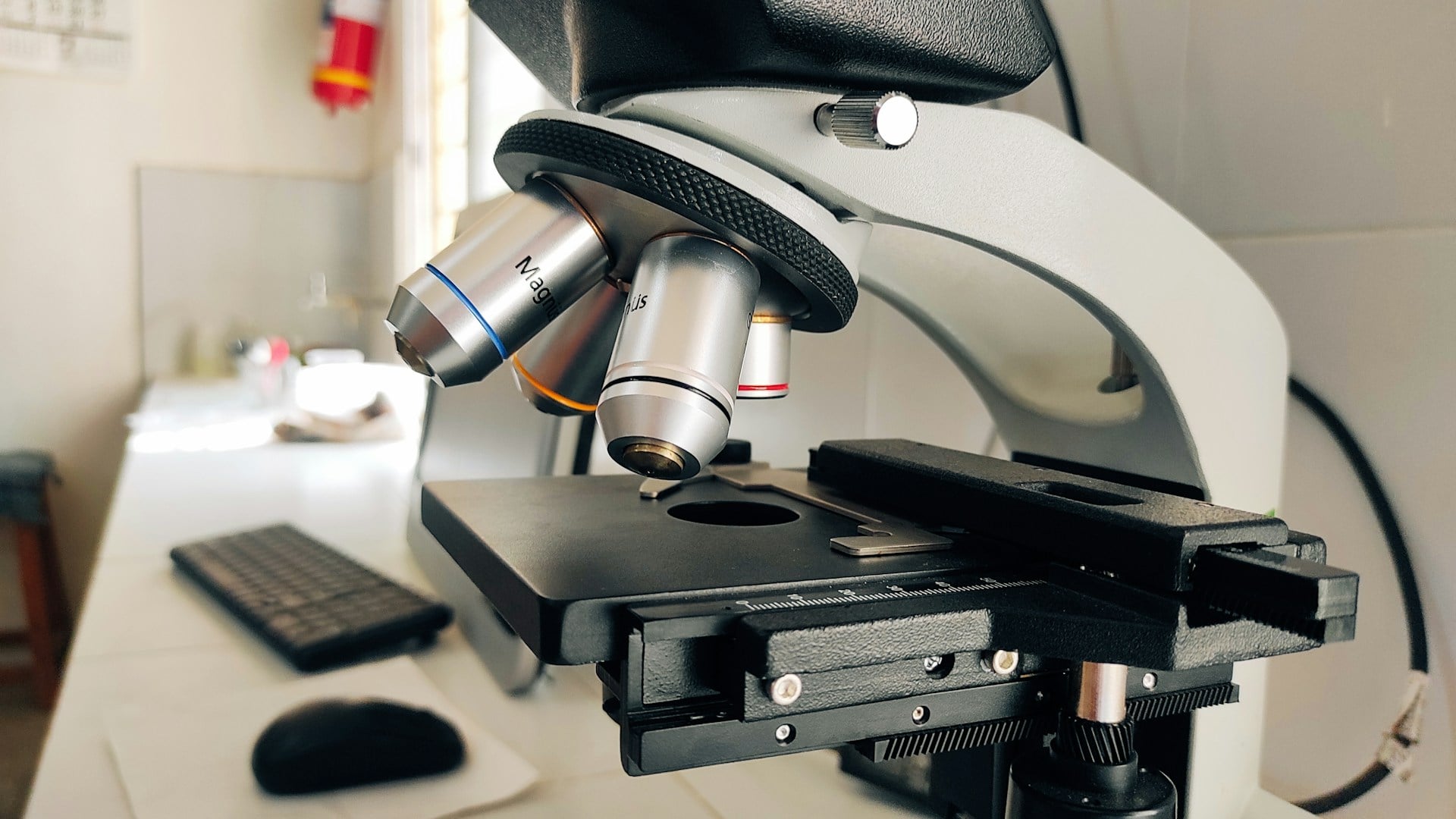
Apollo 12 marked the moment when astronauts became true field scientists. Conrad and Bean weren’t just collecting rocks—they were analyzing formations, describing textures, and choosing samples with purpose.
Their training with geologists on Earth paid off, proving that human observation could still outperform robotic precision in identifying the most valuable data. Their work reshaped the conversation around crewed missions: humans weren’t just visitors—they were instruments of discovery.
Data That Outlived the Mission

The instruments Apollo 12 left behind continued sending data long after the crew’s return—well into the mid-1970s. The long-term readings helped researchers map lunar temperatures, magnetic anomalies, and seismic activity across years of lunar days and nights.
These continuous observations provided the first time-series dataset for any celestial body beyond Earth. Many of those data points are still referenced today, giving Apollo 12 one of the longest scientific afterlives of any space mission in history.
A Blueprint for Future Exploration
Apollo 12’s success reshaped how NASA approached lunar science. It proved that precision landings, long-term experiments, and hands-on geology could coexist in a single mission.
Every Apollo flight afterward built on that template. Today’s lunar programs—like Artemis—still trace their roots to the systems and science strategies Apollo 12 perfected on that dusty plain in the Ocean of Storms.
The mission’s quiet competence showed that great discoveries don’t always need drama—just focus, teamwork, and time.
A Legacy Written in Dust and Data
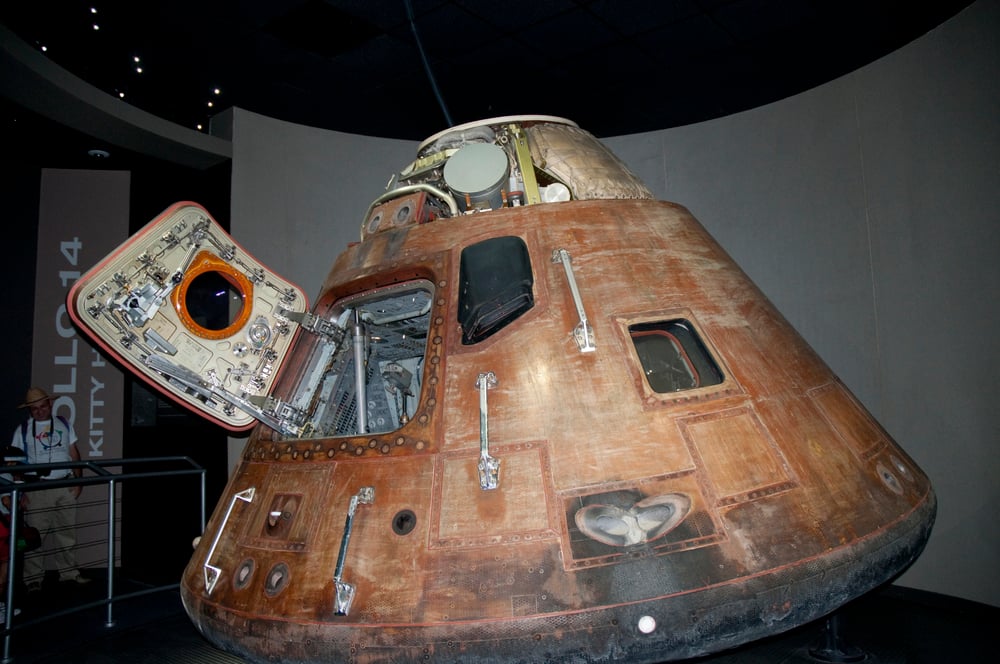
Although Apollo 12 didn’t garner as much attention as Apollo 11, it might have had a greater scientific impact. It taught scientists how to listen to the Moon’s tremors, read its history like an open book, and gather information that would reverberate for decades.
Apollo 12 left its mark on every rock analysis, solar reading, and seismic chart. The Moon became a teacher rather than merely a destination thanks to the mission’s quiet discoveries and cool competence, which transformed exploration into science.
More from Go2Tutors!

- The Romanov Crown Jewels and Their Tragic Fate
- 13 Historical Mysteries That Science Still Can’t Solve
- Famous Hoaxes That Fooled the World for Years
- 15 Child Stars with Tragic Adult Lives
- 16 Famous Jewelry Pieces in History
Like Go2Tutors’s content? Follow us on MSN.



