14 Strange Objects That Have Been Found in Space but No One Knows How They Got There
Even seasoned astronomers are baffled by the multitude of phenomena that fill our universe’s infinitely expanding expanse. Some findings continue to be complete mysteries even with the use of state-of-the-art space telescopes and monitoring apparatus.
Here is a list of 15 strange objects discovered in space whose origins continue to mystify researchers and fuel heated debates at astronomy conferences worldwide.
The Wow! Signal
Researchers at Ohio State University detected an odd radio signal in 1977 that lasted for just 72 seconds before nothing further was detected. An astronomer wrote “Wow!” on the printout because it was so strange and originated from somewhere in Sagittarius.
No similar signal has been found in decades of searching. Scientists are still unable to determine if this brief but potent radio wave burst was created by natural cosmic phenomena or anything else.
Oumuamua

This weirdly elongated interstellar visitor shot through our solar system in 2017, accelerating in ways that gravity alone couldn’t explain. Although it lacked the typical dust and gas tail, astronomers first classified it as a comet.
It may be a light sail, debris from another planetary system, or—most controversially—an alien probe, according to some researchers’ crazier beliefs. There is disagreement on the true nature of Oumuamua.
The Great Attractor
Something massive lurks about 150 million light-years away, tugging our galaxy and thousands of others toward it at roughly 14 million miles per hour. What’s particularly annoying for astronomers?
This gravitational behemoth sits in what’s called the Zone of Avoidance, partially blocked from view by our own Milky Way’s dust clouds. Despite decades of observation, scientists haven’t fully explained what creates such tremendous gravitational pull in that region.
The Boötes Void

Imagine almost an empty bubble in space covering over 330 million light-years, devoid of almost any galaxies. Astronomers refer to it as “The Great Nothing,” and although cosmic gaps are not rare, this one’s unusually vast.
It’s like discovering a vast desert where cities ought to be. Cosmologists find the Boötes Void particularly disturbing since it does not fit cleanly into present theories of how galaxy clusters should spread themselves following the Big Bang.
The Black Knight Satellite
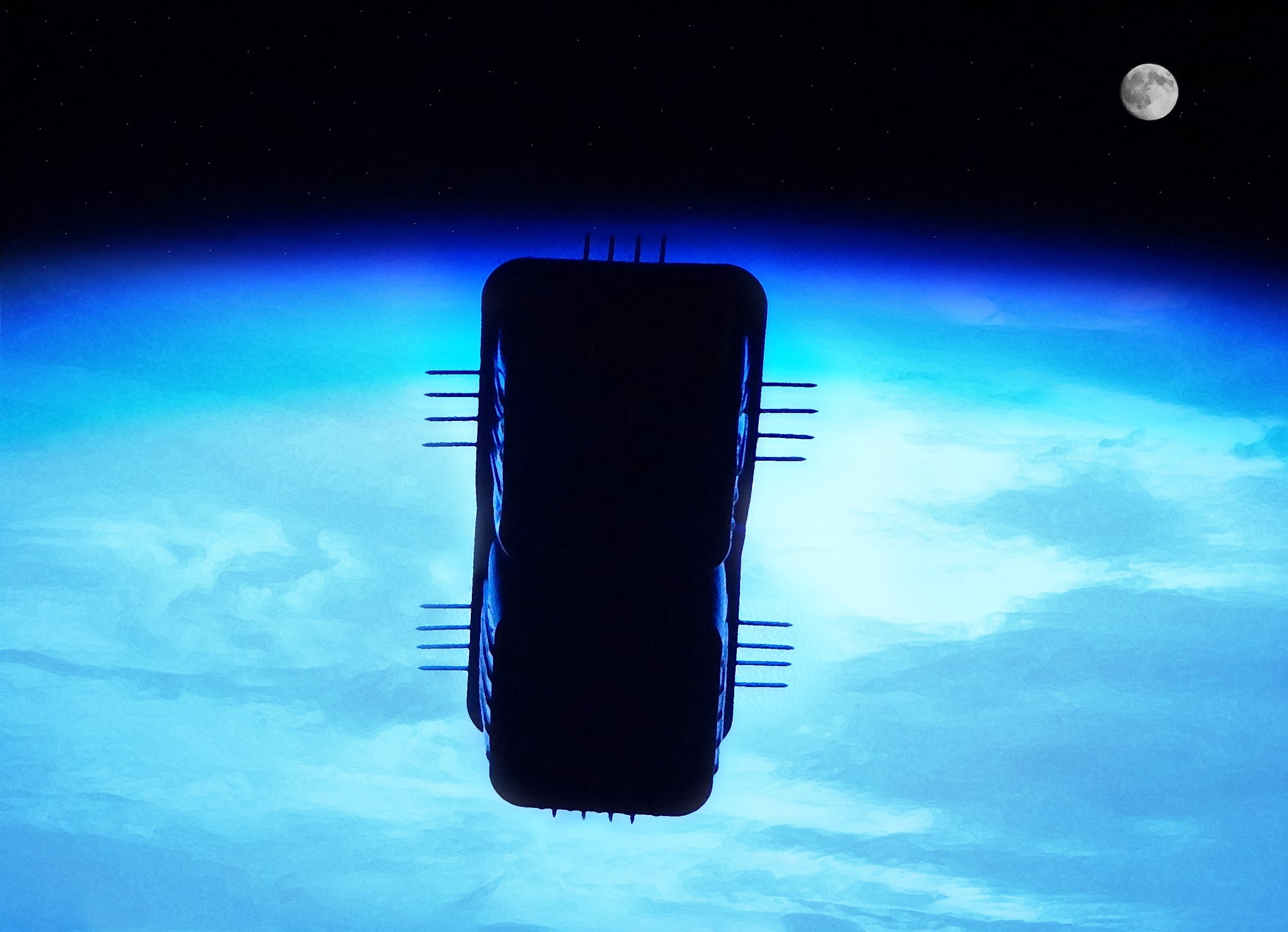
This eerie moniker has been used to group together a variety of inexplicable objects seen in Earth’s orbit since the 1950s. Despite ongoing conspiracy theories, NASA officially classified the 1998 photo as space trash.
We can’t be positive about what it is or where it originated from without physically recovering whatever’s up there, which gives speculation ample opportunity to flourish.
Fast Radio Bursts
Imagine bursts of energy that last only milliseconds but outshine the power of our sun for decades. Astronomers are unable to adequately explain fast radio bursts, which is what they do.
Some flash once and then vanish forever, while others recur in patterns. They have been attributed to everything from superior alien technology to collisions between neutron stars.
The Red Rectangle Nebula
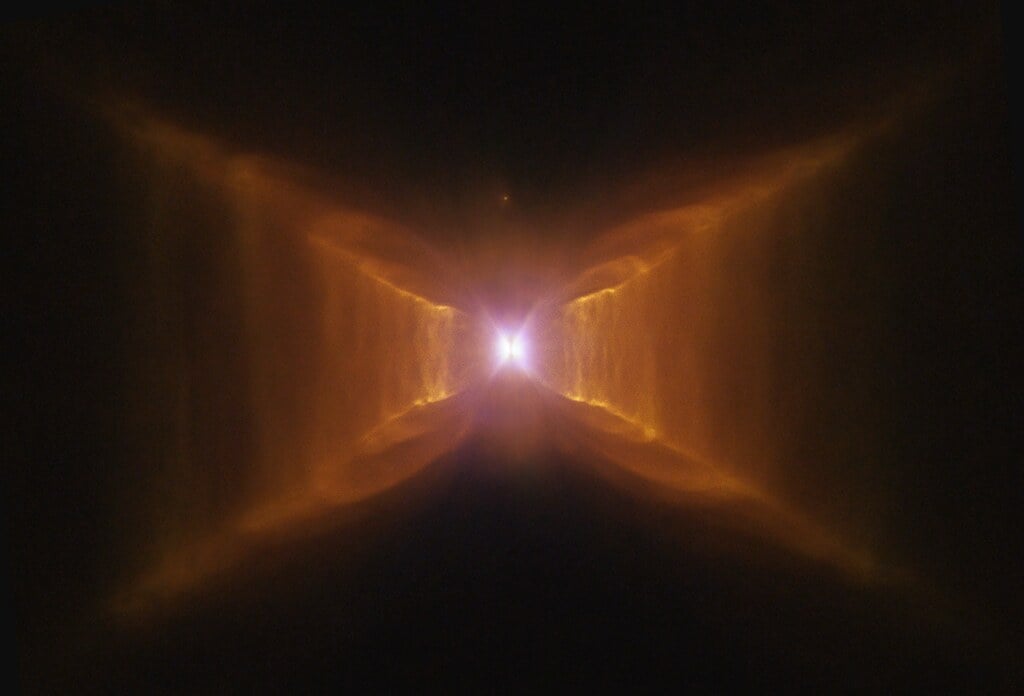
Roughly 2,300 light-years from Earth floats a nebula with bizarrely geometric features—sharp corners and ladder-like dust bands that glow red. Most nebulae appear as shapeless clouds, so the Red Rectangle’s unnaturally perfect form raises eyebrows.
Astronomers suspect complex interactions between the dying star at its center and surrounding dust create the unusual shape. But the precise mechanics remain elusive even with our best telescopes.
The Pillars of Creation
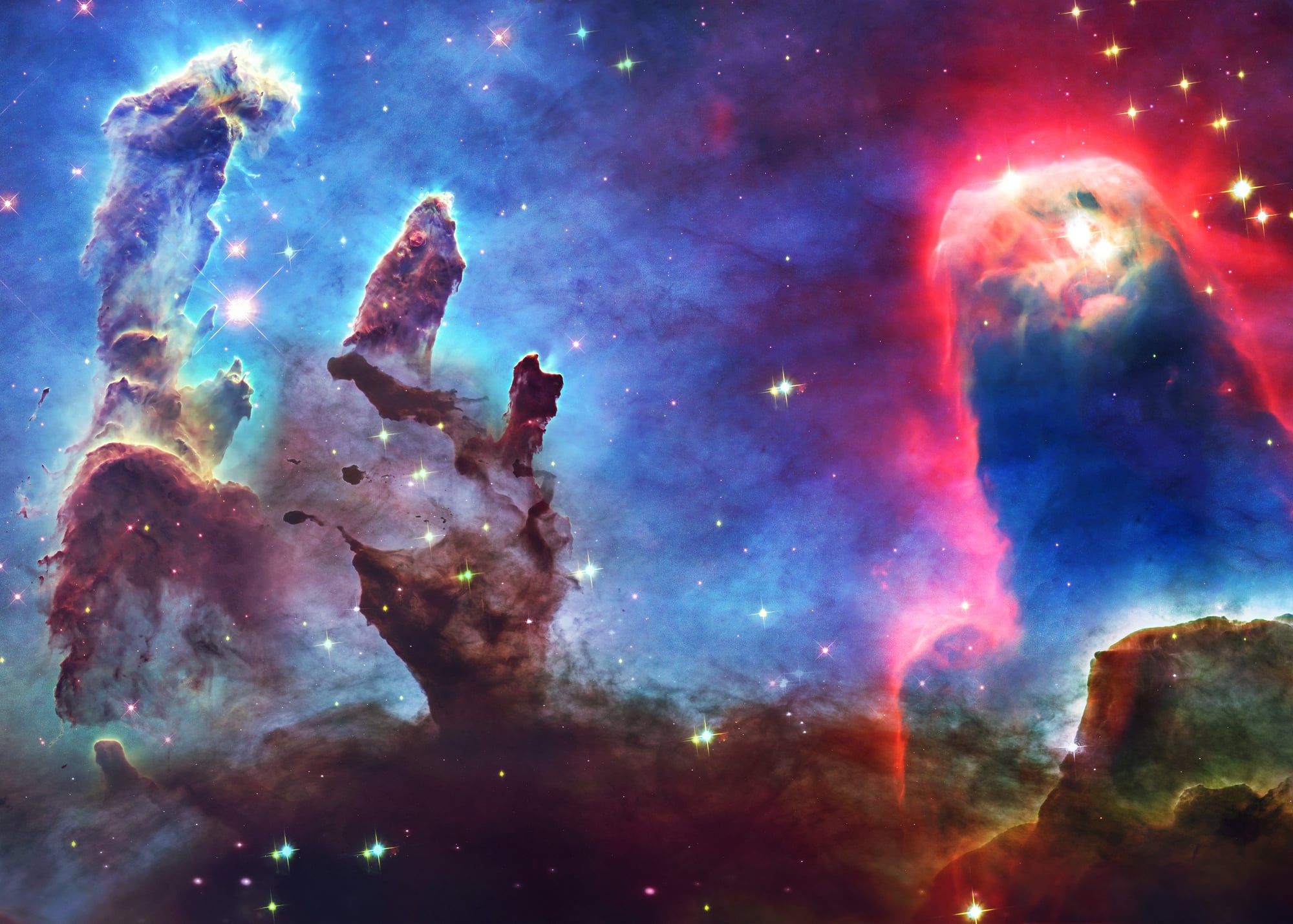
These famous columns of cosmic gas and dust in the Eagle Nebula hide a strange paradox. When scientists observed them using infrared equipment, the data suggested these structures might actually have been destroyed by a supernova about 6,000 years ago.
We’re potentially looking at cosmic ghosts—formations that no longer exist, though the light showing their destruction hasn’t reached us yet because of the vast distances involved.
Tabby’s Star
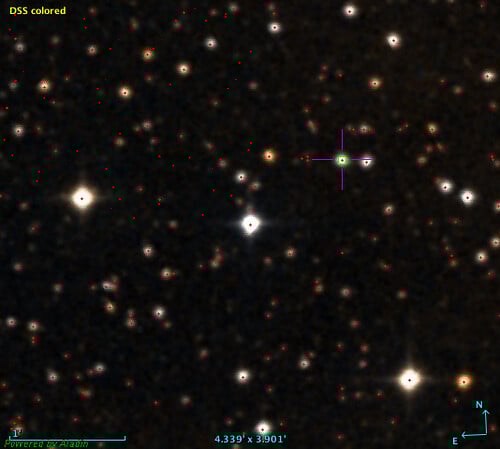
KIC 8462852 dims in ways that make astronomers deeply uncomfortable. Sometimes, it darkens by a shocking 22%—far too much for any normal planet to cause by passing in front.
Early explanations ranged from comet swarms to partially built alien megastructures. Despite years of intense observation, nobody has nailed down exactly what causes Tabby’s Star to flicker so dramatically and irregularly.
The Fermi Bubbles
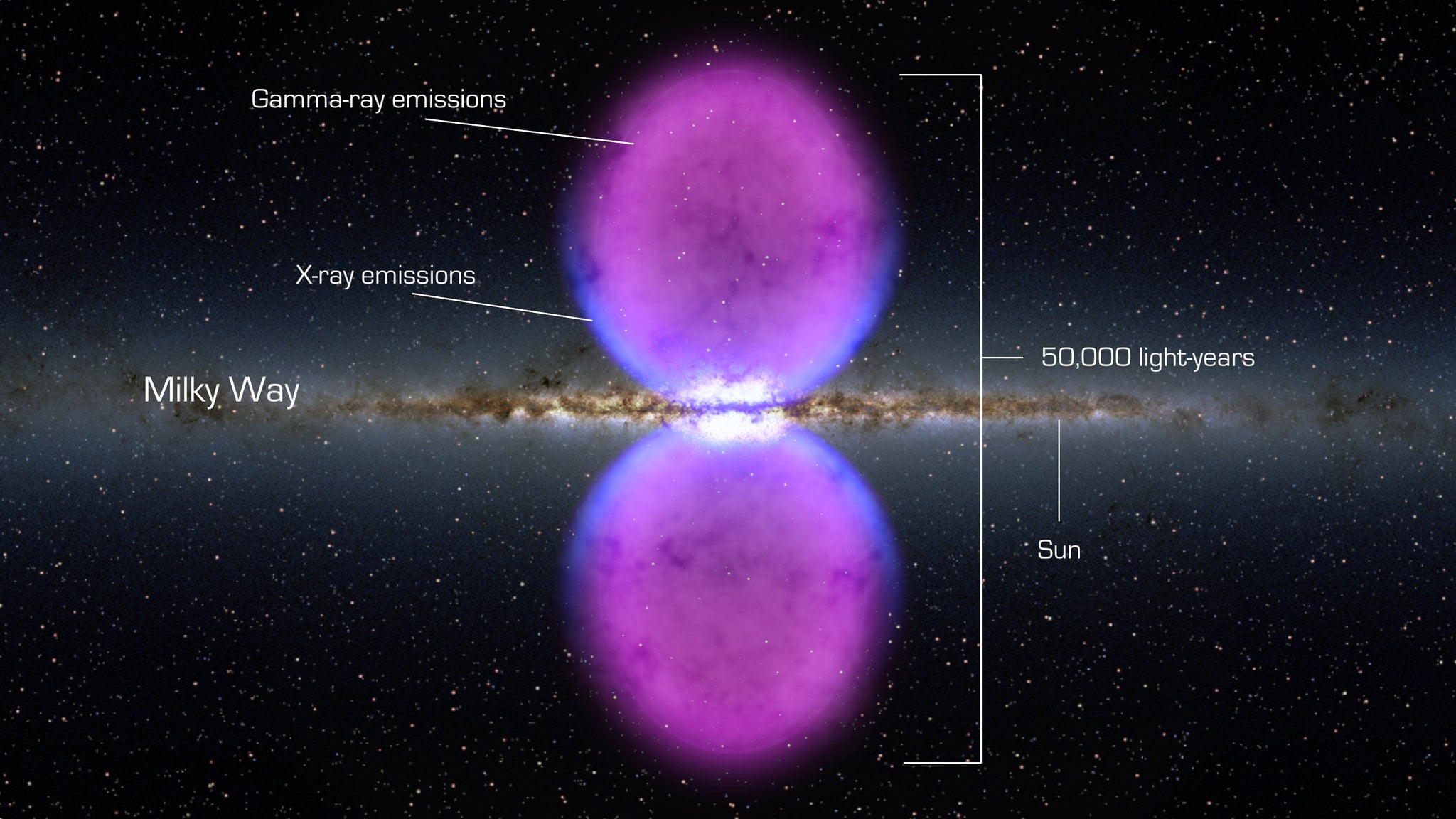
Two enormous bubbles of energy extend 25,000 light-years above and below our galaxy’s center, forming a massive hourglass shape that wasn’t discovered until 2010.
These structures emit high-energy gamma rays thought to be leftover evidence from a massive explosion near our galaxy’s central black hole. The event likely happened millions of years ago, but what exactly triggered such a colossal outburst remains fiercely debated among researchers.
The Ghost Galaxy
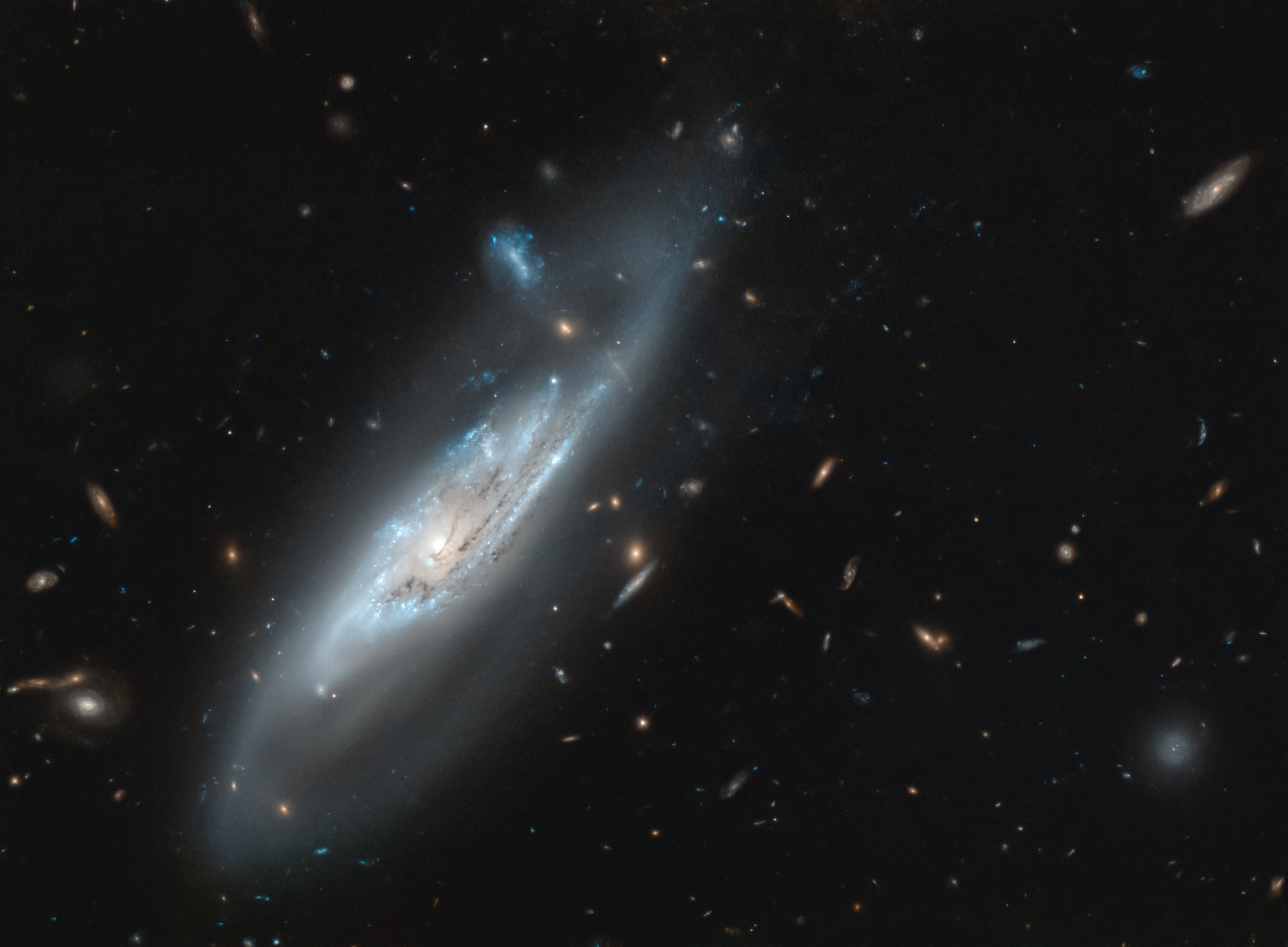
NGC 1052-DF2 presents a genuine cosmic mystery. This galaxy approaches the Milky Way’s size but contains 400 times fewer stars. More baffling still, it appears to have virtually no dark matter.
Since dark matter supposedly provides the gravitational scaffolding necessary for galaxy formation, NGC 1052-DF2 challenges fundamental assumptions about cosmic architecture. Current formation theories can’t easily explain how this galaxy exists at all.
Hanny’s Voorwerp
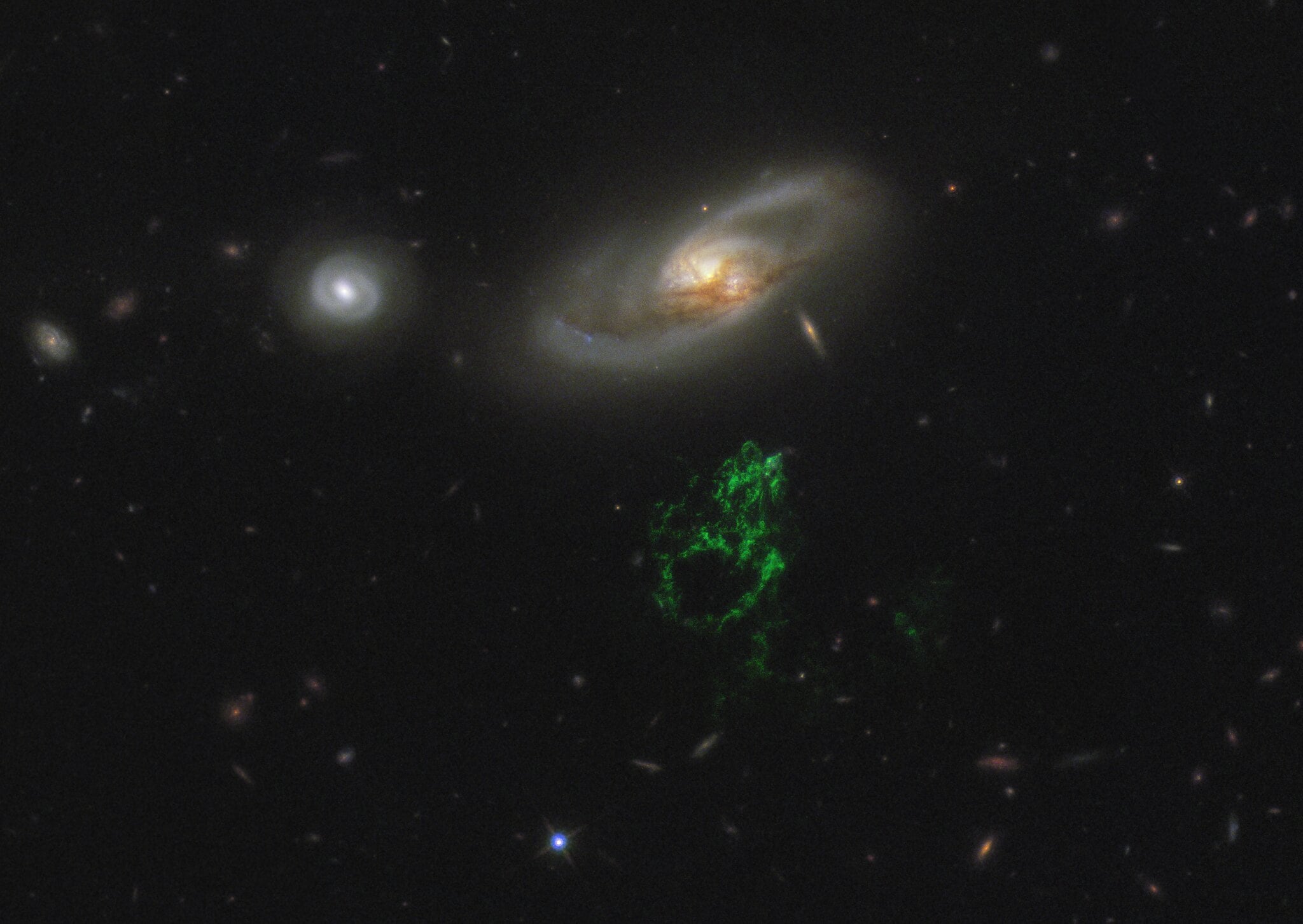
A Dutch schoolteacher spotted this eerie green blob while participating in a citizen science project in 2007. This massive glowing cloud spans tens of thousands of light-years but contains no stars inside it.
Current theories suggest it’s being illuminated by light from a quasar that has since gone dormant. Essentially, we’re seeing the afterglow of a cosmic spotlight that switched off millions of years ago, yet its beam remains frozen in space.
The Eye of Sahara
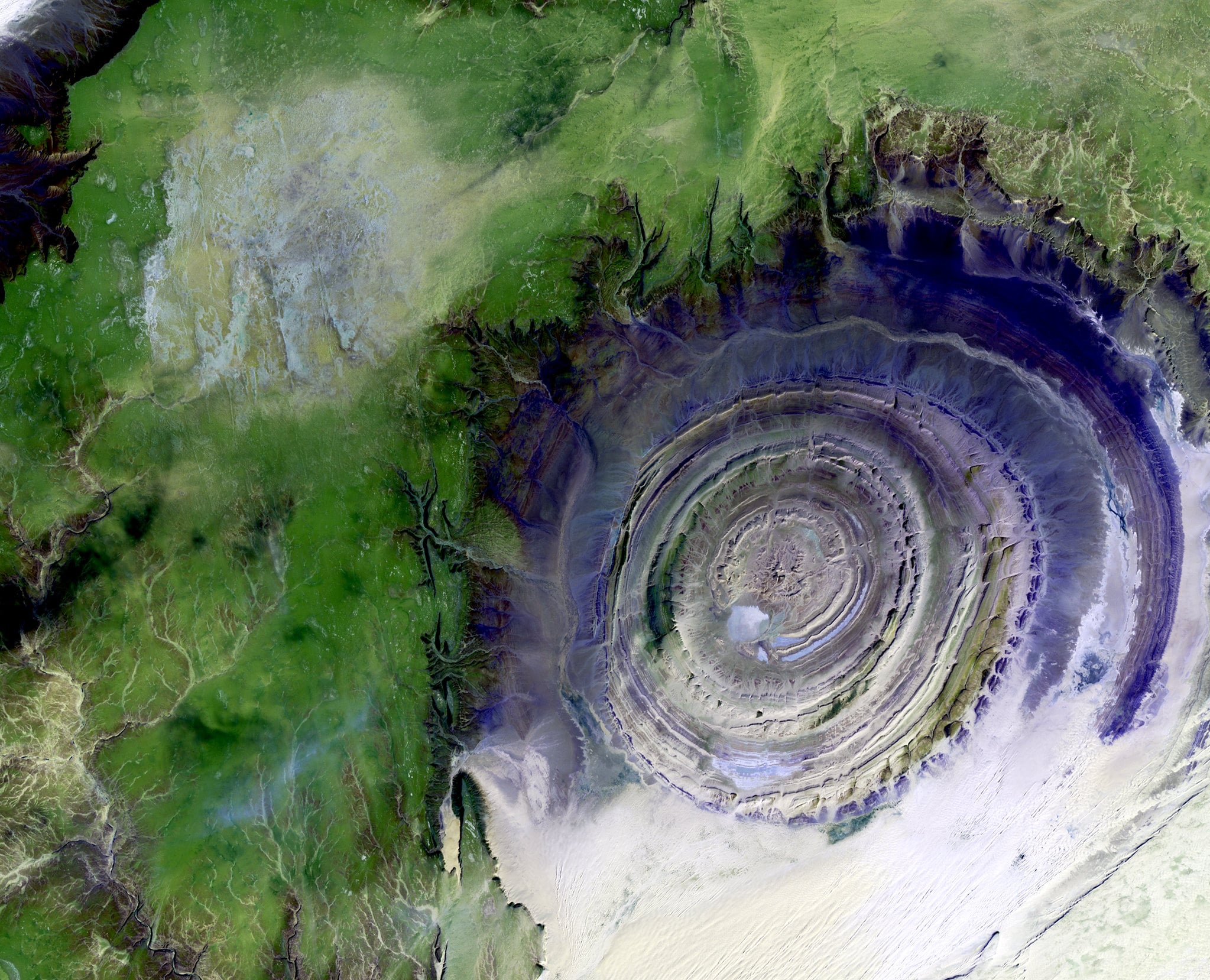
Though technically on Earth, this perfectly circular structure visible from orbit exhibits properties that continue to generate scientific controversy. The Richat Structure measures nearly 30 miles across with concentric rings resembling an iris.
While geologists officially classify it as an eroded dome formed through natural processes, its uncanny geometric precision has prompted speculation about potential connections to ancient impact events. Some even suggest it could serve as a navigational marker visible from space.
Windows to the Unknown
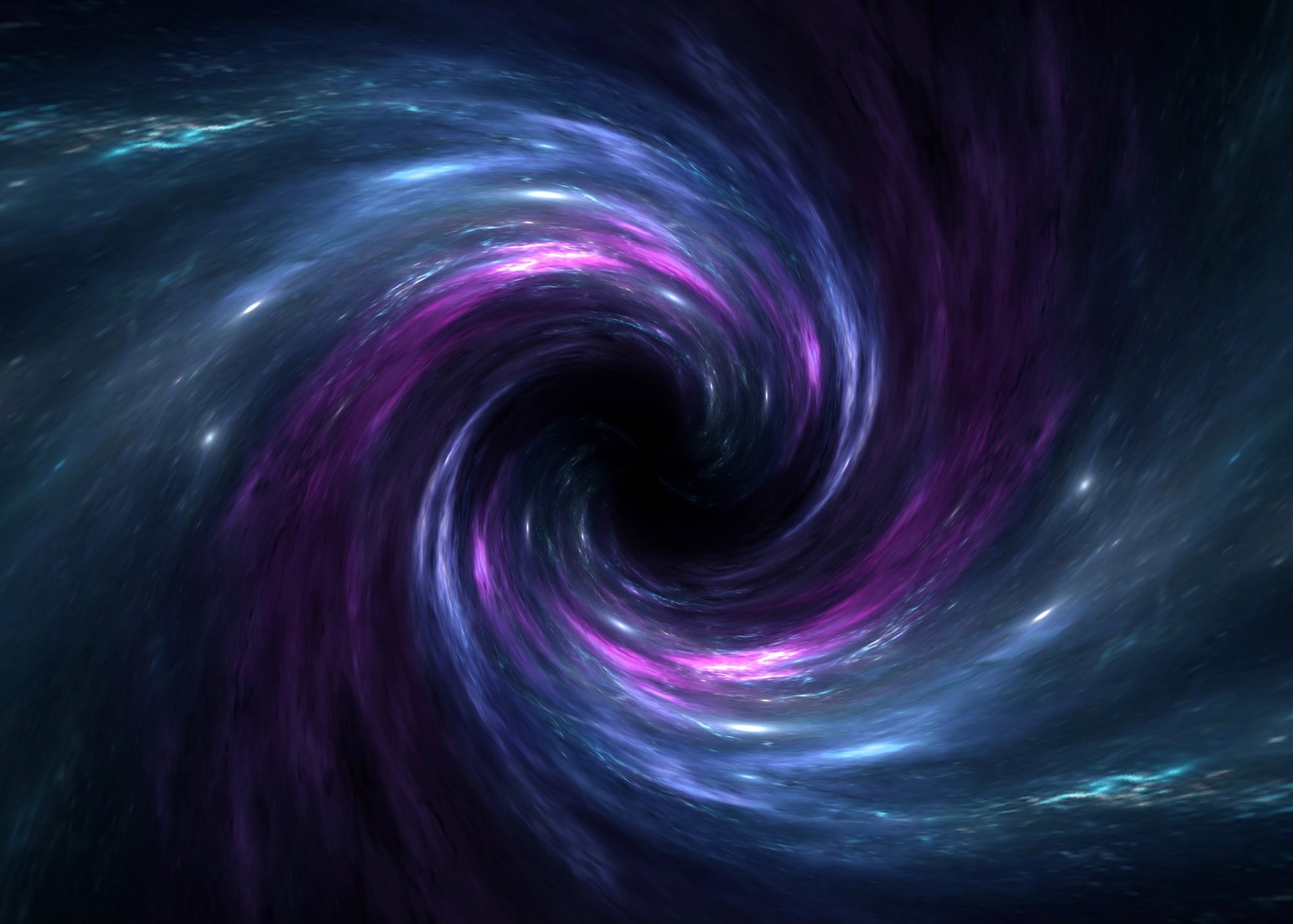
As detection technologies continue advancing, we’re uncovering more cosmic puzzles rather than fewer. These mysterious objects represent not just fascinating anomalies but potential doorways to revolutionary discoveries about reality’s fundamental nature.
The unexplained phenomena described here might eventually become thoroughly understood through scientific advancement, or they could lead us toward entirely new theories about how our universe operates.
Next time darkness falls and stars appear overhead, remember that between those familiar points of light lie objects and phenomena that continue challenging our cosmic understanding. Today’s mysteries often become tomorrow’s textbook examples—or they might push science into completely unexpected territories, forever changing our perception of existence and our place within the vast cosmic theater.
More from Go2Tutors!

- 16 Historical Figures Who Were Nothing Like You Think
- 12 Things Sold in the 80s That Are Now Illegal
- 15 VHS Tapes That Could Be Worth Thousands
- 17 Historical “What Ifs” That Would Have Changed Everything
- 18 TV Shows That Vanished Without a Finale
Like Go2Tutors’s content? Follow us on MSN.