Longest-Serving CEOs in History
Running a company for a few years is tough. Running one for decades takes something different entirely.
The longest-serving CEOs in history didn’t just survive in their roles, they shaped entire industries and built empires that outlasted trends, recessions, and countless competitors. Some inherited family businesses and refused to let go, while others founded companies and stayed until their final days.
These leaders prove that staying power at the top isn’t about luck. Here are the CEOs who held on the longest and what they accomplished while they were there.
Warren Buffett at Berkshire Hathaway
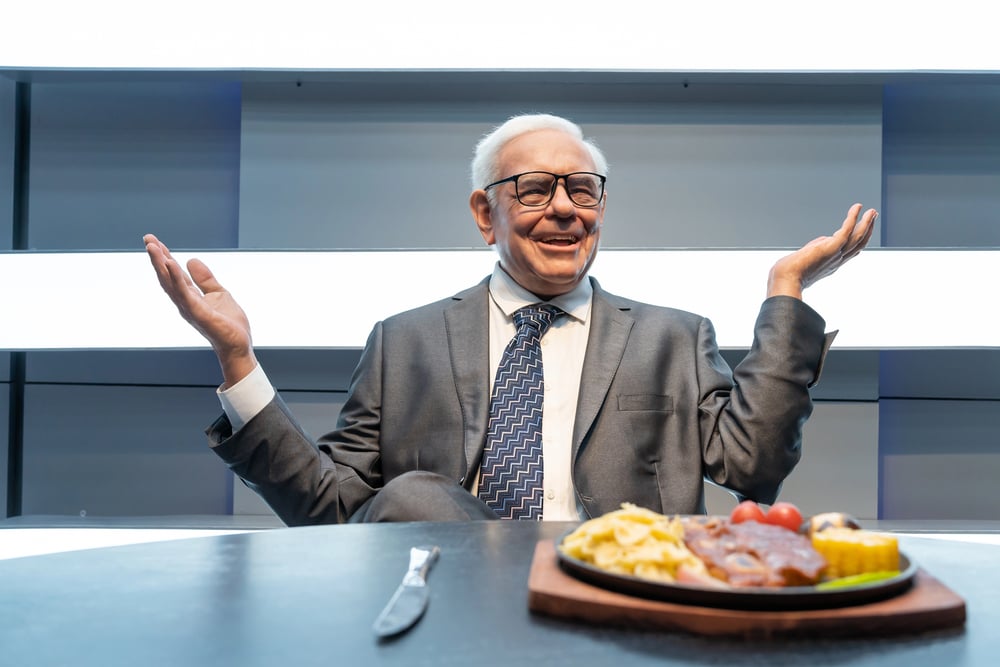
Warren Buffett took over Berkshire Hathaway in 1965 and still runs it today, over 58 years later. He bought what was basically a dying textile mill and turned it into one of the biggest investment companies in the world.
Buffett’s whole thing has always been buying good businesses and just holding onto them, which sounds boring but clearly works. The guy still lives in the same Omaha house he bought in 1958 for $31,500 and eats breakfast at McDonald’s most mornings.
He’s 93 now and finally talking about who’ll take over when he’s gone, but he doesn’t seem in any rush to actually leave.
Les Wexner at L Brands
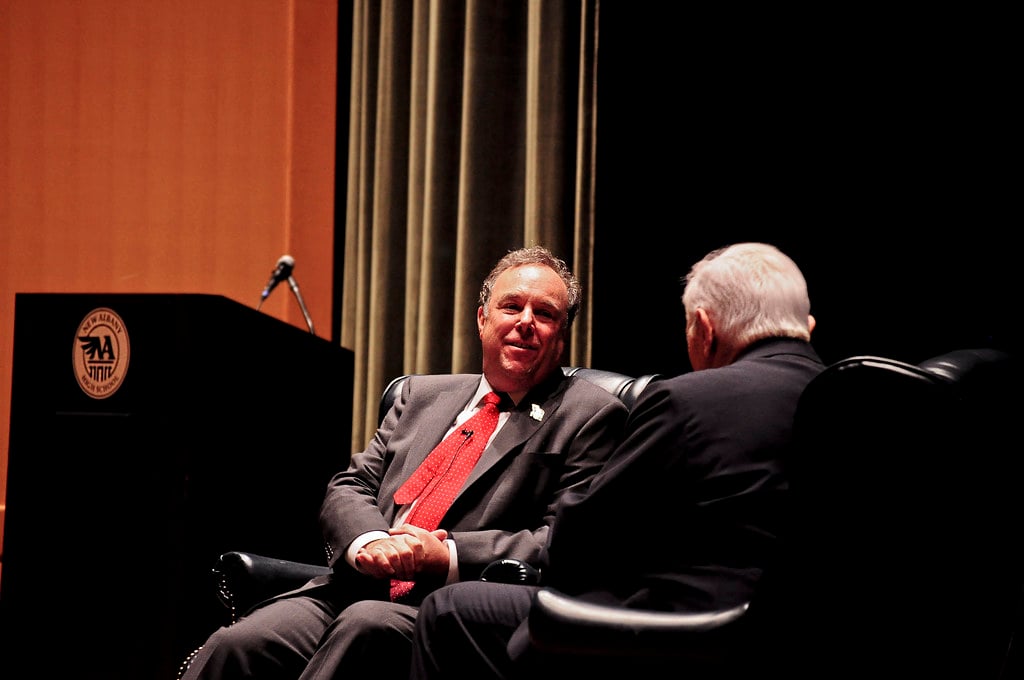
Les Wexner opened a store called The Limited in 1963 with a $5,000 loan from his aunt and ran the company for 57 years. He built a retail empire that included Victoria’s Secret, Bath & Body Works, and a bunch of other stores that dominated malls across America.
Wexner understood what women wanted to buy before a lot of other retailers caught on, which made him billions. His exit in 2020 wasn’t pretty, though, since his friendship with Jeffrey Epstein became a huge scandal.
But love him or hate him, 57 years running a retail company is basically unheard of in an industry where trends change every season.
Frederick Smith at FedEx
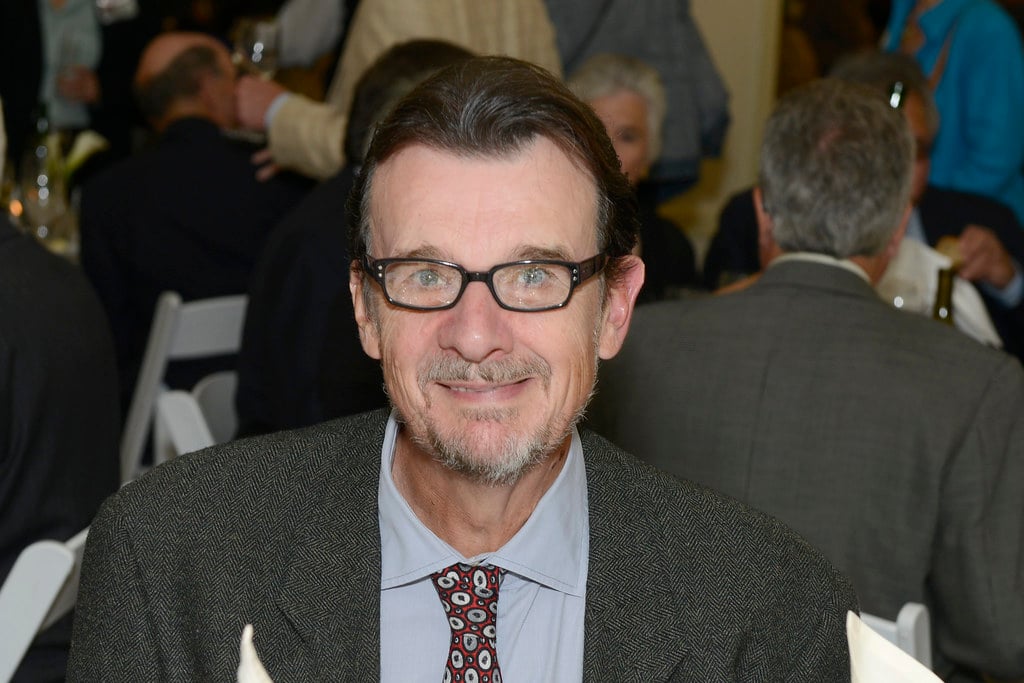
Frederick Smith wrote a paper about overnight delivery for a Yale class in 1971 and supposedly got a C on it. He went ahead and started Federal Express anyway, then ran it for 52 years before stepping down as CEO in 2022.
The company almost went bankrupt early on, and there’s this famous story about Smith taking the company’s last $5,000 to Vegas and winning enough money at blackjack to make payroll. FedEx confirms the trip happened but won’t say how much he won, which probably means the story got exaggerated over the years.
Either way, Smith turned that rejected college paper into a company that completely changed how the world ships things.
Sumner Redstone at Viacom
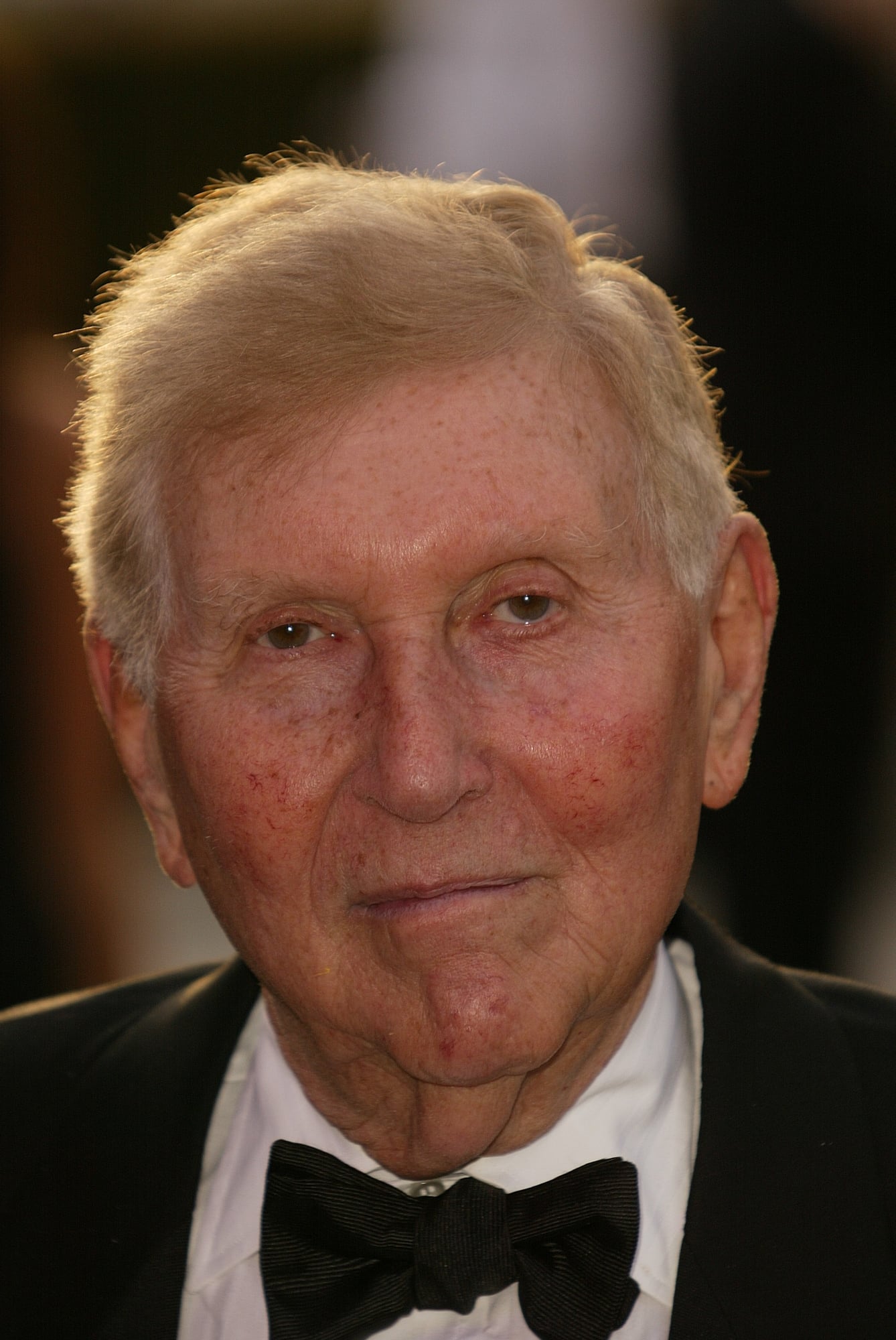
Sumner Redstone took over his dad’s drive-in theater chain in 1967 and eventually turned it into Viacom, which owned MTV, Paramount Pictures, and CBS. He ran things for nearly 50 years and was absolutely brutal about staying in control, even when he got really old and sick.
Redstone refused to step down until 2016 when he was 92, and even then it took family fights and lawsuits to make it happen. He once survived a hotel fire in 1979 by hanging out a third-floor window until firefighters came, and he had the same attitude about letting go of power: he just wouldn’t do it.
His last years as CEO were honestly pretty uncomfortable to watch.
Adolph Ochs at The New York Times
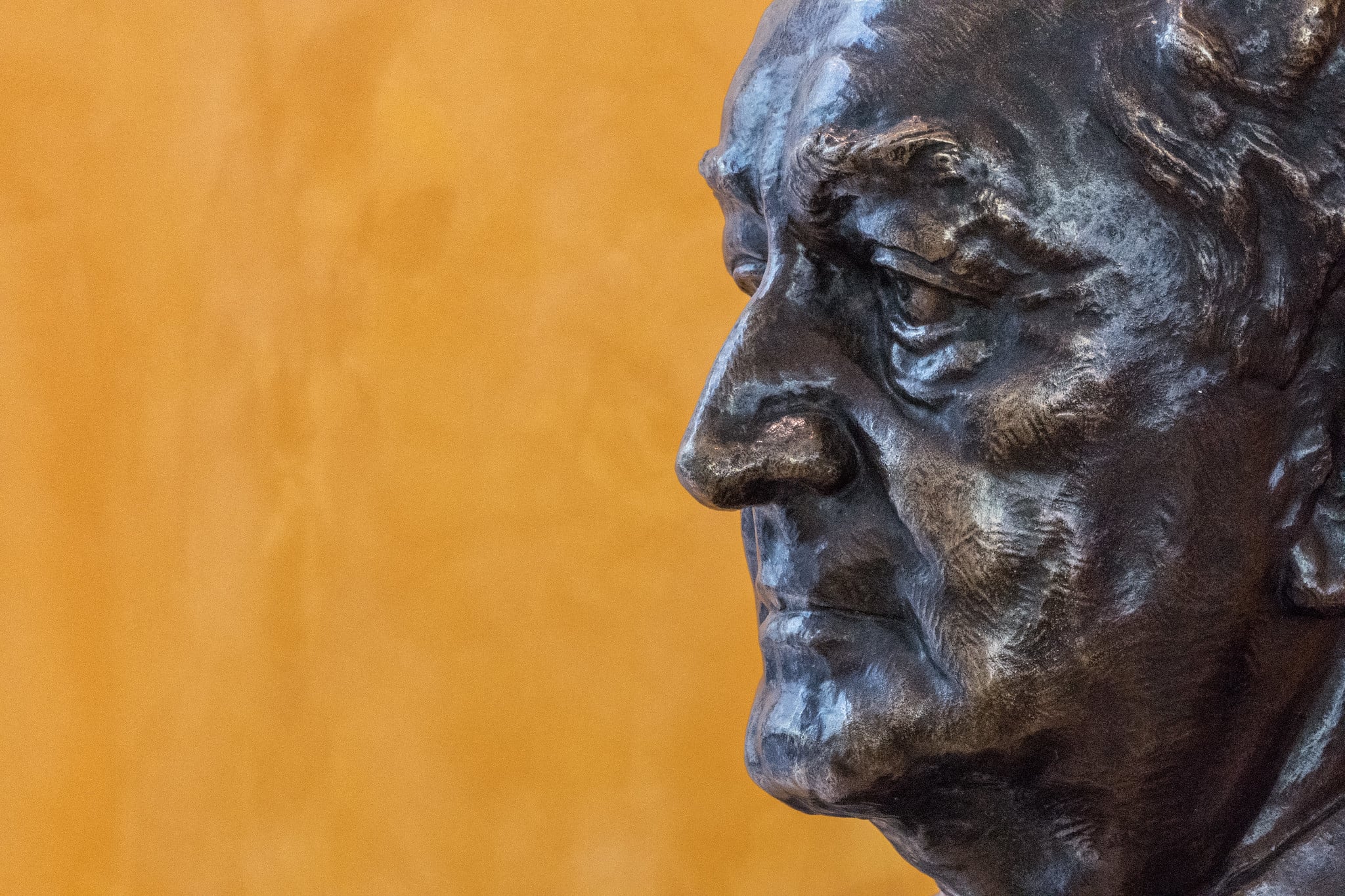
Adolph Ochs bought The New York Times in 1896 when it was basically broke and ran it until he died in 1935. That’s 39 years of turning a failing paper into the most respected newspaper in America.
Ochs came up with ‘All the News That’s Fit to Print’ and decided to focus on actual journalism instead of the wild, made-up stories other papers were printing at the time. He kept the price at a penny when competitors charged more because he thought good reporting should be affordable for everyone.
His family still controls the Times through a special stock setup that keeps it in their hands.
Thomas Watson Sr. at IBM

Thomas Watson Sr. joined a company called Computing-Tabulating-Recording in 1914 and changed its name to International Business Machines ten years later. He ran IBM for 42 years, turning it from a manufacturer of scales and punch clocks into a computing giant.
Watson was obsessed with company culture and made everyone at IBM wear dark suits and white shirts, no exceptions. He also treated workers really well for the 1930s and 40s, with good benefits and job security, which made people fiercely loyal to the company.
Watson died less than a month after retiring in 1956, and his son took over to keep building IBM.
Pehr G. Gyllenhammar at Volvo

Pehr G. Gyllenhammar became CEO of Volvo in 1971 when he was only 36 and stayed for 23 years. He took a Swedish car company that was doing okay and turned it into the brand people think of when they want a safe, reliable car.
Gyllenhammar tried something unusual in the factories by giving workers more say in how they did their jobs, which actually improved the quality of the cars. He pushed Volvo hard into markets outside Sweden and made safety the company’s whole identity.
Things got messy near the end when he tried to merge with Renault and the deal fell apart, which led to him leaving in 1993.
John D. Rockefeller at Standard Oil
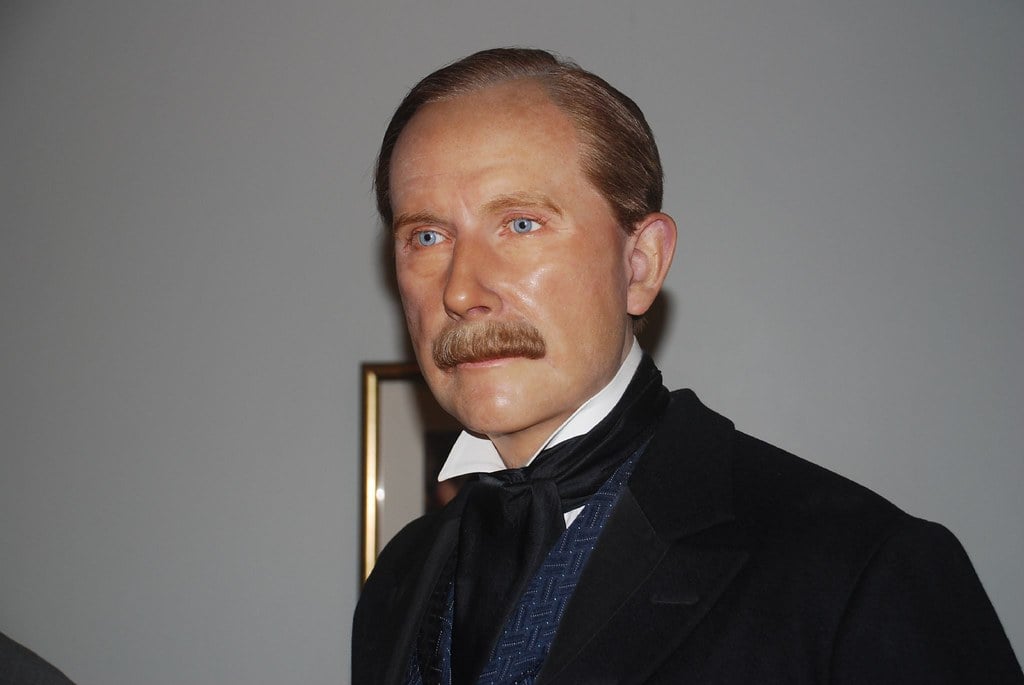
John D. Rockefeller started Standard Oil in 1870 and ran it for 27 years before retiring to give away his money. He was absolutely ruthless about crushing competitors, buying them out or forcing them to sell by undercutting their prices.
At one point Rockefeller controlled about 90% of oil refining in the United States, which is why the government eventually broke up Standard Oil under antitrust laws. He retired in his late 50s, which seems young compared to others on this list, but he’d already become the richest person in modern history by then.
Rockefeller spent his last 40 years trying to donate his fortune to libraries, universities, and medical research.
Katharine Graham at The Washington Post

Katharine Graham took over The Washington Post in 1963 when her husband died, and she had no experience running anything. She was terrified at first but ended up running the paper for 28 years and becoming one of the most powerful people in American media.
Graham made the call to publish the Pentagon Papers in 1971, then backed her reporters Bob Woodward and Carl Bernstein during Watergate when it would’ve been easier to back down. Both decisions could’ve destroyed the paper, but instead they made it legendary.
She was the first woman to run a Fortune 500 company and proved a lot of doubters wrong.
Akio Morita at Sony

Akio Morita co-founded Sony in 1946 with money borrowed from his family and helped run it for nearly five decades. He served as CEO from 1971 to 1994, though he stayed involved until a stroke forced him to step back.
Morita brought Japanese electronics to the world and convinced Americans that ‘Made in Japan’ could mean quality instead of cheap junk. He created the Walkman by insisting people would want to carry music with them, even though everyone at Sony thought it was a terrible idea.
Morita understood Western consumers better than most Japanese executives of his time, which is why Sony became a global brand instead of just an export company.
Sam Walton at Walmart
Sam Walton opened the first Walmart in Rogers, Arkansas in 1962 and ran it for 30 years until cancer forced him to slow down in 1992. He built Walmart by obsessing over low prices and copying ideas from other retailers, then doing them better and cheaper.
Walton flew his own plane to visit stores in tiny towns, checking in on managers and workers to see what was actually happening. He drove an old pickup truck and wore cheap clothes despite being one of the richest men in America.
Walmart’s success came partly from keeping costs low everywhere, including worker wages, which is why his legacy is complicated.
But nobody argues about his impact on how Americans shop.
Ingvar Kamprad at IKEA

Ingvar Kamprad founded IKEA in Sweden in 1943 when he was 17 years old and stayed involved until he died in 2018 at age 91. He officially stepped down as CEO in 1986 but everyone knew he was still pulling the strings for decades after.
Kamprad invented the whole flat-pack furniture concept that lets people buy decent-looking furniture without spending a fortune. He was famously cheap despite having billions, flying economy and driving a 20-year-old Volvo because he hated wasting money.
IKEA worked because Kamprad was genuinely obsessed with making furniture affordable, even if it meant customers had to assemble it themselves with confusing instructions.
Ren Zhengfei at Huawei

Ren Zhengfei founded Huawei in 1987 in Shenzhen, China and still runs it today, over 36 years later. He built a tiny telecom equipment reseller into one of the biggest technology companies in the world, though its ties to the Chinese government have caused major problems outside China.
Ren barely ever does interviews and keeps such a low profile that most people outside the tech world have never heard of him. Huawei became a leader in 5G technology under his watch, but restrictions from the U.S. and other countries have hurt the business badly.
Ren is in his late 70s now and shows no interest in retiring.
Ralph Lauren at Ralph Lauren Corporation
Ralph Lauren started selling ties in 1967 and built that into a fashion empire he ran as CEO for 48 years. He stepped down in 2015, came back briefly, then stepped down again, but he’s still executive chairman and nothing happens without his approval.
Lauren had zero formal training in fashion but understood branding better than almost anyone, selling an image of wealthy American life through polo shirts and expensive home goods. His real name is Ralph Lifshitz, and he grew up in the Bronx, but he created this whole fantasy of country clubs and preppy luxury that people bought into completely.
The company struggles sometimes to stay current, but the Ralph Lauren brand is still everywhere.
Bill Gates at Microsoft
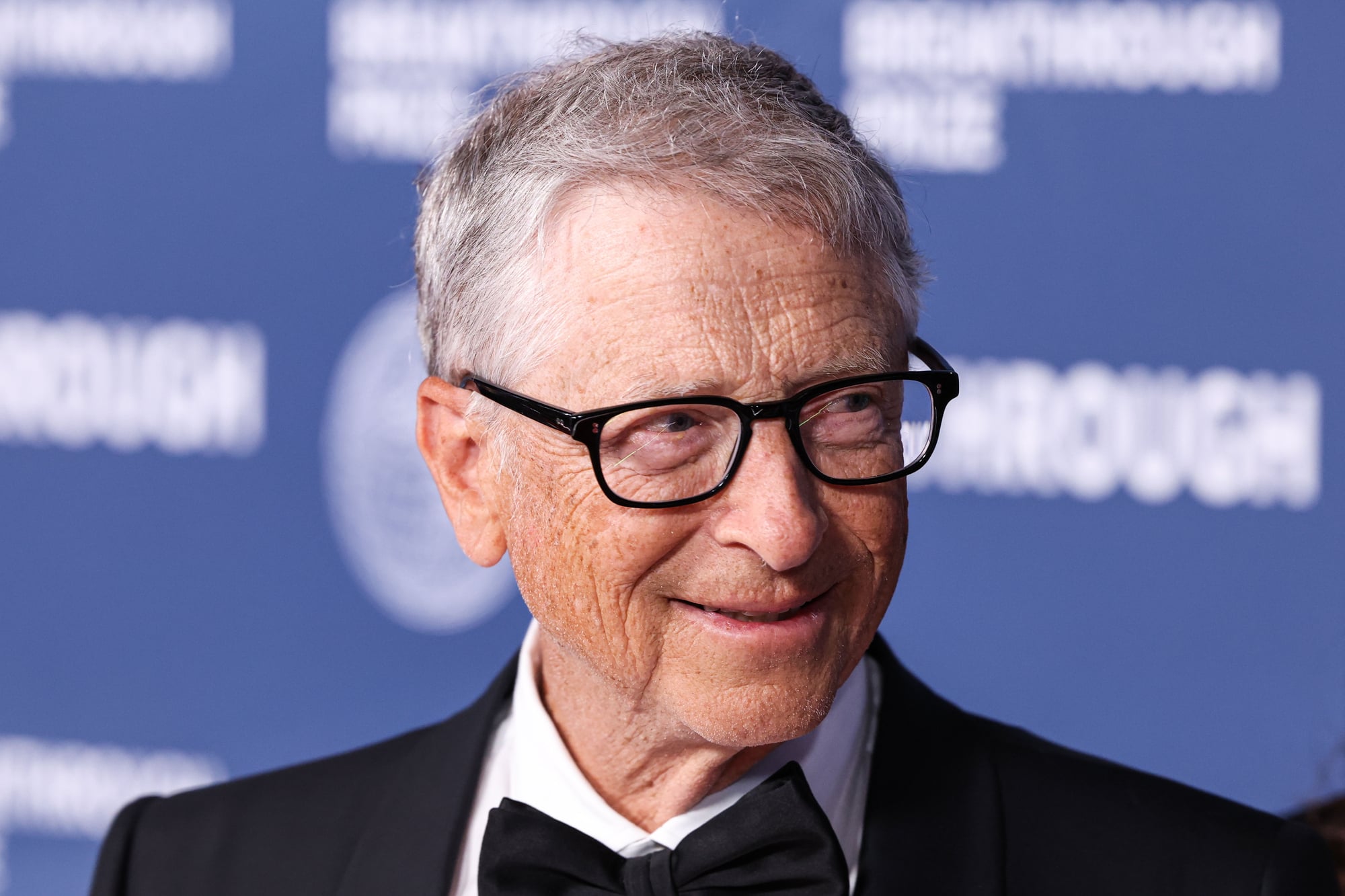
Bill Gates co-founded Microsoft in 1975 and ran it as CEO for 25 years before stepping down in 2000. He stayed on as chairman and chief software architect for a while, then gradually pulled back to focus on the Gates Foundation.
Gates was known for being incredibly smart but also really harsh in meetings, sometimes yelling at people if he thought their ideas were stupid. Microsoft dominated personal computers during his time as CEO, though the company missed out on smartphones and tablets, which hurt later.
Gates finally left the board completely in 2020 after some personal scandals came out, but by then he was already focused mostly on giving away his fortune.
Rupert Murdoch at News Corp

Rupert Murdoch inherited a small newspaper in Australia from his dad in 1952 and spent the next 70 years building a global media empire. He officially stepped down as chairman of Fox and News Corp in 2023 at age 92, ending one of the longest runs at the top of any major company.
Murdoch bought newspapers, TV stations, and movie studios across multiple countries and used them to push his political views and make money. He created Fox News in 1996, which completely changed American politics and media.
People either see him as a brilliant businessman or a destructive force in journalism, and there’s not much middle ground.
Charles Koch at Koch Industries
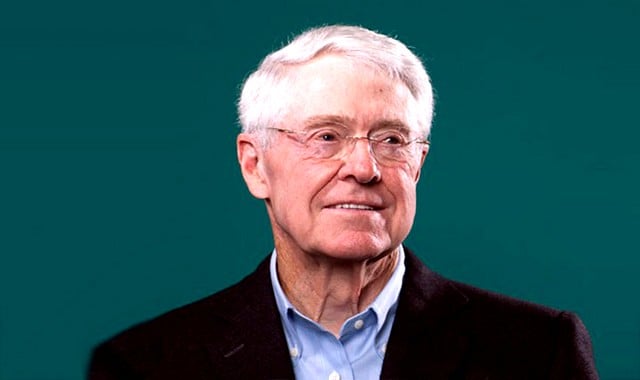
Charles Koch took over his father’s oil refining business in 1967 and still runs Koch Industries today, over 56 years later. He and his brother David built it into the second-largest private company in America, worth an estimated $115 billion.
Koch Industries is involved in everything from oil and chemicals to paper products and fertilizer, and it stays private so Charles doesn’t have to answer to shareholders.
Where They All End Up

These CEOs lasted so long because they either owned their companies outright or loved the work too much to walk away. Some of them built things that genuinely changed the world, while others just had a death grip on power and wouldn’t let anyone else take over.
The business world doesn’t really work like this anymore, with boards and shareholders pushing out CEOs after a few rough quarters.
More from Go2Tutors!

- The Romanov Crown Jewels and Their Tragic Fate
- 13 Historical Mysteries That Science Still Can’t Solve
- Famous Hoaxes That Fooled the World for Years
- 15 Child Stars with Tragic Adult Lives
- 16 Famous Jewelry Pieces in History
Like Go2Tutors’s content? Follow us on MSN.