Images Of 17 Discontinued Fast Food Items
There’s something about a fast food item disappearing from the menu that makes you want it more. You didn’t think twice about ordering it when it was around.
But the moment it’s gone, it becomes the thing you’d drive an hour for. These 17 items have one thing in common: they were here, they were loved, and then one day they just weren’t.
1. McDonald’s Arch Deluxe
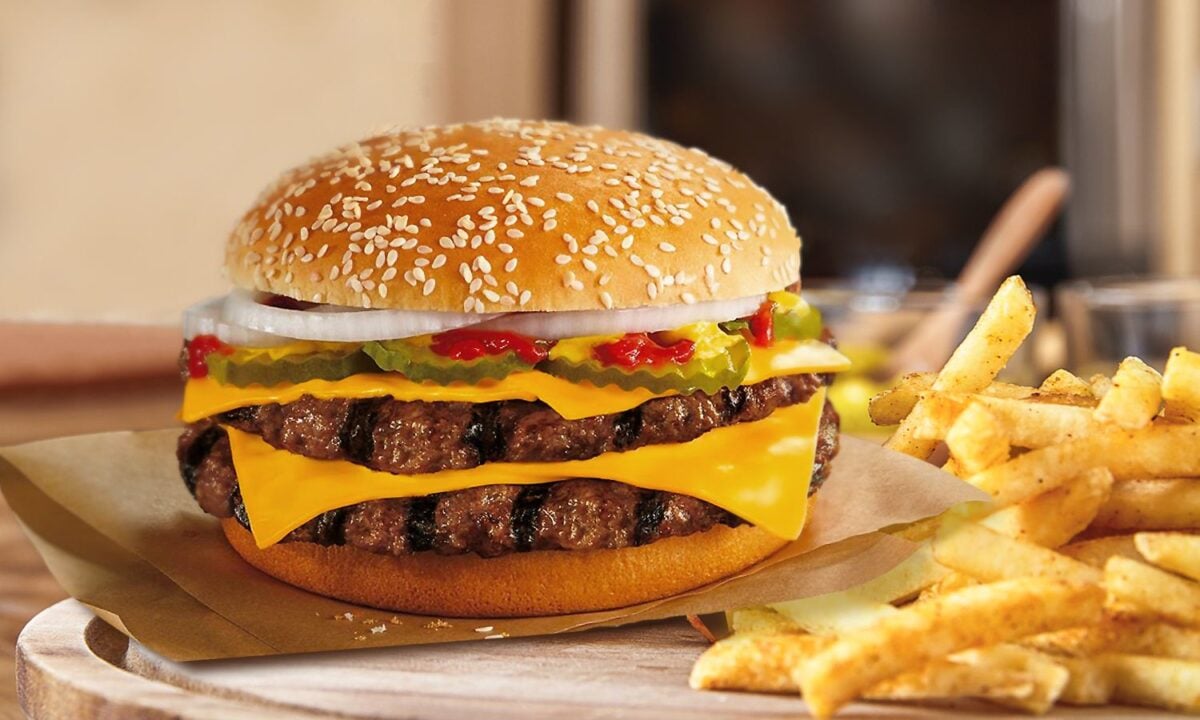
McDonald’s launched the Arch Deluxe in 1996 with a marketing campaign aimed at adults who wanted something more sophisticated than a Big Mac. It had a quarter-pound beef patty, peppered bacon, lettuce, tomato, onion, and a mustard-mayo sauce on a split-top potato roll.
The idea was sound. The execution was expensive.
McDonald’s reportedly spent $100 million on advertising alone, making it one of the costliest product launches in fast food history. Customers weren’t interested in “grown-up” McDonald’s, and the item quietly disappeared by the late 1990s.
It’s remembered more for the failure of its concept than the taste of the burger itself, which by most accounts was actually pretty good.
2. McDonald’s McDLT
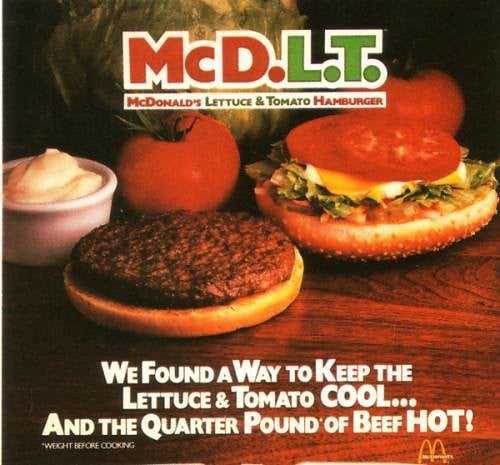
Before the Arch Deluxe came the McDLT, which solved a problem nobody asked about but many people apparently had: hot burgers making lettuce and tomato warm. McDonald’s served the item in a split styrofoam container — hot side with the beef patty, cool side with the toppings.
You assembled it yourself at the table. The packaging made it an environmental nightmare, and when McDonald’s phased out styrofoam in 1991, the McDLT went with it.
Jason Alexander, years before Seinfeld, starred in a now-famous musical commercial for it. That ad alone is worth looking up.
3. Taco Bell Enchirito

The Enchirito was Taco Bell’s version of a beef enchilada — a flour tortilla filled with seasoned beef, beans, and onions, rolled up and smothered in red sauce and melted cheese. It looked like something you’d get at a sit-down Mexican restaurant, which was unusual for a fast food chain.
It appeared on the original menu when Taco Bell opened in the early 1960s and stuck around for decades before being removed in 1993. It came back briefly in the early 2000s and then disappeared again.
There’s a dedicated fanbase that still talks about it, and copycat recipes circulate regularly on food forums.
4. Burger King Satisfries
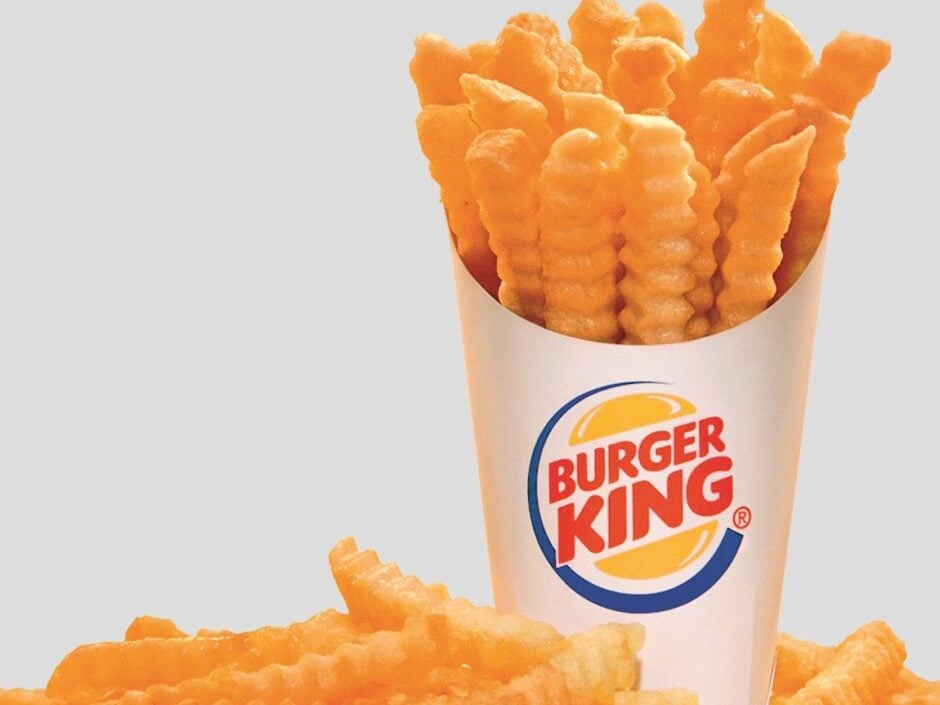
In 2013, Burger King introduced Satisfries as a healthier alternative to their regular fries. The crinkle-cut fries were made with a different batter that absorbed less oil during frying, bringing the calorie count down compared to standard fast food fries.
The problem was that they cost more than regular fries and didn’t taste dramatically better. By 2014, most locations had quietly stopped selling them.
It’s one of the more notable fast food product failures of recent memory — not because it was bad, but because it solved a problem people weren’t willing to pay extra to fix.
5. Pizza Hut P’Zone
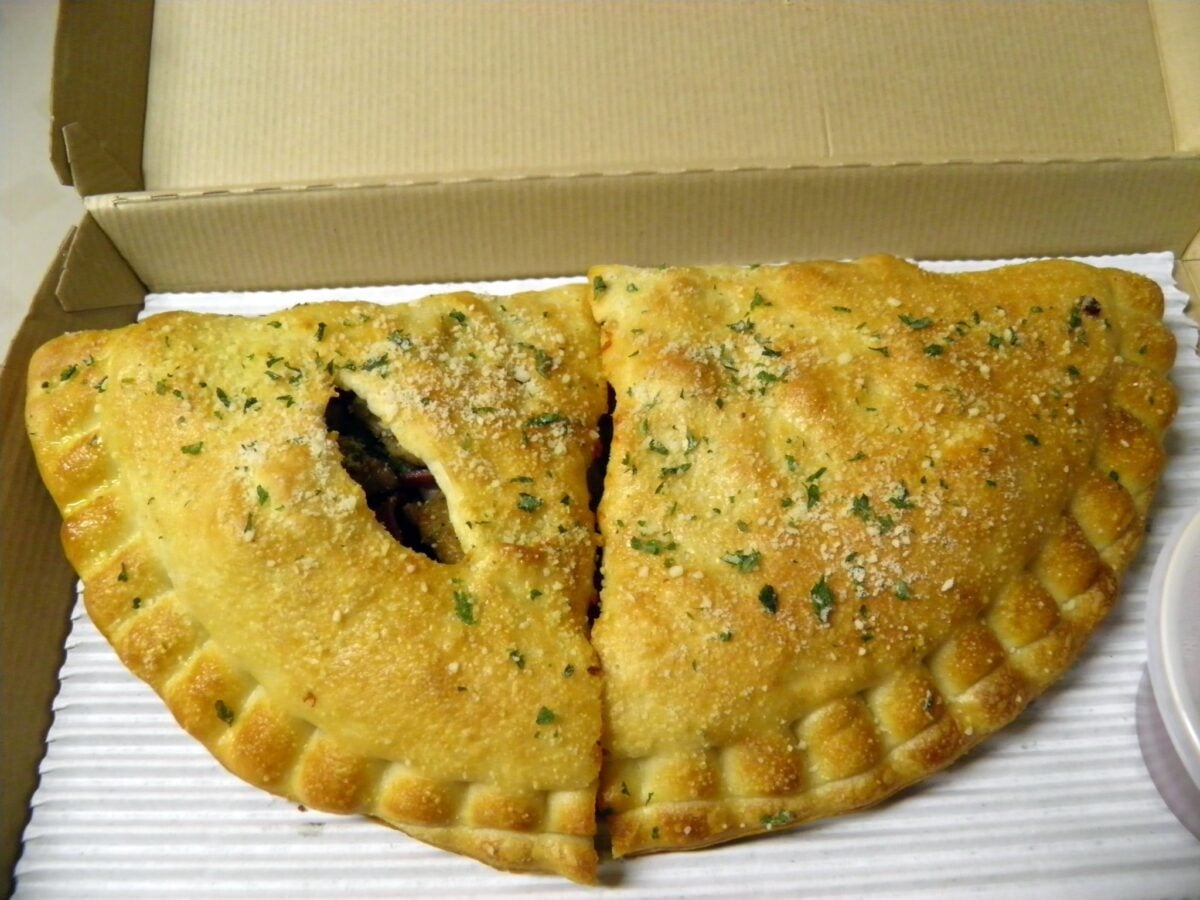
The P’Zone was Pizza Hut’s answer to the calzone, and for a fast food version, it worked surprisingly well. It was a folded-over pizza dough pocket stuffed with meat, cheese, and sauce, served with a side of marinara for dipping.
The crust had that same slightly greasy, satisfying chew that Pizza Hut’s deep dish was known for. It appeared in the early 2000s and had a solid run before being discontinued.
Pizza Hut has brought it back a few times in limited capacities, but it’s never returned as a permanent menu item. If you were a regular lunch customer in that era, you probably ate more than a few of these.
6. Wendy’s SuperBar
The SuperBar was Wendy’s attempt at competing with salad bars in the late 1980s and early 1990s. It wasn’t just a salad bar — it featured a Mexican fiesta section, a pasta bar, and a garden salad section, all for one fixed price added to your meal.
At its peak, over 2,000 Wendy’s locations had one. The logistics of maintaining three separate food stations with acceptable quality proved difficult. Food waste was high, and the labor cost to keep everything stocked and fresh cut into profits.
By 1998, the SuperBar was gone. It’s one of those fast food memories that feels almost mythological at this point.
7. McDonald’s Chicken Selects

McDonald’s Chicken Selects were premium chicken strips — longer, thicker, and more substantial than the standard nugget. They came in three or five piece portions and were positioned as a step above the McNugget for people who wanted real chicken breast meat.
They arrived in 2004 and spent about a decade on the menu before being discontinued in 2013 as part of a menu simplification push. The decision wasn’t popular. McDonald’s received enough pushback that they brought the strips back in some international markets, and the US has seen occasional test returns, but they’ve never stuck around permanently.
8. McDonald’s Szechuan Sauce

McDonald’s Szechuan dipping sauce was created in 1998 as a promotional tie-in with the Disney film Mulan. It was only available for a limited time and largely forgotten — until the animated series Rick and Morty referenced it in 2017, sending the internet into a frenzy.
McDonald’s responded by releasing a tiny batch of the sauce for one day in October 2017. Stores ran out within minutes, and people who waited in long lines left empty-handed. A second release followed in early 2018 with more supply.
The whole episode became a study in how nostalgia and internet culture can make a 20-year-old condiment feel urgent.
9. Arby’s Potato Cakes

Before Arby’s replaced them with crinkle-cut fries, the chain served potato cakes — oval-shaped, pan-fried patties made from shredded potato. They were crispier than a hash brown but softer in the center, and they paired well with Arby’s beef sandwiches in a way that regular fries simply don’t.
Arby’s quietly removed them from most menus around 2021. Some regional locations still carry them, which has made the discontinuation feel uneven and confusing to regular customers.
The online outcry after the removal was loud enough that the chain addressed it publicly, though no permanent return has followed.
10. KFC’s Original Chicken Littles

Not the current version. The original Chicken Littles from the late 1980s were small, inexpensive sandwiches made with a single crispy chicken strip on a small, soft bun with a light mayo sauce.
They cost around 39 cents and were genuinely good. KFC brought back a version in 2012, but it wasn’t the same — different size, different bun, different price point.
The original held a place in the memory of anyone who grew up eating them. There’s a specific kind of fast food nostalgia reserved for things that were simple, cheap, and exactly what they needed to be.
11. Hardee’s Frisco Burger
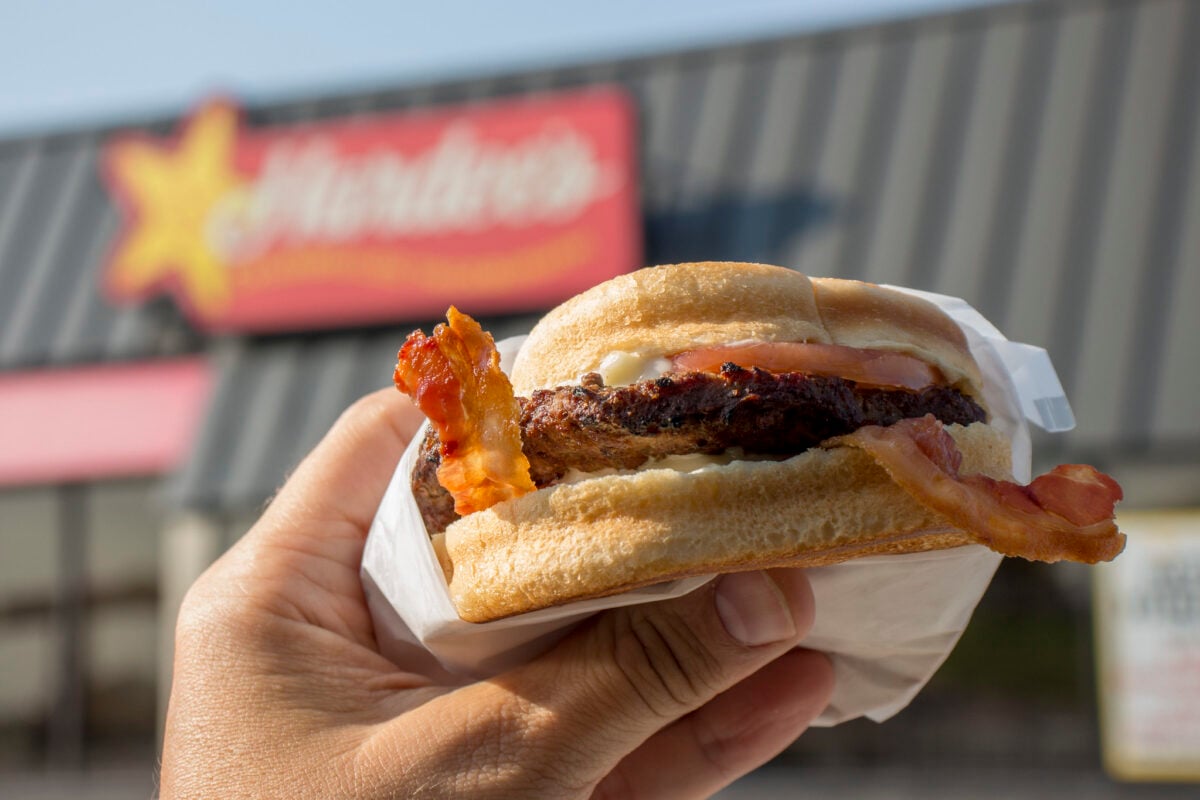
The Frisco Burger was one of Hardee’s signature items throughout much of the 1990s. It featured a thick beef patty with Swiss and American cheese, tomato, and a special sauce, all served on sourdough bread instead of a standard bun.
That sourdough made it stand out. Hardee’s has cycled it in and out of the menu over the years, and some Carl’s Jr. locations have carried versions of it.
But the original formulation and its consistent availability belong to a specific era that older Hardee’s customers still talk about.
12. Sonic’s Pickle Juice Slush
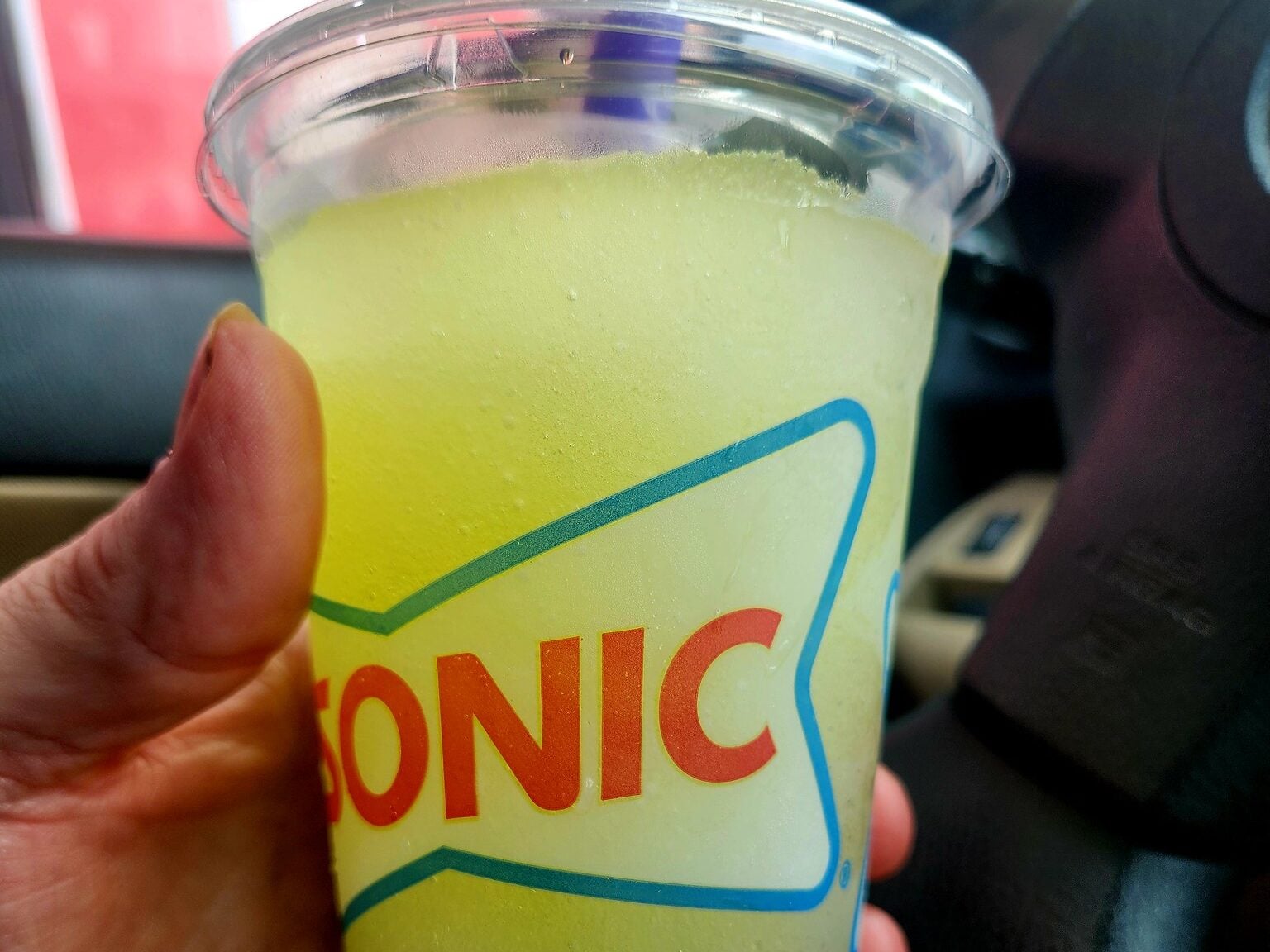
Sonic’s Pickle Juice Slush sounds like a prank, but it found a genuine following when it launched in 2018. It was a green slush drink made with real dill pickle juice, sweet and salty at the same time, the kind of thing that sounds terrible until you try it and realize it actually works.
Sonic ran it as a limited-time item, and it sold well enough to spark a lot of conversation. It hasn’t returned as a permanent menu item, but its brief run demonstrated that customers are more open to unusual flavor combinations than fast food chains typically assume.
13. Burger King Chicken Tenders
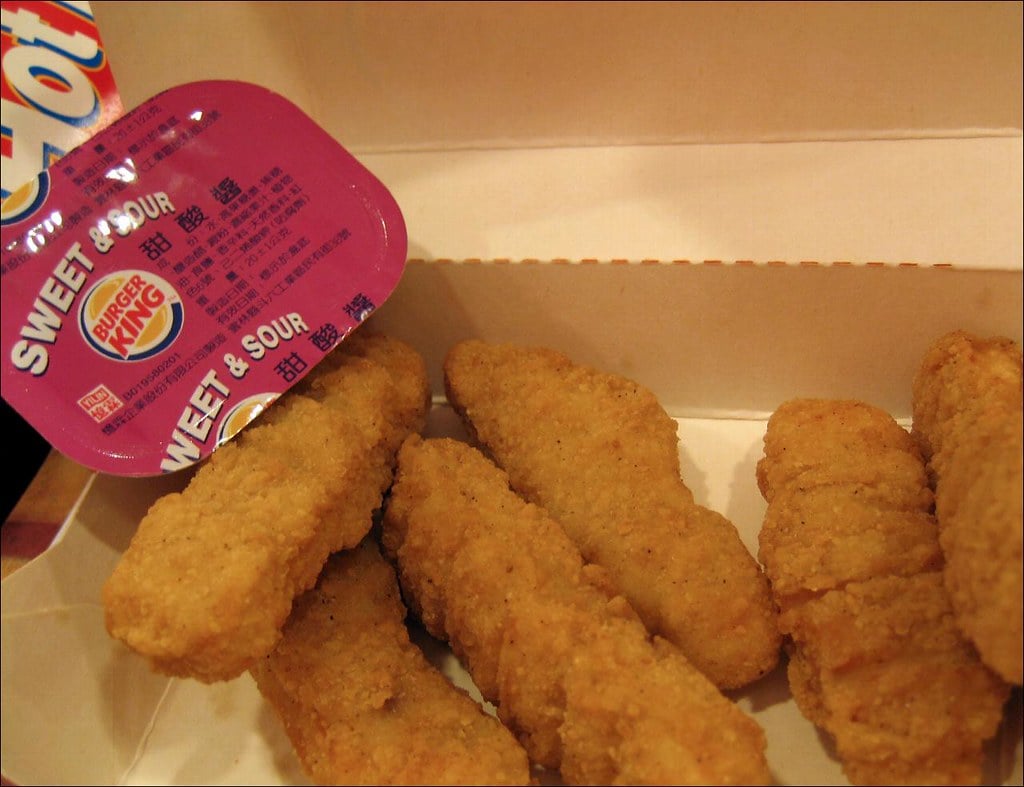
Burger King has sold various chicken strips over the years, but the mid-2000s version of their Chicken Tenders had a specific coating and texture that a lot of people remember fondly. They were tender, lightly breaded, and held up well to dipping sauces without falling apart.
Various reformulations and menu adjustments over the years have changed what Burger King’s chicken strips taste and look like. For customers who remember the original version, none of the replacements have quite matched it.
That gap between memory and current product is something fast food companies rarely acknowledge.
14. Taco Bell’s Caramel Apple Empanada
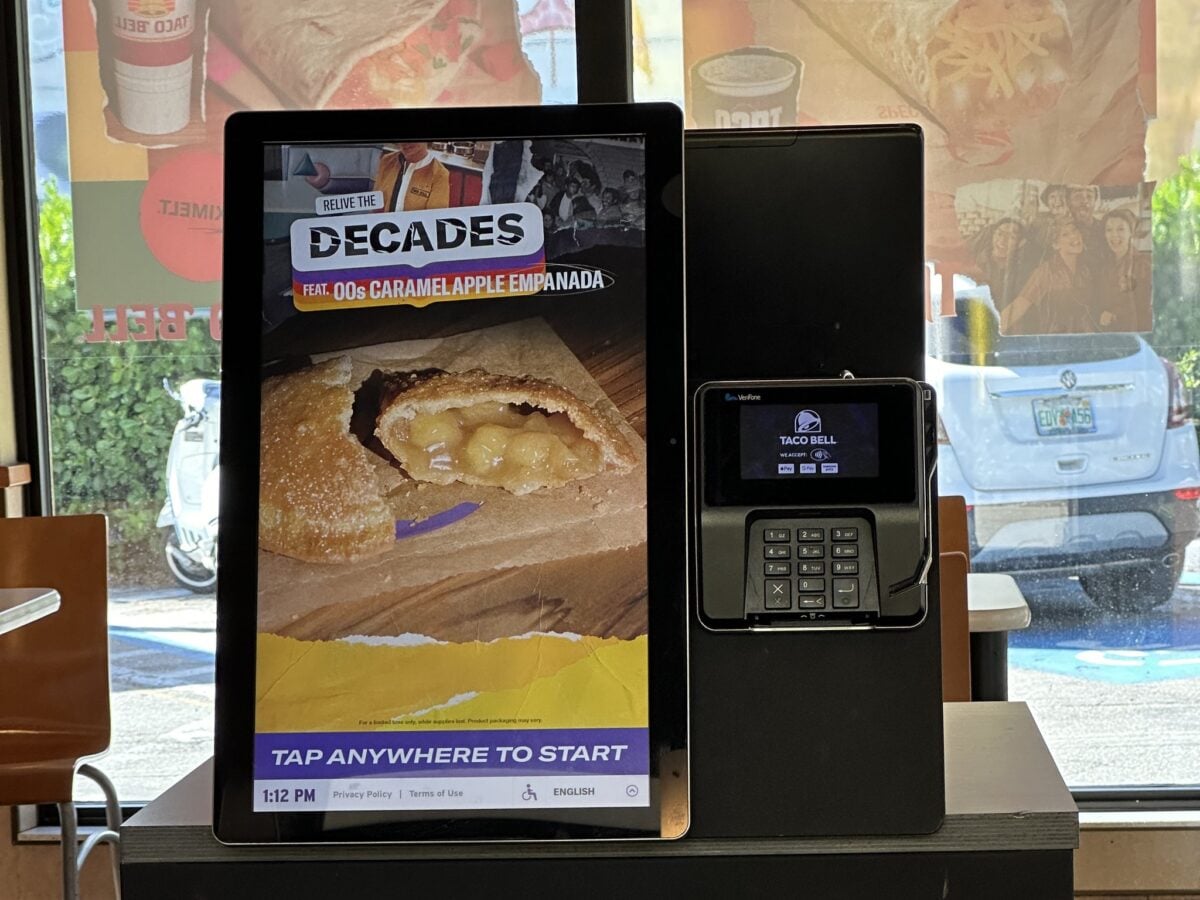
Taco Bell has had several dessert items over the years, but the Caramel Apple Empanada might be the one most people wish would come back. It was a fried pastry filled with cinnamon apple filling and caramel sauce, dusted with cinnamon sugar on the outside.
It appeared seasonally and then more regularly before being discontinued around 2019. Taco Bell has leaned more toward churros and other items in the dessert category since, but the empanada remains the one that fans bring up most often on social media when the topic of discontinued menu items comes up.
15. McDonald’s McSalad Shakers
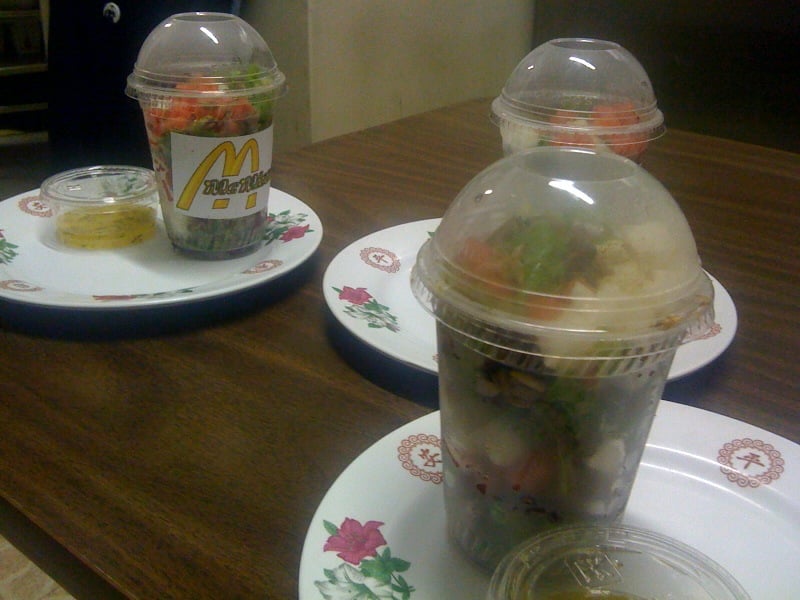
Shaking things up is how those McDonald’s salad cups worked. A plastic container held the greens, nothing more at first.
Then came the dressing – tucked in a little pouch beside it. Pop open the wrapper, slide it under the lid, snap it shut again.
Movement did the mixing. Hands did the work instead of silverware.
Ready when you decide to start eating. Clever enough to skip the mess.
Running between 2000 and 2003, they got swapped out when the new salad-in-a-shell version showed up. That cup shape hasn’t returned since.
While eating near a keyboard or behind the wheel, folks found the shake-to-mix model actually worked – something the newer flat boxes failed to match.
16. Dairy Queen’s Breeze
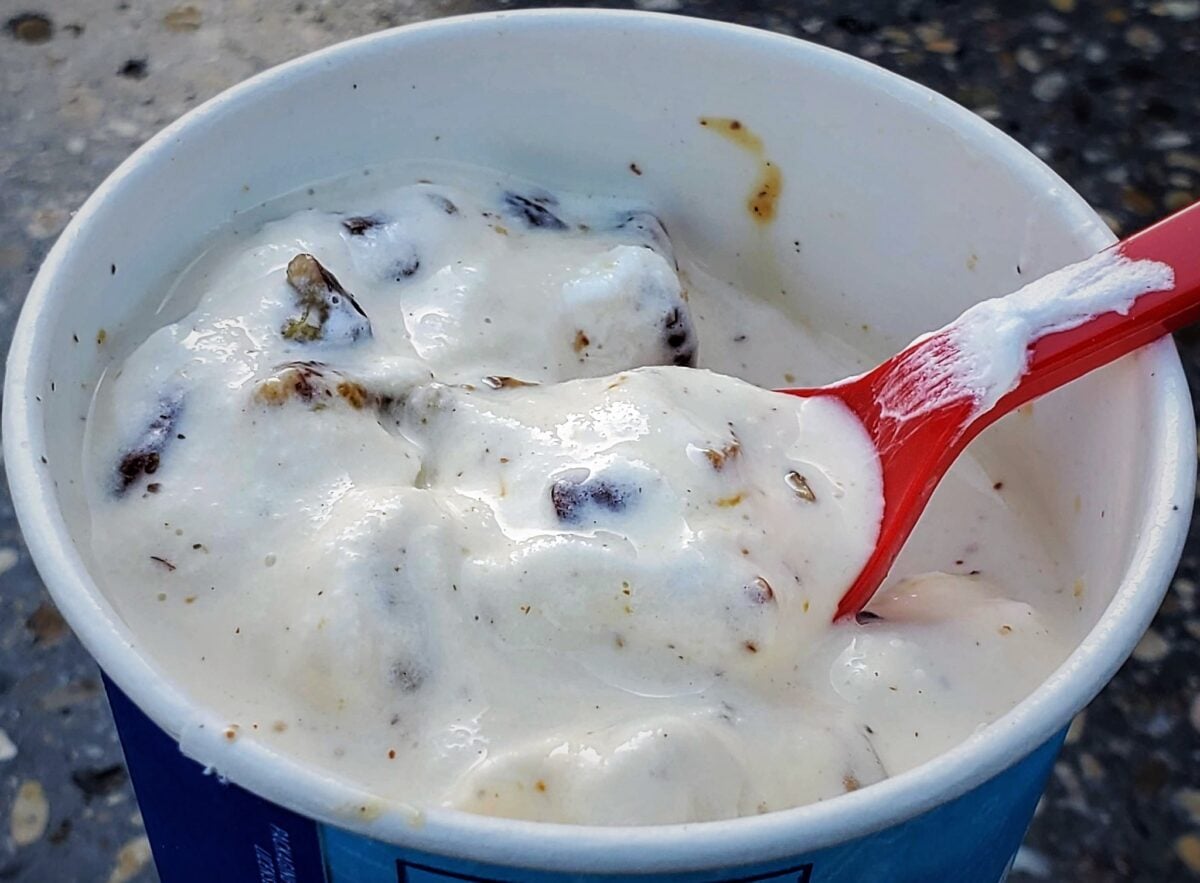
A swirl that fooled the eye, the Dairy Queen Breeze wore the same look as a Blizzard. Instead of ice cream, though, it hid soft-serve frozen yogurt beneath its thick twist.
Born in the early 90s, it arrived when lighter treats drew attention. Just like its richer cousin, you could pile in extras – crushed cookies, chopped candy, even fruit bits.
Each order swirled those pieces deep into the chilly base. Out in 2000 went Dairy Queen’s version.
By that point, frozen yogurt just wasn’t pulling crowds like before – so keeping two different bases felt more trouble than it was worth. Yet throughout its run, the Breeze let those watching their choices dive into a Blizzard moment, staying on track while still joining in.
17. Jack in the Box Egg Rolls
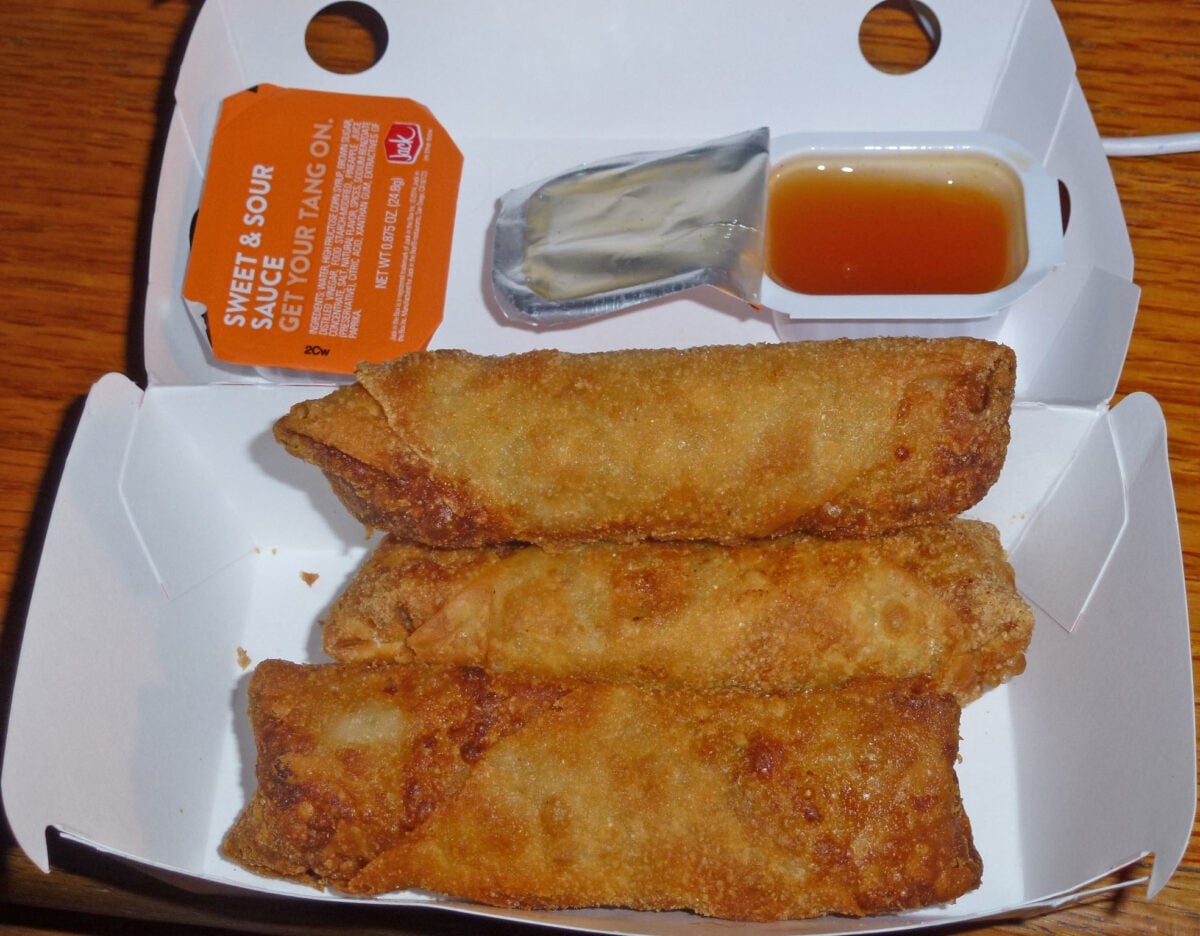
Out back, a few Jack in the Box spots still serve those egg rolls, though you’d be lucky to find one nearby. Since the 70s they’ve hung around the menu, riding out trends and shake-ups.
Now? Most places have quietly let them go. Longevity didn’t save them in the end.
What lasted decades has slipped into near-invisibility. Out here, the egg rolls came packed with cabbage, shredded carrots, then seasoned pork – dunked in a small bowl of tangy sauce on the side.
Not aiming for real deal flavor at all. These were quick-made, greasy-corner takeout bites tasting exactly how you’d expect from a drive-thru window – and people liked that just fine.
Vanishing one day, no warning, gone from nearly every location – it hit quiet but hard, like noticing an old poster missing from a wall you’ve walked past since childhood.
The Little Moments You Didn’t Realize Would Stay With You
Menus at quick-service restaurants shift all the time, yet most tweaks slip by without attention. Still, every now and then an item vanishes, leaving behind a gap no new product manages to close.
Think of the Arch Deluxe, the SuperBar, the first Chicken Littles – hardly masterpieces on a plate. Yet each belonged firmly to its moment, tied to how those brands looked back then, versions long gone.
It’s that rootedness in a past snapshot that gives them weight today.
More from Go2Tutors!

- 16 Historical Figures Who Were Nothing Like You Think
- 12 Things Sold in the 80s That Are Now Illegal
- 15 VHS Tapes That Could Be Worth Thousands
- 17 Historical “What Ifs” That Would Have Changed Everything
- 18 TV Shows That Vanished Without a Finale
Like Go2Tutors’s content? Follow us on MSN.