Longest Tunnels for Driving
Driving through a tunnel longer than a few miles feels strange at first. The world outside disappears, replaced by artificial lights and concrete walls that seem to go on forever.
Some tunnels are so long that radio stations fade out completely and drivers can spend 15 or 20 minutes underground before seeing daylight again. These engineering wonders cut through mountains, run under oceans, and make impossible journeys possible.
Here are some of the longest road tunnels you can actually drive through around the world.
Laerdal Tunnel
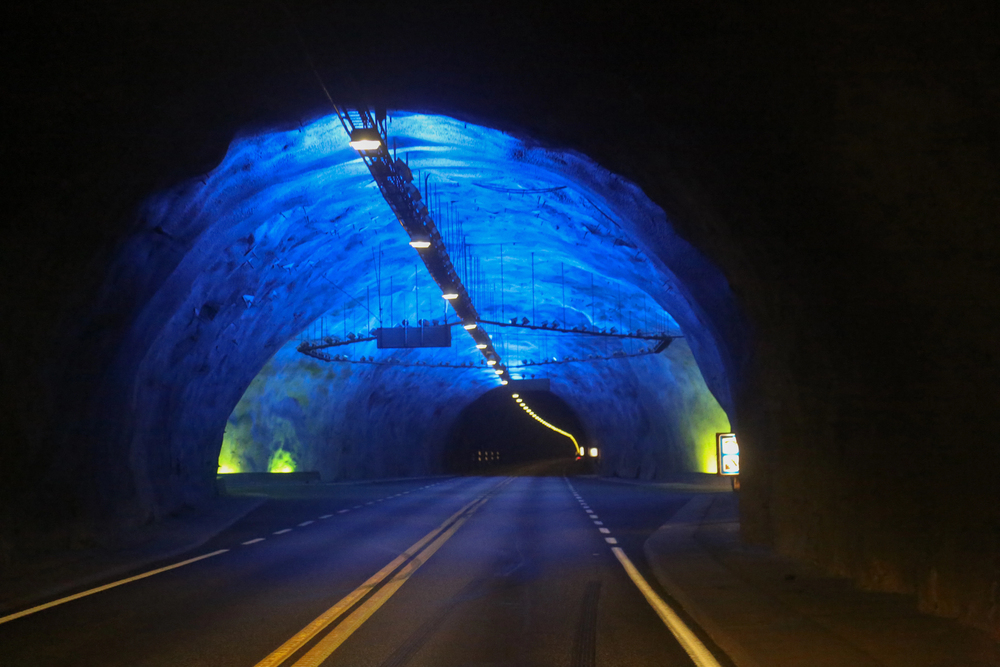
Norway’s Laerdal Tunnel stretches for 15.2 miles through solid rock between Oslo and Bergen. Drivers spend about 20 minutes inside if they keep to the speed limit, which feels like a long time when surrounded by nothing but tunnel walls.
Engineers added three large caves along the route where colorful lights change the mood and give people a mental break from the endless gray. The tunnel opened in 2000 and replaced a mountain route that often closed during winter snowstorms.
Each cave uses blue and yellow lighting to keep drivers alert and reduce the hypnotic effect of staring at the same view for miles.
Zhongnanshan Tunnel
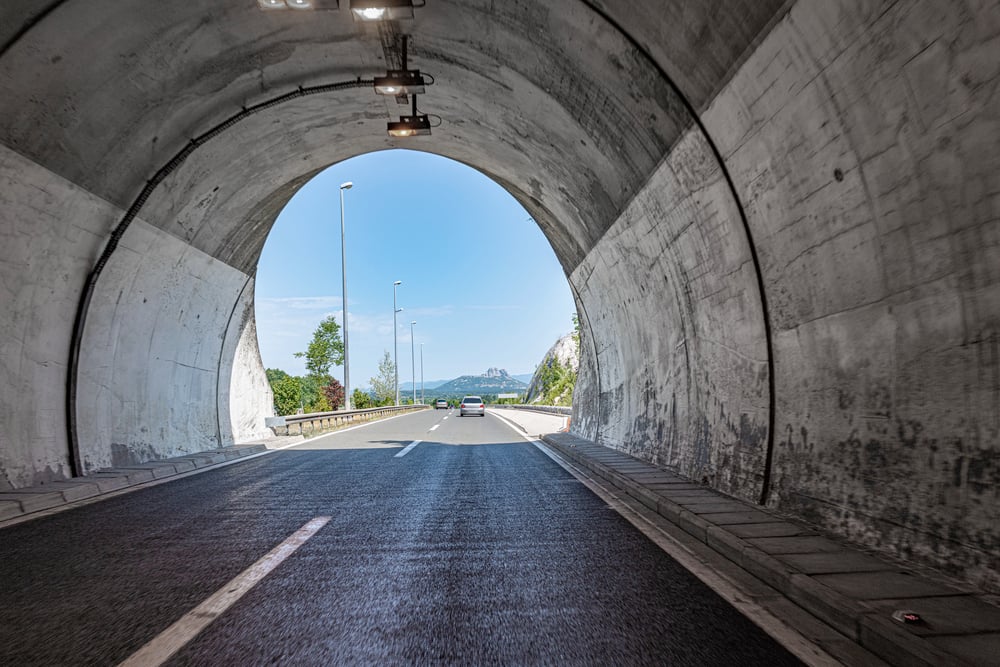
China built this 11.2-mile tunnel through the Qinling Mountains to connect the northern and southern parts of the country more easily. The journey that used to take several hours over dangerous mountain roads now takes about 10 minutes in relatively comfortable conditions.
Construction teams worked from both ends simultaneously, meeting in the middle with remarkable precision after years of drilling. Traffic moves in two separate tubes, each with its own lanes and ventilation systems.
The tunnel sits at a high elevation where winter weather used to make the old mountain pass nearly impossible to cross safely.
Arlberg Road Tunnel
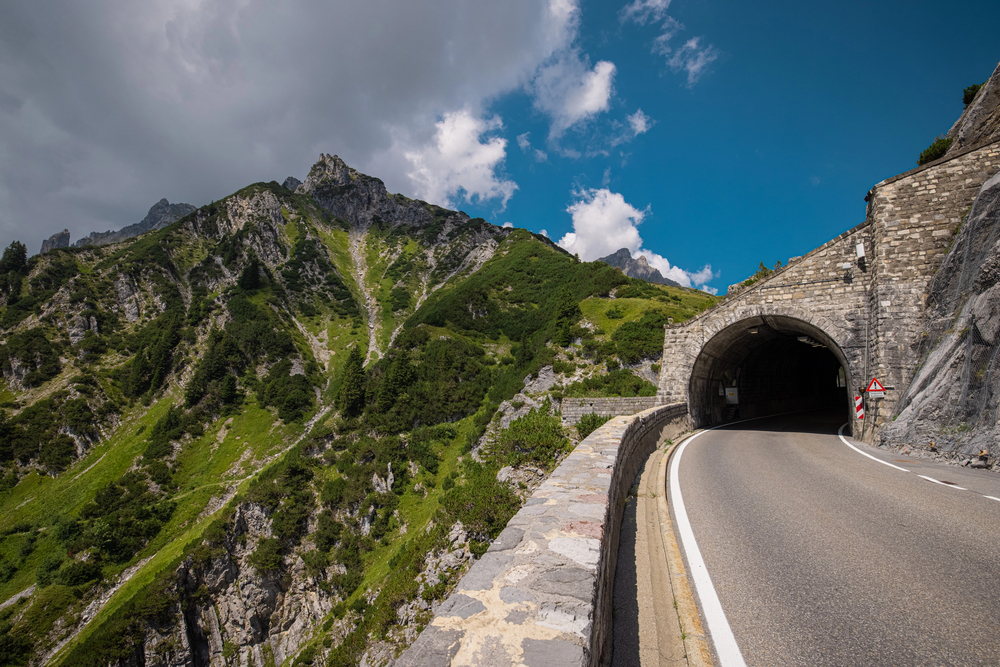
Austria’s Arlberg Tunnel runs for 8.7 miles under the Alps between Tyrol and Vorarlberg. This tunnel charges a toll because maintaining such a long underground road costs a fortune in electricity, ventilation, and safety systems.
The original tunnel opened in 1978 and became so heavily used that Austria built a second tube in 2013 to handle the traffic. Skiers and tourists use it constantly during winter months when the mountain passes get buried under snow.
The tunnel can handle about 2,000 vehicles per hour in each direction when traffic flows smoothly.
Gotthardstrasse Tunnel
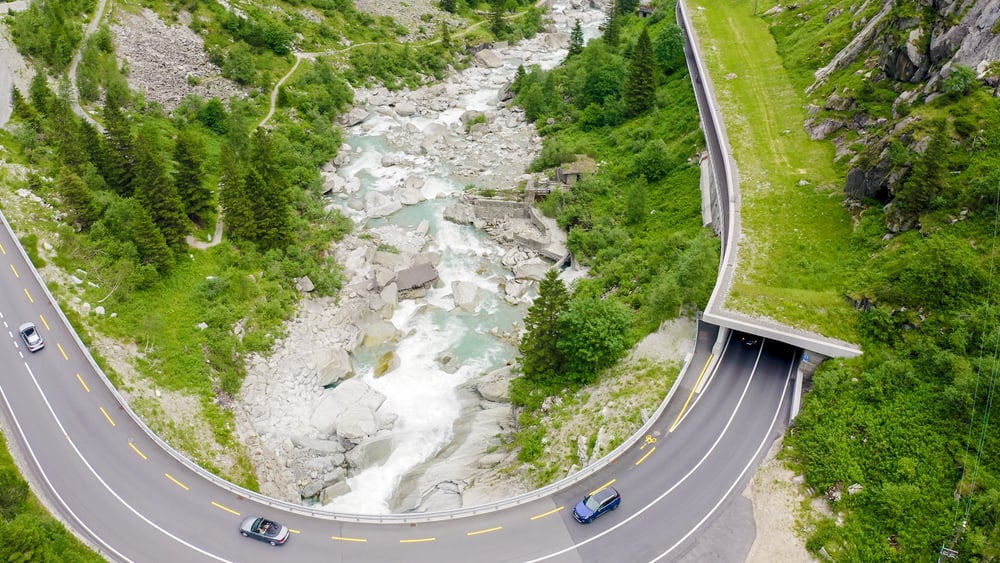
Switzerland’s Gotthard Road Tunnel measures 10.5 miles and connects the northern and southern parts of the country through the Alps. Heavy trucks use this route constantly to move goods across Europe, which creates serious traffic jams during peak times.
A tragic fire in 2001 killed 11 people and led to major safety upgrades throughout the tunnel. Speed limits stay low at around 50 mph, and trucks must maintain specific distances from each other.
The tunnel replaced a mountain pass that twisted through hairpin turns and closed completely during heavy snow.
Fenghuoshan Tunnel
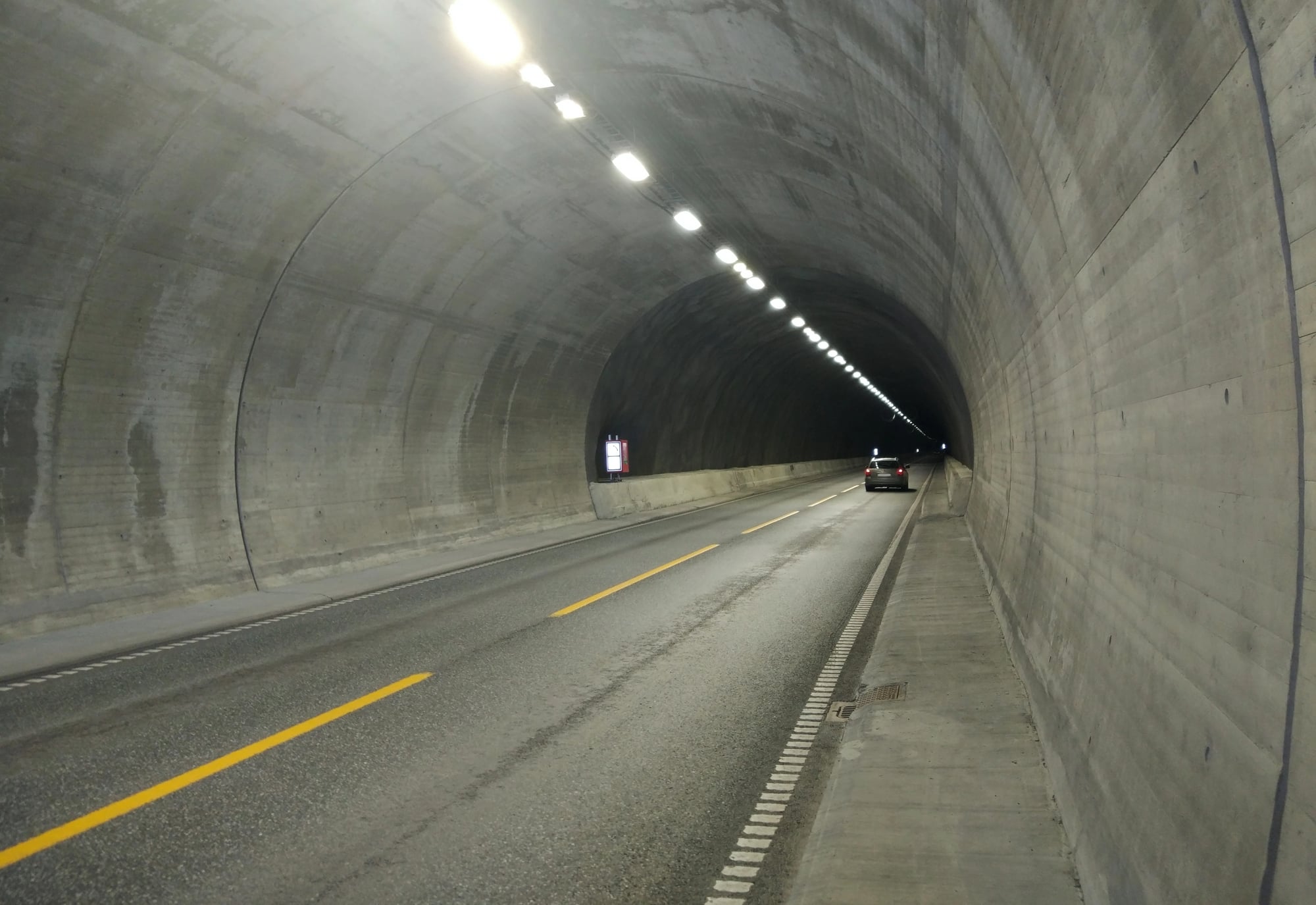
This tunnel sits at over 16,000 feet elevation in Tibet, making it one of the highest major tunnels on Earth. The thin air at this altitude caused problems during construction because workers and equipment struggled to function normally.
At 4,240 feet long, it’s much shorter than other entries on this list, but its location makes it remarkable. The tunnel helps the road between Golmud and Lhasa stay open year-round despite brutal winter conditions.
Drivers sometimes feel lightheaded from the altitude even inside their vehicles.
Hsuehshan Tunnel
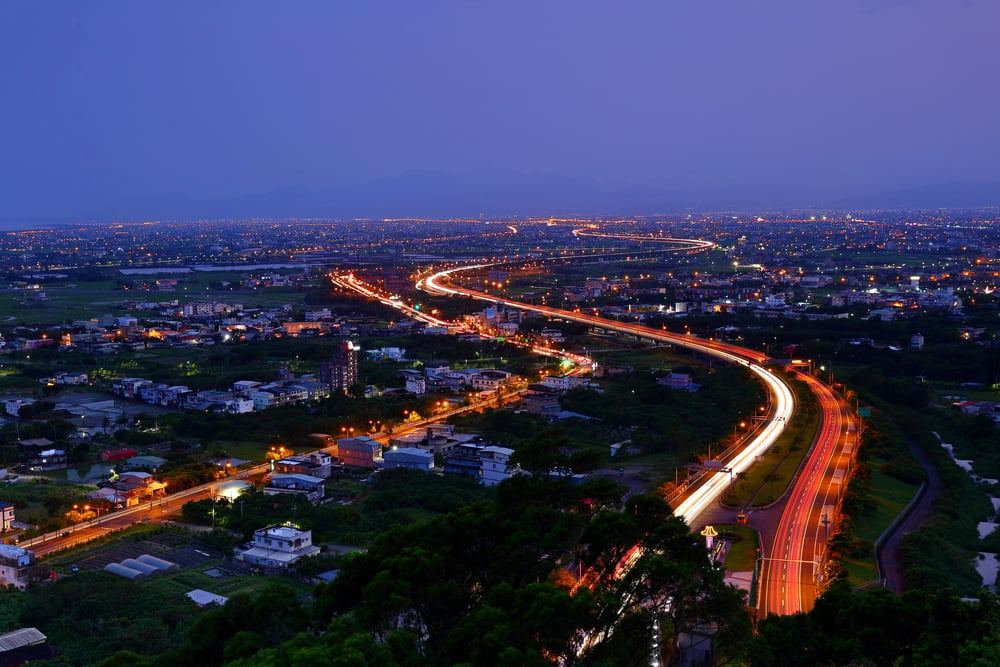
Taiwan’s Hsuehshan Tunnel runs for 8 miles through mountains between Taipei and Yilan County. Construction took 15 years because crews encountered underground water sources that flooded work areas repeatedly.
The tunnel finally opened in 2006 and cut travel time between the two regions from 90 minutes to about 30 minutes. Engineers built it with two main tubes plus a smaller pilot tunnel that serves as an emergency escape route.
The savings in time and fuel convinced everyone that the difficult construction was worth the trouble.
Mont Blanc Tunnel
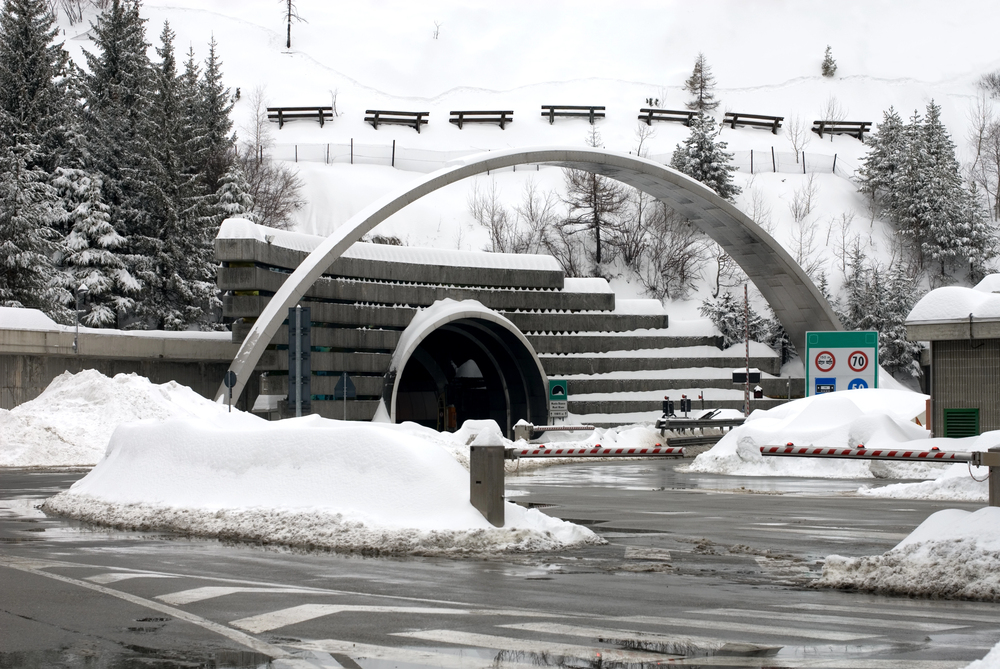
The Mont Blanc Tunnel connects France and Italy through 7.2 miles of the Alps at a height where snow covers everything for months. A devastating fire in 1999 killed 39 people when a truck carrying margarine and flour caught fire inside the tunnel.
That disaster led to complete safety overhauls in major tunnels across Europe. The tunnel reopened in 2002 with better ventilation, more emergency exits, and stricter rules about what trucks can carry through it.
Traffic restrictions now limit how many vehicles can be inside at once.
Gudvangen Tunnel
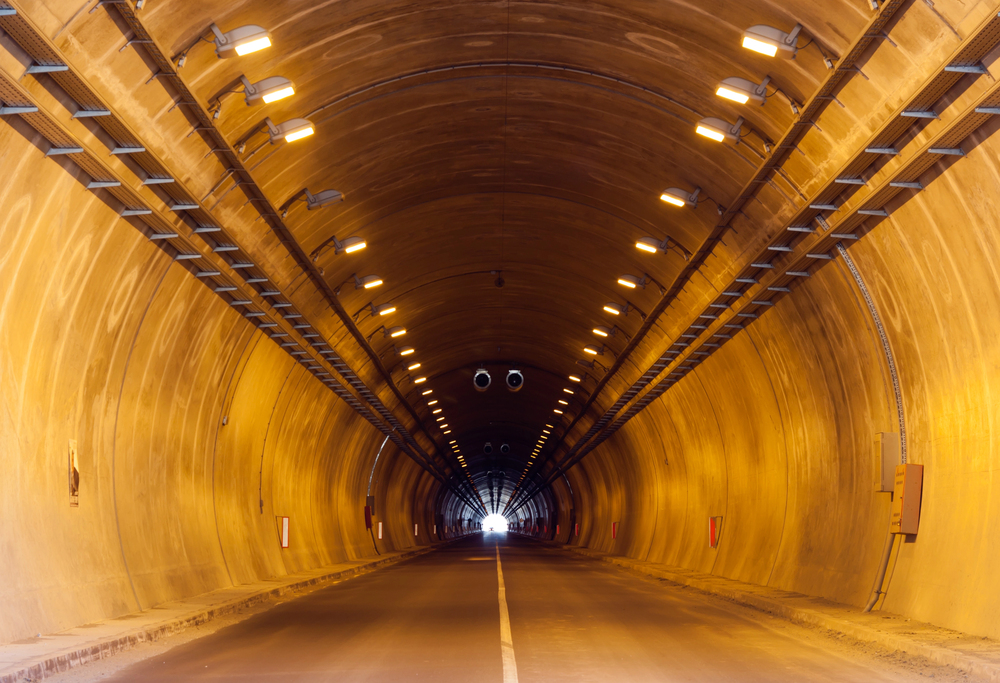
Norway built another super-long tunnel at Gudvangen, stretching 7.5 miles through mountains along the scenic fjord region. This tunnel features a sharp curve in the middle where the road makes a 160-degree turn inside solid rock.
The turn exists because engineers wanted to avoid even more difficult terrain on the outside. Tourists driving rental cars sometimes find the curve startling after miles of straight driving in the dark.
The tunnel connects two valleys that were previously linked only by a winding mountain road that took forever to drive.
Taihang Tunnel
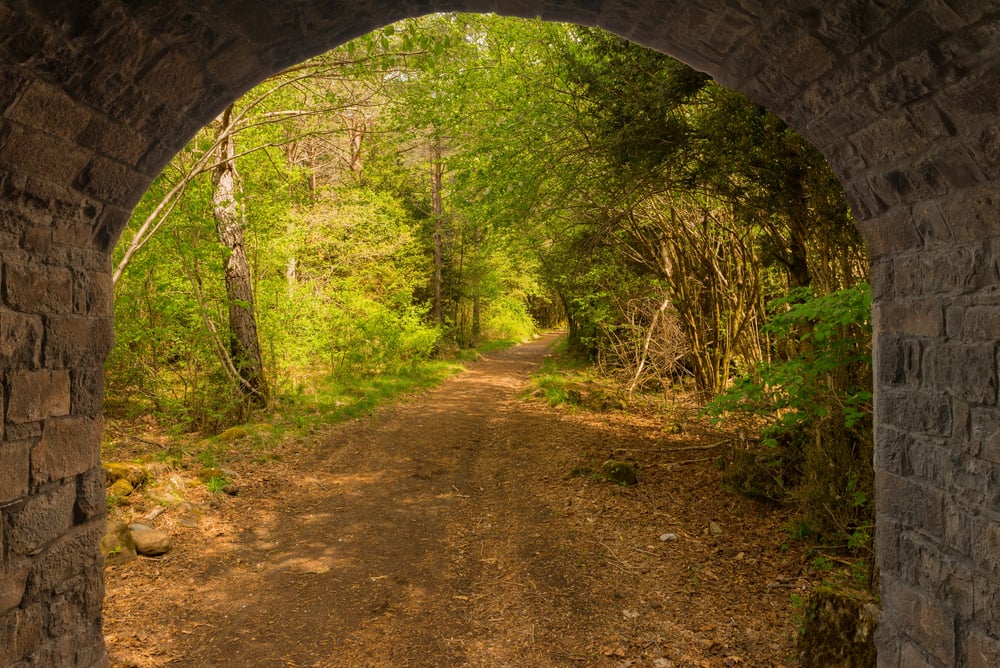
China’s Taihang Tunnel system in the Taihang Mountains includes multiple connected tunnels totaling over 7 miles. Local villagers actually funded and built much of this tunnel themselves in the 1970s using basic hand tools and determination.
The original rough tunnel was later improved and paved to handle modern traffic safely. It cuts through sheer cliffs that made the village nearly impossible to reach during certain seasons.
The story of its construction shows what people can accomplish when isolation forces them to find solutions.
Xiluodu Tunnel
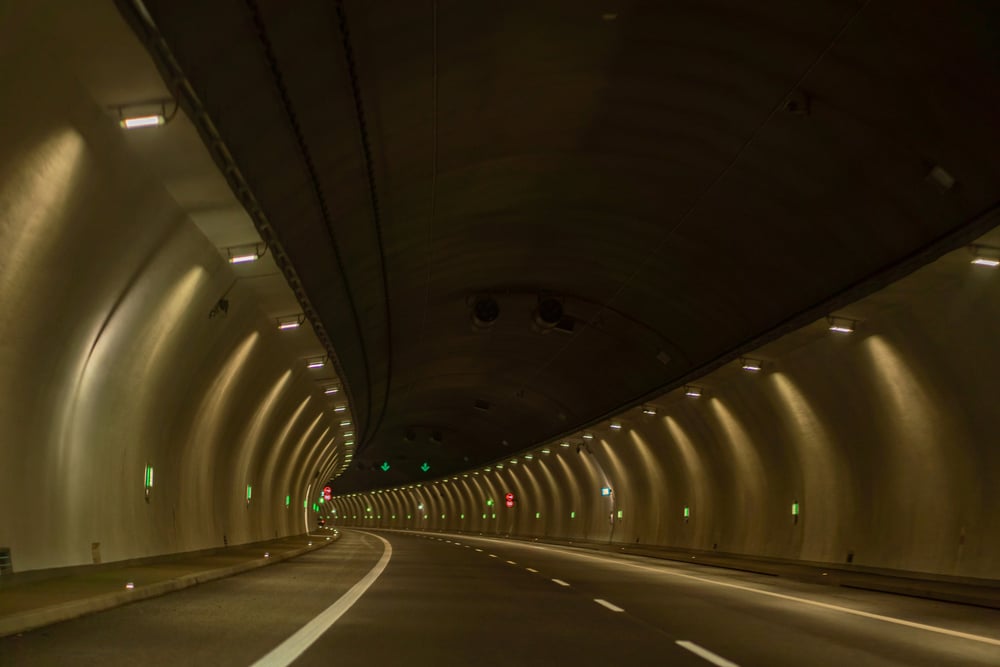
This Chinese tunnel runs for 6.9 miles through mountains in Sichuan Province as part of the highway network. Engineers designed it to withstand earthquakes, which happen regularly in this geologically active region.
The tunnel includes advanced monitoring systems that can detect structural problems before they become dangerous. Construction crews removed millions of tons of rock to create the passage.
The ventilation system has to work constantly because of the heavy truck traffic moving through.
Eisenhower Tunnel
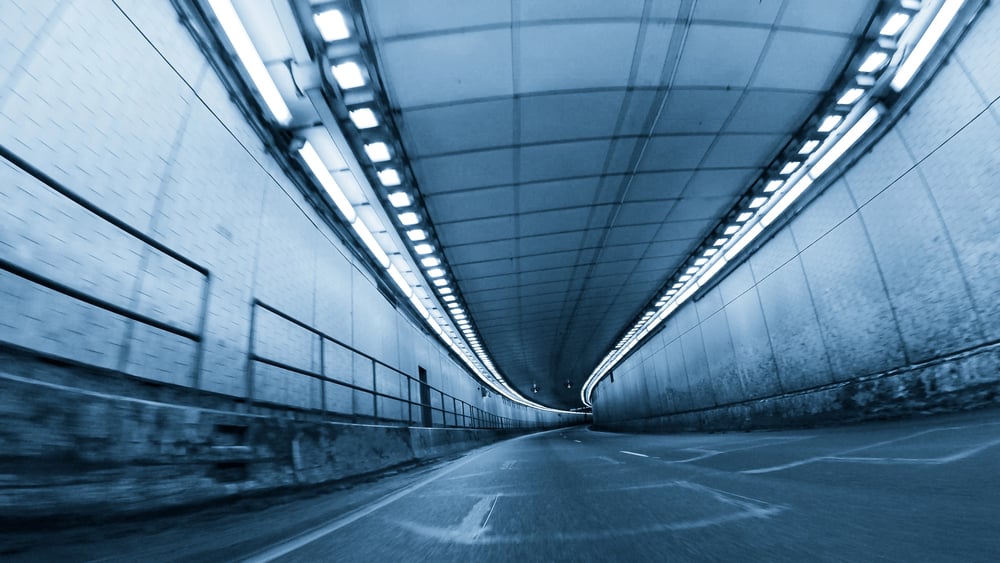
Colorado’s Eisenhower Tunnel sits at 11,158 feet elevation in the Rocky Mountains and spans 1.7 miles. While much shorter than others on this list, it holds the record as the highest vehicle tunnel in North America.
The thin air affects both cars and people, with engines running less efficiently and some drivers feeling the altitude. Winter storms can dump several feet of snow on the mountain pass above while traffic flows normally inside the tunnel below.
About 30,000 vehicles use it daily during peak summer travel season.
Frejus Road Tunnel
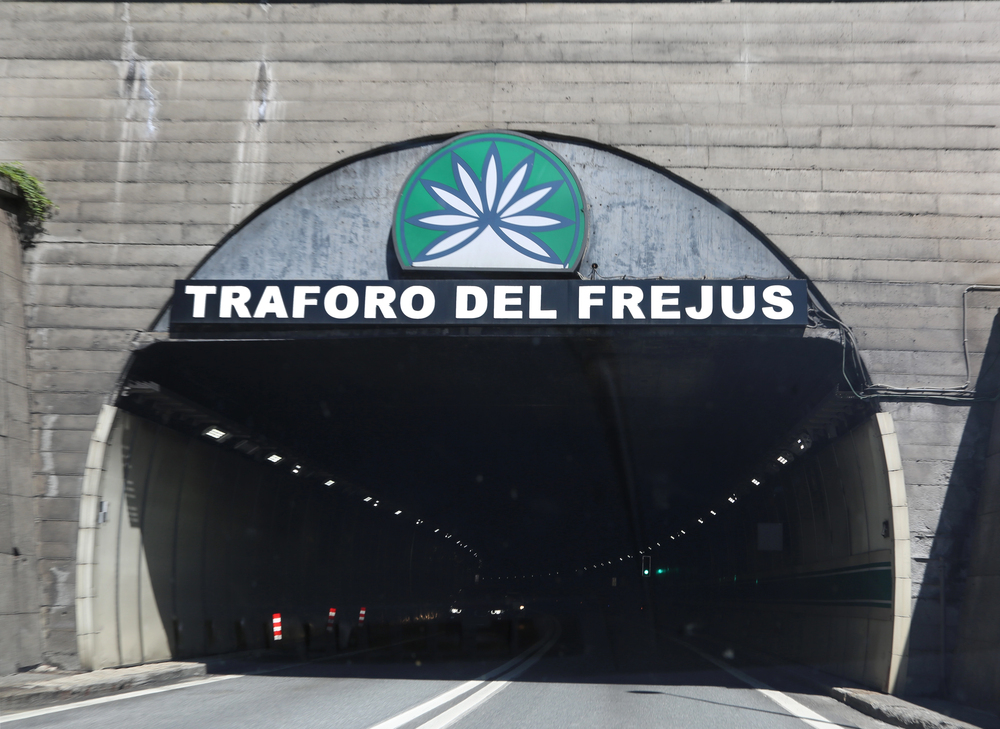
The Frejus Tunnel links France and Italy through 8.1 miles of the Alps and carries heavy international traffic. Trucks transport goods between northern Europe and Italy through this route constantly.
A serious fire in 2005 forced emergency upgrades to safety systems throughout the tunnel. The ventilation system can now clear smoke much faster if another fire occurs.
Strict regulations control which vehicles can enter and how far apart they must stay from each other.
Jinpingshan Tunnel
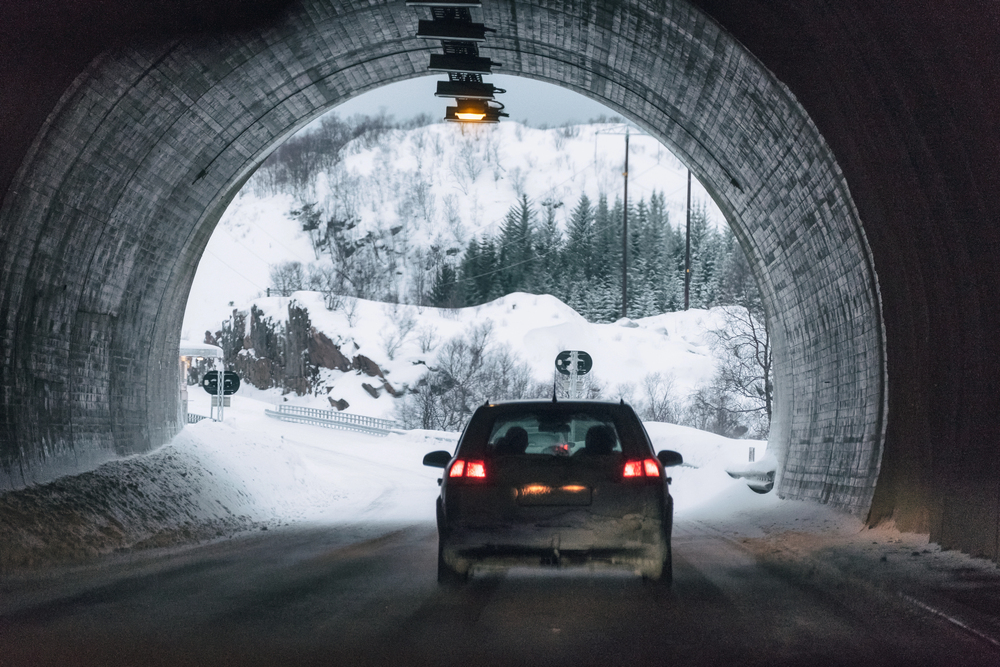
Another Chinese mountain tunnel, Jinpingshan, stretches 10.9 miles through difficult terrain in Sichuan Province. The tunnel took years to build because of complex geology and underground water that kept flooding the construction site.
Workers dealt with extreme pressure from the rock overhead, which sometimes caused dangerous cave-ins. Modern vehicles zip through in about 10 minutes, completely unaware of the years of struggle it took to create that path.
The tunnel dramatically reduced travel time and made previously remote areas much more accessible.
Queensway Tunnel
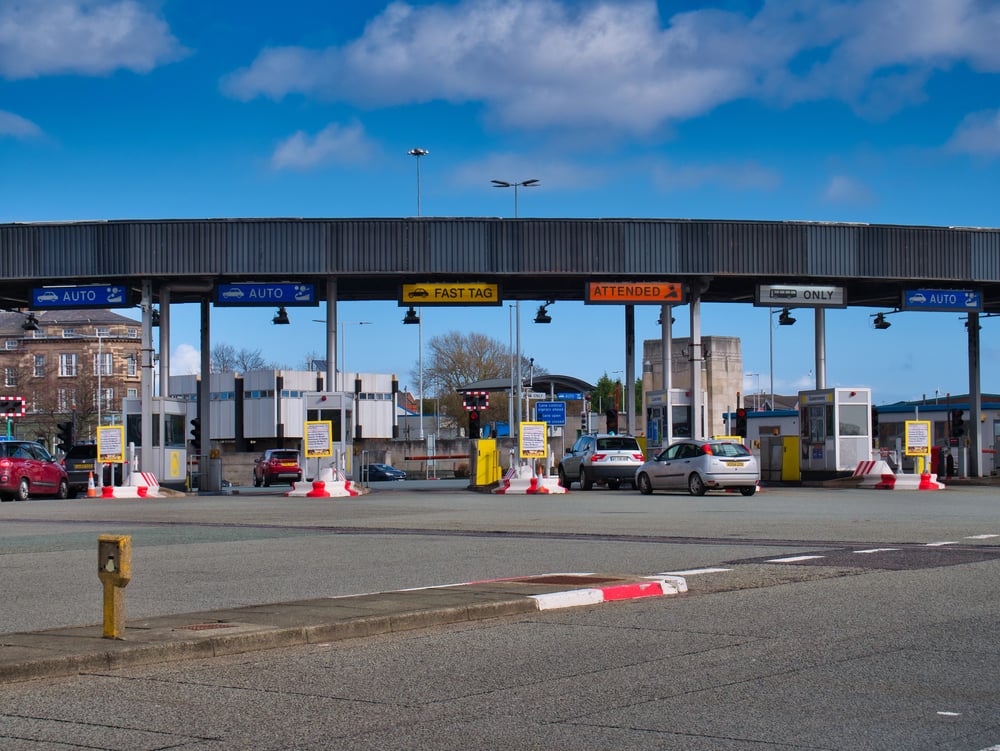
The Mersey Queensway Tunnel under the Mersey River in England opened way back in 1934 and spans 2.1 miles. King George V attended the opening ceremony for what was then the longest underwater tunnel in the world.
Modern standards would consider it short, but at the time it represented an incredible engineering achievement. The tunnel still handles traffic between Liverpool and Birkenhead every single day.
Its art deco entrance buildings remain landmarks that remind people of the tunnel’s historic importance.
Fort McHenry Tunnel
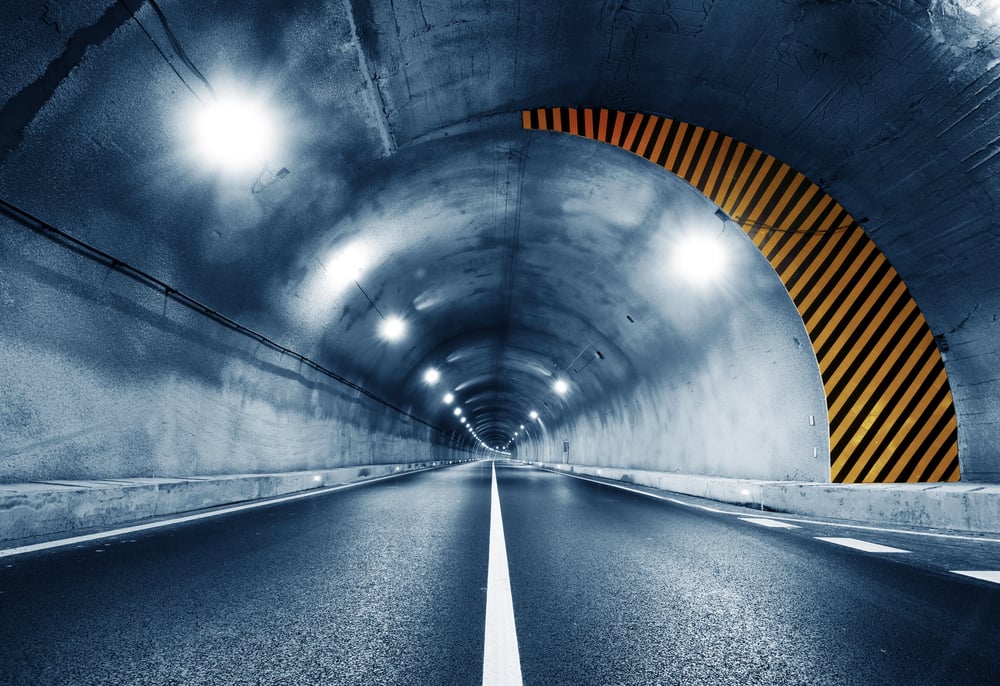
Beneath the Patapsco River, Baltimore’s Fort McHenry Tunnel stretches 1.4 miles along Interstate 95. Built below water level, its design must handle pressures and leaks that mountain bores never face.
Some trucks hauling dangerous cargo are banned – safety rules make exceptions impossible. When morning or evening crowds hit, lanes clog fast as too many cars funnel through at once.
Linking key roadways, it becomes a necessary chokepoint for cross-state drivers. Though hidden underground, its role on the Eastern Seaboard stays hard to replace.
Ted Williams Tunnel
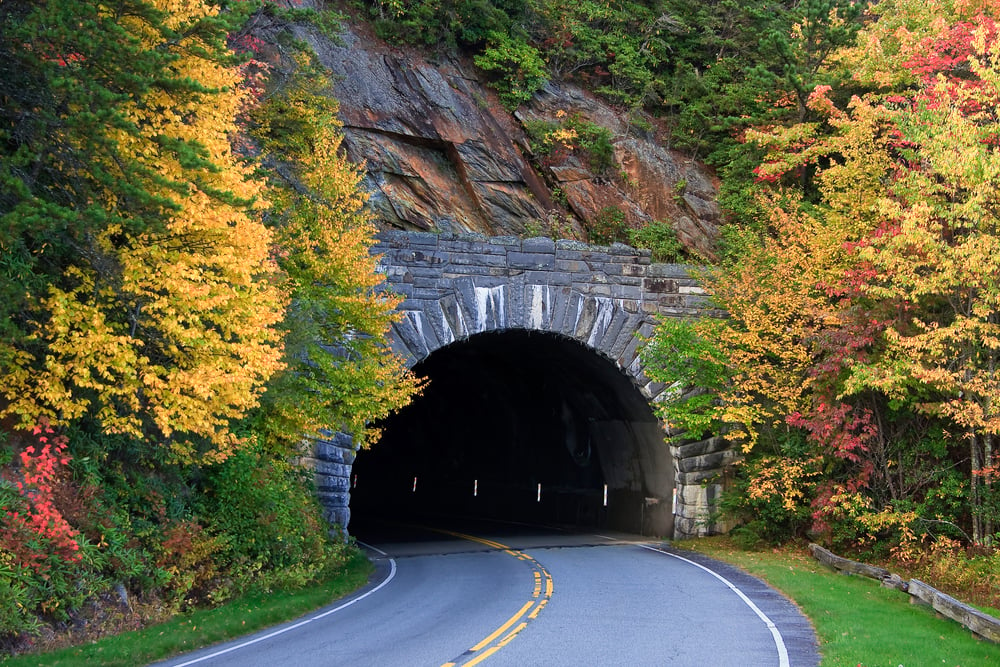
Underwater, Boston’s Ted Williams Tunnel stretches 1.6 miles beneath the harbor, linking downtown to Logan Airport. Built during the 1990s, it became operational in 1995 as a key piece of the Big Dig – a huge overhaul of the city’s roadways.
Unlike tunnels carved through rock, this one needed special techniques due to its submerged route. Every day, travelers heading to terminals fill the passage, keeping traffic steady throughout most hours.
Though price tags climbed high, the effort untangled gridlock that had weighed on streets for years.
Why we build them
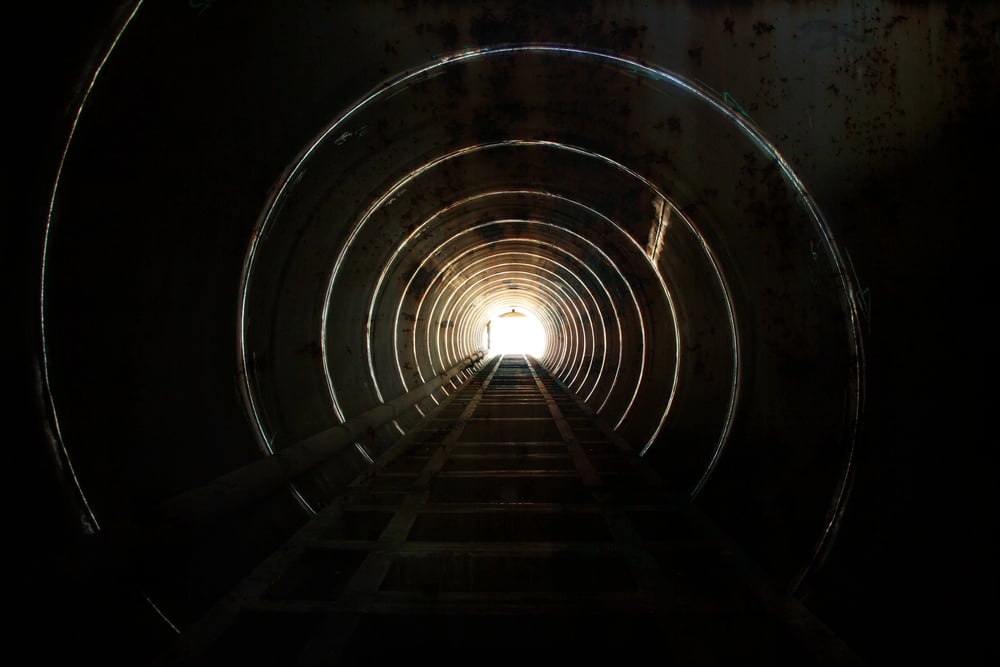
When the land does not match our needs, long tunnels offer a path forward. Instead of mountains blocking roads, or rivers swelling too high, these passages slip beneath obstacles quietly.
Going around takes more hours, burns extra fuel, leaves travelers exposed – cutting straight through makes sense, even if expensive at first. Each tunnel built today sets the stage for ones deeper tomorrow.
Safety grows piece by piece, thanks to smarter designs and better materials. What feels extreme now might seem ordinary in fifty years.
More from Go2Tutors!

- The Romanov Crown Jewels and Their Tragic Fate
- 13 Historical Mysteries That Science Still Can’t Solve
- Famous Hoaxes That Fooled the World for Years
- 15 Child Stars with Tragic Adult Lives
- 16 Famous Jewelry Pieces in History
Like Go2Tutors’s content? Follow us on MSN.