Restaurant Giveaways Kids Brought Home Before Tablets
Before a tablet could keep a child quiet through dinner, restaurants relied on something cheaper and far more portable. A paper crown, a brass token, or a printed certificate did the job, and it could be carried out the door in a coat pocket.
Plenty of those freebies are still rattling around in junk drawers, and a few have attracted serious collectors. The ones below turned an ordinary meal into a keepsake.
The Circus Wagon Box That Began Everything
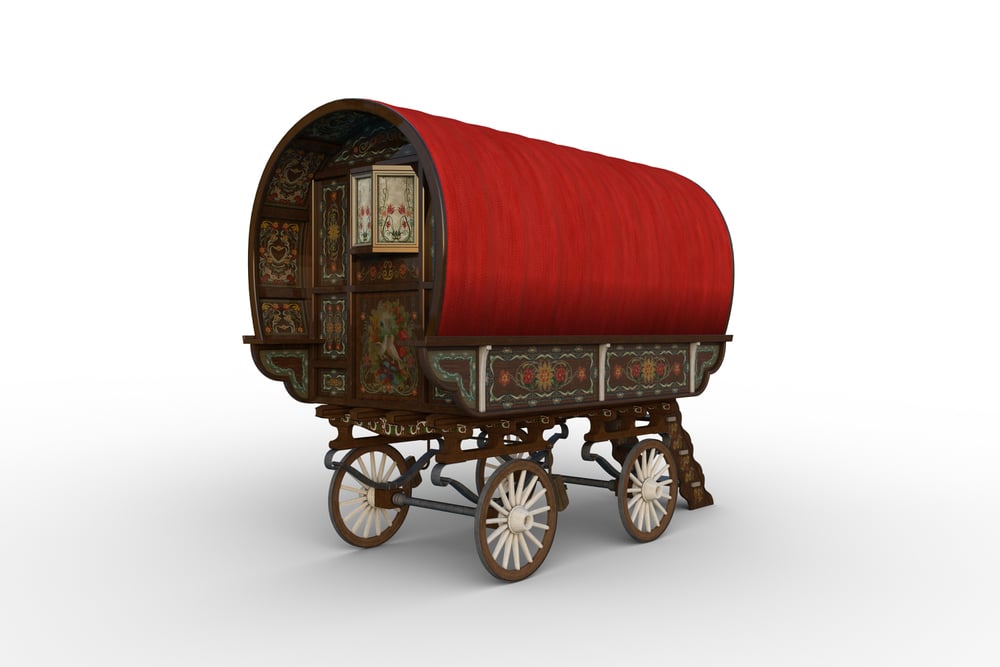
McDonald’s introduced its first national Happy Meal promotion on June 11, 1979, and the food arrived in one of six cardboard boxes designed to look like circus wagons. The toys inside were modest, among them a McDoodler stencil, a spinning top, a puzzle lock, an ID bracelet, a wallet, and character erasers.
Complete boxes in good shape bring far more than loose toys, since cardboard rarely survives childhood.
The Star Trek Meal Wrote the Tie-In Playbook
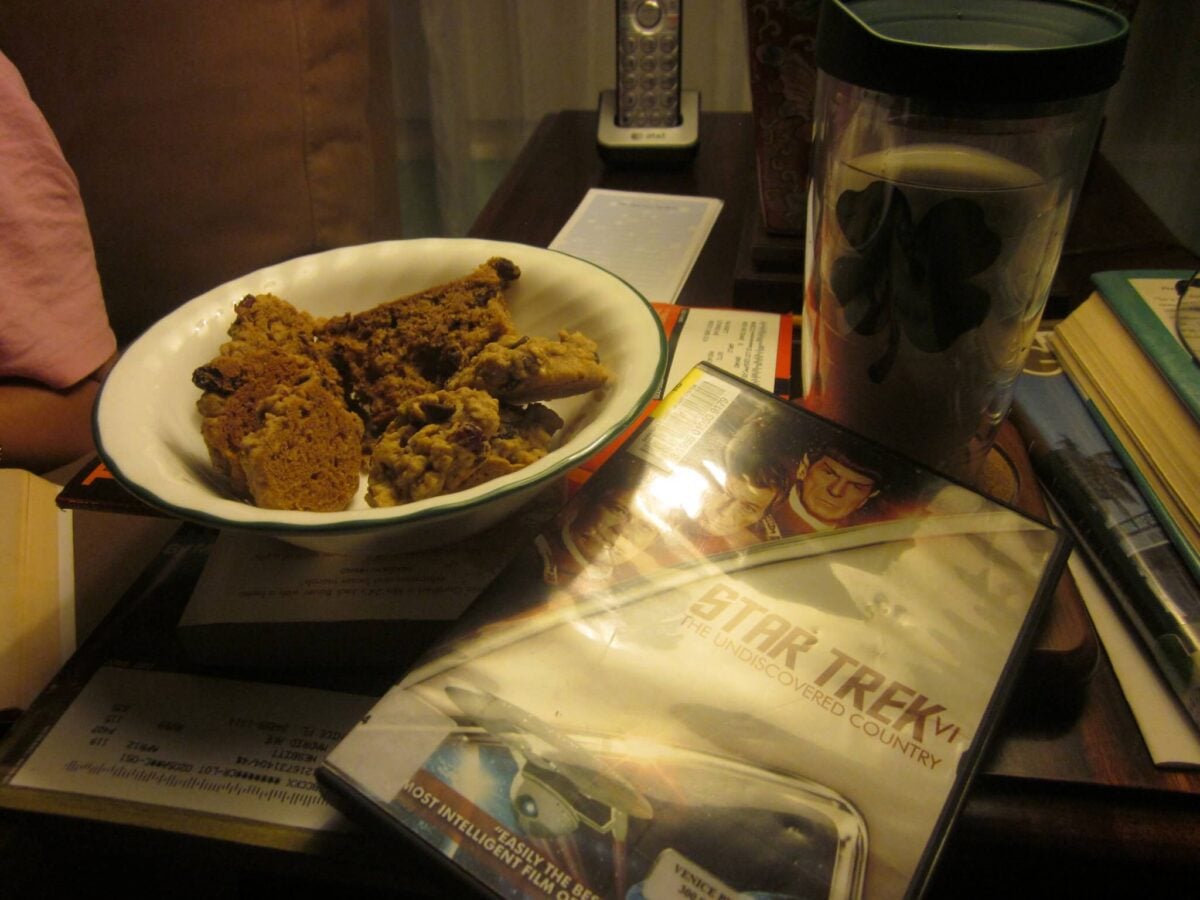
Later in 1979, McDonald’s built a Happy Meal around Star Trek: The Motion Picture, making it the first to cross-promote a mass media feature. Kids could bring home items such as a navigation bracelet and a Starfleet board game.
Complete sets are worth considerably more than loose pieces, and the condition of the printed cardboard matters as much as the plastic.
McNugget Buddies Came Dressed for Work
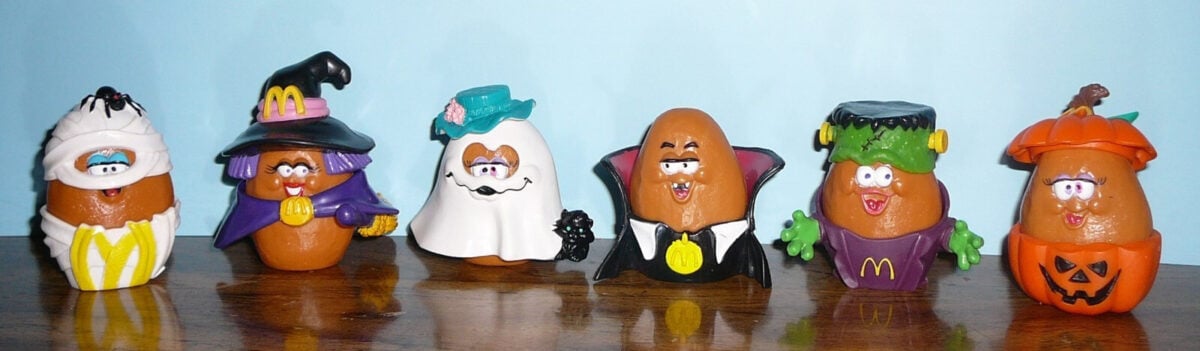
In 1988, McDonald’s gave Chicken McNugget figures costumes, including a cowboy, a fireman, and a mail carrier. All three returned in 2019, when the company marked the Happy Meal’s 40th anniversary with a Surprise Happy Meal built from 17 throwback toys.
A figure with bright, unscuffed paint commands the better price.
Changeables Made Lunch Transform
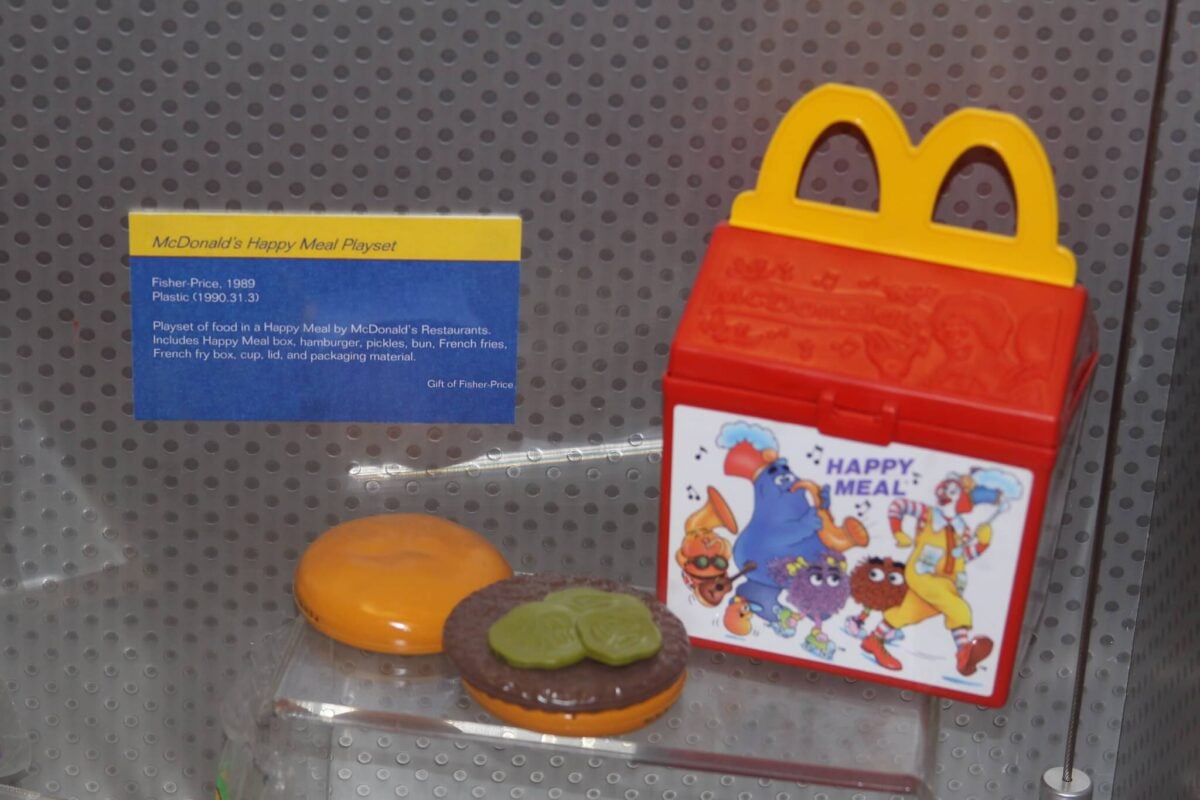
A hamburger-shaped Changeable dated 1989 transformed into something else entirely, and a Happy Meal box Changeable shaped like a dinosaur followed in 1991. Both were revived for the 2019 anniversary lineup.
Joints that still move separate a pricey example from a cheap one.
The Birthday Train Linked Up
For the Happy Meal’s 15th anniversary in 1994, McDonald’s issued premiums that interlocked into a 15-car circus train, a callback to the original Circus Wagon promotion of 1979. Ronald McDonald drove the locomotive.
A full train needs every car, so a single missing piece lowers the value.
Teenie Beanies Created a Five-Week Frenzy
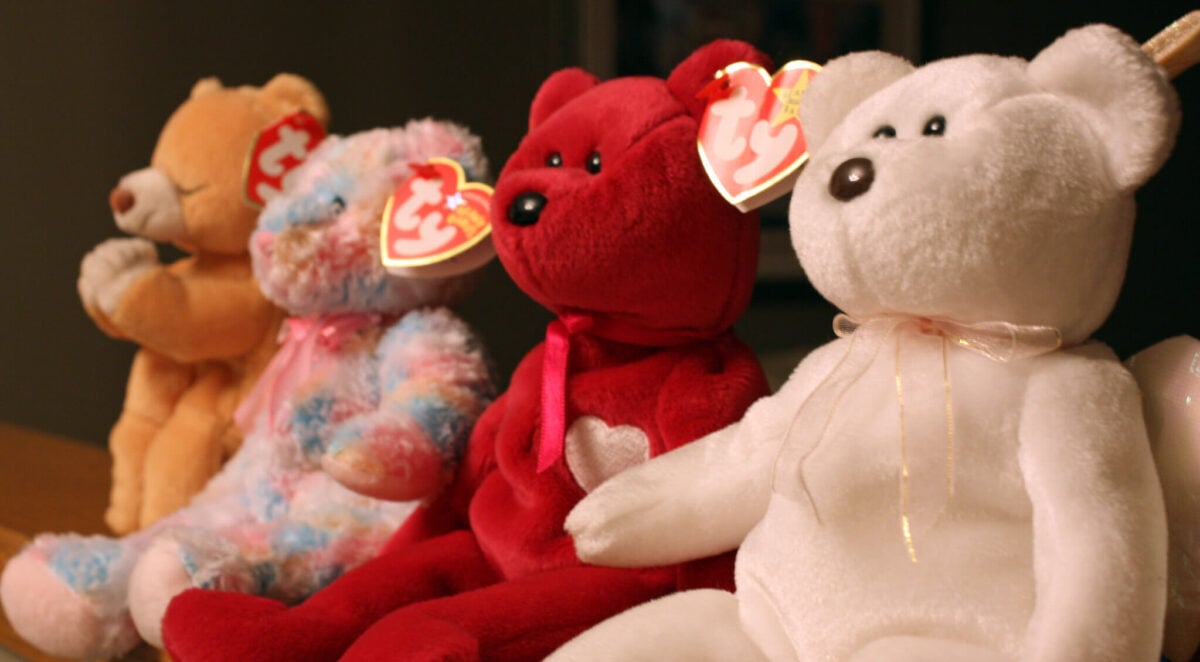
Between April 11 and May 15, 1997, McDonald’s gave away miniature versions of Ty’s Beanie Babies, riding the collectible plush craze of the moment. The window was short, which is part of why the toys stuck in memory.
Unopened bags sell for more than figures that were played with.
Burger King Handed Out Club Membership
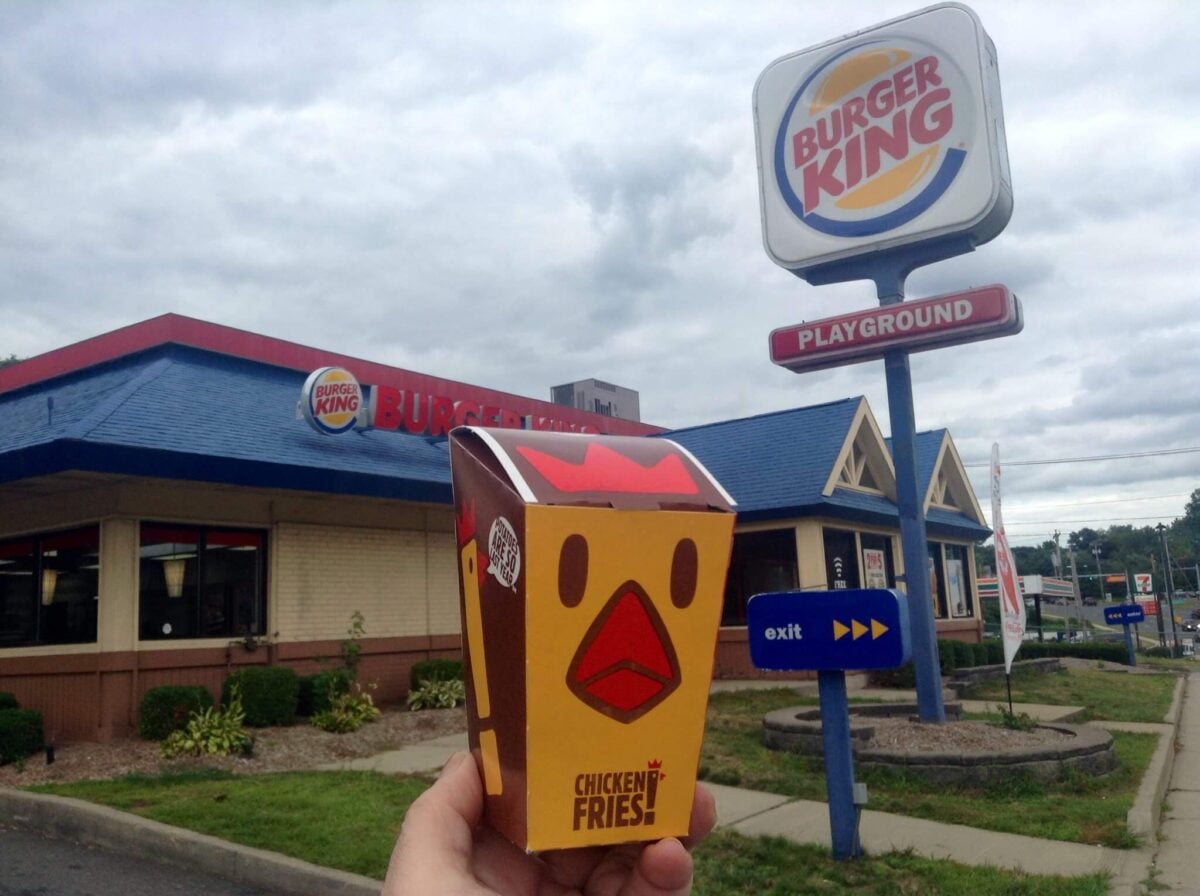
Burger King introduced its Kids Club in 1990, aimed at children ages 2 to 13 and led by a pre-teen character named Kid Vid. Reporting from The New York Times put membership at 1.6 million kids within the first six months.
Members received newsletters and birthday perks, which made belonging feel like a privilege rather than a purchase.
Glo-Force Toys Gave Kids a Career
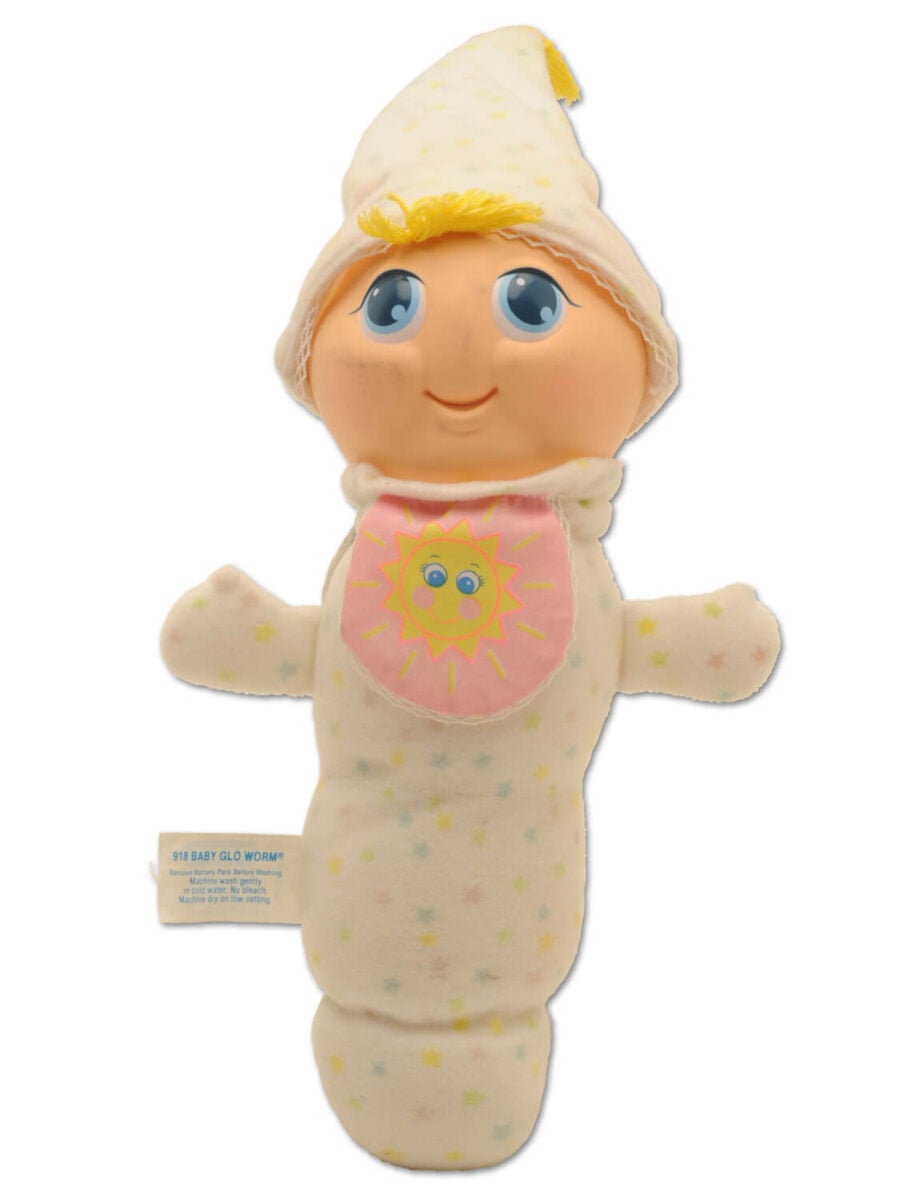
Burger King Kids Club character toys ran from 1989 through 1999, and the Glo-Force line dressed the characters as doctors, deep sea divers, safari guides, astronauts, and ski instructors. The figures were small enough to ride home in a jacket pocket and sturdy enough to survive a sandbox.
Sets that still have their original packaging are the ones collectors chase.
The Toy Story Meal Raised the Stakes
.
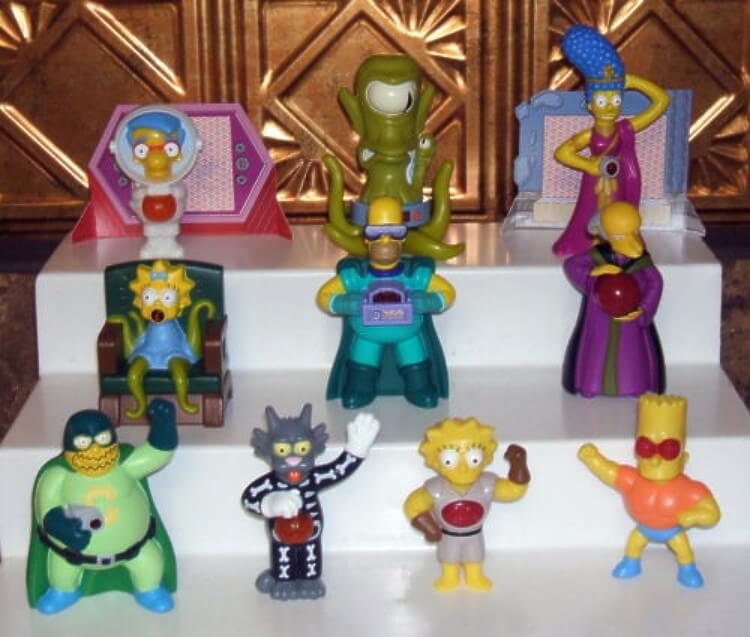
Burger King’s Toy Story kids club meal toys from 1995 now sit in the collection of The Henry Ford, which describes the Kids’ Club campaign as an effort to challenge McDonald’s dominance in the children’s segment of the fast-food market. Movie tie-ins had become the battleground for that fight.
A museum accession is a fairly good sign that a plastic premium has become a historical artifact.
The Paper Crown Needed No Explanation
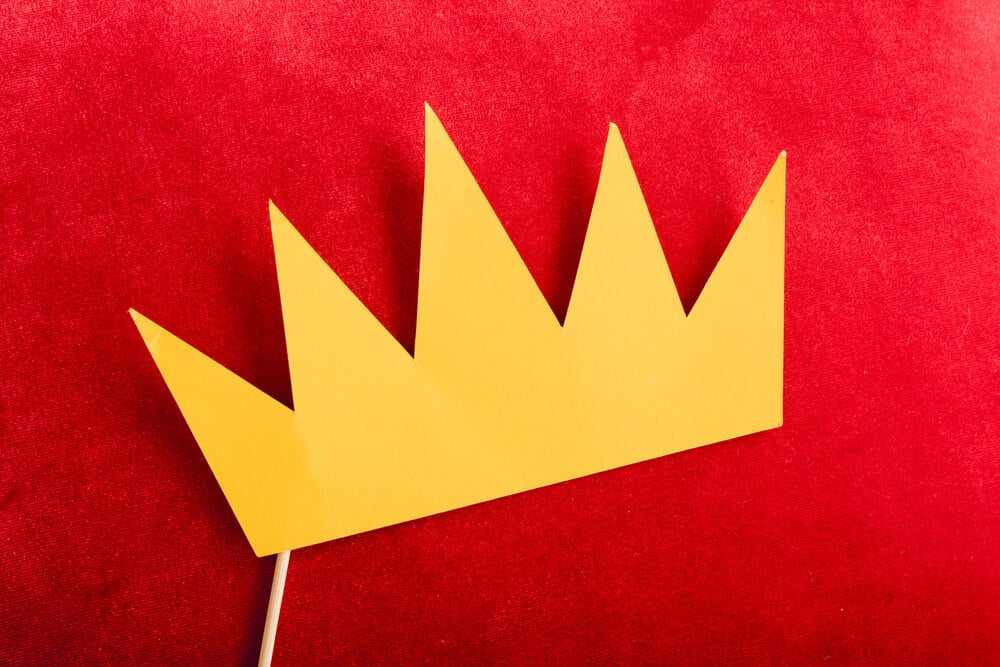
A gold paper crown fit the name on the sign, so no slogan was required to explain why a child was wearing one. The chain later renamed its kids program the Burger King Crown Program in 2011, proof that the idea outlasted several marketing eras.
Paper rarely survives folding and wearing, so an uncreased crown is the exception.
Book It! Certificates Paid in Pizza
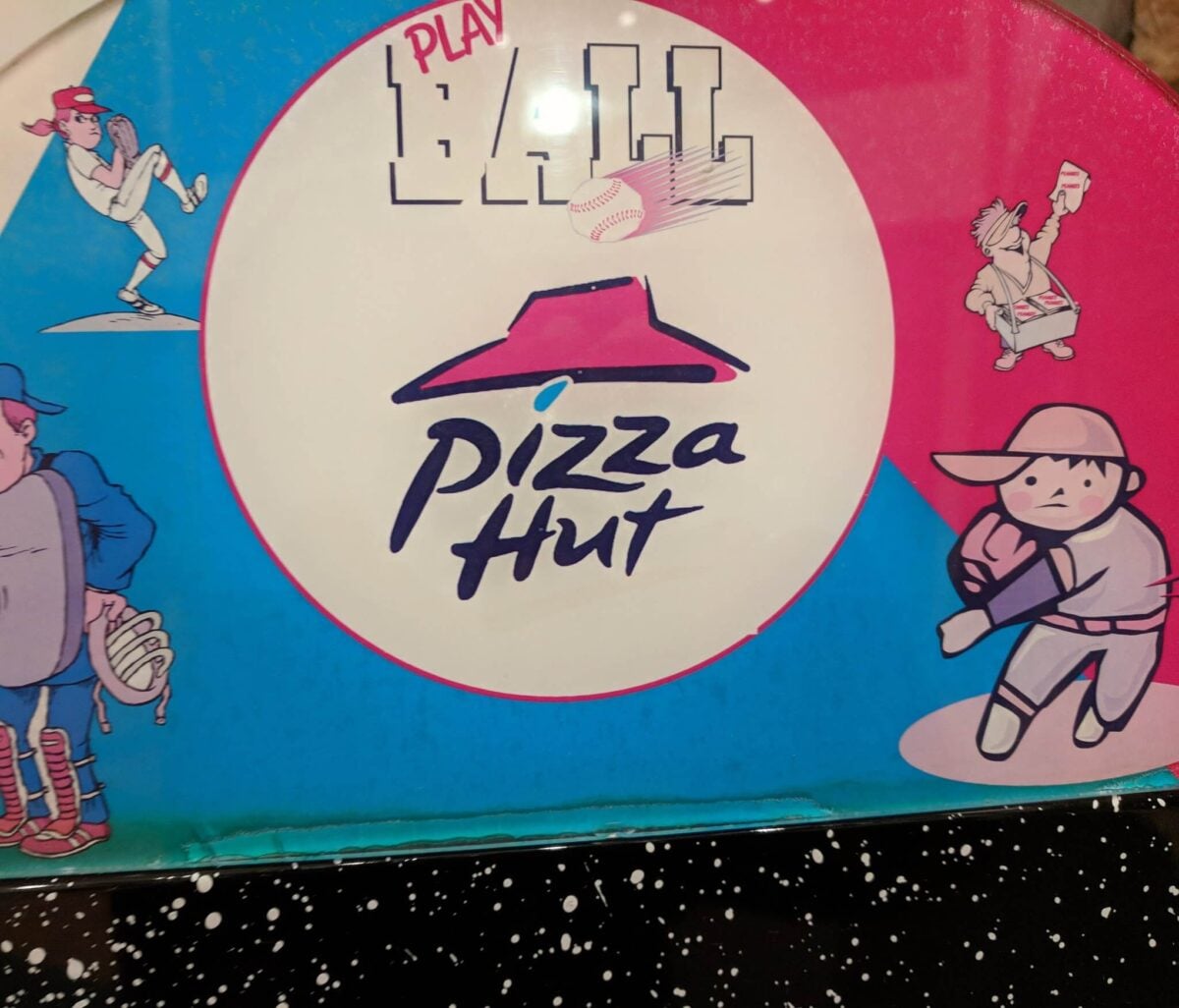
Pizza Hut’s BOOK IT! program began in 1984 in Wichita, Kansas, and rewarded students who met monthly reading goals with a certificate good for a one-topping Personal Pan Pizza. The company estimates that more than 1.5 billion of those pizzas have been awarded since.
It remains one of the few restaurant giveaways that required homework first.
Book It! Buttons Outlasted the Pizza
Alongside the certificates, students received stickers and buttons, and lenticular buttons that shifted images appeared in some years. In June 2026, Pizza Hut announced that anyone who brought a BOOK IT! button from any year to a participating location on Wednesday, June 10, would receive a free Personal Pan Pizza.
A pin forgotten in a drawer for decades suddenly had a redemption value.
Chuck E. Cheese Tokens Were Pocket Currency
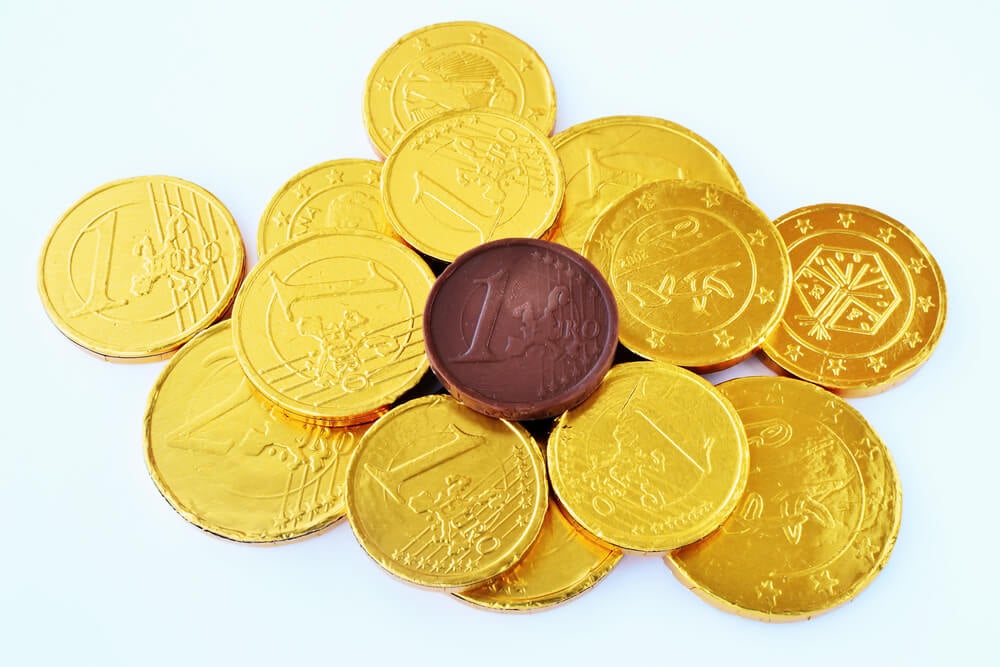
The first Chuck E. Cheese’s Pizza Time Theatre opened on May 17, 1977, in San Jose, California, and brass tokens were how kids paid for games. Early tokens carried a pizza-themed motto on the reverse, along with a 1977 date and a 25-cent value.
The chain has since replaced tokens and paper tickets with Play Pass cards and no longer accepts the old ones, so surviving tokens are souvenirs whose worth depends on date, design, and wear.
Four Crayons and a Placemat
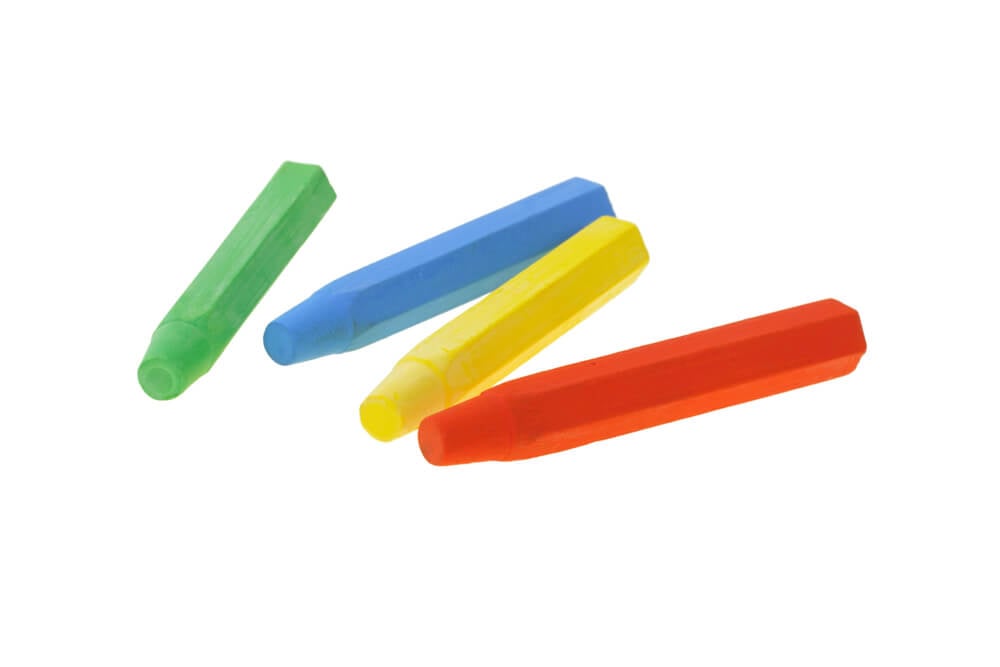
The standard restaurant crayon kit is a pack of four in red, yellow, blue, and green, usually sold alongside a printed activity placemat. Suppliers still stock triangular versions in bulk, which explains why so many of them ended up in a coat pocket on the way out.
The placemat was disposable, but the crayons were the part that traveled.
The Souvenir That Needed No Charger
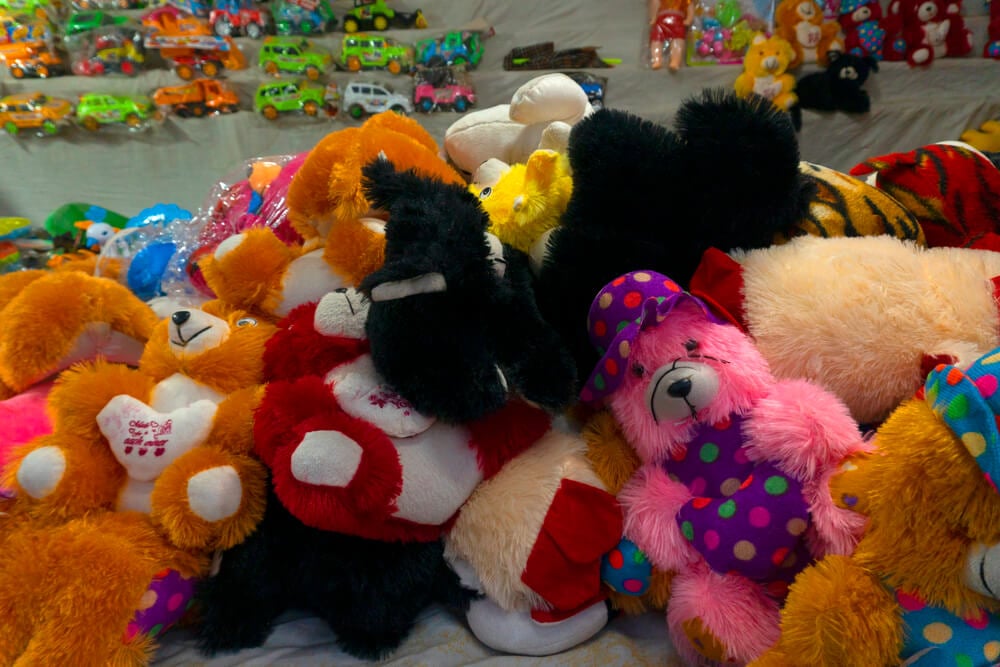
Most of these giveaways cost the restaurant pennies, and none of them required a battery. Their value came from being physical: a kid could hold one, trade it, hide it, or lose it under a car seat.
That tangible quality explains why a token or a certificate can survive for decades in a drawer. Each one was proof of a particular meal on a particular day, which is more than a paused screen can claim.
More from Go2Tutors!

- 27 Silver Dollars and Half Dollars Worth Keeping
- 28 Restaurant Menu Items Nobody Orders Anymore
- 17 Places Built in Seemingly Impossible Spots
- 27 Vintage Rings Worth More Than They Look
- 25 Restricted Sites Tourists Can’t Enter
Like Go2Tutors’s content? Follow us on MSN.