14 Survival Myths About Deserts That Are Totally Wrong
Despite making up over one-third of the planet’s geographical area, deserts continue to be among the most poorly understood ecosystems. Popular culture, motion pictures, and out-of-date guidance have woven a complex web of false information regarding desert survival, which, if followed, could be hazardous or even lethal.
For people who become stuck in these hostile conditions, knowing the difference between fact and myth could literally be the difference between life and death, even though these desert areas undoubtedly provide unique problems. Here is a list of 14 common desert survival myths that experts consistently debunk, along with the actual facts that could help you stay alive in arid conditions.
Cacti Provide Safe Drinking Water

The notion that slicing open a cactus will provide a reservoir of clean drinking water ranks among the most persistent and dangerous desert myths. Most cacti contain toxic alkaloids that can cause vomiting, diarrhea, and further dehydration if consumed.
The liquid inside is typically a bitter, milky substance that will make your situation worse, not better. Some species like the barrel cactus do contain a less toxic fluid, but even this can cause stomach upset and accelerate dehydration rather than relieve it.
You Should Ration Water

Experts in desert survival vehemently disagree with the conventional idea that water should be carefully rationed to extend its shelf life. Drinking little sips throughout the day won’t satisfy your body’s demand for regular hydration.
The ideal course of action is to concentrate your energy on locating other water sources or a rescue while drinking what your body requires when it signals thirst. Extreme dehydration impairs judgment and can result in deadly mistakes that people who are properly hydrated would not make.
Like Go2Tutors’s content? Follow us on MSN.
Follow Birds to Find Water
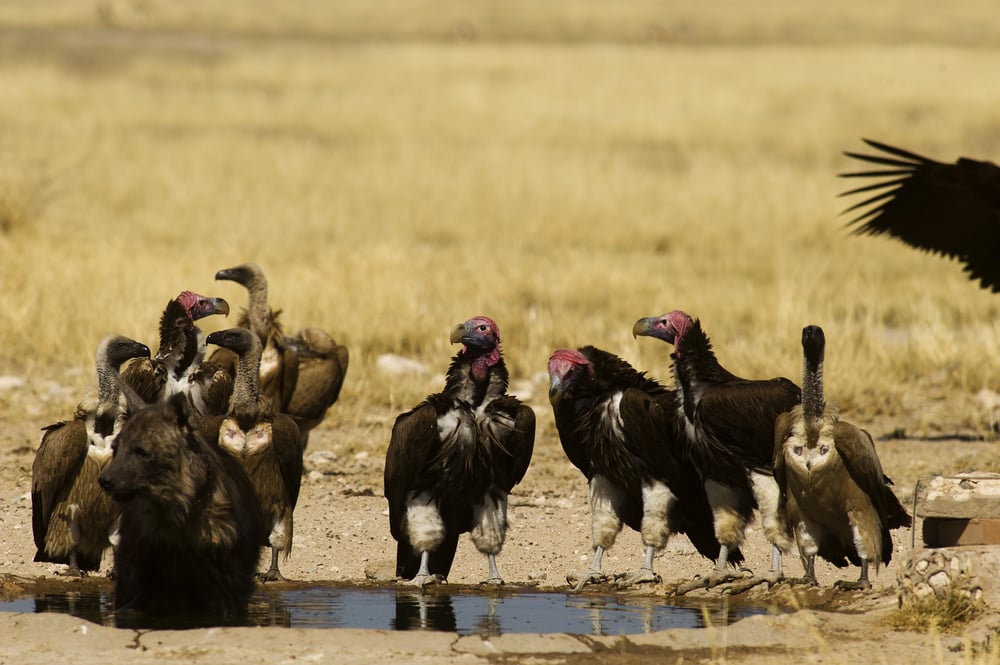
While birds do need water to survive, following them won’t reliably lead you to water sources in desert environments. Many desert bird species obtain most of their moisture from the foods they eat and can fly many miles without stopping at water sources.
Some birds like the sandgrouse can even transport water in specialized feathers back to their young, traveling great distances between drinking and nesting locations. Watching animal behavior can sometimes help locate water, but birds in flight are among the least reliable indicators in arid environments.
Deserts Are Always Hot

The image of deserts as perpetually scorching environments overlooks the dramatic temperature fluctuations these regions experience. Many deserts can drop below freezing at night, with temperature swings of over degrees Fahrenheit within hours.
This extreme variation causes more hypothermia cases than heat-related emergencies in some desert regions, particularly during winter months. Survival kits for desert travel should include both sun protection and insulating layers for nighttime cold, regardless of daytime temperatures.
Drink Urine When Desperate
This particularly persistent myth continues to appear in survival shows and stories, yet medical experts universally advise against consuming urine for hydration. Urine contains waste products your body has intentionally expelled, and drinking it forces your kidneys to filter these toxins again, accelerating dehydration.
The more dehydrated you become, the more concentrated these waste products become, making each subsequent consumption increasingly harmful. Even with filtering techniques, following this dangerous advice will worsen rather than improve your survival situation.
Like Go2Tutors’s content? Follow us on MSN.
Moving Only at Night Is Best

While limiting daytime activity during extreme heat makes sense, exclusively moving at night creates serious navigational challenges and increases accident risks. Desert terrain contains numerous hazards including venomous creatures, sharp rocks, and steep drop-offs that are difficult to spot in the darkness.
A better approach involves traveling during cooler morning hours and late afternoon, resting during peak heat, and making careful movements during twilight hours when visibility remains adequate. This balanced schedule maintains reasonably safe temperatures while preserving the ability to navigate effectively.
Sucking on Stones Helps Thirst
The practice of placing stones in your mouth to generate saliva provides no actual hydration benefit and can cause more harm than good. Introducing foreign objects from the ground increases infection risks and potentially exposes you to harmful bacteria or parasites.
Additionally, the increased saliva production depletes your body’s existing water reserves rather than creating new hydration. This myth likely persists because the sensation temporarily masks thirst, but it offers no physiological benefit while introducing unnecessary health risks.
All Deserts Have Sand Dunes

The classic image of endless sand dunes represents only a small percentage of actual desert environments worldwide. In reality, most desert landscapes consist of rocky terrain, gravel plains, mountain ranges, clay flats, or hardpan surfaces.
The Sahara, which many consider the archetypal desert, has only about sand dune coverage, while North American deserts feature even less. This misconception matters for survival planning, as techniques appropriate for sand dunes may prove useless or dangerous in rocky desert terrain that predominates in most arid regions.
Like Go2Tutors’s content? Follow us on MSN.
Solar Stills Always Work

Despite their popularity in survival manuals, solar stills rarely produce meaningful amounts of water in real-world desert conditions. These contraptions use sunlight to evaporate moisture from vegetation or soil, which then condenses on plastic sheeting for collection.
While theoretically sound, practical tests show most designs yield mere tablespoons of water daily—far less than the energy expended in their construction and maintenance. Most survival experts now recommend focusing on finding natural water sources or carrying adequate supplies rather than relying on this inefficient technique.
Finding Shade Is Enough
Seeking shade represents an important first step in desert survival, but alone it provides inadequate protection from ambient heat and reflected radiation. In extreme conditions, ground temperatures can exceed degrees regardless of shade, while reflected heat from surrounding terrain continues to raise your body temperature.
Creating separation between yourself and the ground using backpacks or natural materials, covering exposed skin, and using evaporative cooling techniques must accompany shade-seeking for effective temperature regulation. Proper full-body protection matters as much as shade in preventing heat-related emergencies.
Walk Straight to Civilization

The impulse to walk toward distant mountains or perceived civilization has led countless desert travelers to their deaths. Most people dramatically underestimate desert distances, where clear air and minimal visual reference points create optical illusions making features appear much closer than reality.
A seemingly close mountain range might actually be miles away—an impossible journey without adequate water. Survival experts recommend staying with your vehicle or last known position whenever possible, as these provide better visibility for rescue teams and often contain valuable survival resources.
Like Go2Tutors’s content? Follow us on MSN.
Desert Mirages Show Water

The classic mirage showing an oasis or water body represents a fundamental misunderstanding of this optical phenomenon. Desert mirages occur when light bends through air layers of different temperatures, typically creating the illusion of water by reflecting the sky on hot ground surfaces.
Following these illusions leads nowhere productive and wastes precious energy and hydration. Real desert water sources typically have distinctive vegetation patterns surrounding them, making actual oases identifiable by plant life rather than by water visibility from a distance.
Conserve Sweat to Save Water

The notion that limiting sweating conserves body water misunderstands how cooling mechanisms protect desert survivors. Sweat evaporation provides your body’s primary defense against potentially fatal heat stroke, and preventing this natural process dramatically increases heat illness risks.
Instead of trying to prevent sweating, focus on maximizing its cooling efficiency by wearing loose, light-colored clothing that allows air circulation while protecting skin from direct sun exposure. Proper clothing keeps you both cooler and better hydrated than misguided attempts to prevent perspiration.
Sunscreen Isn’t Essential
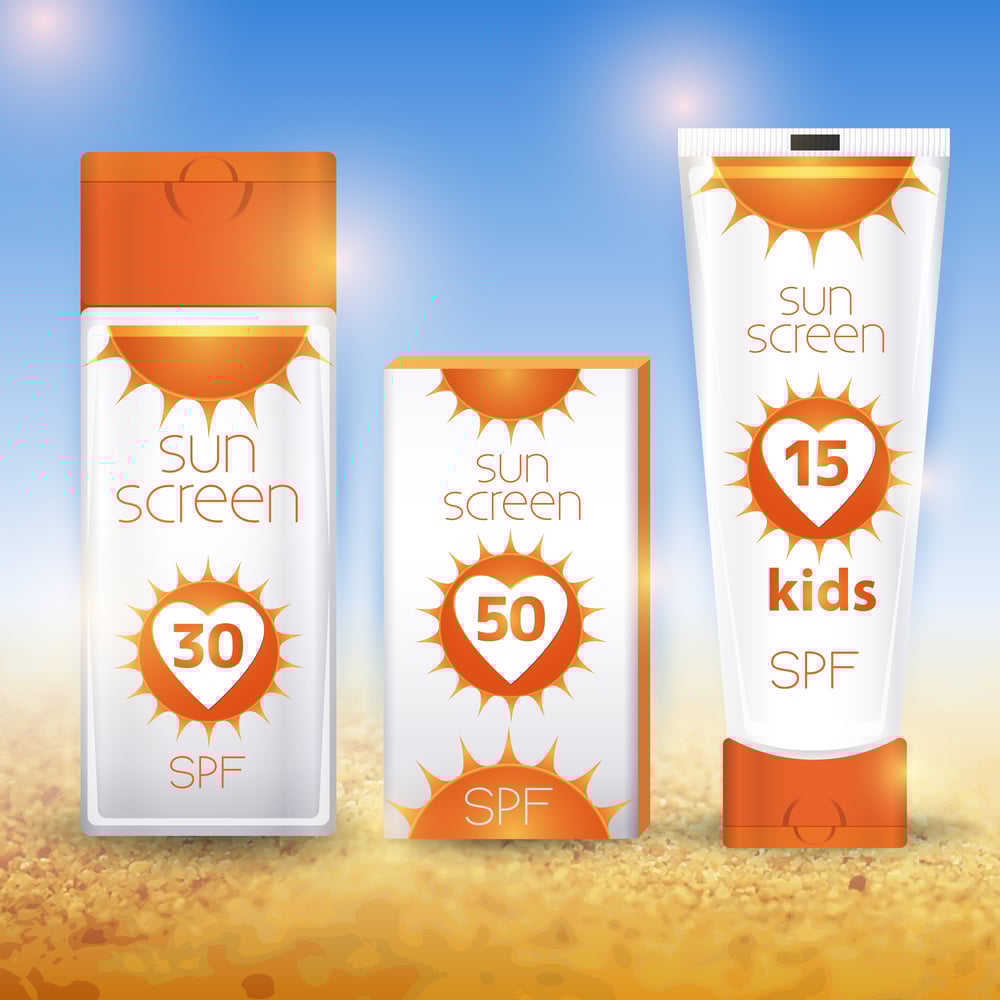
Some survival advisors suggest sunscreen represents an optional luxury item rather than essential gear, but medical professionals strongly disagree with this dangerous assessment. Severe sunburn significantly increases dehydration by damaging the skin’s moisture barrier, while the inflammatory response diverts water to injured tissue and raises core body temperature.
Sunburn also impairs decision-making through pain and distraction when clear thinking matters most. Even brief desert exposure without sun protection can create serious medical complications that dramatically reduce survival chances regardless of your other preparations.
Like Go2Tutors’s content? Follow us on MSN.
Shifting Survival Sands

Desert survival myths persist partly because they contain fragments of truth or once represented the best available knowledge before modern research clarified actual best practices. The most dangerous aspect of these misconceptions involves their continued circulation and reinforcement through popular media, outdated guidebooks, and well-meaning but misinformed advice.
Real desert survival depends less on dramatic interventions like cactus cutting and urine drinking than on fundamental principles: carrying adequate water, avoiding exposure during peak heat, dressing appropriately, staying with vehicles when possible, and making rational decisions based on actual conditions rather than myths. Understanding these environments with respect rather than fear—and preparation rather than panic—transforms deserts from deadly threats into challenging but navigable landscapes where survival remains possible even when things go wrong.
More from Go2Tutors!

- 16 Restaurant Chains That Went Too Fast
- 12 Things Sold in the 80s That Are Now Illegal
- 15 Strange Things People Have Tried to Ban (And Failed)
- 16 Collectibles People Tossed Out Too Soon
- 17 Myths from Your Childhood That Were Actually Based on Real Things
Like Go2Tutors’s content? Follow us on MSN.