17 Bizarre Optical Illusions Found in Classical Art
Art has always been about more than what meets the eye. Long before modern artists began deliberately playing with perception, classical painters were embedding visual tricks into their masterpieces that continue to baffle viewers centuries later.
These weren’t accidents or coincidences — many were carefully crafted illusions that reveal the technical mastery and playful nature of history’s greatest artists. From impossible architectural perspectives to hidden figures that emerge only when viewed from specific angles, classical art is filled with visual puzzles waiting to be discovered.
Some illusions were meant to demonstrate the artist’s skill, others served religious or symbolic purposes, and a few seem to exist purely for the joy of visual mischief.
Giuseppe Arcimboldo’s Composite Portraits
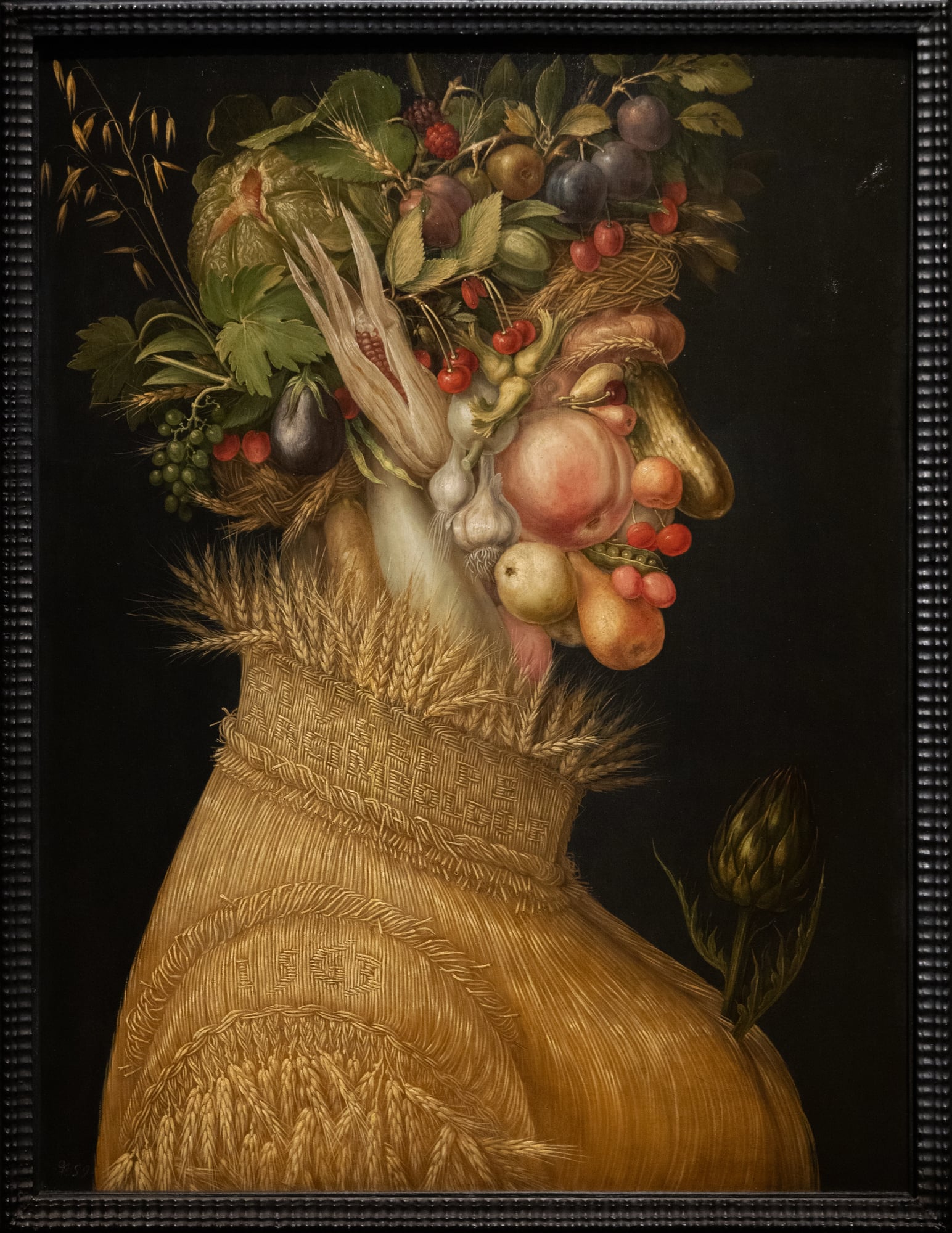
Arcimboldo turned portraiture upside down by creating faces entirely from objects. His “Vertumnus” appears to be a pile of fruits and vegetables until your brain suddenly recognizes Emperor Rudolf II staring back at you.
The shift happens in an instant — one moment you’re looking at produce, the next at a human face. This wasn’t just artistic showmanship. The double image forced viewers to see both the individual elements and the unified whole, creating a visual meditation on how perception itself works.
Hans Holbein’s Anamorphic Skull
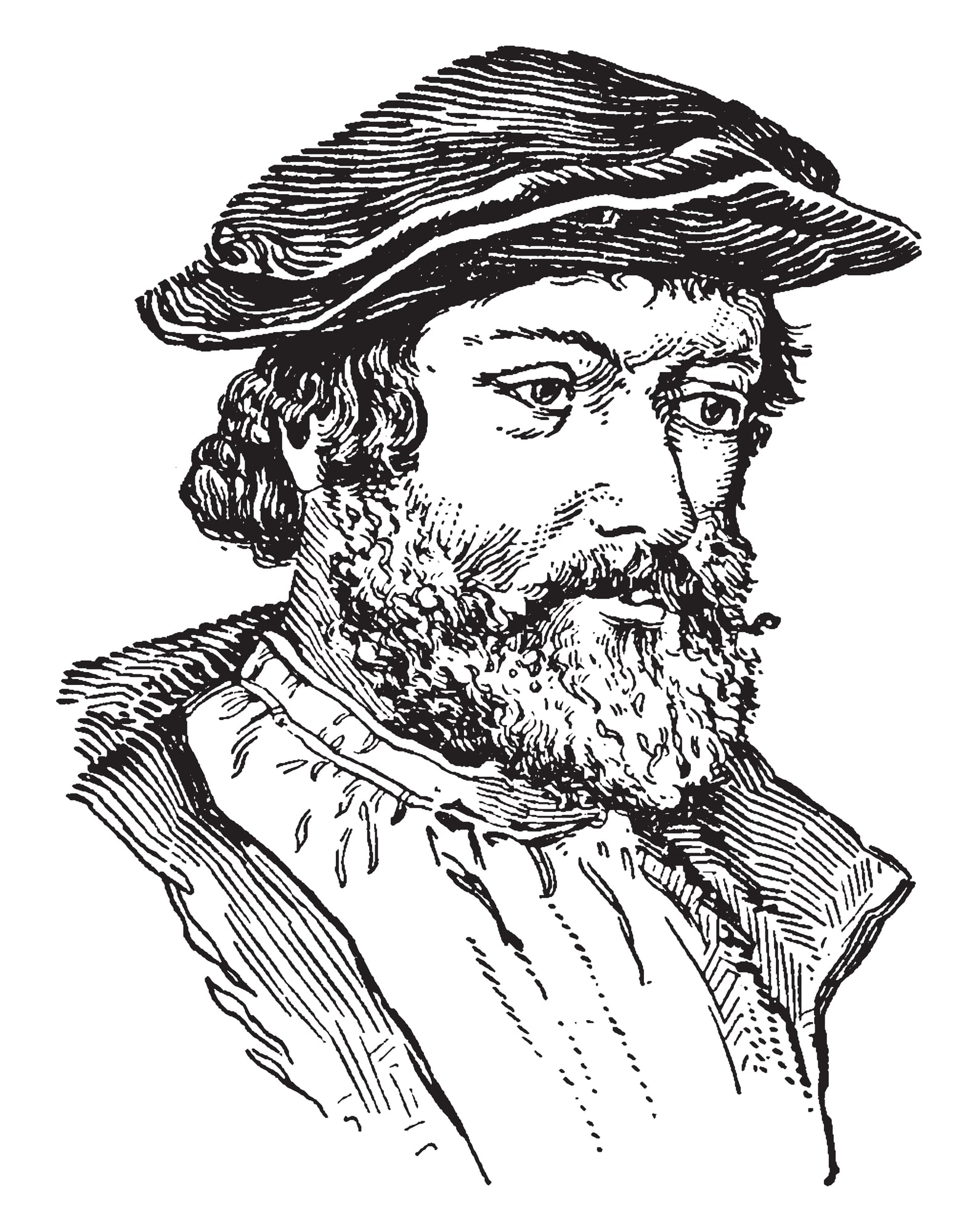
In “The Ambassadors,” Holbein painted what appears to be a random smear across the bottom of the canvas. Stand to the right of the painting at an extreme angle, and the smear resolves into a perfect skull — a memento mori hidden in plain sight.
The technical precision required for this anamorphic projection was staggering for the 16th century. And yet he managed to embed this haunting reminder of mortality into an otherwise conventional diplomatic portrait, creating what might be art history’s most famous optical sleight of hand.
The skull forces viewers to literally change their perspective to see death lurking beneath worldly success.
Father Giuseppe Niceron’s Architectural Impossibilities

Niceron specialized in perspective paintings that transformed monastery corridors into impossible spaces. His frescoes in Rome’s Santissima Trinità dei Monti appear to extend the actual architecture into imaginary realms — columns that couldn’t physically exist seem to soar beyond the ceiling.
Walking through these spaces feels like navigating an M.C. Escher print three centuries before Escher was born. The illusion is so complete that visitors often reach out to touch walls that aren’t there.
Andrea Pozzo’s Infinite Dome
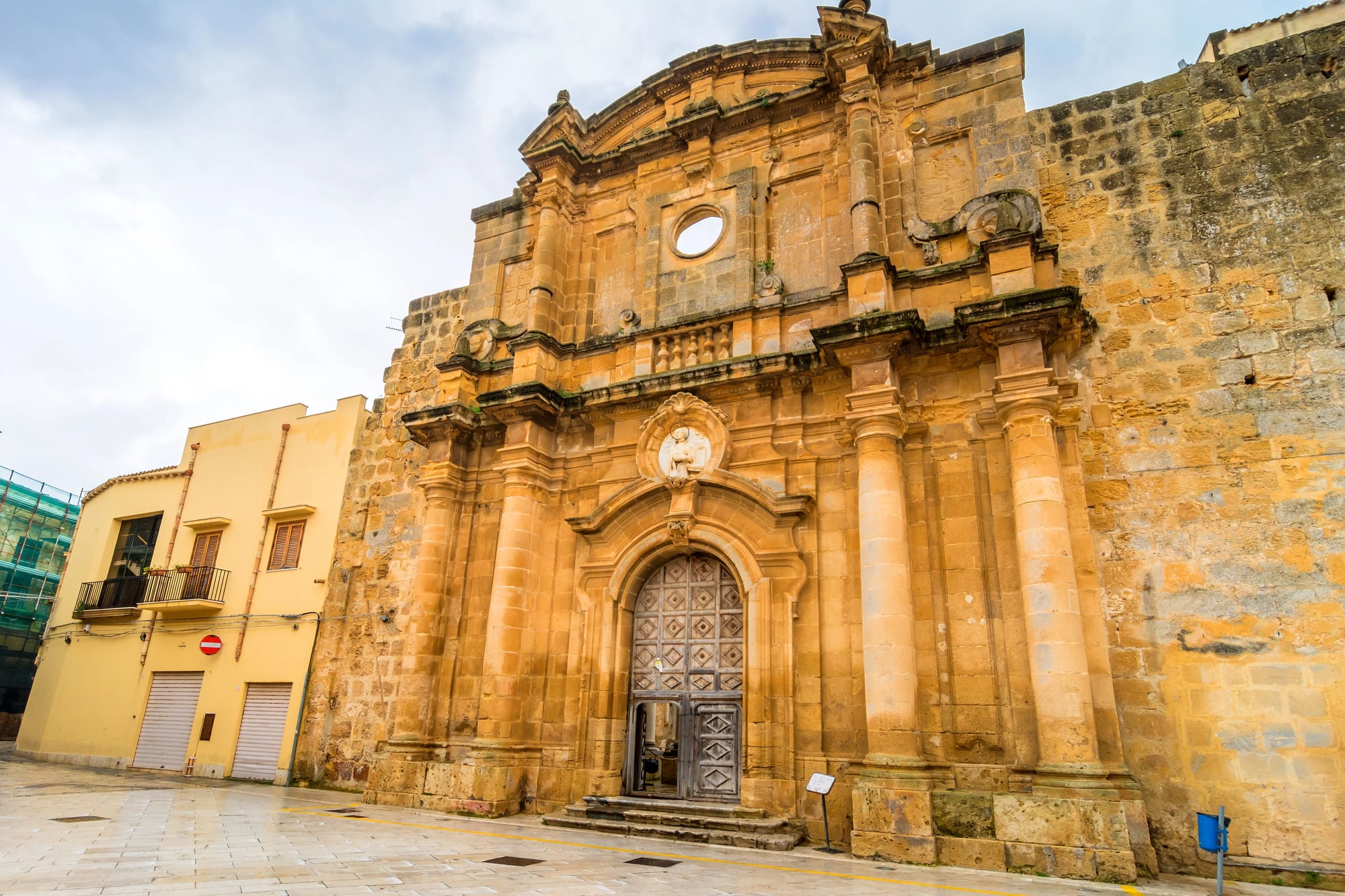
Pozzo painted a flat ceiling in Rome’s Church of Sant’Ignazio to appear as a soaring dome reaching toward heaven. Stand on the brass disc embedded in the floor, and the illusion is perfect — the ceiling seems to open into infinite space filled with ascending saints and angels.
Step off the disc, and the magic collapses. The painted architecture warps into impossible angles, revealing the trick behind the transcendence.
Perspective Corrected Statues of St. Peter’s
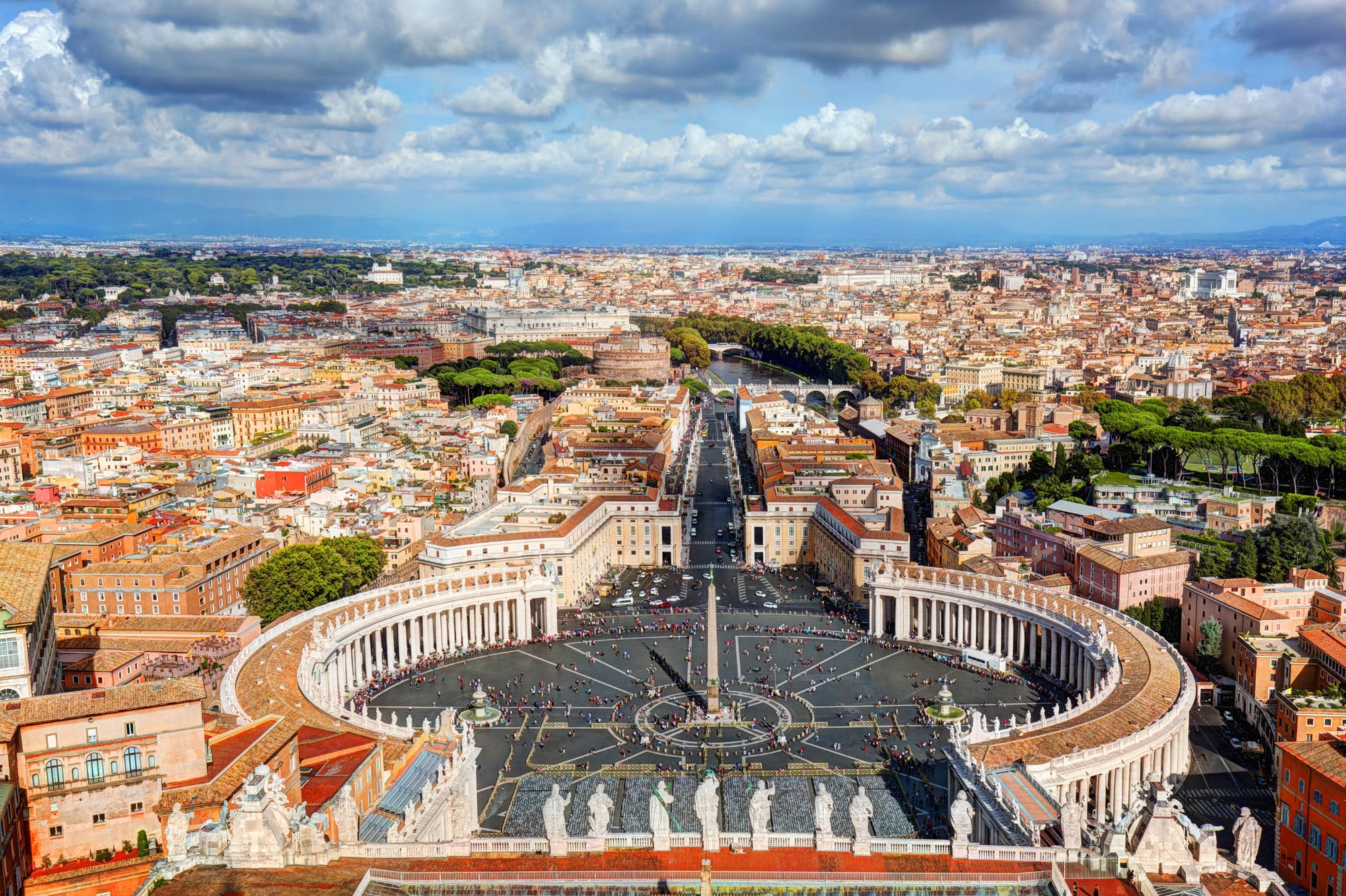
Bernini’s colonnade at St. Peter’s Square contains a visual secret. The massive columns appear uniform in size, but they’re actually graduated to create perfect perspective from one specific viewing point.
Stand on the porphyry stones embedded in the pavement, and the four rows of columns align so precisely that only the front row remains visible. This architectural sleight of hand makes the already enormous colonnade appear even more vast and harmonious than it actually is.
The Reversible Faces of Salvador Dalí’s Precursors
Long before Dalí, classical artists were creating images that read differently depending on how you look at them. Medieval manuscripts contain illuminated letters that double as human faces, and Renaissance frescoes hide secondary images within their primary compositions.
These weren’t accidents born of pattern recognition run amok — they were deliberate puzzles that reward careful observation. The artist’s job wasn’t just to decorate but to create layers of meaning that revealed themselves slowly, like visual onions with each layer containing its own surprise.
Trompe-l’œil Still Life Deceptions

Dutch masters elevated still life painting into exercises in visual deception. Cornelis Gijsbrechts painted “tack boards” covered with letters, drawings, and personal items that appear three-dimensional enough to pluck from the canvas.
The illusion works because these painters understood light and shadow better than photography. Every highlight and cast shadow was calculated to trick the eye into seeing depth where none exists.
Quadratura Ceiling Paintings

Italian Baroque churches are filled with ceilings that open into heaven through pure painterly illusion. These quadratura frescoes extend real architecture into painted space so seamlessly that visitors crane their necks looking for the boundary between actual structure and artistic invention.
The mathematics involved in these perspective calculations were formidable, requiring artists to work backward from multiple viewing angles to create coherent illusions. Pietro da Cortona and Giovanni Battista Gaulli turned church ceilings into portals that seemed to punch through solid stone into celestial realms — all achieved with nothing more than pigment and geometric precision.
Hidden Portraits in Landscape Elements
Mannerist painters embedded human faces into seemingly innocent landscape details. Tree bark becomes wrinkled skin, rock formations suggest facial profiles, and cloud arrangements resolve into portrait features when viewed with the right mindset.
Giuseppe Arcimboldo wasn’t the only artist playing with composite imagery. His influence spread through European courts, inspiring painters to hide portraits of patrons and political figures within apparently neutral subjects.
The Floating Architecture of Perspective Masters

Renaissance artists painted buildings that couldn’t exist in three-dimensional space. Staircases that climb in impossible directions, doorways that lead to paradoxical rooms, and windows that look out onto views that should be blocked by the building’s own structure.
These weren’t mistakes. They were demonstrations of artistic license that prioritized visual harmony over architectural logic.
Anamorphic Messages in Court Paintings

Political artists embedded anamorphic text and symbols into portraits and historical scenes, creating hidden messages that could only be read from specific viewing angles. These served as coded communications in courts where direct criticism could be dangerous.
The technique required mathematical precision that bordered on the obsessive, but it allowed artists to speak truth to power while maintaining plausible deniability. So these paintings functioned as both art and encrypted messaging, with the optical illusion serving as the cipher key.
Multiple Perspective Points in Single Compositions

Classical artists sometimes painted scenes from several viewpoints simultaneously, creating compositions that should be visually chaotic but somehow work. Different elements follow different perspective systems within the same frame.
This technique creates a subtle sense of visual unease — something feels off, but it’s difficult to pinpoint exactly what. The multiple perspectives force the eye to constantly readjust, preventing the comfortable visual rest that comes from consistent viewpoint painting.
Impossible Reflections in Mirrors

Painters included mirrors that reflect scenes that couldn’t possibly be visible from their painted positions. Jan van Eyck’s “Arnolfini Portrait” contains a convex mirror showing figures who should be blocked by the couple in the foreground.
These impossible reflections weren’t oversights. They were deliberate expansions of pictorial space that allowed artists to include additional narrative elements while maintaining the formal constraints of their compositions.
Forced Perspective Architectural Elements

Borromini’s architectural paintings extend real spaces into imaginary ones through forced perspective techniques. Painted hallways appear to stretch much further than physically possible, and ceiling decorations create the illusion of additional architectural levels.
The optical engineering required for these illusions was remarkable — artists had to calculate how painted elements would interact with actual lighting conditions throughout the day to maintain their convincing effects.
Stereoscopic Effects in Single Images

Some classical paintings create pseudo-stereoscopic effects that suggest three-dimensional depth beyond what normal perspective should allow. These work by subtly manipulating how the two eyes process slightly different visual information from a single image.
The technique involves painting elements that shift slightly depending on which eye is dominant in viewing them, creating an early form of the depth perception tricks that would later be formalized in stereoscopic photography.
Chromatic Illusions Using Period Pigments

Classical artists discovered that certain pigment combinations created chromatic illusions — colors that appeared to vibrate, advance, or recede in ways that defied their actual placement on the picture plane.
Medieval illuminators were particularly skilled at this, using gold leaf and ultramarine in combinations that made flat manuscript pages seem to glow from within. The effect was partly due to the physical properties of these expensive pigments, but also to the artists’ understanding of how human color perception could be manipulated through careful juxtaposition.
Shape-shifting Architectural Details

Gothic cathedral designers incorporated stone carvings that appear different depending on viewing angle and lighting conditions. Gargoyles shift from fearsome to comical, saints’ expressions change from stern to benevolent, and architectural details that look purely decorative from one angle reveal narrative scenes from another.
These weren’t happy accidents of changing light. They were deliberately carved to engage viewers in active looking, rewarding those who took time to see familiar spaces from new perspectives.
When Illusion Becomes Truth
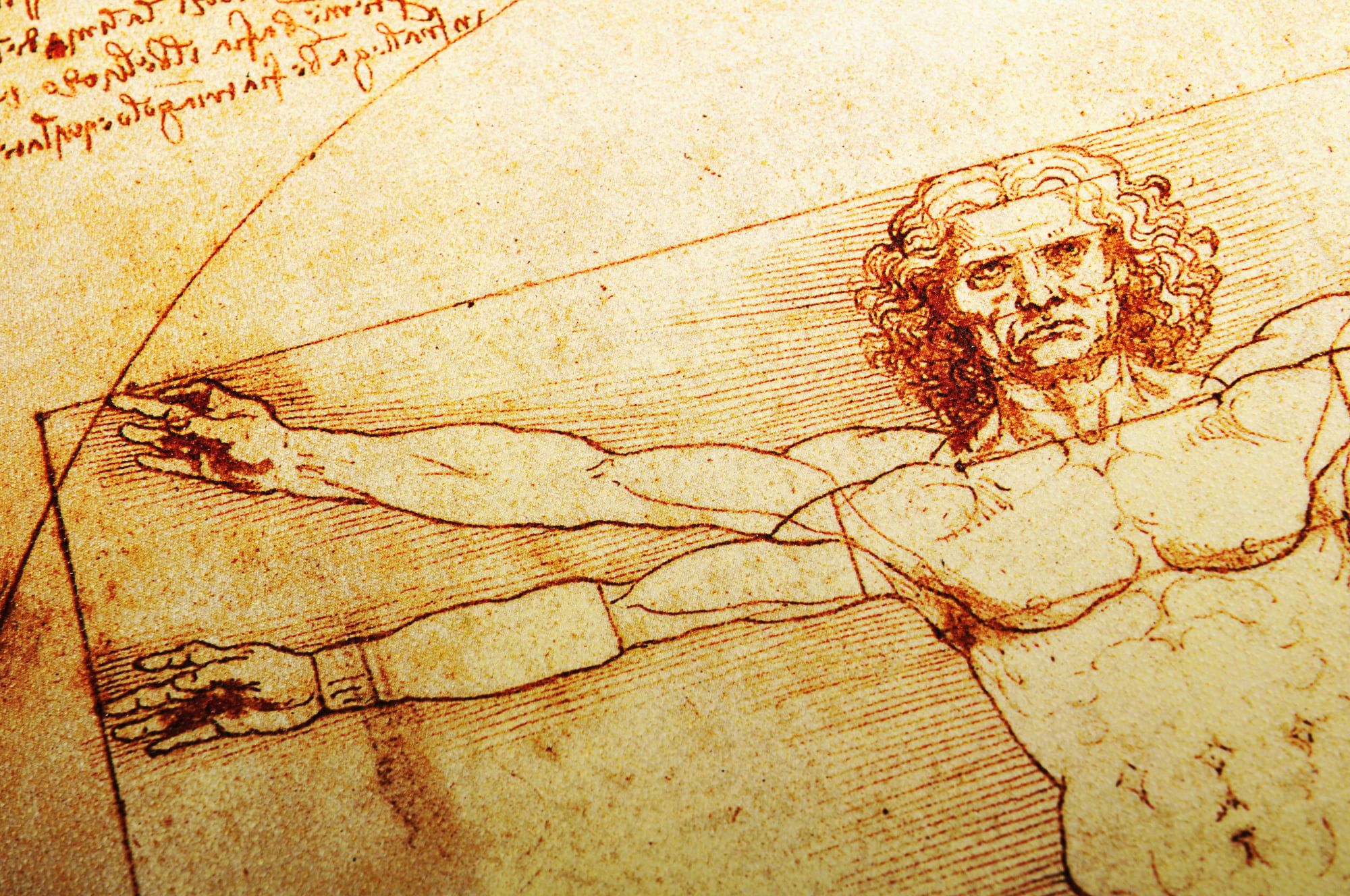
Classical art reminds us that seeing has always been more complex than looking. These optical puzzles weren’t mere technical exercises — they were invitations to question the reliability of visual perception itself.
The illusions endure because they tap into something fundamental about how human vision works. Our brains are constantly constructing reality from incomplete visual information, filling gaps and making assumptions.
Classical artists understood this process intuitively, creating works that reveal the active role consciousness plays in seeing. Every time we fall for one of their visual tricks, we’re reminded that perception itself is a kind of collaboration between world and mind.
More from Go2Tutors!

- The Romanov Crown Jewels and Their Tragic Fate
- 13 Historical Mysteries That Science Still Can’t Solve
- Famous Hoaxes That Fooled the World for Years
- 15 Child Stars with Tragic Adult Lives
- 16 Famous Jewelry Pieces in History
Like Go2Tutors’s content? Follow us on MSN.