Islands Owned by Cruise Lines
You board a massive ship with thousands of other passengers, sail across open water, and wake up somewhere that feels almost too perfect. The beach stretches white and pristine, the water glows turquoise, and somehow everything runs exactly as planned. That’s because the cruise line owns the whole island.
These aren’t just stops on an itinerary. They’re calculated investments that give cruise companies total control over your day ashore.
No local vendors. No unexpected closures.
No sharing space with guests from competing ships.
The Appeal of Total Control
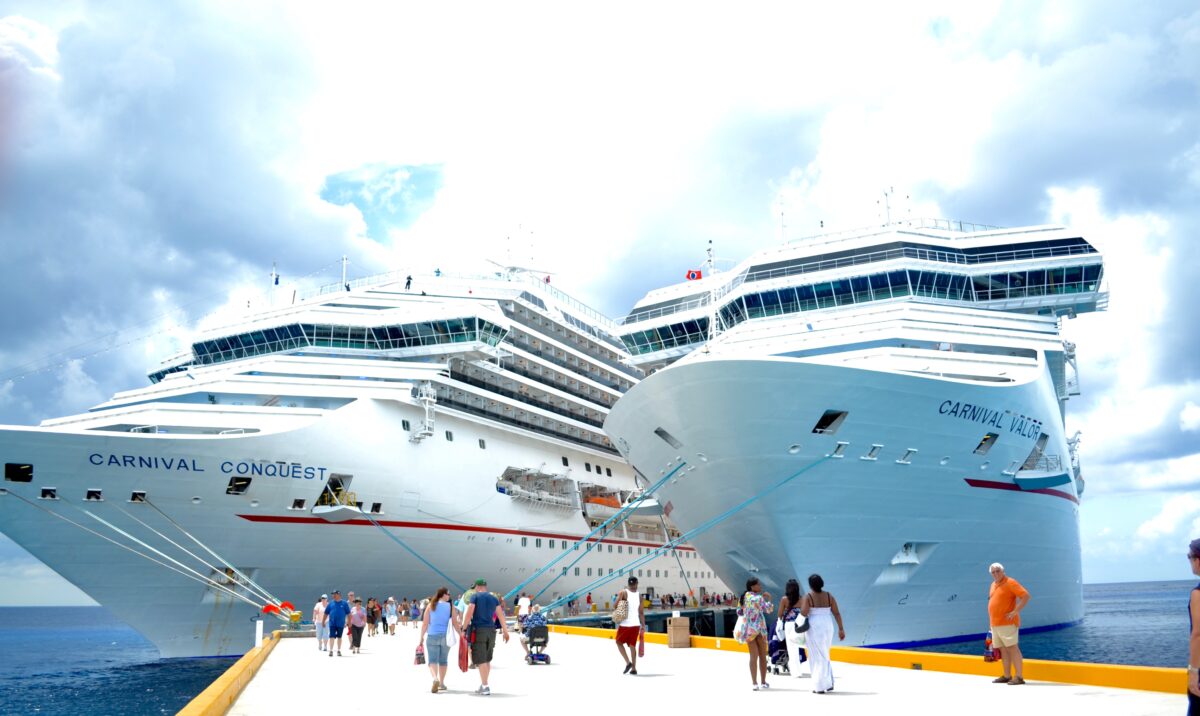
Cruise lines hate surprises. When you dock at a public port, anything can happen.
A festival might clog the streets. Local businesses might close unexpectedly.
Other cruise ships might flood popular beaches with their passengers. Owning an island eliminates those variables.
The cruise line decides what opens, when it opens, and who gets access. They control the entire experience from the moment the ship drops anchor until the last passenger returns aboard.
Royal Caribbean’s Bahamas Transformation
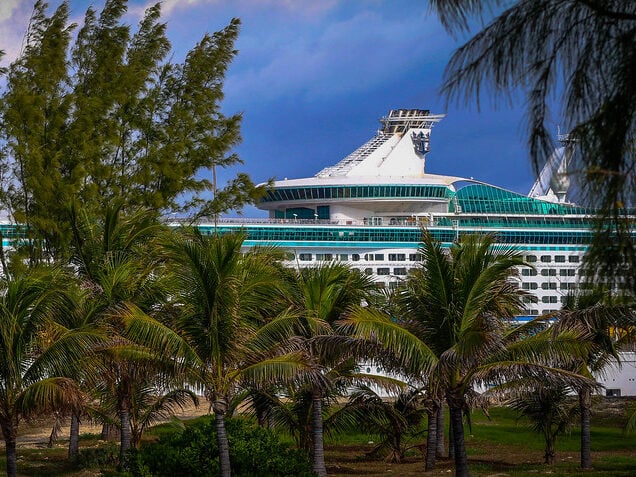
Perfect Day at CocoCay sits in the Bahamas, and Royal Caribbean poured $250 million into transforming it. The island now features the tallest waterslide in North America, a helium balloon that lifts passengers 450 feet above sea level, and a massive freshwater pool.
Everything runs on a reservation system. You book your cabana, your lunch spot, your zip line time before you even leave the ship.
The island handles over 10,000 guests on busy days without feeling chaotic because every activity has a time slot and capacity limit. The investment paid off fast.
Royal Caribbean reports that CocoCay visits drive higher satisfaction scores than almost any traditional port.
Norwegian’s Quiet Pioneer
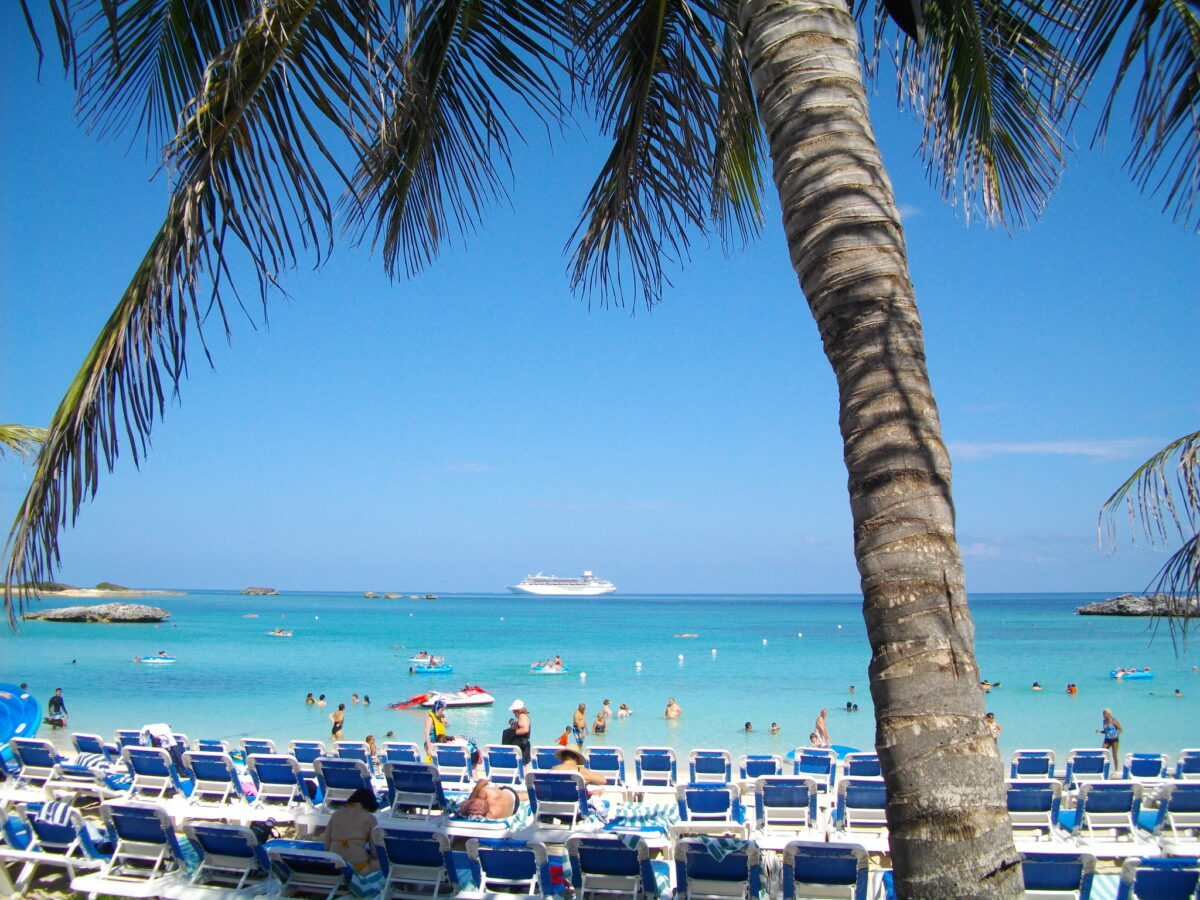
Great Stirrup Cay doesn’t get the same attention as newer private islands, but it holds an important distinction. Norwegian Cruise Line leased this Bahamas island back in 1977, making it the first private island developed specifically for cruise passengers.
The approach here stays deliberately low-key. You won’t find massive water parks or themed areas.
The island offers beaches, snorkeling, kayaking, and not much else. Some passengers prefer exactly that kind of simplicity.
Norwegian recently added a zip line and some upgraded dining options, but Great Stirrup Cay still feels more like a traditional beach day than a theme park experience.
Disney’s Family Focus
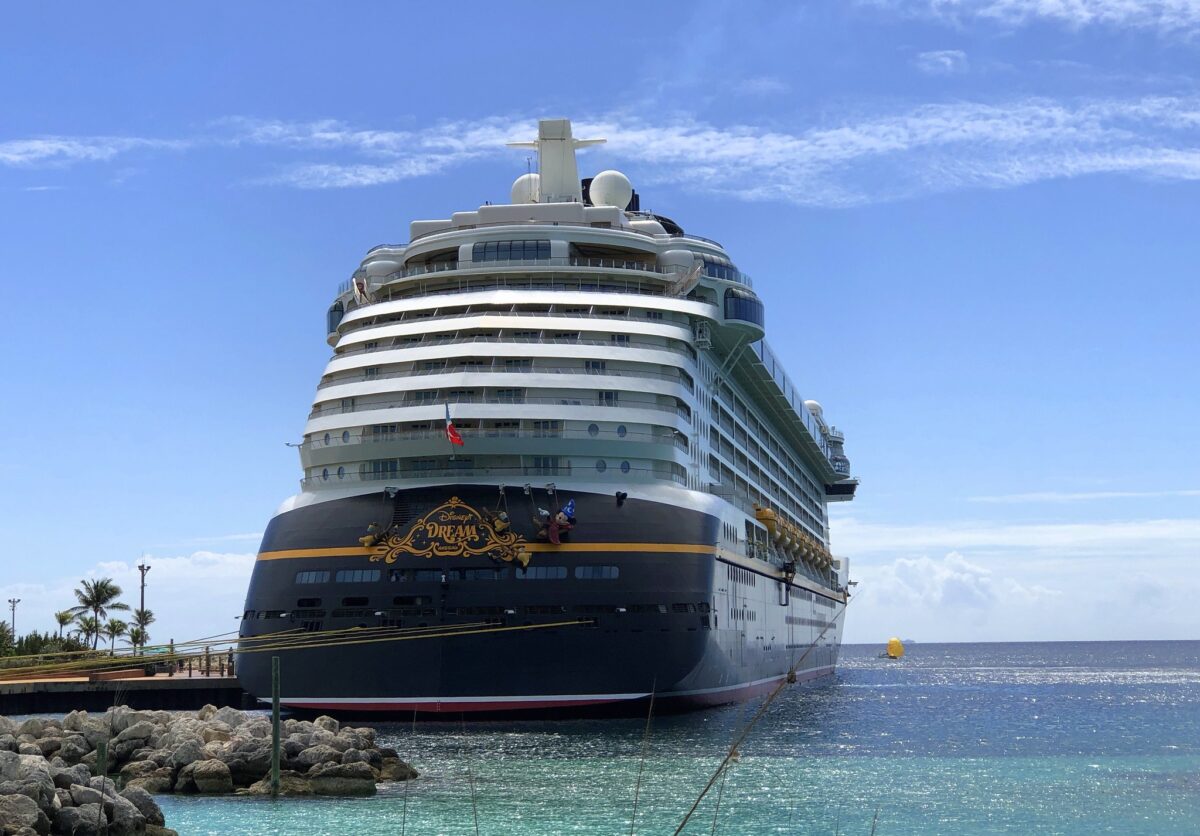
Castaway Cay runs on a different philosophy than other cruise line islands. Disney designed every aspect around family logistics.
The ship docks right at the island instead of tendering passengers ashore. Stroller-friendly paths connect all the main areas.
Character meet-and-greets happen throughout the day. The island splits into distinct zones.
Families with young kids gravitate toward one beach. Tweens and teens have their own area with different activities.
Adults get an exclusive beach on the far side of the island where kids aren’t allowed. Disney also maintains the former airstrip and uses it for seaplane excursions to nearby islands.
That level of infrastructure investment shows how seriously they take the private island concept.
MSC’s Caribbean Expansion
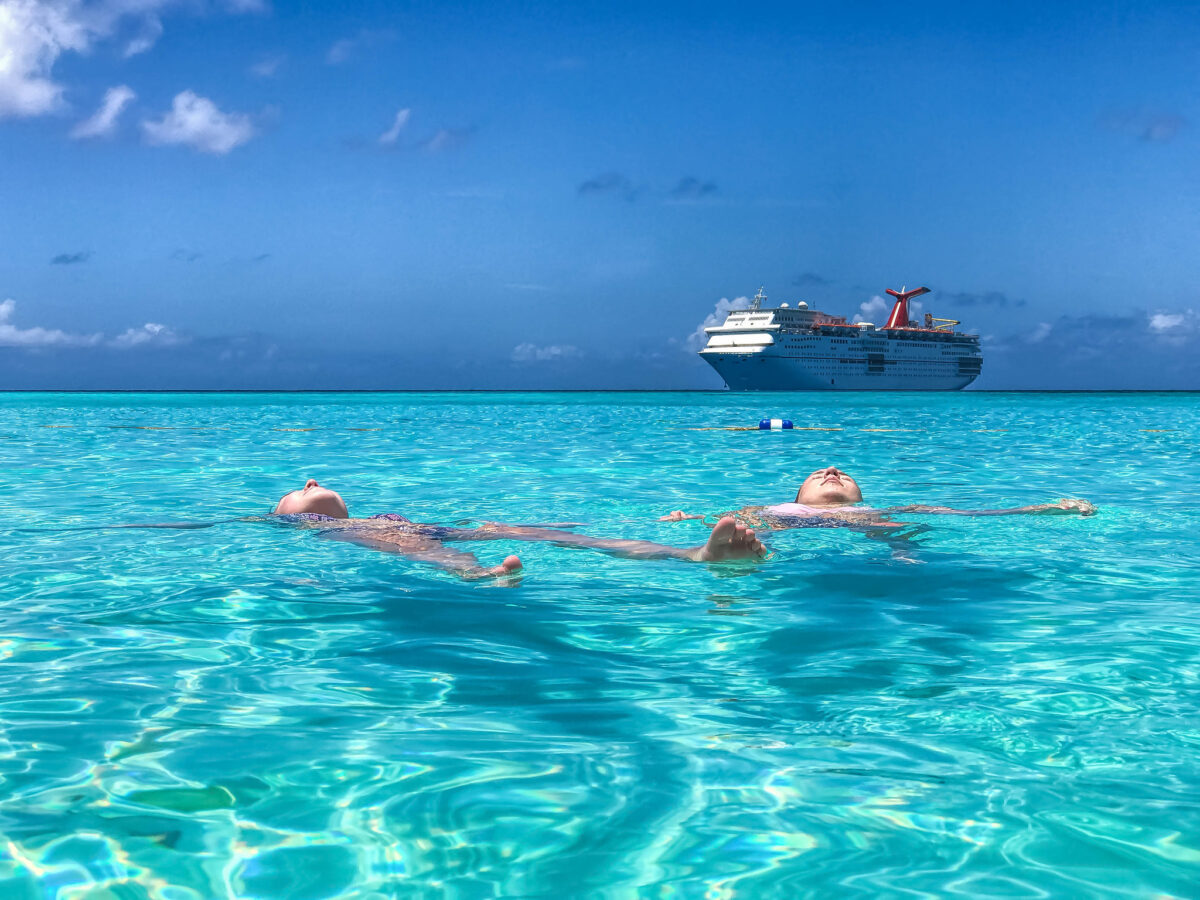
Ocean Cay sits about 65 miles from Miami and represents MSC’s entry into the private island game. The company took a former industrial sand excavation site and spent three years converting it into a destination.
The island emphasizes sustainability more than most private developments. MSC installed a coral restoration program, banned single-use plastics, and powers most operations with renewable energy.
Whether those efforts offset the environmental impact of thousands of weekly visitors remains debatable, but the company markets them heavily. Ocean Cay features seven beaches, each with a different vibe.
The lighthouse at the center lights up every evening with a show timed to music. The island stays open until 2 AM on some nights, which sets it apart from competitors that typically send everyone back to the ship by sunset.
Half Moon Cay’s Carnival Era
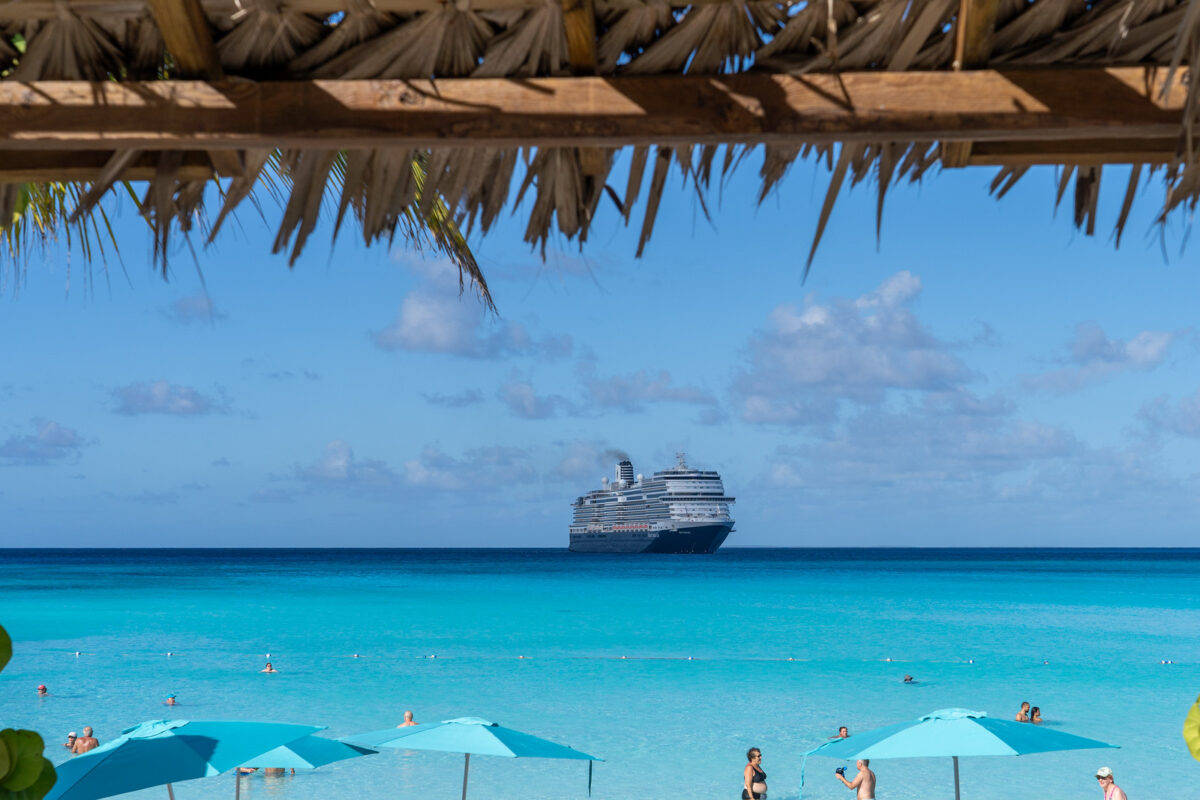
Carnival leased this Bahamas island in 1996 and developed it into their flagship private destination. The name comes from the island’s crescent shape, visible from above.
The island keeps things straightforward. Beautiful beach. Water sports equipment available for rent.
A few dining venues. Some nature trails.
Carnival doesn’t try to compete with the massive water parks and elaborate infrastructure that newer private islands feature. That simplicity works for many passengers who just want a relaxing beach day.
Half Moon Cay consistently ranks high in guest satisfaction despite offering fewer activities than its competitors.
Princess Cays and the Shared Model
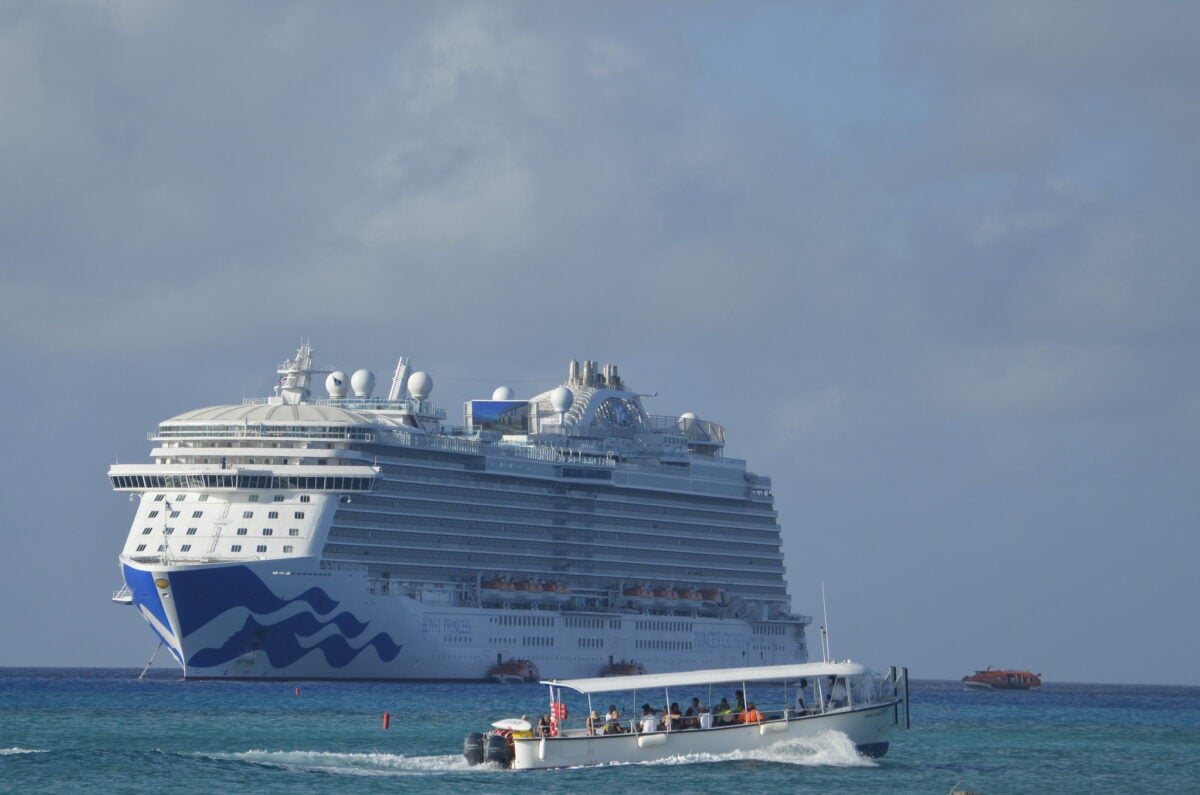
Princess Cays takes a slightly different approach. The cruise line leases a section of the island of Eleuthera in the Bahamas rather than controlling an entire island.
Local residents live in other parts of Eleuthera, and Princess passengers only access the designated private area. This shared model costs less to develop and maintain, but it means less control over the surrounding area.
Princess can’t expand easily if they want to add new facilities. They share the island’s infrastructure and resources with the local population.
Still, the model works. Passengers get a private beach experience without the cruise line needing to invest hundreds of millions in a completely separate island.
The Economics Behind the Sand
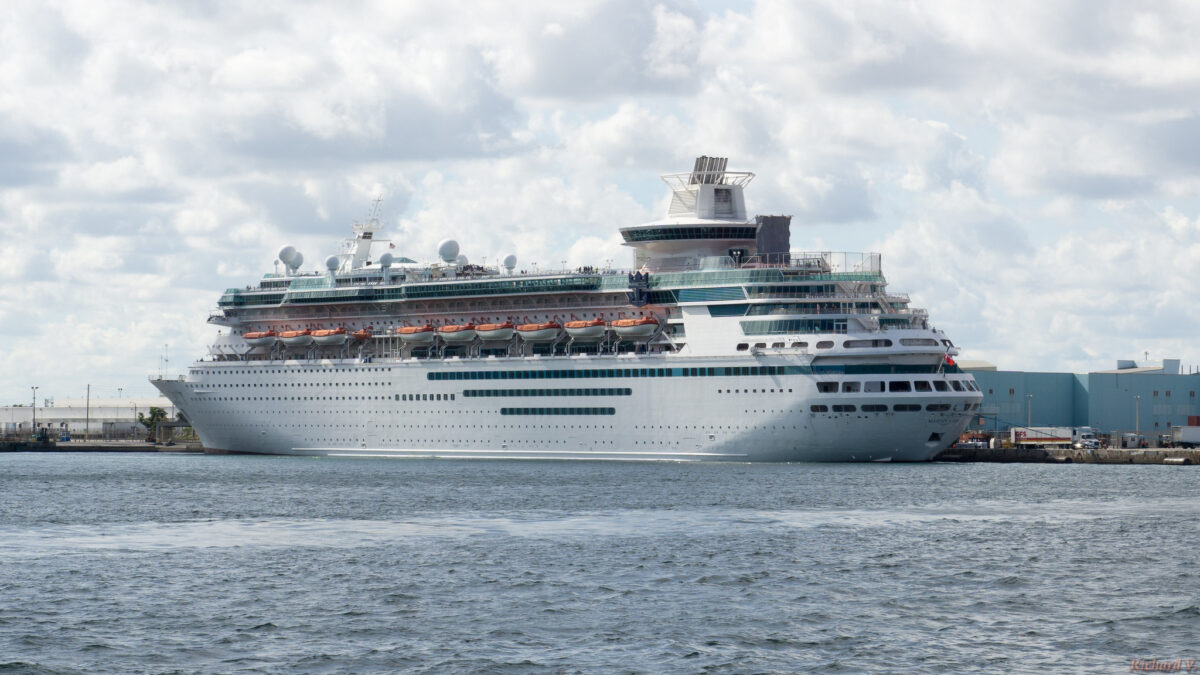
Developing a private island costs staggering amounts of money. Royal Caribbean’s $250 million investment in CocoCay represents the lower end for modern developments.
MSC reportedly spent over $300 million on Ocean Cay. But the math works. When a cruise ship visits a public port, passengers spend money in local restaurants, shops, and tour operators.
The cruise line gets nothing from those transactions. At a private island, every dollar passengers spend goes straight to the cruise line’s bottom line.
Food, drinks, cabana rentals, excursions, merchandise—it all generates pure profit after the initial development costs get recouped. Plus, the cruise line doesn’t pay port fees to local authorities.
The operational costs run lower than traditional ports too. The cruise line employs the staff directly, usually at lower wages than comparable positions on the ship itself.
Infrastructure maintenance falls entirely on the cruise line, but they control when and how that work happens.
Environmental Questions Nobody Wants to Answer
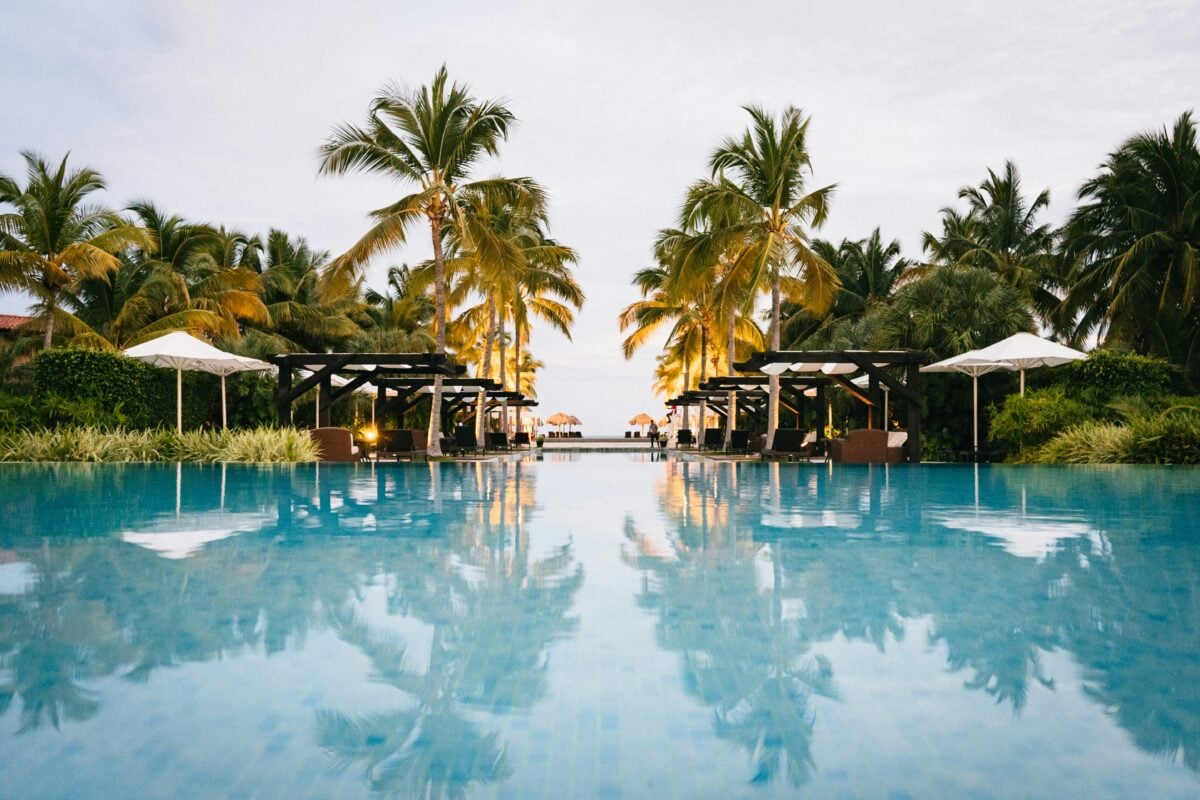
Building resort facilities on previously undeveloped islands raises obvious environmental concerns. Companies point to their sustainability programs, but those programs exist alongside activities that fundamentally alter ecosystems.
Dredging harbors for large ships, constructing seawalls, clearing vegetation for facilities—these activities permanently change island environments. Adding thousands of visitors weekly stresses local marine life, even with rules against touching coral or feeding fish.
Most private islands sit in the Bahamas or Caribbean, regions already dealing with coral bleaching, overfishing, and climate change impacts. Cruise companies argue their presence creates economic benefits for nearby islands through employment and infrastructure investment.
Critics note those benefits accrue mainly to the cruise lines themselves. The lack of independent oversight complicates any honest assessment.
Cruise lines control access to their islands and don’t typically allow environmental researchers to conduct studies without company approval.
The All-Inclusive Trap
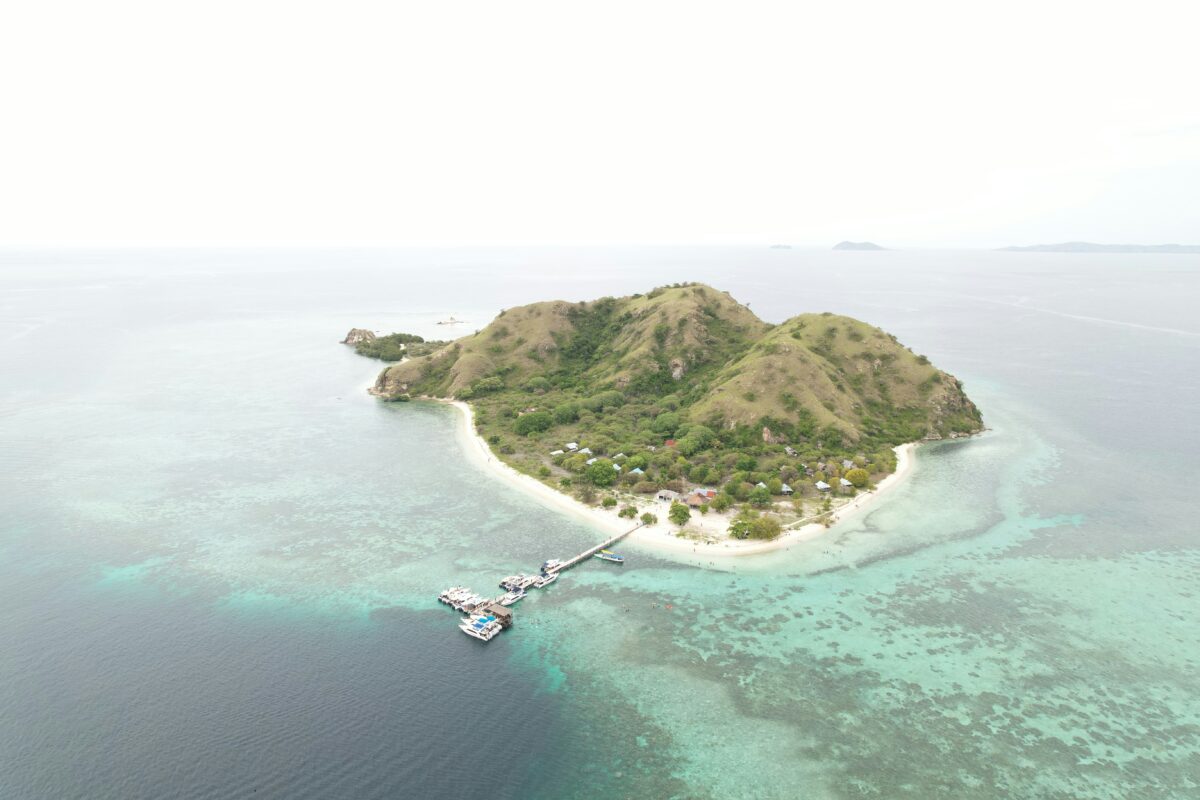
Private islands slot perfectly into the cruise industry’s broader strategy of capturing passenger spending. The all-inclusive ship experience already keeps most of your money with the cruise line.
The private island day extends that model to port visits. Some activities on these islands are included in your cruise fare.
Others cost extra, sometimes significantly more than comparable activities at public ports. That $40 cabana rental or $60 snorkeling excursion adds up when you multiply it across thousands of passengers.
The convenience factor works in the cruise line’s favor. You book everything through the ship.
You pay in your shipboard account. You never handle local currency or negotiate with independent operators.
It feels frictionless, which encourages spending.
What Passengers Actually Think
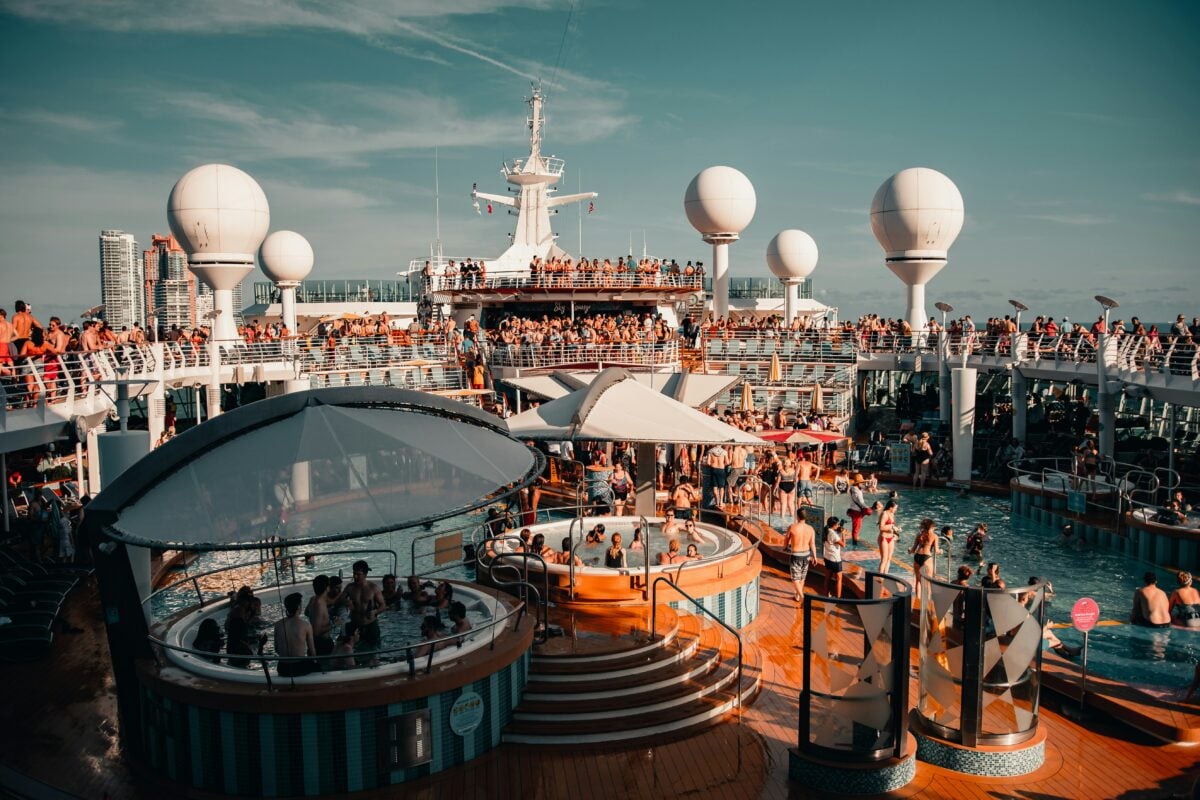
Guest satisfaction scores for private islands consistently rank higher than scores for traditional ports. The reliability matters.
You know the island will be open. You know the facilities will work.
You know you can get lunch at the designated time. But some passengers specifically avoid itineraries heavy on private islands.
They cruise to experience different cultures and explore real destinations. An artificial beach paradise doesn’t scratch that itch, no matter how well-designed.
The split breaks down roughly along demographic lines. Families with young kids love the predictability and safety of private islands.
Younger couples and solo travelers often prefer authentic port experiences. Older passengers fall into both camps depending on their priorities.
Future Developments on the Horizon
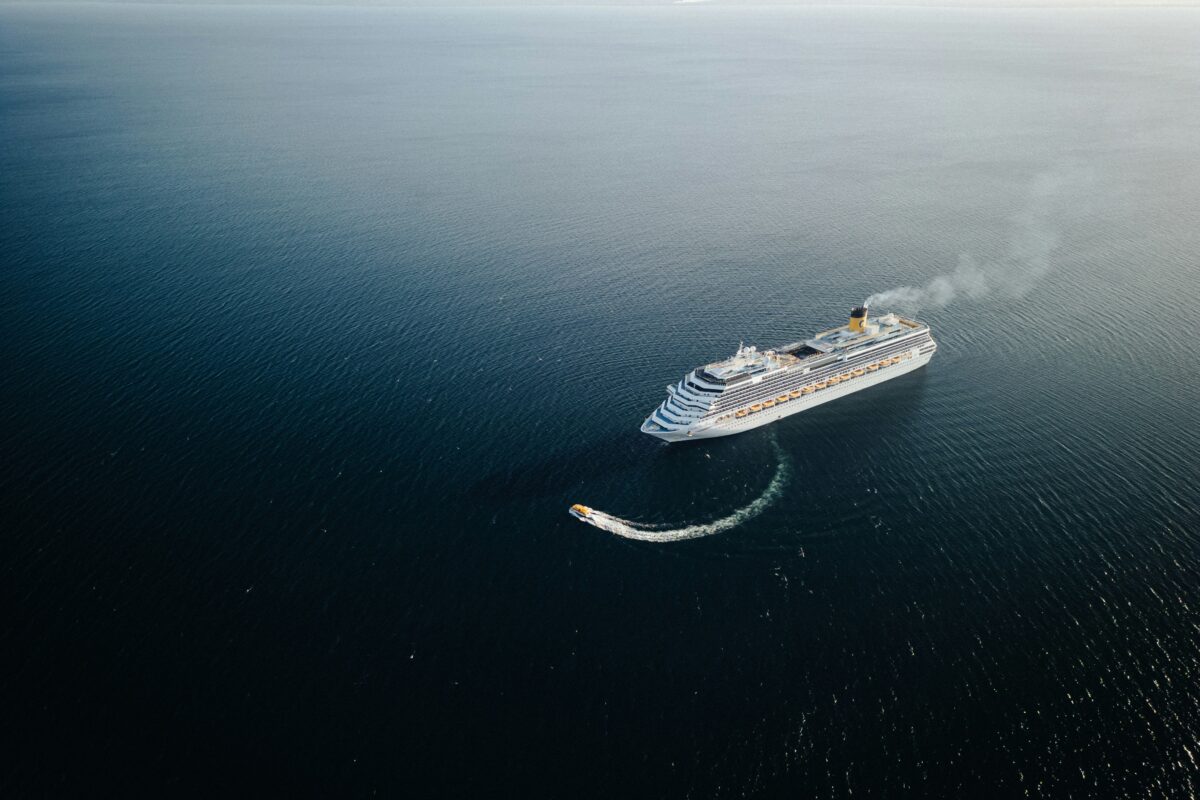
Royal Caribbean recently announced plans for a second private island in the Caribbean, though details remain scarce. Norwegian invested heavily in upgrading Harvest Caye in Belize, their second private destination.
MSC plans additional development phases for Ocean Cay. The trend points clearly toward more investment, not less.
The economics work too well to ignore. As cruise ships get larger and passenger numbers increase, having dedicated destinations that can handle the volume becomes more valuable.
Some industry observers predict cruise lines will eventually develop private islands in more exotic locations—perhaps in the Mediterranean, Asia, or even the South Pacific. The model succeeds anywhere you can find an undeveloped island with good weather and relatively calm seas.
The Irony of Authentic Fakeness
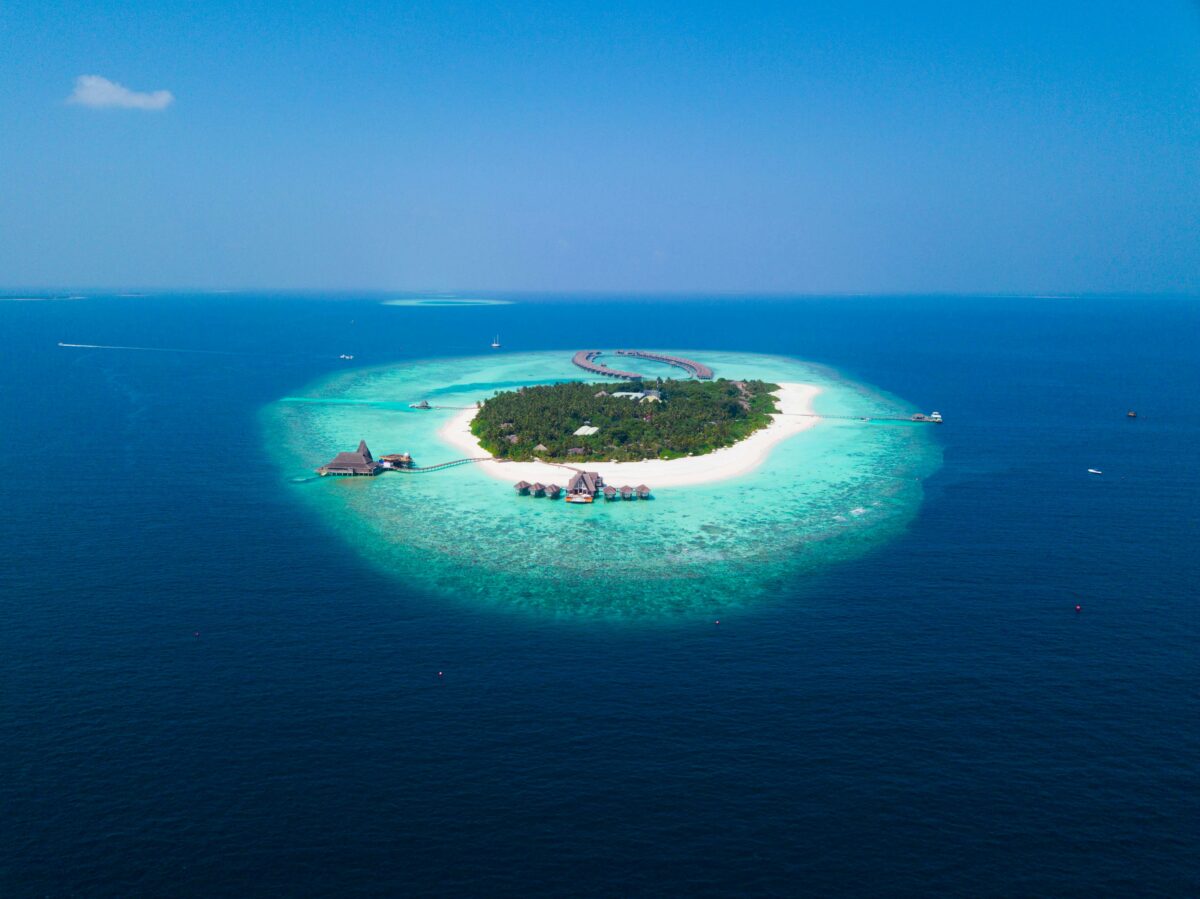
Private islands represent a fascinating contradiction. They’re artificial creations designed to feel natural.
Corporate developments marketed as escapes from the everyday grind. Carefully controlled environments presented as carefree paradise.
The beach looks pristine because crews rake it every morning before passengers arrive. The snorkeling areas teem with fish partly because the cruise line feeds them regularly to ensure good sightings.
The restrooms stay impeccably clean because maintaining them generates profits through your cruise fare and onboard spending. Nothing about these islands happens by accident.
Every palm tree, every beach chair, every drink station serves a calculated purpose in the larger business strategy. Yet millions of passengers each year find genuine enjoyment in these manufactured slices of paradise.
Where the Ship Becomes the Destination
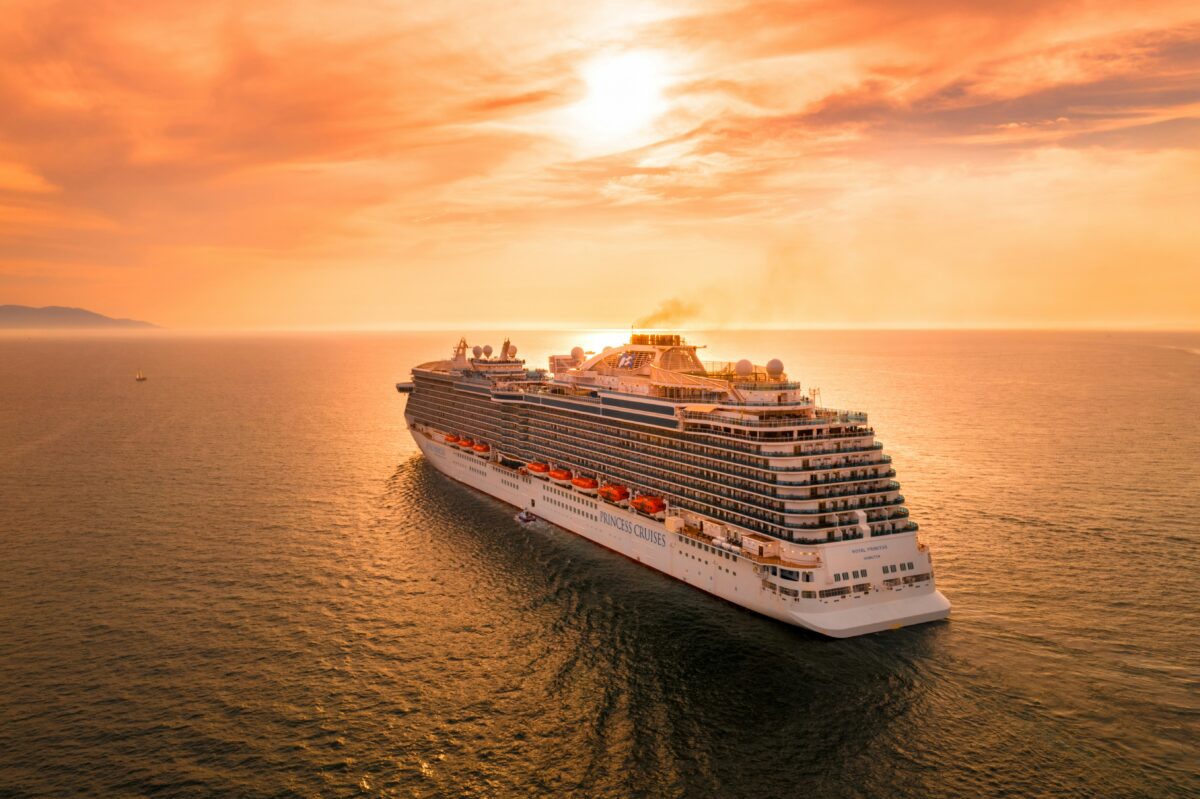
The private island trend reflects a broader shift in how cruise lines think about their product. The ship itself increasingly functions as the primary attraction, with ports serving as supporting elements rather than the main draw.
Your typical cruise passenger spends maybe six to eight hours at each port. The rest of the time happens onboard.
Cruise lines recognized they could maximize both satisfaction and profits by controlling more of those port hours. Private islands let them do exactly that.
You get off the ship, spend a day in a controlled environment that feels special but familiar, then return to the ship for the evening. The experience flows smoothly from sea to shore and back again without the friction of dealing with real places and their inevitable complications.
When Paradise Comes with Terms and Conditions
A wave rolls in, slow and steady, under an open sky. Ownership slips into the scene, quiet but present, coloring how things feel.
Each step forward lands on ground claimed long before arrival. Out here, the sand isn’t just sand. It’s part of a plan built to make money while making you feel attached.
Think of it like theater – everything laid out on purpose. What seems unplanned is actually shaped long before you arrive.
Teams have already tweaked every detail, trying things out again and again until they stick. Still, the waves stay bright.
The grains underfoot remain fine. Even timed, dusk paints the sky well.
Seeing beyond the postcard changes how you see it. Enjoyment does not vanish. Truth shifts what comfort costs.
More from Go2Tutors!

- 16 Historical Figures Who Were Nothing Like You Think
- 12 Things Sold in the 80s That Are Now Illegal
- 15 VHS Tapes That Could Be Worth Thousands
- 17 Historical “What Ifs” That Would Have Changed Everything
- 18 TV Shows That Vanished Without a Finale
Like Go2Tutors’s content? Follow us on MSN.



