Countries With the Strictest Driving Laws in the World
Getting behind the wheel in a foreign country can be nerve-wracking. Different rules, unfamiliar road signs, and the stress of navigating new places all add up.
But some countries take traffic enforcement to a whole different level. Their laws don’t just suggest good behavior—they demand it, with penalties that make speeding tickets back home look like friendly reminders.
Understanding these strict regulations helps you avoid expensive mistakes if you ever find yourself driving abroad.
Japan: Zero Tolerance for Alcohol

Japan maintains one of the world’s strictest drunk driving laws. The legal blood alcohol limit sits at 0.03%, which means even a small glass of wine puts you over the limit.
If police catch you driving after drinking, you face criminal charges, jail time, and fines that can exceed $10,000. Your passengers also get penalized for allowing you to drive drunk.
The person who served you alcohol can face charges too. The country takes this so seriously that many Japanese people refuse to drink anything alcoholic if they’re driving later that day, even if it’s hours away.
Designated driver culture is absolute. Companies have fired employees for drunk driving convictions, and the social stigma lasts for years.
Saudi Arabia: Women Can Now Drive, But Rules Apply to Everyone
Saudi Arabia only allowed women to drive starting in 2018, but the laws governing everyone behind the wheel remain incredibly strict. Speeding cameras blanket highways and city streets. If you exceed the limit by even a small margin, fines arrive automatically.
Accumulate enough violations and authorities confiscate your vehicle. The country uses a point system where serious offenses like reckless driving or using your phone lead to license suspension.
Tailgating carries heavy fines. If you cause an accident that kills someone, you face severe legal consequences including potential imprisonment and having to pay blood money to the victim’s family.
Norway: Your Wallet Will Hurt

Norwegian speeding fines scale based on your income. A wealthy driver might pay $100,000 for the same violation that costs someone else $500.
The country calculates fines as a percentage of your annual income for serious offenses. This means there’s no getting off easy just because you can afford regular tickets.
Speed cameras operate everywhere, and the tolerance for going over the limit barely exists. Drive 5 km/h over the posted speed and you’ll get ticketed.
Norway also crushes vehicles involved in illegal street racing. They don’t auction them off or store them—they literally destroy them.
Finland: Pay According to What You Earn

Finland follows Norway’s model of income-based fines. The country once issued a $103,000 speeding ticket to a Nokia executive. Another driver paid over $60,000 for going 15 mph over the limit.
Finnish authorities calculate these “day fines” based on your daily disposable income, then multiply by the severity of the offense. Beyond speeding, Finland enforces strict winter tire requirements.
Drive without proper tires during winter months and you’ll face fines and potential liability for any accidents. The country doesn’t mess around with safety equipment.
Germany: The Autobahn Has Limits Everywhere Else
Germany’s famous unlimited speed zones on the Autobahn mislead people about the country’s overall approach to traffic laws. Most of the Autobahn actually has speed limits, and the rest of Germany’s roads maintain strict enforcement.
Running a red light costs you hundreds of euros and points on your license. The country requires all drivers to complete extensive first aid training as part of getting a license.
You must carry a warning triangle and first aid kit in your vehicle at all times. If you pass an accident without stopping to help, you’ve committed a crime.
Germany also bans winter tires with studs except in extreme mountain areas, and summer driving requires removing winter tires entirely.
Switzerland: Even Speeding Thoughts Cost Money
Switzerland treats traffic violations as criminal offenses rather than civil infractions. Serious speeding can land you in prison for years.
The country has jailed drivers for going double the speed limit in urban areas. One driver received a two-year sentence for traveling 85 mph in a 30 mph zone.
The Swiss also penalize you for having a radar detector in your car, even if it’s turned off. Possession alone breaks the law. They’ll confiscate the device and fine you.
The country maintains this strict approach because it works—Switzerland has one of the lowest traffic fatality rates in the world.
Singapore: Cars Are Already Expensive, Then Come the Rules
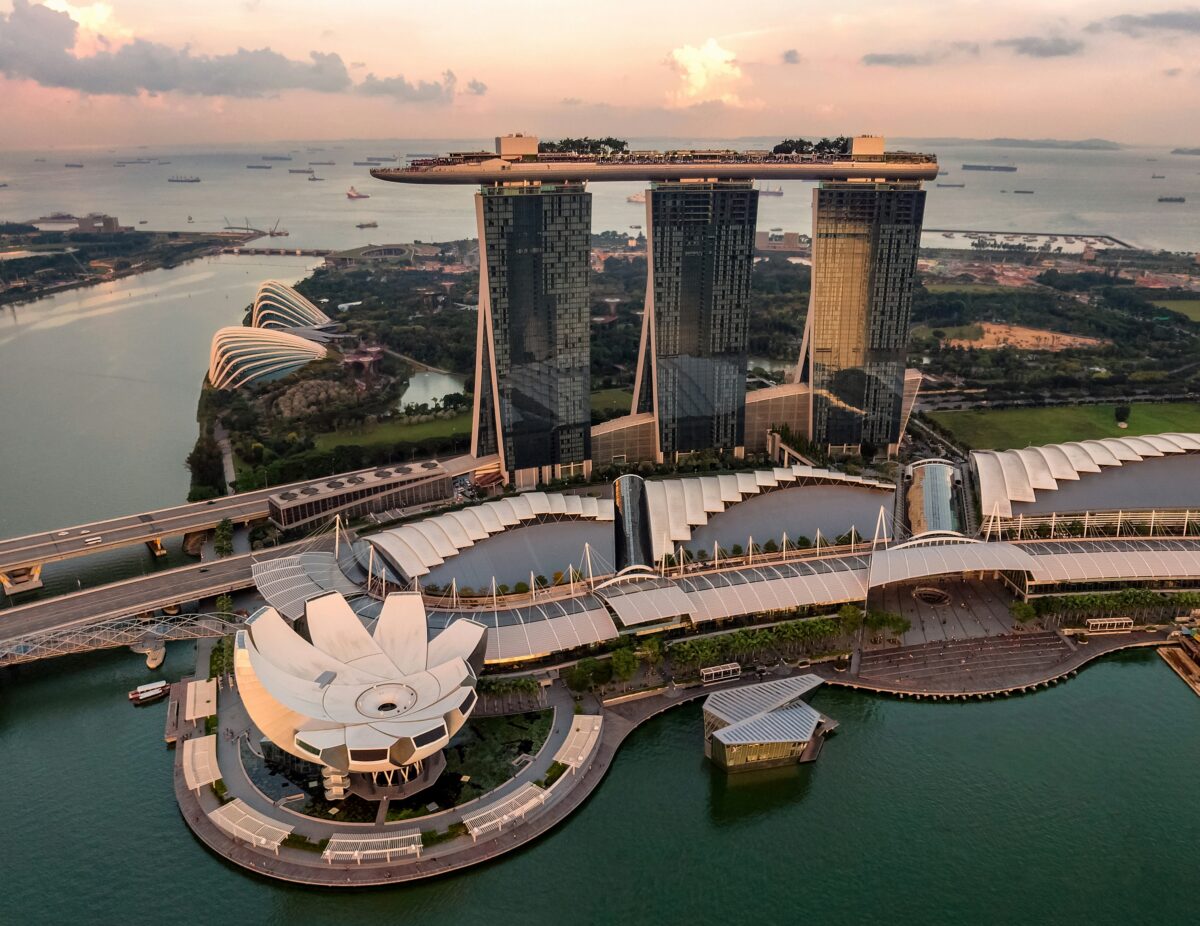
Singapore makes owning a car prohibitively expensive through its Certificate of Entitlement system, which can cost more than the vehicle itself. Once you have a car, driving laws remain equally demanding.
Speeding, running red lights, and using mobile phones all carry heavy fines and demerit points. Accumulate 24 demerit points and you lose your license for 12 weeks.
The country uses extensive camera systems and authorities review footage regularly. Drunk driving results in mandatory prison time for first offenses.
There’s no option to just pay a fine and move on.
Dubai: Flash Your Lights and Pay the Price
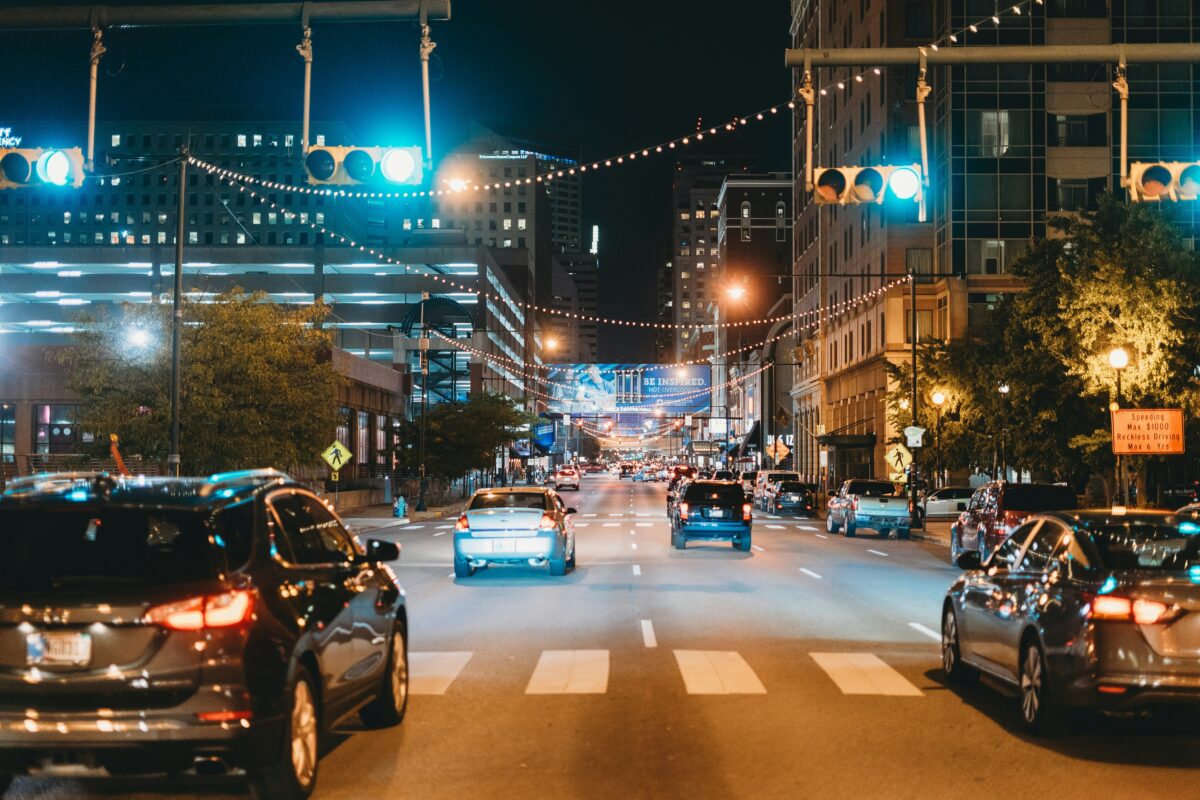
Dubai and the wider UAE enforce traffic laws aggressively. Speed cameras operate throughout the emirate, and fines arrive via text message almost immediately.
The country impounds vehicles for various violations, and getting them back requires paying hefty fees plus daily storage costs. Flashing your headlights at another driver, even to warn of police ahead, breaks the law.
Aggressive driving, sudden lane changes without signaling, and tailgating all result in significant fines. If you accumulate enough black points on your license, authorities suspend it.
The UAE also criminalizes driving under the influence with zero tolerance—any trace of alcohol leads to arrest.
Sweden: Cameras Everywhere and Consequences Follow
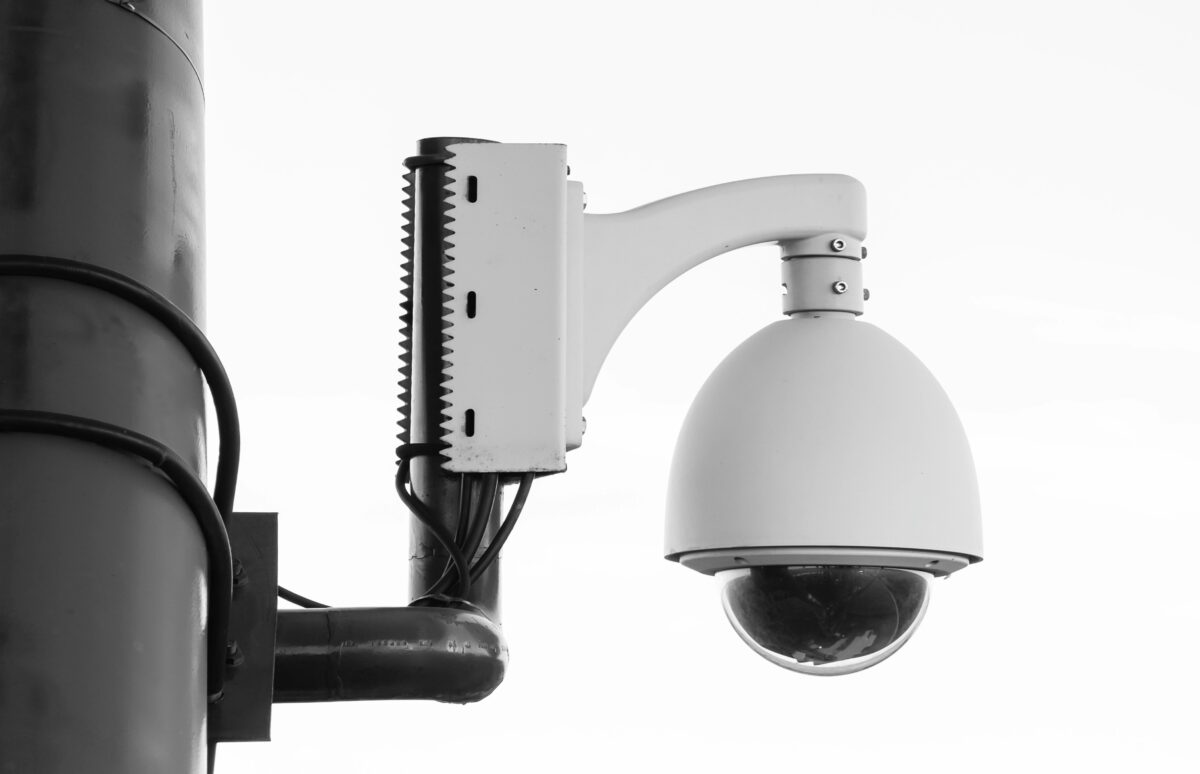
Sweden operates more speed cameras per capita than almost anywhere else. The country places them on highways, city streets, and rural roads.
They’re clearly marked with warning signs, so getting caught means you knowingly chose to break the law. Swedish drunk driving laws set the blood alcohol limit at 0.02%, effectively zero tolerance.
Testing is random and common. Police can stop you at any roadblock and require a breath test without needing probable cause.
Refusal to take the test brings automatic license suspension and fines.
France: Points Disappear Quickly

France uses a point system where you start with 12 points and lose them for violations. New drivers start with only 6 points. Serious offenses like drunk driving can remove 6 points at once.
Lose all your points and you lose your license. The country also requires you to carry a breathalyzer in your vehicle at all times, though they stopped enforcing the fine for not having one.
You must carry reflective vests for all passengers, and using them is mandatory if you exit the vehicle on a highway. Speed cameras hide strategically, and tolerance for speeding sits at virtually zero in urban areas.
Australia: Each State Competes for Strictest
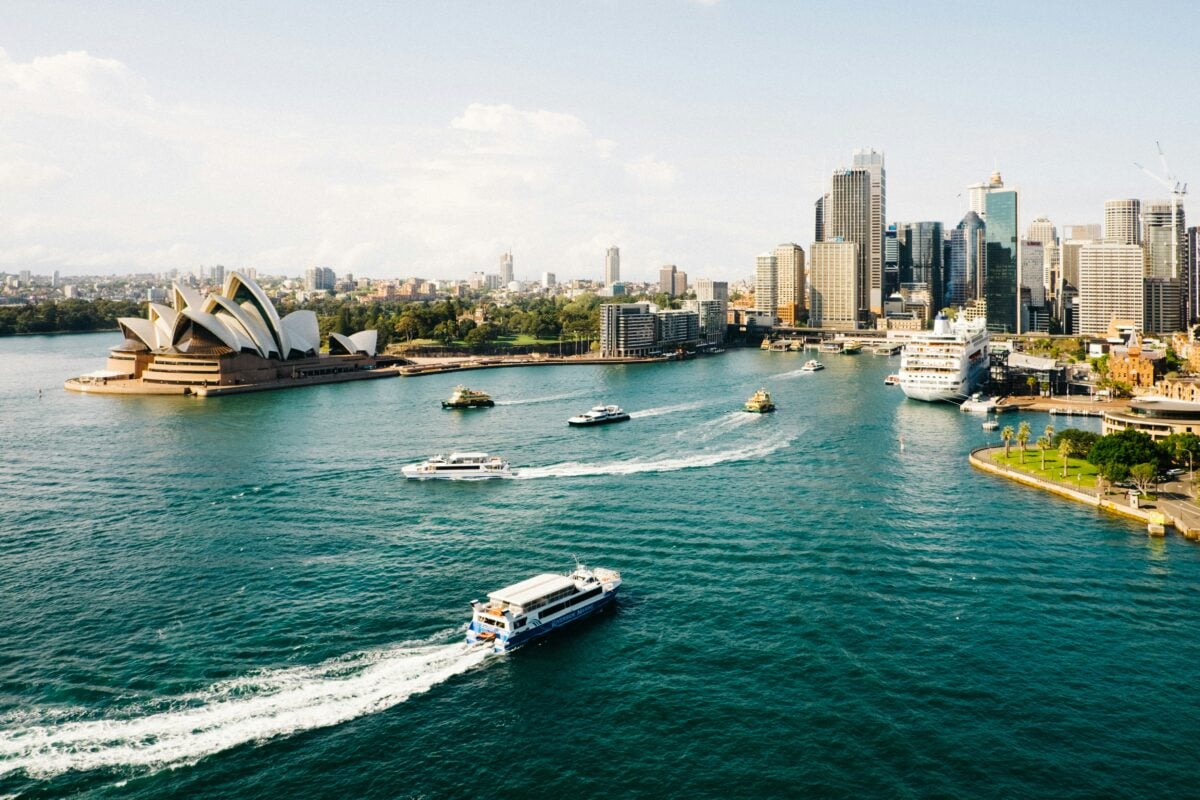
Australian states compete to enforce traffic laws most aggressively. Victoria uses mobile speed cameras and highway patrol extensively.
New South Wales imposes huge fines for phone use while driving—touching your device at all, even at a red light, brings a $344 fine and five demerit points. The country treats drink driving extremely seriously, with random breath testing stations operating constantly.
Police can stop any driver at any time for testing. High-range drink driving leads to immediate license suspension, heavy fines, and potential jail time.
Australia also crushes or auctions vehicles involved in extreme speeding or street racing.
South Korea: Technology Watches Your Every Move

South Korea employs sophisticated camera systems that track vehicles across multiple points to calculate average speed. You can’t slow down just for speed cameras—the system knows your average pace.
The technology also monitors illegal parking, bus lane violations, and running red lights. The country enforces a strict demerit point system.
Accumulate 40 points within a year and you lose your license for 40 days. Reach 81 points and the suspension extends to 90 days. Points remain on your record for three years.
Drunk driving results in license revocation and mandatory attendance at traffic safety education programs.
Netherlands: Bikes Have Rights, Drivers Have Responsibilities
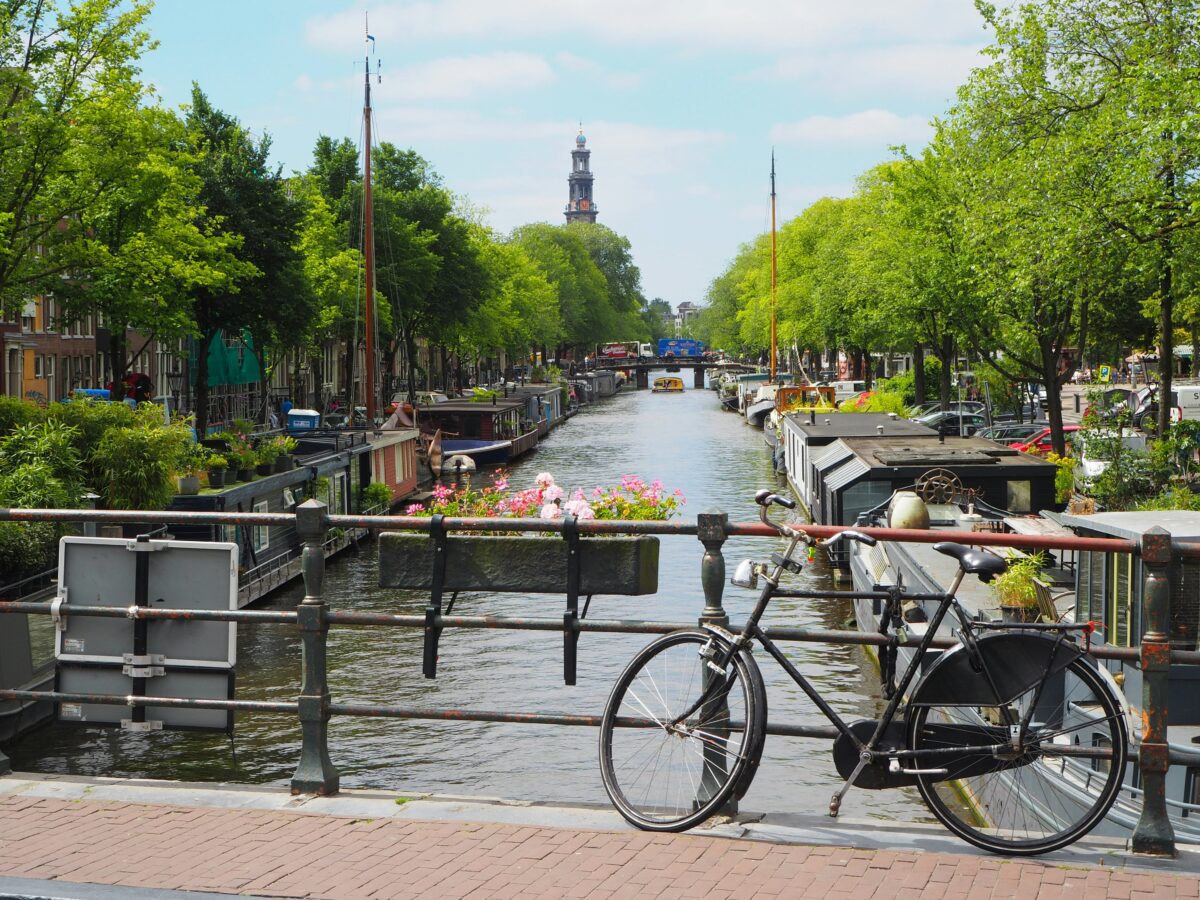
The Netherlands prioritizes cyclist and pedestrian safety, and traffic laws reflect this. Drivers bear responsibility in accidents involving vulnerable road users unless they can prove the cyclist or pedestrian acted egregiously.
This shifts the burden of proof onto drivers. Speed limits in residential areas drop to 30 km/h in many places.
The country uses both fixed and mobile speed cameras extensively. Dutch police also employ unmarked vehicles for traffic enforcement, making it harder to spot when you’re being monitored.
Fines scale based on how much you exceed the limit, with the steepest penalties kicking in at higher speeds.
Canada: Varies by Province, But All Take It Seriously

Canadian provinces each set their own traffic laws, but all maintain strict enforcement. British Columbia uses photo radar and red light cameras extensively.
Ontario employs “stunt driving” laws that target excessive speeding and aggressive driving with immediate vehicle impoundment and license suspension. Quebec takes winter tire requirements seriously, mandating them from December through March.
Driving without winter tires during this period brings fines and potential liability in accidents. All provinces enforce strict graduated licensing systems for new drivers, limiting when and with whom they can drive.
Where Strict Meets Sensible

These harsh rules are around ’cause they stop people from dying. Nations that push hard on penalties usually see fewer road deaths.
What feels like overkill makes sense when you think about what’s at stake – lost lives, hospital visits, homes shattered by crashes we could’ve avoided. Driving there isn’t about mindless rule-following. It’s joining a setup meant to protect every person on the move.
The big penalties plus harsh outcomes show just how much these communities care more about people than comfort. This isn’t such a poor deal.
More from Go2Tutors!

- The Romanov Crown Jewels and Their Tragic Fate
- 13 Historical Mysteries That Science Still Can’t Solve
- Famous Hoaxes That Fooled the World for Years
- 15 Child Stars with Tragic Adult Lives
- 16 Famous Jewelry Pieces in History
Like Go2Tutors’s content? Follow us on MSN



