Major Intelligence Breaches in World History
Secrets have always been fragile things. One careless moment, one betrayed loyalty, one overlooked detail — and decades of careful work can unravel in hours.
Intelligence breaches don’t just reveal information; they reshape the world. They topple governments, end wars, start new ones, and remind us that the most carefully guarded secrets are only as secure as the people who keep them.
The Cambridge Five
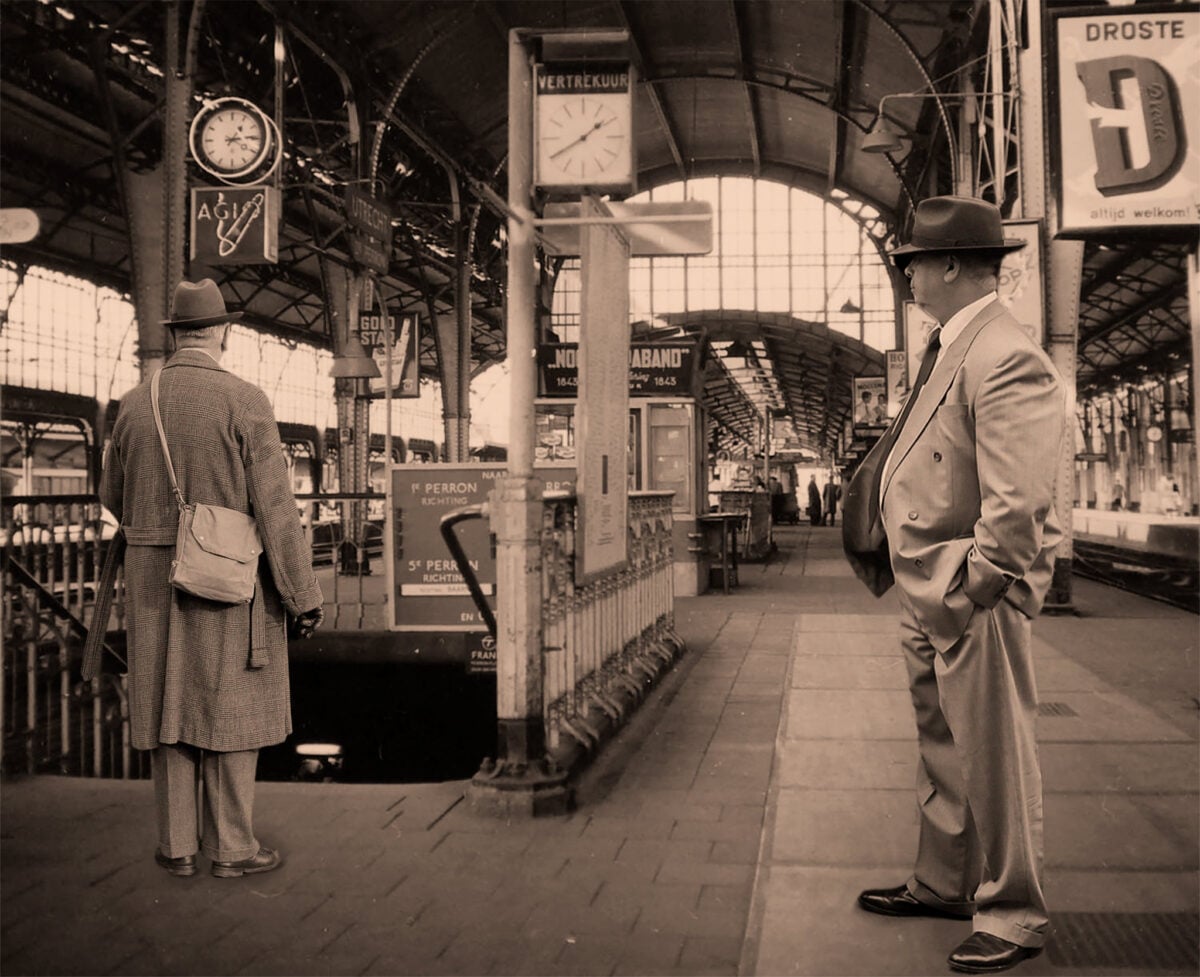
Soviet infiltration of British intelligence wasn’t subtle once you knew where to look. Kim Philby, Guy Burgess, Donald Maclean, Anthony Blunt, and John Cairncross had been feeding Moscow secrets for decades.
The damage was staggering — and it took years to fully understand how deep it went.
Operation Venona
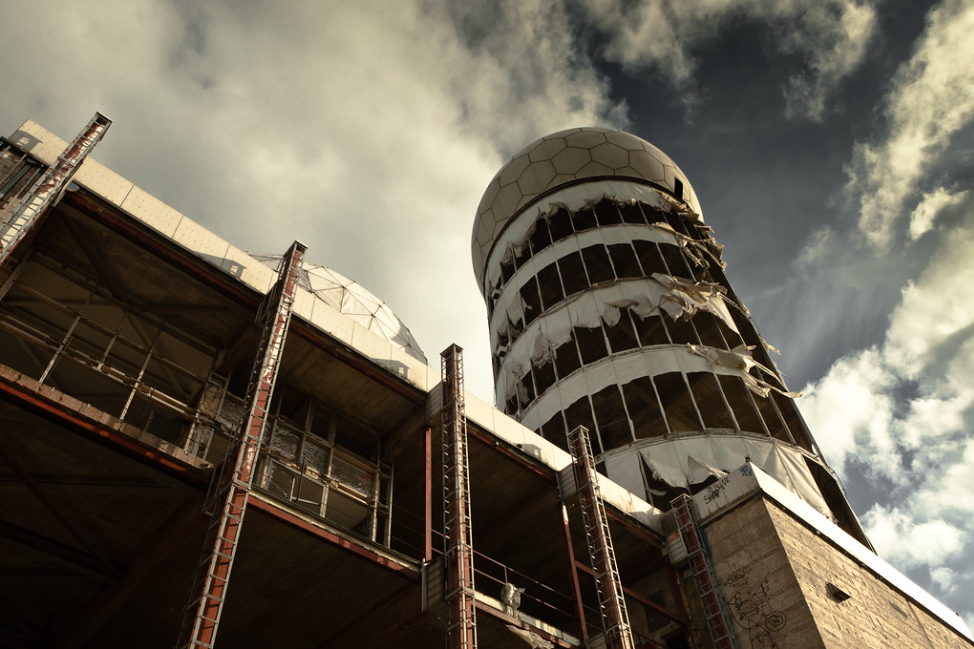
The Americans had been quietly breaking Soviet codes since 1943, but when the full scope of Soviet espionage became clear in the 1990s (after the program was declassified), the revelations were staggering: hundreds of American citizens had been working for Moscow, including Julius Rosenberg and Alger Hiss. The project, which ran for decades, revealed that Soviet intelligence had penetrated virtually every level of the U.S. government during and after World War II — and this was just what cryptographers could piece together from intercepted cables that were often incomplete or partially garbled.
So imagine what they never caught.
Jonathan Pollard Affair
Israeli intelligence recruited an American naval analyst in 1984. Pollard passed classified documents for over a year before his arrest.
The case damaged U.S.-Israeli relations for decades.
Aldrich Ames
There’s something almost theatrical about betrayal at the highest levels, like watching someone methodically dismantle their own life while building another. Aldrich Ames spent nine years inside the CIA’s Soviet counterintelligence division, and during that time, he wasn’t just stealing secrets — he was systematically identifying every American asset inside the Soviet Union and handing their names to the KGB. The result was a massacre: at least ten sources executed, others imprisoned, entire networks rolled up and destroyed.
The most chilling part wasn’t the scale of the damage, though that was enormous. It was how long he went undetected, sitting in meetings where analysts puzzled over why their operations kept failing, why sources kept disappearing, why nothing seemed to work anymore.
Robert Hanssen
The FBI’s most damaging mole operated for 22 years without detection. Hanssen sold secrets to the Soviets and Russians, compromising numerous operations and revealing the identities of American agents.
His arrest in 2001 exposed decades of counterintelligence failures.
Anna Chapman and the Russian Spy Ring

Modern espionage isn’t always about stealing nuclear secrets in dark alleys — sometimes it’s about deep-cover agents living ordinary suburban lives for years, slowly building networks and gathering intelligence on everything from policy discussions to technology trends. The 2010 arrest of Anna Chapman and nine other Russian agents (part of what the FBI called the “Illegals Program”) revealed that Russia had been running a long-term operation to place sleeper agents throughout American society, where they worked regular jobs, raised families, and sent reports back to Moscow about American life, politics, and strategic thinking.
And yet, for all the sophistication of the operation — the fake identities, the decades-long cover stories, the careful cultivation of sources — the actual intelligence they gathered was reportedly mundane, almost disappointing. But that’s the thing about espionage: you never know which seemingly ordinary piece of information will prove crucial later.
Edward Snowden
A systems administrator walked out of the NSA with some of the most classified documents in American history. Snowden’s revelations about surveillance programs changed global privacy debates and damaged U.S. intelligence relationships worldwide.
Chelsea Manning
Military intelligence analyst Chelsea Manning leaked hundreds of thousands of diplomatic cables and military documents to WikiLeaks in 2010, exposing everything from civilian casualties in Iraq and Afghanistan to candid diplomatic assessments that embarrassed allies and adversaries alike. The leak included the infamous “Collateral Murder” video showing a U.S. Apache helicopter attack in Baghdad, but the broader damage came from the diplomatic cables — thousands of frank assessments and private conversations that suddenly became public, forcing diplomats worldwide to wonder if their own communications might be the next to appear on the internet (and creating a chilling effect on diplomatic honesty that persists today).
And the technical method was almost absurdly simple: Manning burned the files onto CDs labeled as Lady Gaga albums and walked them out of a secure facility. Sometimes the most devastating breaches happen because someone with legitimate access decides the public deserves to know what their government is doing in their name.
Julius and Ethel Rosenberg
The Rosenbergs passed atomic secrets to the Soviet Union during World War II. Their execution in 1953 became one of the most controversial espionage cases in American history.
The debate over their guilt and the appropriateness of their punishment continues today.
Klaus Fuchs
A German-born physicist working on the Manhattan Project systematically passed atomic bomb secrets to Soviet intelligence from 1941 to 1949. Fuchs had access to virtually every aspect of the bomb’s development, and his intelligence likely accelerated the Soviet nuclear program by years.
His confession in 1950 revealed the extent of Soviet penetration of the Western nuclear program.
Oleg Penkovsky
Sometimes the most damaging breaches work both ways — and the story of Oleg Penkovsky, a Soviet military intelligence officer who spied for the West from 1960 to 1962, shows how one man’s betrayal can shift the balance of global power. Penkovsky provided the CIA and British intelligence with crucial information about Soviet missile capabilities, including details that proved essential during the Cuban Missile Crisis (his intelligence helped Kennedy understand that the Soviets weren’t ready for nuclear war, which influenced the president’s calculated response).
But Penkovsky paid the ultimate price for his betrayal: the Soviets discovered his activities and executed him in 1963, though not before his intelligence had fundamentally altered how the West understood Soviet military strength. The irony is that Penkovsky’s motivations weren’t entirely ideological — he was reportedly frustrated by the Soviet system’s limitations and genuinely believed that helping the West would prevent nuclear war.
Operation Gold

The CIA and British intelligence spent months in 1954 digging a tunnel from West Berlin into East Berlin to tap Soviet communication cables. The operation collected valuable intelligence for nearly a year — until the Soviets discovered it. What made this breach particularly embarrassing was that a British intelligence officer, George Blake, had informed the Soviets about the tunnel before it was even completed.
The Walker Spy Ring
Navy warrant officer John Walker recruited his own family members to spy for the Soviet Union over nearly two decades. The Walker ring compromised U.S. naval communications and operations from 1968 to 1985.
Walker’s son, brother, and best friend all participated in what became one of the most damaging naval intelligence breaches in American history.
Katrina Leung

Double agents live in a world where loyalty becomes fluid, but Katrina Leung took this to an extreme that embarrassed the FBI for years: while working as an FBI informant against Chinese intelligence, she was simultaneously feeding information back to Beijing, playing both sides with remarkable skill from 1982 to 2003. The breach was particularly damaging because Leung had romantic relationships with two of her FBI handlers, which gave her access to classified information that went far beyond what a typical informant would see.
And the personal relationships made it harder for the FBI to recognize what was happening — when someone is sleeping with you, it’s easier to explain away suspicious behavior or rationalize security lapses that might otherwise raise red flags. The case revealed not just a counterintelligence failure, but a human one: the FBI’s elaborate systems for managing informants fell apart when basic personal relationships got too complicated.
Lessons Written in Betrayal

These breaches share a troubling common thread: they succeeded not because security systems failed, but because people did. The most sophisticated encryption means nothing when someone with legitimate access decides to walk out with the keys.
Trust, it turns out, is both the foundation of intelligence work and its greatest vulnerability.
More from Go2Tutors!

- The Romanov Crown Jewels and Their Tragic Fate
- 13 Historical Mysteries That Science Still Can’t Solve
- Famous Hoaxes That Fooled the World for Years
- 15 Child Stars with Tragic Adult Lives
- 16 Famous Jewelry Pieces in History
Like Go2Tutors’s content? Follow us on MSN.



