Major Theme Park Ride Malfunctions That Made International Headlines
Theme parks promise magic, thrills, and memories that last a lifetime. Most of the time, they deliver exactly that — but occasionally, something goes terribly wrong.
When a ride malfunctions at a major theme park, the incident doesn’t just affect the riders involved; it sends shockwaves through the industry and captures global attention. These mechanical failures, human errors, and design flaws have shaped how we think about amusement park safety and reminded everyone that behind the carefully crafted illusion of adventure lies real machinery that can, and sometimes does, fail.
The Smiler At Alton Towers
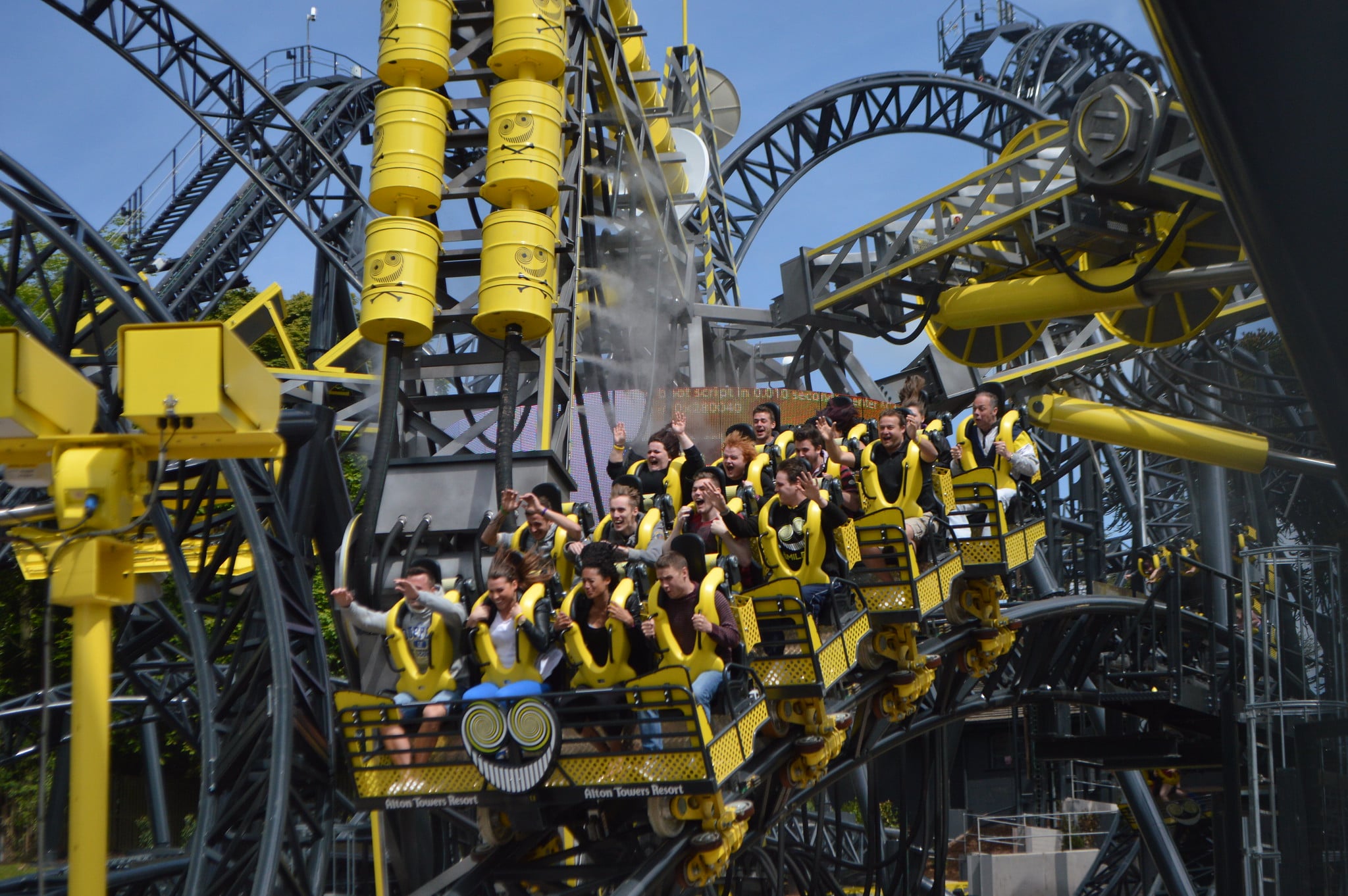
Sixteen people injured. Two young women lost their legs.
The math was simple and devastating. The Smiler’s computer system detected a stationary car on the track and automatically stopped the ride.
A staff member manually overrode the safety system, sending another car full of riders directly into the first one at 20 mph. The collision happened in full view of other guests, and the footage spread across social media within hours.
Thunder River Rapids At Dreamworld
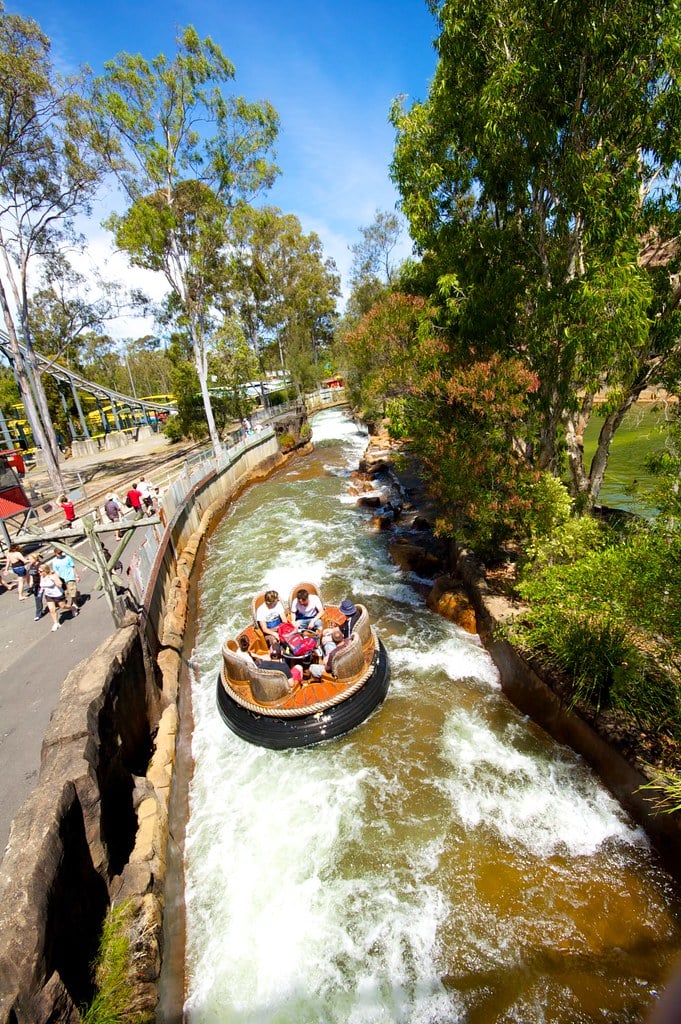
The conveyor belt that should have lifted the raft to safety malfunctioned, and instead of gliding smoothly to the exit, the circular raft flipped backward into the water below. Four adults died while two children (who had been sitting in a different part of the raft) watched from the water.
The incident exposed years of safety shortcuts and inadequate maintenance that had turned Australia’s most popular theme park into a tragedy waiting to happen.
What made this even more haunting was how routine it seemed at first — families laughing as they approached the end of a gentle water ride, completely unaware that the machinery beneath them had already begun to fail. The raft flipped so quickly that there was no time for anyone to react, and what should have been the safest part of the entire experience became the deadliest.
And the two children who survived had to be rescued from the water after watching their loved ones disappear beneath the machinery, a trauma that no amount of engineering improvements could ever undo.
Superman: Ride Of Steel At Six Flags Darien Lake
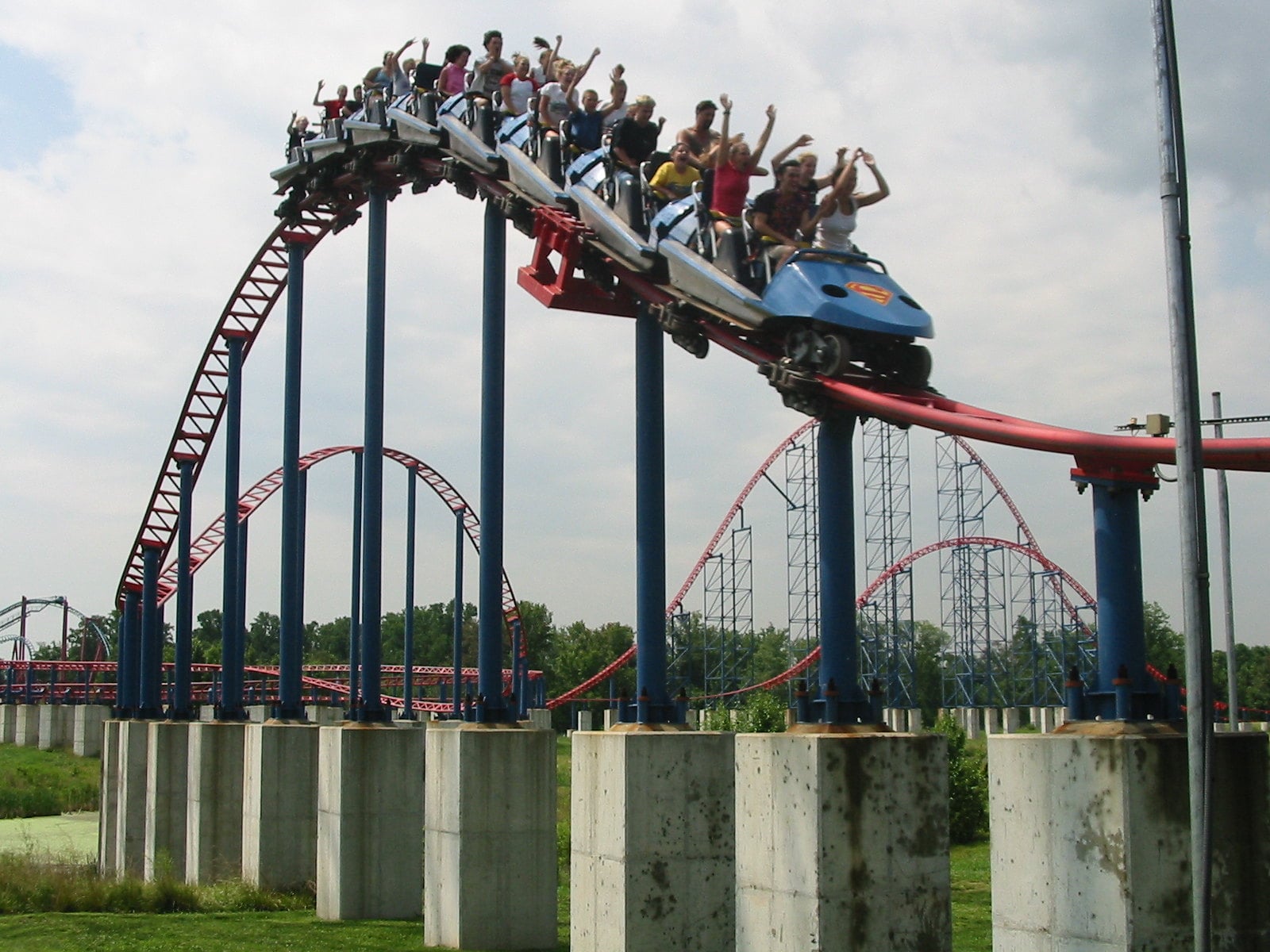
A 17-year-old boy with cerebral palsy fell from his seat and died because the ride’s safety restraints weren’t designed for someone with his condition. The restraints worked perfectly for typical riders but couldn’t accommodate his smaller stature and muscle tone differences.
The park had cleared him to ride, but the safety systems failed him anyway. His death forced the entire industry to reconsider who these rides were actually built for and whether “one size fits all” restraints were actually safe for all.
The Big Dipper At Battersea Park
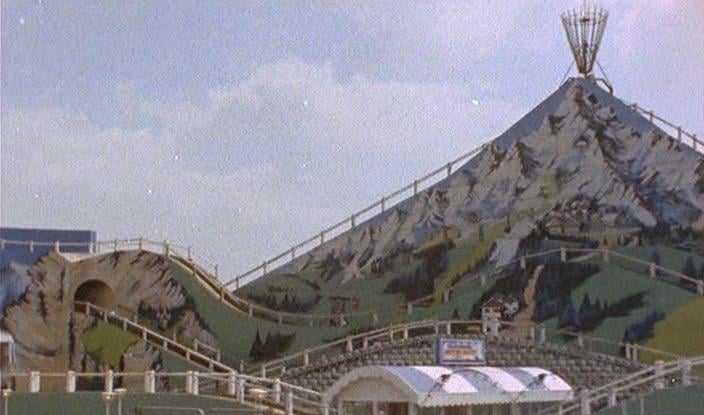
Five children died when the front car of this aging wooden roller coaster derailed and plummeted to the ground, making it one of the deadliest theme park accidents in British history. The ride had been operating since 1951, and by 1972, the wooden structure had developed stress fractures that went undetected during routine inspections (or perhaps the inspections weren’t as routine as they should have been, which tells you something about how the industry operated back then).
The car that derailed was carrying a group of children on a school trip, and the accident happened during what should have been a perfectly normal afternoon of supervised fun.
What made this tragedy particularly devastating was how preventable it was — the wooden supports had been showing signs of deterioration for months, but the visual inspections that were standard at the time weren’t sophisticated enough to detect the internal structural damage that would eventually cause the catastrophic failure. The children who died were simply in the wrong car at the wrong moment, victims of maintenance practices that prioritized keeping the ride running over ensuring it was actually safe to operate.
Drop Zone At Kings Island
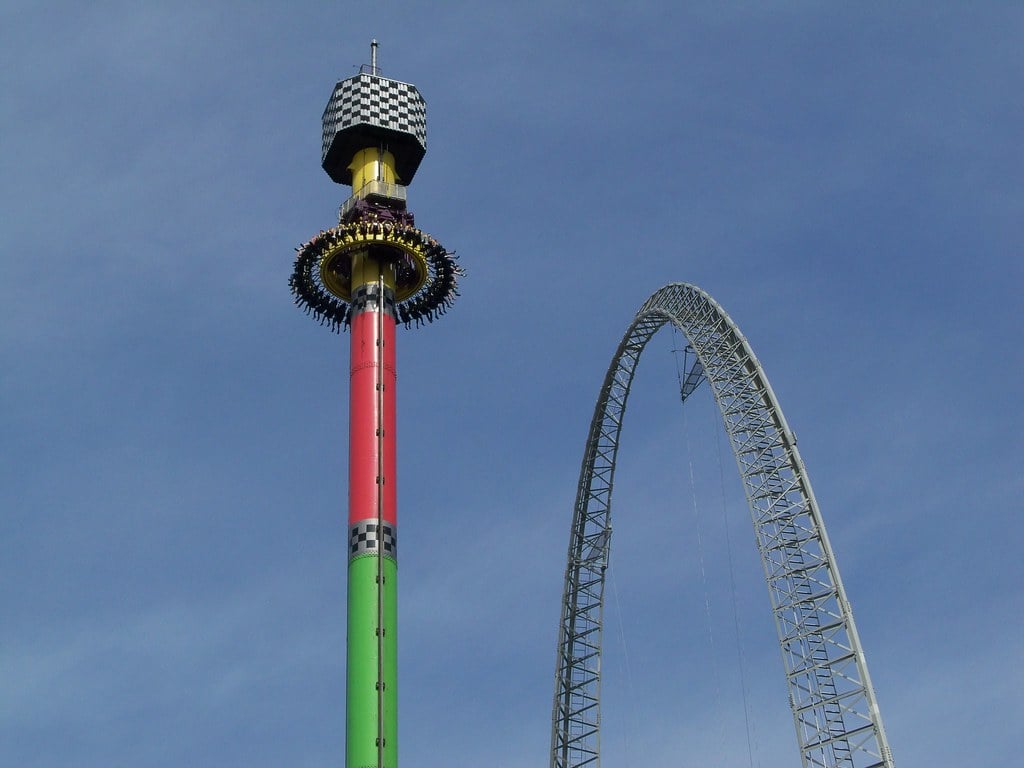
The cable snapped. That’s really all there is to it — the thing that was supposed to gently lower riders back to earth after their 315-foot free fall simply broke, sending a gondola full of people plummeting the final few feet to the ground.
Twenty-seven people were injured, some seriously, and the accident revealed that the cable had been fraying for weeks without anyone noticing.
The ride operators had been hearing unusual sounds during operation, but they dismissed them as normal wear and tear rather than warning signs of impending failure.
The Haunted Castle At Six Flags Great Adventure
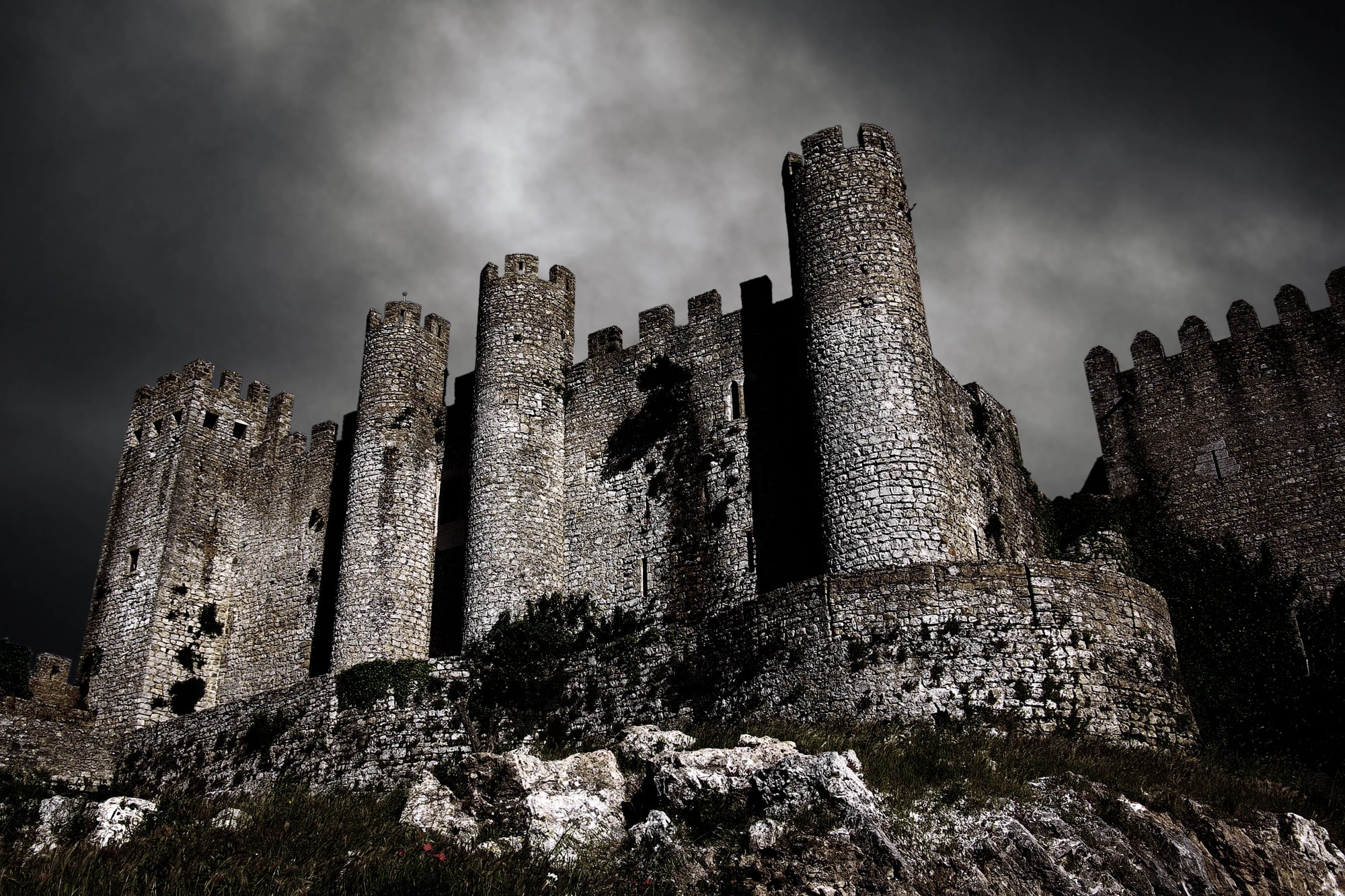
Eight teenagers died in a fire that spread through this walk-through haunted attraction, but the real horror wasn’t the flames themselves — it was how quickly visitors realized that the screaming they heard wasn’t part of the show. The maze-like interior, designed to disorient and confuse visitors for entertainment, became a death trap when actual smoke started filling the corridors and people couldn’t find their way out.
The investigation revealed that the attraction had been built without proper fire safety measures, with no sprinkler system, insufficient exit routes, and highly flammable materials used throughout the interior. The teenagers who died weren’t killed by a mechanical malfunction but by a design philosophy that prioritized scaring customers over keeping them safe, and their deaths led to sweeping changes in how haunted attractions are built and operated.
Mind Scrambler At Edmonton’s West Edmonton Mall
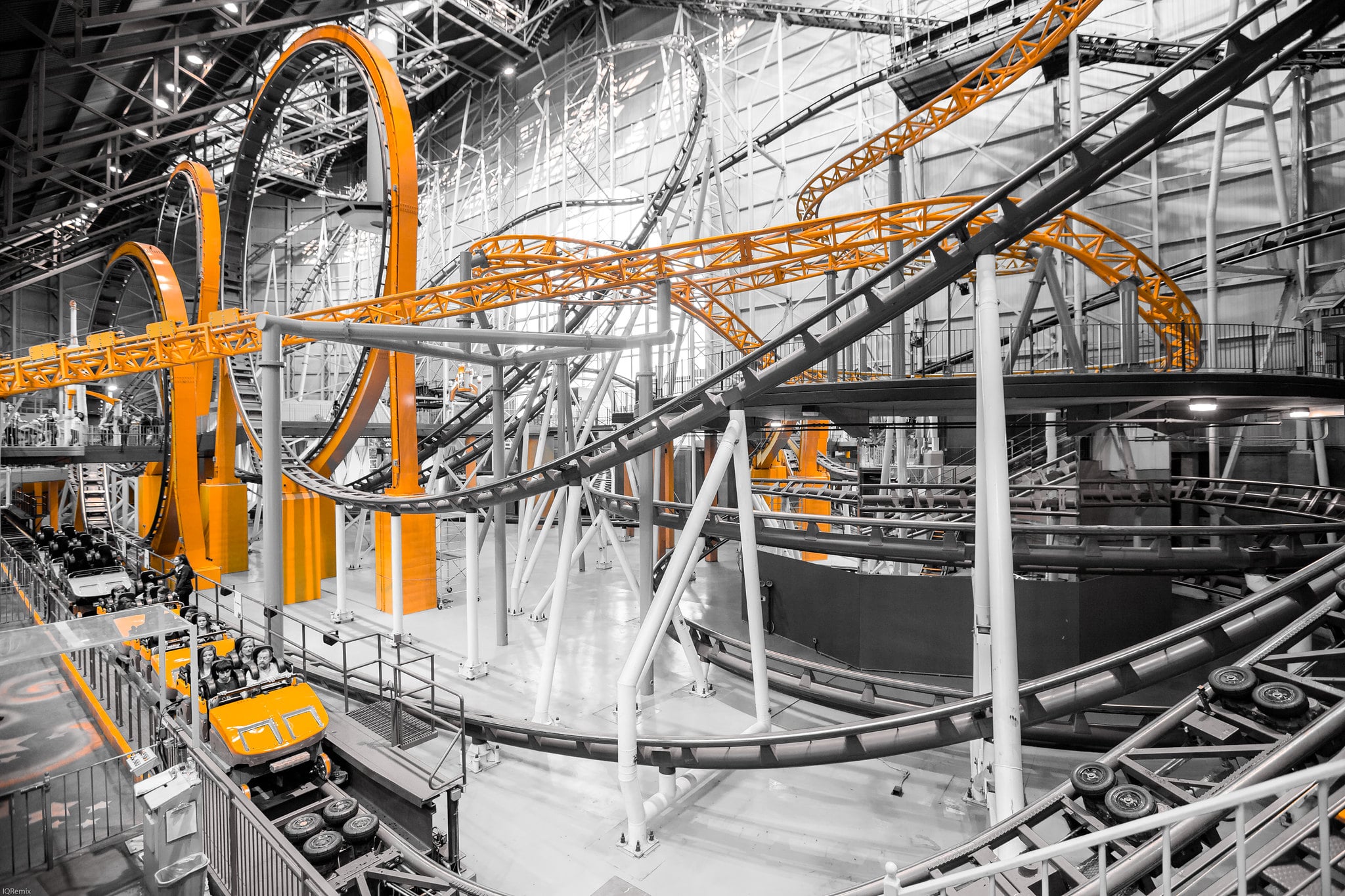
A 14-year-old girl died when she was thrown from this spinning ride, and the subsequent investigation revealed that the ride had been operating with a cracked support beam for an unknown period of time. The crack had been painted over during routine maintenance, effectively hiding the structural damage from visual inspections until the beam finally gave way during operation.
The girl was ejected from her seat when the ride’s spinning motion became irregular due to the failing support structure, and she died from the impact with the ride’s machinery. Her death highlighted how cosmetic maintenance — making rides look safe — had sometimes taken priority over the kind of structural inspections that actually keep riders alive.
Fujin Raijin II At Expoland
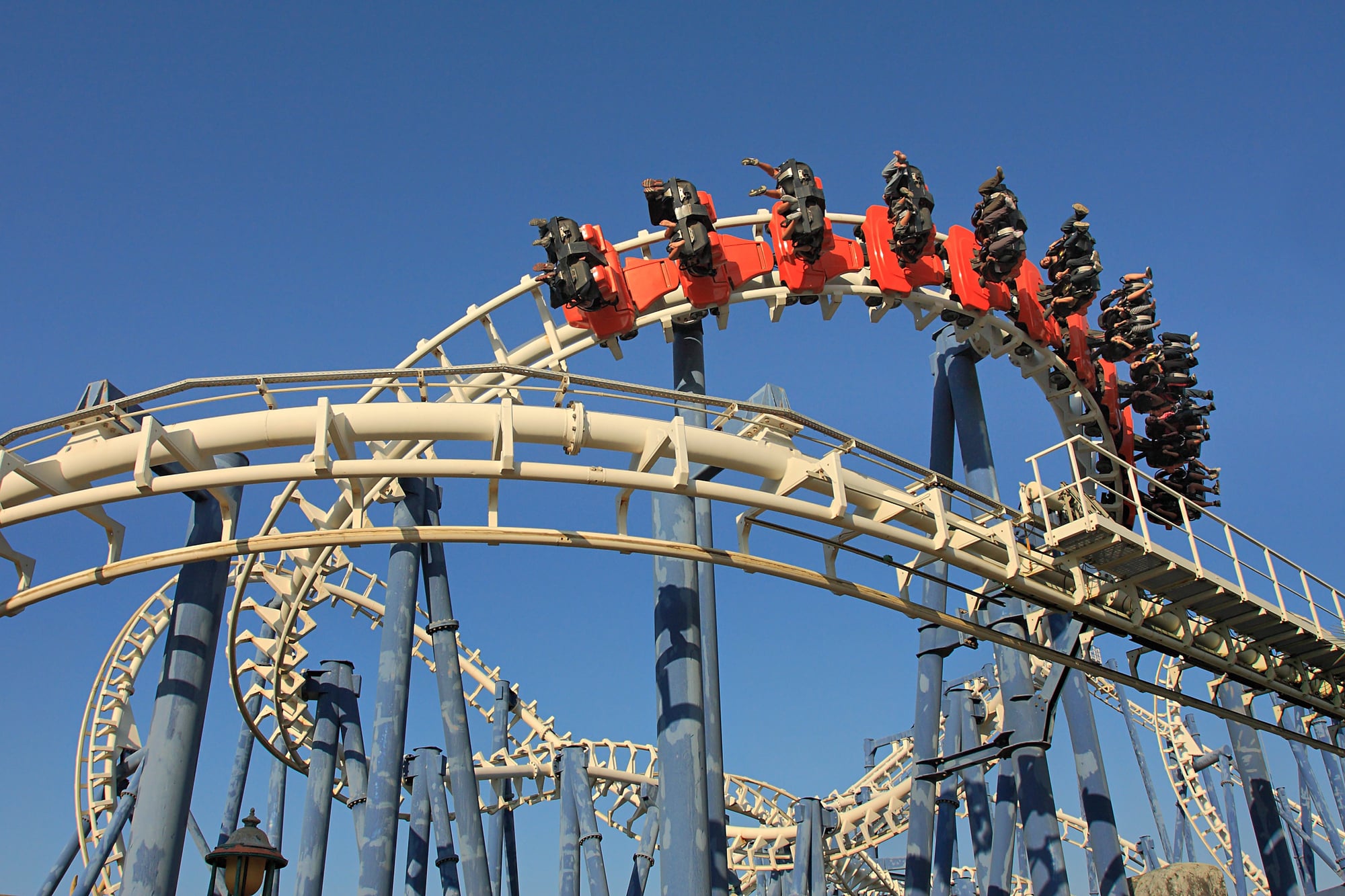
One person died and 19 others were injured when an axle broke on this stand-up roller coaster, causing one of the cars to derail at high speed. The axle had been showing signs of metal fatigue for months, but inspectors had cleared the ride to continue operating because the cracks hadn’t yet reached what they considered a dangerous size.
Turns out metal fatigue doesn’t wait for convenient inspection schedules. The axle snapped during a routine run, and the car that derailed was thrown into the ride’s support structure, crushing passengers who had no way to protect themselves while standing upright in their restraints.
Fireball At Ohio State Fair
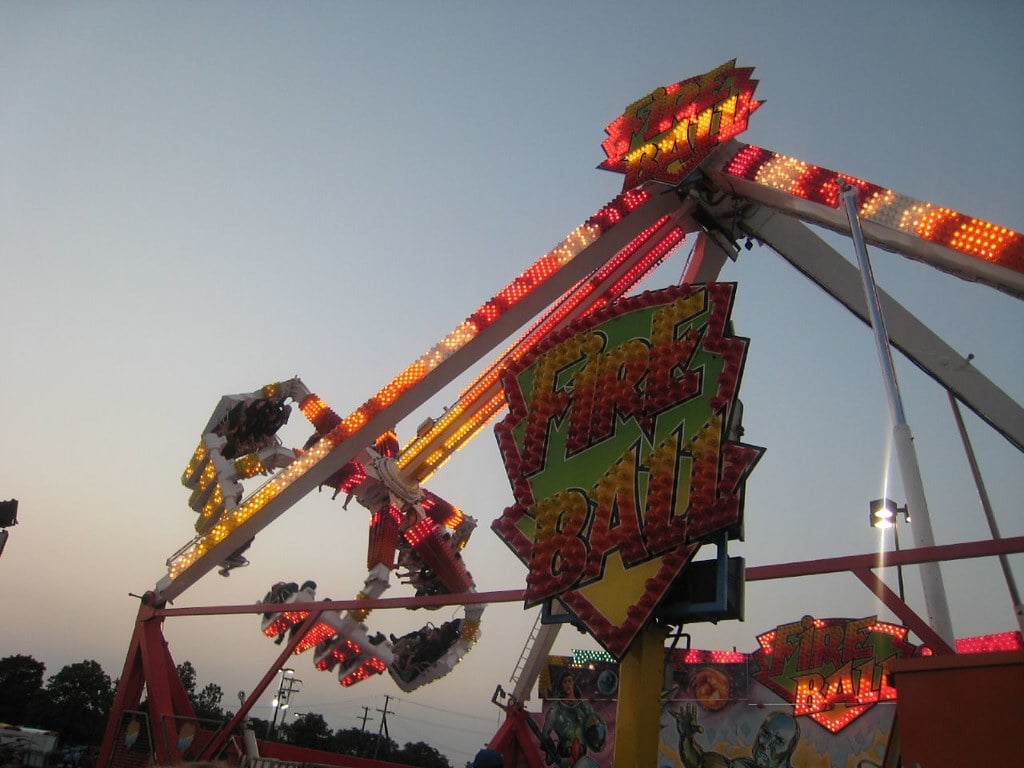
The ride literally broke apart while in motion, throwing passengers through the air as the spinning gondola separated from its support arm and crashed to the ground. One person died and seven others were injured in an accident that was captured on multiple cell phone videos and shared widely across social media.
The investigation revealed that the ride’s support beams had corroded from the inside out, weakening the structure to the point where it couldn’t handle the normal forces generated during operation. The corrosion wasn’t visible from the outside, so routine visual inspections missed the deteriorating metal that would eventually cause the catastrophic failure.
Hydro At Oakwood Theme Park
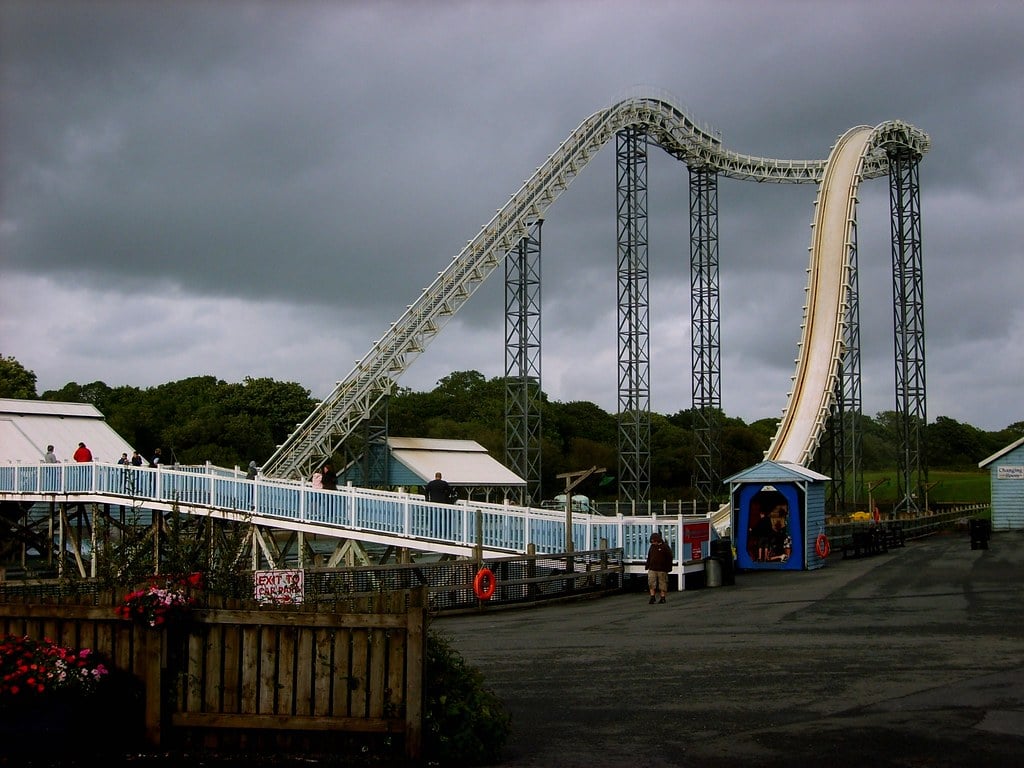
A 16-year-old girl died on this water coaster when she was thrown from her raft and struck her head on the ride structure. The accident happened because the raft hit a barrier at the bottom of a steep drop, causing it to bounce and eject its passenger at precisely the wrong moment and location.
The girl was killed instantly, and the investigation found that the water levels in the ride had been inconsistent, causing rafts to travel at unpredictable speeds and hit obstacles with more force than the ride was designed to handle. Water rides seem gentler than roller coasters, but when the hydraulics fail, water becomes just as dangerous as any other force of physics.
The Tornado At Adventureland
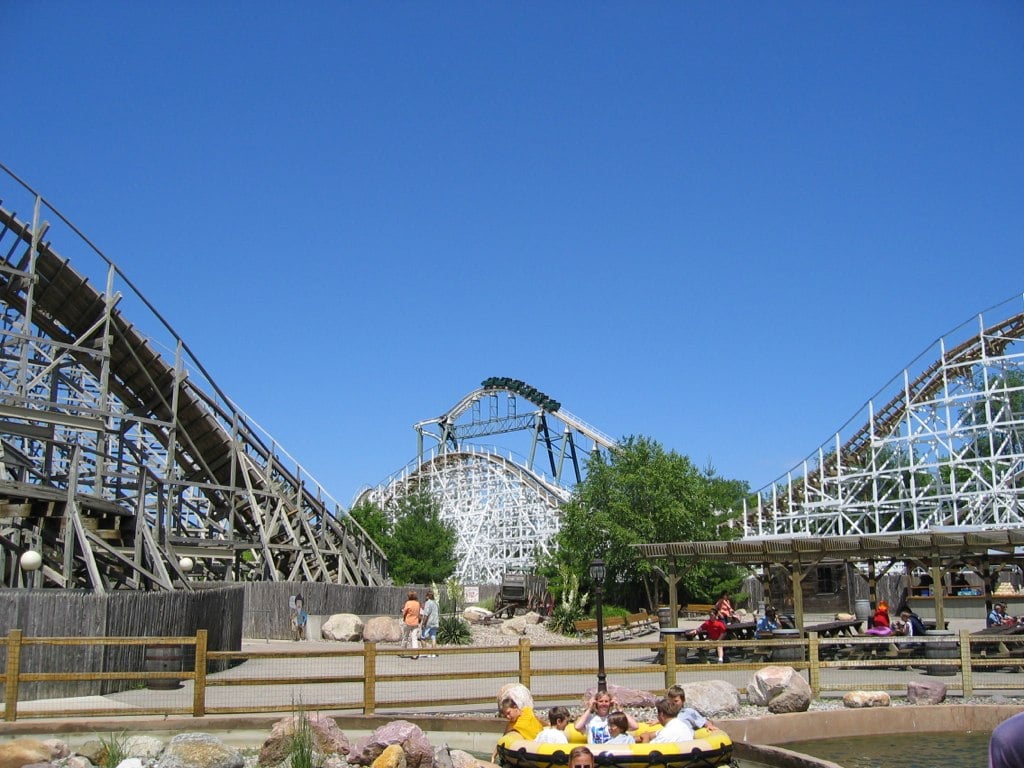
An 11-year-old boy died when he was ejected from this spinning ride, but what made his death particularly tragic was that it happened because an adult rider in the same car was significantly heavier than the ride’s safety systems anticipated. The weight imbalance caused the restraints to function improperly, and the boy was thrown from the ride during a routine spin cycle.
His death revealed a fundamental design flaw — the ride’s safety restraints worked fine when all passengers were roughly the same size, but failed catastrophically when adults and children rode together. The boy died not because of mechanical failure, but because the engineers who designed the ride hadn’t fully considered the physics of mixed-age riders sharing the same restraint system.
Verbolten At Busch Gardens Williamsburg
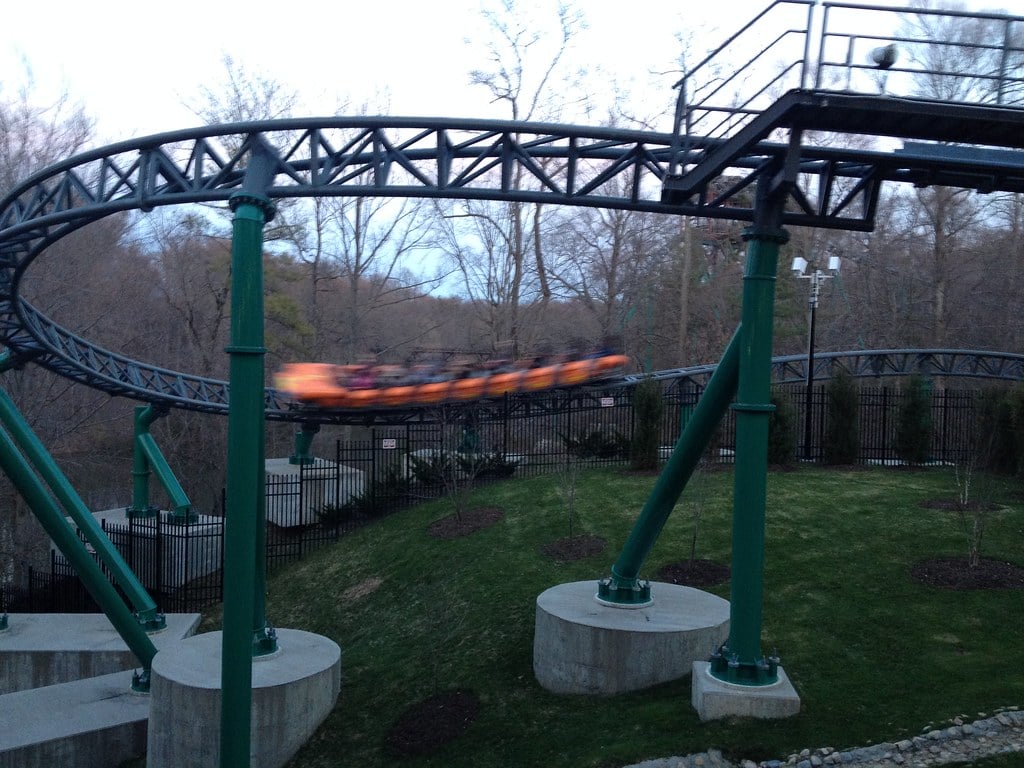
Twenty-eight people were trapped upside down for over an hour when this indoor roller coaster malfunctioned during what was supposed to be a brief inversion. The ride’s computer system detected an anomaly and automatically stopped the train in the worst possible position — hanging upside down in complete darkness.
The riders weren’t seriously injured, but the psychological impact of being suspended upside down for over an hour while emergency crews tried to figure out how to restart the ride safely made international headlines. The incident exposed how complex modern ride control systems can fail in ways that earlier, simpler rides never could.
When The Magic Breaks
These accidents share an uncomfortable truth: they happened at places specifically designed to be safe, operated by people who genuinely believed they were protecting their guests, and maintained by professionals who thought they were doing their jobs correctly. The failures weren’t usually the result of obvious negligence or deliberate corner-cutting, but rather the accumulation of small oversights, outdated procedures, and misplaced confidence in systems that turned out to be more fragile than anyone realized.
Every investigation revealed that someone, somewhere, had noticed something unusual but dismissed it as normal wear, acceptable risk, or someone else’s responsibility.
More from Go2Tutors!

- The Romanov Crown Jewels and Their Tragic Fate
- 13 Historical Mysteries That Science Still Can’t Solve
- Famous Hoaxes That Fooled the World for Years
- 15 Child Stars with Tragic Adult Lives
- 16 Famous Jewelry Pieces in History
Like Go2Tutors’s content? Follow us on MSN.