Cartoon Episodes Banned From TV
Television networks pull cartoon episodes for all sorts of reasons. Sometimes the content crosses a line that seems obvious in hindsight.
Other times the controversy comes from unexpected places, like cultural differences or changing attitudes about what kids should watch. Networks have yanked episodes over violence, inappropriate jokes, sensitive topics, and even health concerns.
Some bans lasted temporarily while others became permanent. The reasons behind these decisions reveal how society’s views on children’s entertainment have shifted over the decades.
These are the cartoon episodes that networks decided viewers shouldn’t see, at least not without major changes.
Electric Soldier Porygon from Pokemon

The Pokemon anime episode that sent hundreds of Japanese children to hospitals never aired outside Japan. Bright red and blue flashing lights during a battle scene triggered seizures in around 685 viewers in December 1997.
The strobe effect lasted only a few seconds, but the damage was immediate and severe. Nintendo and the show’s producers pulled the episode permanently and the anime went on a four-month break.
Porygon, the Pokemon featured in the episode, basically got banned from the show forever even though Pikachu’s attack actually caused the problematic flashes. The incident led to strict regulations about flashing lights in animation across the industry.
Rude Removal from Dexter’s Laboratory

Dexter’s Laboratory created an episode where the main characters get split into polite and rude versions of themselves. The rude versions curse constantly, though every word gets bleeped out.
Cartoon Network refused to air it after seeing the finished product. Creator Genndy Tartakovsky showed the episode at animation festivals for years, which only made fans more curious about it.
Adult Swim finally released it officially in 2013 after gauging interest through social media polls. The episode remains one of the most notorious cases of a cartoon being too edgy for its own network, even with all the profanity covered up.
One Beer from Tiny Toon Adventures

Tiny Toon Adventures taught kids about the dangers of drinking in the most ham-fisted way possible. Three young characters find a single beer, drink it, and immediately turn into stumbling drunks who drive off a cliff.
The episode opened with a warning that it would show why drinking is bad, but networks still pulled it from rotation for over 20 years. Kids don’t need to see cartoon characters getting drunk and crashing cars, even if the message is technically anti-drinking.
The episode finally got released on DVD in 2013, long after Tiny Toon Adventures finished its run.
Mister Skinnylegs from Peppa Pig

Australia banned a Peppa Pig episode twice because it told kids that spiders can’t hurt them. Daddy Pig reassures Peppa that spiders are tiny and harmless, which works fine in Britain where dangerous spiders are rare.
But Australia is home to funnel-webs, redbacks, and other spiders that actually can harm people. Parents complained that the episode gave children dangerous ideas about playing with spiders.
The Australian Broadcasting Corporation pulled it in 2012, then Nick Jr. accidentally aired it again in 2017 and had to pull it a second time. The episode remains available in other countries where deadly spiders aren’t a daily concern.
Man’s Best Friend from The Ren & Stimpy Show

Nickelodeon refused to air the episode where Ren beats a character named George Liquor with an oar repeatedly. The scene showed graphic violence that went way beyond what the network allowed for children’s programming.
Creator John Kricfalusi got fired partially because of disputes over this episode’s content. The episode sat in a vault until The Ren & Stimpy Show got revived as an adults-only version years later.
Even fans of the show’s twisted humor agreed the beating scene crossed into territory that didn’t belong on a kids’ network.
See Me, Feel Me, Gnomey from The Powerpuff Girls
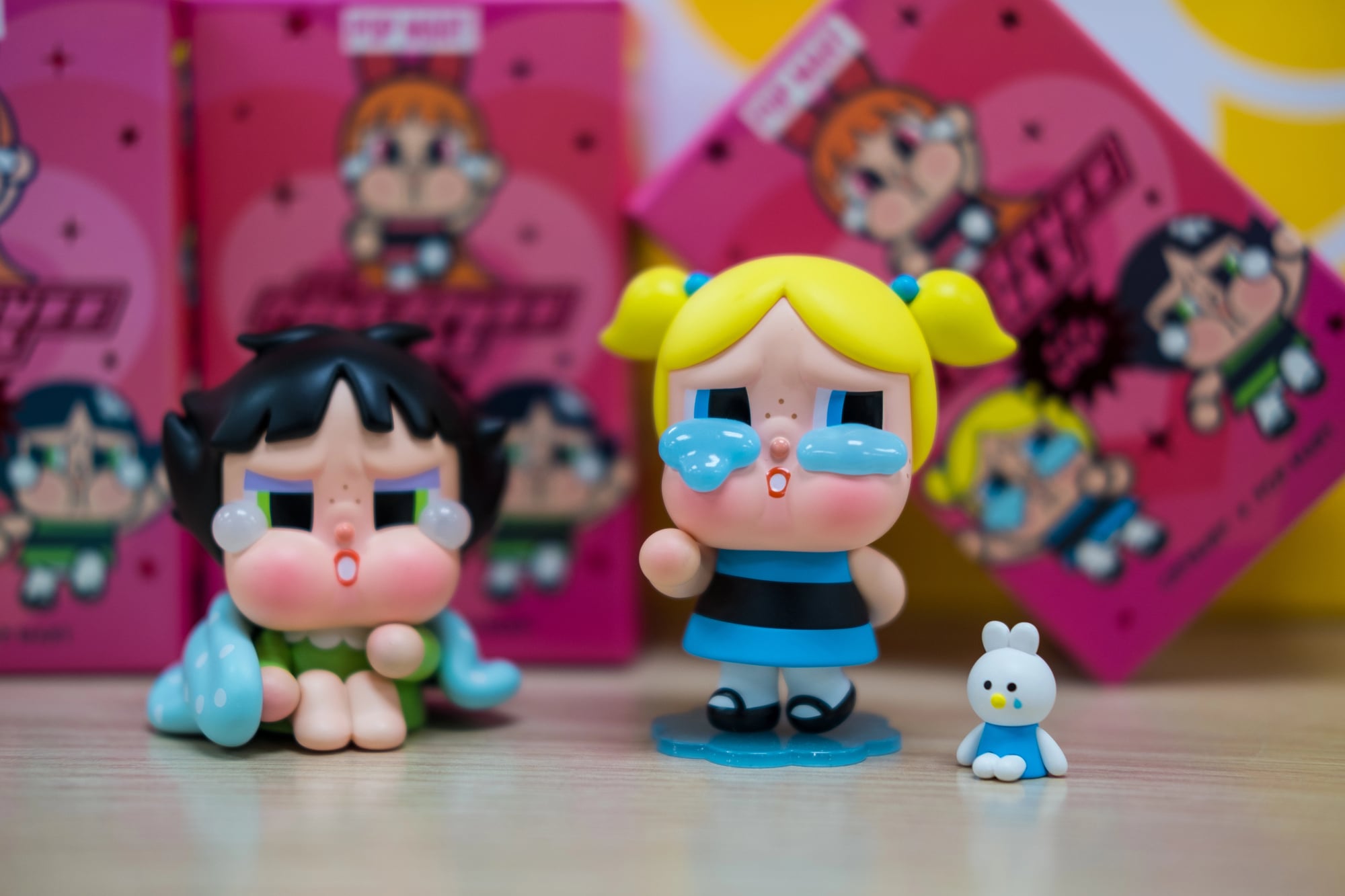
The Powerpuff Girls made a rock opera episode where the girls give up their powers to a gnome who turns the city into a cult. Cartoon Network banned it, and creator Craig McCracken later revealed the real reason.
The network thought metal beams sticking out of destroyed buildings looked too much like crosses. They also felt one of the hippie characters resembled religious imagery too closely.
The episode had nothing to do with promoting any religion, but the visual similarities were enough to get it pulled. It eventually appeared on DVD releases and some streaming services, though HBO Max notably didn’t include it.
Buffalo Gals from Cow and Chicken

Cow and Chicken featured a group of biker women who embodied every crude lesbian stereotype imaginable. The Buffalo Gals broke into houses to chew carpets, played softball, and acted aggressively masculine in ways that were meant as jokes but came across as mean-spirited.
Cartoon Network aired it once in 1998 and never showed it again. The episode represents the kind of humor that might have gotten laughs from some adults but had no place in a kids’ show.
Networks became more sensitive about LGBTQ+ representation over time, and this episode became a textbook example of what not to do.
Deadly Force from Gargoyles
Disney’s Gargoyles tackled serious themes regularly, but one episode about gun safety went too far for some viewers. A character named Broadway accidentally shoots Detective Elisa Maza while playing with her gun.
The episode showed realistic consequences including Elisa fighting for her life in the hospital. Disney initially aired it but later edited out the most graphic scenes showing the aftermath of the shooting.
The episode delivered an important message about gun safety, but the intense imagery proved too much for a show aimed at children. Broadway’s voice actor gave a powerful performance showing guilt and horror that made the episode particularly hard to watch.
Beauty and the Beach from Pokemon

Pokemon created an episode where James from Team Rocket enters a beach contest while wearing fake breasts. The episode aired in Japan without issue but got heavily edited for American audiences.
Networks cut most of the scenes showing James in the outfit and other content they deemed too suggestive. The episode only aired twice in the United States before getting pulled completely.
Cultural differences between Japan and America meant content that seemed funny in one country felt inappropriate in another. The original version remains available in Japan while Western audiences got a neutered version that barely made sense.
Mid-Life Crustacean from SpongeBob SquarePants

SpongeBob, Patrick, and Mr. Krabs go on a night out that ends with them breaking into a woman’s house to steal her underwear. The episode aired normally for years before Nickelodeon pulled it from rotation in 2018.
The network decided the final scene promoted burglary and inappropriate behavior around undergarments. Fans barely noticed the removal since SpongeBob has hundreds of episodes.
The decision came during a period when networks were reviewing older content more carefully for messages they no longer wanted to promote.
Conflict from Mister Rogers’ Neighborhood

Mister Rogers’ Neighborhood created a week-long series about war and conflict in 1983 during Cold War tensions. The episodes showed characters dealing with fears about bombs and learning about bomb shelters.
PBS stations pulled the series from reruns in 1996, feeling the content was too frightening for young children. The episodes remain difficult to find through official channels even though they were meant to help kids process scary world events.
Mister Rogers approached every topic with gentleness, but network executives decided some subjects were too heavy even for his careful handling.
The Mask of Matches Malone from Batman: The Brave and the Bold
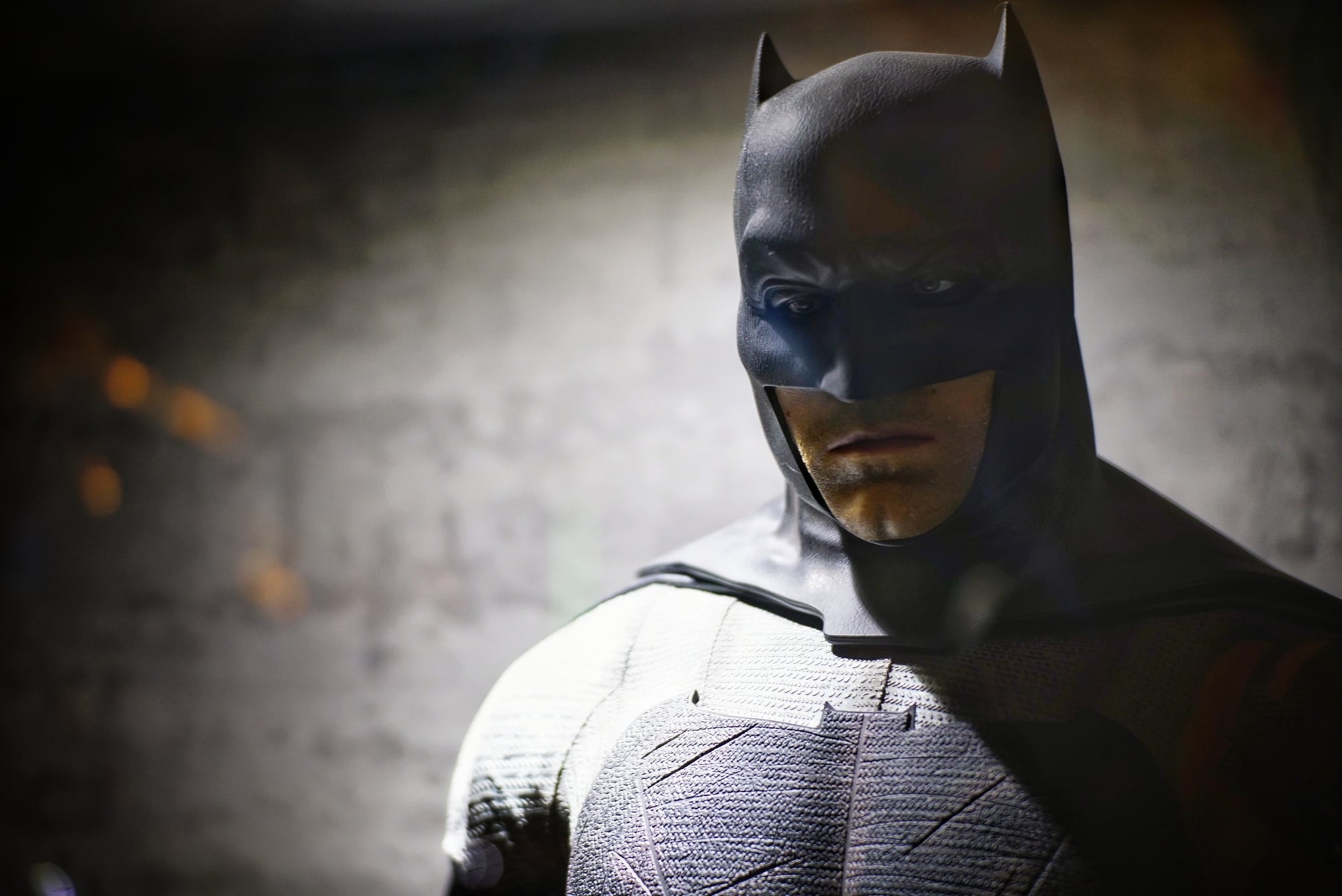
Batman: The Brave and the Bold snuck adult humor into a scene where female superheroes sing about male heroes. The song included suggestive lyrics about Batman’s weapon, Green Arrow not shooting straight, and Aquaman’s inadequacies.
Huntress made a particularly suggestive gesture while singing about Aquaman that got the episode removed from the Season 2 DVD release. Warner Bros. eventually reanimated that specific moment and included the episode as a bonus on the Season 3 DVD.
The scene was clearly aimed at parents watching with their kids rather than the children themselves.
Holiday Hi-Jynx from Pokemon

Pokemon pulled an episode featuring Jynx after complaints about the character resembling racist caricatures. Cultural critic Carole Boston Weatherford pointed out that Jynx’s design, with its dark face and exaggerated features, echoed offensive stereotypes.
The episode also created continuity problems because it was supposed to air after the banned Porygon episode. When it finally aired a year later, characters had evolved and changed in ways that made no sense given the episode’s placement.
Pokemon eventually redesigned Jynx with purple skin instead of the original design, but several episodes featuring the character remain unavailable.
Stark Raving Dad from The Simpsons

The Simpsons episode featuring a character voiced by Michael Jackson got pulled from all platforms in 2019. The decision came after a documentary renewed focus on accusations against Jackson.
Disney removed it from streaming services and the show’s creators supported the ban. Homer meets a man in a mental hospital who claims to be Michael Jackson, and the character helps Bart write a birthday song for Lisa.
The episode was beloved by fans and considered one of the show’s best, but The Simpsons team felt keeping it available was inappropriate given the circumstances.
Censored Eleven Looney Tunes shorts

Warner Bros. permanently withheld eleven Looney Tunes and Merrie Melodies cartoons from television due to racist depictions of African Americans. These cartoons from the 1930s and 1940s featured offensive stereotypes that were considered acceptable entertainment at the time they were made.
United Artists stopped distributing them in 1968, and subsequent owners of the Warner Bros. library maintained the ban. The cartoons occasionally screen at film festivals with historical context provided, and some have been released on specialty home video collections.
Warner Bros. acknowledged the cartoons’ problematic content while recognizing them as part of animation history.
Big Brother Caillou from Caillou

A scream from the baby sparked edits across American broadcasts. Jealousy drove Caillu to pinch, not playful curiosity.
That moment raised concerns about what children might copy. Some broadcasters cut it entirely; others changed scenes beyond recognition.
Viewers elsewhere saw the full version without interference. Critics long questioned the character’s constant outbursts before this incident.
What seemed like minor sibling friction turned into a broader debate on screen influence. Preschool programming standards shifted slightly after reactions poured in.
Garbage Pail Kids complete series

One day, CBS wiped out the full Garbage Pail Kids cartoon lineup – never showing one episode in the U.S. Trouble started when moms and dads raised alarms over its roots: those wild, messy trading cards packed with slimy jokes and fake bloodshed.
Schools across the country had already kicked the cards off campus for being too much. Yet kids overseas kept watching just fine – the show popped up on TV screens in places like Canada, Britain, and Spain with barely a shrug.
Back home, broadcasters folded fast under noise from worried families. Years passed quietly until HBO Max whispered about reviving the whole thing, hinting that maybe now people won’t blink at such chaos.
Ready for the Bettys from Phineas and Ferb

Out of nowhere came The Bettys – Phineas and Ferb dreamed them up for one sketchy tune-filled segment. That move, it turned out, ruffled feathers; another group already owned the name, loud and clear in real life.
Trouble kicked in fast. Disney yanked the scene without saying much at first.
Years passed before screens lit up with that episode again, finally reappearing around 2015. What really went down?
Nobody spilled full details. Still, vanishing from reruns for so long hinted at legal quiet deals behind closed doors.
When it did come back, the show was already over, lights off, curtains drawn. Now a made-up musical act shows up first online whenever someone searches the name – sure to sting the original crew who got there first.
When cartoons push boundaries

Still, networks yank old shows when new standards take hold. Things once fine on TV back in the ’80s or early 2000s can seem off today.
A few of those removed episodes clearly crossed a line. Others vanished because bosses worried too much or missed the point entirely.
What gets taken off air says plenty about what people care about – and dread – right then. One moment it’s fun, next it’s lessons – kids’ shows balance on a thin wire.
Pulling an episode feels safer than facing anger, so networks erase scenes just like that. Even ones once praised get wiped out without warning.
More from Go2Tutors!

- The Romanov Crown Jewels and Their Tragic Fate
- 13 Historical Mysteries That Science Still Can’t Solve
- Famous Hoaxes That Fooled the World for Years
- 15 Child Stars with Tragic Adult Lives
- 16 Famous Jewelry Pieces in History
Like Go2Tutors’s content? Follow us on MSN.