Iconic Magazine Covers That Defined Decades
Magazine covers used to be how you knew something big had happened. Before social media turned every moment into content, these glossy pages told you what mattered.
A single image could capture an entire generation’s mood, fears, or dreams. The best ones still feel relevant today, even when the hairstyles and clothes look dated.
Time’s “Is God Dead?” Cover

The red letters on a black background caused immediate controversy in 1966. Churches held sermons about it.
People canceled subscriptions. But Time had tapped into something real—a growing questioning of traditional faith in American culture.
The cover didn’t answer its own question. It just put the doubt right there on newsstands across the country.
The simplicity made it powerful. No photo, no illustration.
Just words that made people stop and think.
Rolling Stone Puts John Lennon and Yoko Ono Together

Annie Leibovitz photographed them just hours before Lennon’s death in 1980. He’s curled around Yoko, completely vulnerable.
She’s fully clothed while he’s not. The intimacy feels almost uncomfortable to witness, which is exactly what makes the image unforgettable.
Rolling Stone ran it as a tribute issue. The timing turned an already powerful photograph into something haunting.
You can’t separate the image from what happened that same day.
Vanity Fair’s Pregnant Demi Moore

When Demi Moore posed pregnant and undressed for the August 1991 cover, some stores refused to display it. Others sold out immediately.
Annie Leibovitz shot this one too, capturing Moore in a way that challenged ideas about pregnancy and beauty.
The pose referenced classical art, but the controversy was thoroughly modern.
The cover sparked debates about body image, motherhood, and what belonged on magazine racks. More importantly, it changed how pregnancy appeared in popular culture.
You can draw a direct line from this cover to how celebrity pregnancy photos look today.
National Geographic’s Afghan Girl
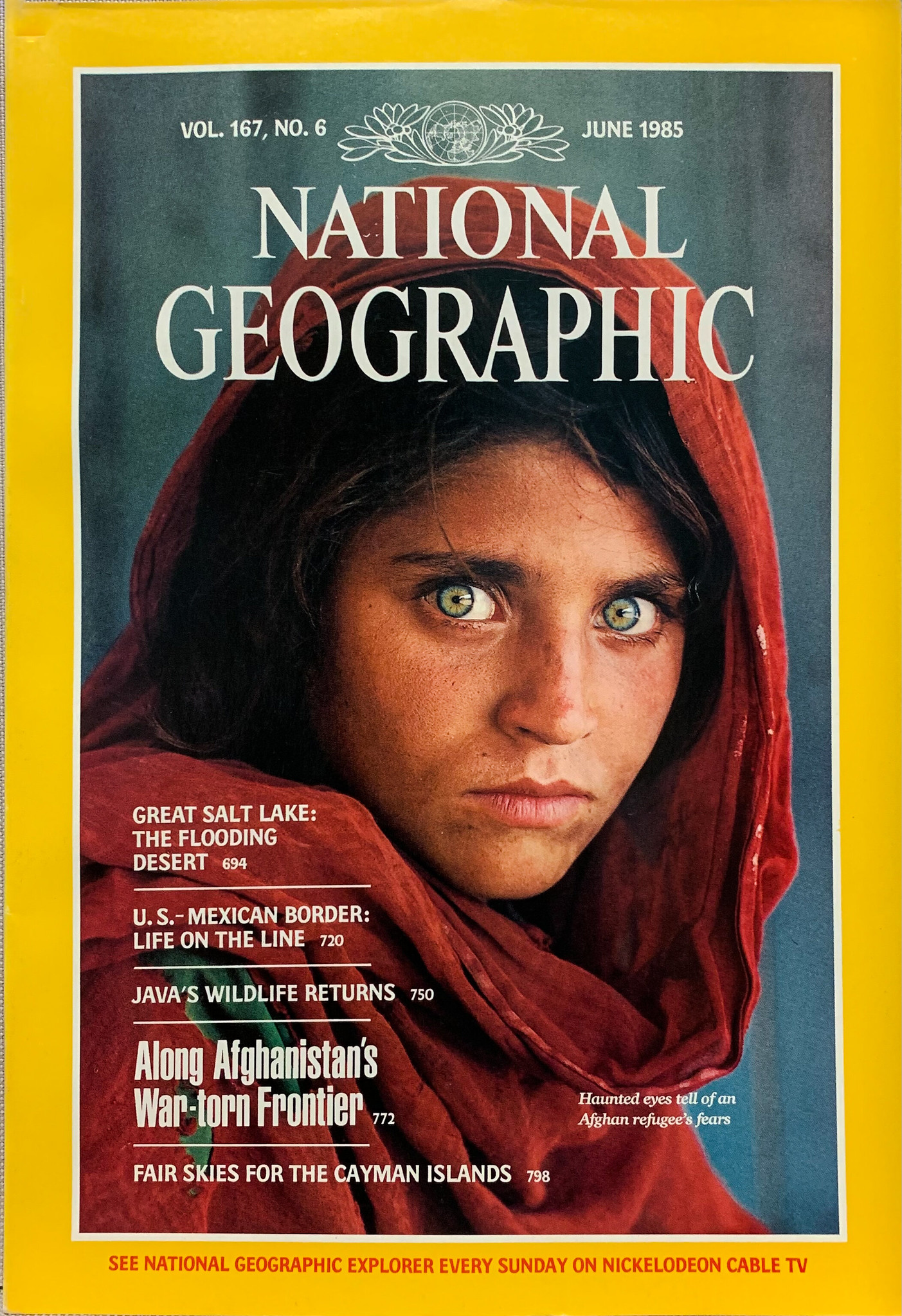
Steve McCurry’s 1985 photograph of Sharbat Gula became one of the most recognized images in the world. Her green eyes stare directly at you, haunting and unforgettable.
The photo represented the human cost of war without showing any violence.
National Geographic found her again in 2002. The follow-up story revealed her identity and what had happened in the intervening years.
But that original cover remains the defining image—a reminder that magazine covers could bring distant conflicts into living rooms across America.
Life Magazine and the Moon Landing
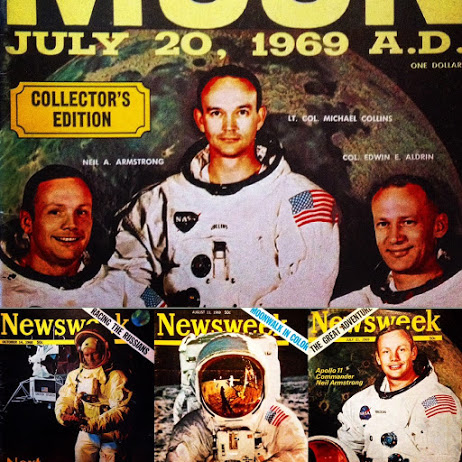
Life’s July 1969 issue put humanity’s first steps on the moon right on the cover. The grainy photograph of Buzz Aldrin on the lunar surface became instantly historic.
You’d think such a momentous event would need dramatic presentation, but the image spoke for itself.
Life had documented the space race from the beginning. This cover represented the culmination of a decade’s worth of coverage.
The magazine gave readers a tangible piece of history they could hold.
Esquire’s Muhammad Ali as Saint Sebastian

— Photo by teddybearpicnic
George Lois designed this 1968 cover showing Ali pierced with arrows, referencing the martyred saint. Ali had been stripped of his boxing title for refusing the Vietnam War draft.
The cover transformed him into a symbol of resistance and sacrifice.
Esquire’s covers during this era pushed boundaries. Lois understood that magazines could make bold statements, not just report on them.
This particular image distilled a complex political moment into one striking visual.
The New Yorker After September 11th
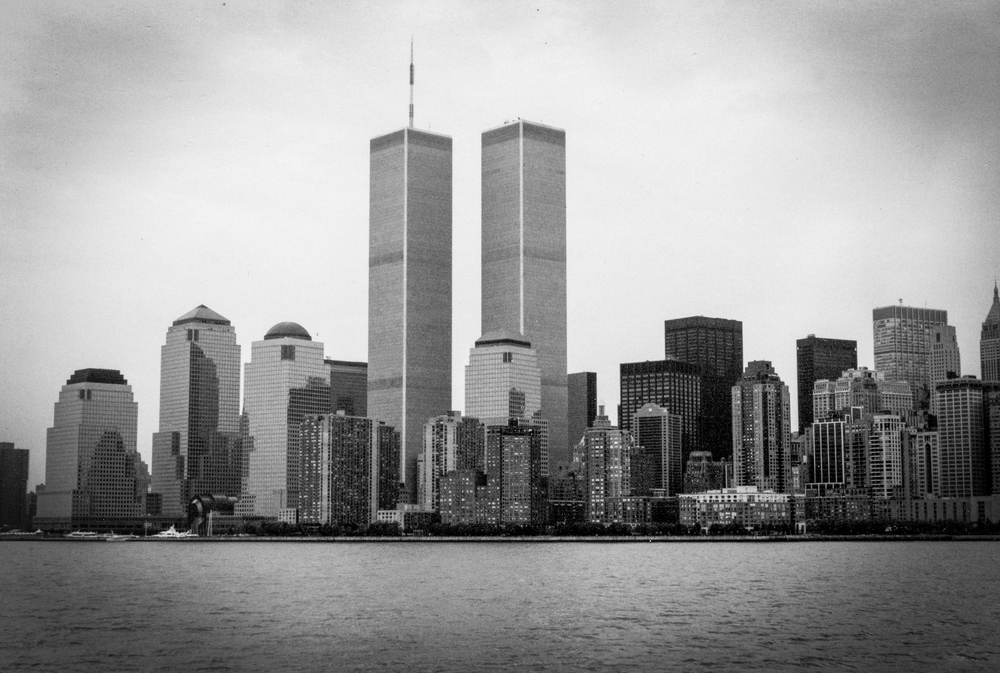
Art Spiegelman and Françoise Mouly created the black-on-black cover showing the Twin Towers. You had to look closely to see the silhouettes.
The subtlety felt right when everything else was screaming. The New Yorker ran it without any cover lines, just the image and the date.
Many publications struggled with how to visualize that day. This cover succeeded by leaving room for grief, avoiding any attempt to explain the unexplainable.
Time’s Person of the Year Mirror Cover
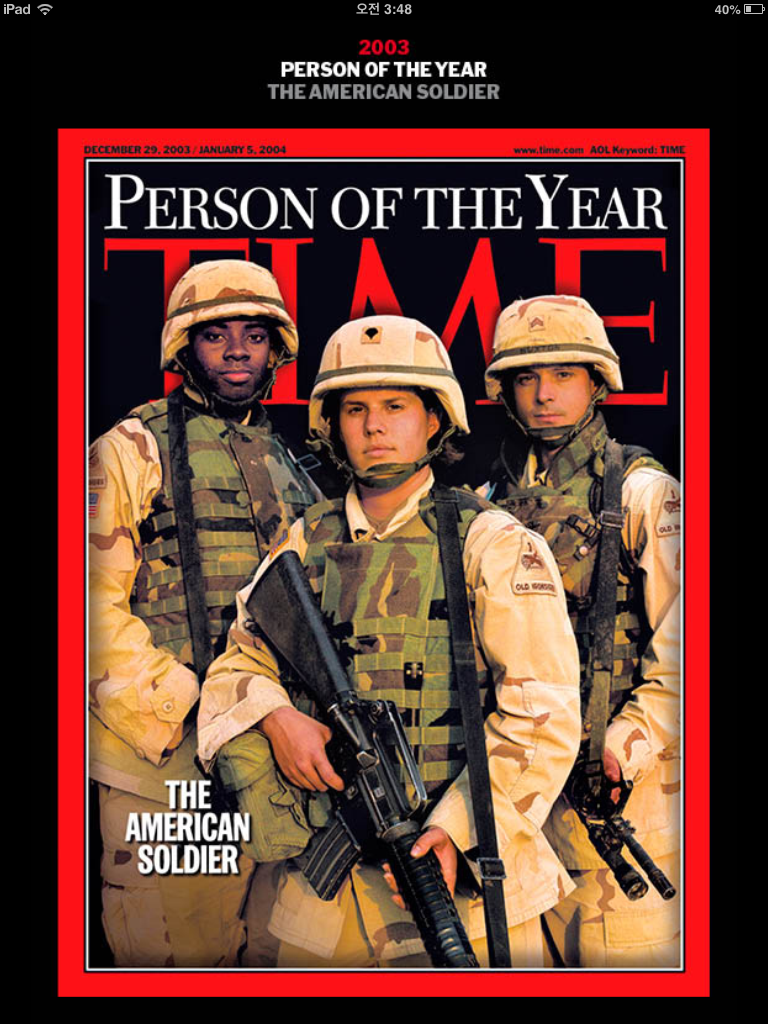
The 2006 “You” cover put a reflective Mylar panel on the front. Time declared that internet users collectively deserved recognition for creating and consuming content.
The concept captured the shift toward user-generated media and social networking.
Looking back, the cover seems almost quaint now. But it marked the moment when mainstream media acknowledged that regular people were becoming content creators.
The magazine industry was looking at its future and trying to understand it.
Rolling Stone’s 1970s Excess Personified
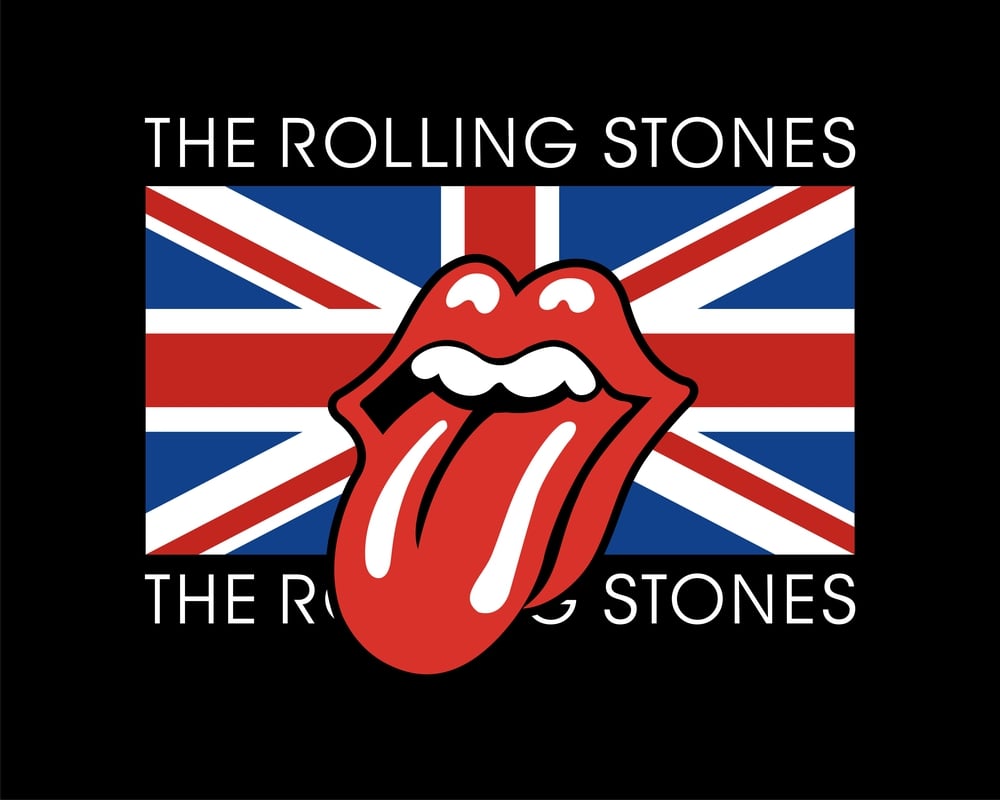
Rolling Stone defined rock and roll journalism, and its covers reflected that identity. When the magazine put rock stars on the cover in the 1970s, it wasn’t about promoting albums.
The photos captured lifestyle and attitude—the excess, rebellion, and creativity that defined the era.
These covers turned musicians into cultural icons. The magazine understood that its audience wanted access to a world they couldn’t normally see.
Each cover was a window into that backstage reality.
Vogue’s First Black Cover Model
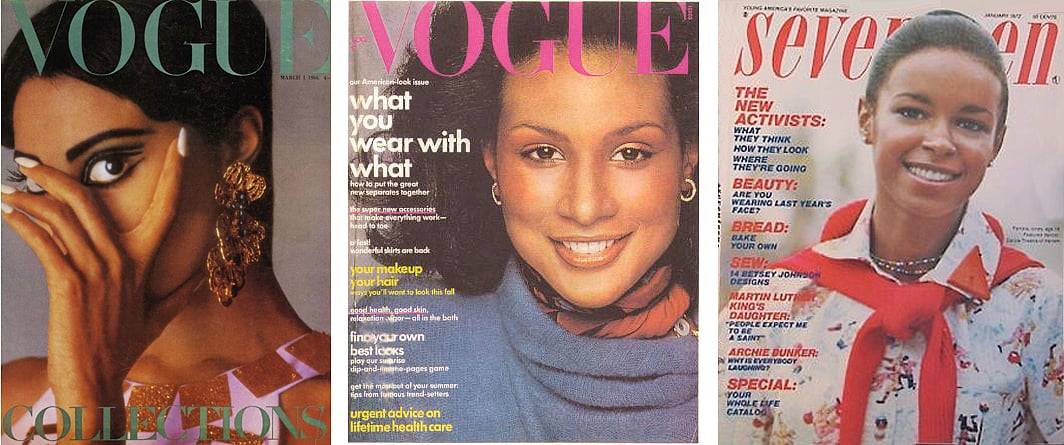
When Beverly Johnson appeared on Vogue’s August 1974 cover, she broke a barrier that had stood since the magazine’s founding in 1892. The significance went beyond fashion.
It represented a shift in who got to be seen as beautiful and aspirational.
Johnson’s success opened doors, though progress remained slow. That cover became a reference point for discussions about diversity in fashion media for decades to come.
Harper’s Bazaar Reinvents Fashion Photography
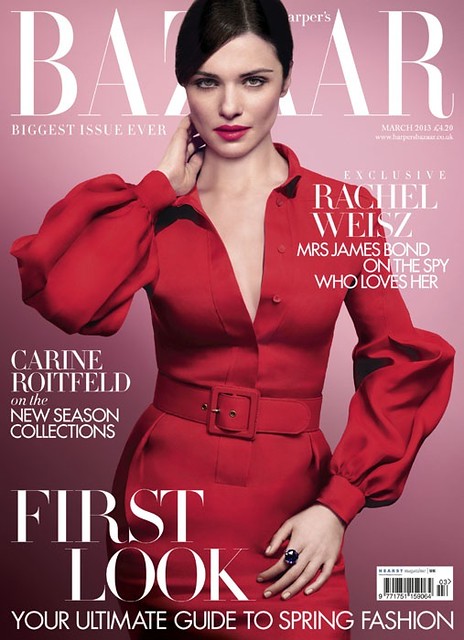
Under art director Alexey Brodovitch, Harper’s Bazaar covers in the 1940s and 1950s turned fashion photography into genuine art. The layouts broke conventions.
The images felt modern in ways that influenced generations of designers and photographers.
These covers proved that fashion magazines could be sophisticated without being stuffy. They showed movement, energy, and creativity.
The approach transformed how people thought about fashion photography.
Newsweek and Watergate’s Unfolding Drama
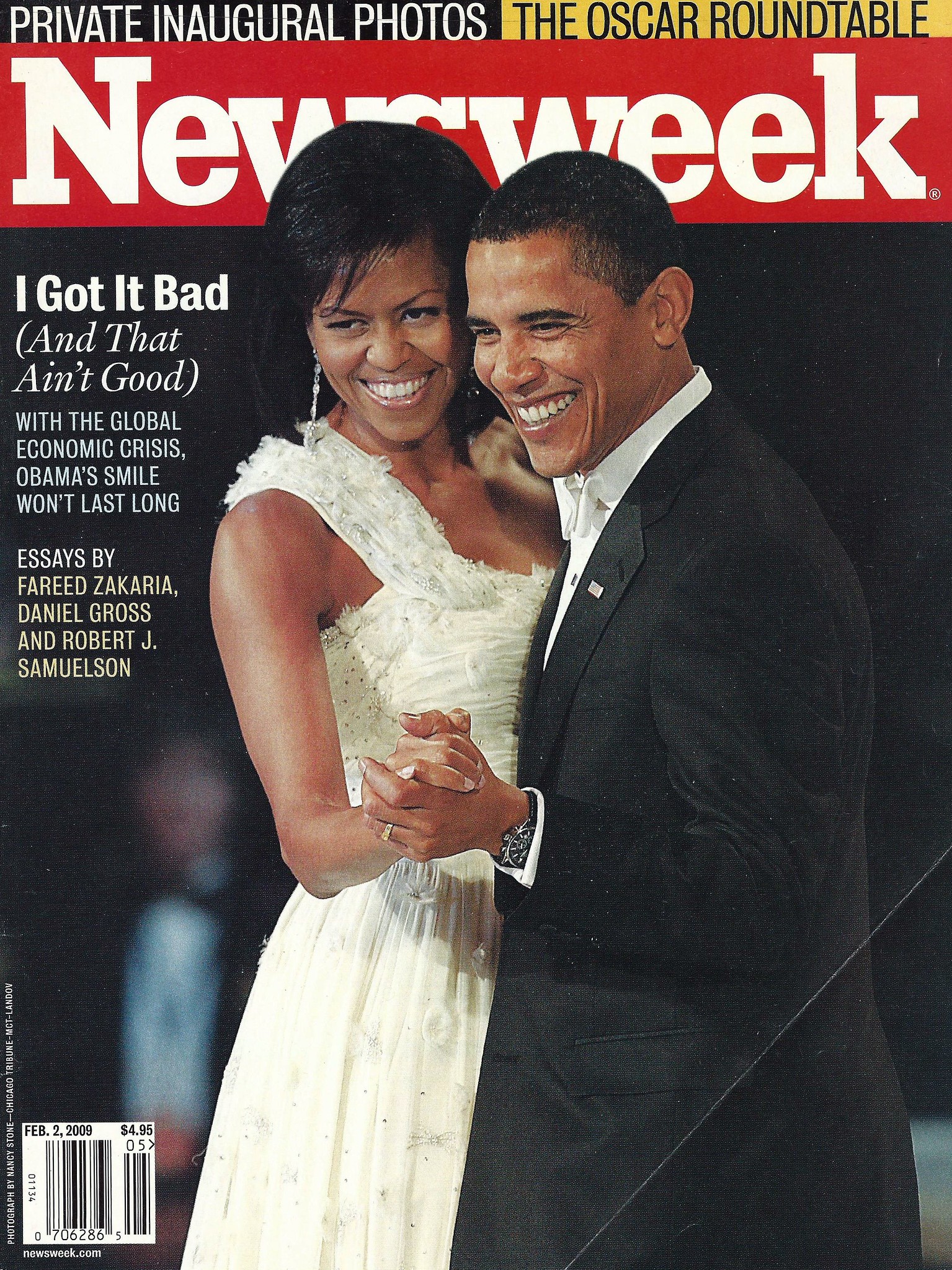
Newsweek’s covers during 1973 and 1974 tracked the Watergate scandal as it destroyed a presidency. Each week brought new revelations, and the magazine’s covers reflected the mounting pressure.
The images of Nixon grew increasingly stark as the situation worsened.
The covers created a visual timeline of a constitutional crisis. Decades later, they serve as historical documents, showing how news magazines guided public understanding of complex political events.
Entertainment Weekly Defines Pop Culture Coverage
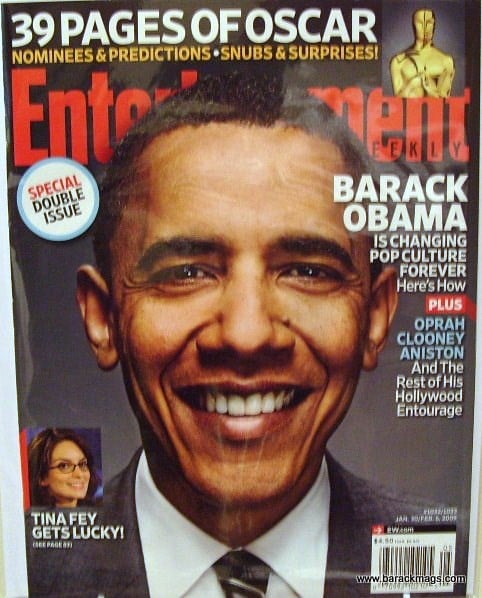
When Entertainment Weekly launched in 1990, it treated movies, TV, music, and books with the seriousness usually reserved for hard news. The covers mixed glamour with accessibility, making celebrities feel approachable while still aspirational.
The magazine’s approach influenced how entertainment coverage worked everywhere else. The bright, energetic design set a template that countless other publications borrowed.
EW understood that pop culture wasn’t trivial—it mattered to people’s daily lives.
Ms. Magazine Creates Feminist Visual Language
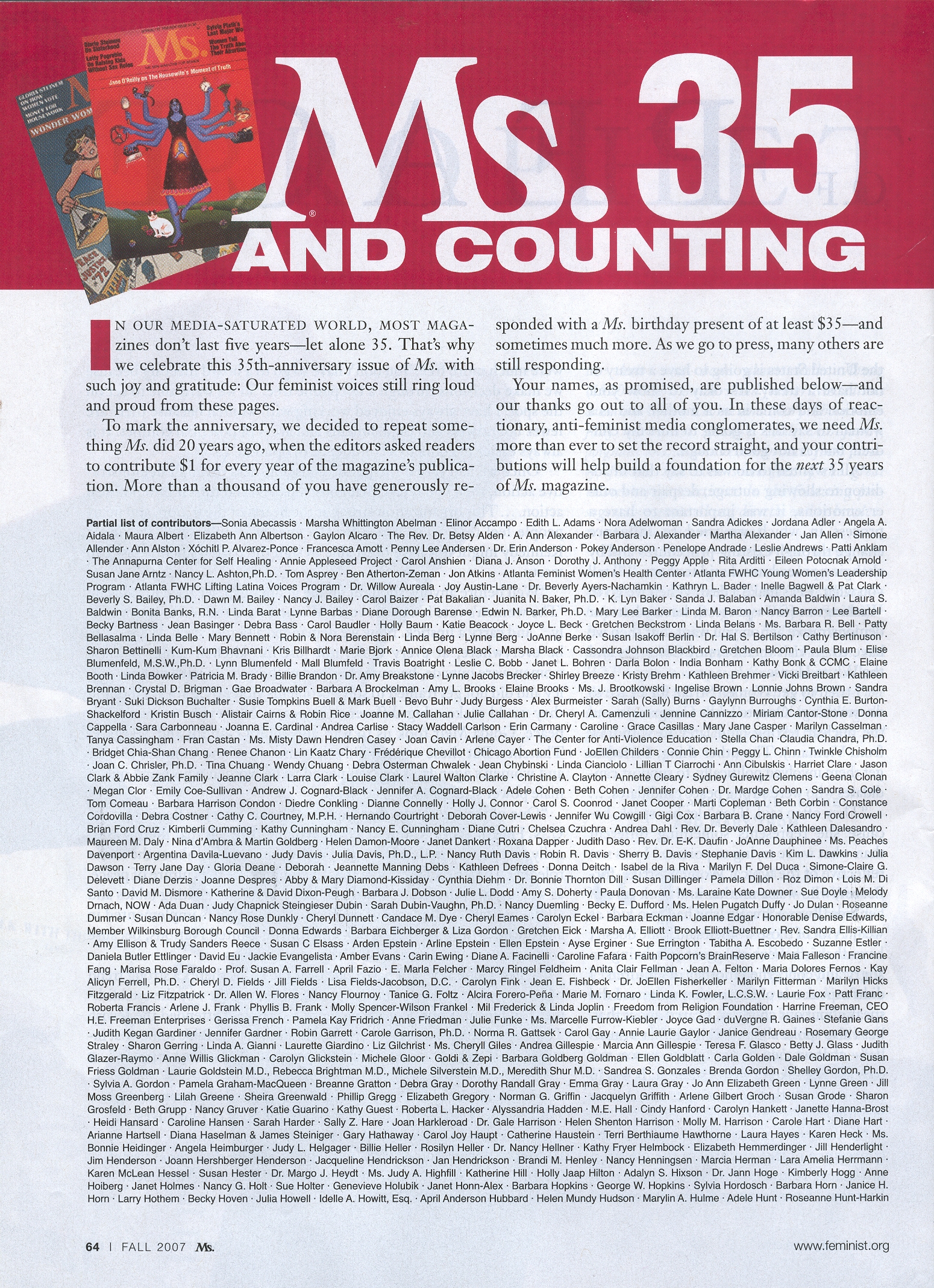
Picture a world where ideas leap off magazine racks. That is what Gloria Steinem and her colleagues at Ms. made real.
A comic book heroine – Wonder Woman – led their debut in 1972, linking strength with freedom for women. Images spoke louder than words on those pages.
Violence behind closed doors became impossible to ignore when shown straight-on. Pay gaps were laid bare through striking visuals.
Each cover acted like a protest sign held up to culture.
Feminist magazines can sell well without selling out – this one showed how. Every front page made an argument you could see, not just read.
When Images Become Memory

Still around long after their magazines faded, these covers stuck. Picture the Afghan Girl’s gaze.
Imagine the dark silhouette of the Twin Towers – no need to look, you already see it. Such moments live on, stamped into what we all remember.
A powerful cover does more than show something; it turns into a symbol everyone carries.
What once felt certain has shifted completely. Still, these tangible things hold weight.
A single thoughtfully picked picture speaks louder than endless online rants.
More from Go2Tutors!

- The Romanov Crown Jewels and Their Tragic Fate
- 13 Historical Mysteries That Science Still Can’t Solve
- Famous Hoaxes That Fooled the World for Years
- 15 Child Stars with Tragic Adult Lives
- 16 Famous Jewelry Pieces in History
Like Go2Tutors’s content? Follow us on MSN.