Amazing Facts From Deep Inside Our Oceans
The ocean is the largest habitat on Earth, but most of us only know what happens near the surface. When you venture past 200 meters down, sunlight fades away and you enter a completely different world. It’s cold, dark, and the pressure could crush a car, yet life has found incredible ways to thrive down there. Scientists continue to discover things that sound more like science fiction than reality.
Here is a list of amazing facts from deep inside our oceans.
Brine Lakes Exist on the Ocean Floor
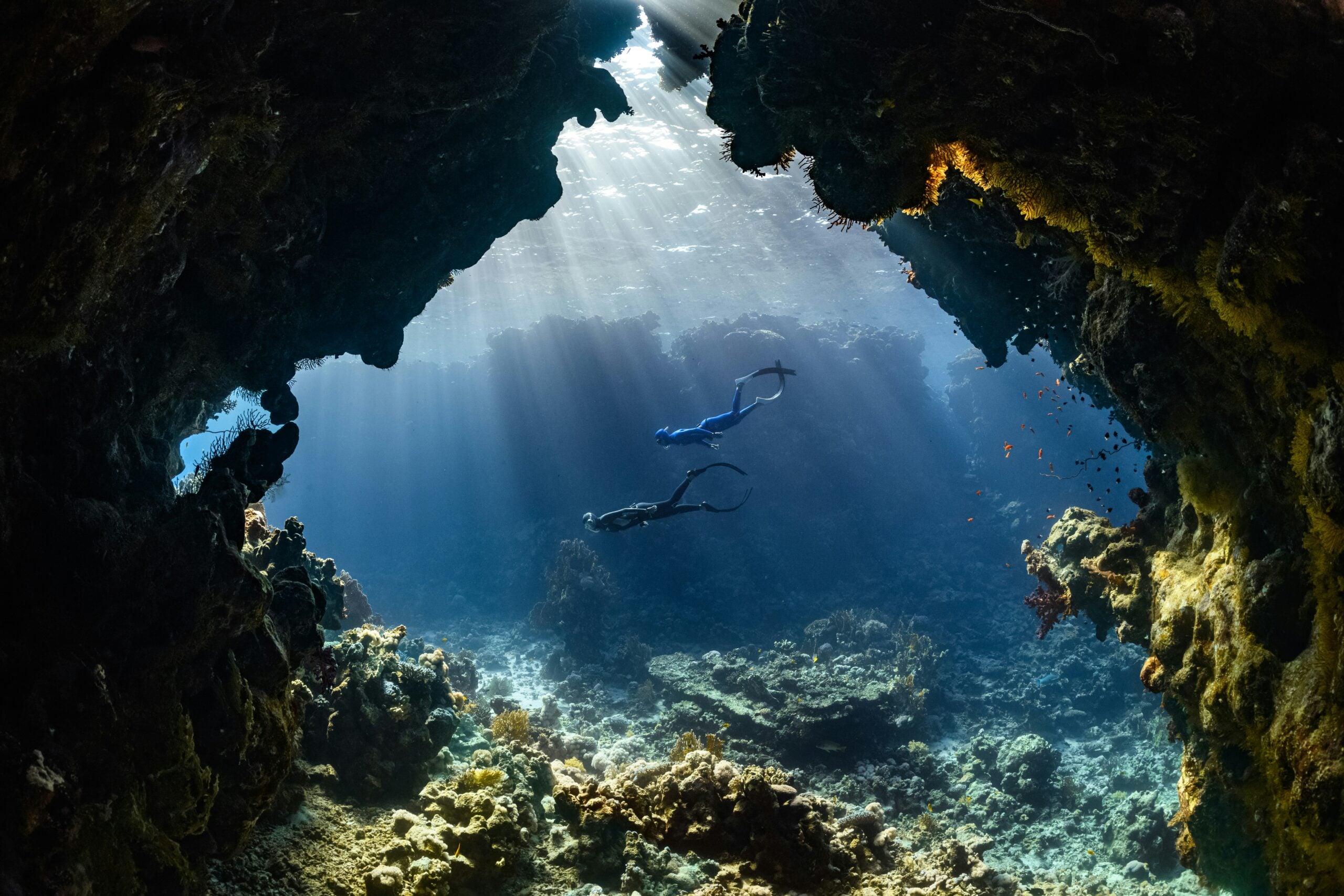
You wouldn’t expect to find a lake at the bottom of the ocean, but they’re actually there. These brine lakes form when ancient seas evaporate and leave behind massive salt deposits that later get dissolved by seeping water.
The salt concentration makes the water so dense that it doesn’t mix with regular ocean water, creating a visible surface complete with waves when disturbed.
The Deep Sea Contains 99% of Earth’s Living Space

When you calculate by volume instead of just surface area, the ocean represents an overwhelming majority of places where life can exist on our planet. The deep sea alone accounts for 95% of the ocean’s volume since it starts at just 200 meters and goes down to nearly 11,000 meters in places like the Mariana Trench.
That’s a massive three-dimensional habitat compared to the thin layer of soil and air where land animals live.
Like Go2Tutors’s content? Follow us on MSN.
We’ve Explored Less Than 2% of the Ocean Floor
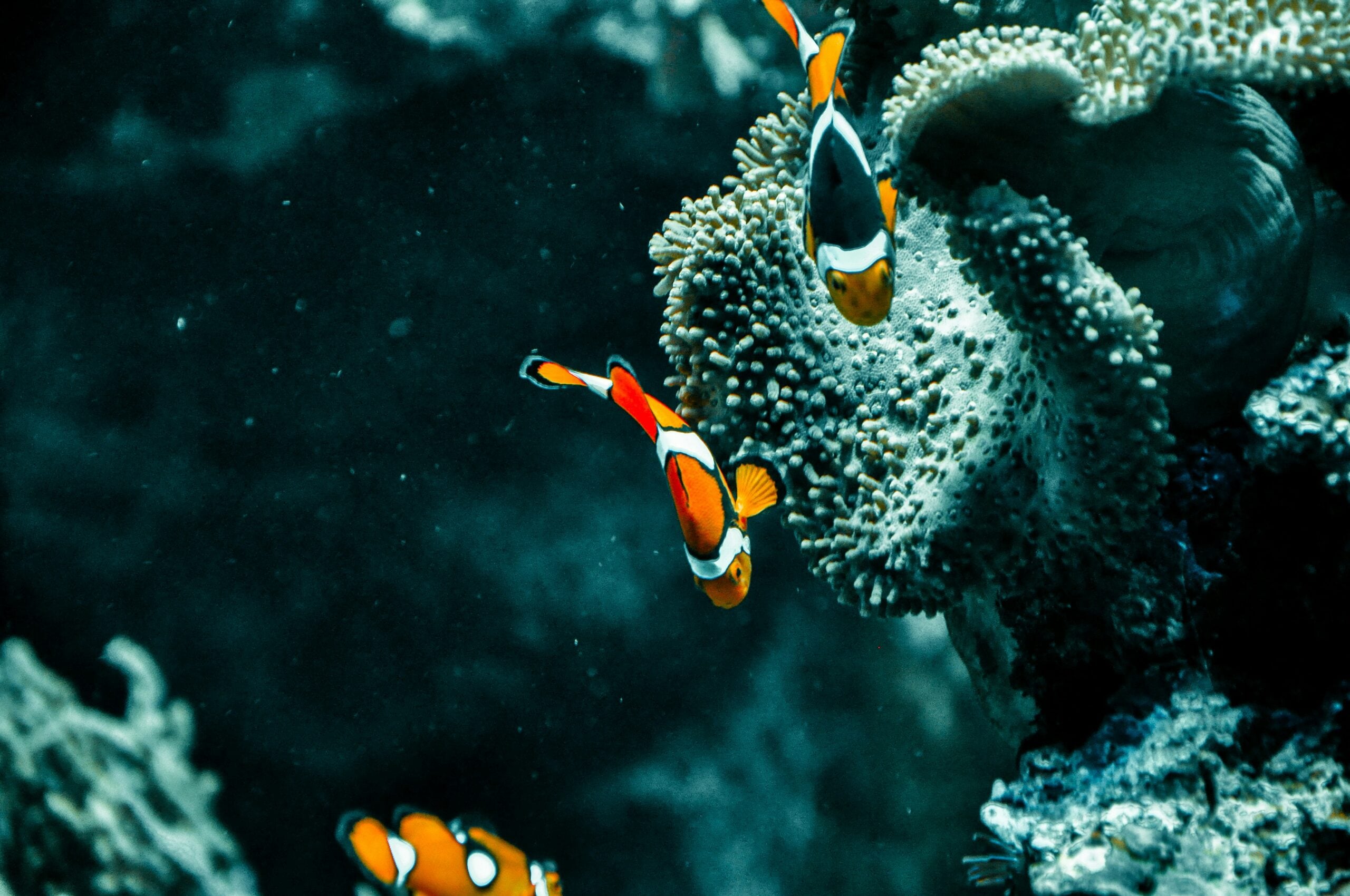
Humans have better maps of Mars than we do of our own ocean floor. The technology needed to reach extreme depths is expensive and complicated, which means vast areas remain completely unmapped and unexplored.
Every deep-sea expedition discovers dozens of new species, suggesting we’ve barely scratched the surface of what’s down there.
The Fangtooth Has the Biggest Teeth Relative to Body Size

This little fish only grows to about six inches long, but its teeth are so massive it can’t even close its mouth properly. The fangtooth has evolved special pouches in the roof of its mouth where the bottom teeth slide into, preventing them from piercing its own brain.
Scientists think these oversized chompers help the fish grab onto anything that passes by in the food-scarce deep ocean, even prey much larger than itself.
Bioluminescence Might Be the Most Common Form of Communication on Earth
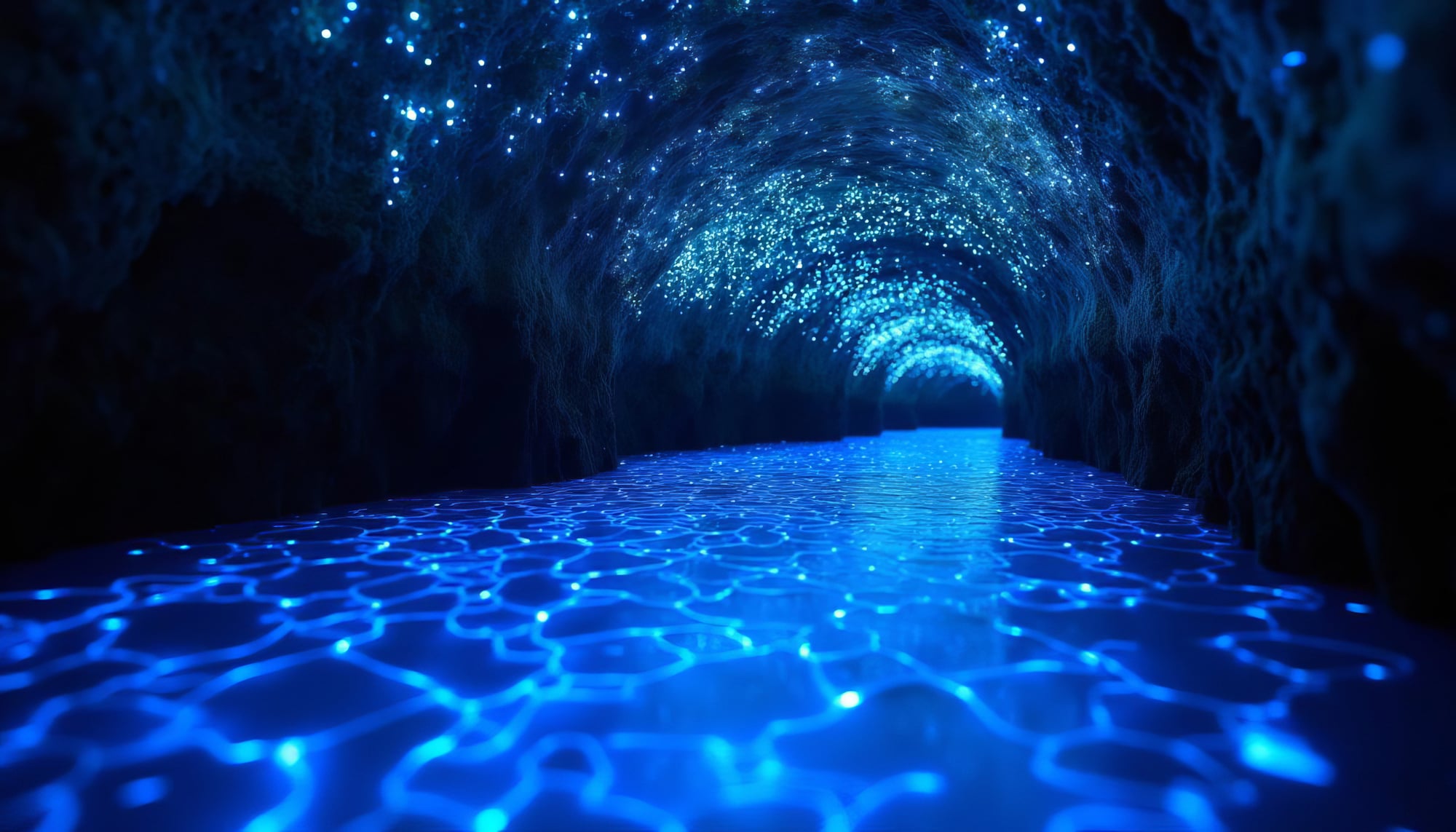
In the deep sea, making your own light isn’t just common—it’s practically everywhere. Fish dangle glowing lures to attract prey, squid shoot out bioluminescent liquid instead of ink to confuse predators, and worms use it to attract mates.
Since the deep sea is so vast and bioluminescence is so prevalent there, it could actually be the most widespread way that living things communicate on the entire planet.
Like Go2Tutors’s content? Follow us on MSN.
There’s Enough Gold in the Ocean to Give Everyone Nine Pounds

The ocean contains massive amounts of dissolved gold—if you could somehow extract it all and distribute it evenly, every person on Earth would get about nine pounds of the stuff. The problem is there’s no cost-effective way to separate gold from seawater and actually make a profit.
That hasn’t stopped people from trying, including a pastor in the 1890s who claimed he invented a ‘Gold Accumulator’ that turned out to be a scam.
Some Creatures Build Homes Inside Other Creatures

Certain amphipods have developed a rather disturbing housing solution. They hunt down barrel-shaped animals called salps, eat their insides, and then climb into the hollowed-out body to use as a mobile home.
These amphipods can even reinforce their stolen houses by secreting chemicals that strengthen the gelatinous structure, because apparently real estate is tough even two-thirds of a mile underwater.
The Barreleye Fish Has a Transparent Head
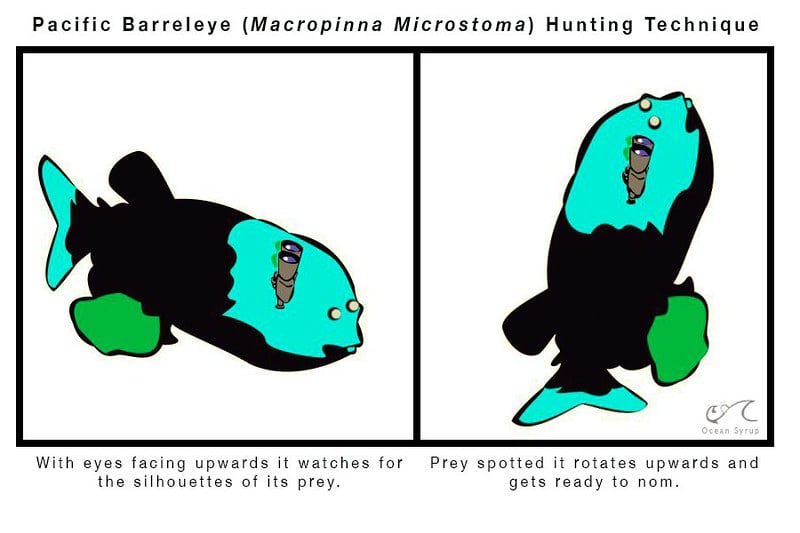
The barreleye looks like something from an alien movie—the top of its head is completely see-through, revealing its bright green, barrel-shaped eyes and brain floating in a fluid-filled bubble. What you’d think are eyes at the front of its face are actually olfactory sensors.
The real eyes point straight up to detect the silhouettes of prey above, but researchers discovered they can also rotate forward when the fish needs to look where it’s going.
Like Go2Tutors’s content? Follow us on MSN.
Deep-Sea Coral Reefs Are Just as Diverse as Shallow Ones
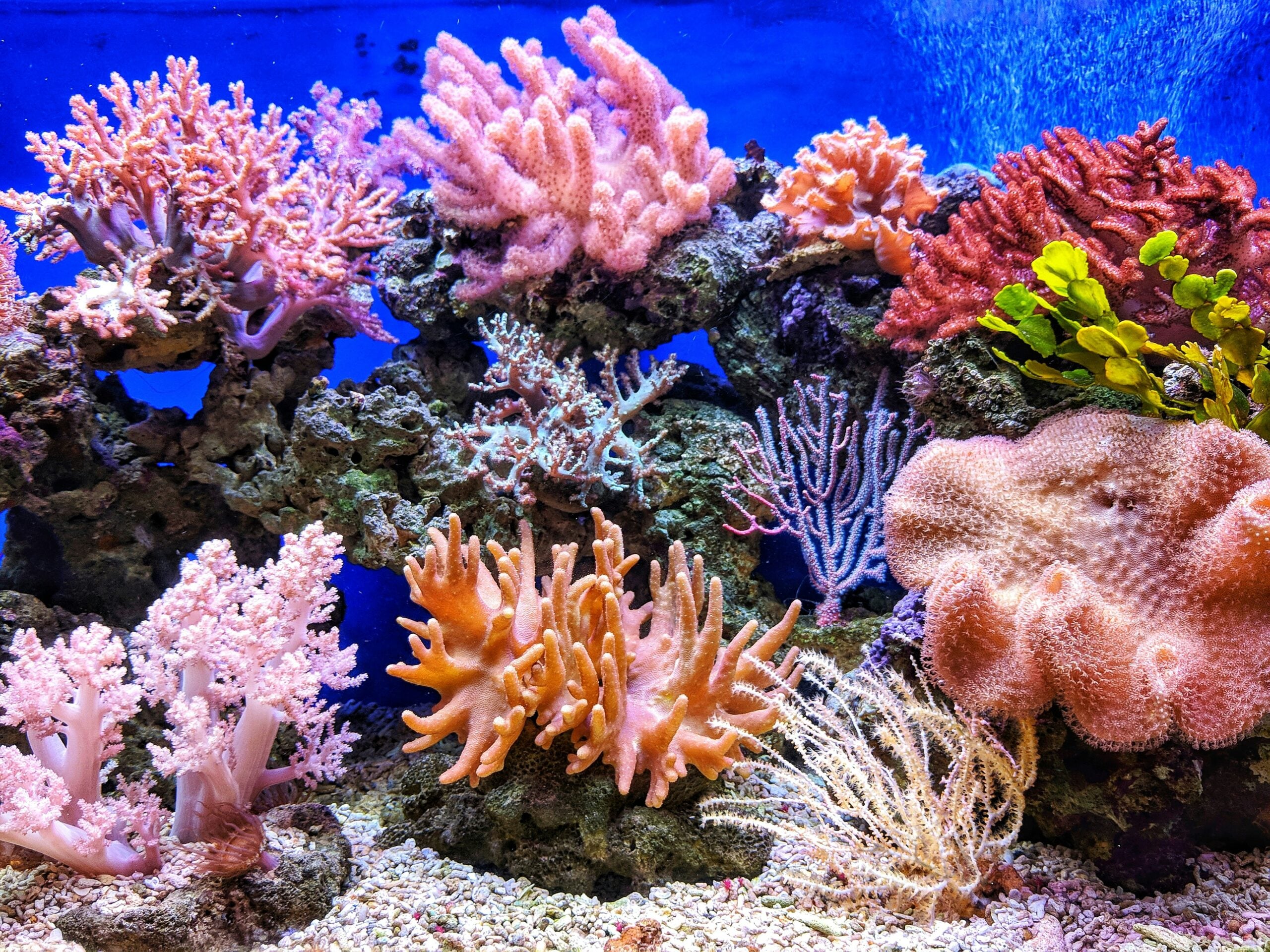
Most people associate coral reefs with warm, sunny tropical waters, but thriving coral gardens exist up to 20,000 feet below the surface where it’s pitch black and near freezing. Scientists have identified as many species of cold-water corals as shallow-water species.
These deep reefs can form massive structures—researchers recently documented vast fields of coral along the Blake Plateau that were previously thought to be flat and empty seafloor.
Cuvier’s Beaked Whales Can Hold Their Breath for Hours
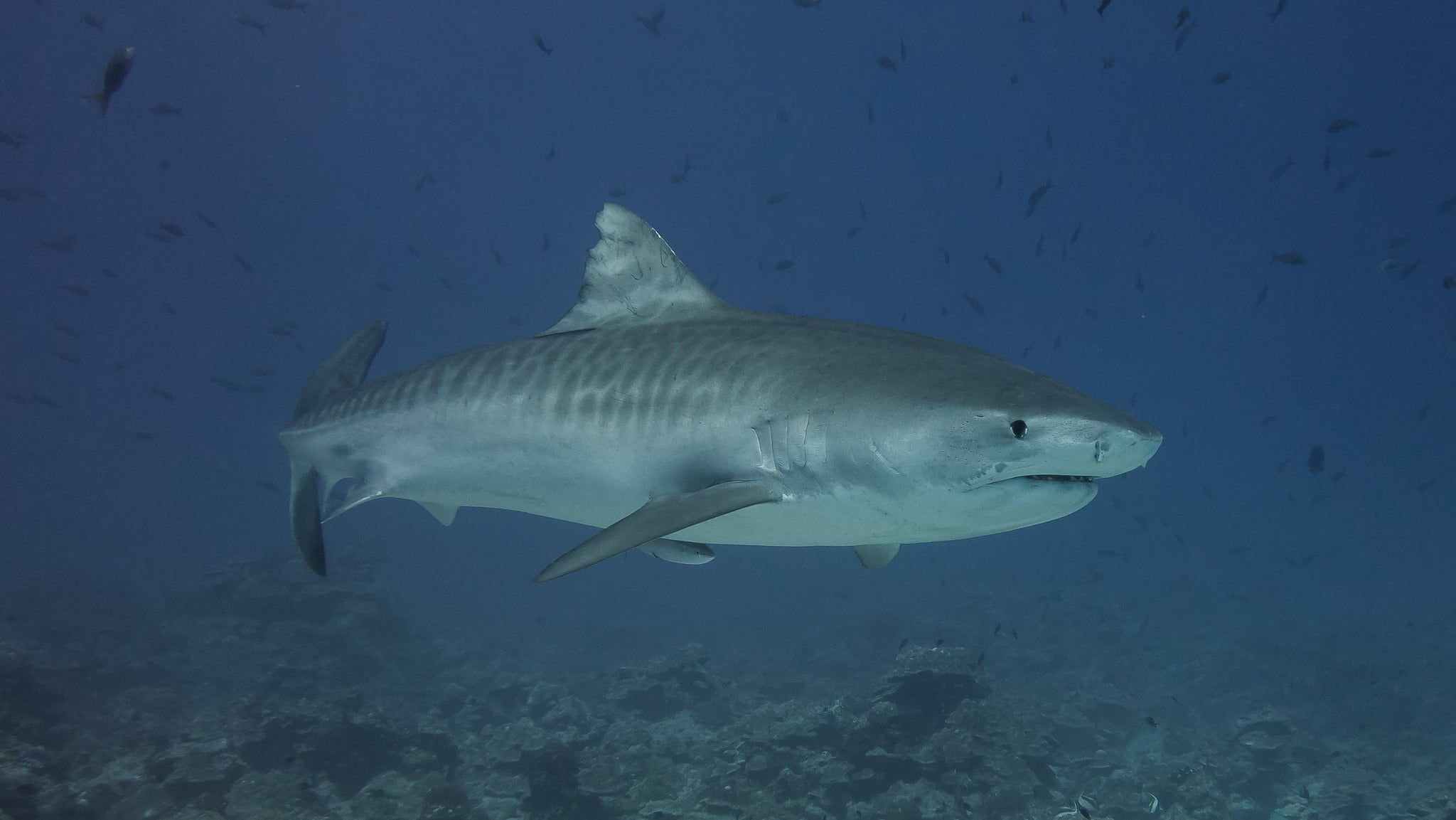
While many whales are impressive divers, Cuvier’s beaked whales take the championship. These mammals can dive to extreme depths and hold their breath for incredibly long periods while hunting for food.
They’ve adapted to handle the crushing pressure and oxygen deprivation in ways that scientists are still studying, making them some of the most remarkable breath-holders in the animal kingdom.
Hydrothermal Vents Support Life Without Sunlight
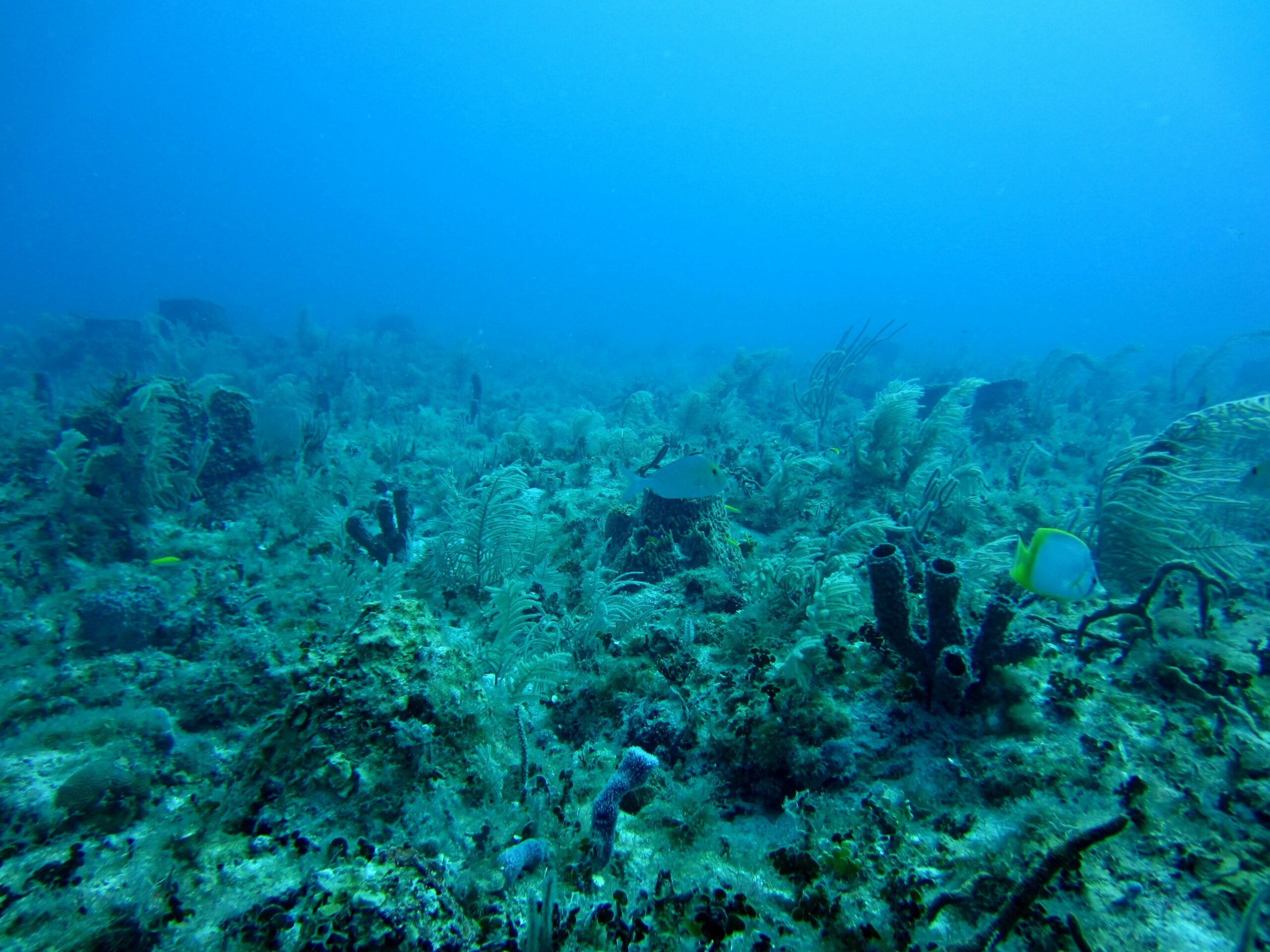
In 1977, scientists made a discovery that revolutionized biology—thriving ecosystems around superheated vents on the ocean floor that get their energy from chemicals instead of the sun. Microbes near these vents perform chemosynthesis, converting hydrogen and sulfur compounds into energy, then passing it to tubeworms, clams, and mussels through symbiotic relationships.
This proved that life doesn’t necessarily need sunlight to flourish.
Like Go2Tutors’s content? Follow us on MSN.
Chemosynthetic Communities Exist in the Deepest Ocean Trenches
Recent expeditions using submersibles have discovered extensive communities of life at depths around 31,000 feet in Pacific Ocean trenches. These alien-like ecosystems filled with tube worms and other bizarre creatures survive in complete darkness under tremendous pressure.
The discovery suggests that chemosynthetic life might be far more widespread than previously thought, potentially existing throughout the hadal zone.
The Deep Sea Experiences Its Own Heat Waves
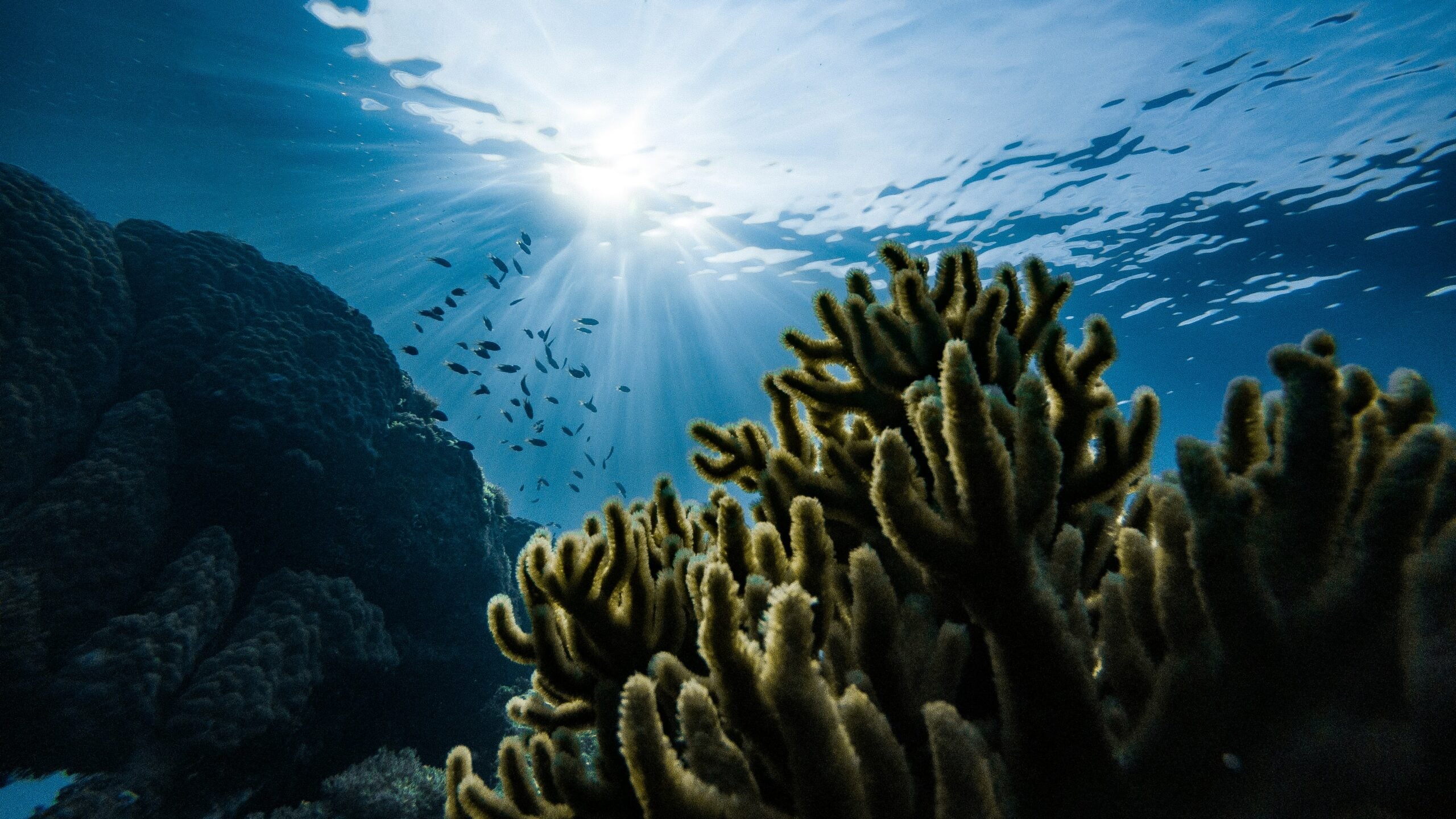
Surface ocean heat waves have been documented for decades, but researchers recently discovered that the seafloor likely experiences bottom marine heat waves too. Computer models using surface temperatures and ocean currents revealed that these deep-sea heat waves can be even more extreme and last longer than surface ones.
This matters because many commercially important species like lobsters, scallops, and cod live on the seafloor.
Giant Isopods Grow Massive to Handle the Pressure
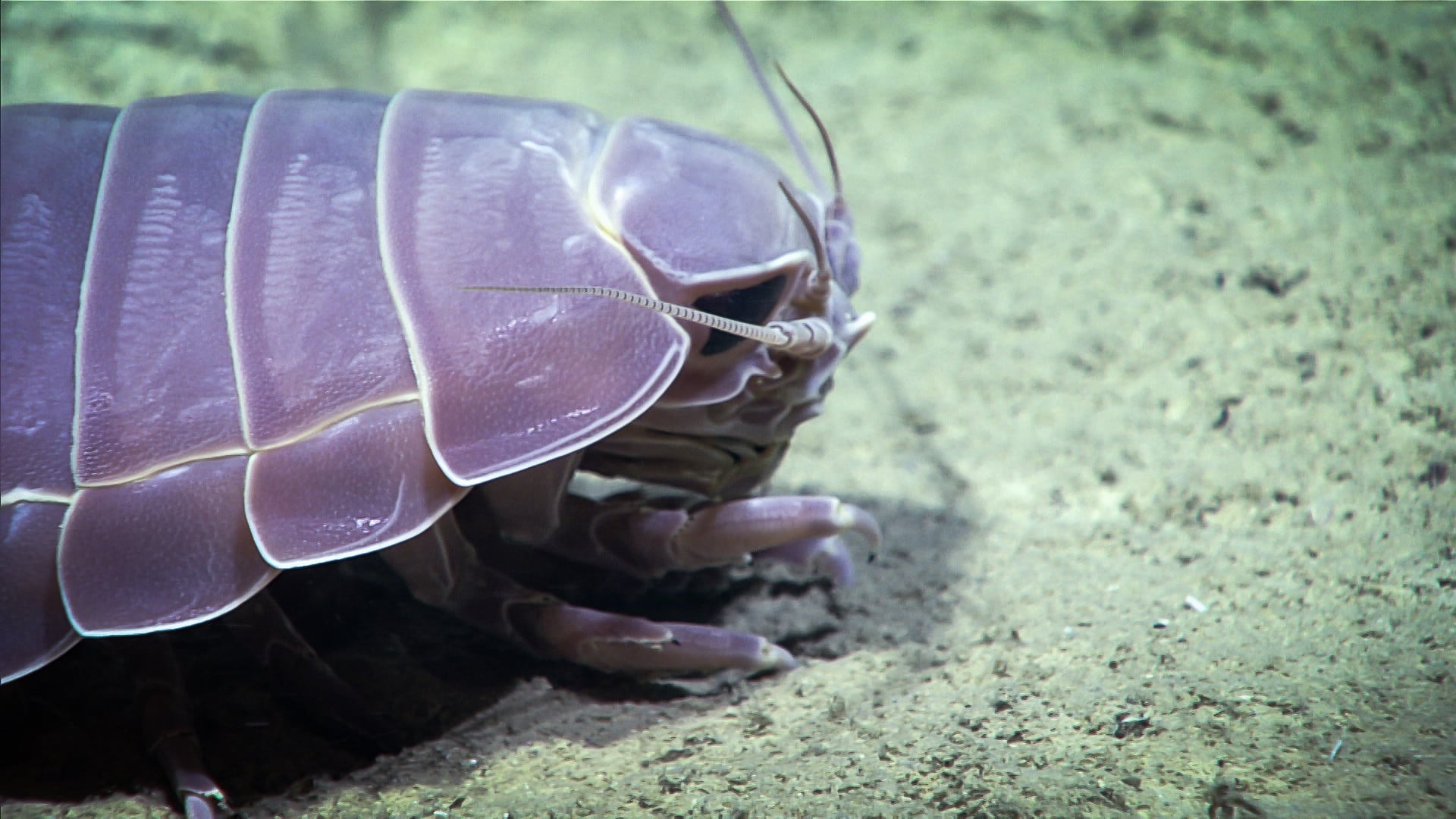
These creatures look like enormous pill bugs—their land-dwelling cousins—but can grow much larger. Scientists believe giant isopods evolved their impressive size partly to withstand the crushing pressure at the bottom of the ocean.
They’re carnivorous scavengers that feed on dead animals falling from above, and despite being discovered back in 1879, they remain largely mysterious to researchers.
Like Go2Tutors’s content? Follow us on MSN.
The Deep Connects to Everything Above
The deep ocean isn’t some isolated zone cut off from the rest of the planet. Nutrients from decaying organisms drift down as ‘marine snow,’ feeding bottom-dwellers who process and recycle those materials back into the food chain.
Seamounts divert deep currents upward, bringing nutrients to surface waters where marine life thrives. Scientists are even discovering pharmaceutical compounds in deep-sea organisms that could treat human diseases, from skin conditions to aggressive brain cancers.
What happens in the abyss doesn’t stay in the abyss—it shapes the entire ocean ecosystem and potentially our own future.
More from Go2Tutors!

- 16 Historical Figures Who Were Nothing Like You Think
- 12 Things Sold in the 80s That Are Now Illegal
- 15 VHS Tapes That Could Be Worth Thousands
- 17 Historical “What Ifs” That Would Have Changed Everything
- 18 TV Shows That Vanished Without a Finale
Like Go2Tutors’s content? Follow us on MSN.