Most Dangerous Vintage Toys Ever Made
Growing up in previous decades meant navigating a playground filled with potential hazards disguised as fun. Toy manufacturers operated under different safety standards—or sometimes no standards at all.
Lead paint, sharp edges, toxic materials, and designs that could cause serious injury were commonplace. These weren’t recalls waiting to happen; they were just Tuesday.
The toys that filled childhood bedrooms and playrooms from the early 1900s through the 1980s tell a story of how much our understanding of child safety has evolved. Some were pulled from shelves after causing injuries.
Others remained popular for years despite their obvious dangers.
Lawn Darts

Four metal-tipped projectiles designed to be thrown across the yard toward plastic rings. The tips were sharp enough to stick into grass—and anything else they happened to hit.
Emergency room visits became so frequent that the Consumer Product Safety Commission banned them in 1988 after thousands of injuries and multiple deaths. The physics were simple: heavy metal dart plus high arc trajectory equals trouble when children were anywhere nearby.
Gilbert U-238 Atomic Energy Lab
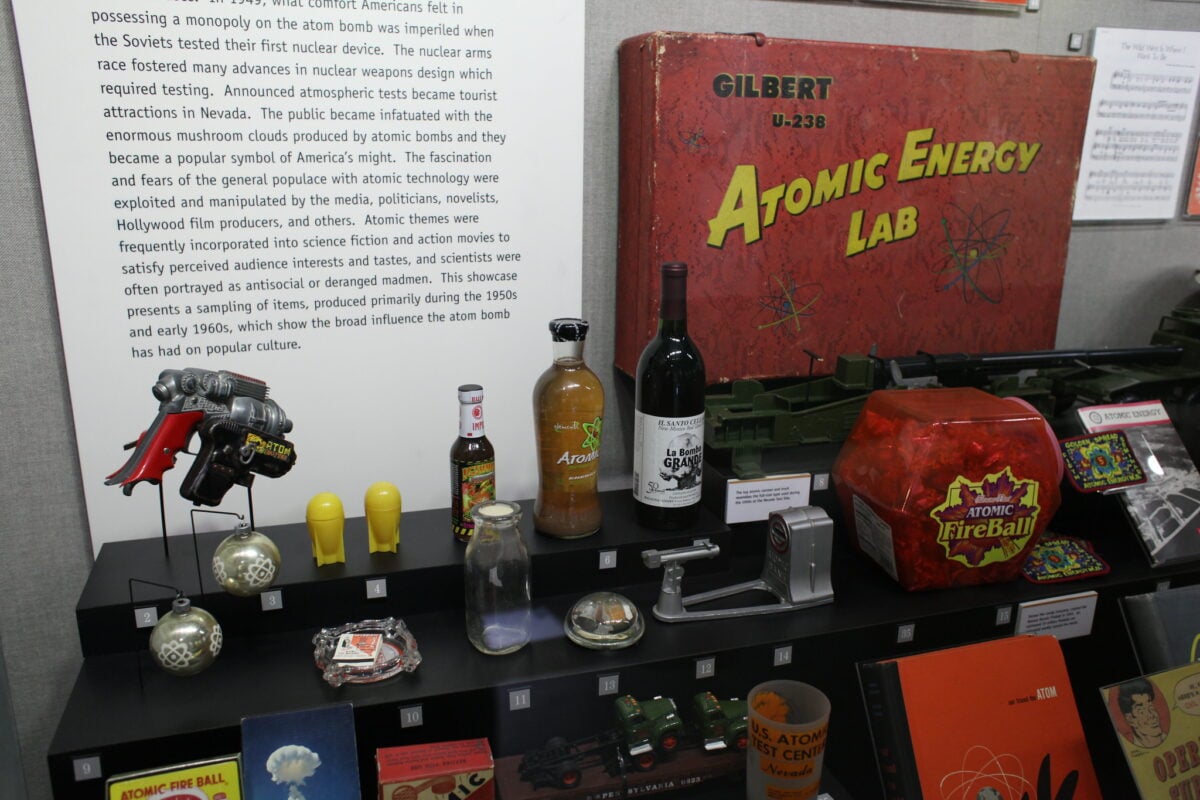
This 1950s science kit (and here’s where things get genuinely unsettling, because what parents thought radioactive materials belonged in a Christmas stocking) included actual uranium ore, a Geiger counter, and a manual that cheerfully explained how to prospect for more radioactive materials around the house. And yet parents bought this $49.50 kit—expensive for the time—because atomic energy represented the future, the same way we might buy coding toys today, except coding toys don’t expose children to actual radiation, which seems like a meaningful distinction but apparently wasn’t obvious to the Atomic Energy Commission, which endorsed the product.
Short-lived doesn’t begin to describe it.
CSI Fingerprint Examination Kit
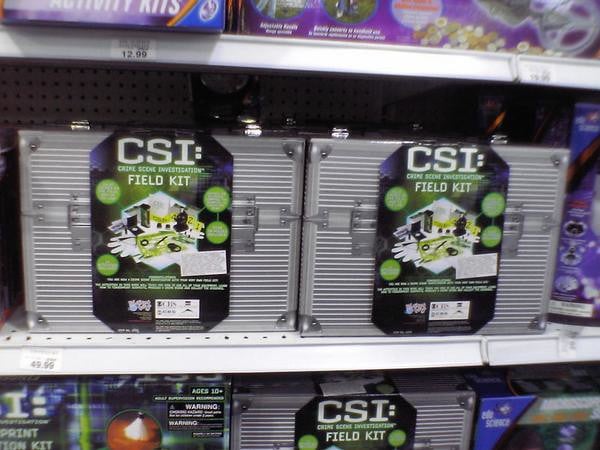
A magnifying glass, some powder, and brushes seem innocent enough until you realize the “fingerprint powder” contained asbestos. Children would dust surfaces and blow away excess powder, creating clouds of carcinogenic fibers.
The kit stayed on shelves for years before anyone connected the dots between a children’s toy and a material that causes mesothelioma decades later. The whole premise was flawed from the start.
Real crime scene investigation involves hazardous chemicals and procedures that trained professionals handle with proper equipment. Shrinking that down to something a ten-year-old could do safely was never going to work.
But the CSI television franchise made forensics seem glamorous, and toy companies followed the trend without considering the consequences.
Easy-Bake Oven (Original 1963 Version)
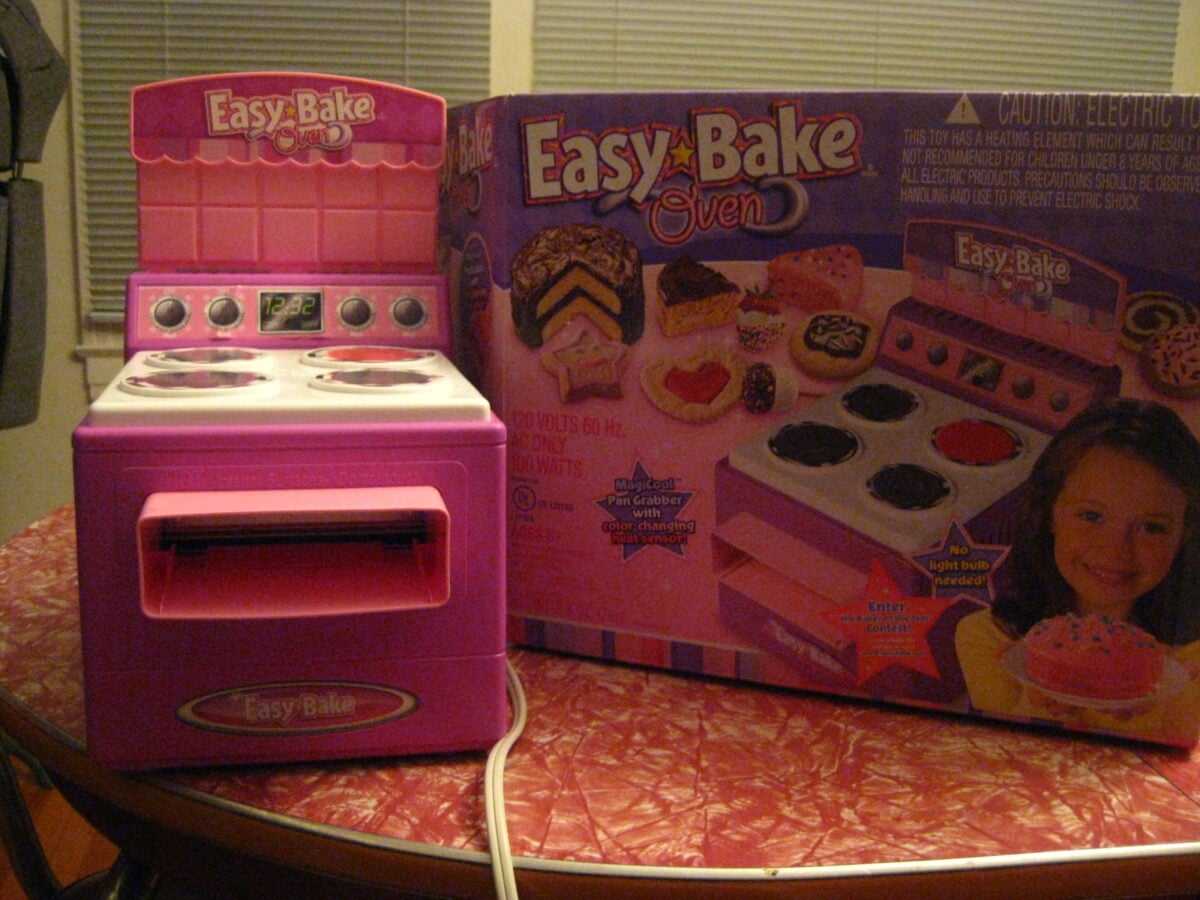
Picture a metal box that gets hot enough to actually bake food, powered by a 100-watt incandescent bulb, with an opening just the right size for small fingers to get stuck inside. The original Easy-Bake Oven was a beautiful example of 1960s optimism about what children could safely handle.
Burns were frequent. Fingers got trapped in the oven opening regularly enough that Hasbro eventually redesigned the entire front panel.
But here’s what made it especially treacherous: the oven got genuinely hot—not toy-hot, but actual cooking temperatures—while looking completely harmless from the outside. No warning lights, no cool-touch surfaces, just a cheerful plastic exterior hiding serious heat.
Creepy Crawlers
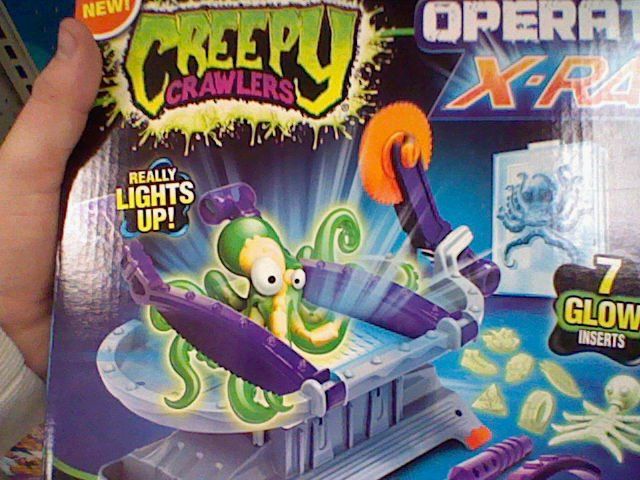
The chemistry set that let children melt “Plasti-Goop” in metal molds to create rubber insects and creatures. The molds heated to over 300 degrees Fahrenheit.
The liquid plastic gave off toxic fumes that could cause headaches, nausea, and respiratory problems. Children were expected to handle red-hot metal molds with basic tongs while breathing whatever chemicals were released during the heating process.
Aqua Dots (Bindeez)
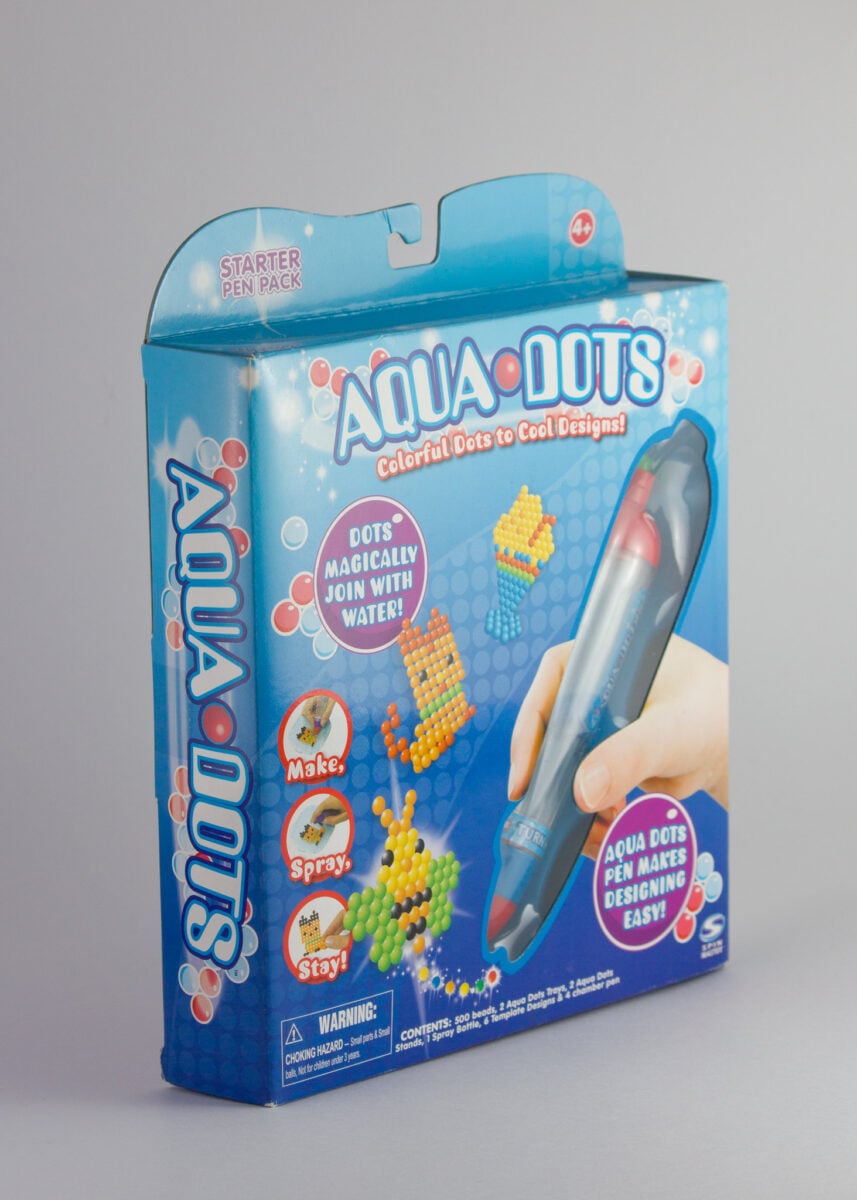
Colorful beads that stuck together when sprayed with water looked like the perfect craft toy until children started falling into comas after swallowing them. The beads were coated with a chemical that metabolized into GHB—the date rape drug—when ingested.
Several children were hospitalized before the toys were recalled worldwide in 2007. The manufacturer had apparently substituted the safe binding agent with a cheaper toxic alternative to cut costs.
Quality control never caught the switch. Parents had no way of knowing that craft beads could cause their children to lose consciousness.
Sky Dancers
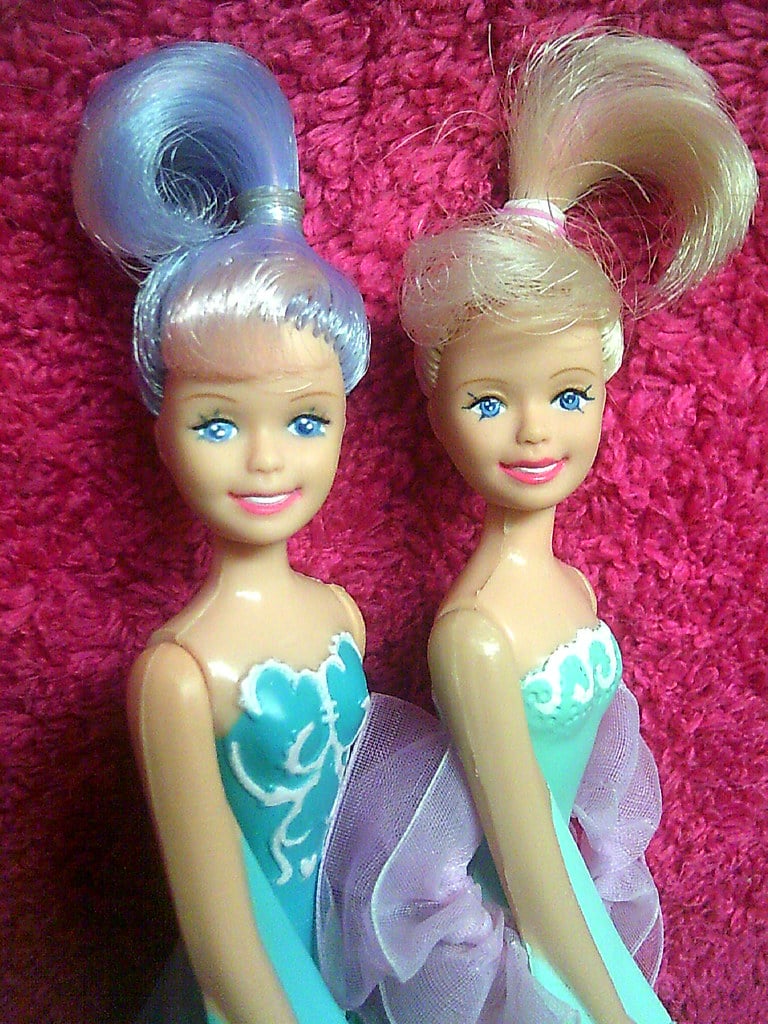
These fairy dolls had foam wings and a pull-string mechanism that sent them spinning into the air. Sounds magical until you consider that hard plastic spinning at high velocity has no guidance system and tends to hit whatever happens to be nearby.
Eyes, faces, and breakable objects were all fair game. The dolls caused numerous injuries before being recalled, including temporary blindness and facial cuts.
Magnetix Building Sets
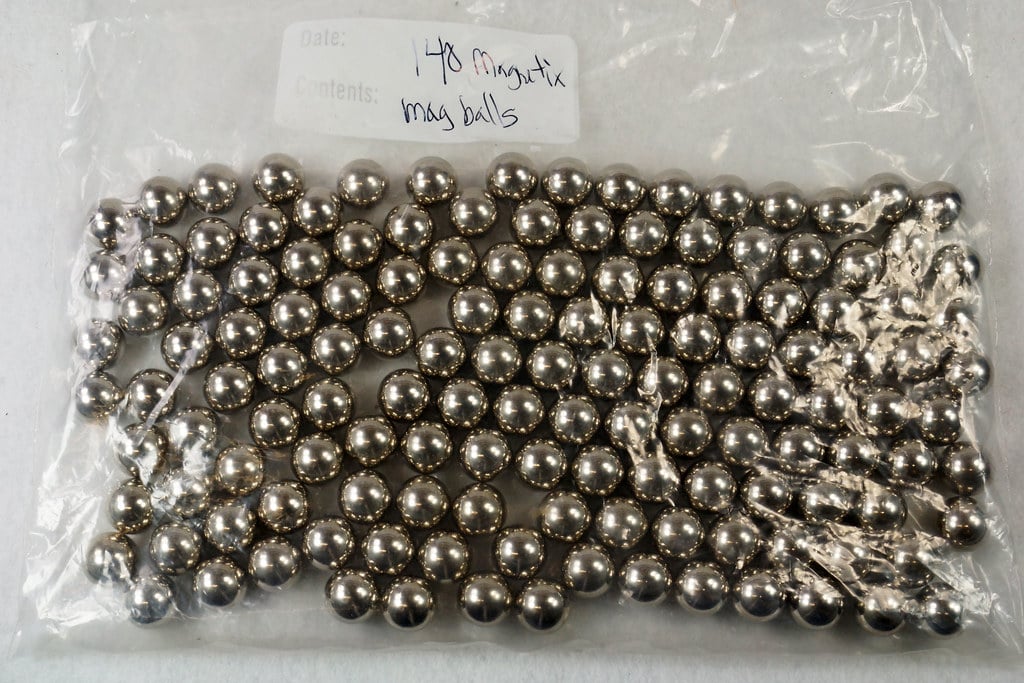
Powerful magnetic building toys that created impressive structures until the tiny magnets started falling out of the plastic pieces. Children would swallow multiple magnets, which would then attract each other through intestinal walls, causing perforations, blockages, and internal damage requiring emergency surgery.
The magnetic force was strong enough to cause serious internal injuries that parents and doctors initially couldn’t diagnose.
Yo-Yo Water Orbs
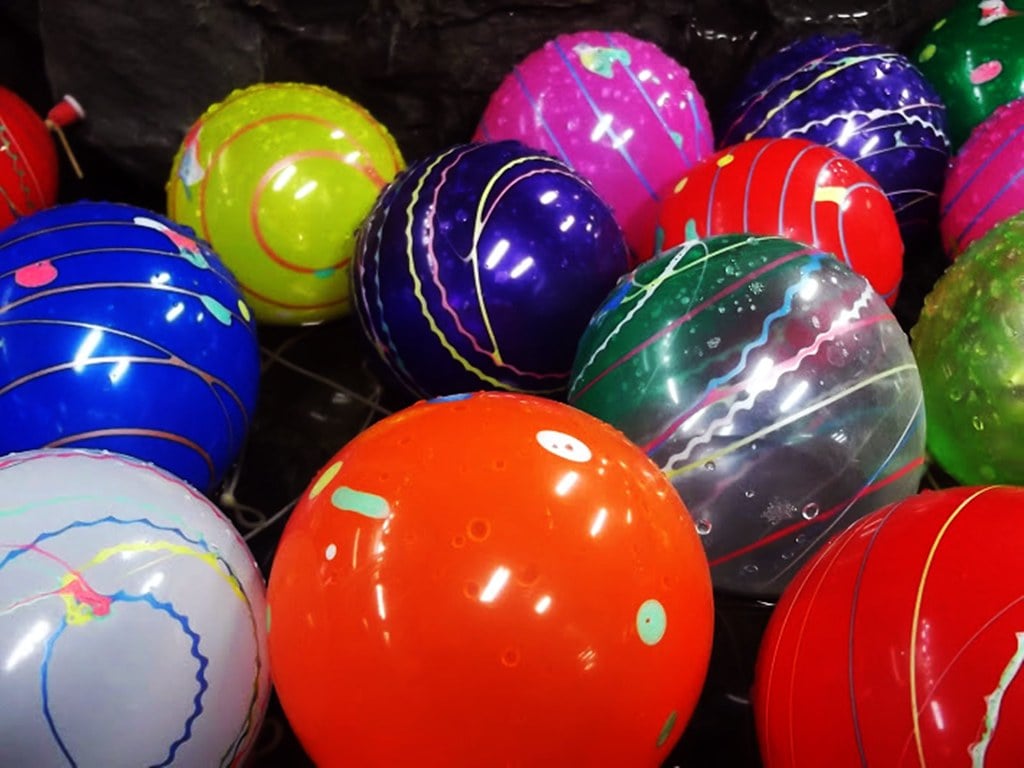
A liquid-filled rubber orb attached to a stretchy cord that wrapped around your finger seemed like a simple toy until children started strangling themselves with the cords. The elastic would wrap around necks during play, cutting off circulation faster than children could react.
Multiple deaths led to their ban in several countries, but they kept appearing in different forms for years.
Slip ‘N Slide
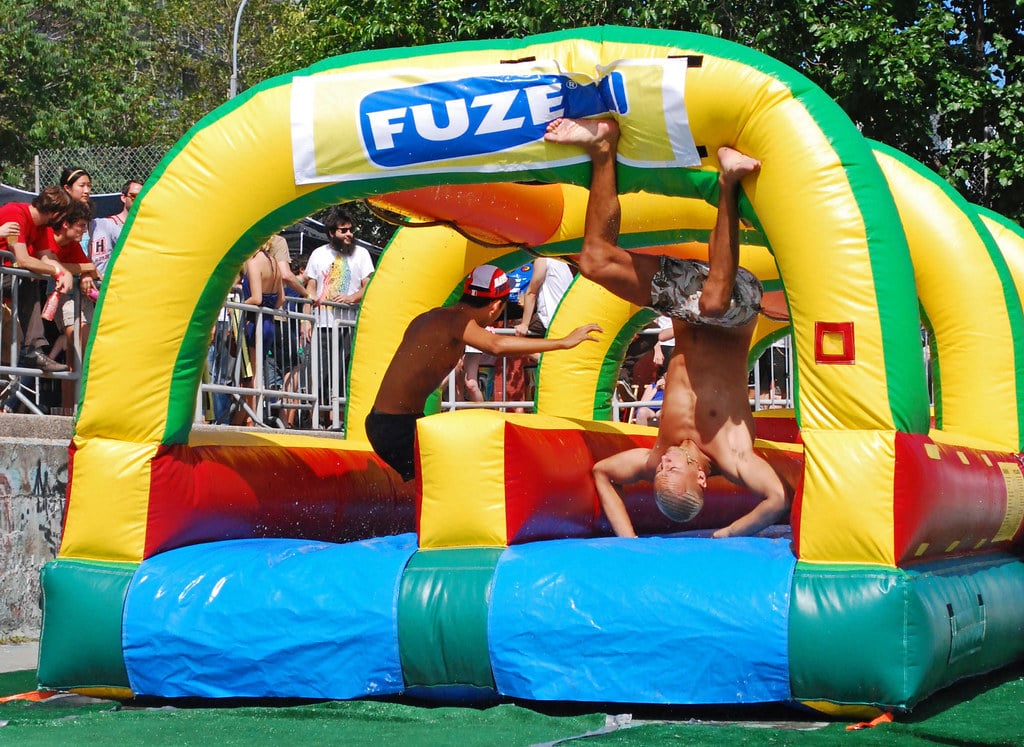
A plastic sheet, a garden hose, and the promise of backyard water fun that ended in paralysis for multiple users. The problem wasn’t the toy itself but how people used it—teenagers and adults diving onto a surface that provided nowhere near enough sliding distance for their size and speed.
Compressed vertebrae and spinal injuries became common enough that the manufacturer added warnings, but the damage was already done. The physics were unforgiving: a 200-pound person hitting a wet plastic sheet at full speed doesn’t slide gracefully like a 50-pound child.
They stop abruptly, and physics takes over.
Battlestar Galactica Colonial Viper
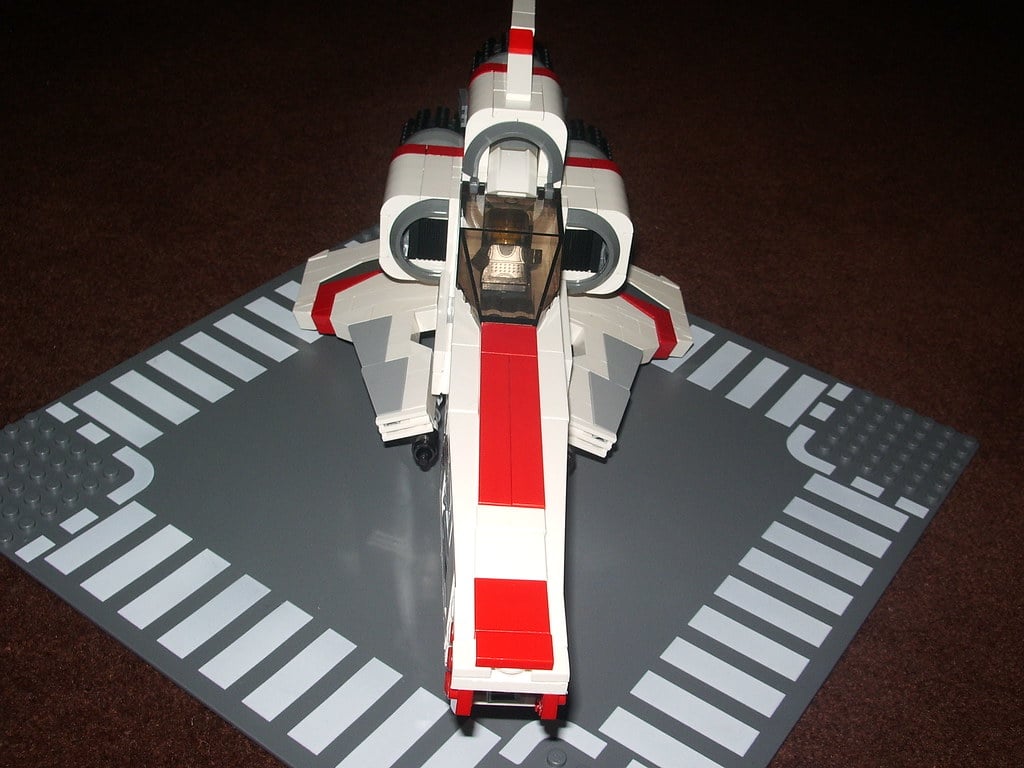
This spaceship toy came with small red missiles that children could load and fire. The missiles were exactly the right size to become lodged in a child’s throat—not big enough to stay in the mouth, not small enough to be swallowed safely.
A four-year-old died after choking on one of the missiles, leading to new regulations about small projectile toys.
Austin Magic Pistol
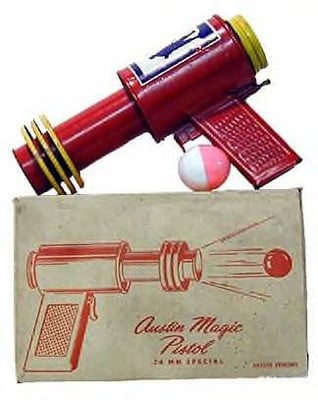
A toy gun that used calcium carbide pellets and water to create small explosions for realistic sound effects. The chemical reaction produced acetylene gas—the same gas used in welding torches.
Children would load the pellets, add water, and pull the trigger to create a bang and a flash. Burns, explosions, and toxic gas exposure were all possible outcomes from what was marketed as a harmless cap gun alternative.
Pogo Orb
A rubber orb with a platform on top that children would stand on and bounce around on seemed like innocent fun until the reality of balance, momentum, and hard surfaces set in. Broken bones, concussions, and dental injuries became common as children fell off the unstable platform.
The toy required athletic ability and coordination that many children simply didn’t possess.
When Playtime Meant Danger

These toys remind us how much our understanding of child safety has evolved over the decades. What seemed like harmless fun often carried risks that manufacturers either didn’t anticipate or chose to ignore.
The shift toward rigorous safety testing, non-toxic materials, and age-appropriate design has made modern toys far safer, even if they might seem less adventurous than their predecessors. That vintage toy in the attic might hold sentimental value, but it also might hold dangers that seemed acceptable in its time but wouldn’t pass today’s standards.
Sometimes progress means saying goodbye to the way things used to be.
More from Go2Tutors!

- The Romanov Crown Jewels and Their Tragic Fate
- 13 Historical Mysteries That Science Still Can’t Solve
- Famous Hoaxes That Fooled the World for Years
- 15 Child Stars with Tragic Adult Lives
- 16 Famous Jewelry Pieces in History
Like Go2Tutors’s content? Follow us on MSN.