Places Holding World Records
The planet has no shortage of extreme places. Some spots get famous for their views or history, but others earn recognition for being the absolute most or least of something.
These records get verified, measured, and documented with a precision that turns geography into competition.
You can find record-breaking places on every continent, in climates ranging from frozen tundra to scorching desert. What makes a place remarkable often comes down to pure statistics—the tallest, deepest, hottest, coldest, or wettest.
Sometimes the record seems obvious once you see it. Other times, it surprises you that anyone bothered to measure it in the first place.
Death Valley’s Furnace Creek: Hottest Temperature Ever Recorded
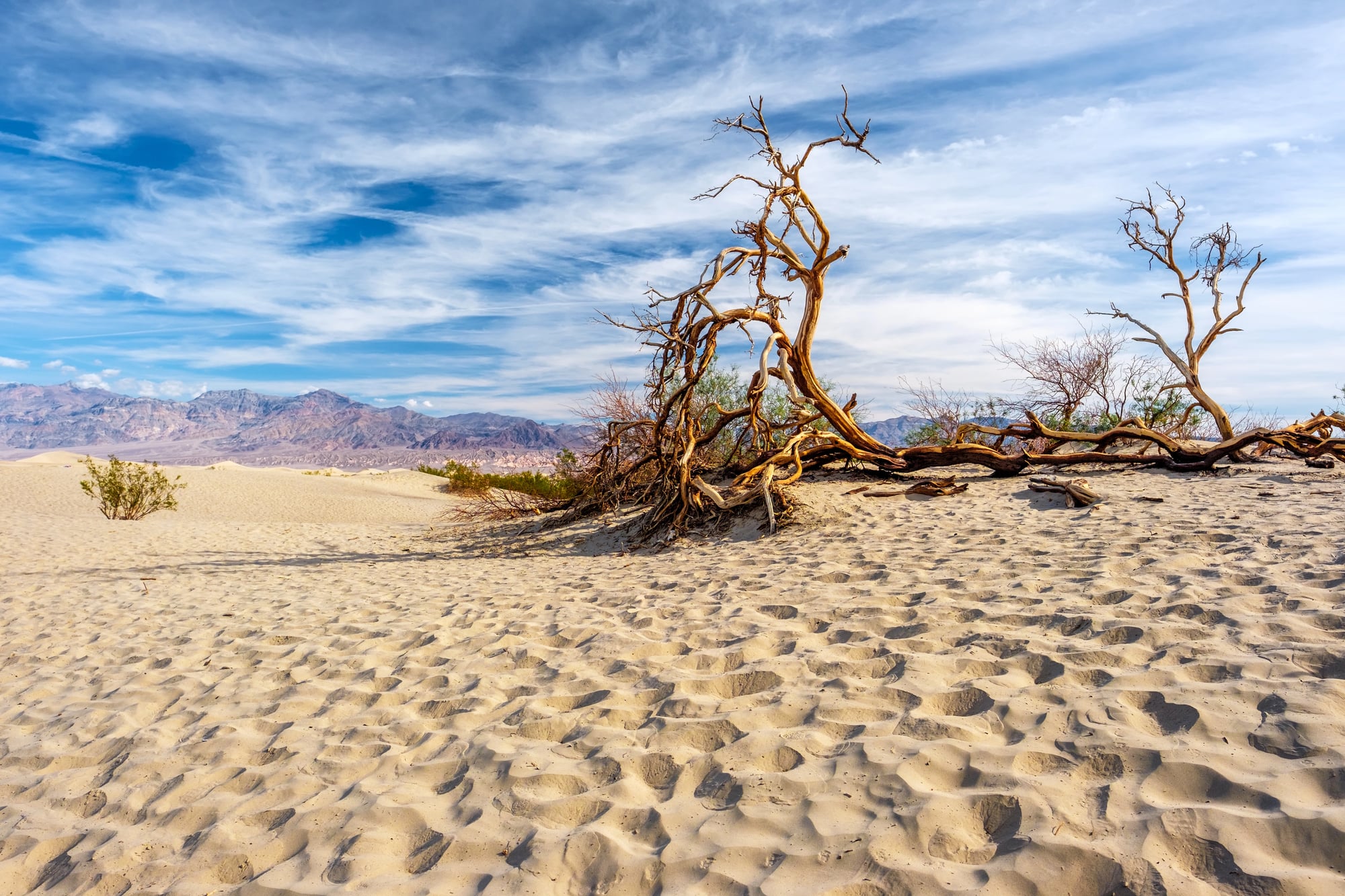
Death Valley holds the crown for the highest temperature ever reliably recorded on Earth. On July 10, 1913, the thermometer at Furnace Creek hit 134°F (56.7°C).
That number has stood for over a century, despite claims from other scorching locations around the world.
The valley sits below sea level in California’s Mojave Desert. The terrain creates a natural oven.
Hot air gets trapped between mountain ranges, and the dark rocks absorb heat all day before radiating it back at night. Standing in Furnace Creek during summer feels like opening an oven door and sticking your face inside.
People still visit Death Valley to experience the extreme heat firsthand. Rangers post warnings everywhere, but tourists keep coming back, drawn to the idea of visiting the hottest place on the planet.
Oymyakon, Russia: The Coldest Inhabited Place

While Death Valley bakes, Oymyakon freezes. This tiny Siberian village holds the record as the coldest permanently inhabited settlement on Earth.
Temperatures regularly drop below -50°F (-45°C) in winter, and the record low hit -96.16°F (-71.2°C) in 1924.
About 500 people live in Oymyakon year-round. Cars need to run continuously or their engines freeze solid.
Buildings require special construction to withstand the brutal cold. Even the ground stays permanently frozen several meters down.
The villagers have adapted to conditions that would send most people running for warmer climates. Schools only close when temperatures fall below -61°F (-52°C).
Otherwise, life continues as normal, or at least as normal as it can get when your eyelashes freeze together the moment you step outside.
Mawsynram, India: Wettest Place on Earth
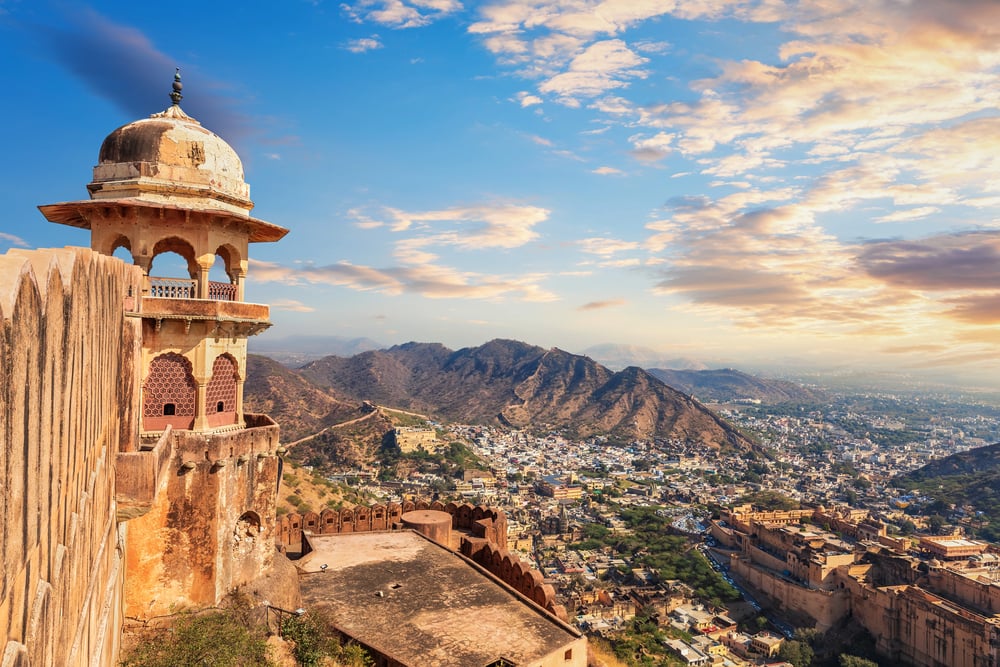
Rain defines Mawsynram. This village in the Meghalaya state of India receives more rainfall than anywhere else on the planet.
Annual precipitation averages about 467 inches (11,872 mm). That translates to roughly 39 feet of rain every single year.
The monsoon season transforms the village into a waterlogged world. From June to September, rain falls almost continuously.
Locals have developed a unique cone-shaped covering made from bamboo and banana leaves that they wear like a full-body umbrella. It shields their entire upper body while leaving their hands free to work.
The constant deluge shapes everything about life in Mawsynram. Agriculture revolves around the wet season.
Buildings need drainage systems that can handle massive water volumes. Yet the residents stay, generation after generation, in one of the soggiest spots on the planet.
Atacama Desert, Chile: The Driest Place
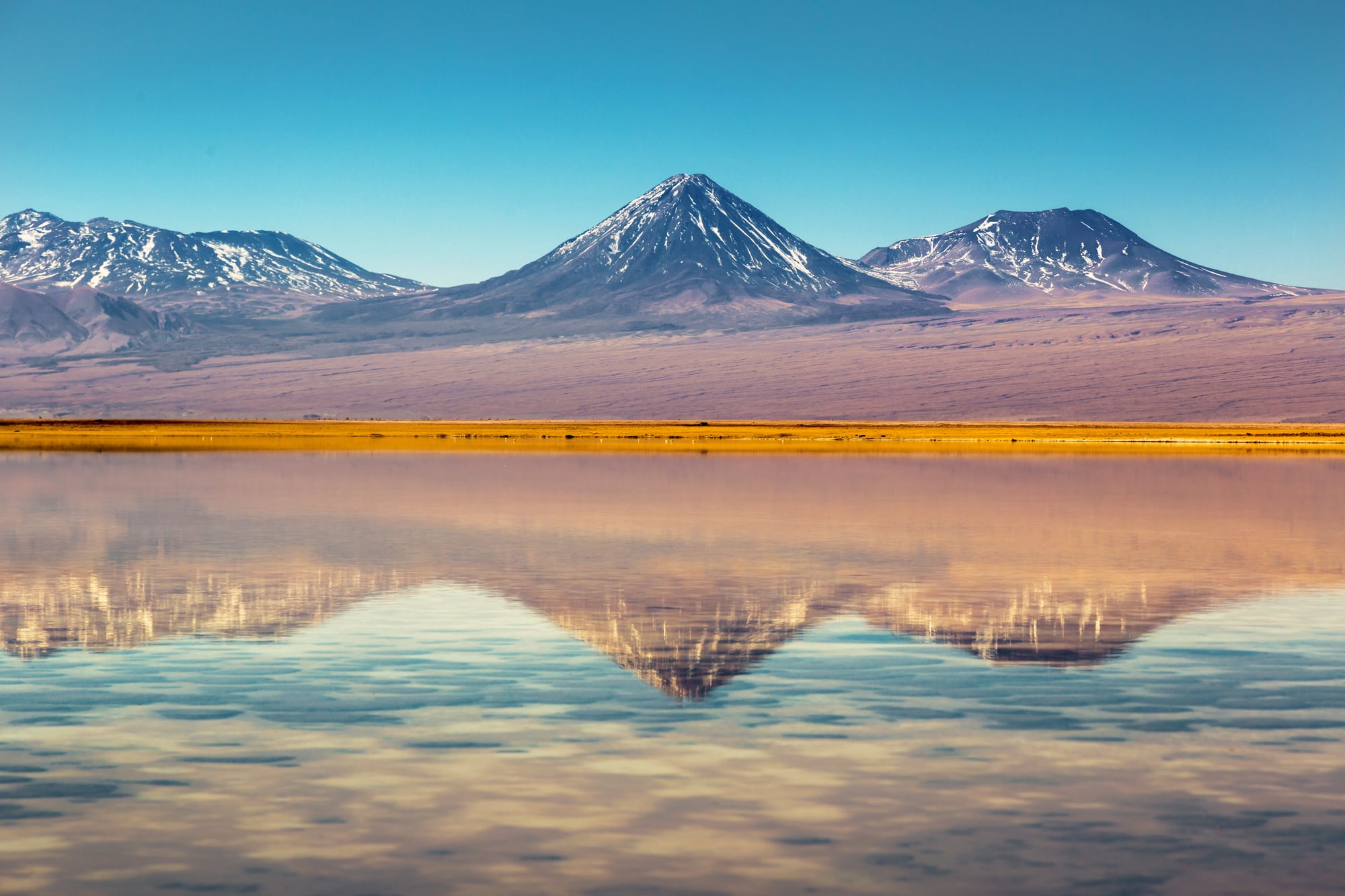
The Atacama Desert represents the opposite extreme. Some weather stations in this Chilean desert have never recorded any rainfall.
Not a single drop. Ever.
Parts of the Atacama have gone without measurable precipitation for decades. The average annual rainfall across the desert measures less than 0.6 inches (15 mm), and some areas get essentially zero.
The combination of high altitude, cold ocean currents, and coastal mountains creates conditions where rain clouds simply never form.
Despite the aridity, life persists in the Atacama. Microorganisms survive in the soil.
Cacti and hardy shrubs cling to existence in slightly less hostile areas. NASA uses the Atacama as a testing ground for Mars rovers because the landscape resembles what scientists expect to find on the Red Planet.
Mount Thor, Canada: The World’s Greatest Vertical Drop

Mount Thor in Auyuittuq National Park on Baffin Island boasts the world’s tallest vertical cliff face. The granite wall plunges 4,101 feet (1,250 meters) straight down.
The angle actually overhangs by 15 degrees, meaning the bottom extends outward from the top.
Rock climbers consider Mount Thor one of the ultimate challenges. The first successful ascent of the vertical face took 33 days.
The rock offers few natural holds, and the weather turns hostile without warning. Climbers dealing with this wall need technical skills that go far beyond what most mountaineers ever develop.
The name comes from Norse mythology—Thor, the god of thunder. Looking up at that massive wall of stone, you understand why early explorers chose that particular deity.
The scale overwhelms you. Your brain struggles to process something that tall and that steep all at once.
Al Aziziyah, Libya: The Hottest Temperature Debate

For decades, Al Aziziyah held the record for the highest temperature ever recorded—136°F (58°C) on September 13, 1922. That record stood for 90 years before meteorologists took it away in 2012.
An international panel investigated the measurement and found multiple problems. The thermometer placement seemed questionable.
The person taking the reading lacked proper training. The pavement surface probably inflated the number.
After careful analysis, the World Meteorological Organization invalidated the record.
Death Valley reclaimed the top spot. But Al Aziziyah still gets unbearably hot during summer.
Even without the official record, this Libyan town remains one of the most scorching places humans have ever measured. The debate shows how carefully scientists verify these extreme measurements.
Angel Falls, Venezuela: The World’s Tallest Waterfall

Water drops 3,212 feet (979 meters) from the top of Angel Falls before hitting anything solid. That makes it the tallest uninterrupted waterfall on the planet.
The water falls so far that much of it turns to mist before reaching the bottom.
The falls cascade off the edge of Auyán-tepui, a flat-topped mountain in Venezuela’s Canaima National Park. The indigenous Pemon people knew about the falls for centuries, but the location remained unknown to the outside world until American aviator Jimmie Angel spotted it from the air in 1933.
Getting to Angel Falls requires effort. You take a flight to Canaima, then travel upriver by boat, then hike through the jungle.
The remote location keeps visitor numbers down, which preserves the pristine nature of the area. When you finally see the falls, the scale defies belief.
Water appears to pour off the edge of the world.
Mariana Trench: Deepest Point on Earth
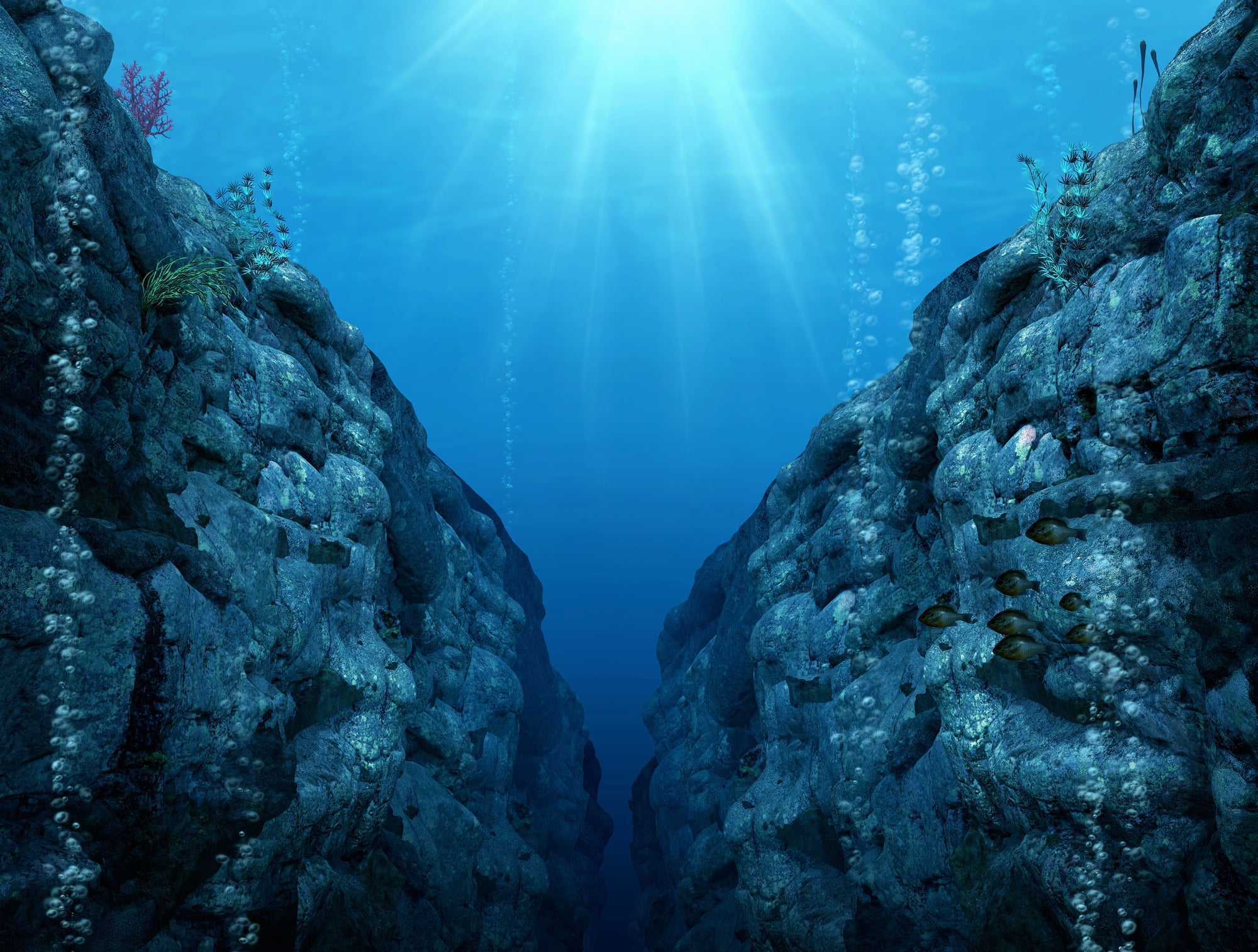
The Mariana Trench plunges deeper into the ocean than Mount Everest reaches into the sky. The deepest section, called Challenger Deep, drops down 36,070 feet (10,994 meters) below sea level.
That depth creates pressure so intense that it would crush most submarines instantly.
Only a handful of people have ever reached the bottom. Director James Cameron made the descent in 2012, spending hours exploring a landscape that looks like another planet.
Strange creatures adapted to crushing pressure live in total darkness. The water temperature hovers just above freezing.
Scientists keep discovering new species in the trench. Life finds ways to survive even in the most extreme environments Earth offers.
The trench reminds us that most of our planet remains unexplored. We know more about the surface of the moon than we do about the deepest parts of our own oceans.
Danakil Depression, Ethiopia: Hottest Year-Round Average Temperature

Death Valley holds the single-day heat record, but the Danakil Depression in Ethiopia maintains the highest average annual temperature. The mercury sits around 94°F (34.4°C) year-round.
The landscape looks apocalyptic. Volcanoes smolder.
Acid pools bubble. Salt flats stretch to the horizon.
Sulfur deposits create surreal yellow and orange patterns across the ground. The place smells like rotten eggs from the sulfuric gases venting from the earth.
Miners extract salt from the Danakil Depression despite the brutal conditions. They cut blocks from the ancient salt flats, load them onto camels, and trek through the desert to markets.
The work continues as it has for centuries, even though temperatures make the labor almost unbearable. People adapt to the most hostile environments when they need to.
Commonwealth Bay, Antarctica: Windiest Place on Earth

Wind in Commonwealth Bay regularly exceeds 150 mph (240 km/h). The area holds the record for the highest average wind speed on the planet—about 50 mph (80 km/h) year-round.
Gusts get strong enough to knock over heavy equipment and send loose items flying like missiles.
The wind comes from katabatic forces. Cold, dense air flows down from the Antarctic ice sheet, accelerating as gravity pulls it toward the coast.
By the time it reaches Commonwealth Bay, the wind has built up tremendous speed and power.
Australian explorer Douglas Mawson established a base in Commonwealth Bay in 1912. His team quickly discovered they had chosen one of the windiest spots on Earth.
The constant gale made simple tasks nearly impossible. Leaving the shelter meant getting battered by winds that could freeze exposed skin in seconds.
Arica, Chile: Longest Rainless Period

Arica, a coastal city in northern Chile, once went 173 months without measurable rainfall. That streak lasted from October 1903 to January 1918.
More than 14 years without a single drop.
The city sits in the rain shadow of the Andes Mountains and right next to the Atacama Desert. Weather patterns that bring rain to most coastal cities simply bypass Arica.
The Humboldt Current creates a temperature inversion that prevents clouds from forming at the right altitude to produce precipitation.
Despite the extreme dryness, about 220,000 people live in Arica. The city gets water from rivers that originate in the mountains, where precipitation does fall.
Agriculture relies entirely on irrigation. Residents have learned to thrive in a place where rain qualifies as a once-in-a-lifetime event.
La Rinconada, Peru: Highest Permanent Settlement

La Rinconada sits at 16,732 feet (5,100 meters) above sea level in the Peruvian Andes. About 50,000 people live in this gold mining town, making it the highest permanent human settlement on Earth.
The altitude creates brutal living conditions. Oxygen levels sit at about half what you would find at sea level.
People gasp for breath after climbing a single flight of stairs. Altitude sickness affects nearly everyone who visits.
The bitter cold makes winters almost unbearable.
Gold drew people to La Rinconada and keeps them there despite the hardships. Miners work in dangerous conditions, hoping to strike it rich.
The town lacks basic infrastructure. Waste piles up in the streets.
Yet the promise of gold outweighs the altitude, the cold, and the lack of amenities for thousands of people willing to endure the highest inhabited place on the planet.
The Dead Sea: Lowest Point on Land
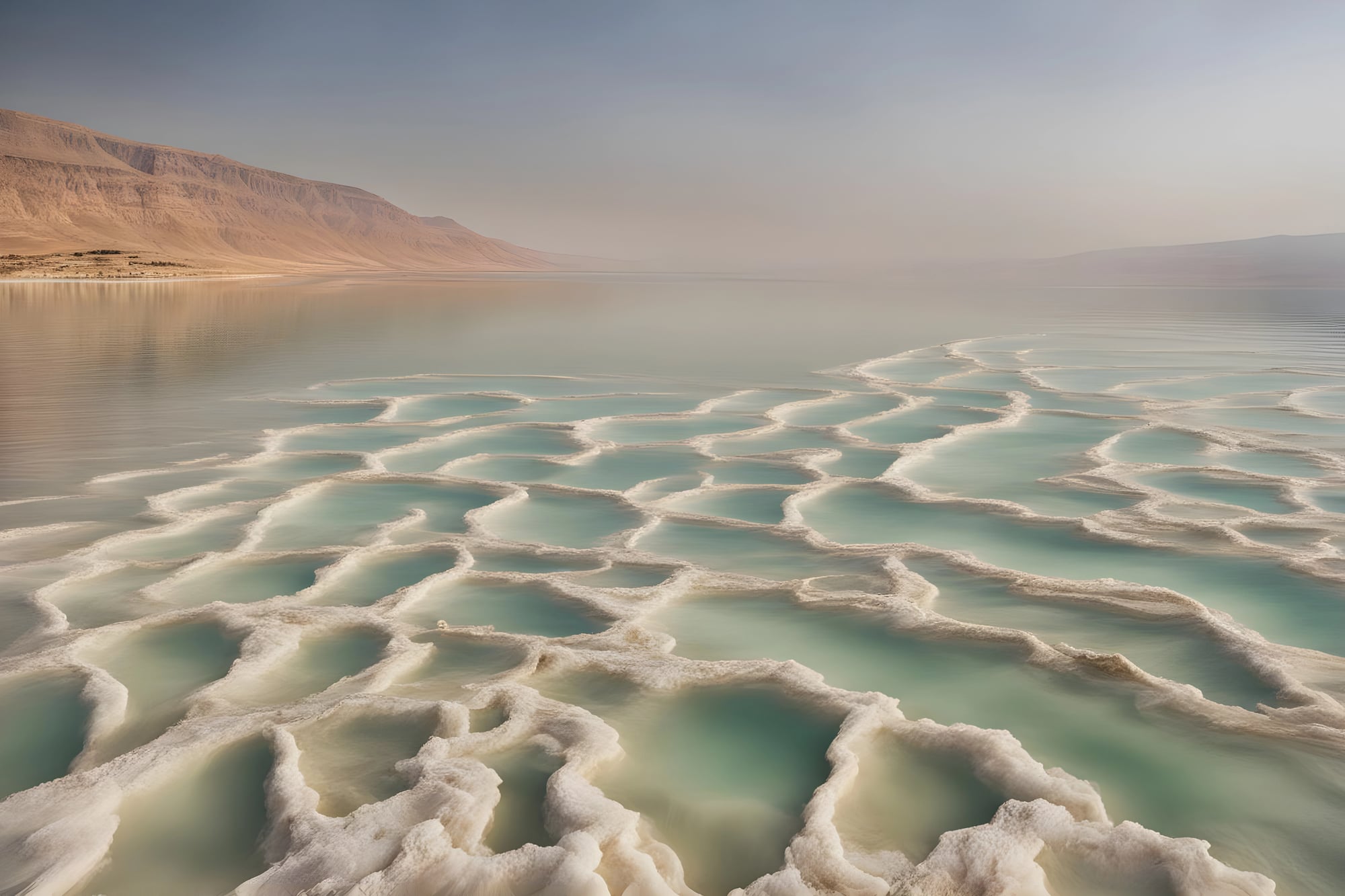
Down below – 1,410 feet under sea level – the Dead Sea rests. It claims the title of Earth’s lowest land spot.
Evaporation outpaces rain, pulling the shore lower each year.
Water in the Dead Sea holds around 34 percent salt – close to tenfold the strength of regular seawater. Because it’s so thick with minerals, sinking here is impossible.
Floating takes zero effort at all. Your body stays up easily, almost as if lifted by unseen hands.
Salt fills the water so thickly, living things struggle to survive. That emptiness gives the place its title: Dead Sea.
Not a single fish. No green strands waving under the surface.
Water packed with minerals stings the eyes, leaving a harshness on the tongue hard to describe. Still, visitors arrive drawn by floating easily and slathering on the dense, gritty mud said to help skin.
Where Records Meet Reality

What ties these top-scoring spots together isn’t just numbers on a page. Pushing past boundaries defines them – where nature stretches its rules, people test survival.
Proof comes through checks, then appears in print, occasionally sparking debate. Still, each stands as a true edge of the planet’s rawest edges.
Most spots here are reachable, should you choose. People travel far for Death Valley just as others do for the Dead Sea.
Climbing Mount Thor draws some, while deep drops into the Mariana Trench call to different souls. What matters isn’t the title each place holds – it’s standing there, where Earth feels furthest from everyday life, realizing how thin the idea of normal really is.
More from Go2Tutors!

- The Romanov Crown Jewels and Their Tragic Fate
- 13 Historical Mysteries That Science Still Can’t Solve
- Famous Hoaxes That Fooled the World for Years
- 15 Child Stars with Tragic Adult Lives
- 16 Famous Jewelry Pieces in History
Like Go2Tutors’s content? Follow us on MSN.