Most Expensive Cars Lost to History
Rarity drives car collecting more than anything else. A few hundred units made, a history on racetracks, or once belonging to someone well known – these things lift a vehicle into million-dollar territory.
But certain models that should have fetched huge sums vanished before their moment arrived. Crashed beyond repair, sold for parts, taken without trace, left rotting in barns – many slipped through the cracks while no one was looking.
Looking back, those vanished cars seem unreal now. One that seemed outdated years ago could fetch millions at an auction today.
Things tossed aside long ago are now beyond value, while time stretches wide between then and now. That space holds a quiet sorrow in how we see old machines differently later.
Peering into the past reveals a few ultra-rare automobiles that vanished without a trace. Their absence shifted what collectors value overnight.
Some disappeared mid-journey, others were scrapped by accident. Each loss left behind gaps no amount of money can fill.
Rumors swirl around garages where they might sleep untouched. Over time, myths grew louder than facts ever did.
Interest spiked every time a blurry photo surfaced online. These machines became more legendary than metal.
Demand soared even though supply hit zero. Ownership dreams turned into lifelong searches instead.
Ferrari 250 GTO
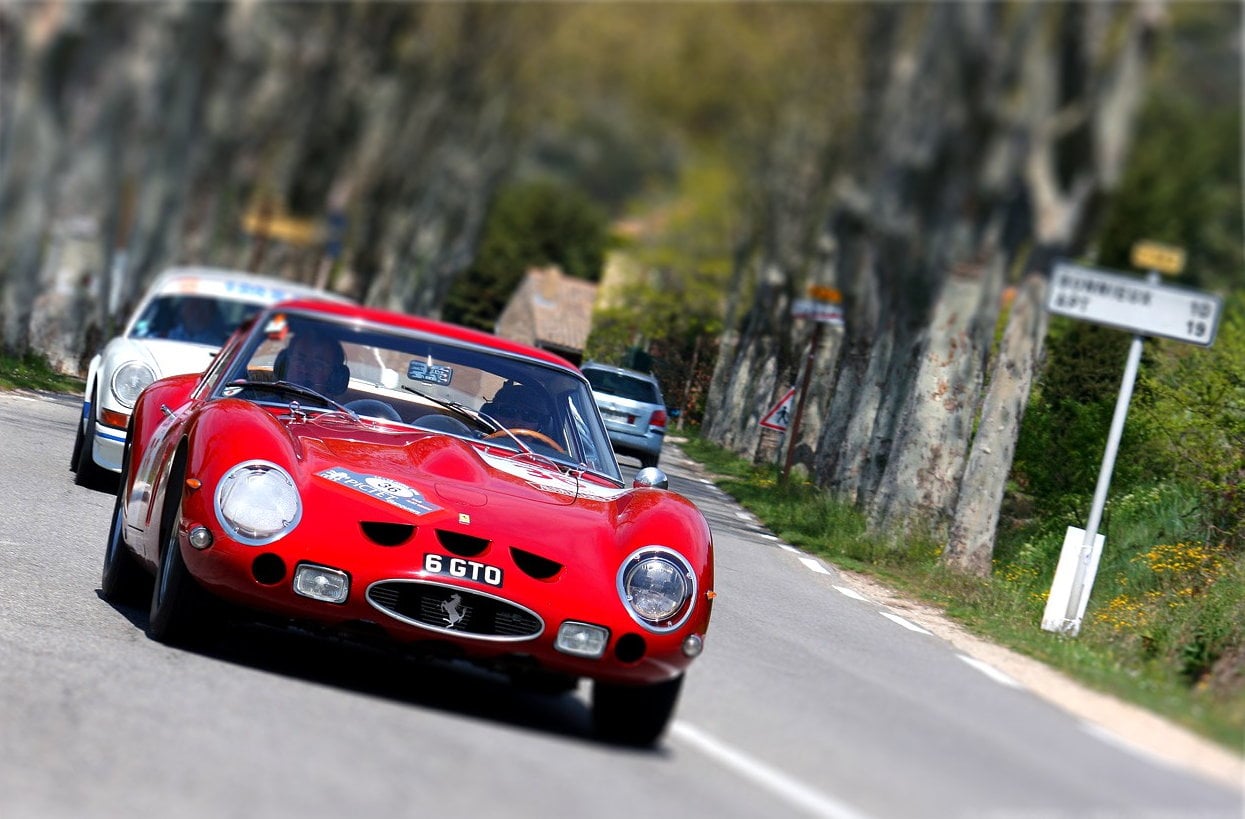
The Ferrari 250 GTO is widely considered one of the most valuable cars ever built. With only 36 produced between 1962 and 1964, surviving examples have sold for well over $50 million in recent private transactions.
Its racing success and sculpted design placed it at the pinnacle of collector demand. Not all of them survived intact.
Several 250 GTOs were destroyed in crashes during racing or testing in the 1960s, long before their astronomical future values were imagined. At the time, they were high-performance machines meant to be driven hard.
Today, each lost chassis represents a vanished fortune and an irreplaceable piece of motorsport history.
Bugatti Type 57SC Atlantic

The Bugatti Type 57SC Atlantic stands as one of the most revered prewar automobiles ever created. Only four were built, and just two are confirmed to survive in their original form.
One, often referred to as the ‘La Voiture Noire,’ disappeared during the early years of World War II. The car was reportedly sent by train from France to escape advancing forces and was never seen again.
Modern estimates suggest that, had it survived, it could be worth well over $100 million. Its disappearance transformed it into legend, turning absence itself into part of its mystique.
Porsche 550 Spyder

The Porsche 550 Spyder became globally famous after actor James Dean was killed in one in 1955. Following the crash, parts of the car were salvaged and reused, while the remaining structure was reportedly lost during transport years later.
Although not the rarest Porsche of its era, its cultural significance dramatically increased its perceived value. The disappearance of what remained of the original car only deepened its mythology.
In collector circles, provenance often matters as much as engineering, and this particular Spyder represents both triumph and tragedy.
Mercedes-Benz 300 SLR
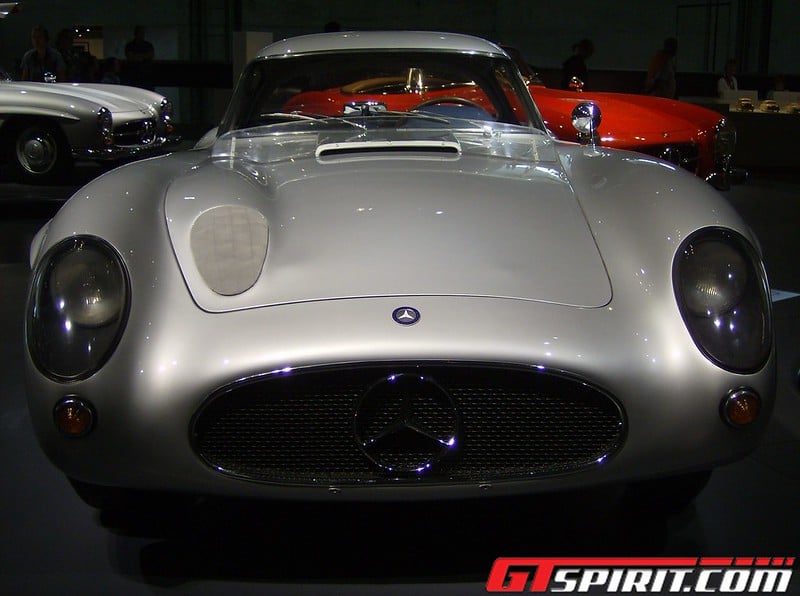
The Mercedes-Benz 300 SLR is among the most historically significant racing machines ever built. A surviving example sold for a record-breaking price in the modern auction era, confirming its status as one of the most valuable cars in existence.
Yet several 300 SLR race cars were destroyed in competition during the 1950s. At the time, racing danger was accepted as part of the sport.
No one could have predicted that decades later, these machines would be treated as rolling masterpieces worth extraordinary sums. Each lost example tightened the scarcity that defines the surviving cars’ value today.
Jaguar Lightweight E-Type
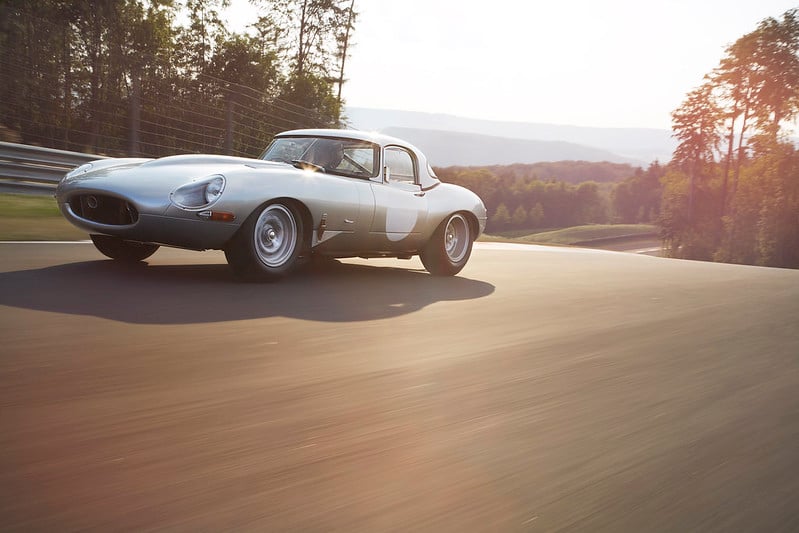
The Jaguar Lightweight E-Type was designed for racing, with only a small batch produced. Many were campaigned aggressively and suffered significant damage.
In several cases, cars were dismantled or written off when repair costs exceeded perceived value. Decades later, Jaguar even resumed production of continuation models based on the original specifications.
That decision underscored how valuable the originals had become. The examples lost during racing now represent millions in vanished value, and their absence continues to shape collector demand.
Shelby Cobra Daytona Coupe
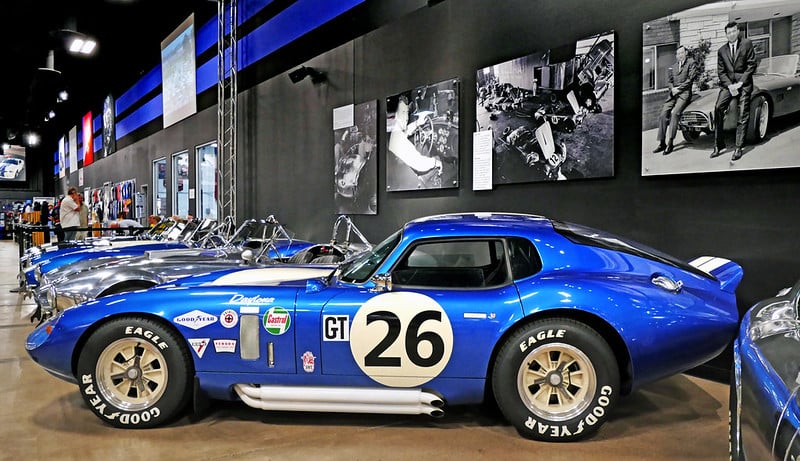
The Shelby Cobra Daytona Coupe was built to challenge Ferrari in international racing. Only six were produced, and their racing history cemented their place in American automotive lore.
Surviving cars have achieved enormous auction prices. One chassis was believed lost for decades before eventually resurfacing in dramatically altered form.
During its disappearance, many assumed it had been scrapped or destroyed. The episode highlighted how easily even landmark cars can slip out of view, especially before the collector market recognises their importance.
Ford GT40 Prototype
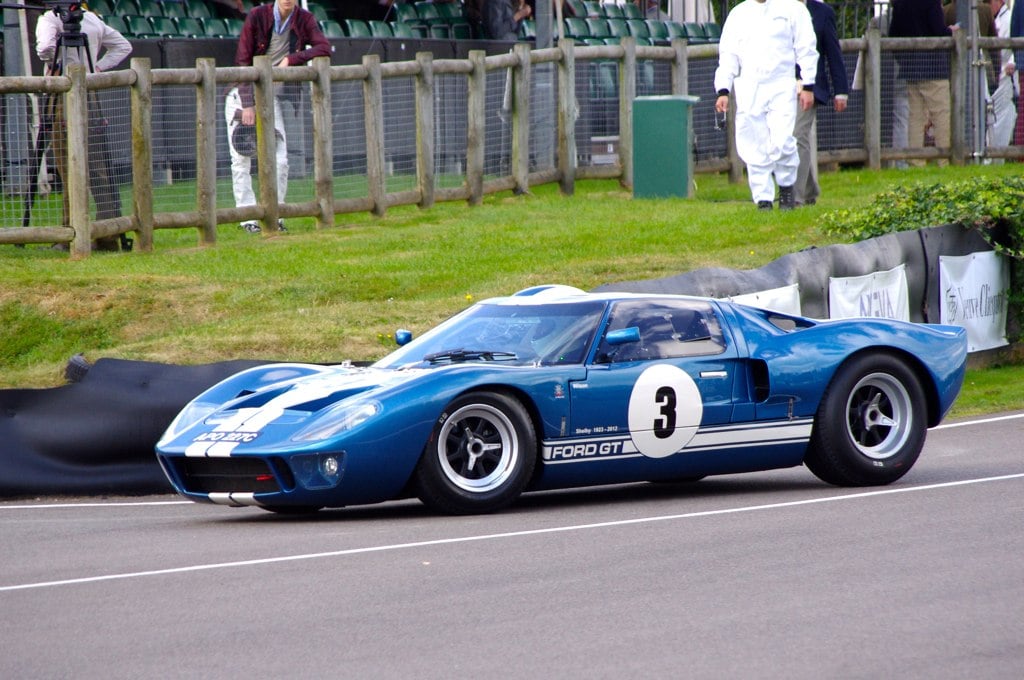
The Ford GT40 is synonymous with endurance racing glory. Early prototypes, however, endured heavy testing and multiple failures before the model achieved success.
Some early cars were dismantled or heavily modified beyond recognition. If preserved in original form, those prototypes would likely command staggering values today.
Their loss reflects a practical mindset common in mid-century motorsport, where performance mattered more than preservation. Only later did the historical significance of these early iterations become clear.
Talbot-Lago T150-C SS
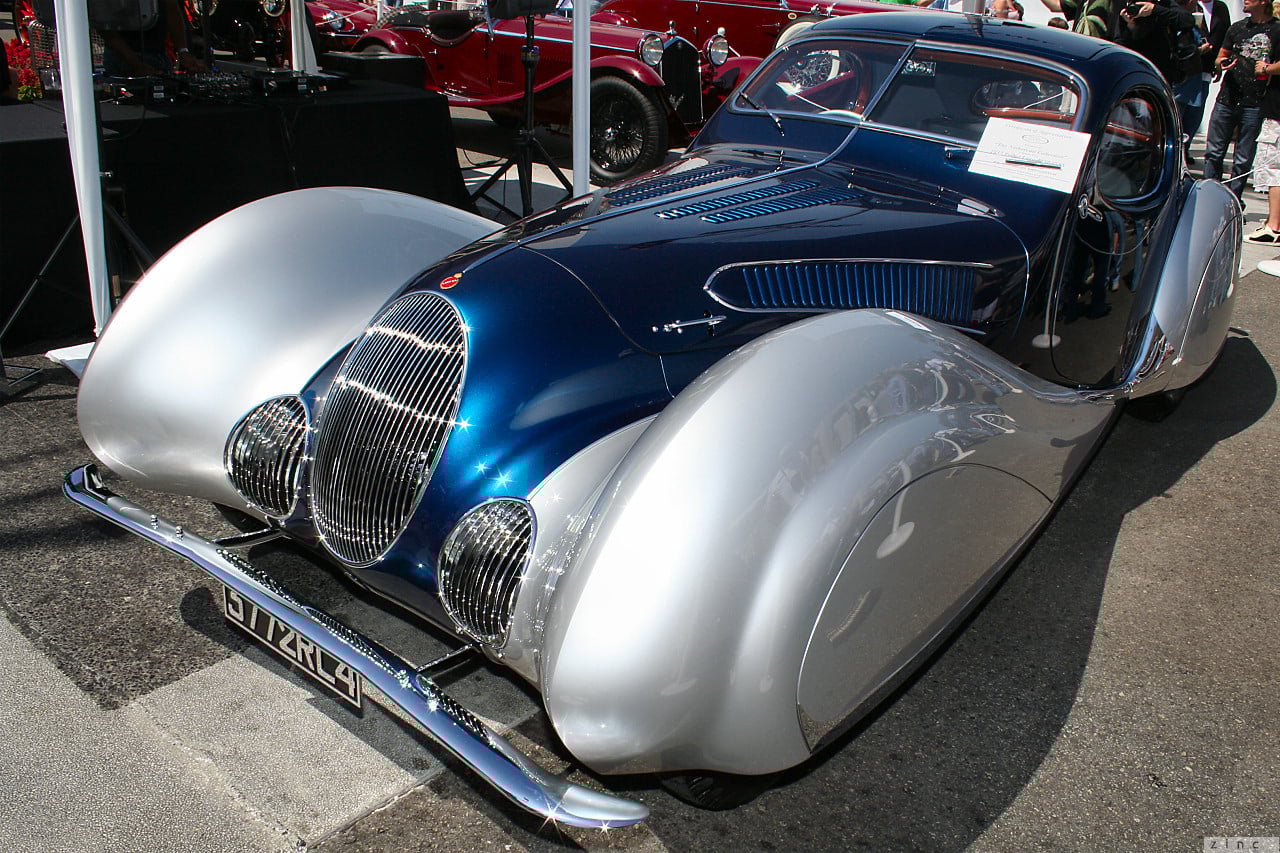
The Talbot-Lago T150-C SS, especially those with distinctive coachwork, ranks among the most elegant prewar automobiles ever built. Surviving examples have sold for tens of millions at auction.
Yet several were lost during wartime disruptions and postwar scrapping. Luxury cars of the 1930s were not always cherished through economic hardship.
As tastes changed and maintenance costs rose, some were dismantled without ceremony. The surviving cars owe part of their value to those that did not endure.
Aston Martin DB4 GT Zagato

The Aston Martin DB4 GT Zagato combined British engineering with Italian design flair. With extremely limited production numbers, it quickly became one of the most sought-after grand tourers ever built.
A handful were wrecked in racing or modified beyond originality during periods when resale value did not justify meticulous restoration. Today, pristine examples command extraordinary prices.
Each lost or irreversibly altered car narrows the pool of authentic survivors, reinforcing how fragile exclusivity can be.
Duesenberg Model J
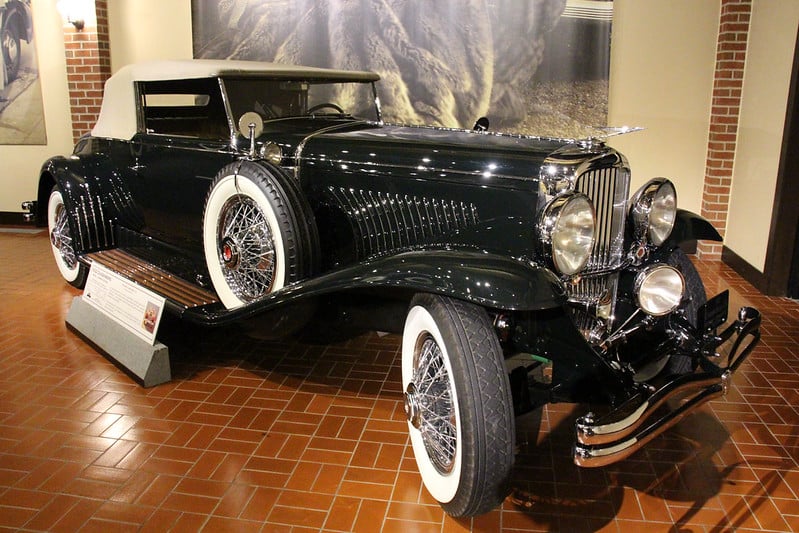
The Duesenberg Model J symbolised American luxury in the late 1920s and early 1930s. Custom-bodied examples were built for industrialists and Hollywood stars, many with unique designs that would be irreplaceable today.
During the Great Depression and World War II, numerous Duesenbergs were scrapped for their metal or abandoned when upkeep proved too costly. At the time, they were outdated machines.
Today, even incomplete examples command vast sums, making each lost car feel like a vanished work of art.
Why So Many Were Lost

In earlier decades, cars were not treated as long-term assets. They were tools, race machines, or status symbols meant to be replaced as technology advanced.
Insurance payouts are rarely considered historical significance. If repair costs exceeded value, scrapping was the practical solution.
Only later did the collector market elevate certain models into cultural artifacts. By then, countless examples had already disappeared.
Scarcity was not designed, it was accidental.
How Loss Created Value
Ironically, the destruction of many high-performance and luxury cars intensified the desirability of those that survived. Limited production runs became even smaller.
Racing damage and wartime disruption thinned the population further. That attrition fuels modern auction headlines.
When a car crosses the block for tens of millions, part of that price reflects the examples that no longer exist. Rarity is not only about how many were built, but how many endured.
When Absence Becomes History

Priceless machines vanished simply because nobody cared at the time. One generation shrugs – next treats rust as treasure.
Slowness of appreciation bends how we see things later on. Worth trails behind changing eyes, never ahead.
Out in the open, old models that no longer exist still shape what buyers want. Their missing presence tells builders and those who save cars that time can erase anything.
When it comes to vehicles, just lasting long enough becomes an odd kind of victory.
More from Go2Tutors!

- The Romanov Crown Jewels and Their Tragic Fate
- 13 Historical Mysteries That Science Still Can’t Solve
- Famous Hoaxes That Fooled the World for Years
- 15 Child Stars with Tragic Adult Lives
- 16 Famous Jewelry Pieces in History
Like Go2Tutors’s content? Follow us on MSN.



