Most Valuable Tamagotchi Versions Ever Released
Nothing quite captures nostalgia like a small plastic device that demanded your attention every few hours or threatened to die. The Tamagotchi phenomenon swept through the ’90s and early 2000s, creating a generation of digital pet parents who sneaked their devices into classrooms and boardrooms alike.
While most of these virtual companions were affordable toys, some versions have become serious collector’s items worth hundreds or even thousands of dollars. The rarity of certain releases, combined with their cultural impact and the relentless march of nostalgia, has transformed what were once simple children’s toys into highly sought-after treasures.
Limited production runs, regional exclusives, and special collaborations have all contributed to creating a secondary market where pristine examples command premium prices.
Original Tamagotchi P1
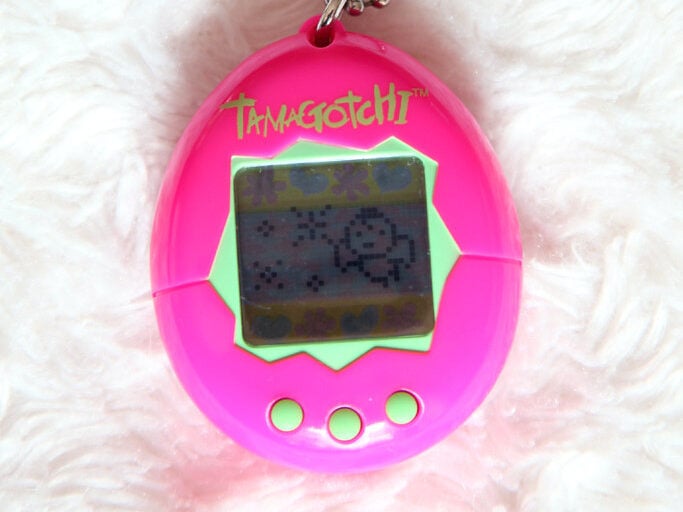
The granddaddy of them all still holds serious value. Released in Japan in 1996, the original P1 model launched the entire digital pet craze with its simple black-and-white LCD screen and three-button interface.
Mint-in-package examples from the original Japanese run regularly sell for $300-500, with particularly rare shell designs pushing even higher. The translucent purple and green versions are especially coveted.
What makes these valuable isn’t just their historical significance — it’s their increasingly fragile nature (those LCD screens weren’t built to last three decades) combined with the fact that most kids actually opened and played with theirs, making sealed examples genuinely scarce.
Tamagotchi Angel
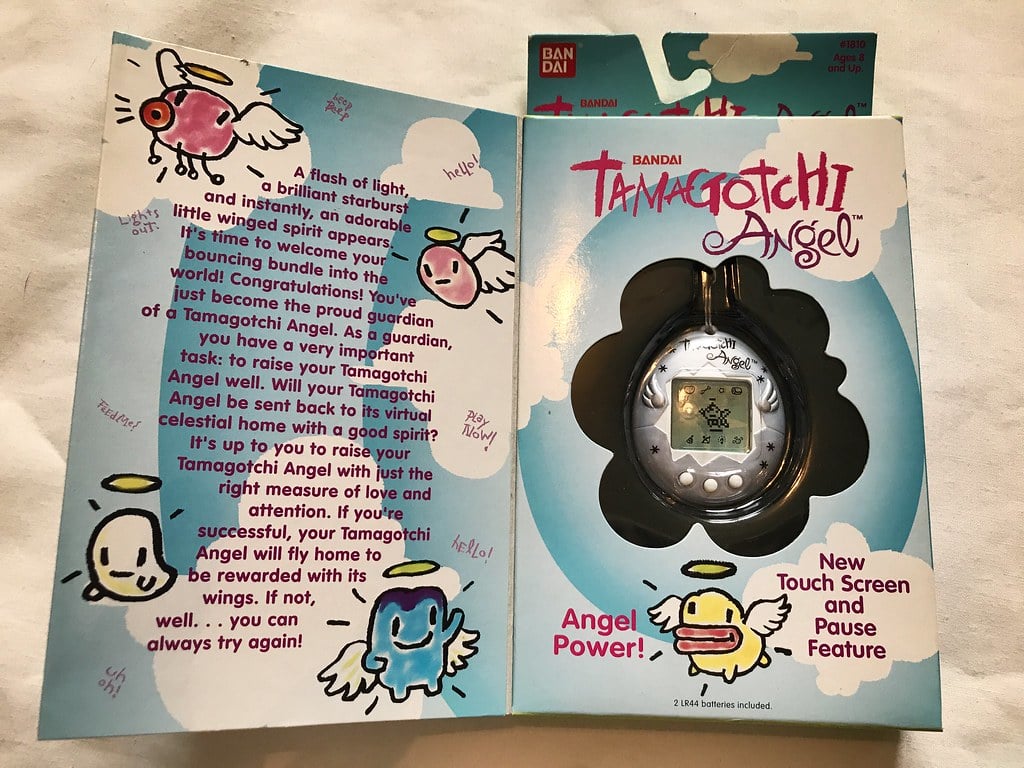
Angels were different, and that difference makes them expensive today. Released in 1997 as a spin-off of the main line, these devices featured deceased Tamagotchis who had become angels, complete with wings and halos in the pixel art.
The morbid twist on the formula — your pet was already dead and you were helping them navigate the afterlife — proved controversial enough that production was limited (which explains the current $400-800 price range for mint examples, depending on shell design). But controversy breeds collectibility, and the Angel’s unique gameplay mechanics involving prayer and good deeds rather than feeding and cleaning created a devoted following that refuses to let these fade into obscurity.
Devilgotch
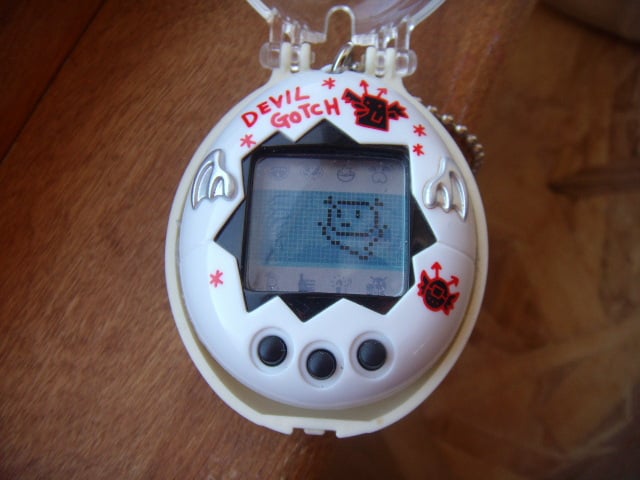
While Angels ascended to digital heaven, Devilgotch took the opposite route with gleeful enthusiasm. These 1998 releases featured demon versions of the classic pets, complete with pitchforks, devil horns, and gameplay focused on mischief rather than nurturing — your goal was to raise the most troublesome devil possible, rewarding neglect and poor care that would kill a regular Tamagotchi.
The contrast was delicious: a toy that taught children to be deliberately bad caretakers. Religious groups weren’t thrilled (which probably helped sales among rebellious teenagers), but the limited production run means finding one today requires both luck and deep pockets. Expect to pay $500-1000 for a boxed example, with the rare silver shell pushing toward the higher end of that range.
Tamagotchi Ocean
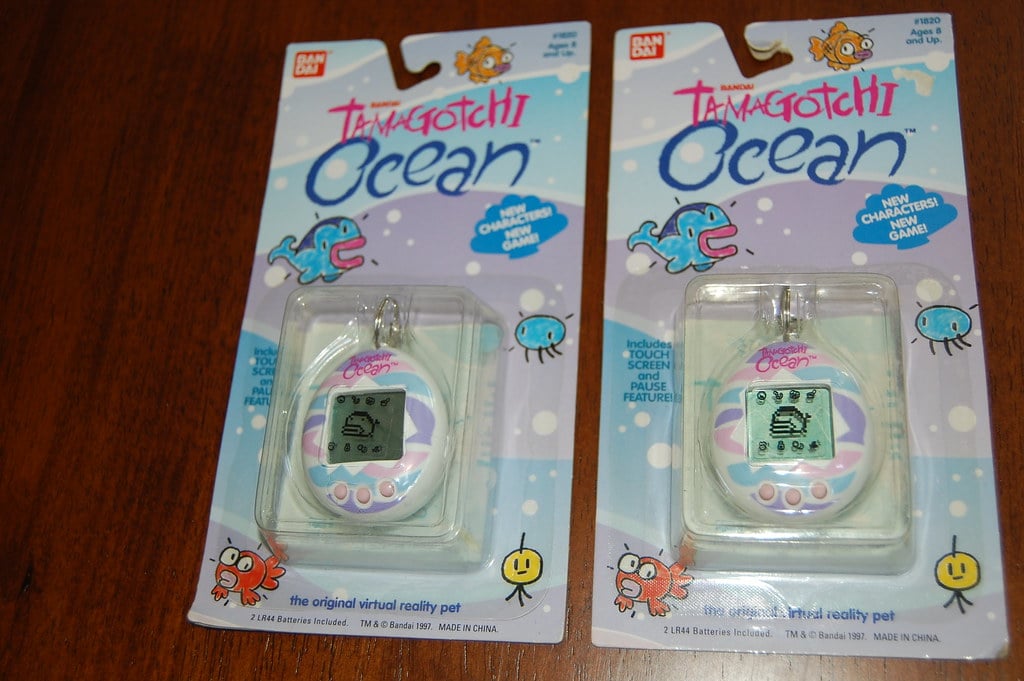
Water changes everything, and the Ocean version proved that digital pets could evolve beyond their terrestrial origins. Released in 1998, these featured aquatic creatures that required different care routines — water temperature monitoring, pollution management, and protection from predators that could attack your pet without warning.
The Ocean’s difficulty level was notorious. Predator attacks happened randomly throughout the day and night, meaning your sea creature could die while you slept if you forgot to activate the defense system.
This unforgiving gameplay loop meant fewer people kept their Ocean alive long enough to see all the possible evolutions, making it both frustrating to play and expensive to collect today. Mint examples hover around $400-600, with the clear blue shell being the most sought-after variation.
Angelgotch
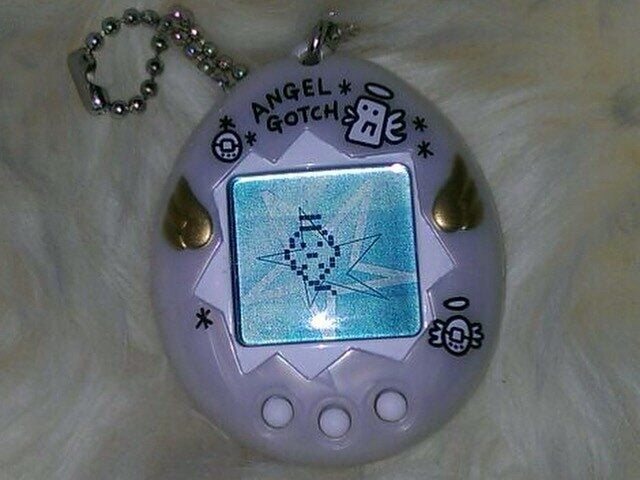
Not to be confused with the regular Angel, the Angelgotch was a Japanese exclusive that took the heavenly concept even further. These featured more complex angel evolution paths and additional gameplay mechanics that never made it to international releases.
What makes them particularly valuable — beyond the obvious regional exclusivity — is how they represent the peak of the original Tamagotchi era’s experimentation. The developers were clearly pushing the boundaries of what the simple hardware could accomplish, cramming in features that would later appear in more advanced models.
Finding one outside Japan requires both patience and significant financial commitment, with prices ranging from $600-1200 depending on condition and shell rarity.
Mothra Tamagotchi
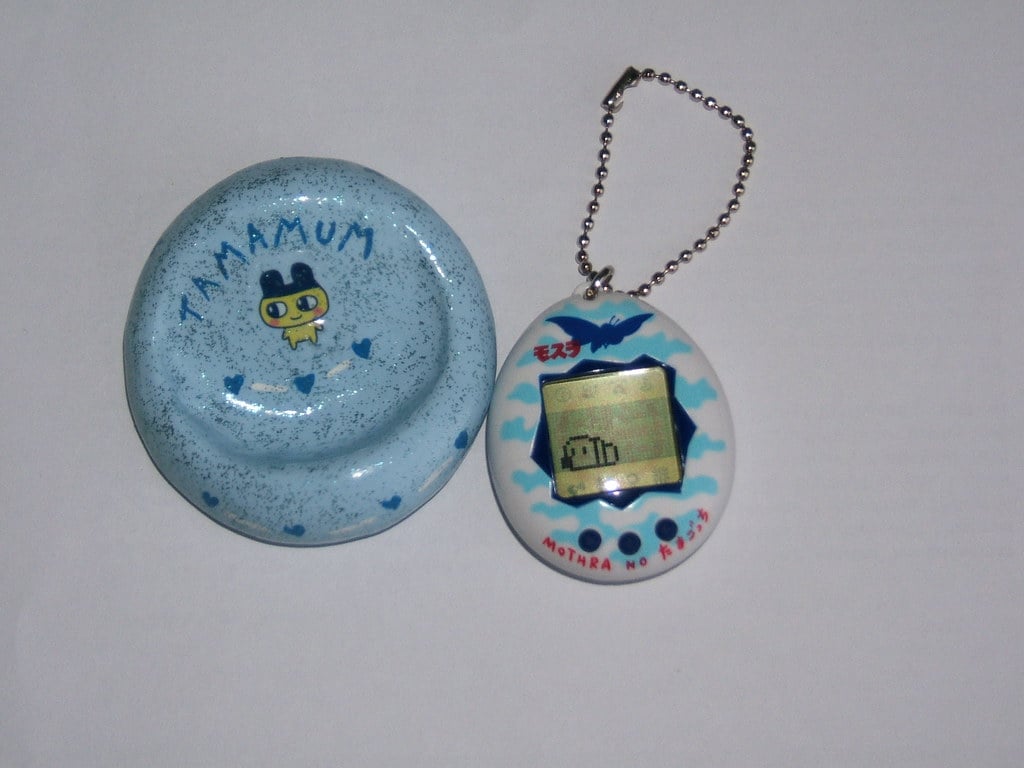
Sometimes corporate synergy creates unexpected magic. The 1997 collaboration between Bandai and Toho Studios produced a Tamagotchi based on Mothra, the giant moth from the Godzilla film franchise — and the result was wonderfully strange.
Instead of the usual pet care routine, players guided Mothra through different life stages while defending Tokyo from other kaiju. The gameplay combined traditional Tamagotchi elements with monster movie references that delighted both demographics.
Limited production (this was clearly a niche crossover) and the devoted following of both Tamagotchi collectors and kaiju fans has pushed prices into the $800-1500 range, making it one of the most expensive vintage Tamagotchis on the secondary market.
Yasashii Tamagotch
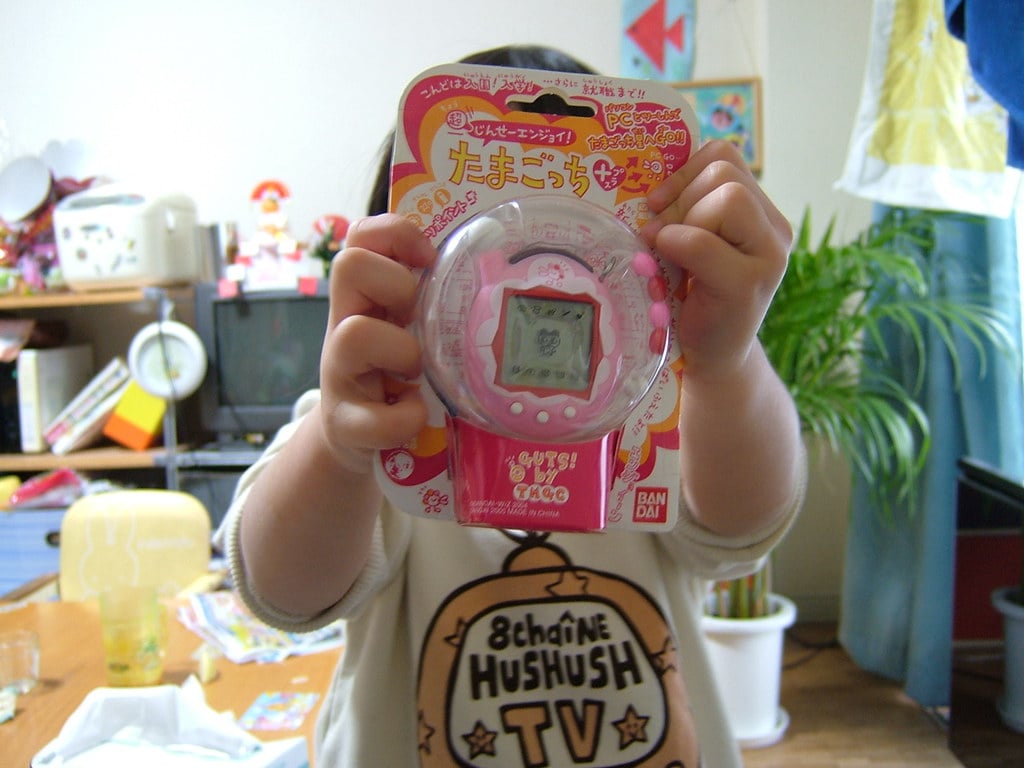
The “Gentle Tamagotchi” lived up to its name by removing the pressure and difficulty that defined most versions. Released exclusively in Japan, these were designed for younger children who found regular Tamagotchis too stressful — pets lived longer, required less frequent care, and were generally more forgiving of neglect.
But gentle doesn’t mean common. The Yasashii’s limited release and unique pastel shell designs have made it a holy grail for completionist collectors.
The irony is perfect: a Tamagotchi designed to be less demanding now demands the highest prices, with mint examples selling for $1000-2000. The soft pink and lavender shells are particularly coveted, representing peak kawaii culture from the original Tamagotchi era.
Santaclotchi
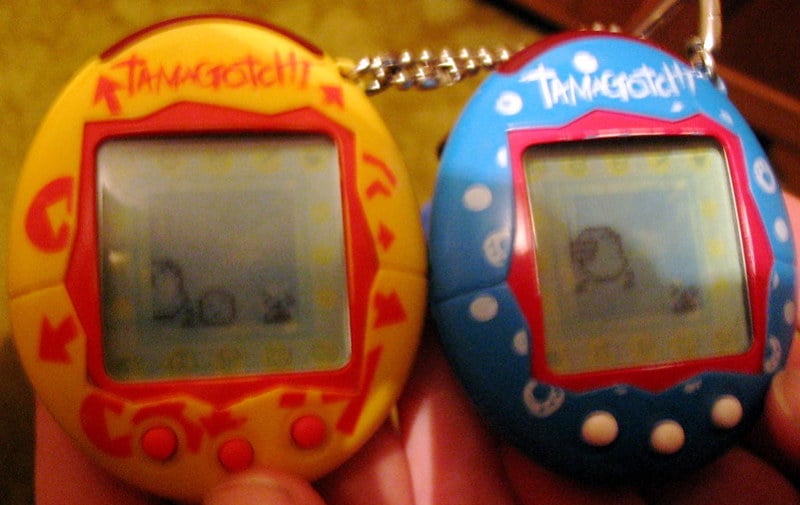
Holiday-themed electronics usually feel like cheap cash grabs, but Santaclotchi committed to the concept completely. Released only during the 1997 Christmas season, these featured Santa Claus as your digital pet, complete with seasonal mini-games and Christmas-themed evolution paths.
The commitment to seasonal theming extended to the shell designs — deep reds and greens with holiday iconography that made them instantly recognizable. What seemed like a novelty item at the time has become one of the most sought-after variants, partly because Christmas toys get played with heavily (reducing the number of mint examples) and partly because holiday nostalgia hits different.
Expect to pay $600-1000, with prices spiking even higher during the actual Christmas season when nostalgia-driven buyers enter the market.
Tamagotchi Osutchi and Mesutchi
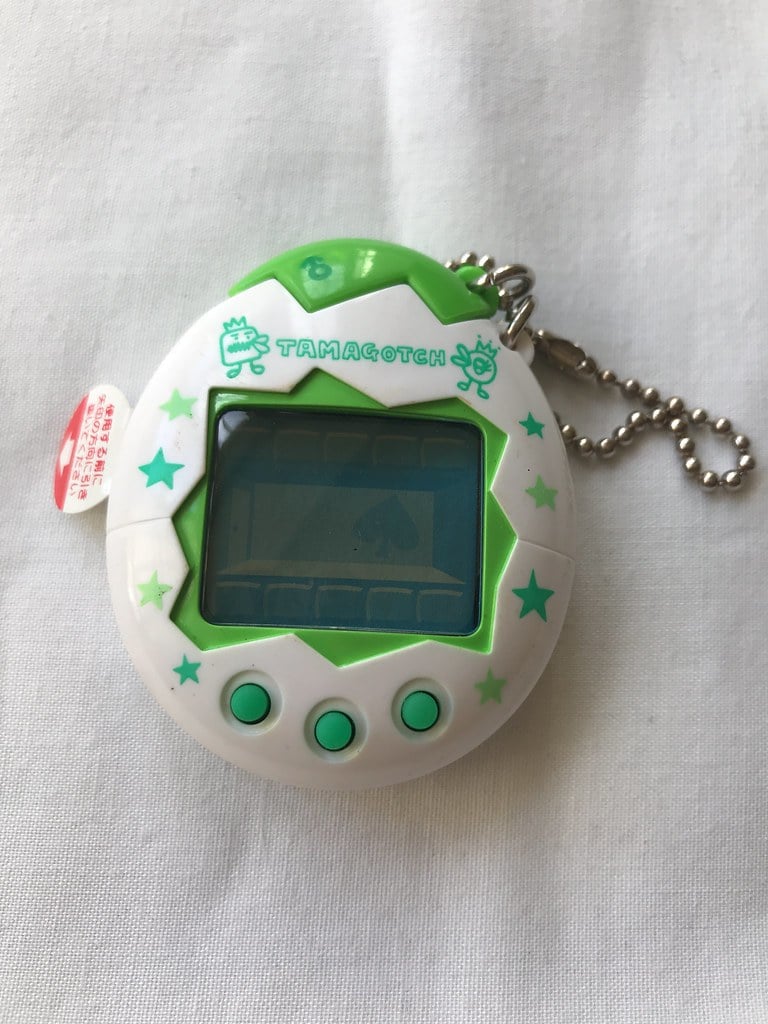
The “male” and “female” Tamagotchis were sold as a pair, and that’s still how collectors prefer to buy them. Released in Japan in 1997, these introduced breeding mechanics — connect two devices and your pets could produce offspring that inherited traits from both parents.
The breeding system was revolutionary for its time, requiring players to own both versions to access the full gameplay experience. This created an interesting collector’s market dynamic where individual devices sell for $300-500, but matched pairs in good condition command $800-1400.
The red hearts and blue stars shell designs are the most recognizable, though several other patterns were produced in smaller quantities and now sell for premium prices.
Forest Tamagotchi (Mori no Tamagotch)
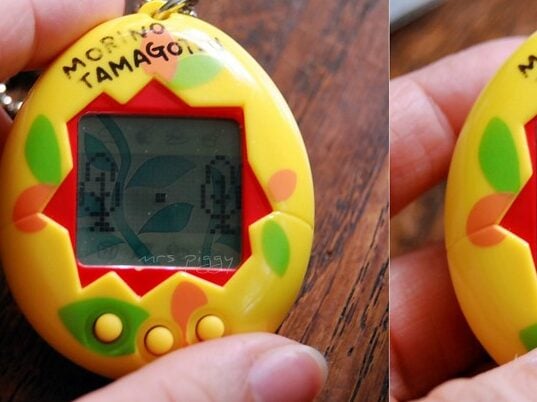
Trees grow slowly, and so did the creatures in the Forest Tamagotchi. This Japanese exclusive focused on nature-themed pets that required different care routines based on seasonal changes and environmental factors — your digital pet’s needs shifted based on weather patterns and the passage of time.
The environmental theme resonated with the growing ecological awareness of the late ’90s, but the slower pace of gameplay made it less immediately appealing to children accustomed to more instant gratification. This resulted in lower sales but created a devoted following among players who appreciated the more contemplative approach.
Today, Forest Tamagotchis sell for $700-1200, with the green and brown camouflage shells being the most desirable variants.
Tamagotchi Plus Color
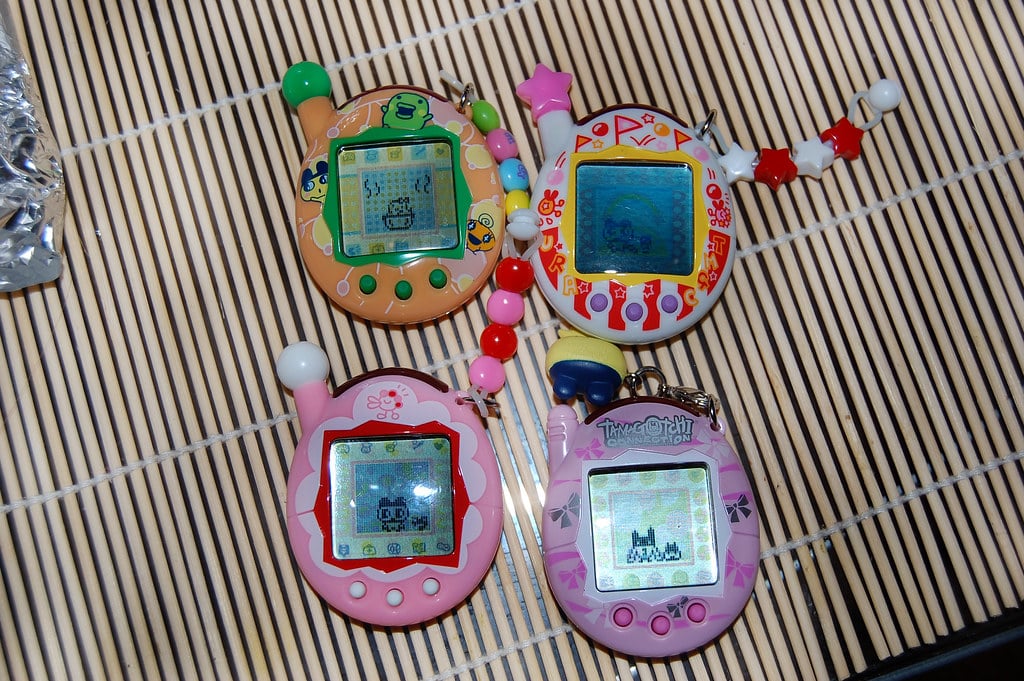
An enhanced full-color Tamagotchi represented a technological leap when the Tamagotchi Plus Color was released in Japan in 2008. After years of monochrome LCD screens, seeing your digital pet in full color felt revolutionary — and the expanded gameplay possibilities that came with the improved hardware justified the premium price point.
Limited international release means most examples outside Japan are imports, which adds to both the cost and the appeal. The Color introduced features that would become standard in later releases: downloadable content, infrared communication between devices, and significantly more complex care requirements.
Mint examples now sell for $400-800, with certain limited-edition shell designs pushing toward the higher end of that range.
Keitai Kaitsuu Tamagotchi Plus
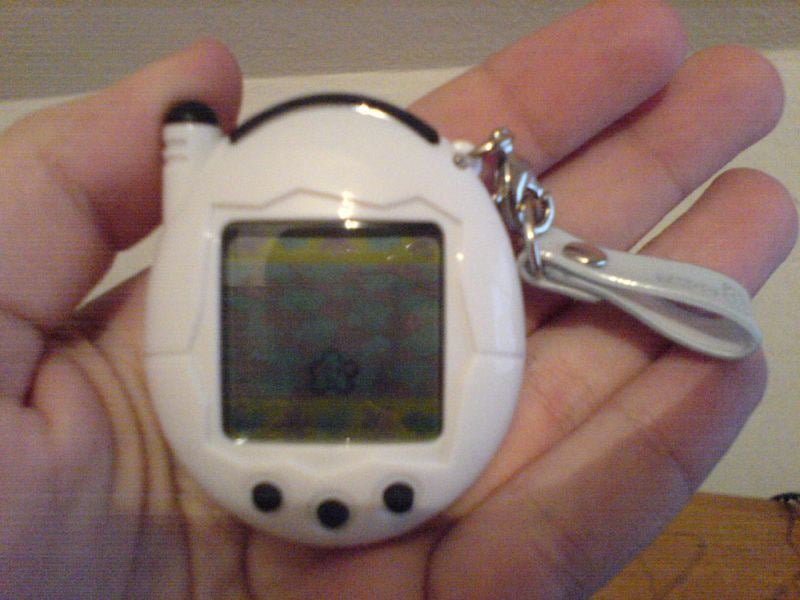
Before smartphones dominated mobile connectivity, Bandai experimented with internet-connected Tamagotchis. The Keitai (mobile phone) version allowed players to download new characters, items, and games directly to their device through a mobile phone connection — a feature that was genuinely ahead of its time.
The technology integration was impressive but expensive, limiting sales to tech-savvy collectors and dedicated fans willing to pay premium prices. The device required a compatible Japanese mobile plan to access its full features, making it largely irrelevant outside Japan at the time of release.
Today, that same technological advancement and regional exclusivity drives collector interest, with working examples selling for $500-900 depending on shell design and included accessories.
Ura Jinsei Enjoi Tamagotchi Plus
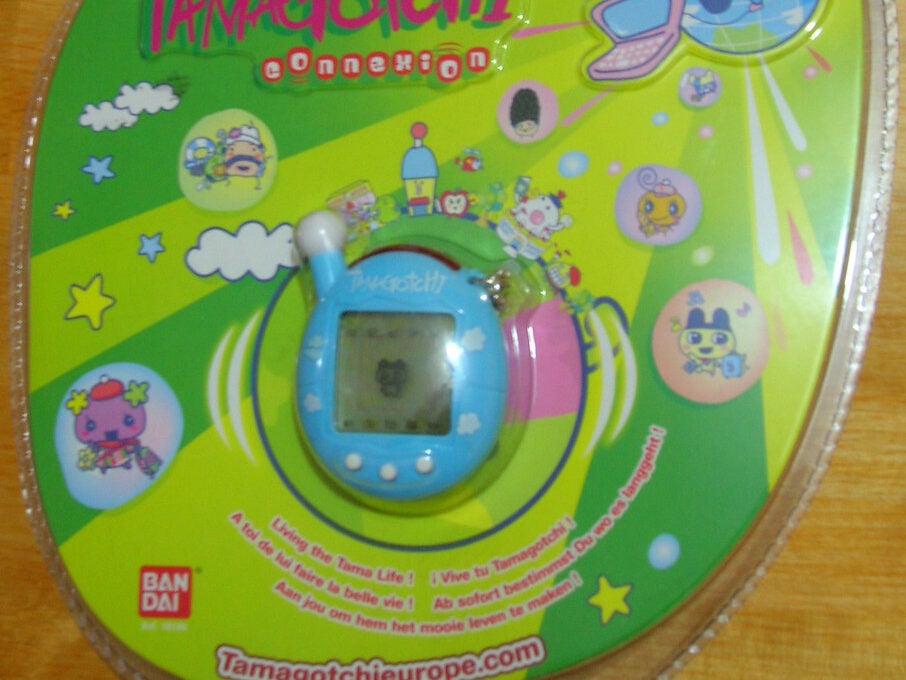
“Reverse Life Enjoyment” Tamagotchi took the concept in an unexpected direction by focusing on adult life simulation rather than pet care. Players guided their character through school, career choices, relationships, and retirement — essentially creating a life simulation game within the Tamagotchi framework.
The mature themes and complex gameplay mechanics appealed to the original Tamagotchi generation, who had grown up and wanted more sophisticated digital entertainment. Limited production and the unique gameplay concept have made these highly sought after by collectors who appreciate the evolutionary step they represented.
Prices range from $600-1100, with the business suit and wedding dress shell designs being particularly coveted for their thematic connection to the adult life simulation gameplay.
When Plastic Becomes Treasure
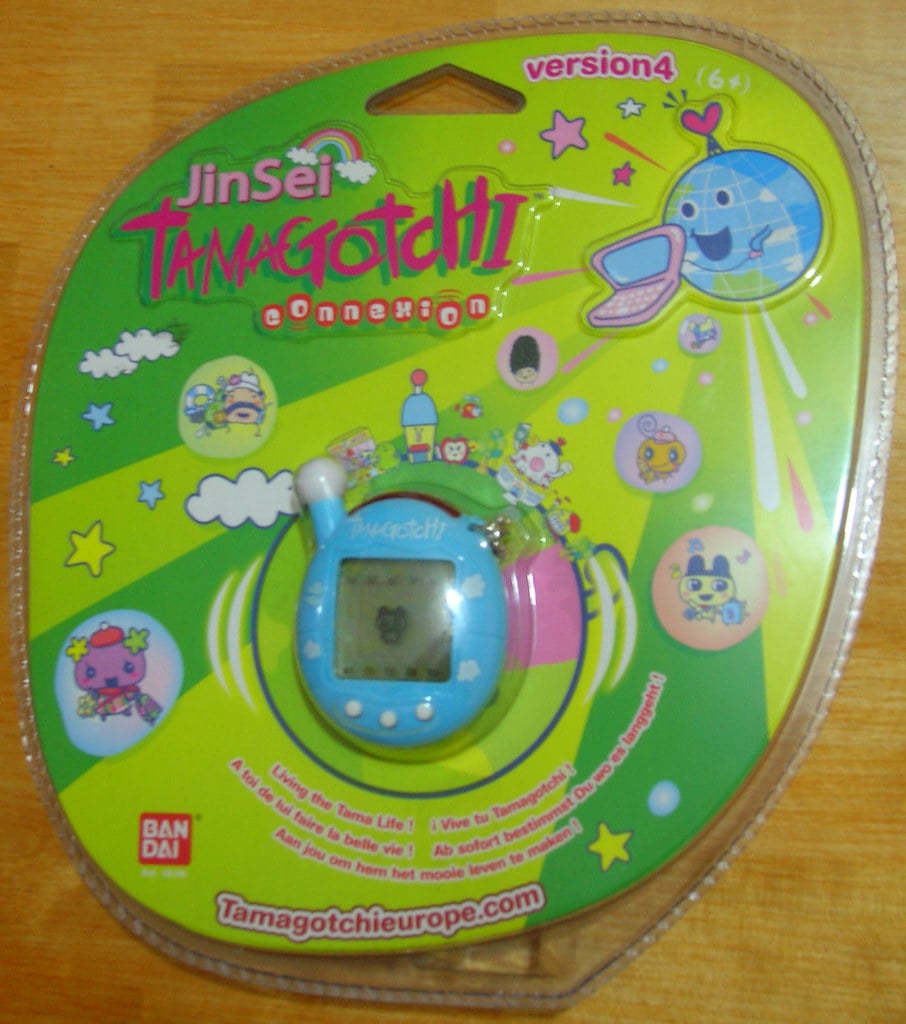
The secondary market for vintage Tamagotchis reveals something fascinating about how we assign value to childhood memories. These devices weren’t built to last forever — their simple construction and frequent use means working examples become increasingly rare with each passing year.
What seemed disposable at the time now represents a tangible connection to a specific moment in digital culture history, when the idea of caring for a virtual pet felt revolutionary rather than routine. The most valuable versions share common traits: limited production runs, regional exclusivity, or unique gameplay mechanics that set them apart from the standard releases.
But the real driver of value isn’t rarity alone — it’s the intersection of scarcity with genuine affection for what these devices represented at the time.
More from Go2Tutors!

- The Romanov Crown Jewels and Their Tragic Fate
- 13 Historical Mysteries That Science Still Can’t Solve
- Famous Hoaxes That Fooled the World for Years
- 15 Child Stars with Tragic Adult Lives
- 16 Famous Jewelry Pieces in History
Like Go2Tutors’s content? Follow us on MSN.



