Most Expensive Fictional Houses
Real estate gets expensive enough in the real world. But fictional homes take property values to absurd levels.
Writers and production designers create mansions, estates, and compounds that cost more than entire neighborhoods. Some of these houses exist on screen or in pages.
Others live only in our imagination. The prices range from millions to billions, calculated by fans and real estate experts who analyze every detail shown or described.
These homes represent wealth, power, and aspiration. They show us how the other half lives, even when that other half exists only in fiction.
Wayne Manor

Bruce Wayne’s ancestral home sits on the outskirts of Gotham City, sprawling across acres of prime real estate. The mansion features dozens of rooms, a ballroom, library, wine cellar, and most notably, a massive cave system beneath that houses the Batcave.
Estate appraisers estimate Wayne Manor’s value between $600 million and $900 million. The property includes the main house, extensive grounds, outbuildings, and significant acreage.
The Gothic Revival architecture alone adds tens of millions to the value. The Batcave creates unique complications for any appraisal.
Underground facilities of that scale cost hundreds of millions to construct. The specialized equipment, computer systems, and vehicle garage add even more value, though you’d struggle to find comparable properties for assessment purposes.
Tony Stark’s Malibu Mansion
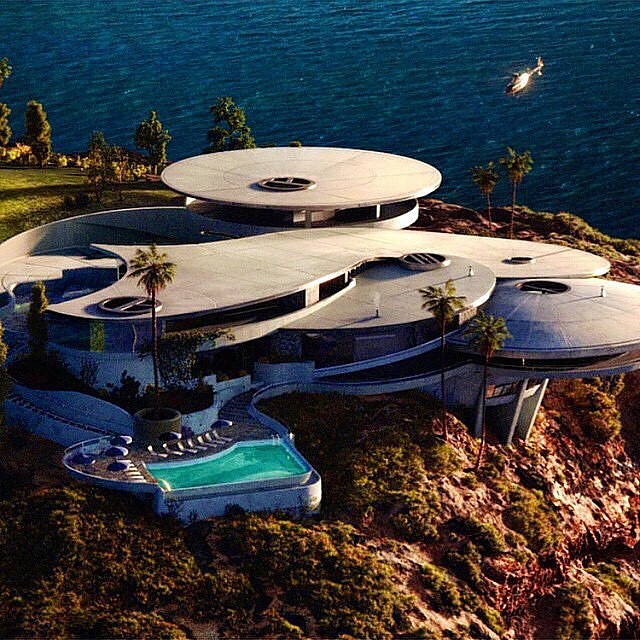
Before it got destroyed, Stark’s cliff-side home in Malibu represented the peak of modern architectural achievement. The property featured floor-to-ceiling windows, an AI system integrated throughout, and several levels of workshop and laboratory space.
Real estate experts valued the mansion around $117 million based on location, size, and custom features. The Malibu oceanfront location alone puts it in elite territory.
Add in the advanced technology and custom workshop facilities, and the price climbs significantly. The home appeared in multiple Marvel films before meeting its end.
Production designers based it on real Malibu properties but expanded the scale and technology far beyond current reality. The result looked both believable and aspirational.
Xanadu from Citizen Kane

Charles Foster Kane built his palatial estate in Florida, creating a monument to excess and isolation. The property includes a massive castle-like main building, extensive gardens, a private zoo, and countless art treasures.
Estimates place Xanadu’s value at over $1 billion in today’s money. The art collection alone could be worth hundreds of millions.
The property’s sheer scale and the resources needed to maintain it push the value higher. The name Xanadu comes from Samuel Taylor Coleridge’s poem about Kublai Khan’s summer palace.
Kane’s version matches that inspiration in ambition and grandeur. The estate becomes a character itself in the film, representing Kane’s emotional isolation despite material wealth.
The Great Gatsby’s Mansion

Jay Gatsby’s Long Island estate embodies the excess of the 1920s. The house hosts legendary parties, features marble swimming pools, extensive gardens, and a dock with a green light that drives the novel’s symbolism.
Real estate analysts estimate the mansion at $30 million to $50 million in period-appropriate terms, which translates to over $400 million today. The Gold Coast location makes it one of the most desirable areas in America.
The mansion’s size and opulence push it to the top of the market. F. Scott Fitzgerald based the house on real Long Island estates he visited.
The description captures old money elegance mixed with new money flash. The house represents everything Gatsby built to impress Daisy, making it central to the story’s tragedy.
Twelve Oaks from Gone with the Wind

The Wilkes family plantation represents Southern aristocracy before the Civil War. The estate includes the main house, numerous slave quarters, extensive cotton fields, and all the infrastructure needed to run a major plantation.
Appraisers estimate the property’s antebellum value at several million dollars, accounting for land, buildings, and agricultural productivity. Adjusted for inflation and considering the property as a historical estate today, the value could exceed $100 million.
The house symbolizes a way of life destroyed by war. Its grandeur contrasts with the devastation that follows.
The estate exists more as an idea than reality in the novel, representing everything the characters lose.
The McCallister House from Home Alone

This suburban Chicago mansion became famous when an eight-year-old defended it from burglars. The house features multiple floors, numerous bedrooms, a finished basement, and sits in the upscale Chicago suburb of Winnetka.
The actual house used for exterior shots sold for $1.5 million in 2012. Current estimates place its value around $2.5 million.
The fictional family’s lifestyle suggests even more wealth than the house alone indicates. The home’s size becomes a plot point.
Young Kevin gets lost in his own house, highlighting how much space the family occupies. The house feels both cozy and enormous depending on the scene’s needs.
Downton Abbey

The Crawley family’s Yorkshire estate includes Highclere Castle as the main house, along with servant quarters, stables, extensive grounds, and tenant farms. The property represents generations of aristocratic wealth and privilege.
Estate valuations place Downton Abbey around $200 million to $300 million. The castle itself, built in the 1830s, qualifies as a national treasure.
The land holdings add significant value, as do the historical furnishings and art. The real Highclere Castle serves as the filming location, lending authenticity to the production.
Maintaining properties of this scale costs millions yearly. The show explores these financial pressures as the family struggles to preserve their heritage.
Richie Rich’s Mansion
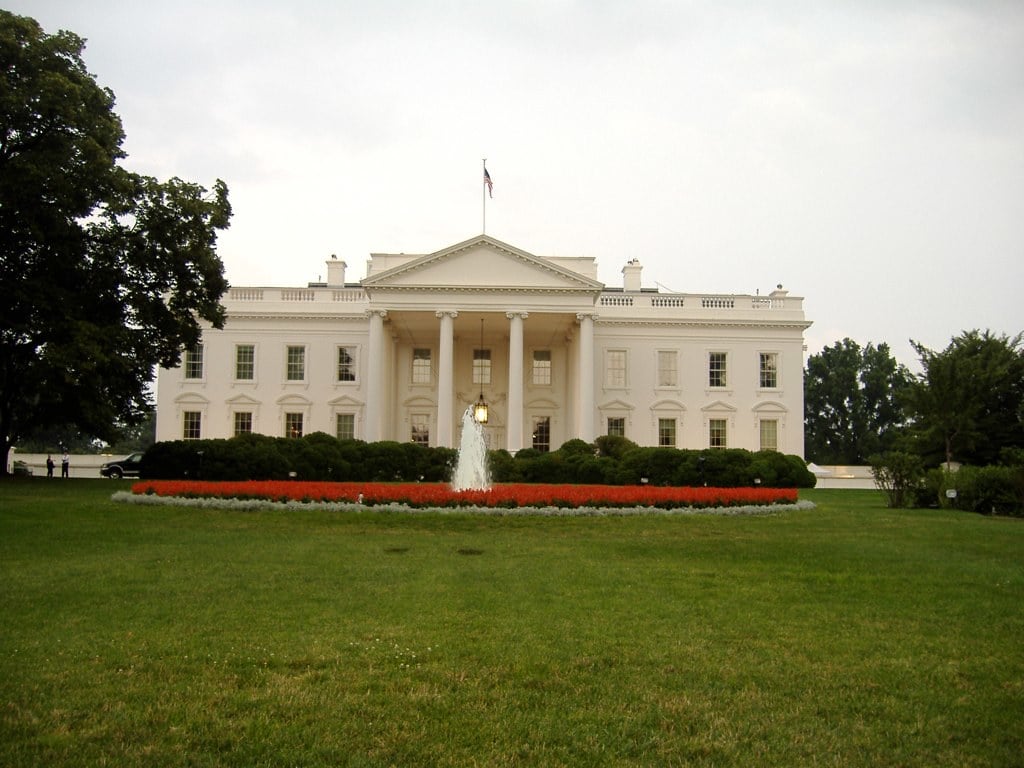
The comic book character lives in a house with 132 rooms, indoor and outdoor pools, a private movie theater, and even a McDonald’s franchise on the property. The estate sprawls across acres of perfectly manicured grounds.
Estimating value becomes difficult because the house exceeds any real-world comparison. Conservative estimates start around $500 million.
The property includes amenities that would cost hundreds of millions to construct and equip. The mansion exists purely to demonstrate absurd wealth.
Every room serves a purpose, no matter how ridiculous. The excess becomes the point, showing readers a child living beyond their wildest dreams.
Thornfield Hall from Jane Eyre

Rochester’s country estate in the English countryside features three floors, extensive grounds, a library, and numerous servants’ quarters. The house holds dark secrets and eventually burns, but first it represents Gothic romance and mystery.
Period-appropriate valuations place the estate’s worth at several thousand pounds, equivalent to millions today. As a historical property with that much land and history, modern values could exceed $50 million.
Charlotte Brontë created Thornfield as both home and prison. The house’s isolation allows the story’s drama to unfold away from society’s eyes.
Its destruction becomes necessary for the characters’ freedom.
The Shining’s Overlook Hotel

The massive Colorado resort sits isolated in the mountains, featuring hundreds of rooms, a grand ballroom, hedge maze, and dark history. The hotel operates seasonally, closing completely during harsh winters.
Hotel valuations depend on location, capacity, and amenities. The Overlook would be worth $150 million to $300 million as a functioning resort.
The property’s reputation for supernatural events would complicate any real estate transaction considerably. Stephen King based the hotel partly on the Stanley Hotel in Colorado.
The isolation and grandeur create perfect conditions for psychological horror. The building becomes malevolent, turning its beauty into menace.
The Notebook’s Plantation House

Noah renovates the massive plantation house to win back Allie, spending years restoring it to period-appropriate glory. The house features wrap-around porches, multiple floors, and sits on waterfront property.
The restored plantation house could be worth $5 million to $8 million in today’s market. The waterfront location, historical significance, and careful restoration all add value.
The property represents both dedication and romantic idealism. The renovation becomes Noah’s obsession and his promise to Allie.
The house transforms from ruin to showplace, mirroring the characters’ attempt to reclaim their lost love.
Tara from Gone with the Wind

The O’Hara family plantation contrasts with Twelve Oaks by being more practical than showy. The house serves as the family’s stronghold through the Civil War and Reconstruction, representing resilience rather than elegance.
The plantation’s value included land, buildings, and agricultural capacity. Pre-war estimates would place it at over $1 million in period money, though the property’s value collapsed during the war.
As a historical property today, it could be worth $30 million to $50 million. Margaret Mitchell made Tara represent survival and connection to the land.
Scarlett’s determination to save the plantation drives her most desperate actions. The house becomes sacred ground worth any sacrifice.
The Addams Family Mansion
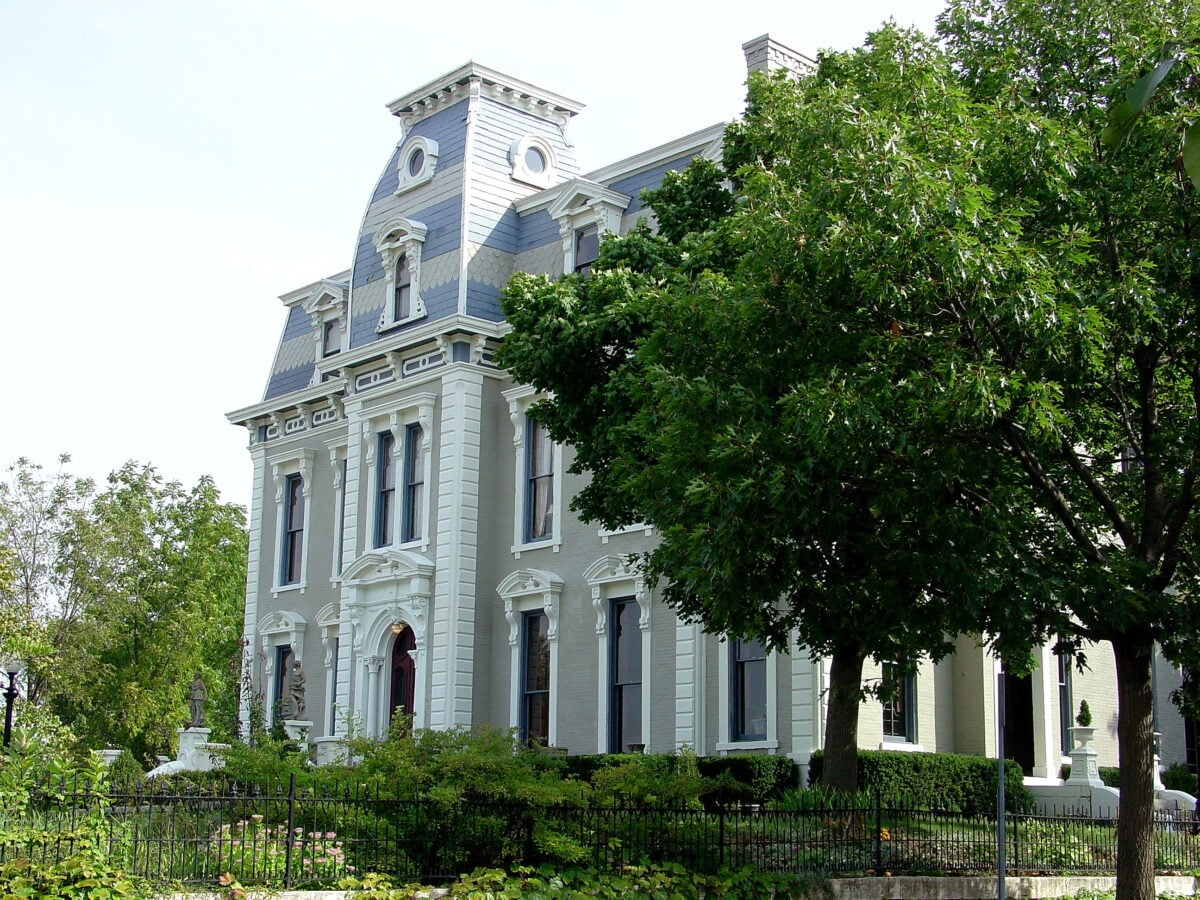
The Victorian Gothic mansion features a cemetery, torture chamber, conservatory full of dangerous plants, and countless secret passages. The house looks abandoned from outside but contains vast wealth and peculiar luxuries within.
Real estate appraisers struggle with properties this unusual. The mansion’s size, location, and unique features could push values past $50 million.
The family’s wealth appears unlimited despite the house’s decrepit appearance. The mansion reflects the family perfectly.
It looks dark and forbidding but provides a loving home for its eccentric residents. The house rejects normal conventions while offering complete comfort to those who understand it.
Pemberley from Pride and Prejudice

Mr. Darcy’s estate in Derbyshire represents the pinnacle of English country house elegance. The property includes extensive grounds, a small lake, picture gallery, and numerous rooms filled with fine furnishings and art.
Period valuations placed great estates like Pemberley at £10,000 to £20,000 in annual income, suggesting capital values of several hundred thousand pounds. Modern equivalents could reach $200 million or more for a property of this historical significance and scale.
Jane Austen uses Pemberley to show Darcy’s true character. Elizabeth sees the house’s beauty and his tenants’ respect for him, changing her opinion of the man.
The estate represents responsible wealth and proper stewardship.
Where Fiction Meets Fantasy

Money flowing through these homes could cover a lifetime’s wages for entire communities. Power lives here, visible in marble floors and guarded gates.
A few stand as dreams stretched too far. Quiet corners whisper how luxury cuts you off.
What a home costs often tells fewer truths than its walls do. Inside Wayne Manor hides both privilege and pain.
Gatsby’s estate stands tall, yet love stays out of reach. Out at Xanadu, grand halls echo with silence instead of joy.
From afar, we walk through these homes. Praise slips out, sometimes complaints – yet no tax bill arrives.
This is what makes made-up houses so appealing: dreaming inside them means never fixing a leaky roof.
More from Go2Tutors!

- The Romanov Crown Jewels and Their Tragic Fate
- 13 Historical Mysteries That Science Still Can’t Solve
- Famous Hoaxes That Fooled the World for Years
- 15 Child Stars with Tragic Adult Lives
- 16 Famous Jewelry Pieces in History
Like Go2Tutors’s content? Follow us on MSN.