Fictional Characters Who Influenced Fashion
Characters in fiction tend to leave a lasting impact, even after the story has concluded. Some are remembered for their dialogue or the actions they undertook, while others are remembered for their style.
The style of these characters has been the driving factor for many designers, stylists, and individuals, and their influence has been felt on the fashion world, with the styles worn by these characters becoming trends beyond the fiction they were created in. Let’s take a closer look at the impact of the styles of fictional characters on the fashion world.
Holly Golightly

Holly Golightly from Breakfast at Tiffany’s remains one of the most recognizable fashion figures in film history. Portrayed by Audrey Hepburn, the character introduced audiences to a timeless combination of elegance and simplicity.
Her sleek black evening dress, oversized sunglasses, and delicate jewelry created a look that quickly became iconic. The outfit highlighted the growing popularity of the ‘little black dress,’ a concept that had already been introduced earlier in fashion but gained renewed attention through the film’s cultural reach.
The dress itself, designed by Hubert de Givenchy, became one of cinema’s most famous garments. Fashion editors still reference the style as an example of understated sophistication.
Even decades later, the look continues to influence evening wear and modern interpretations of classic glamour. Designers regularly revisit the idea that elegance can come from simplicity rather than elaborate decoration.
Carrie Bradshaw

Carrie Bradshaw helped redefine fashion storytelling on television. As a columnist navigating life in New York City, her wardrobe became as important as the plot itself.
The character mixed luxury designer pieces with unexpected accessories, creating bold combinations that felt playful yet stylish. Her enthusiasm for statement shoes, particularly designer heels, sparked widespread interest among viewers.
Footwear brands gained visibility simply through their appearances in the series. Carrie’s willingness to experiment encouraged audiences to see fashion as a form of personal expression rather than something rigid or predictable.
The show also helped popularize the idea of fashion as part of everyday storytelling. Instead of dressing characters in neutral clothing, the wardrobe became a visual extension of personality.
That approach influenced how many later television series approached costume design.
James Bond

James Bond has long represented a certain ideal of sophistication. Throughout decades of films, the character’s tailored suits, polished shoes, and sharp accessories have defined a timeless approach to men’s fashion.
The wardrobe emphasizes clean lines, careful tailoring, and attention to detail. Bond’s style highlights how well-fitted clothing can project confidence and refinement.
The tuxedo in particular became closely associated with the character, reinforcing its role as the ultimate symbol of formal elegance. Menswear designers often reference Bond when discussing the enduring appeal of classic tailoring.
Even casual outfits worn by the character helped shape trends. Lightweight jackets, knitwear, and resort-style clothing seen in the films introduced audiences to relaxed luxury that still looked polished.
Cher Horowitz
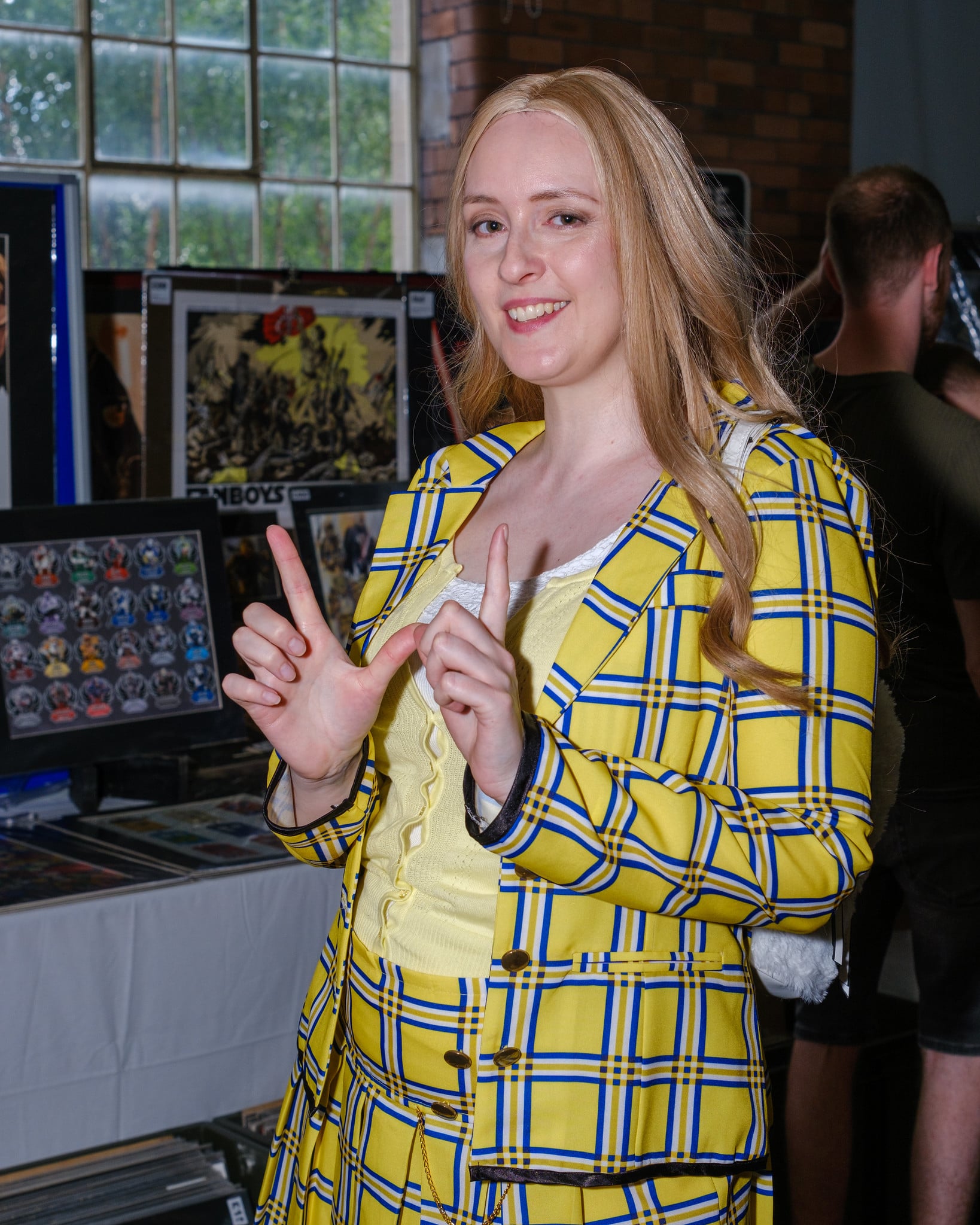
Cher Horowitz from the 1995 film Clueless became a defining style icon of 1990s fashion. Her wardrobe featured coordinated plaid outfits, knee-high socks, and vibrant colors that captured the playful spirit of the era.
The character’s closet scenes quickly became some of the most memorable moments in the film. At the time, the film presented fashion in a lighthearted and imaginative way.
Cher’s outfits balanced preppy elements with youthful creativity, showing how coordinated pieces could feel fresh rather than formal. Years later, the influence resurfaced when designers revisited 1990s fashion trends.
Plaid skirts, cropped jackets, and coordinated sets returned to fashion collections around the world. The character’s wardrobe demonstrated how cinematic style can shape nostalgia-driven fashion cycles.
Neo
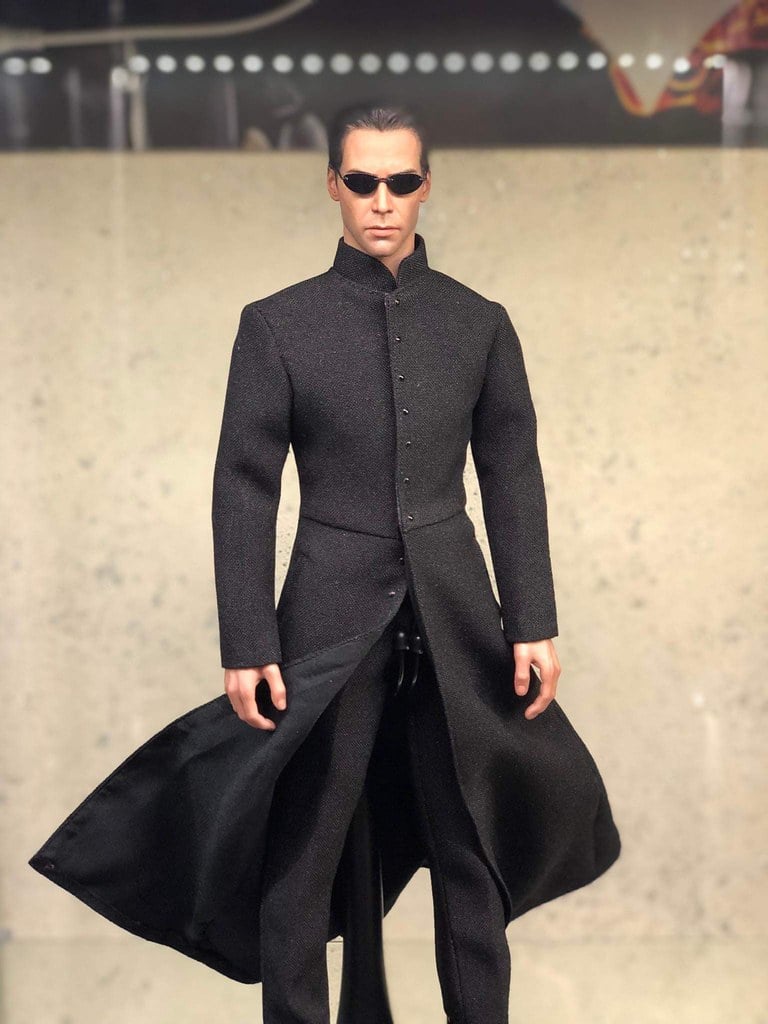
Neo from The Matrix introduced a futuristic aesthetic that reshaped the visual language of science fiction fashion. The character’s long black coat, narrow sunglasses, and sleek monochrome clothing created a look that felt mysterious and modern.
Following the film’s release, similar silhouettes began appearing in fashion collections and streetwear. Long structured coats and minimalist black outfits reflected the influence of the film’s visual style.
The wardrobe design helped establish a futuristic aesthetic that blended technology with urban style. Even today, designers revisit elements of the look when exploring futuristic themes.
The character’s wardrobe proved that science fiction can influence fashion just as strongly as historical or cultural inspiration.
Blair Waldorf
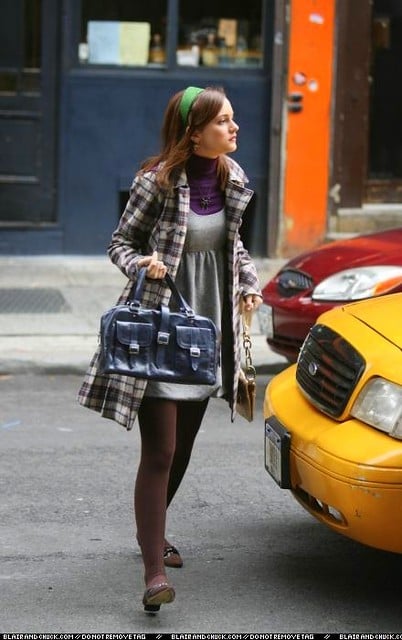
Blair Waldorf from Gossip Girl became known for her polished and structured wardrobe. Her outfits frequently featured tailored dresses, elegant coats, and the signature headbands that quickly became associated with the character.
The style reflected a refined interpretation of prep-school fashion, combining sophistication with youthful charm. Accessories played an important role in her look, especially headbands that appeared in countless variations throughout the series.
Retailers soon noticed a renewed interest in similar accessories. Headbands returned to fashion collections and store displays as viewers began adopting the style themselves.
Blair’s wardrobe showed how small details in television costume design could spark real-world trends.
Wonder Woman

Wonder Woman stands as one of the most recognizable figures in comic book history. While the character is known for strength and heroism, her visual design has also influenced fashion and costume design over the years.
The warrior-inspired aesthetic of her armor, boots, and bold colors has appeared in fashion collections exploring themes of empowerment and mythology. Structured silhouettes and metallic accents sometimes echo elements associated with the character.
Beyond clothing, the character has also influenced the broader idea of fashion as a form of strength and confidence. Designers frequently explore themes of powerful femininity that reflect the symbolism associated with the character.
Barbie
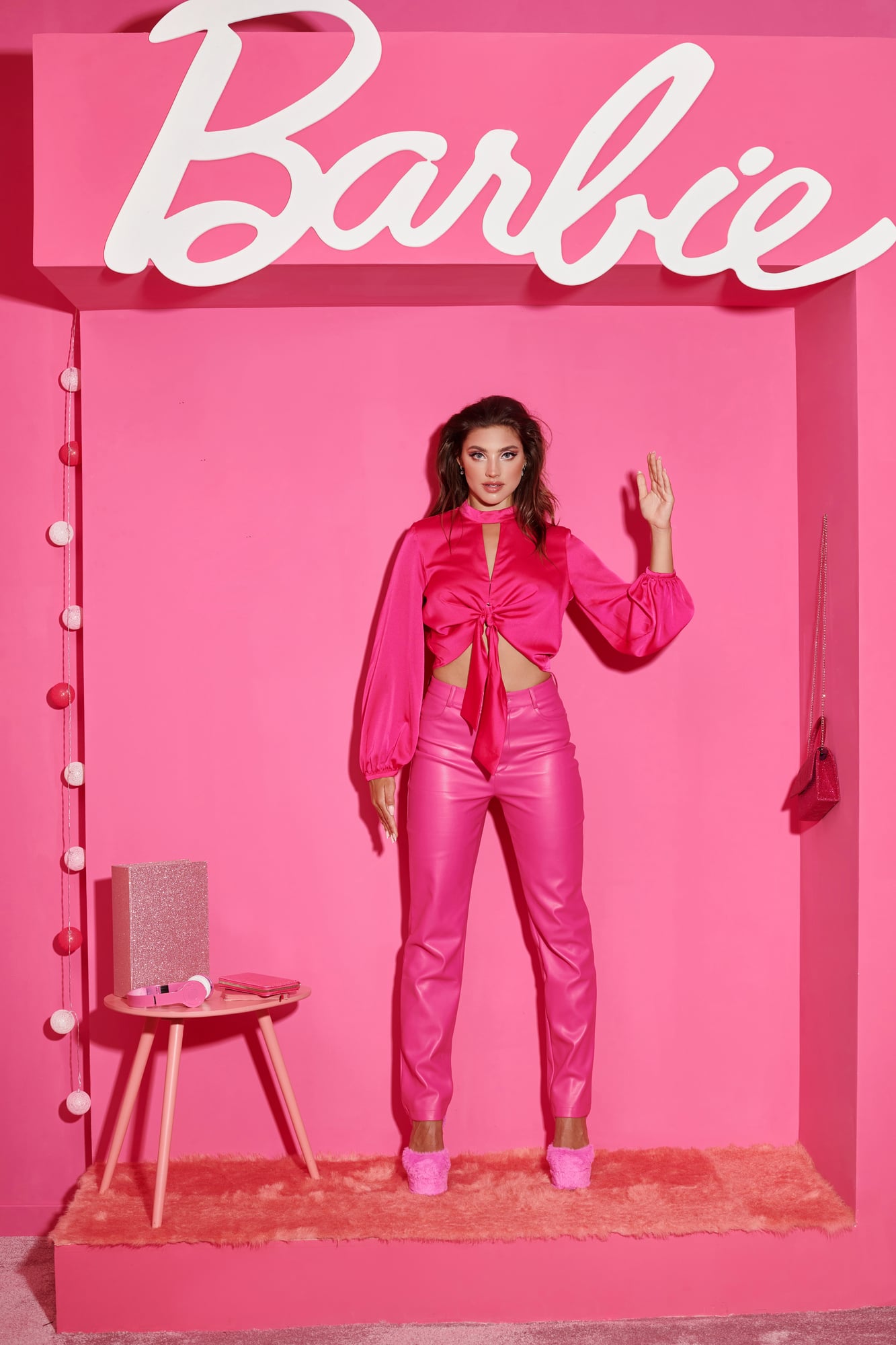
Barbie has served as a fashion icon for generations, despite existing primarily as a toy character. Since her debut in 1959, the doll has appeared in thousands of outfits representing styles from many different eras and professions.
Fashion designers have collaborated with the brand to create miniature versions of real couture designs. At the same time, full-scale collections often draw inspiration from the character’s bright colors and playful aesthetic.
The character’s influence expanded further as nostalgic fashion trends resurfaced in modern collections. Pink tones, bold silhouettes, and playful styling frequently appear in designs that reference the long-standing cultural presence of Barbie.
Wednesday Addams
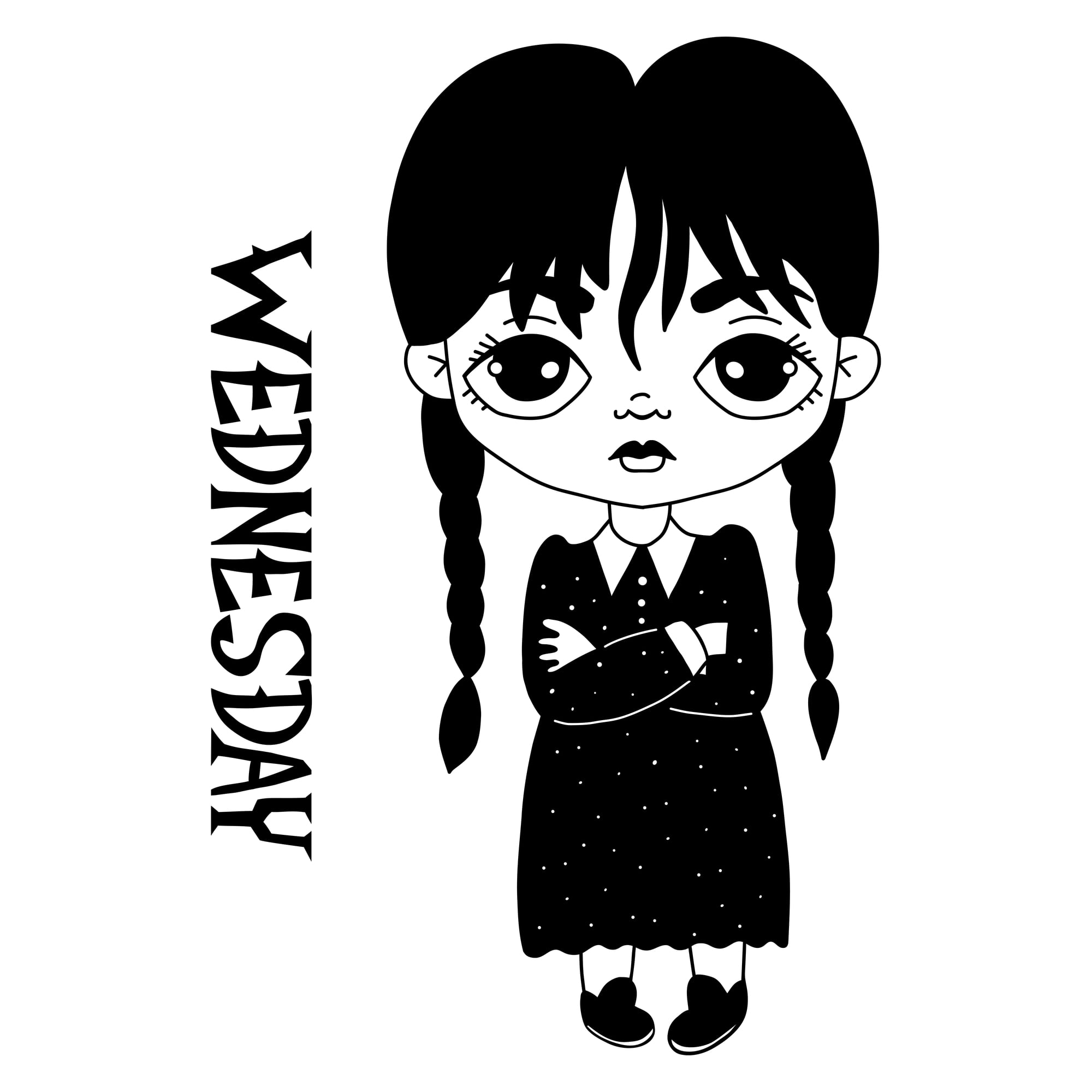
Wednesday Addams offers a striking contrast to many traditional fashion icons. Her style is defined by simplicity: a dark dress with a crisp collar, braided hair, and a calm, composed presence.
The look became instantly recognizable across generations of film and television adaptations. The character’s understated gothic style has inspired countless fashion interpretations.
Designers often revisit the combination of dark tones and structured silhouettes to create dramatic yet refined collections. The resurgence of interest in gothic-inspired fashion in recent years shows how enduring the character’s aesthetic has become.
Minimalist dark clothing paired with vintage-inspired elements continues to appear in both runway collections and street fashion.
When Fiction Becomes Style Inspiration

Fashion finds inspiration in many different and sometimes unexpected sources, and fictional characters are among those sources that have provided inspiration for fashion. Fashion plays an important role in defining the identity, personality, and even the mood of the character.
In the course of time, these visual elements of the characters move beyond the screen and into the fashion world. Fashion designers and retailers find inspiration in these visual elements and pass it on to the fans and audiences, and they also start wearing these visual elements.
This is also a part of the larger fashion conversation. Today, even new fictional characters are influencing fashion trends, and the connection between storytelling and fashion is still strong.
Fashion is inspired by imagination just as easily as it is inspired by the runway.
More from Go2Tutors!

- The Romanov Crown Jewels and Their Tragic Fate
- 13 Historical Mysteries That Science Still Can’t Solve
- Famous Hoaxes That Fooled the World for Years
- 15 Child Stars with Tragic Adult Lives
- 16 Famous Jewelry Pieces in History
Like Go2Tutors’s content? Follow us on MSN.



