14 Times Ordinary People Accidentally Solved Massive Problems
The most significant discoveries in history are not necessarily the product of committed research teams or skilled scientists putting in endless hours in labs. Everyday folks who find answers while going about their daily lives might occasionally provide the most important discoveries and solutions.
These unforeseen problem-solvers serve as a reminder that creativity frequently springs from unexpected sources and epiphanies. Here are 14 amazing instances of common people inadvertently solving significant issues that had baffled professionals and specialists for years.
Percy Spencer’s Melting Chocolate Bar
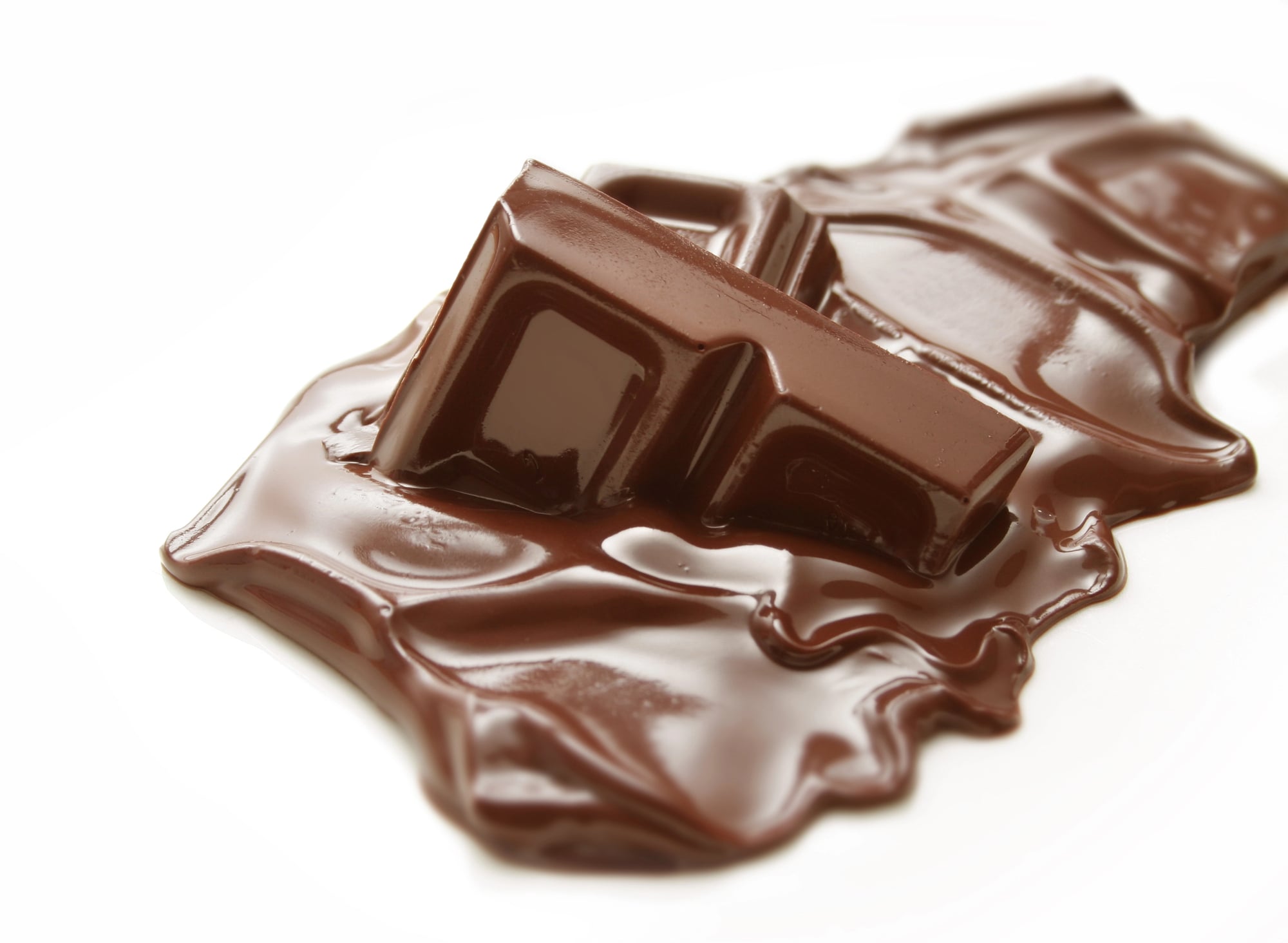
At Raytheon, Percy Spencer was just going about his work as an engineer when he became aware of an oddity. He felt the chocolate bar in his pocket melt as he tested a magnetron.
He experimented with popcorn and eggs as a result of this observation, and in 1945 he created the first microwave oven. His unintentional discovery transformed the everyday food preparation practices of millions of people worldwide.
Spencer Silver’s Weak Adhesive
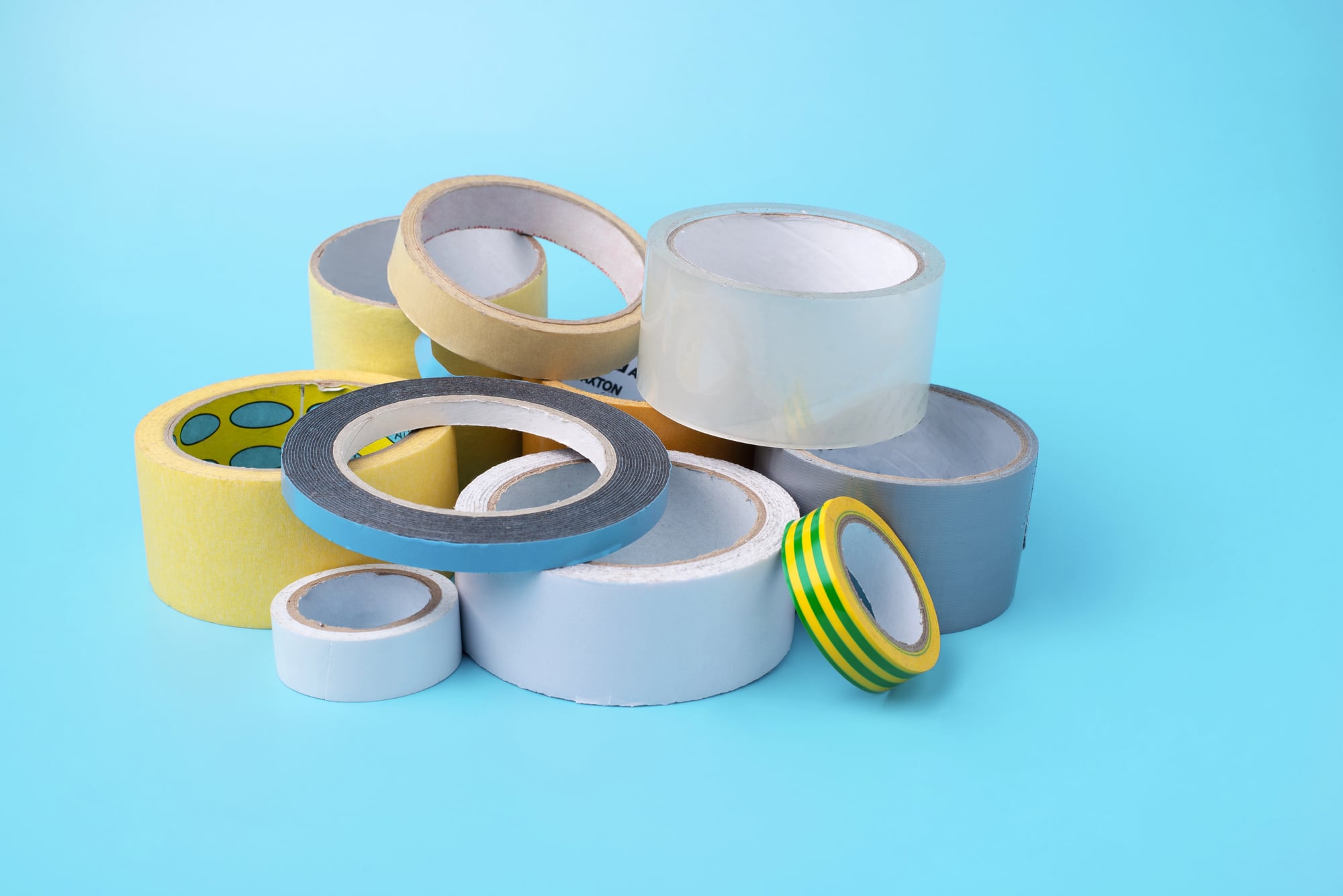
Spencer Silver, a scientist at 3M, created a weak adhesive that could be peeled off surfaces without leaving residue by mistake while trying to build a super-strong glue for aerospace applications. Until Art Fry, another 3M employee, discovered this “failure” would be ideal for making bookmarks that wouldn’t fall out, the finding lay idle.
The Post-it Note, a necessary office essential, was created as a result of this fortuitous encounter.
Roy Plunkett’s Slippery Substance
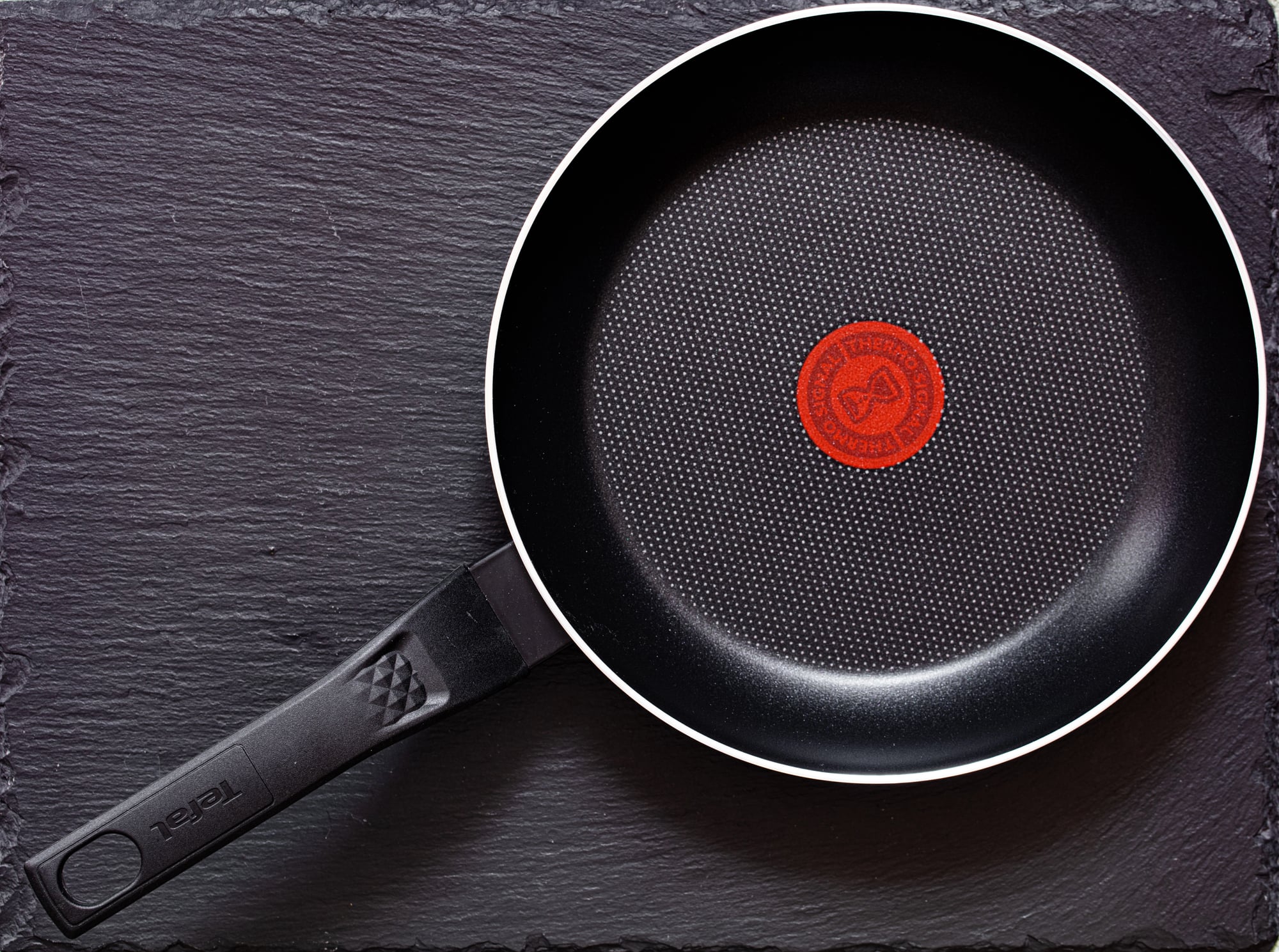
In 1938, chemist Roy Plunkett was working on developing new refrigerants when he checked a stored gas cylinder and found it had mysteriously transformed into a waxy white powder. Rather than discarding this failed experiment, he tested the substance and discovered it had incredible properties—it was heat-resistant, chemically stable, and incredibly slippery.
This accidental discovery gave the world Teflon, now used in everything from non-stick cookware to medical implants.
Alexander Fleming’s Moldy Petri Dish

A messy lab and a vacation led to one of medicine’s greatest breakthroughs. When Alexander Fleming returned to his laboratory after a holiday in 1928, he noticed that one of his bacterial cultures had been contaminated with mold, and the bacteria surrounding it had been destroyed.
This chance observation led to the discovery of penicillin, saving countless lives worldwide and launching the age of antibiotics.
Wilson Greatbatch’s Wrong Resistor
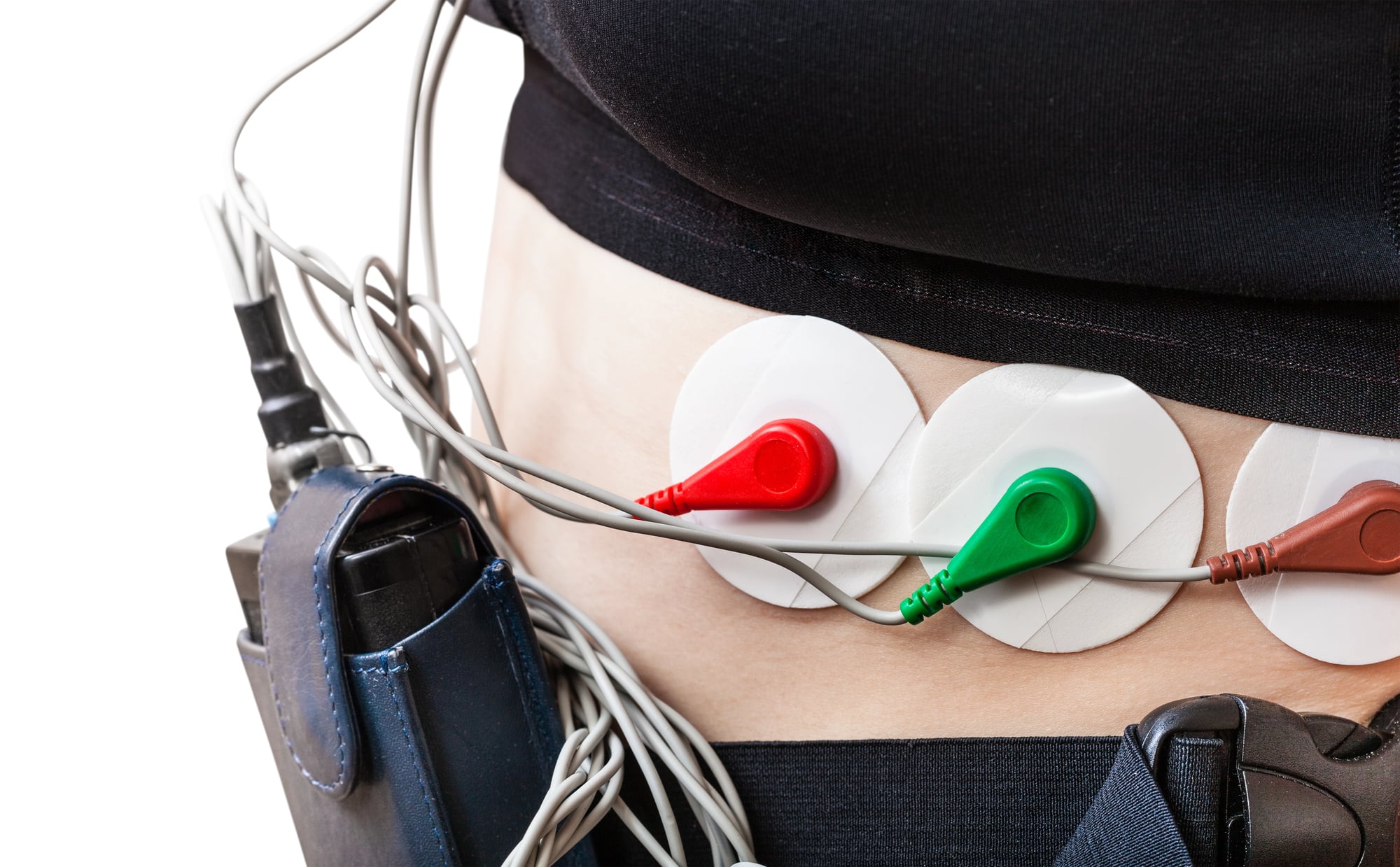
In 1956, engineer Wilson Greatbatch was building a heart rhythm recording device when he accidentally grabbed the wrong resistor from his box of components. When he installed it, the circuit produced intermittent electrical pulses instead of recording continuously.
Greatbatch immediately recognized that this pulsing mimicked the natural rhythm of the heart, leading him to develop the first implantable cardiac pacemaker and extending millions of lives.
Ruth Wakefield’s Chocolate Chunks
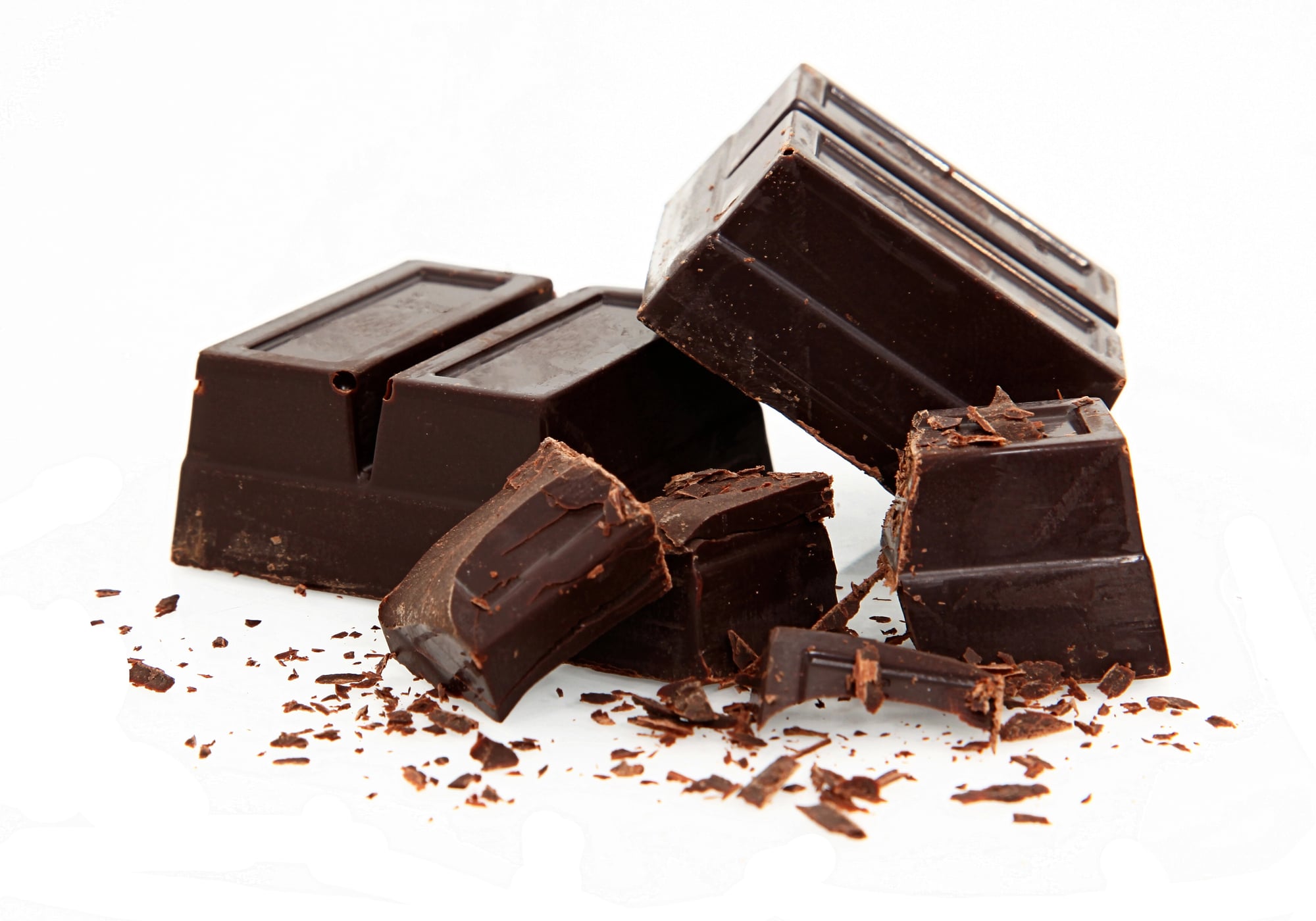
Culinary revolutions can sometimes result from cooking errors. Ruth Wakefield ran out of baker’s chocolate in the 1930s as she was baking cookies at her Toll House Inn. Instead, she used broken chunks of semi-sweet chocolate, which she hoped would melt entirely in the oven.
A lucky accident led to the creation of America’s favorite cookie and the beginning of Nestlé’s chocolate chip business when they managed to hold their shape.
Richard Jones’s Fallen Spring
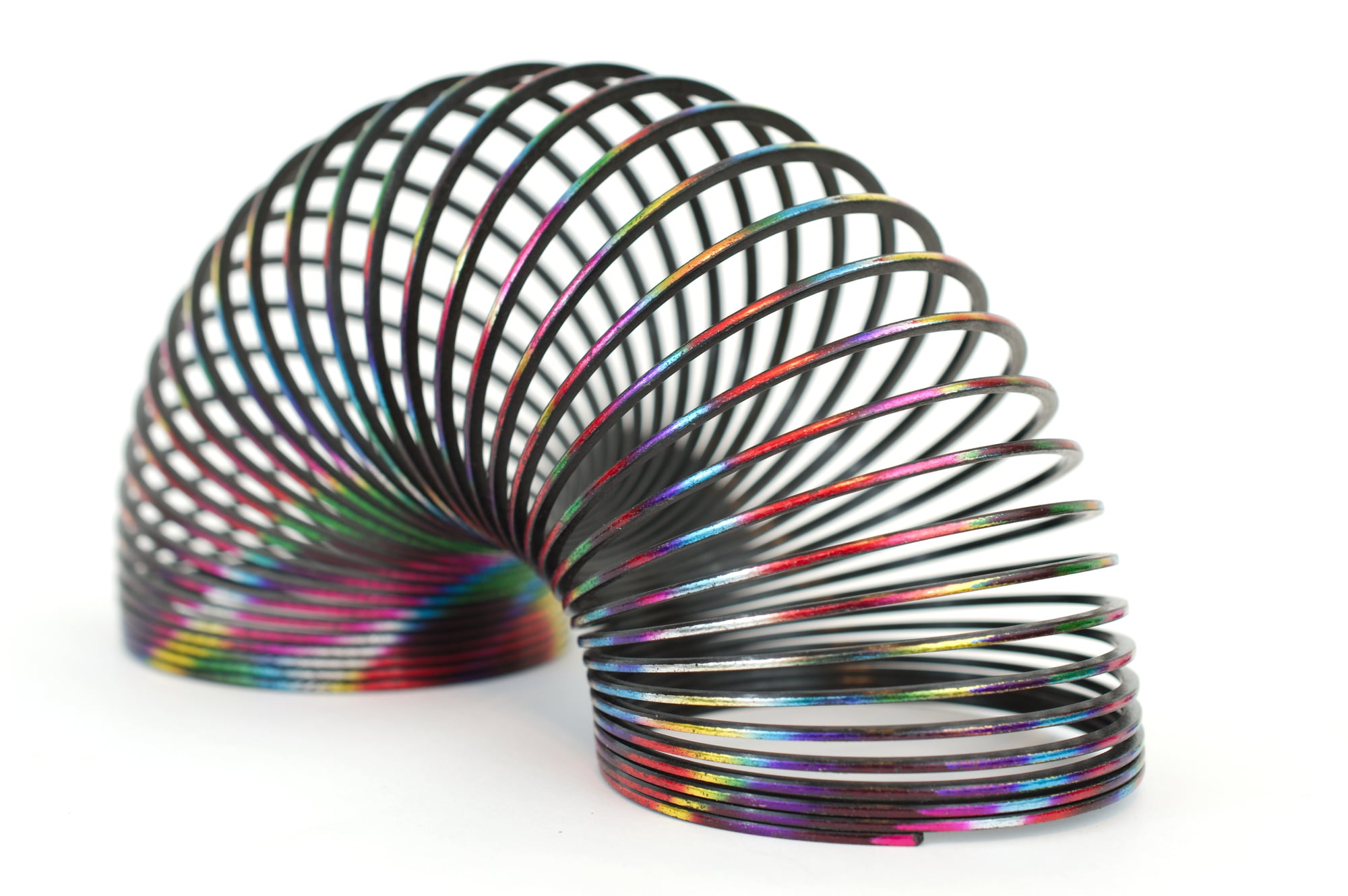
Naval engineer Richard Jones was working with tension springs in 1943 when one fell from his workbench and “walked” across the floor. Most people would have simply picked it up and continued working, but Jones saw the potential for a new toy.
His insight transformed this workplace mishap into the Slinky, a beloved toy that has sold hundreds of millions of units worldwide.
Constantin Fahlberg’s Sweet Discovery
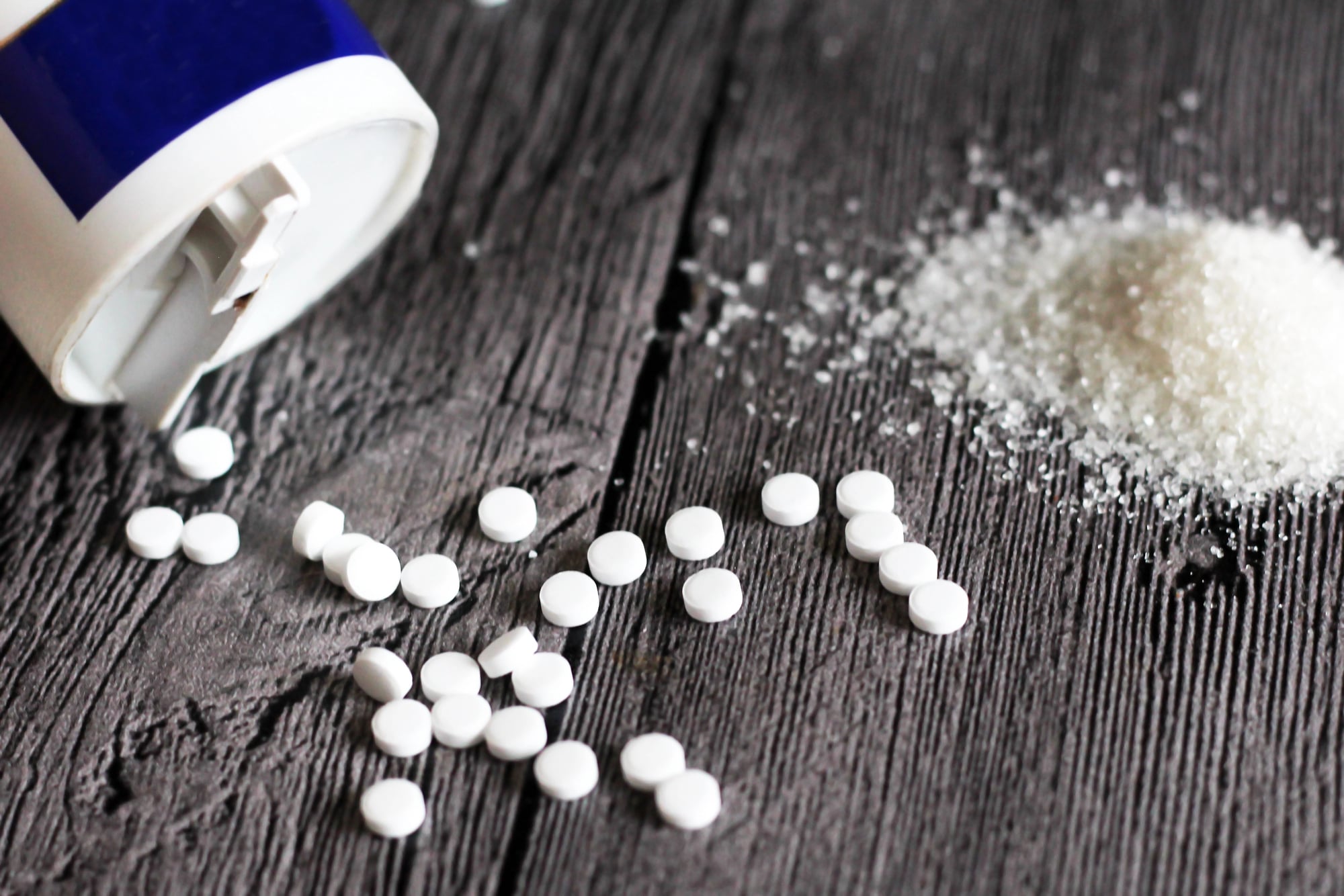
Chemist Constantin Fahlberg was eating dinner one evening in 1879 when he noticed his bread tasted unusually sweet. Tracing the sweetness to residue on his hands from his laboratory work, he had accidentally discovered saccharin—the first artificial sweetener.
His unwashed hands after a day of chemistry work led to a product that would revolutionize food for diabetics and those seeking to reduce sugar consumption.
Mary Anderson’s Rainy Streetcar Ride

During a snowy New York City streetcar ride in 1902, Mary Anderson noticed the driver repeatedly stopping to clear snow from the windshield. This inconvenience inspired her to sketch a design for a manual windshield wiper—a rubber blade that could be operated from inside the vehicle.
Her invention was initially dismissed by automobile manufacturers but eventually became standard equipment on all motor vehicles, significantly improving driving safety.
Patsy Sherman’s Spilled Solution

While working in her lab, 3M researcher Patsy Sherman’s new tennis shoes were splattered with an experimental rubber compound by an aide. She observed that although the rest of the shoes got soiled with wear, the spill location stayed clean.
Scotchgard, a fabric protector that has prevented permanent stains on innumerable carpets, upholstery pieces, and garments, was created as a result of this mishap.
George de Mestral’s Burdock-Covered Dog

Swiss engineer George de Mestral was cleaning burdock burrs from his dog’s fur after a hunting trip in the Alps in 1941 when he started to wonder about their sticking strength. He looked at them under a microscope, noting the little hooks that enabled them to cling to fur and cloth.
His invention of Velcro, which is today found in everything from shoes to spacecraft, was sparked by this accidental observation.
Stephanie Kwolek’s Cloudy Solution
Chemist Stephanie Kwolek was working with polymers at DuPont when she created a solution that appeared cloudy rather than clear like her previous samples. Instead of discarding this apparent failure, she convinced a colleague to test the unusual substance.
The result was Kevlar—a material five times stronger than steel that has saved thousands of lives through its use in bulletproof vests, helmets, and other protective equipment.
Harry Coover’s Sticky Nuisance

Harry Coover was trying to make clear plastic gun sights during World War II when he came across a substance that adhered to anything it came into contact with. After initially dismissing it as a failure, Coover saw its potential as a powerful, fast-bonding adhesive that didn’t need pressure or heat.
His enduring “problem” turned into Super Glue, a common household item used for everything from urgent wound closure to craft endeavors.
Charles Goodyear’s Cooking Accident
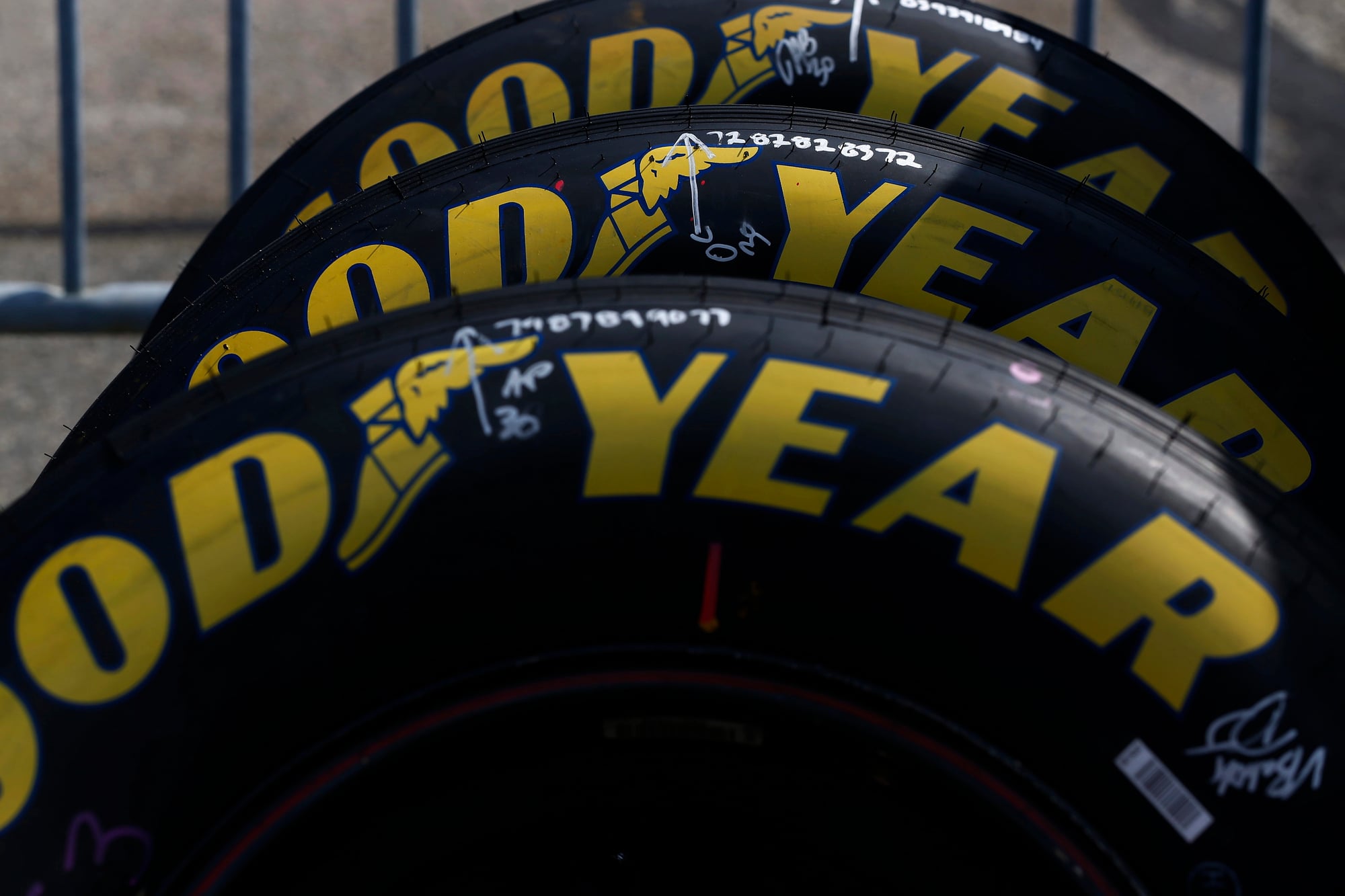
Charles Goodyear had been trying to make rubber more resistant to heat and cold for years with little success. In 1839, he accidentally dropped a mixture of rubber and sulfur onto a hot stove. Instead of melting as expected, the rubber charred like leather and retained its shape.
This cooking accident led to the discovery of vulcanization, the process that made rubber durable enough for tires and countless other applications that power modern transportation.
The Power of Accidental Solutions

These fourteen stories demonstrate how observant minds can transform mishaps into breakthroughs. The accidental problem-solvers weren’t necessarily looking to change the world—they were simply attentive enough to recognize the significance of unexpected results.
Their discoveries remind us that solutions often appear when we least expect them, and that maintaining curiosity about everyday phenomena can lead to extraordinary innovation.
More from Go2Tutors!

- The Romanov Crown Jewels and Their Tragic Fate
- 13 Historical Mysteries That Science Still Can’t Solve
- Famous Hoaxes That Fooled the World for Years
- 15 Child Stars with Tragic Adult Lives
- 16 Famous Jewelry Pieces in History
Like Go2Tutors’s content? Follow us on MSN.



