Most Famous Tongue Twisters Ever
Tongue twisters have been tripping up speakers and delighting audiences for centuries. These linguistic acrobatics force our mouths to perform verbal gymnastics, often with hilarious results when we inevitably stumble over the carefully crafted combinations of challenging sounds.
The art of tongue-twisting isn’t just modern entertainment. These phrases have deep historical roots, with some dating back to the early 1800s when they served as elocution exercises in educational primers. Here’s a list of 17 famous tongue twisters that have earned their reputation as the most challenging and enduring verbal puzzles in the English language.
She Sells Seashells by the Seashore

This beloved tongue twister has the most intriguing backstory of them all. Many people believe it honors Mary Anning, the pioneering 19th-century English paleontologist who made groundbreaking fossil discoveries along the Dorset coast. Anning really did sell fossils and shells to tourists, making her living from the treasures she unearthed from the cliffs. Still, the earliest known printed version appeared in an 1855 English primer, and there’s no concrete evidence linking it directly to Anning’s life.
Peter Piper Picked a Peck of Pickled Peppers

The granddaddy of tongue twisters made its official debut in John Harris’s 1813 educational book ‘Peter Piper’s Practical Principles of Plain and Perfect Pronunciation.’ Quite a mouthful of a title itself. This collection featured one tongue twister for each letter of the alphabet to help students perfect their elocution, and some historians suggest it might reference Pierre Poivre, an 18th-century French botanist whose last name literally means ‘pepper’ and who was famous for smuggling spices from Dutch territories.
How Much Wood Would a Woodchuck Chuck

This classic question has been stumping people since the early 20th century, when it appeared in Robert Hobart Davis and Theodore F. Morse’s comedy musical. The phrase gained widespread popularity through sheet music and phonograph records that carried it far beyond Broadway. In the 1980s, wildlife biologist Richard Thomas actually calculated an answer: approximately 700 pounds of wood, if woodchucks could chuck wood instead of just digging burrows.
Betty Botter Bought Some Butter
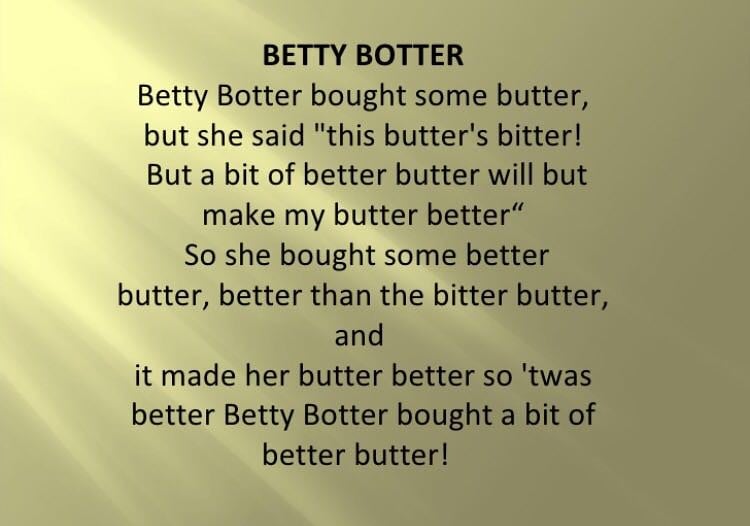
Poet Carolyn Wells created this butter-loving character in the late 1890s. Betty’s bitter butter dilemma perfectly demonstrates how repetitive sounds can tie your tongue in knots, and Wells was known for her wordplay and humor, making her the perfect author for this linguistic challenge that still frustrates speakers today.
I Scream, You Scream, We All Scream for Ice Cream

What started as a 1905 freezer advertisement evolved into one of America’s catchiest tongue twisters. The phrase didn’t gain real popularity until Howard Johnson, Billy Moll, and Robert King turned it into a song in 1927. By the 1940s, jazz musicians had made it a standard, cementing this frozen treat pun in the American consciousness forever. Pretty impressive journey for an ice cream ad.
Red Leather, Yellow Leather
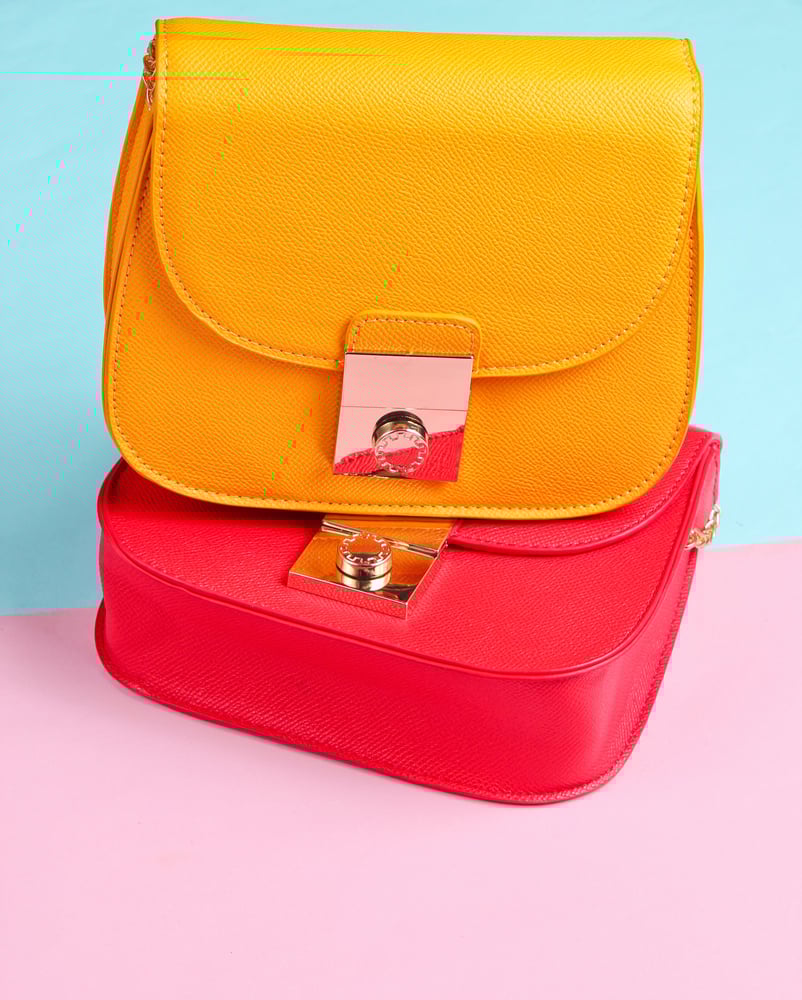
This deceptively simple phrase packs a pronunciation punch that’s harder than it appears. The alternating ‘red’ and ‘yellow’ sounds force your tongue to rapidly switch positions, creating the perfect recipe for verbal fumbling. It’s become a favorite warm-up exercise for actors and public speakers who need to master crisp consonant sounds.
Rubber Baby Buggy Bumpers

This alliterative masterpiece gained fame as one of the trickiest ‘B’ sound combinations in English. Creates a rhythmic challenge that’s almost impossible to say quickly without stumbling. It’s often used in speech therapy to help people distinguish between similar sounds and improve their articulation of consonant clusters.
A Tutor Who Tooted the Flute

Another creation from the prolific Carolyn Wells, this tongue twister appeared in her late 1890s writings. The musical theme and repetitive ‘toot’ sounds create a perfect storm of pronunciation difficulty, and Wells had a knack for creating these verbal puzzles that sound almost sensible while being nearly impossible to say clearly.
Fuzzy Wuzzy Was a Bear

This beloved children’s tongue twister has unclear origins, but it’s been delighting young speakers for generations. The combination of ‘fuzzy’ and ‘Wuzzy’ creates a playful challenge that’s manageable for beginners while still providing plenty of opportunities for amusing mistakes. The story format makes it particularly memorable for kids learning pronunciation.
Unique New York

Theater students and actors know this phrase well, as it’s commonly used in voice training classes. The combination of the ‘u’ sounds in ‘unique’ with the nasal qualities of ‘New York’ creates a pronunciation challenge that helps develop clearer speech patterns. It’s particularly useful for American actors working on their diction.
Six Sick Slick Seals
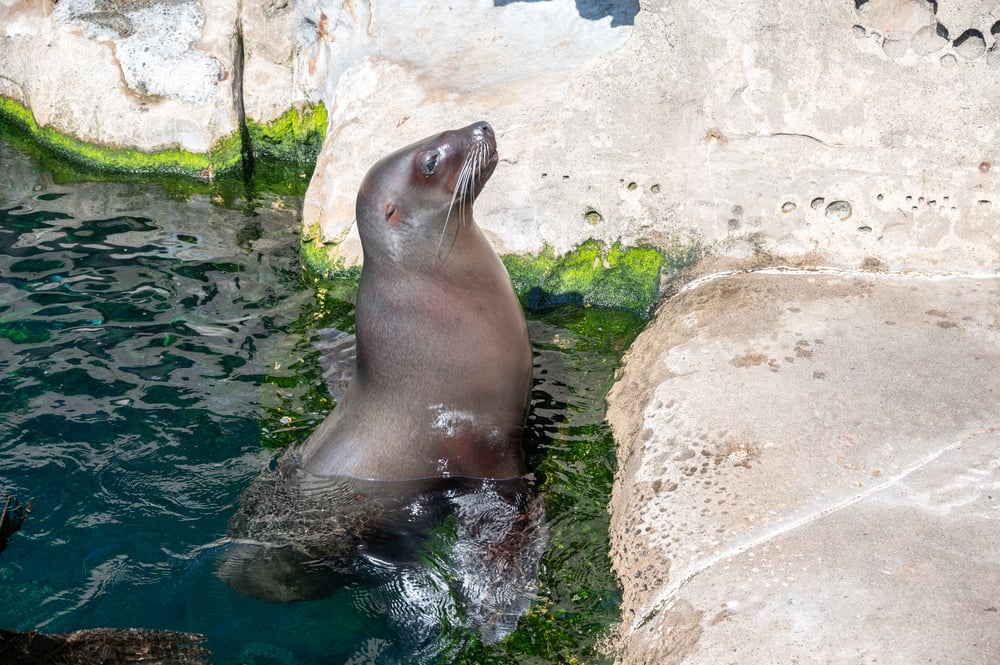
The sibilant ‘S’ sounds in this phrase create a snake-like challenge that’s tougher than it looks. This tongue twister forces speakers to maintain clarity while navigating multiple similar consonant sounds in rapid succession, and it’s often used by speech therapists working with clients who have difficulty with ‘S’ sound pronunciation. The mental image of seasick seals certainly doesn’t make it any easier to pronounce.
Big Black Bug Bit a Big Black Bear
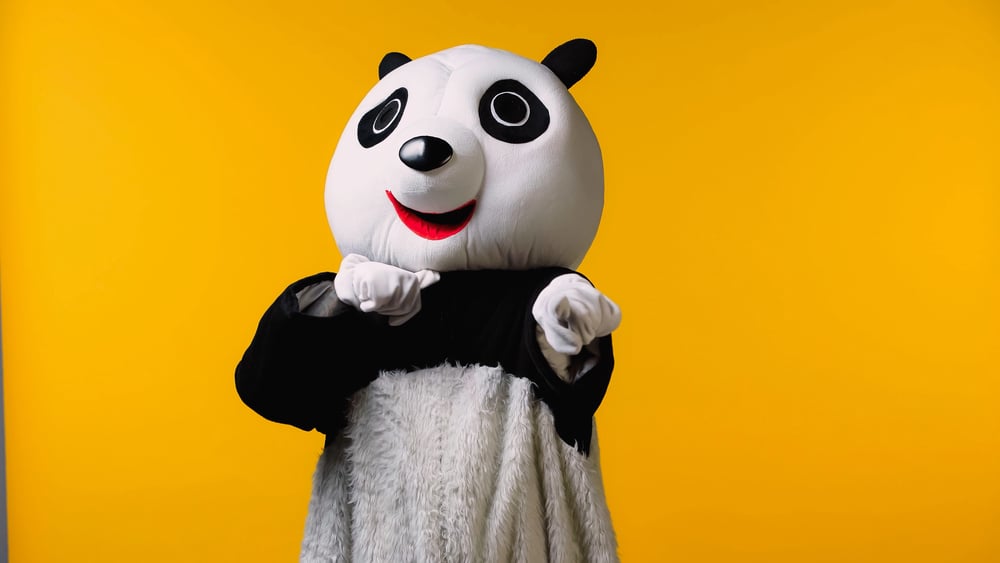
This alliterative adventure combines multiple ‘B’ sounds with challenging consonant clusters. The phrase tells a simple story while creating maximum pronunciation difficulty through its repetitive structure. Children especially enjoy this one because of its silly narrative and the satisfying sound patterns when successfully completed.
Lesser Leather Never Weathered Wetter Weather Better
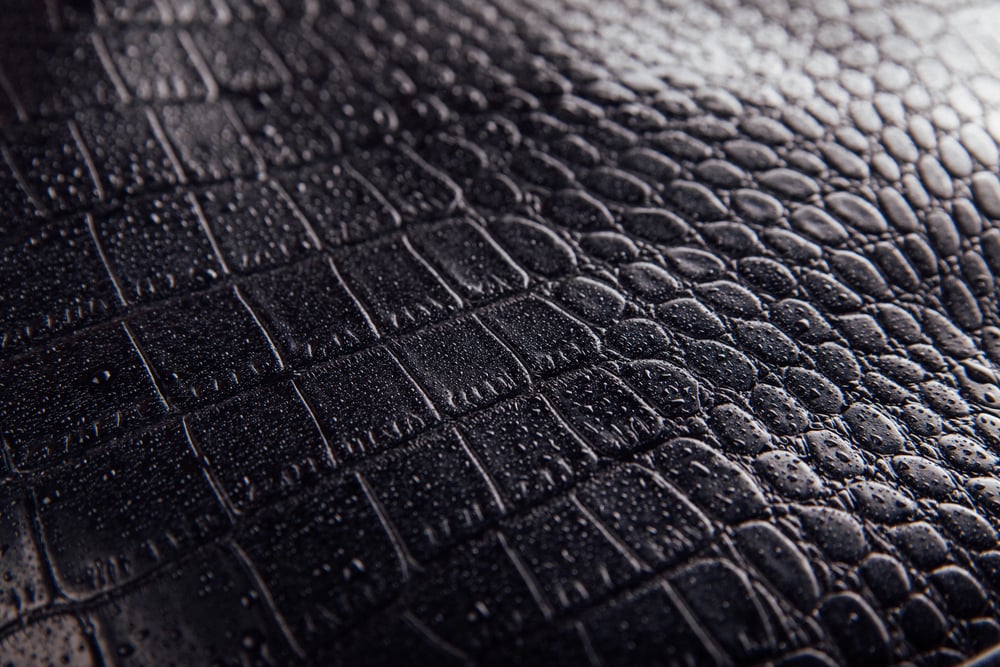
This advanced-level tongue twister combines multiple challenging sound combinations in one devastating phrase. The mixture of ‘L’ and ‘R’ sounds with different vowel patterns creates a linguistic obstacle course that even experienced speakers find difficult. So it’s considered one of the more challenging English tongue twisters.
Irish Wristwatch
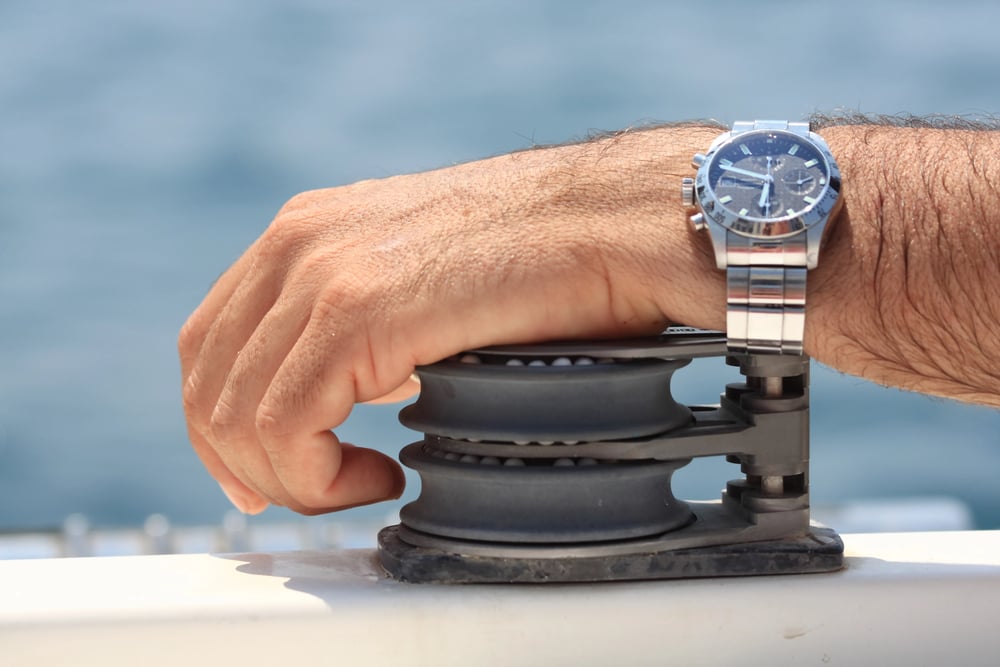
Despite its simple appearance, this two-word phrase is notoriously difficult to pronounce clearly. The combination of consonant clusters and the rapid transition between sounds makes it a favorite challenge among English speakers, and its brevity makes it seem easy, which only adds to the surprise when people inevitably stumble over it.
Toy Boat

Another deceptively simple tongue twister. ‘Toy boat’ becomes nearly impossible when repeated rapidly. The vowel sounds shift dramatically between the two words, and the consonant combinations create pronunciation chaos that’s particularly challenging because most people underestimate its difficulty until they attempt multiple repetitions.
The Sixth Sick Sheik’s Sixth Sheep’s Sick

This biblical-sounding phrase is often cited as one of the most difficult tongue twisters in English. The combination of ‘S’ and ‘TH’ sounds, along with the complex word relationships, creates a pronunciation nightmare. Linguists sometimes use it to demonstrate the most challenging sound combinations in the English language.depositphotos
Sally Sells Seashells

— Photo by bennymarty
A variation on the classic Mary Anning-inspired tongue twister, this version maintains the challenging ‘S’ sound combinations while simplifying the structure slightly. The alliterative pattern and seaside imagery make it both memorable and difficult. Serves as a gentler introduction to the more complex ‘She sells seashells by the seashore’ version.
From Playground to Performance

— Photo by opturadesign
These seventeen tongue twisters represent more than just childhood entertainment. They’ve served as educational tools, speech therapy exercises, and performance challenges throughout their long history. From Mary Anning’s fossil-hunting adventures to Pierre Poivre’s pepper smuggling, these phrases connect us to fascinating historical figures and forgotten stories. Whether you’re warming up for a speech, helping a child with pronunciation, or just looking for a good laugh with friends, these time-tested twisters continue to tie tongues and create smiles across generations.
More from Go2Tutors!

- 16 Historical Figures Who Were Nothing Like You Think
- 12 Things Sold in the 80s That Are Now Illegal
- 15 VHS Tapes That Could Be Worth Thousands
- 17 Historical “What Ifs” That Would Have Changed Everything
- 18 TV Shows That Vanished Without a Finale
Like Go2Tutors’s content? Follow us on MSN.