Most Iconic Movie Scenes That Were Unscripted
Some of the most memorable moments in cinema history happened when actors threw away the script and trusted their instincts. These spontaneous flashes of creativity often capture something raw and authentic that no amount of careful planning could achieve.
When an actor improvises a line or gesture that feels so natural it becomes legendary, you’re witnessing the magic that happens when preparation meets inspiration. The best unscripted moments don’t feel unscripted at all.
They flow seamlessly from the story, revealing character truths that even the screenwriters hadn’t fully realized. These scenes remind us why live performance remains at the heart of filmmaking, even in an age of endless digital effects and meticulous pre-production.
The Godfather
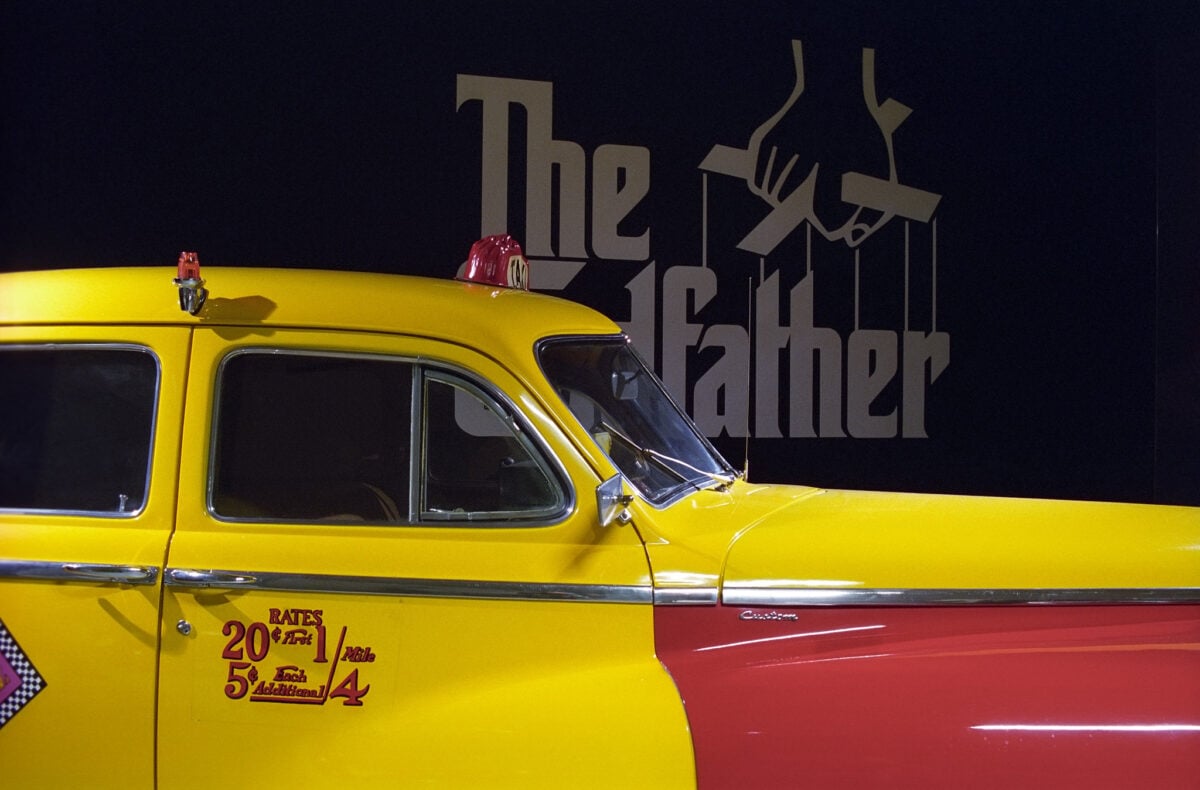
Marlon Brando playing with the cat during his opening scene wasn’t planned. A stray cat wandered onto the set, Brando picked it up, and director Francis Ford Coppola kept the cameras rolling.
The cat’s purring was so loud it nearly drowned out Brando’s dialogue in post-production.
Taxi Driver
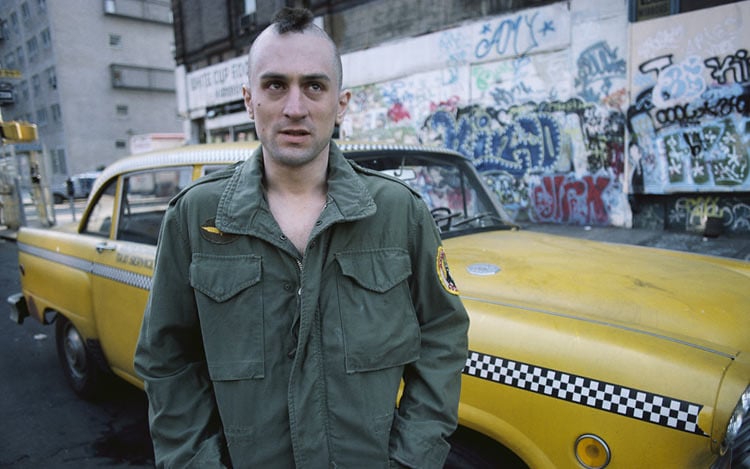
Robert De Niro’s “You talkin’ to me?” wasn’t in the script. The screenplay simply said “Travis looks in the mirror.”
De Niro improvised the entire mirror sequence, drawing from his own observations of how people practice confrontations alone. Director Martin Scorsese loved it so much he used the entire improvised monologue.
Casablanca
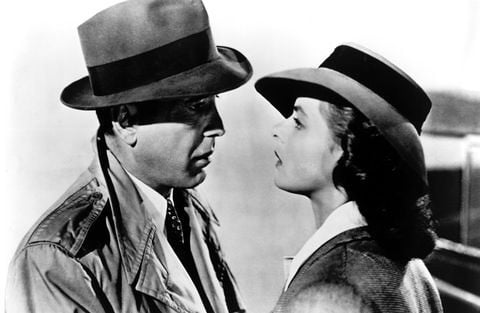
Here’s looking at you, kid” was written into the script, not improvised during filming. While the line has become iconic and feels natural in delivery, it originated from the screenplay rather than Humphrey Bogart’s ad-libbing.
The phrase works because it perfectly captures Rick’s world-weary charm—exactly what the screenwriters intended—though it has since become so legendary that its scripted origin is often overlooked.
The Dark Knight
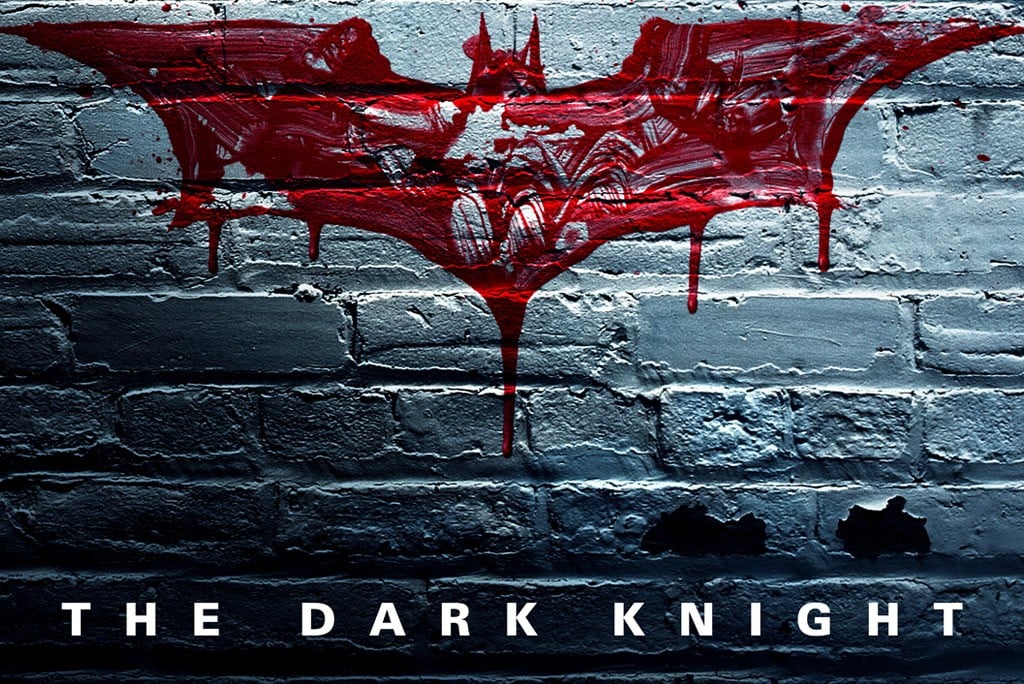
Heath Ledger clapping during the hospital scene was pure improvisation. The Joker was supposed to simply walk away after the explosion, but Ledger started slow-clapping for his own handiwork.
That moment of narcissistic self-congratulation perfectly captured the character’s twisted psychology.
Good Will Hunting
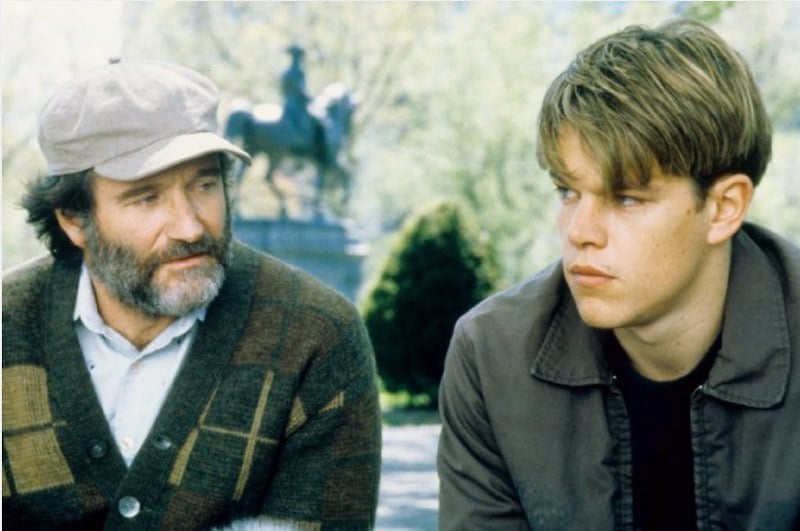
Robin Williams telling the “Your wife farting in her sleep” story was completely improvised. The script called for a more generic bonding moment between Sean and Will.
Williams went off on his own tangent, and the camera caught Matt Damon’s genuine laughter. The scene became one of the film’s most human moments.
Midnight Cowboy
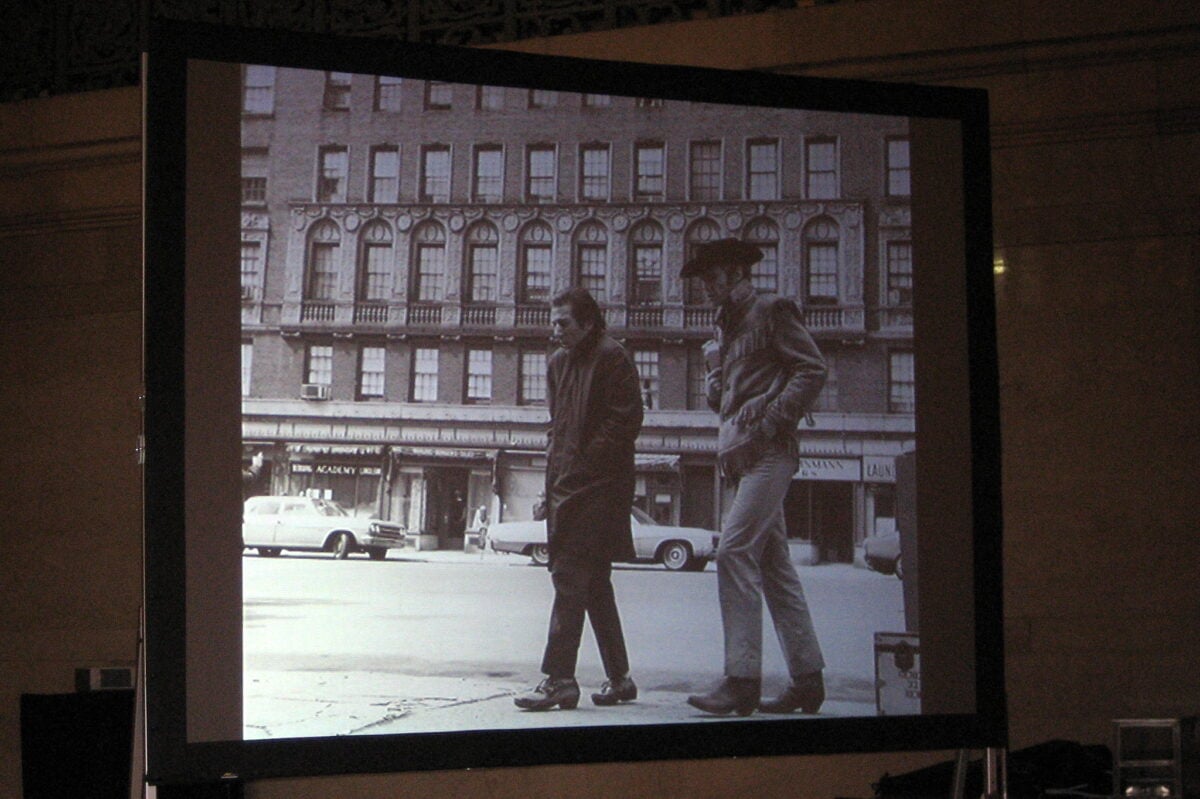
There’s something almost stubborn about the way certain movie moments refuse to be planned, as if the best scenes correct the script rather than follow it. When Dustin Hoffman’s Ratso Rizzo shouts “I’m walkin’ here!” in the taxi that nearly hits him, he’s responding to an actual cab that drove through the shot by mistake.
The moment works because Hoffman doesn’t break character — he absorbs the real-world interruption and makes it belong to Ratso’s New York, where pedestrians fight for every inch of sidewalk space. That’s what makes improvisation dangerous and necessary.
It demands that actors inhabit their characters so completely that the fictional person can respond to unscripted reality. The line became iconic not because it was witty, but because it felt like something that a street-smart character would actually say in that exact situation.
The Shining
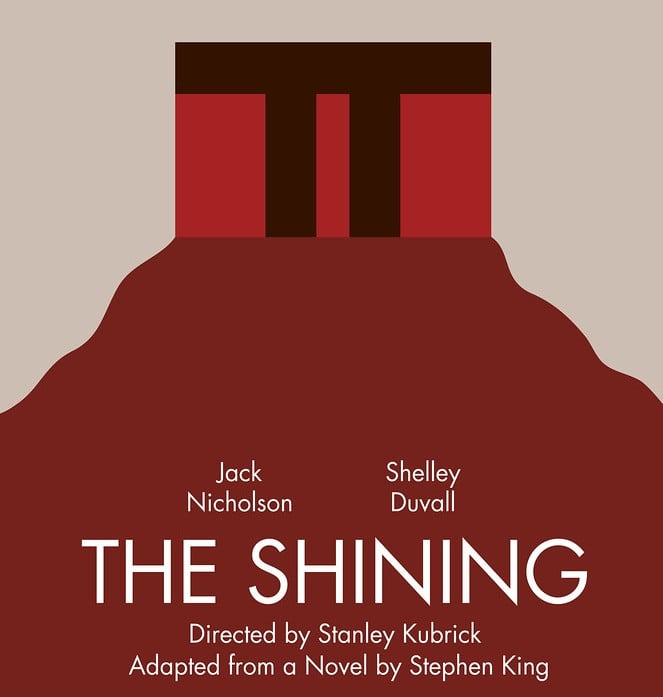
Jack Nicholson’s “Here’s Johnny!” came from The Tonight Show, not Stanley Kubrick’s script. Nicholson borrowed Ed McMahon’s famous introduction for Johnny Carson and turned it into one of horror cinema’s most chilling moments.
The line wasn’t even in Stephen King’s novel.
Jaws
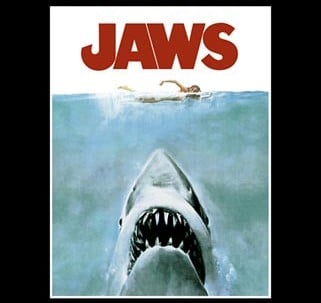
Robert Shaw’s Indianapolis speech was largely improvised. While the basic story was scripted, Shaw rewrote and expanded it the night before filming.
His delivery — sometimes slurred, sometimes crystal clear — captured a man still haunted by wartime trauma. The speech became the film’s emotional centerpiece.
Goodfellas
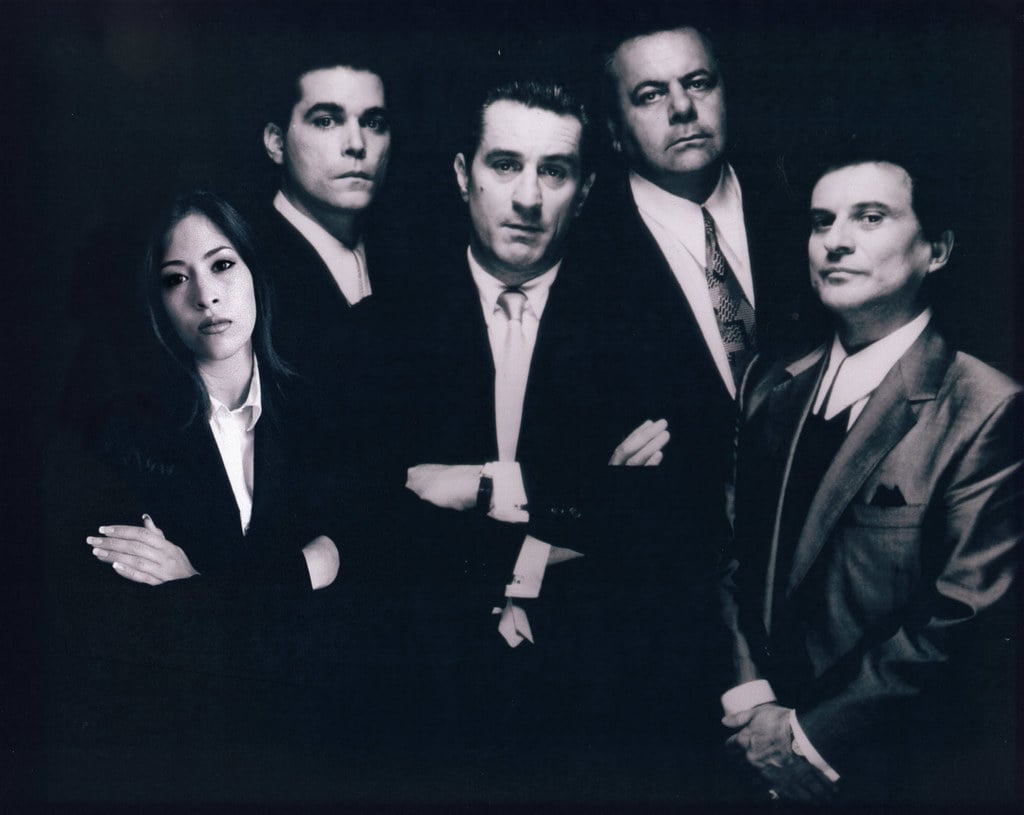
Ray Liotta’s laugh during the “funny how?” scene wasn’t scripted. The entire confrontation was based on a real story Joe Pesci told Scorsese, but Liotta’s nervous, genuine laughter in response to Pesci’s increasingly menacing questions added another layer of tension.
That laugh sounds like someone trying to defuse a bomb.
Blade Runner
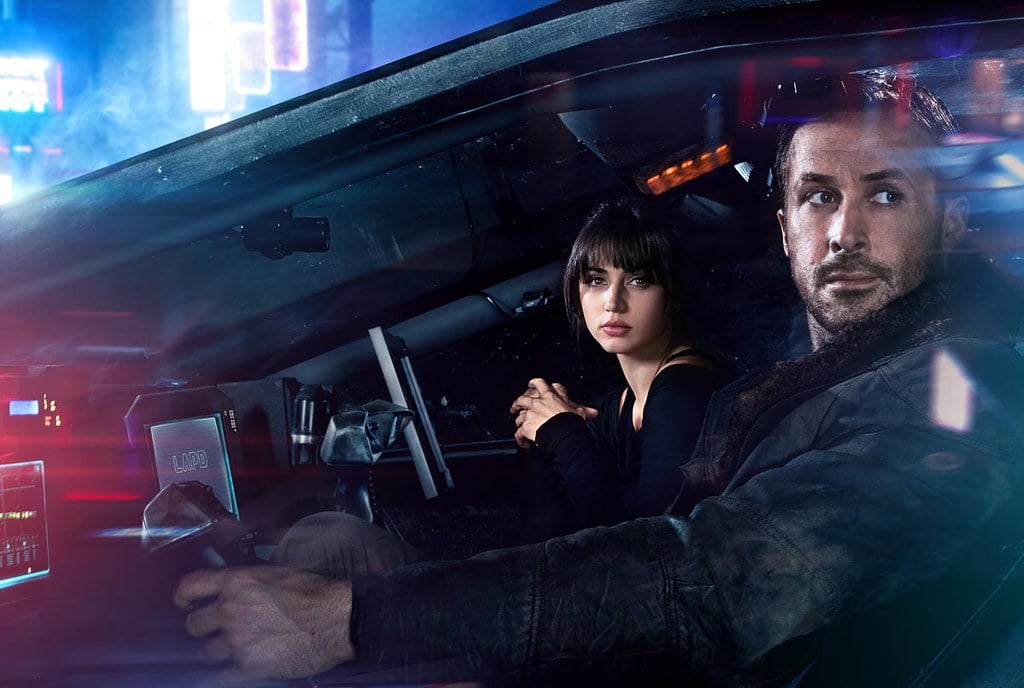
Rutger Hauer’s “Tears in Rain” speech was partially rewritten by the actor himself. The original script was longer and more philosophical.
Hauer trimmed it down and added the final line about moments being lost “like tears in rain.” His improvised ending gave Roy Batty’s death scene its poetic power.
A Few Good Men
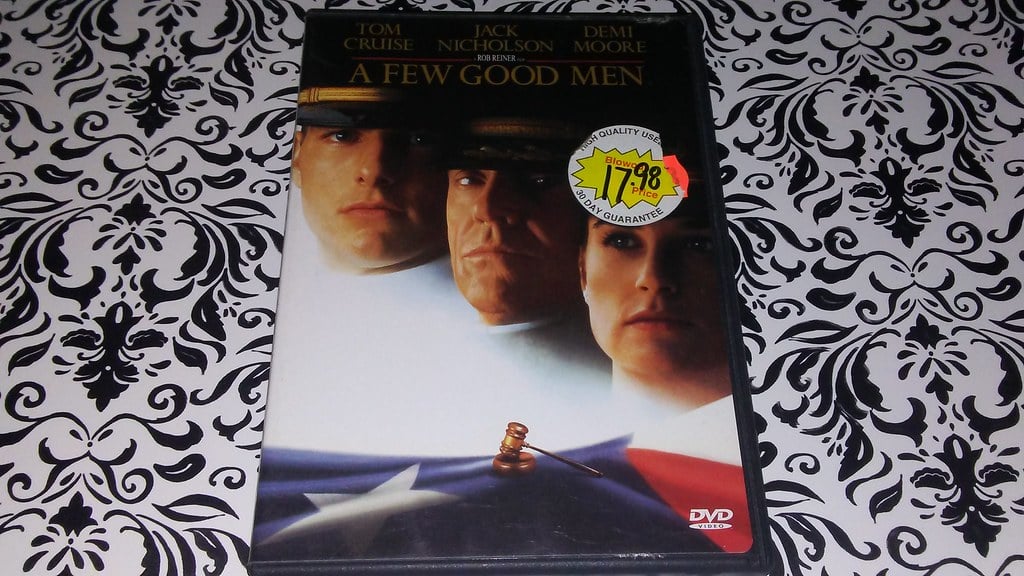
Jack Nicholson’s “You can’t handle the truth!” was in the script, but his explosive delivery wasn’t planned that way. Aaron Sorkin wrote the line, but Nicholson’s volcanic eruption during filming surprised everyone on set.
The intensity came from Nicholson’s own interpretation of Colonel Jessup’s arrogance and contempt.
Indiana Jones and the Raiders of the Lost Ark
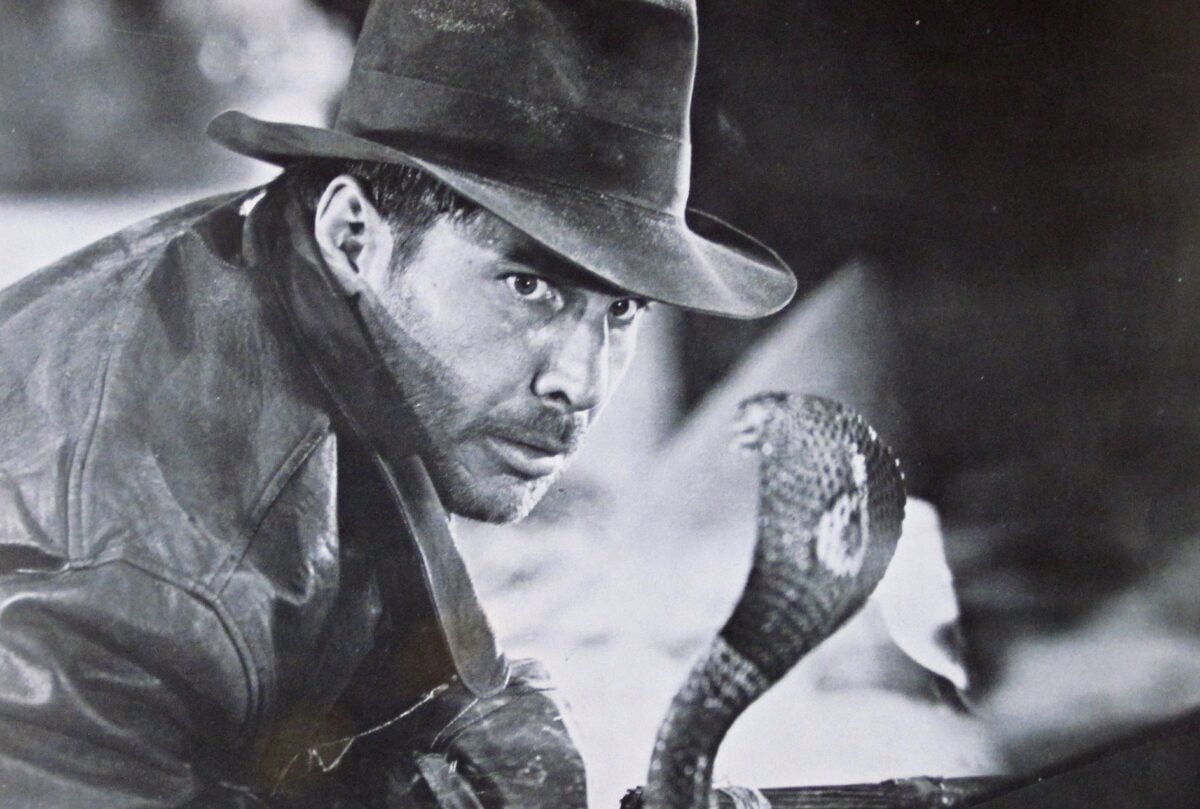
Harrison Ford shooting the swordsman instead of fighting him happened because Ford had food poisoning. The script called for an elaborate whip-versus-sword fight, but Ford felt too sick to perform the choreography.
He suggested simply shooting the guy instead. Spielberg loved it, and the moment became one of the film’s biggest laughs.
The Silence of the Lambs
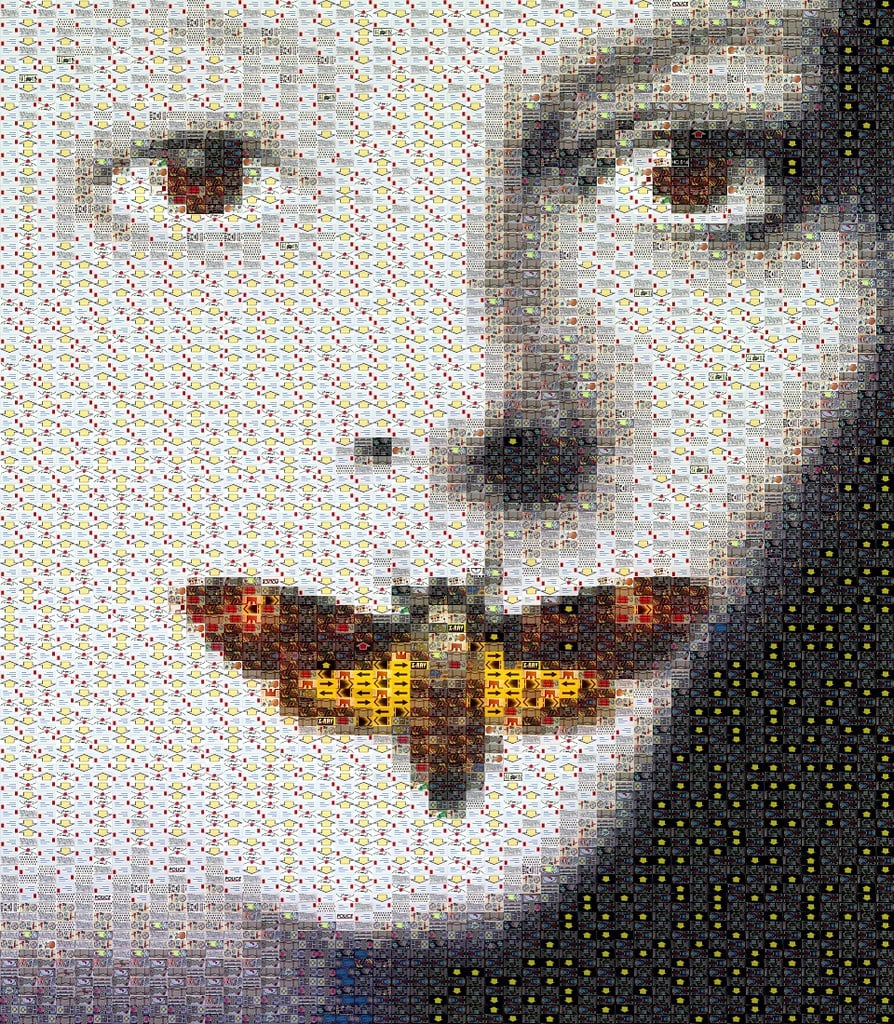
Anthony Hopkins’ hissing sound after talking about eating a census taker’s liver wasn’t scripted. Hopkins added it spontaneously during filming, and it became one of Hannibal Lecter’s most unsettling moments.
The hiss suggested something predatory lurking just beneath the character’s cultured surface.
When Lightning Strikes Twice
These unscripted moments work because they emerge from deep character understanding rather than surface-level improvisation. The actors weren’t just making things up — they were discovering what their characters would naturally do in those specific circumstances.
That’s the difference between improvisation that enhances a film and improvisation that derails it. The best spontaneous moments feel inevitable once they happen, as if the script was incomplete without them.
More from Go2Tutors!

- The Romanov Crown Jewels and Their Tragic Fate
- 13 Historical Mysteries That Science Still Can’t Solve
- Famous Hoaxes That Fooled the World for Years
- 15 Child Stars with Tragic Adult Lives
- 16 Famous Jewelry Pieces in History
Like Go2Tutors’s content? Follow us on MSN.