Most Indulgent Gourmet Desserts Globally
Some desserts exist to fill you up. Others exist purely to make life feel worth living for about three glorious minutes.
The world’s most indulgent gourmet desserts sit firmly in the second category. They use rare ingredients, take hours to prepare, and cost more than a decent dinner, yet people travel across continents and empty their wallets without a single regret.
Get ready, because this list is the kind of thing that makes a person forget they were trying to eat healthier this year.
Kyoto’s Matcha Opera Cake
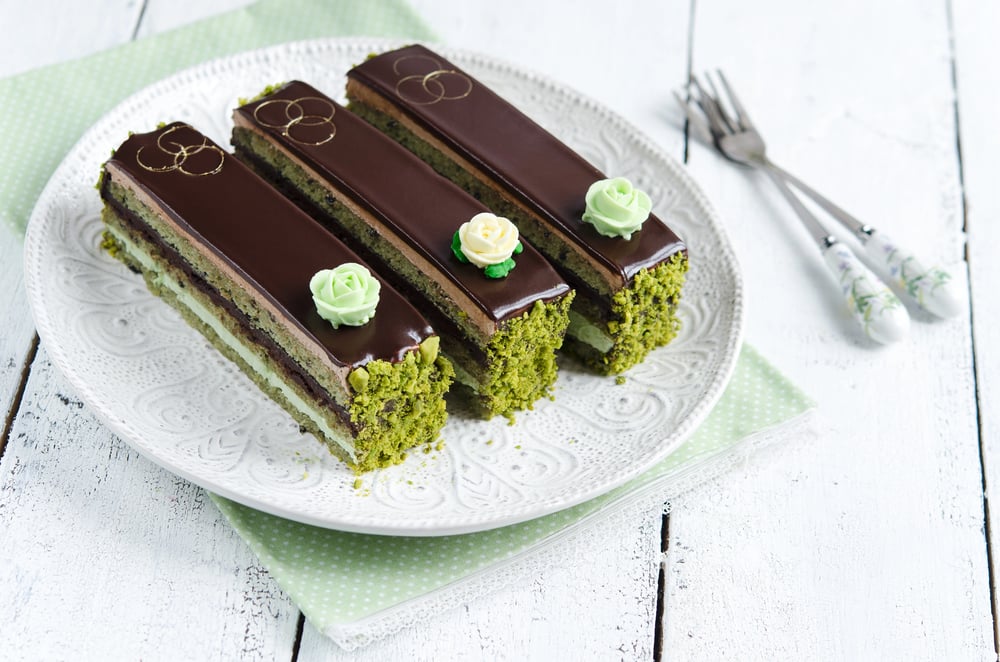
Japan’s take on the classic French Opera cake swaps traditional coffee for ceremonial-grade matcha, and the result is something that feels almost too refined to eat. Thin layers of almond sponge alternate with matcha buttercream and white chocolate ganache, each layer applied with almost obsessive precision.
High-end patisseries in Kyoto source their matcha from single-origin farms in Uji, where the leaves are shade-grown for weeks before harvest to intensify the flavor. The bitterness of premium matcha against the sweetness of the ganache creates a balance that mass-produced desserts simply cannot replicate.
Paris-Brest With Hazelnut Praline
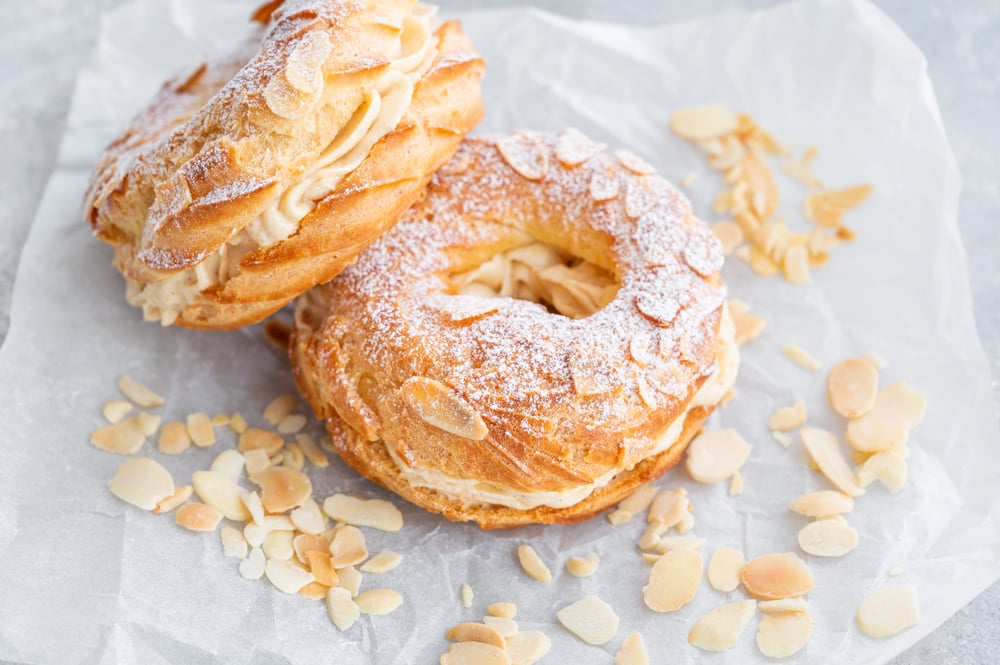
The Paris-Brest is a French pastry that was originally created in 1910 to celebrate a bicycle race between Paris and Brest, and its circular shape represents a wheel. Traditional versions use choux pastry filled with praline cream, but gourmet variations at top Parisian pastisseries now use house-roasted hazelnuts, hand-whipped mousseline cream, and flaked almonds that are caramelized fresh each morning.
The texture contrast between the crisp shell and the rich, nutty cream inside is the kind of thing that stops conversation at a table. It is old-fashioned in the best possible way.
New York’s Frozen Haute Chocolate
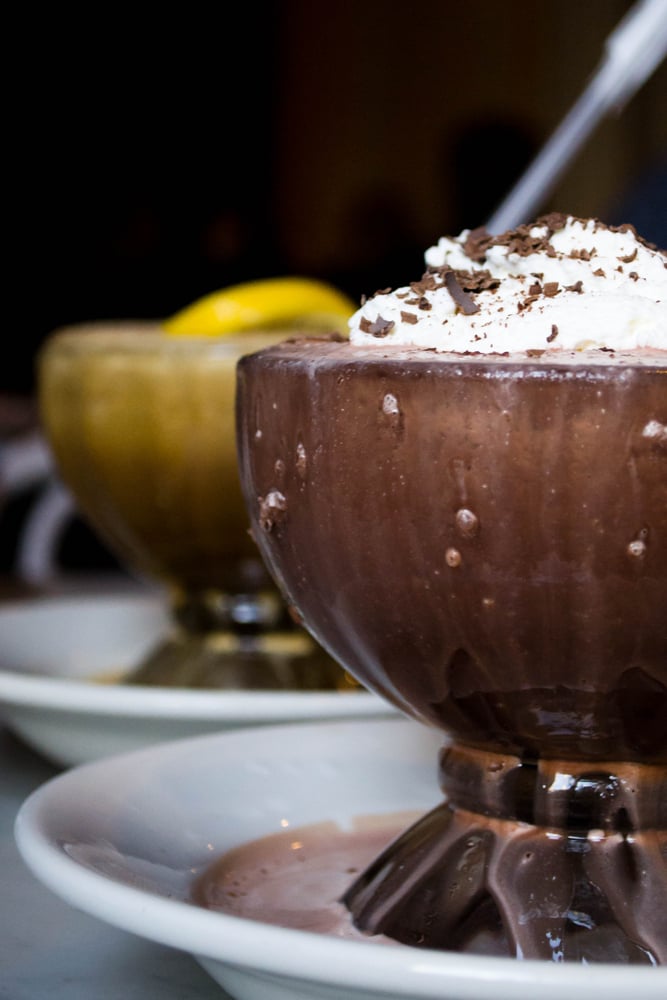
Serendipity 3 in New York City serves the Frozen Haute Chocolate, a drink-dessert hybrid that once held the Guinness World Record as the most expensive dessert in the world at $25,000. It contains a blend of 28 rare cocoas, edible 23-karat gold flakes, and arrives in a gold-decorated goblet with a gold spoon that the diner takes home.
Most people who order it do so for the spectacle, which is fair, because spectacle is genuinely part of the experience. For everyone else, a scaled-down version on the menu delivers the same cocoa blend without the gold, and it is still extraordinarily rich.
Milan’s Panettone With Mascarpone Cream
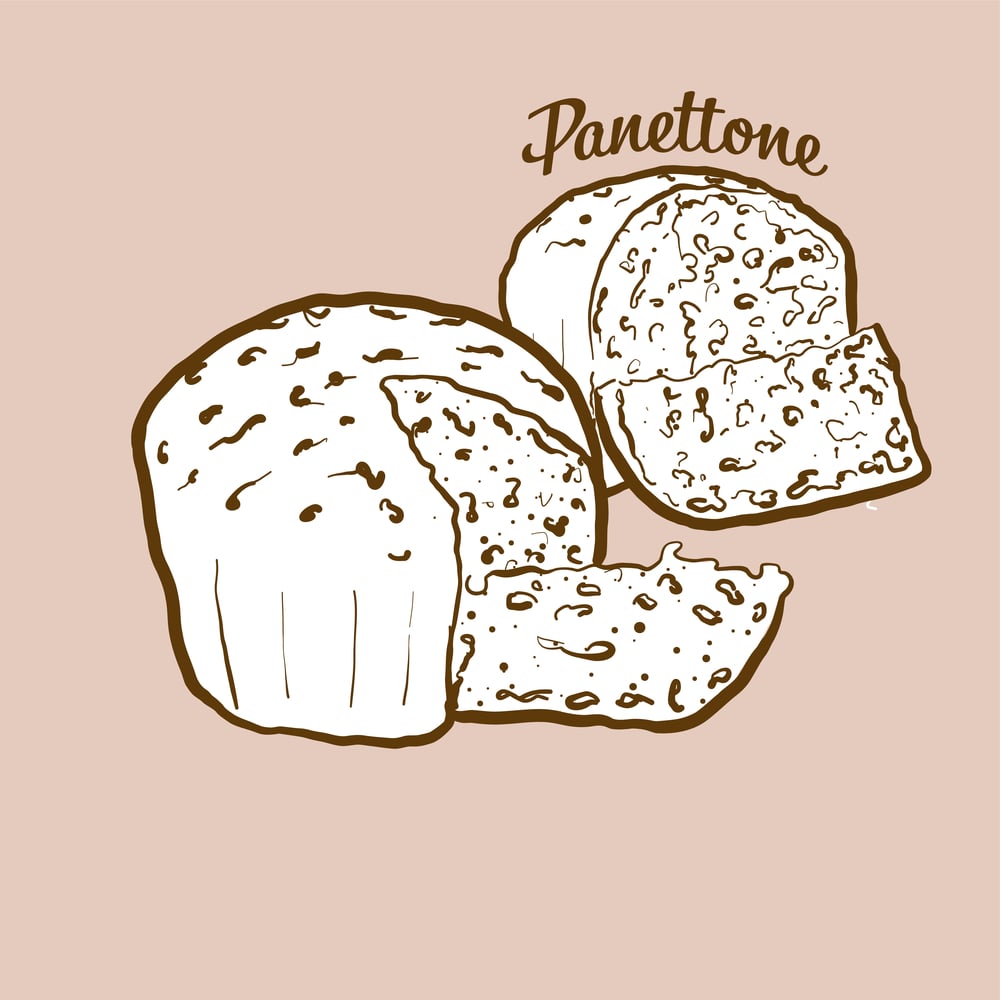
Italian panettone is a holiday staple, but the artisan version produced by bakeries like Pasticceria Cova in Milan operates in an entirely different league from the supermarket variety. Master bakers use a natural yeast starter that some establishments have kept alive and fed daily for over a century, giving the bread a complex, slightly tangy flavor that no commercial shortcut can produce.
Served warm with freshly whipped mascarpone cream and a drizzle of aged balsamic, it becomes a dessert that Italians argue about with the same passion they bring to coffee. The process takes three days from start to finish, and every hour of that time shows in the result.
Tokyo’s Byakuya White Strawberry Pastry
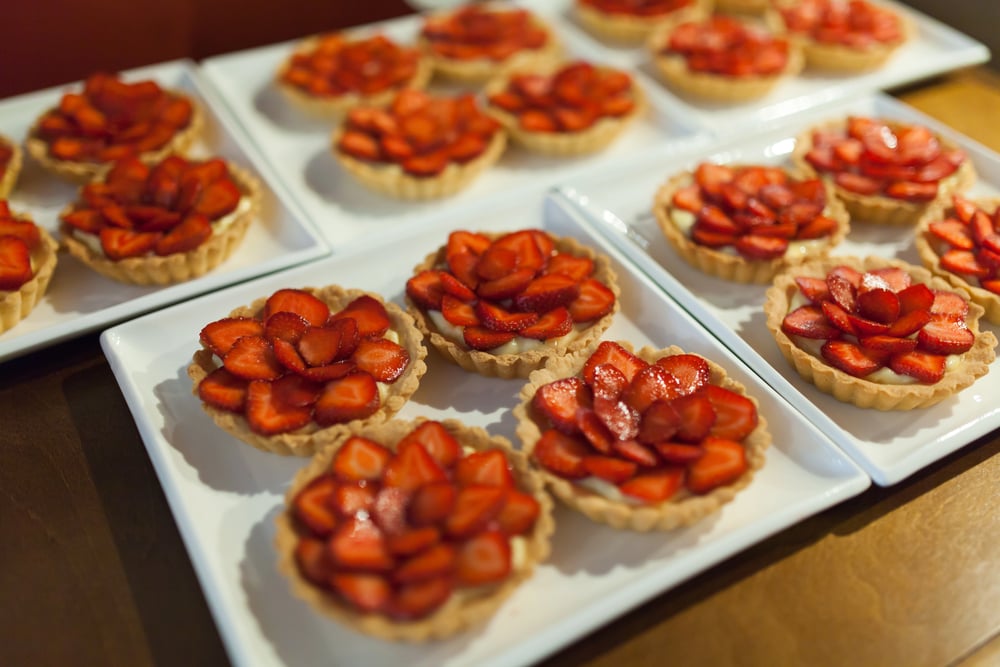
White strawberries grown in Japan, particularly the ‘Shiroi Houseki’ variety, sell for up to $10 each because of their delicate sweetness and near-complete lack of acidity. Tokyo’s high-end pastry shops build entire pastries around these berries, pairing them with vanilla bean custard, thin layers of feather-light puff pastry, and a glaze so fine it barely registers on the tongue.
The strawberries themselves are the star, so the supporting ingredients are deliberately understated to let the fruit speak clearly. Getting a reservation for the seasonal tasting menu where these appear requires planning months in advance.
Dubai’s Saffron And Camel Milk Ice Cream
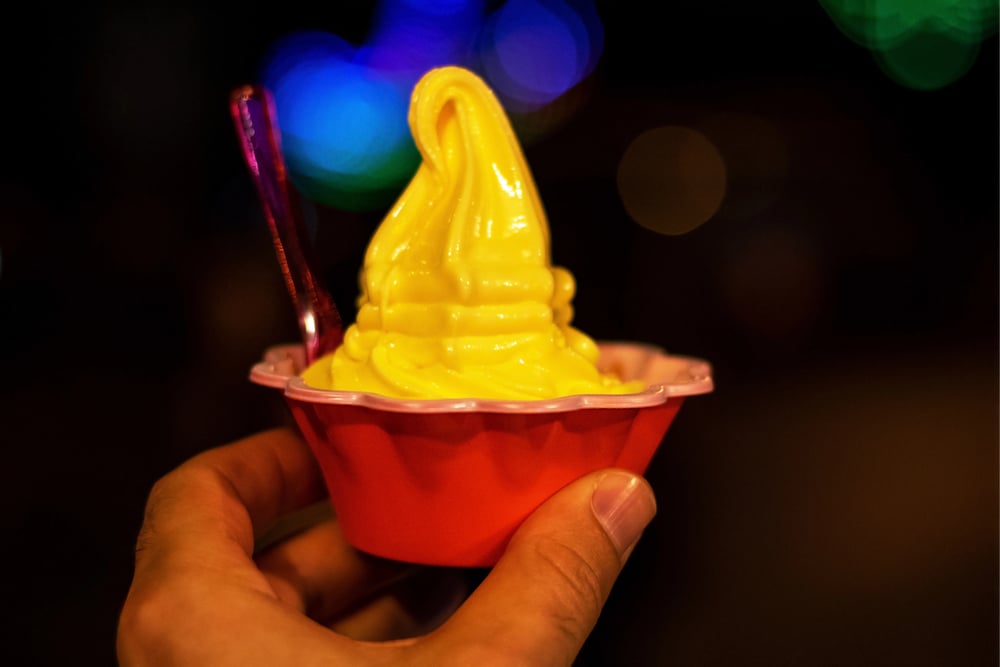
Saffron-infused ice cream made with camel milk is a fixture at upscale dessert lounges across Dubai, and it earns its price tag through genuinely unusual ingredients. Camel milk has a lighter fat content than cow’s milk, which gives the ice cream a cleaner finish while still staying rich, and the addition of high-grade Iranian saffron turns the color a deep, warm gold.
Some establishments finish the dessert with crushed pistachios from Rafsanjan, one of the few regions where pistachios grow with a distinct sweetness. The flavor sits somewhere between floral and nutty, and it is unlike any ice cream most people have tasted before.
Belgium’s Gold-Dusted Praline Bonbons
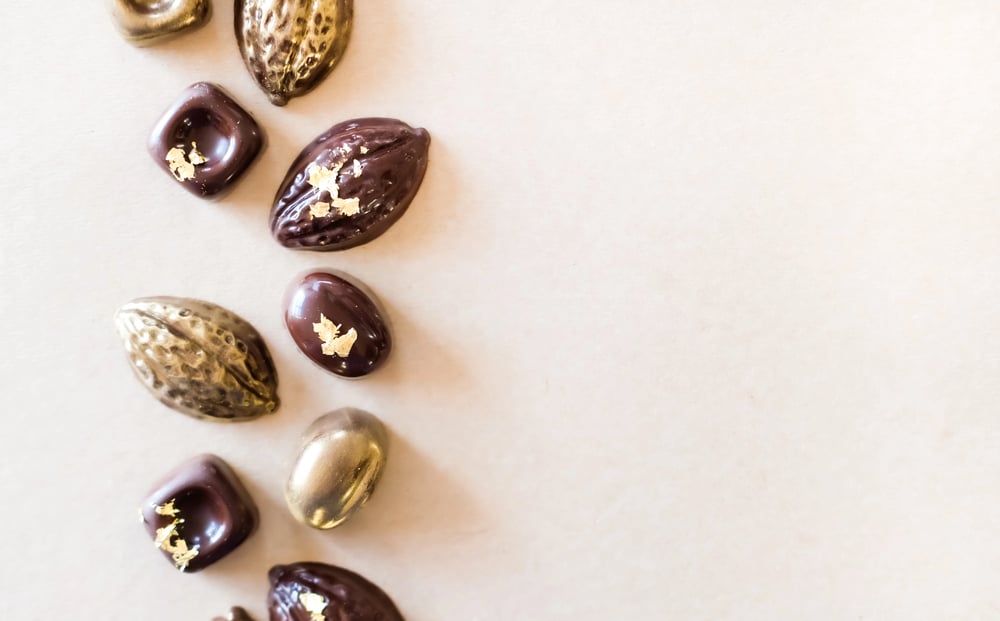
Belgian chocolate already holds a strong reputation globally, but the artisan praline bonbons produced by makers like Pierre Marcolini in Brussels are in a class of their own. Marcolini sources cacao directly from single-origin farms in Ecuador, Madagascar, and Japan, roasting each batch in-house to preserve the distinct flavor profile of every origin.
The fillings range from Tahitian vanilla ganache to salted caramel made with Guérande sea salt, and each piece is finished with edible gold dust applied by hand. A small box costs roughly $80, and people buy them anyway because, at that level of craft, they are less candy and more an argument for taking chocolate seriously.
Vienna’s Esterhazy Torte
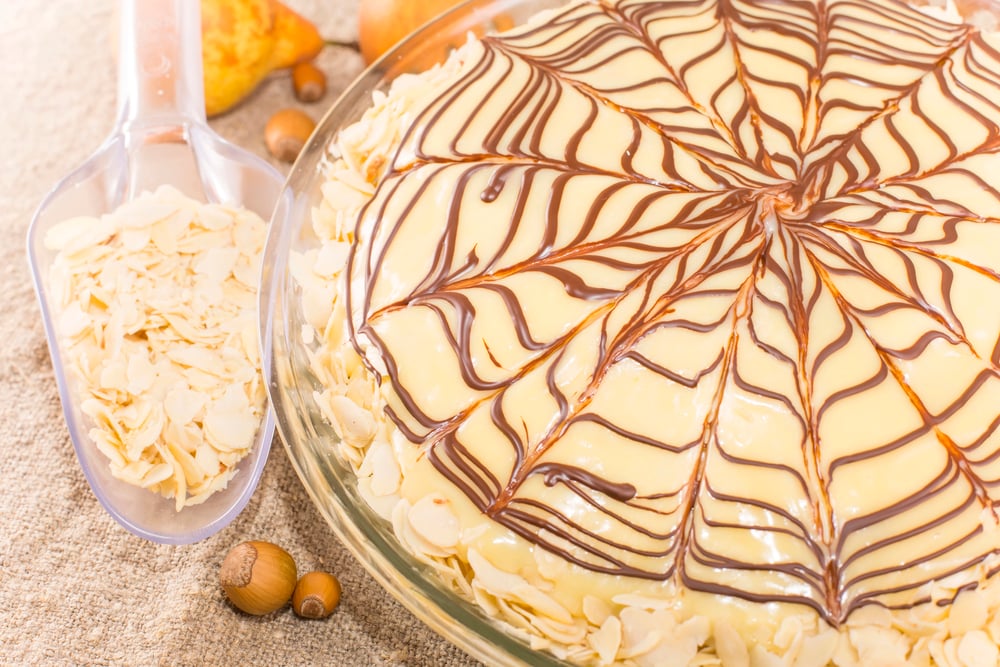
The Esterhazy torte is a Hungarian-Austrian dessert with a history that stretches back to the 19th century, and it remains one of the most technically demanding cakes a pastry chef can attempt. It features multiple thin layers of walnut and almond meringue sponge sandwiched with cognac-flavored buttercream, then finished with a fondant glaze decorated in a distinctive feathered pattern that requires a steady hand and no interruptions.
Vienna’s grand cafes, particularly Cafe Central and Cafe Landtmann, serve versions that have remained largely unchanged for over 100 years. The structure is architectural, the flavor is deep and nutty, and the patience required to make it correctly is genuinely impressive.
London’s Triple-Cooked Chip Sundae
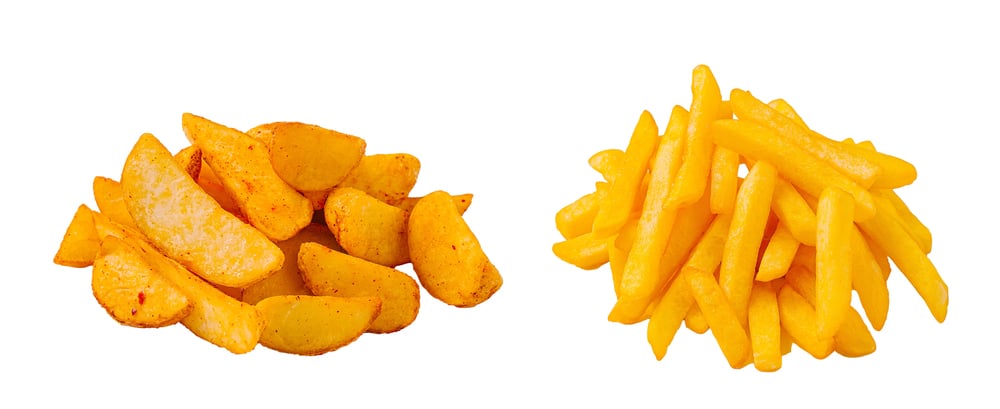
This one surprises people. Heston Blumenthal’s restaurant in London helped pioneer the idea of using savory cooking techniques inside dessert, and one of the most talked-about outcomes was the triple-cooked chip sundae served at Dinner by Heston.
Thick-cut potato fries go through three separate cooking stages to achieve a crust that shatters like glass, then get paired with clotted cream ice cream, salted caramel sauce, and a scattering of crispy pancetta. The combination of sweet, salty, creamy, and crunchy in a single spoonful sounds chaotic but lands with surprising precision.
It challenges the basic idea of what a dessert is supposed to be.
San Sebastián’s Basque Burnt Cheesecake
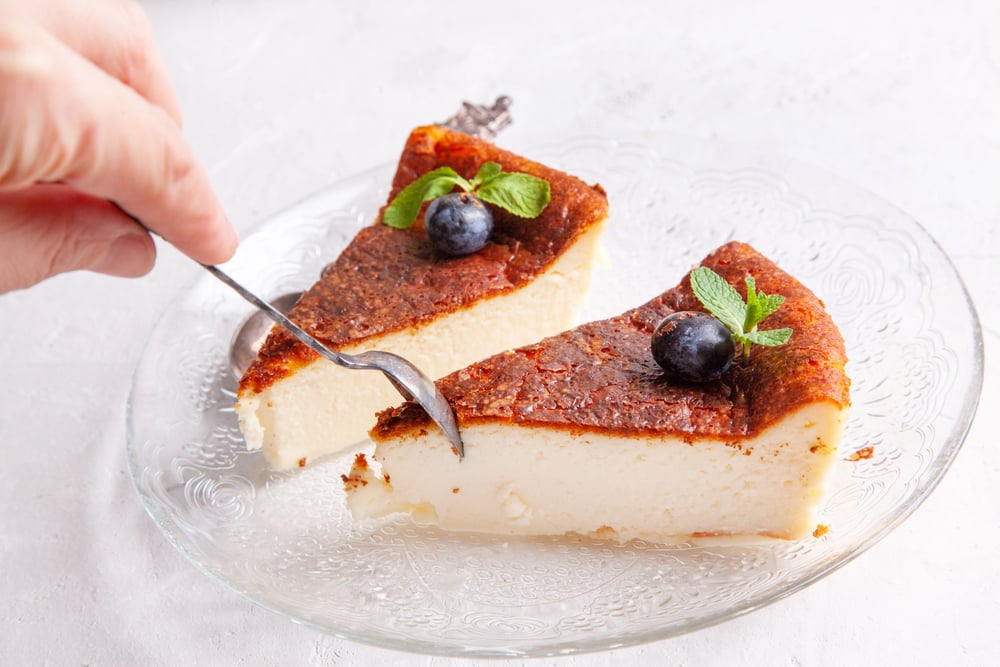
La Viña in San Sebastián, Spain, created the Basque burnt cheesecake in 1990, and it has since traveled across the world and influenced pastry menus from New York to Seoul. The original uses just five ingredients, cream cheese, eggs, sugar, cream, and flour, but the technique of baking it at an extremely high temperature creates a deeply caramelized top that most cheesecakes avoid entirely.
That burnt exterior is not a mistake; it is the whole point. The inside stays custardy and barely set, and the contrast with the bitter, almost smoky top layer is the reason this cheesecake earned a global reputation with no advertising, no celebrity endorsement, and no effort beyond getting the recipe exactly right.
Singapore’s Durian Crepe Cake
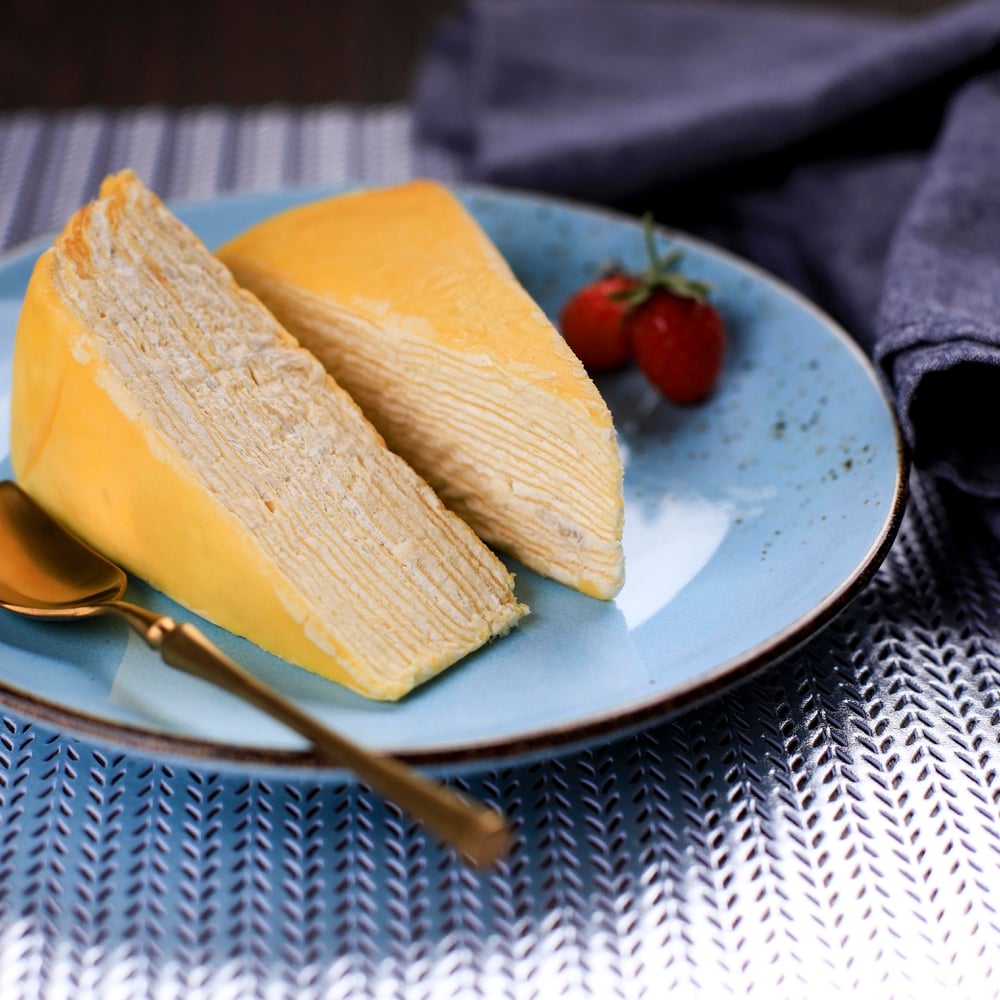
Durian is the kind of ingredient that divides rooms instantly. Singapore’s luxury dessert scene has leaned fully into that polarizing quality, producing durian crepe cakes that use Mao Shan Wang durian, widely considered the finest cultivar, with flesh that is bittersweet, intensely creamy, and almost custard-like in texture.
Thin French-style crepes alternate with freshly whipped durian cream, and the whole cake is assembled cold so the layers stay distinct. At Singapore’s premium dessert cafes, a single slice costs around $15, and the full cake runs considerably more during peak durian season.
For those who love durian, this is the dessert that justifies every argument they have ever had about it.
Florence’s Semifreddo Al Vin Santo
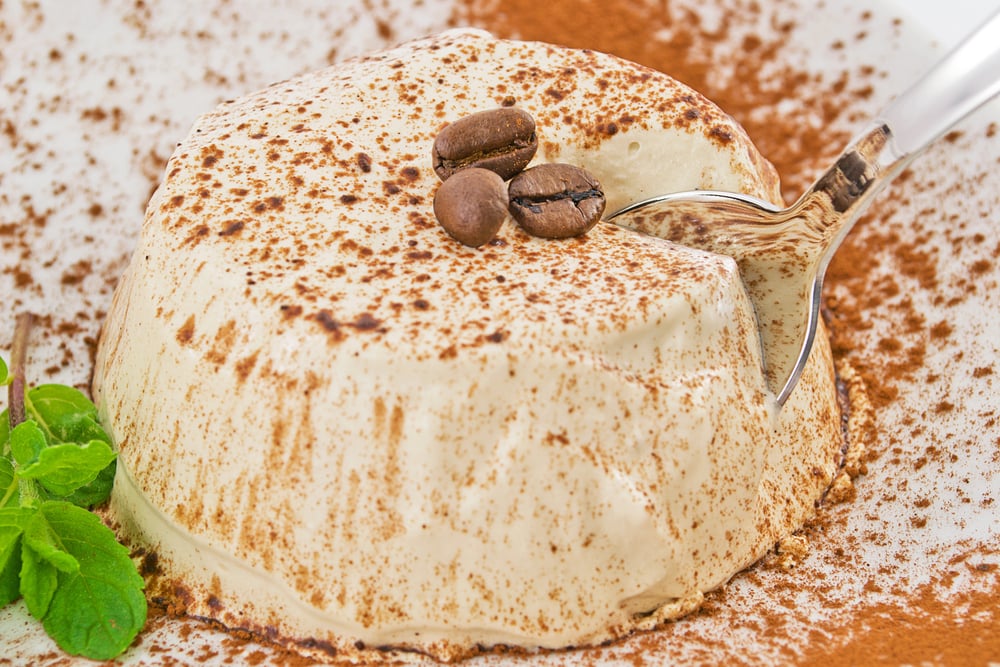
Amber-hued and thick, Tuscany’s vin santo comes from sun-dried grapes, while top kitchens in Florence stir it into semifreddo – a chilly treat somewhere near ice cream but lighter. Instead of folding everything fast, they blend slowly: egg yolks meet sugar first, then whipped cream swirls in before a deep glug of well-aged wine joins plus brittle shards of roasted almonds.
Left alone through one full night inside a loaf-shaped mold, it firms without hardening too much. Served by the slice, it rests beside a modest tumbler of the same sweet wine – dipping encouraged since extra layers often win here.
Its flavor leans warm, like baked figs touched with caramel, which keeps things feeling less sweet tooth, more grown-up.
New Orleans Bananas Foster
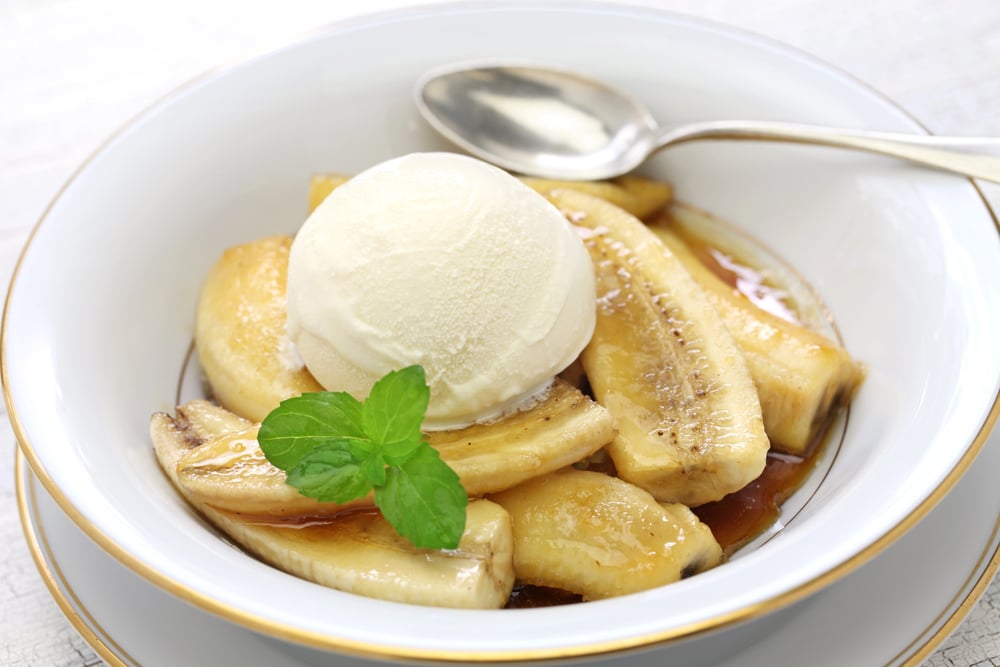
Bananas Foster first appeared at Brennan’s Restaurant in New Orleans back in 1951, yet even now they dish out roughly 35,000 servings annually. Bananas sizzle in a skillet with butter, while brown sugar and cinnamon blend into the mix, followed by banana liqueur creeping in quietly.
Then comes rum – poured just before fire leaps across the pan right beside the table, turning sweet cooking into a fleeting spectacle. Resting atop high-grade vanilla ice cream, the hot syrup curls into the chill cream, edges blurring in a harmony words can’t quite catch.
Few desserts manage such flair during making plus excellence when eaten, but this one pulls off both without slowing down.
Copenhagen’s Brown Butter Ice Cream
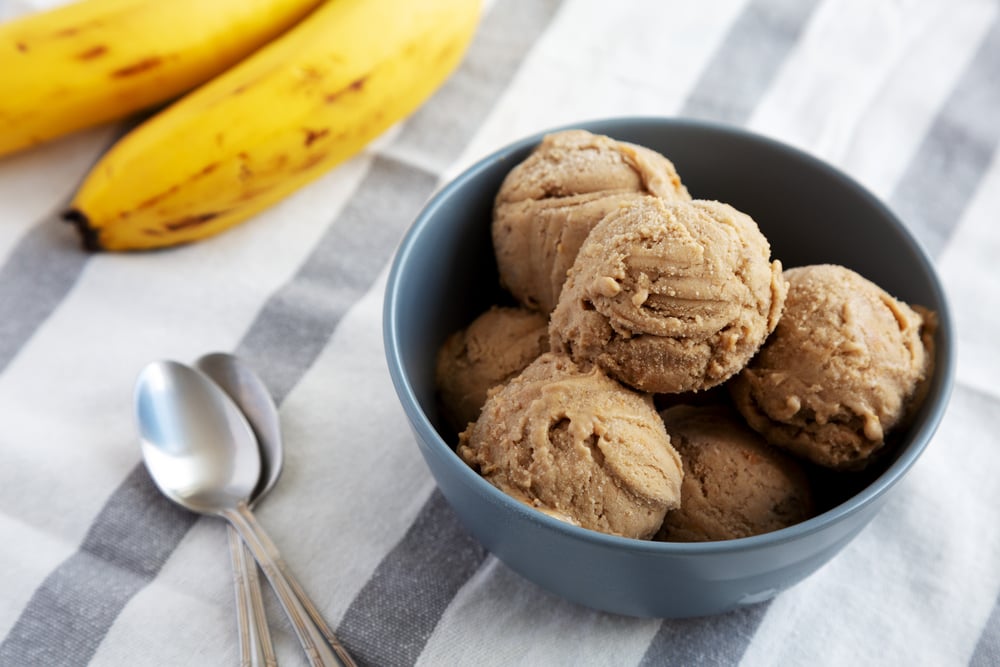
Brown butter ice cream sits quietly at the heart of Copenhagen’s dessert shift, born not from trend but patience. Though Denmark’s New Nordic movement reshaped global views on Scandi cuisine, its real mark shows up subtly – in chilled spoons, not manifestos.
Former Noma hands stir pots where golden milk solids sink slowly into warmth, turning ordinary butter into something rich and earthy. From tiny dairies across Jutland, cultured butter arrives thick and tangy, meeting time and heat until flavor spirals toward caramel without touching sugar.
This base – cream beaten slow, yolks folded like secrets – spins cold into silk. A crunch comes later: rye crumbs fried crisp again in browned fat, scattered just before serving.
One small pool of pastry lingonberry cuts through, sharp as morning light. Balance appears effortless here, though effort hides in every step.
The dish does not shout. It murmurs, familiar yet new, salty-sweet in a single breath.
What looks plain only pretends – it remembers each detail long after the bowl empties.
Morocco’s Bastilla Au Lait

What hits first is the crackle when you break through the outer shell – thin sheets of warqa layered like pages in a book pressed too long. Inside lies something softer: cold cream kissed by orange blossoms, stirred with cinnamon that curls around each bite.
Almonds, lightly browned, add grit where the texture dips low. This isn’t just sweet – it behaves differently at every level, shifting from sharp snap to slow melt.
In Fes or Marrakech, trays appear during gatherings, served in places where courtyards hold shadows longer than streets do. A pattern made of sugar and spice crowns the top, drawn carefully though never fussy.
Each piece insists on attention – not loud, not flashy – but built so nothing feels out of place. When held right, light catches edges where layers peel apart almost on their own.
A World Worth Savoring
Tasty high-end sweets around the globe aren’t only made special by costly stuff or fancy steps – though those matter too. A moment, a location, a way things were done live inside each one, passed down after long practice behind the counter.
Some treats like these show up in history books older than most buildings downtown. Think of how many hands held plates, paused, tasted, then smiled just like someone does now.
Nothing lasts that long without meaning sticking to it somehow. Folks still fuss over details so much simply because they care – a quiet stubborn love that feeds us all.
What sticks stays fed.
More from Go2Tutors!

- The Romanov Crown Jewels and Their Tragic Fate
- 13 Historical Mysteries That Science Still Can’t Solve
- Famous Hoaxes That Fooled the World for Years
- 15 Child Stars with Tragic Adult Lives
- 16 Famous Jewelry Pieces in History
Like Go2Tutors’s content? Follow us on MSN.



