17 Surprising Industrial Uses for Fruits
When you bite into a juicy apple or peel an orange, you’re probably thinking about the sweet taste and vitamin boost. But those fruit scraps you toss in the trash? They’re actually treasure troves for major industries around the world. From the pharmaceutical labs to textile factories, fruits are working overtime in ways that might blow your mind.
The next time you see fruit waste, remember that it could become anything from industrial-strength cleaning products to life-saving medicines. Here is a list of 17 surprising industrial uses for fruits that showcase how nature’s bounty extends far beyond our dinner plates.
Citrus Pectin for Drug Delivery Systems
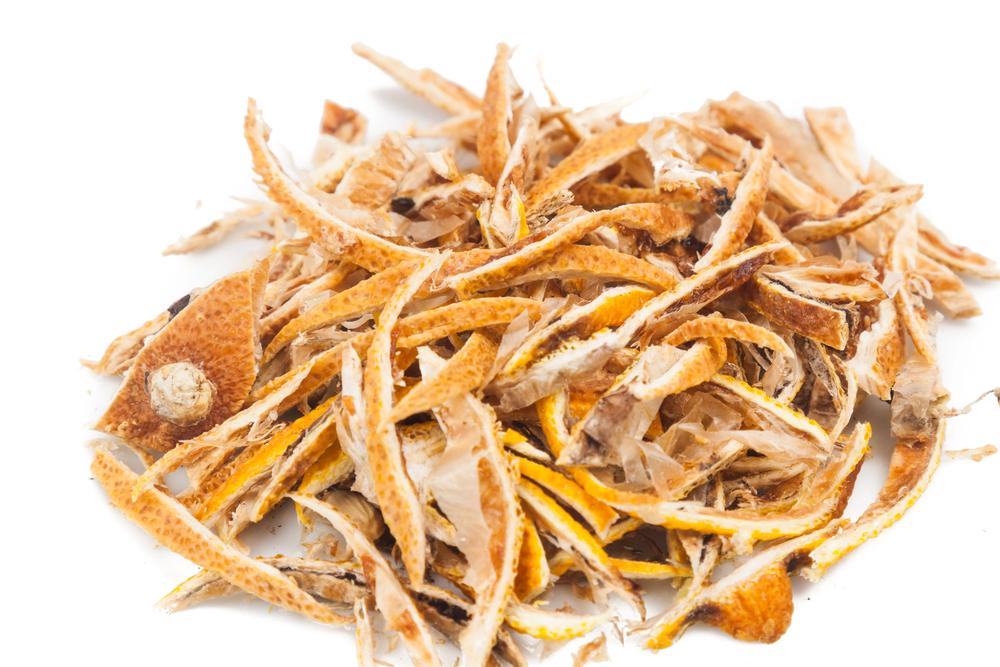
Pectin extracted from citrus peels serves as a crucial component in pharmaceutical drug delivery, wound healing, and tissue engineering applications. This natural polymer acts as a controlled-release agent, allowing medications to dissolve at specific rates in the body.
Lime peels can yield up to 32% pectin content, making them especially valuable for pharmaceutical-grade applications. The beauty of citrus pectin lies in its biocompatibility – your body recognizes it as a natural substance rather than a foreign chemical.
Apple Pomace Paper Manufacturing

Apple pomace can substitute up to 75% of newspaper fibers in molded pulp packaging boards, showing similar functionality to traditional paper products. Paper mills are discovering that apple processing waste contains excellent cellulose fibers perfect for creating sustainable packaging materials.
From 1,000 grams of apple pomace, manufacturers can extract 243.9 grams of cellulose with 90.4% purity. This process turns what was once considered waste into high-quality paper products, proving that one industry’s trash truly becomes another’s treasure.
Natural Textile Dyes from Fruit Waste

Food waste streams from fruit processing can be a competitive source to obtain natural dyes, especially for niche textile applications, providing environmental and economic benefits. Textile manufacturers are moving away from petroleum-based synthetic dyes toward fruit-derived colorants that offer rich, complex hues.
Agricultural byproducts from oranges, tangerines, and pomegranates are specifically highlighted for natural textile coloration in the United States. These natural dyes not only reduce environmental impact but also provide unique color variations that synthetic alternatives struggle to match.
Citrus Limonene as Industrial Solvent

D-limonene extracted from citrus rinds serves as an effective, biodegradable alternative to petroleum-based solvents for industrial degreasing and cleaning applications. This powerful compound can dissolve oils, adhesives, and greases from machinery while being completely renewable and environmentally friendly.
The global limonene market is projected to reach $555.13 million by 2032, with industrial applications driving significant growth. Companies are switching to limonene because it performs just as well as harsh chemical solvents without the toxic fumes or environmental damage.
Pineapple Bromelain for Industrial Catalysis

Pineapple stems and peels are highlighted for their bromelain content, which has been extracted for applications in several industries as a safe and less costly option compared to chemical catalysts. This natural enzyme breaks down proteins and serves as an eco-friendly alternative to synthetic catalysts in various manufacturing processes.
The biotechnology market for bromelain has been growing rapidly because it offers the same catalytic power as traditional chemicals while being completely biodegradable. Industries from food processing to pharmaceuticals rely on this pineapple-derived enzyme for cleaner production methods.
Fruit-Based Bioplastic Manufacturing

Apple pomace containing 38.99% cellulose, 29.42% hemicelluloses, and natural sugars can be processed into bio-based films and 3D objects through solution casting and compression molding. These fruit-derived bioplastics offer a sustainable alternative to petroleum-based plastics in packaging applications.
The natural sugars in apple pomace act as plasticizers, creating flexible films with impressive tensile strength. What makes this particularly exciting is that fruit waste can be transformed directly into useful materials without extensive chemical processing.
Orange Peel Essential Oils for Cosmetics

Citrus essential oils rich in D-limonene, β-pinene, and γ-terpinene serve important roles in the cosmetics industry due to their antimicrobial, anti-inflammatory, and fragrance properties. Cosmetic manufacturers extract these oils for use in soaps, shampoos, lotions, and perfumes.
Studies reveal that 95% of perfume products and 69% of deodorants contain limonene, with essential oils being the strongest contributors to exposure. The natural antimicrobial properties make these oils especially valuable in personal care products where safety and effectiveness are paramount.
Fruit Pomace in Molded Fiber Packaging

Molded fiber products from fruit pomace offer sustainable alternatives to plastic packaging, with companies switching from plastics to environmentally friendly products. These packaging materials can replace styrofoam and plastic containers for everything from egg cartons to electronic device protection.
Cellulose nanofiber incorporation significantly improves water resistance and mechanical properties of fruit pomace-based molded pulp boards. The result is packaging that performs just as well as traditional materials while being completely compostable.
Berry Extracts for Pharmaceutical Applications

Natural dyes extracted from fruits like Terminalia arjuna and Syzygium cumini demonstrate eco-friendly, non-hazardous, and sustainable properties for various applications. Pharmaceutical companies extract bioactive compounds from berries and other fruits for use in medicines and health supplements.
These fruit-derived compounds often show anti-inflammatory, antioxidant, and antimicrobial properties that make them valuable in drug formulations. The advantage is that patients’ bodies recognize these compounds as natural substances, often leading to better tolerance and fewer side effects.
Citrus Pectin in Industrial Adhesives

Pectin serves as a gelling agent, stabilizer, and thickening agent across industrial formulations, including biomaterial applications. Manufacturing industries use citrus-derived pectin to create natural adhesives and binding agents for various products.
The polymer’s excellent gel-forming properties make it particularly useful in applications where synthetic adhesives might be too harsh or environmentally problematic. This application spans from construction materials to packaging adhesives that need to be food-safe and biodegradable.
Fruit-Derived Natural Colorants for Manufacturing

Plant-based dyes from fruits provide a wide range of colors sourced from different parts including roots, leaves, stems, flowers, and fruits. Manufacturing industries use these natural colorants in everything from paints and coatings to plastics and printing inks.
The majority of natural dyes are vegetable dyes from plant sources, with fruits being a significant contributor to industrial coloration needs. Unlike synthetic dyes that rely on single chemical compounds, fruit-based colorants often contain multiple dye compounds, creating richer and more complex colors.
Apple Fiber for Paper Reinforcement

Apple pomace serves as a rich source of crude fiber and can be converted into edible and industrial products, with only about 10,000 tons of the 1 million tons produced annually in India being utilized. Paper manufacturers add apple fiber to strengthen paper products and improve their texture and durability.
Optimized cellulose extraction from apple pomace reveals long-shaped structures of 500-750 micrometers in length and 20-25 micrometers in width, ideal for paper applications. This reinforcement application helps create stronger, more sustainable paper products while reducing reliance on virgin wood pulp.
Citrus Oils for Industrial Fragrances
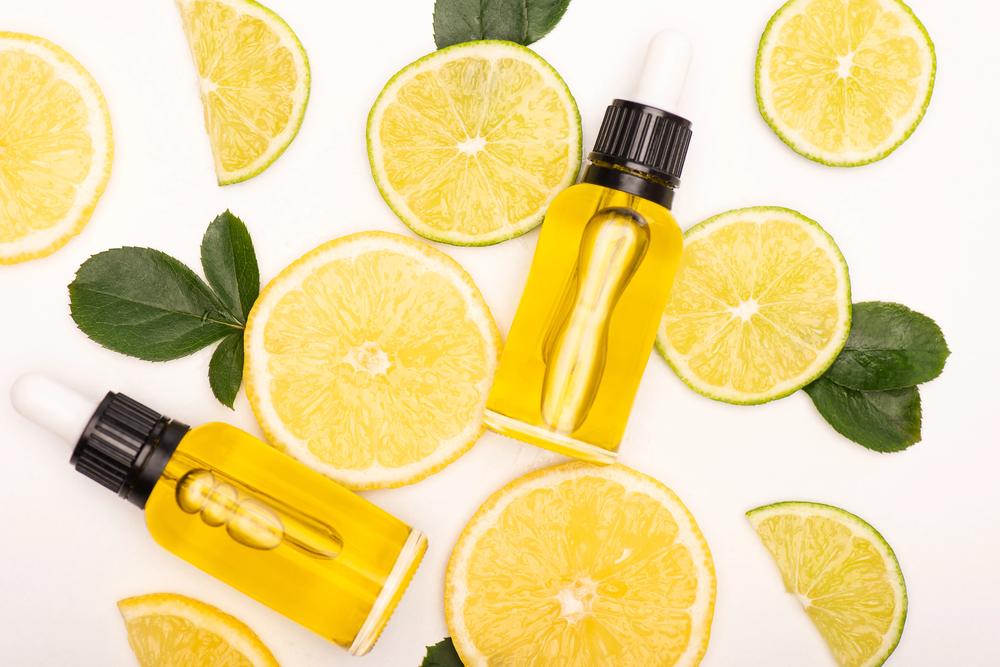
D-limonene is used as a fragrance in industrial applications, cleaner formulations, and as an ingredient in household cleaning products and personal hygiene products. Industries from automotive to hospitality use citrus-derived fragrances to create pleasant environments and mask industrial odors.
The natural origin of these fragrances makes them safer for workers and consumers compared to synthetic alternatives. Limonene is used as a botanical insecticide and in organic herbicides, demonstrating its versatility beyond fragrance applications.
Fruit Waste Cellulose for Construction Materials
Apple pomace can be utilized to create molded pulp biocomposites as biodegradable packaging materials, with potential applications in construction and building materials. Construction companies are experimenting with fruit-derived cellulose as reinforcement in eco-friendly building materials.
These materials offer good structural properties while being completely renewable and biodegradable at the end of their lifecycle. The fiber structure from fruit pomace provides excellent binding properties that enhance the strength and durability of composite building materials.
Citrus Compounds for Green Chemistry
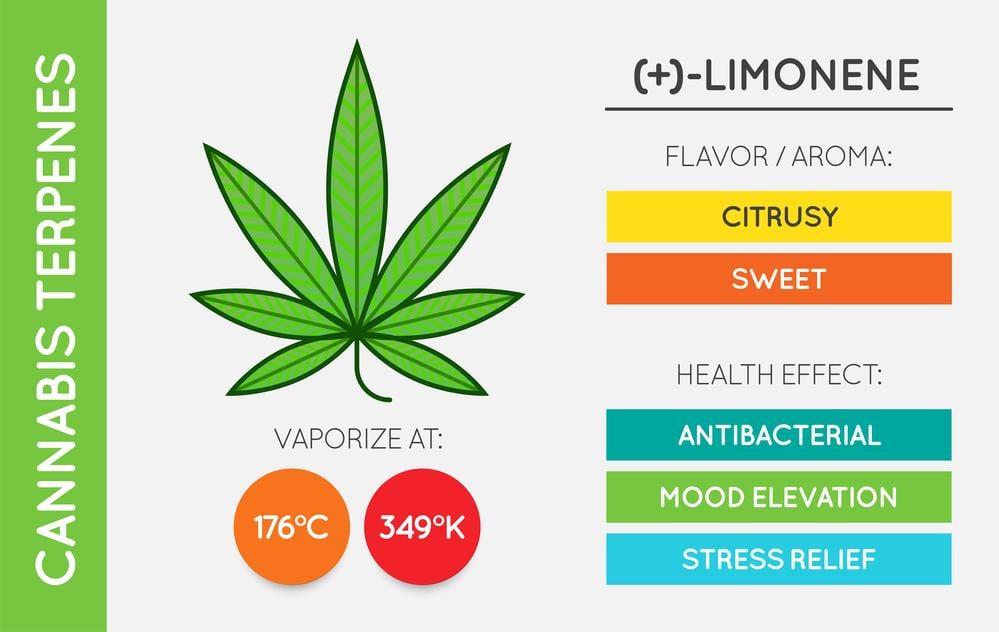
Limonene serves as a high-value monoterpene with applications in pharmaceuticals, and biosynthesis is emerging as the fastest-growing production technique for industrial applications. Chemical manufacturers use citrus-derived compounds as building blocks for creating other industrial chemicals through green chemistry processes.
Limonene is used in chemical synthesis as a precursor to carvone and as a renewables-based solvent in cleaning products. This approach reduces dependence on petroleum-based chemical feedstocks while maintaining the performance characteristics needed for industrial applications.
Fruit Enzymes for Biotechnology

The bromelain market for industrial applications has been growing due to biotechnological uses and useful characteristics against chemical catalysts. Biotechnology companies extract enzymes from various fruits for use in industrial fermentation, protein processing, and biochemical manufacturing.
These natural enzymes often work more efficiently and under milder conditions than synthetic alternatives, reducing energy costs and environmental impact. The specificity of fruit-derived enzymes makes them particularly valuable in applications requiring precise biochemical reactions.
Natural Antimicrobials from Fruit Extracts

Citrus compounds demonstrate antimicrobial, anti-inflammatory, and antioxidant activities, with many natural dyes showing antibacterial properties that can be preserved through proper processing. Industries from food packaging to textiles incorporate fruit-derived antimicrobial compounds to create self-sanitizing surfaces and materials.
These natural antimicrobials provide protection against bacteria and fungi without the environmental concerns associated with synthetic alternatives. The compounds work by disrupting microbial cell walls and metabolic processes, making them effective preservatives and protective agents.
Beyond the Fruit Bowl

The transformation of fruit waste into industrial powerhouses represents one of the most exciting developments in sustainable manufacturing. What started as orange peels and apple cores destined for landfills now fuels billion-dollar industries from pharmaceuticals to textiles.
As companies worldwide seek cleaner, greener alternatives to petroleum-based chemicals, fruits are proving that nature had the right formulas all along. The next time you enjoy a piece of fruit, remember that you’re holding raw materials for everything from life-saving medicines to the paper this article might be printed on.
More from Go2Tutors!

- 16 Historical Figures Who Were Nothing Like You Think
- 12 Things Sold in the 80s That Are Now Illegal
- 15 VHS Tapes That Could Be Worth Thousands
- 17 Historical “What Ifs” That Would Have Changed Everything
- 18 TV Shows That Vanished Without a Finale
Like Go2Tutors’s content? Follow us on MSN.