15 American Chain Restaurants That No Longer Exist
Remember when going out to eat meant something different? Before every strip mall looked identical and every chain restaurant served the same reheated appetizers, America’s dining landscape was wilder, weirder, and more wonderful.
Families piled into cars for steakhouses with genuine character, coffee shops that weren’t trying to be your third place, and burger joints that knew exactly what they were. These places didn’t just serve food — they created memories.
The kind of restaurants where you knew which booth your family always sat in, where the waitresses called you “hon,” and where the food arrived exactly as you expected it, every single time. Most of them are gone now, victims of changing tastes, corporate mergers, or simply the relentless march of time.
Howard Johnson’s
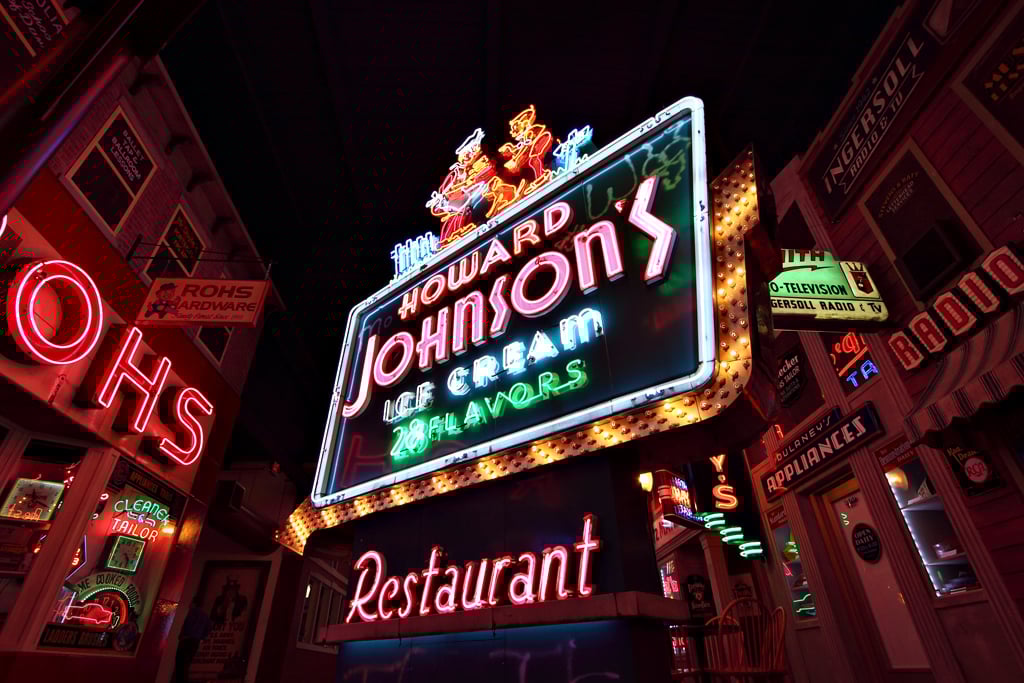
The orange roof was everything. Howard Johnson’s didn’t need to announce itself with billboards or neon signs — that distinctive orange roof cut through highway monotony like a beacon promising fried clams and 28 flavors of ice cream.
For decades, it meant reliability when you were 200 miles from home with cranky kids in the backseat. The chain peaked in the 1960s with over 1,000 locations.
But fast food got faster, and HoJo’s leisurely family dining model started feeling outdated. The last restaurant closed in 2022, ending nearly a century of American road trip history.
Chi-Chi’s
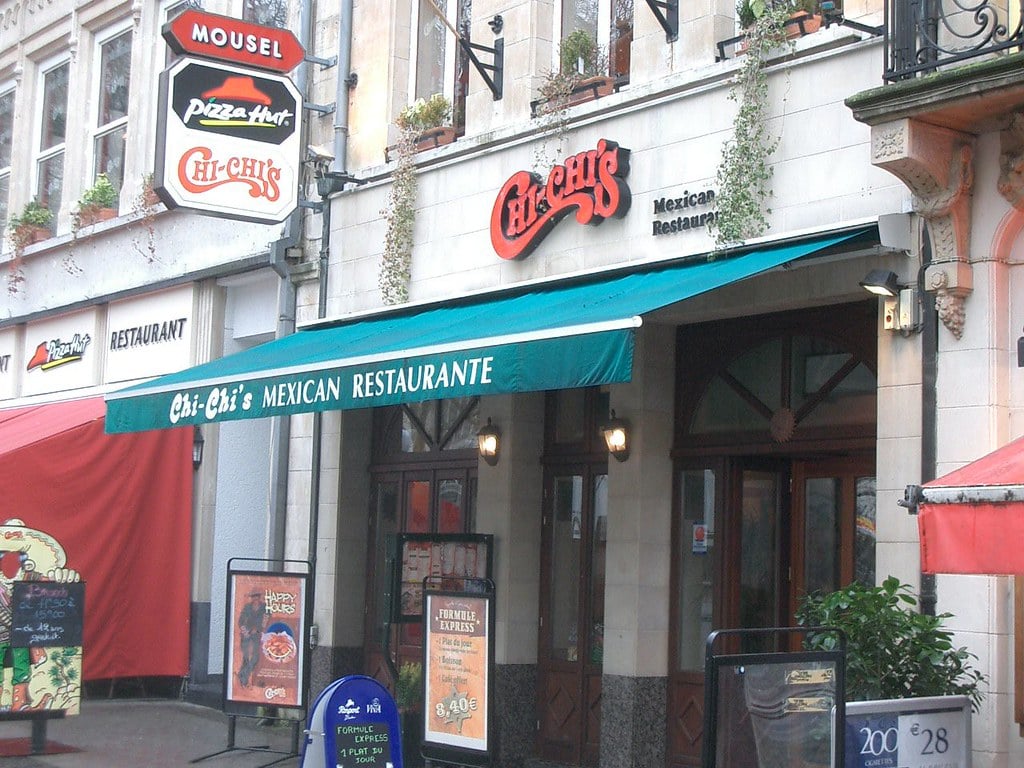
Mexican food wasn’t supposed to come with fried ice cream and unlimited tortilla chips, but Chi-Chi’s built an empire on exactly that premise (because Americans in the 1980s weren’t particularly interested in authenticity when it came to Mexican cuisine, and Chi-Chi’s understood this better than anyone). The restaurant chain, which started in Minneapolis in 1975, served what most suburban families considered exotic food — basically Tex-Mex with extra cheese and a side of mild adventure.
But here’s the thing about Chi-Chi’s: it worked, at least for a while, because it gave middle America a comfortable entry point into flavors that felt foreign without being threatening. And yet the chain’s downfall came not from changing tastes or competition, but from something far more serious — a hepatitis A outbreak in 2003 that sickened over 650 people and effectively killed the brand’s reputation overnight.
Sambo’s

Some restaurants disappear because tastes change. Others vanish because society finally catches up with how wrong they were from the beginning.
Sambo’s fell into the second category — a pancake house chain that somehow thought naming itself after a racist children’s story was solid business strategy. At its peak, Sambo’s had over 1,100 locations.
The food was decent enough, but the name became increasingly indefensible as America slowly reckoned with its casual racism. Most locations closed or rebranded by the 1980s.
Arthur Treacher’s Fish & Chips

Fish and chips never quite conquered America the way pizza or tacos did, but Arthur Treacher’s gave it an honest attempt. The chain, named after a British actor most Americans had never heard of, served battered cod and thick-cut fries with malt vinegar on the side — comfort food that felt slightly sophisticated.
The peak came in the 1970s with nearly 500 locations. But Americans already had Long John Silver’s for their fried fish needs, and Arthur Treacher’s couldn’t differentiate itself enough to survive.
The brand limped along for decades before effectively disappearing, though a handful of locations still exist in some parallel universe where fish and chips became as American as apple pie.
Ponderosa Steakhouse
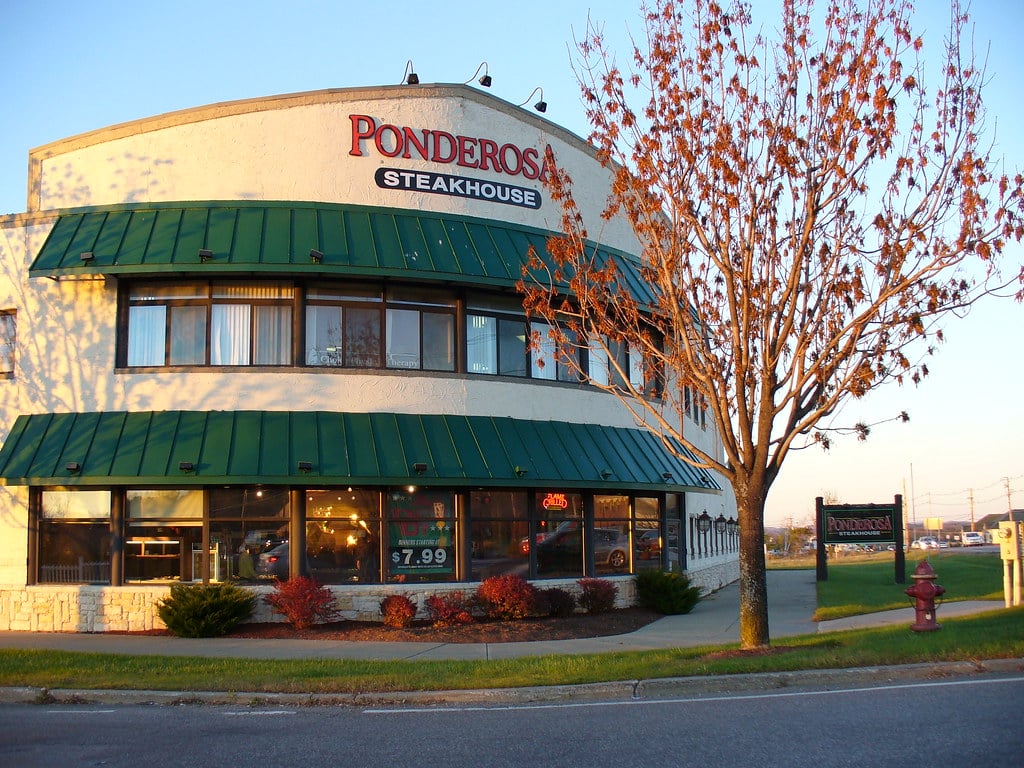
Ponderosa existed in that sweet spot where steak felt attainable rather than precious — a place where families could afford to eat beef without mortgaging the house, where the salad bar stretched longer than most people’s driveways, and where nobody questioned whether the meat came from cattle that had lived particularly fulfilling lives. The chain understood something fundamental about American dining: sometimes people just want a lot of food for not much money, served in a dining room that doesn’t make them feel underdressed.
It was steakhouse dining stripped of pretense, the way a diner is breakfast without the performance. And that honesty, that refusal to be anything other than what it was, made Ponderosa feel more genuine than restaurants trying much harder to impress.
Beefsteak Charlie’s

Unlimited salad, unlimited beer, unlimited shrimp. Beefsteak Charlie’s understood that Americans love a good deal, especially when that deal involves eating and drinking as much as humanly possible.
The New York-based chain turned dinner into a competitive sport. The concept was brilliant until it wasn’t.
Unlimited anything works great until customers figure out how to game the system. Add rising food costs and changing drinking habits, and Beefsteak Charlie’s found itself serving expensive meals to customers who treated the place like an all-you-can-eat challenge.
The last location closed in the early 1990s.
Gino’s Hamburgers

Before there was McDonald’s dominance, regional burger chains fought genuine battles for territory, and Gino’s held the Mid-Atlantic like a fortress built from ground beef and secret sauce (the chain was co-founded by Baltimore Colts defensive end Gino Marchetti, which gave it instant credibility in football-obsessed cities where endorsements from local heroes actually mattered). So Gino’s wasn’t just serving burgers; it was serving hometown pride with a side of fries, and that connection ran deeper than corporate marketing departments could manufacture.
The restaurants felt like neighborhood institutions rather than franchise operations, which made sense because they often were — local ownership combined with regional identity in ways that made customers feel like they were supporting something that belonged to them. But that regional strength became a weakness when Hardee’s bought the chain in 1982 and converted most locations, erasing decades of local loyalty in favor of national efficiency.
Kenny Rogers Roasters
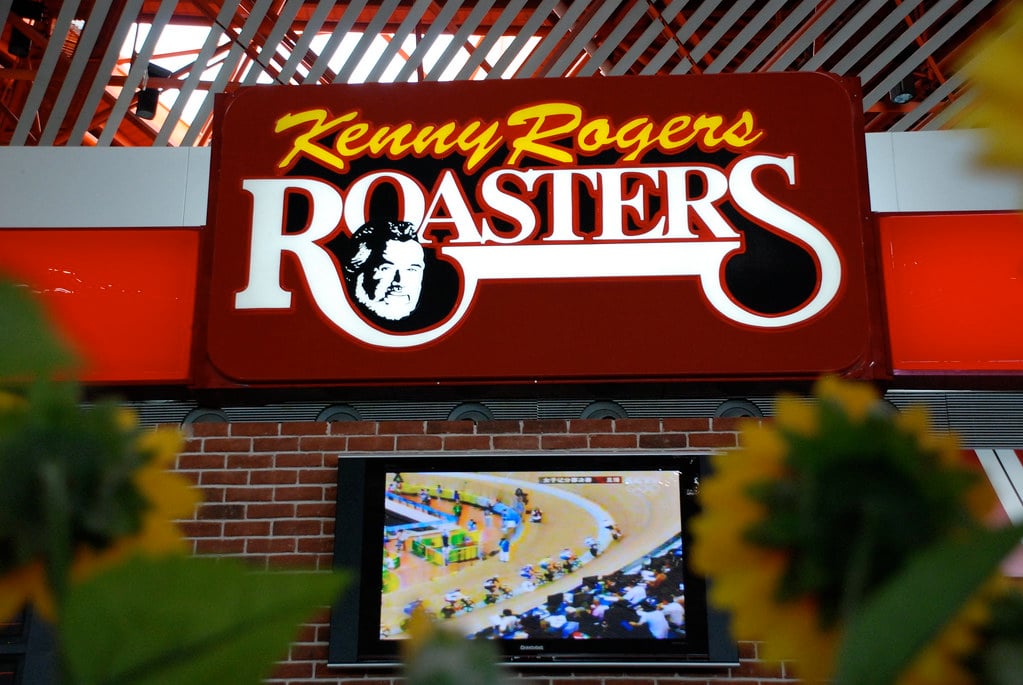
Celebrity restaurants usually fail because famous people rarely understand the restaurant business. Kenny Rogers Roasters succeeded because it ignored the celebrity angle and focused on rotisserie chicken that actually tasted good.
The wood-fired rotisserie created genuine flavor, not just marketing copy. The chain expanded quickly in the 1990s, but rapid growth and inconsistent quality control killed the concept faster than it had grown.
Most American locations closed within a decade, though the brand somehow thrives in Asia. Go figure.
VIP’s Restaurant
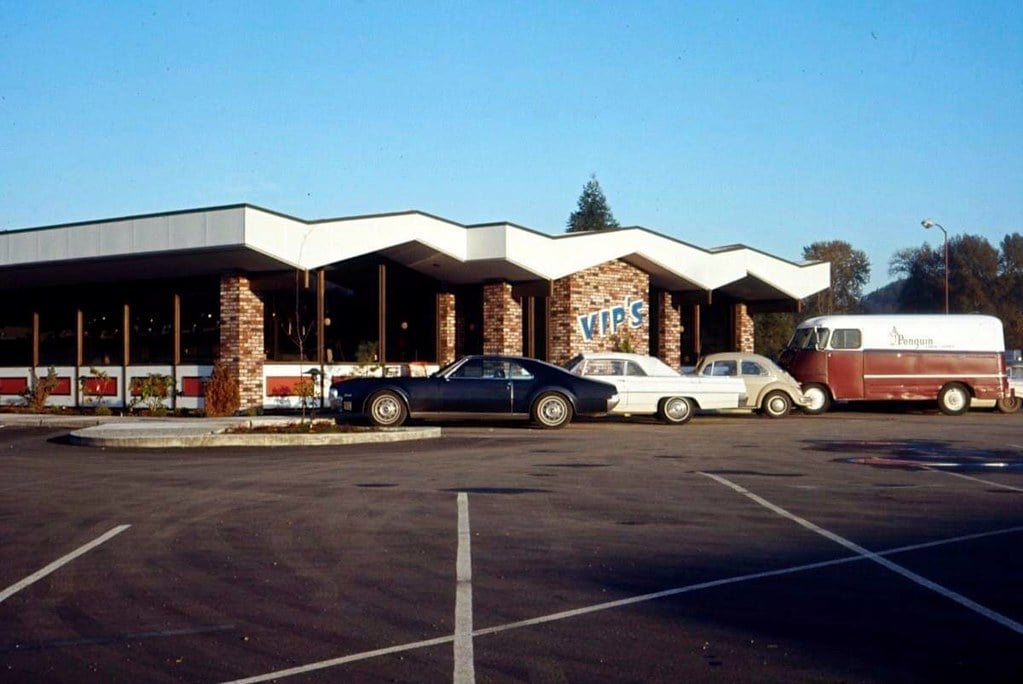
VIP’s occupied the middle ground between fast food and fine dining — a place where you could get a decent steak or a simple burger without committing to either extreme, where the coffee stayed hot and the pie came from an actual bakery rather than a freezer truck. The chain understood that most dining occasions weren’t special events requiring ceremony or speed trials demanding efficiency.
Sometimes people just wanted to sit down, order something familiar, and eat it while having a conversation. That understanding made VIP’s feel comfortable in ways that mattered more than ambiance or innovation.
The restaurants knew their role and played it well, which is why their disappearance left a gap that neither fast-casual chains nor upscale establishments have quite managed to fill.
Steak and Ale
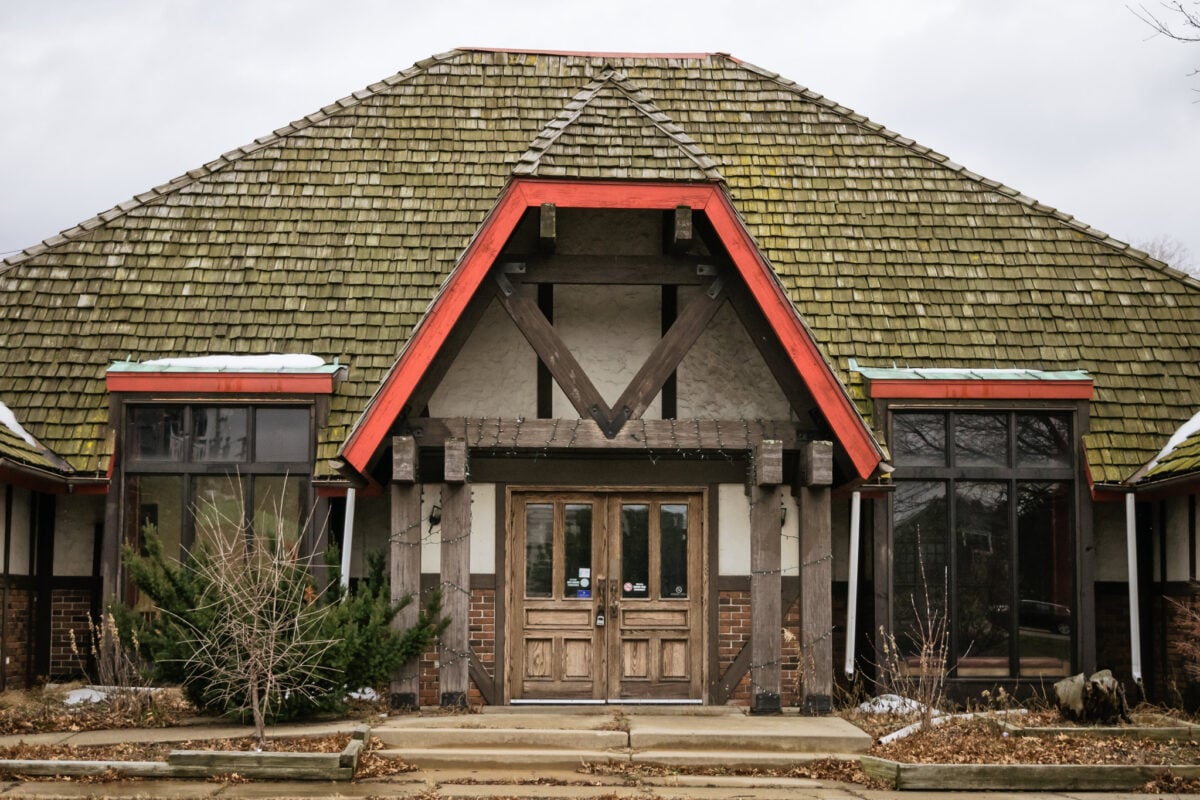
Steak and Ale invented the casual steakhouse concept before anyone knew they needed it. The chain served decent beef in dining rooms designed to feel like English pubs, complete with dark wood and stained glass.
It was dinner theater without the theater — just the atmosphere. The concept worked beautifully for two decades.
But the 1990s brought both Outback Steakhouse and changing tastes, and Steak and Ale couldn’t compete with either Australian marketing or genuine innovation. The chain closed in 2008, leaving behind a generation of diners who still remember when steak restaurants tried to transport you somewhere else.
Lum’s Restaurant
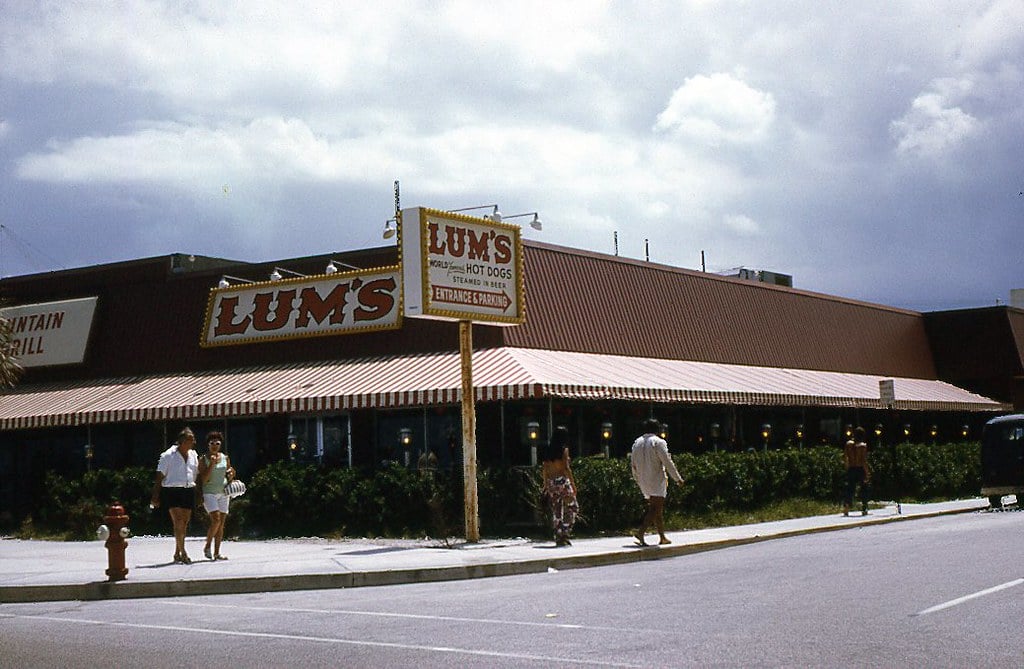
Hot dogs and beer shouldn’t require innovation, but Lum’s found a way anyway — they steamed their hot dogs in beer, which sounds gimmicky until you taste the result (the process actually worked, producing frankfurters with more flavor than standard boiled or grilled versions, though explaining this to customers required patience that most fast-food interactions don’t accommodate). And Lum’s knew they had something special, so they leaned into it: beer-steamed hot dogs became their signature, their differentiator in a crowded market of burger chains and fried chicken establishments.
But here’s what made Lum’s genuinely interesting beyond the beer-steaming trick — they also served a mean roast beef sandwich and had locations that felt more like neighborhood taverns than typical fast-food joints, creating an atmosphere where adults could enjoy a quick lunch without feeling like they were eating in a playground. The chain peaked in the 1970s with hundreds of locations, but got caught in expansion troubles and corporate ownership changes that diluted both the concept and the execution.
Ground Round
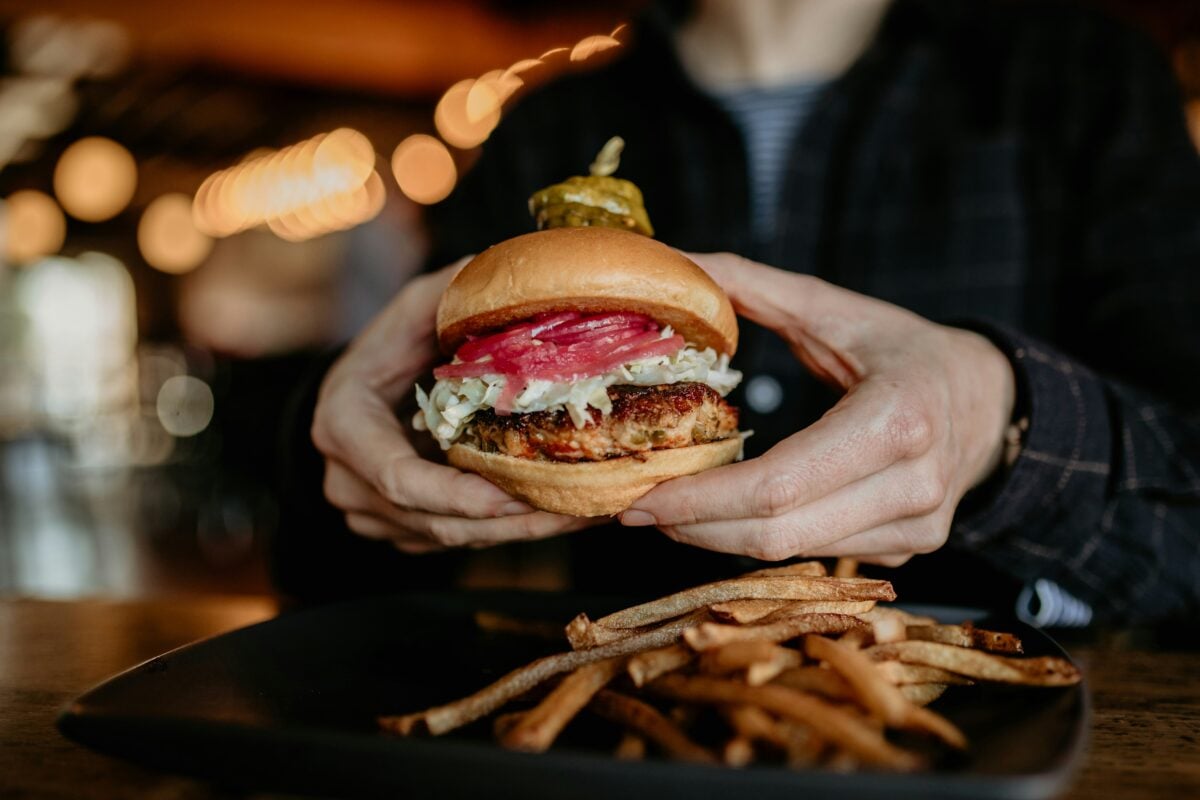
Ground Round treated dining like a casual party where everyone was invited but nobody had to dress up. The restaurants served burgers and beer in spaces decorated with peanut shells on the floor and old movie posters on the walls.
Kids ate free on certain nights, which made it a suburban family favorite. The chain peaked in the 1980s but couldn’t survive the shift toward either faster fast food or more upscale casual dining.
Ground Round occupied a middle territory that simply disappeared as American dining polarized into quick and expensive.
D’Lites of America

Health food arrived at the worst possible time in American dining history — the 1980s, when McDonald’s was perfecting the art of indulgence and nobody wanted to hear about reduced calories at restaurants, no matter how good the intentions behind them might have been (D’Lites offered grilled chicken, fresh salads, and lower-calorie options decades before these became standard menu items, but the execution felt medicinal rather than delicious, which doomed the concept from the start). So D’Lites was simultaneously ahead of its time and completely wrong for its moment, serving food that customers would eventually want but weren’t ready to order yet.
The chain tried to make healthy eating feel like a treat rather than a punishment, but 1980s America wasn’t buying the sales pitch — literally. And yet D’Lites deserves credit for recognizing trends that would eventually reshape the entire industry, even if they couldn’t survive long enough to benefit from being right.
Farrell’s Ice Cream Parlour
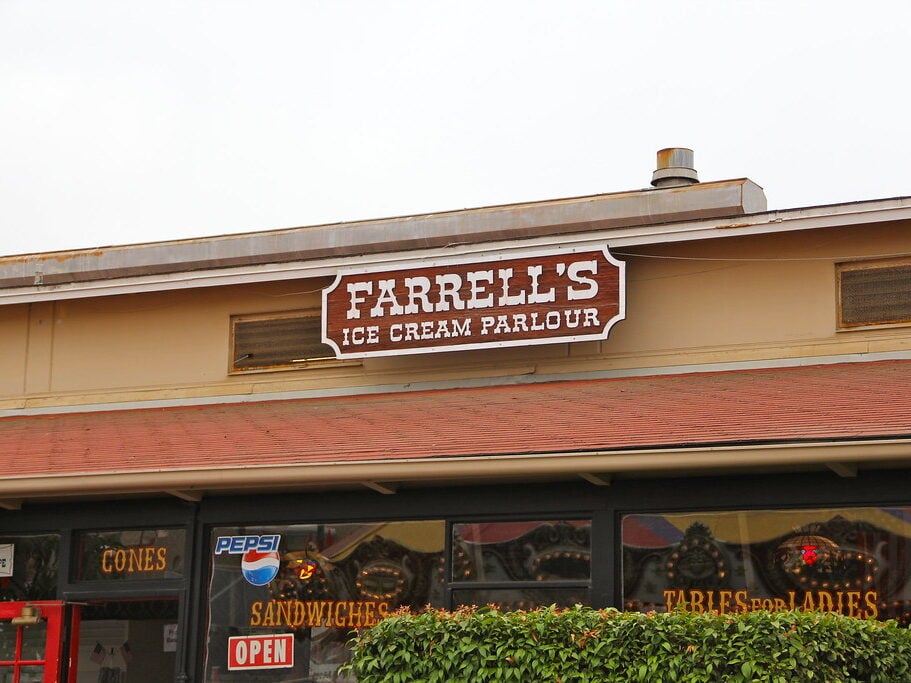
Farrell’s didn’t serve ice cream — it performed ice cream. The chain created elaborate sundae experiences complete with sirens, bells, and servers running through dining rooms carrying massive desserts.
Birthday celebrations became theatrical productions featuring enough sugar to power small cities. The concept was pure 1970s excess, which made it unsustainable once tastes shifted toward more restrained dining experiences.
Farrell’s required too much energy, too much noise, and too much commitment from both staff and customers. The party eventually ended.
Burger Chef
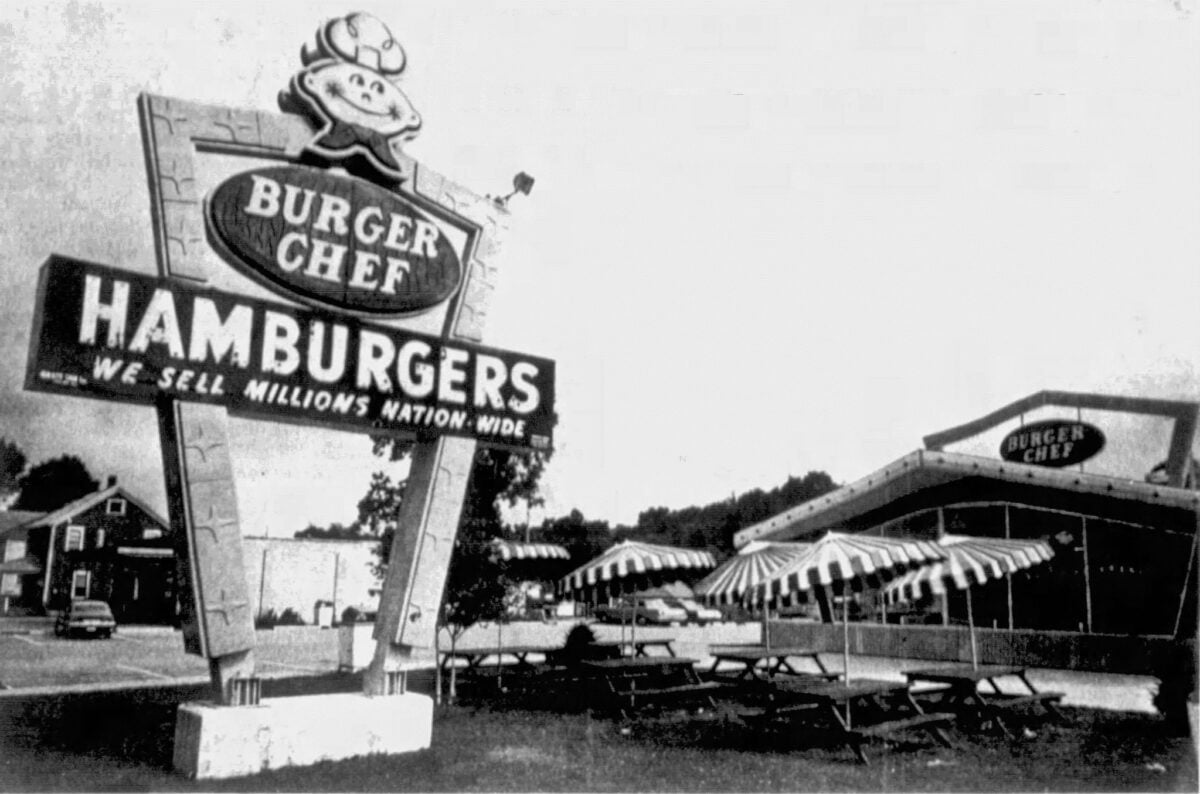
Burger Chef invented the kids’ meal before McDonald’s perfected it. The chain pioneered promotional tie-ins with movies and TV shows, created mascot characters, and generally understood that selling burgers to children required different strategies than appealing to adults.
They were innovators in a field that would eventually leave them behind. McDonald’s simply executed everything better — better marketing, better operations, better expansion strategy.
Burger Chef had good ideas but couldn’t compete with superior implementation. The chain disappeared in the 1980s, leaving behind only the innovations that other restaurants adopted and improved.
The Long Road Home
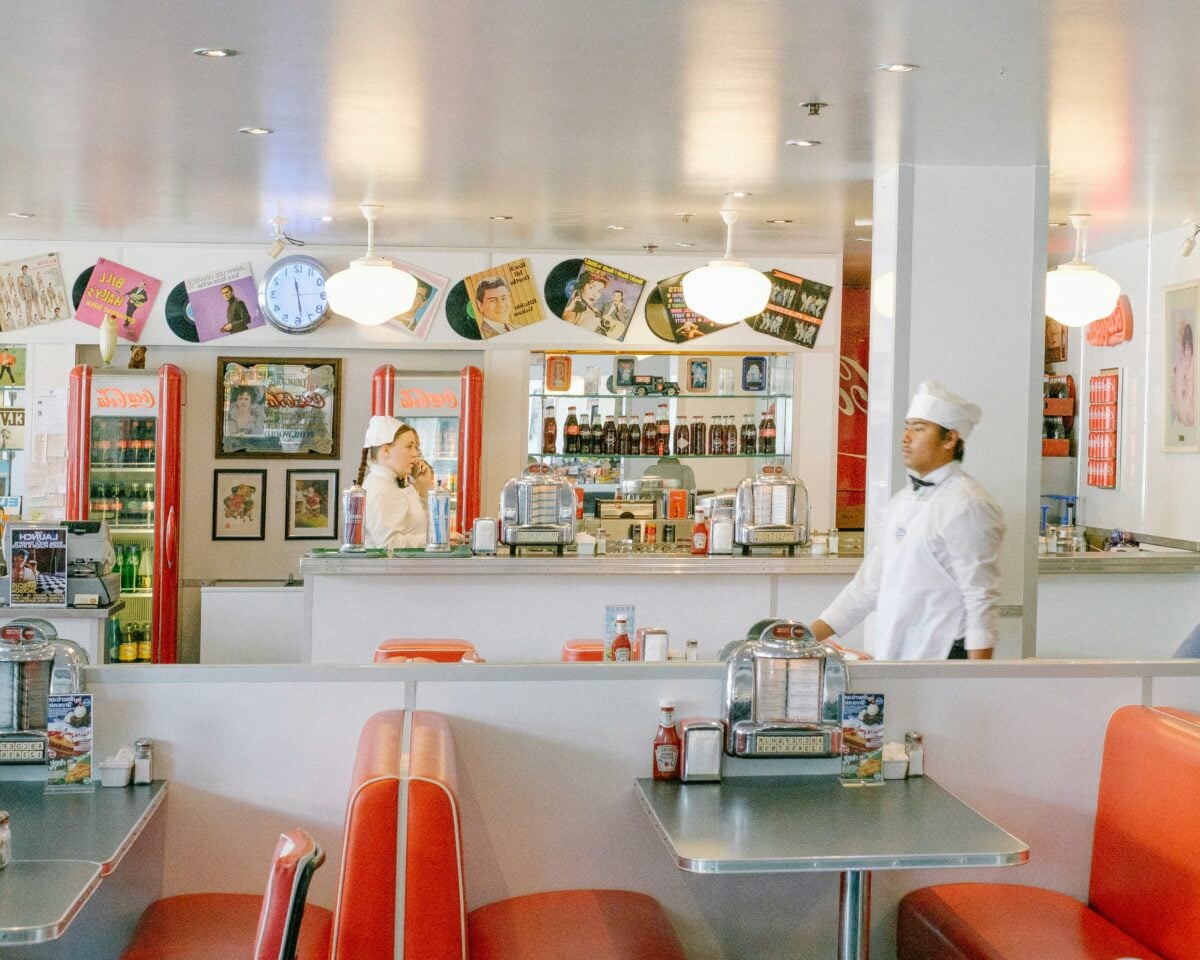
These restaurants didn’t just close — they took pieces of American culture with them. The family steakhouse where three generations celebrated birthdays.
The burger joint where teenagers worked their first jobs. The ice cream parlour that made ordinary Tuesday nights feel special.
They represented a time when chain restaurants still had regional character, when eating out felt like an occasion rather than a convenience. Some of these places died because they deserved to.
Others vanished because they couldn’t adapt fast enough to survive. But all of them shaped how Americans think about restaurants, family meals, and what it means to eat together.
Their orange roofs and neon signs are gone, but the memories they created remain, filed away with old photographs and family stories that get told every time someone mentions how restaurants used to be different.
More from Go2Tutors!

- The Romanov Crown Jewels and Their Tragic Fate
- 13 Historical Mysteries That Science Still Can’t Solve
- Famous Hoaxes That Fooled the World for Years
- 15 Child Stars with Tragic Adult Lives
- 16 Famous Jewelry Pieces in History
Like Go2Tutors’s content? Follow us on MSN.



