15 Technologies That Took Years to Actually Be Useful
The history of innovation is filled with technologies that didn’t immediately find their purpose. Many inventions we now consider essential spent years or even decades in a strange limbo—technically impressive but practically useless.
These technological late bloomers needed the right supporting technologies, cultural shifts, or simply better implementations before they could truly transform our lives. Here is a list of 15 technologies that took their sweet time to become the practical, useful tools we know today.
Touch Screens

Touch screen technology was invented in 1965 at the University of Kentucky but remained clunky and expensive for decades. The screens were massive, imprecise, and mainly used in specialized industries like air traffic control.
It wasn’t until the iPhone launched in 2007—a full 42 years later—that touch screens finally became the intuitive interface we can’t imagine living without today.
Virtual Reality

VR’s first serious attempt came in the 1990s with clunky headsets like the Nintendo Virtual Boy and various arcade experiments. These early devices caused motion sickness and featured graphics that looked more like fever dreams than virtual worlds.
The technology hibernated for nearly 20 years until Oculus, Valve, and others finally created headsets with enough resolution, tracking precision, and content to make VR genuinely useful for gaming, training, and design.
Like Go2Tutors’s content? Follow us on MSN.
Electric Cars

Electric vehicles actually predate gasoline cars, with the first practical electric car built in the 1880s. They were popular in the early 1900s but faded away as gasoline vehicles improved.
For nearly a century, electric cars remained impractical curiosities with limited range and poor performance. Only after 2010, with advances in battery technology and companies like Tesla pushing the envelope, did electric vehicles finally become viable everyday transportation for millions.
Voice Recognition
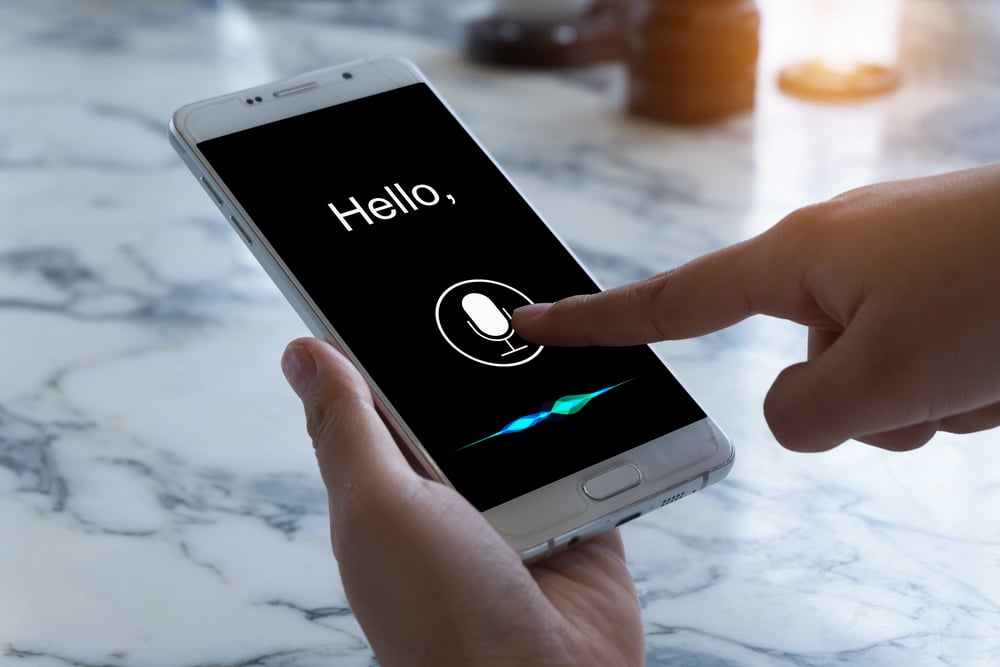
Early voice recognition systems from the 1950s and 60s could recognize just a handful of words with terrible accuracy. Even in the 1990s, dictation software was painfully slow and error-prone, requiring extensive training and constant corrections.
The technology languished for decades until machine learning algorithms finally made voice assistants like Siri and Alexa practical around 2011—nearly 60 years after the first experiments.
QR Codes
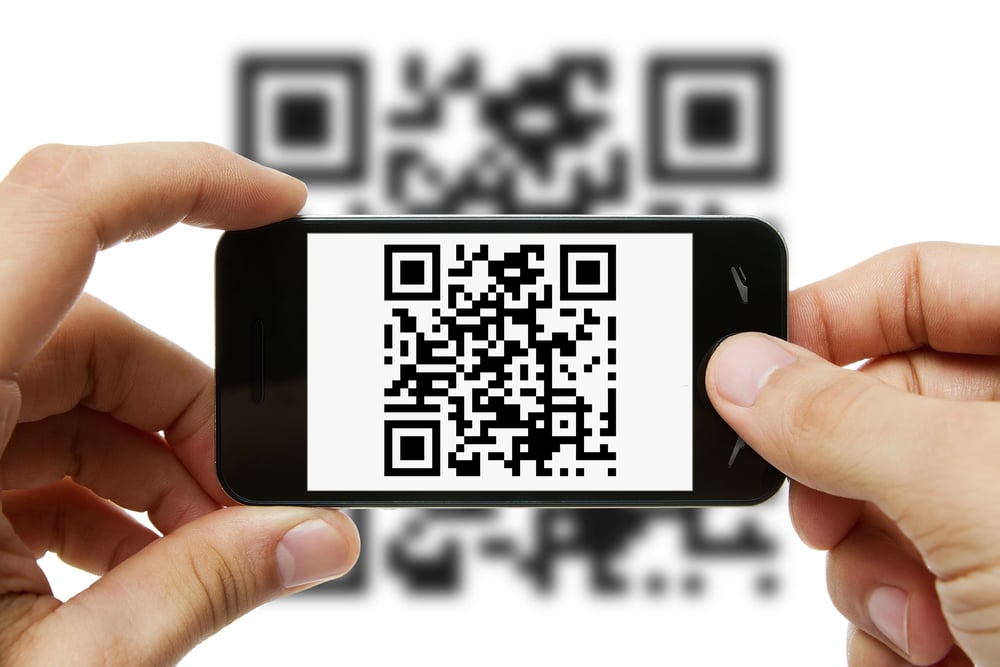
QR codes were invented in 1994 by Denso Wave for tracking automotive parts in Japan. For almost 15 years, they remained a niche industrial tool that occasionally appeared in magazines or advertisements, but nobody knew what to do with them.
Smartphones technically could scan them, but the process was clumsy. It took the pandemic of 2020—26 years after their invention—for QR codes to finally become mainstream as contact-free menus, payment systems, and check-in tools.
Like Go2Tutors’s content? Follow us on MSN.
3D Printing
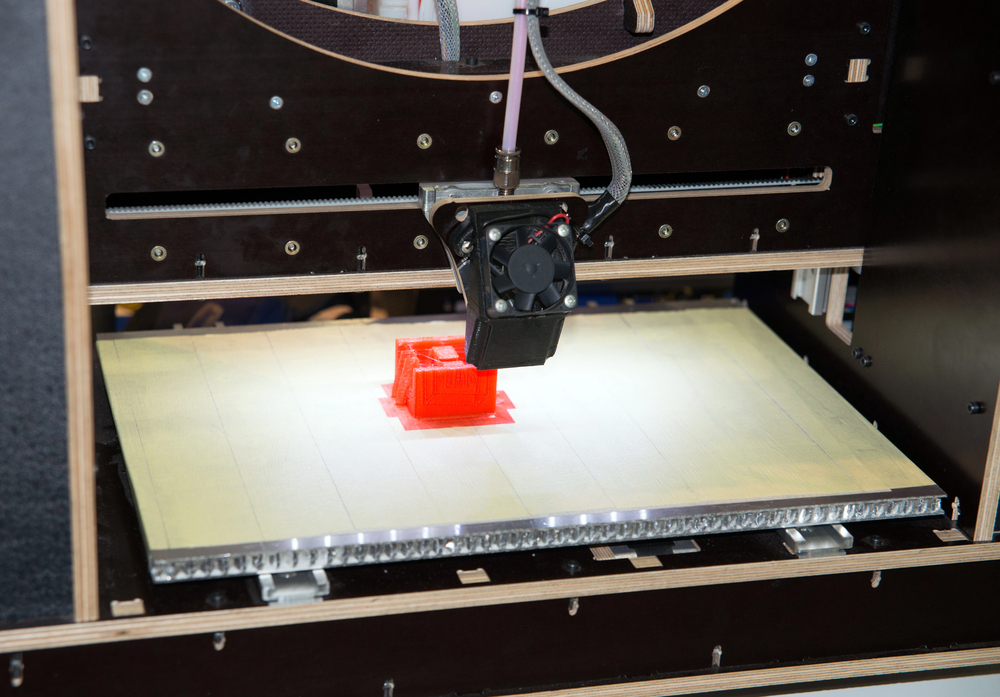
The first 3D printer was created in 1984, but the technology spent over 25 years as an expensive curiosity used mainly for industrial prototyping. Early consumer 3D printers in the 2000s were finicky, slow, and produced rough objects with limited practical use.
Only in the late 2010s did the technology mature enough for practical applications in medicine, manufacturing, and consumer products, finally delivering on its long-promised potential.
Bluetooth
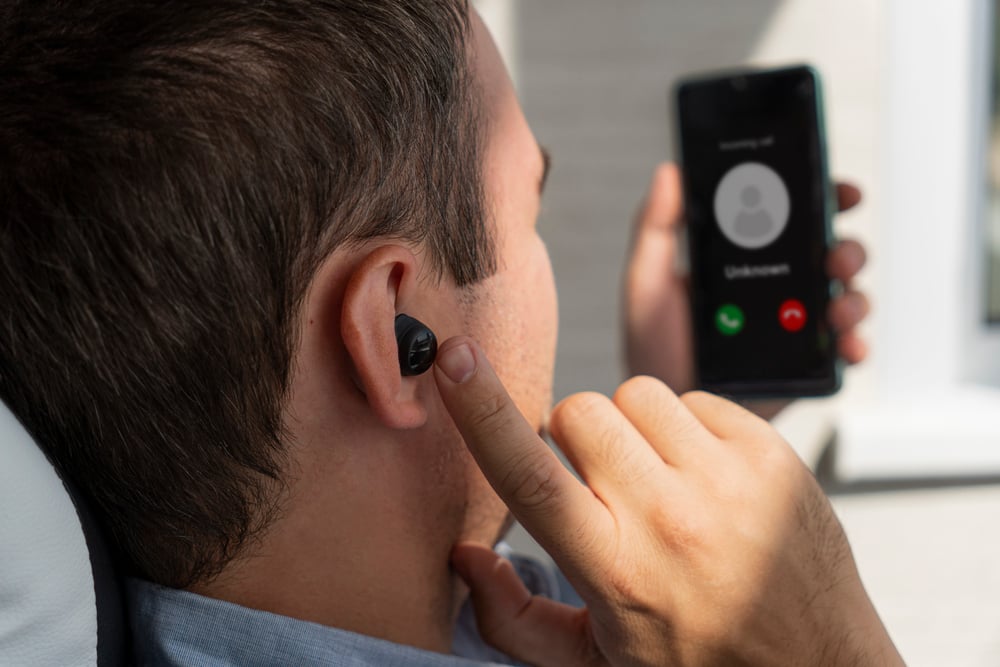
Introduced in 1999, early Bluetooth was a frustrating experience—difficult to pair, unreliable, and with terrible audio quality. The technology was so problematic that most people avoided it whenever possible.
It took nearly a decade of improvements before Bluetooth became dependable enough for everyday use in headphones, speakers, and other devices. Today it’s everywhere, but those first years were rough going for anyone brave enough to try it.
Tablets

Microsoft introduced tablet computers running Windows in 2002, but they were heavy, had poor battery life, and their stylus-based interfaces felt unnatural. The category languished for eight years until Apple’s iPad finally cracked the formula in 2010 with its finger-friendly interface and app ecosystem.
Earlier tablets were technically impressive but completely missed what people actually wanted to do with a portable touchscreen device.
Like Go2Tutors’s content? Follow us on MSN.
Digital Photography

The first digital camera was built by Kodak in 1975, but early digital cameras remained expensive novelties with terrible resolution and quality. A digital camera in the 1990s could cost thousands of dollars yet produce images worse than a disposable film camera.
It wasn’t until the mid-2000s—30 years after the technology’s invention—that digital cameras finally surpassed film in quality and convenience for everyday photographers.
Video Conferencing

AT&T demonstrated the first video phone at the 1964 World’s Fair, but video calling remained impractical for decades due to bandwidth limitations and expensive equipment. Various corporate video conferencing systems existed from the 1980s onward but were clunky and rarely used.
The technology finally became truly useful around 2010 with Skype and FaceTime, then absolutely essential during the 2020 pandemic—56 years after its first major public demonstration.
Augmented Reality

The concept of overlaying digital information on the real world has been around since the 1990s, with early applications like fighter jet heads-up displays. Consumer AR spent years as a novelty, with applications like pointing your phone at a magazine to see a 3D model—neat but hardly essential.
The technology took over 20 years to find genuinely useful applications in navigation, education, and industrial maintenance, with more practical implementations still emerging today.
Like Go2Tutors’s content? Follow us on MSN.
E-Books
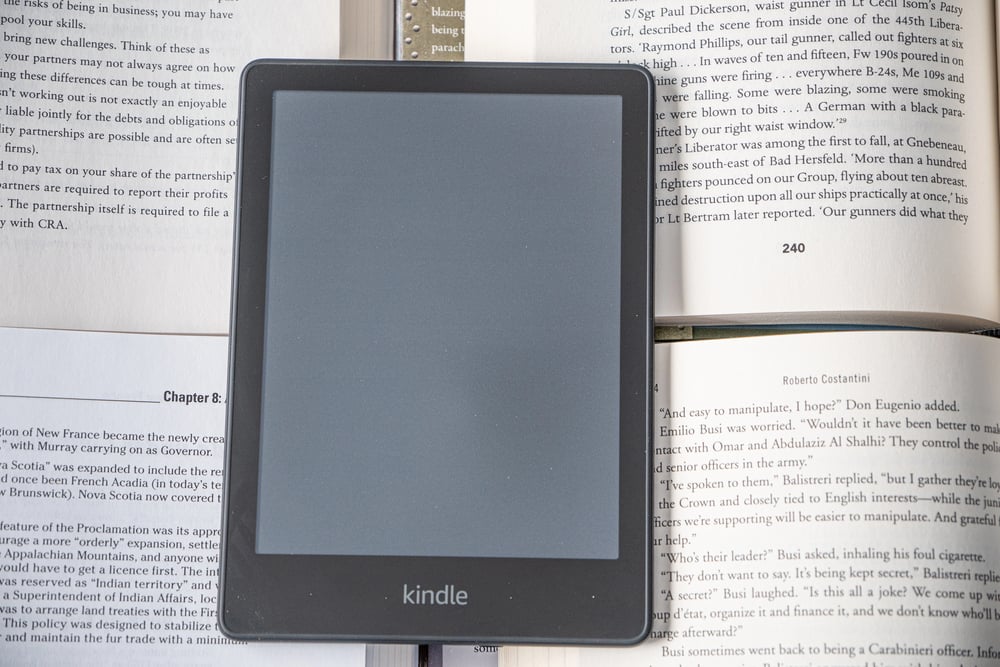
The first e-readers appeared in the late 1990s, but they were heavy devices with poor battery life and eye-straining screens. Reading on them was often worse than just carrying a paperback. E-books remained a niche product until Amazon’s Kindle with e-ink technology finally made them practical in 2007, about a decade after the first attempts.
Today’s e-readers can hold thousands of books with weeks of battery life—a far cry from their clunky ancestors.
Cryptocurrencies

Bitcoin was introduced in 2009 but for years remained primarily a curiosity among tech enthusiasts and those operating in shadowy corners of the internet. The early experience was complicated, risky, and had few legitimate uses.
Over a decade later, cryptocurrencies and blockchain technology have finally begun finding genuine utility in financial services, supply chain tracking, and digital identity verification, though they’re still evolving toward their full potential.
Smart Homes

The concept of home automation has existed since the 1970s, with various systems for controlling lights and appliances. Early smart home technology was expensive, required professional installation, and often worked poorly.
Simple tasks like turning off a light could be more complicated than using a switch. It took until the late 2010s—nearly 40 years after the first systems—for voice assistants, reliable wireless standards, and better interfaces to make smart homes genuinely convenient rather than high-tech headaches.
Like Go2Tutors’s content? Follow us on MSN.
Drones
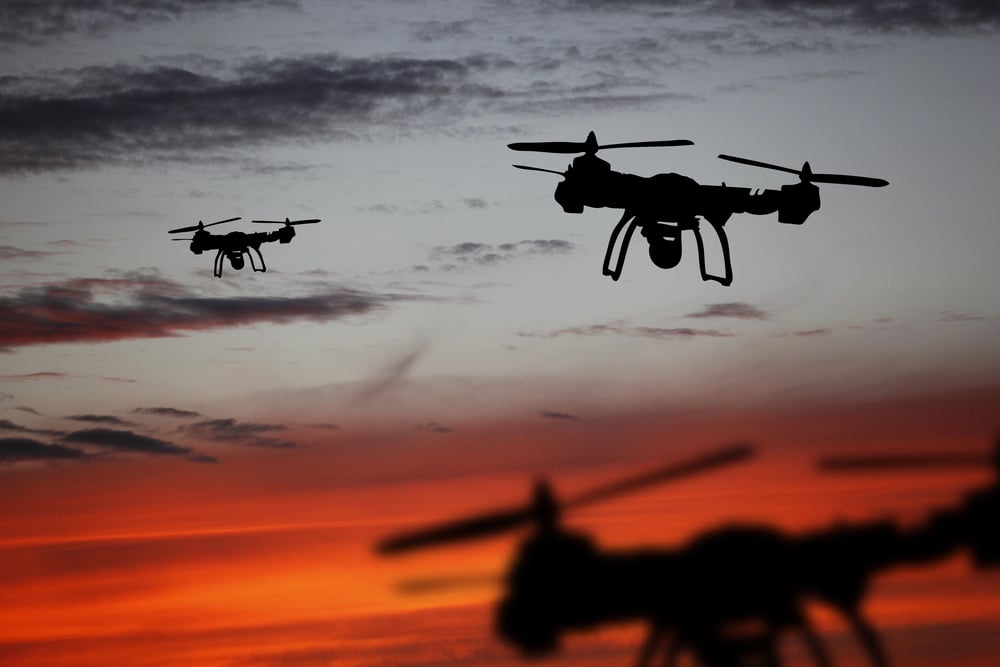
Remote-controlled aircraft have existed since the 1930s, but consumer drones remained expensive toys with short flight times and limited capabilities until around 2010. Early drones crashed easily, had poor controls, and couldn’t capture stable footage.
After decades of development, modern drones have finally become truly useful tools for photography, surveying, agriculture, and delivery services, transforming from expensive playthings to practical tools.
Bridging Past and Future

These technologies remind us that innovation rarely happens overnight. The journey from invention to practical utility often spans decades, with many false starts along the way.
What seems like an overnight success is usually the culmination of years of incremental improvements, waiting for supporting technologies to catch up. Today’s awkward, limited technologies might just be tomorrow’s indispensable tools—they just need time to mature.
More from Go2Tutors!

- 18 Unexpectedly Valuable Collectibles You Might Have Lying Around
- 15 Things Every Teenager in the ’70s Did That Teens Today Wouldn’t Understand
- 15 Strange Things People Have Tried to Ban (And Failed)
- 15 Inventions That Were Immediately Banned After Being Created
- 20 Actors Who Were Almost Cast in Iconic Roles
Like Go2Tutors’s content? Follow us on MSN.