Historic Newspapers Worth Fortunes Today
Most old newspapers end up in recycling bins or attic boxes, yellowing and forgotten. But some editions become valuable collectibles worth thousands or even tens of thousands of dollars.
The right headline on the right date in the right condition transforms the newsprint into a piece of history people will pay serious money to own. Here’s a look at the historic newspapers that command the highest prices in today’s collector market.
The Titanic Sinks
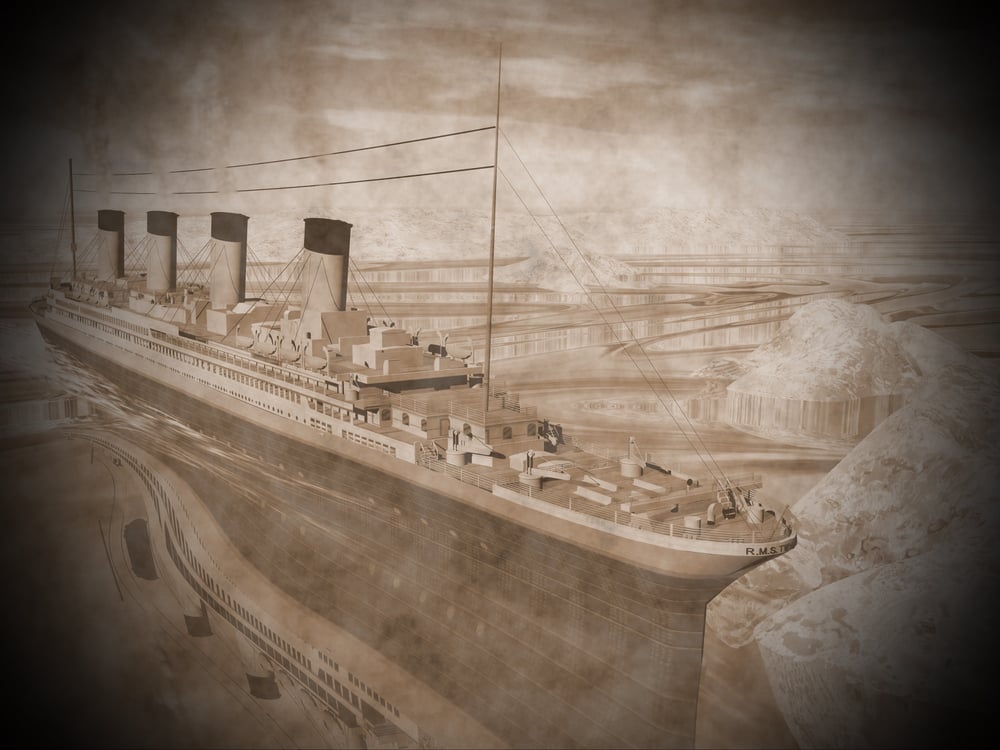
Newspapers from April 15-16, 1912, announcing the Titanic’s sinking remain among the most sought-after editions in the collector market. The initial reports got details wrong – some early editions claimed everyone survived – which makes certain prints even more valuable.
First editions with incorrect information about survivors fetch premium prices because they capture the confusion of the moment. Pristine copies of major papers like The New York Times or London’s Daily Mirror from those dates sell for $1,000 to $5,000, depending on condition and which edition.
The headline “Titanic Sinks Four Hours After Hitting Iceberg” became one of journalism’s most famous, and collectors pay accordingly. Regional papers from the same period hold less value, though editions from Southampton (where the ship departed) or Halifax (where many victims were taken) command higher prices due to local connection.
Lincoln’s Assassination

April 15, 1865, newspapers announcing President Lincoln’s death represent some of the most valuable American newspapers in existence. The New York Herald’s coverage of the assassination and the manhunt for John Wilkes Booth regularly sells for $800 to $3,000 in good condition.
Papers from Washington D.C., where the shooting occurred, bring even more – sometimes exceeding $5,000. What drives the value isn’t just the historic event but the emotional weight Lincoln’s death carried.
The Civil War had ended days earlier, and newspapers captured the nation’s shock at losing the president who’d preserved the Union. Original editions with bold headlines about the assassination and detailed accounts of Ford’s Theatre become prized possessions for Civil War collectors and presidential historians alike.
Moon Landing

On July 21, 1969, newspapers with headlines about the first moon landing are surprisingly affordable compared to other historic events, though certain editions still command significant prices. The New York Times with “Men Walk on Moon” typically sells for $100 to $500. Not cheap, but not astronomical either.
The reason? Millions of people saved these papers. Everyone knew they were witnessing history, so preservation rates were high.
Rarity drives value, and moon landing papers aren’t rare. Still, special editions or papers from NASA locations (Houston, Cape Canaveral) fetch higher prices.
First edition prints from major markets before the headline was confirmed bring premiums because they capture the uncertainty before Armstrong’s “one small step” became certain.
Pearl Harbor Attack
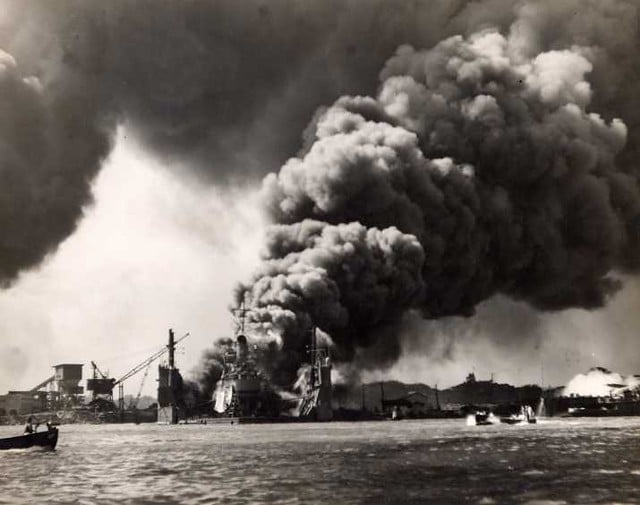
December 8, 1941, newspapers announcing the Japanese attack on Pearl Harbor sell for $300 to $2,000 depending on the publication and condition. The Honolulu Star-Bulletin’s extra edition from December 7 (published the same day as the attack) is exceptionally rare and valuable, with copies selling for $5,000 or more when they appear on the market.
Mainland papers from December 8 are more common but still desirable. The bold “WAR!” or “U.S. AT WAR” headlines marked America’s entry into World War II, making these editions significant to military historians and collectors.
Papers from military towns or cities with naval bases carry additional value because of local relevance.
JFK Assassination
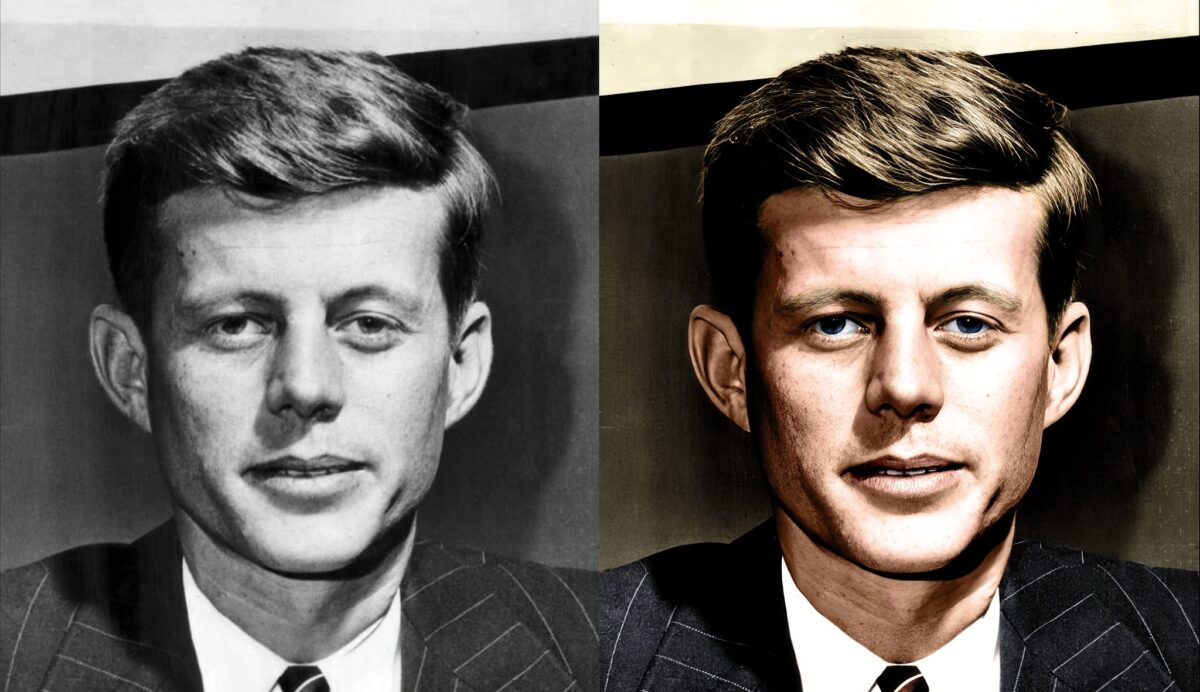
November 23, 1963, newspapers covering President Kennedy’s assassination in Dallas remain highly collectible. The Dallas Morning News from that date sells for $200 to $1,000, with conditions making enormous differences in price.
Papers from Dallas or other Texas cities command premiums over national publications. Interestingly, the November 22 edition of the Dallas Morning News (published the morning of the assassination, before it happened) also holds value because it contained the president’s planned route through the city.
These “day of” editions without knowledge of the tragedy ahead sell to collectors interested in the eerie juxtaposition of normalcy and catastrophe.
V-E Day and V-J Day
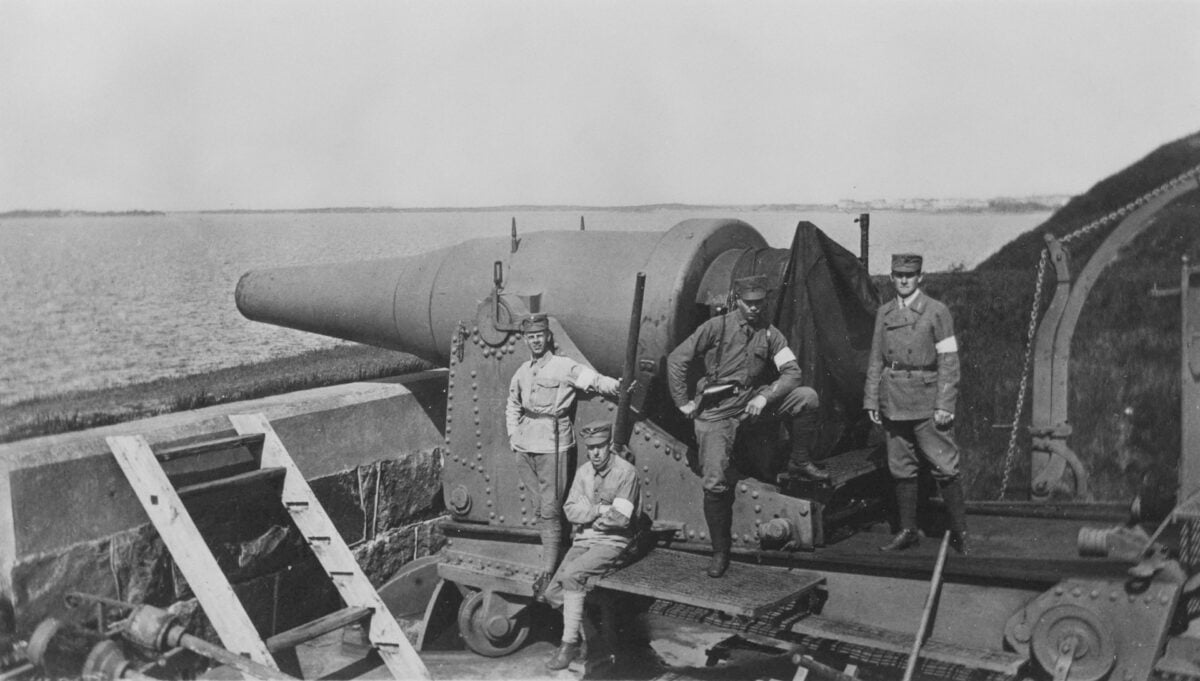
May 8, 1945 (V-E Day) and August 15, 1945 (V-J Day) newspapers marking the end of World War II in Europe and Japan respectively sell for $100 to $800 depending on the publication. The dramatic headlines – “Germany Surrenders” and “Japan Surrenders” – captured moments of national celebration after years of war.
V-J Day papers tend to bring slightly higher prices because they marked the complete end of the war. Papers from military towns, port cities with naval significance, or cities that hosted war industries fetch more than editions from areas less connected to the war effort.
The celebrations shown in photographs alongside the surrender announcements add to the appeal.
The Stock Market Crash of 1929

October 29-30, 1929, newspapers covering Black Tuesday and the stock market crash sell for $300 to $1,500. The Wall Street Journal and New York financial papers from those dates command the highest prices, while regional papers bring less unless they featured particularly dramatic local coverage of the crash’s impact.
What makes these papers valuable beyond the historic significance is how they captured the beginning of the Great Depression. Reading the contemporary accounts of panic on the trading floor, interviews with ruined investors, and early attempts to explain what went wrong provides insight impossible to get from modern histories.
Collectors interested in economic history and the Depression era drive demand.
Hindenburg Disaster
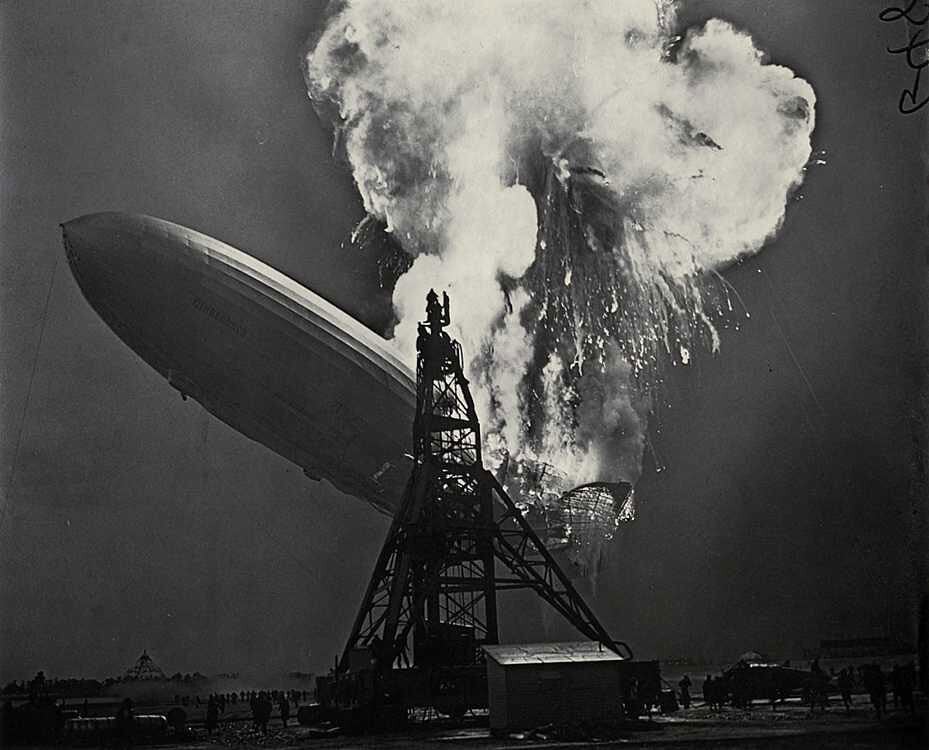
On May 7, 1937, newspapers covering the Hindenburg explosion at Lakehurst, New Jersey, sold for $150 to $800. Papers from New Jersey and the New York metropolitan area bring higher prices than editions from other regions.
The dramatic photographs of the airship in flames made for striking front pages. The disaster marked the end of the airship era, and newspapers captured both the tragedy (36 deaths) and the technical failure that doomed lighter-than-air travel.
The combination of dramatic visuals, significant loss of life, and historical turning point makes these editions appealing to collectors focused on transportation history and 1930s Americana.
Napoleon’s Death
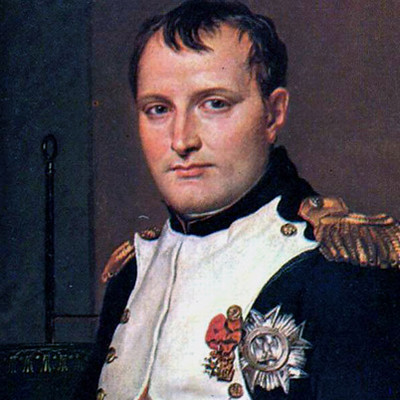
June 1821 European newspapers announcing Napoleon Bonaparte’s death on St. Helena are among the oldest valuable newspapers in the collector market. Original French papers from the period sell for $1,000 to $5,000, while English newspapers covering the former emperor’s death bring $800 to $3,000.
Age alone doesn’t guarantee value – plenty of 200-year-old newspapers are worthless – but Napoleon’s death marked the definitive end of an era that had reshaped Europe. Papers from this period are scarce because preservation wasn’t common, and most copies have deteriorated or been lost.
Finding examples in readable condition takes serious hunting.
The First Newspapers
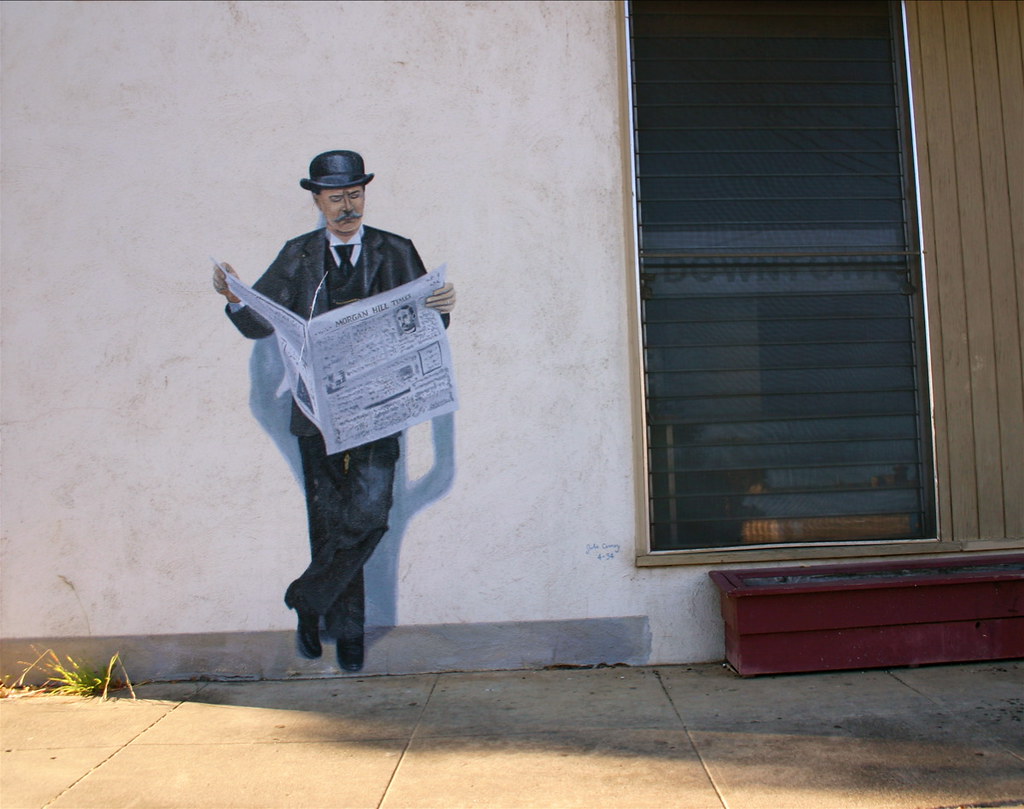
Colonial American newspapers from the 1700s command astronomical prices when they appear on the market. The first American newspaper, Publick Occurrences Both Forreign and Domestick from 1690, was suppressed after one issue and only a handful of copies are known to exist.
When these appear at auction (extremely rare), they sell for $50,000 or more. Even less historic colonial papers from the mid-to-late 1700s bring $500 to $5,000 depending on content and condition.
Papers covering Revolutionary War events or early American political debates fetch the highest prices. The combination of age, historical significance, and extreme rarity makes pre-1800 American newspapers some of the most valuable in existence.
Babe Ruth’s 60th Home Run
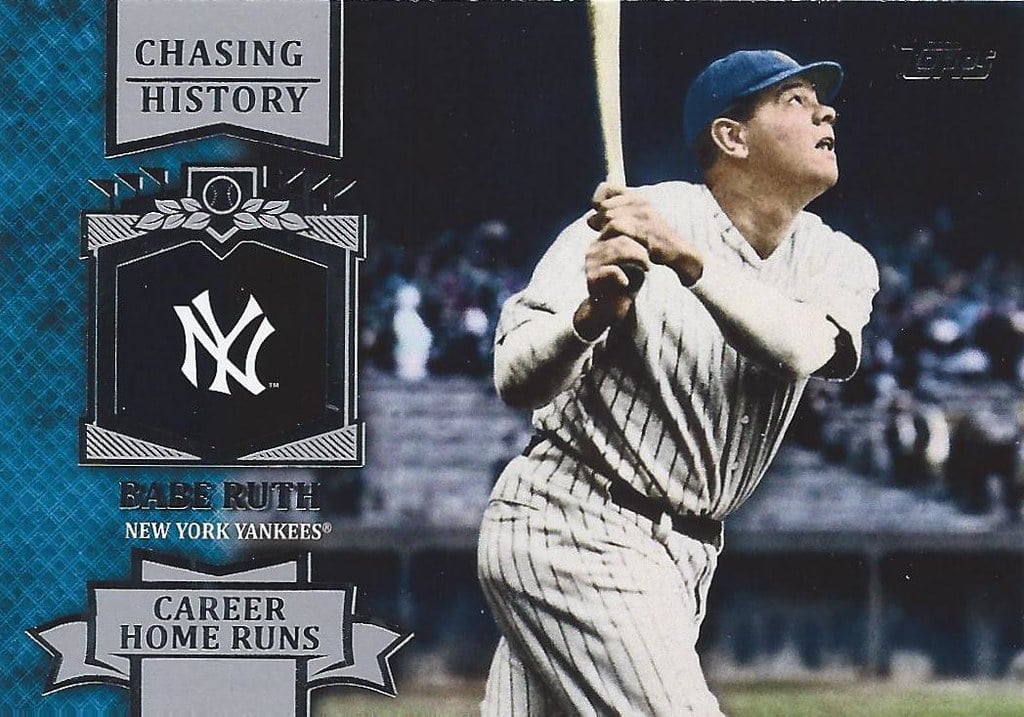
On October 1, 1927, newspapers covering Babe Ruth’s record-setting 60th home run sold for $300 to $1,200. New York papers, particularly those with photos of Ruth or detailed game coverage, command the highest prices. The record stood for 34 years, and Ruth’s achievement represented the peak of baseball’s golden age.
Sports collectors drive the market for these papers more than general history enthusiasts. Ruth’s celebrity transcended baseball, making the milestone significant beyond sports.
Papers from the era that captured his larger-than-life personality alongside athletic achievement bring premiums.
Martin Luther King Jr. Assassination
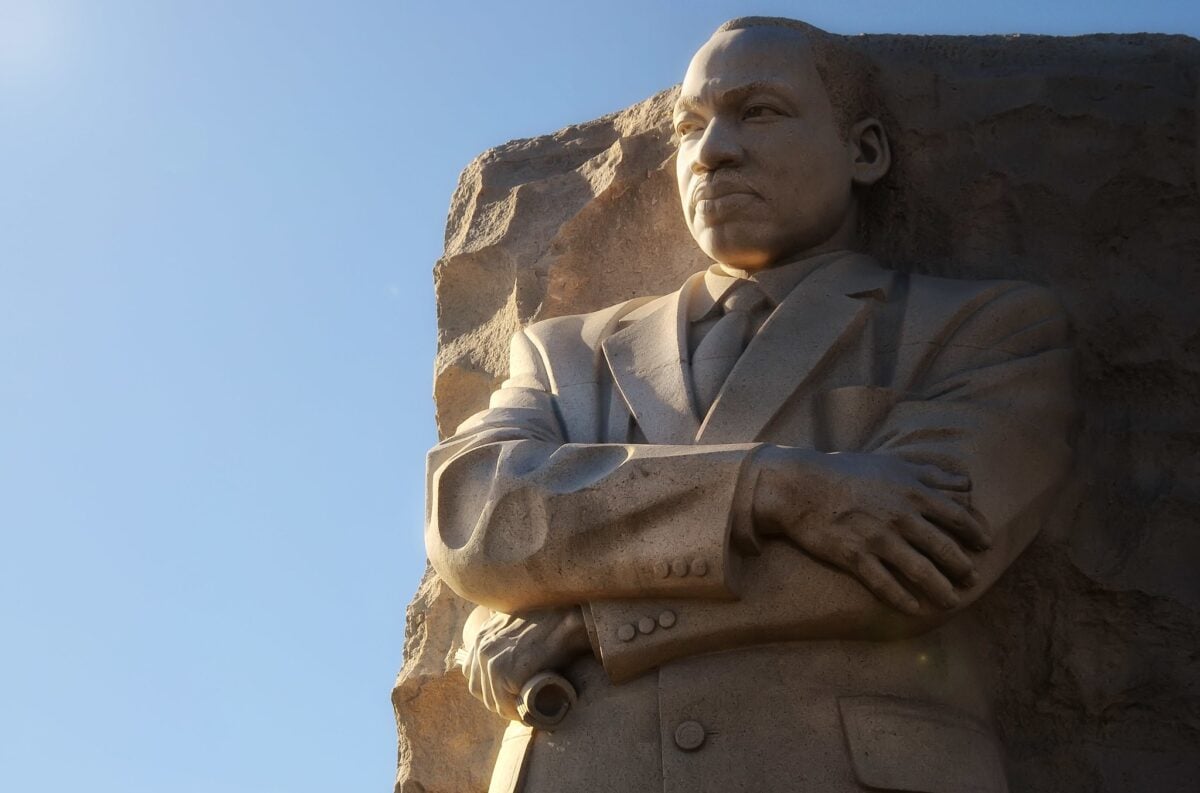
On April 5, 1968, newspapers announcing Dr. King’s assassination in Memphis sold for $75 to $400 depending on the publication. Southern papers, particularly those from Memphis or cities significant to the civil rights movement, bring higher prices than editions from other regions.
The relatively modest values compared to Lincoln or JFK assassinations reflect higher survival rates – more people in 1968 understood newspaper preservation – and the fact that the civil rights movement’s significance took time to be fully recognized. Still, these papers document a pivotal moment in American history and remain sought after by collectors focused on the 1960s and civil rights era.
September 11 Attacks
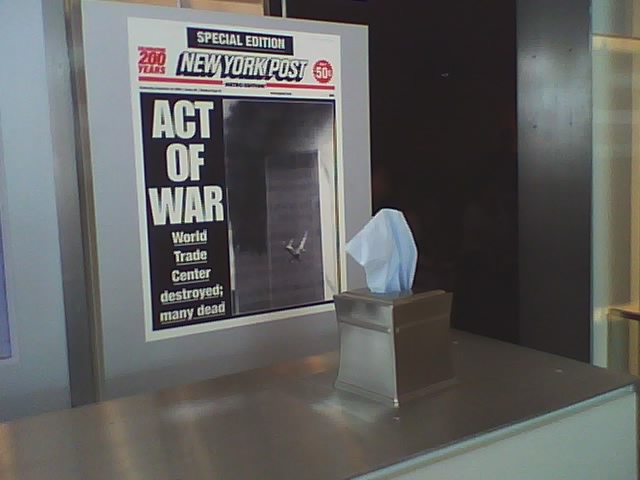
September 12, 2001, newspapers covering the 9/11 attacks are the most recent entries in the valuable newspaper category. New York papers, especially the New York Post with its stark “ACT OF WAR” headline and the Daily News, sell for $50 to $300.
Papers from other major cities bring $20 to $100. Values remain relatively modest because these papers are only about 20 years old and millions were saved.
As time passes and fewer pristine copies remain available, prices will likely increase. The historic significance is undeniable – the attacks reshaped American foreign policy and daily life – but collectors generally need decades of distance before values climb substantially.
D-Day Invasion
On June 7, 1944, newspapers announcing the Allied invasion of Normandy sold for $200 to $1,000. The bold “INVASION!” headlines and maps showing the landing beaches made for dramatic front pages that captured the largest amphibious assault in history.
Papers from port cities, military towns, or areas with significant troop deployments bring premiums. The New York Times, Chicago Tribune, and other major dailies from that date remain popular with World War II collectors.
What adds value is how the papers conveyed both the scale of the operation and the uncertainty about its success – early reports couldn’t confirm how the landings were progressing, creating tension in the coverage.
The Wright Brothers’ First Flight
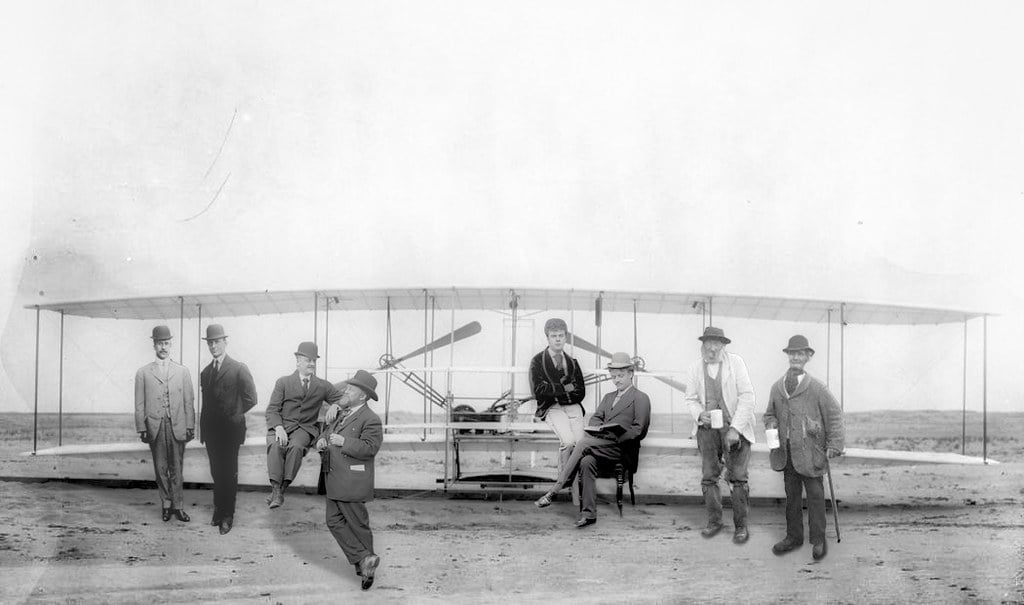
December 18, 1903, newspapers covering the Wright brothers’ first powered flight at Kitty Hawk are exceptionally rare and valuable. Few papers covered the event immediately – the historic significance wasn’t recognized right away – making contemporary accounts scarce.
When they appear, they sell for $2,000 to $10,000 or more. Most newspapers didn’t report the flight until days or weeks later, and even then, coverage was often buried in back pages.
Papers from North Carolina or Dayton, Ohio (the Wright brothers’ home) that covered the flight contemporaneously are the holy grail for aviation collectors. The combination of historic importance and extreme rarity makes these among the most sought-after American newspapers.
What Makes Them Valuable
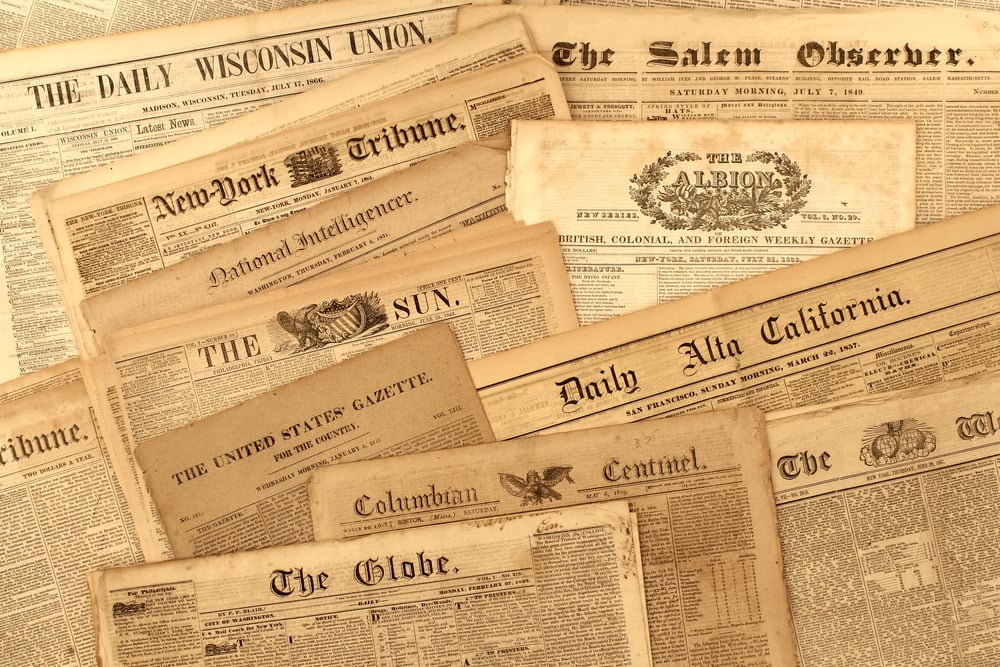
Condition matters more than almost anything else with collectible newspapers. A pristine copy in mint condition brings exponentially more than a worn, torn, or faded example of the same edition.
Complete papers with all sections intact command higher prices than loose front pages. And yet, plenty of historically significant newspapers remain affordable because they were saved by the millions.
The sweet spot for value comes from events everyone recognizes paired with editions few people thought to preserve. As time passes and fewer copies survive in good condition, values climb.
The newspapers worth fortunes today tell us what moments felt important enough to save, and sometimes they surprise us with what wasn’t considered significant at the time.
More from Go2Tutors!

- The Romanov Crown Jewels and Their Tragic Fate
- 13 Historical Mysteries That Science Still Can’t Solve
- Famous Hoaxes That Fooled the World for Years
- 15 Child Stars with Tragic Adult Lives
- 16 Famous Jewelry Pieces in History
Like Go2Tutors’s content? Follow us on MSN.