Most Powerful Speeches in History
Words have changed the course of nations, inspired millions, and shifted how people think about the world. Throughout history, certain speeches have stood out for their ability to move hearts, challenge injustice, and spark real change.
These moments weren’t just about what got said, but when and how someone delivered them. Let’s look at some of the most impactful speeches ever given.
Martin Luther King Jr.’s ‘I Have a Dream’
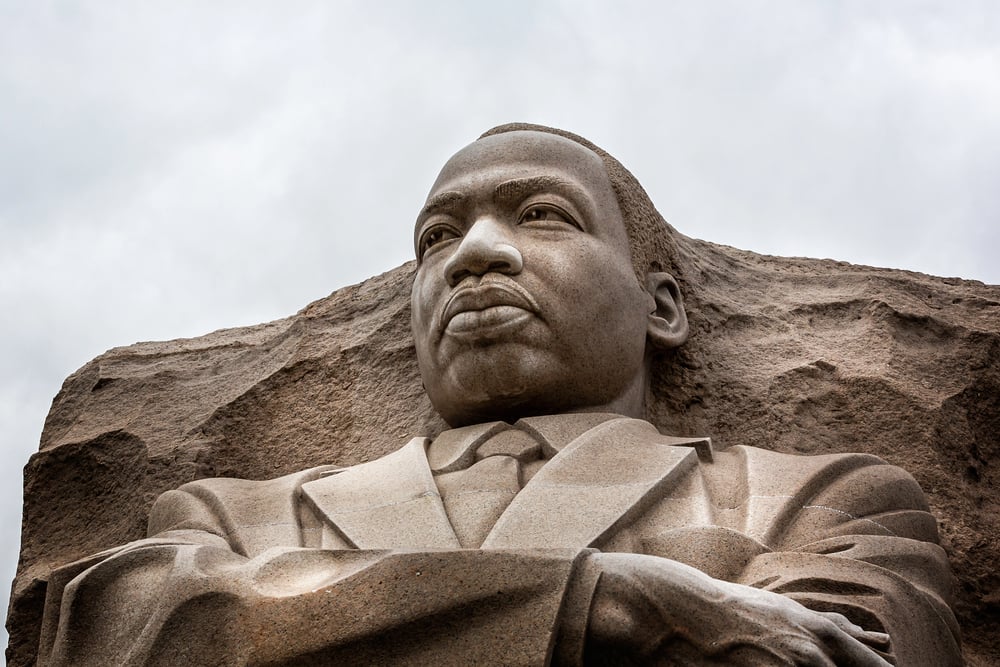
Standing on the steps of the Lincoln Memorial in 1963, King delivered a speech that would define the civil rights movement. More than 250,000 people gathered to hear him speak about equality and justice.
His words painted a picture of an America where people would be judged by character rather than skin color. The speech helped push forward the Civil Rights Act of 1964.
Winston Churchill’s ‘We Shall Fight on the Beaches’
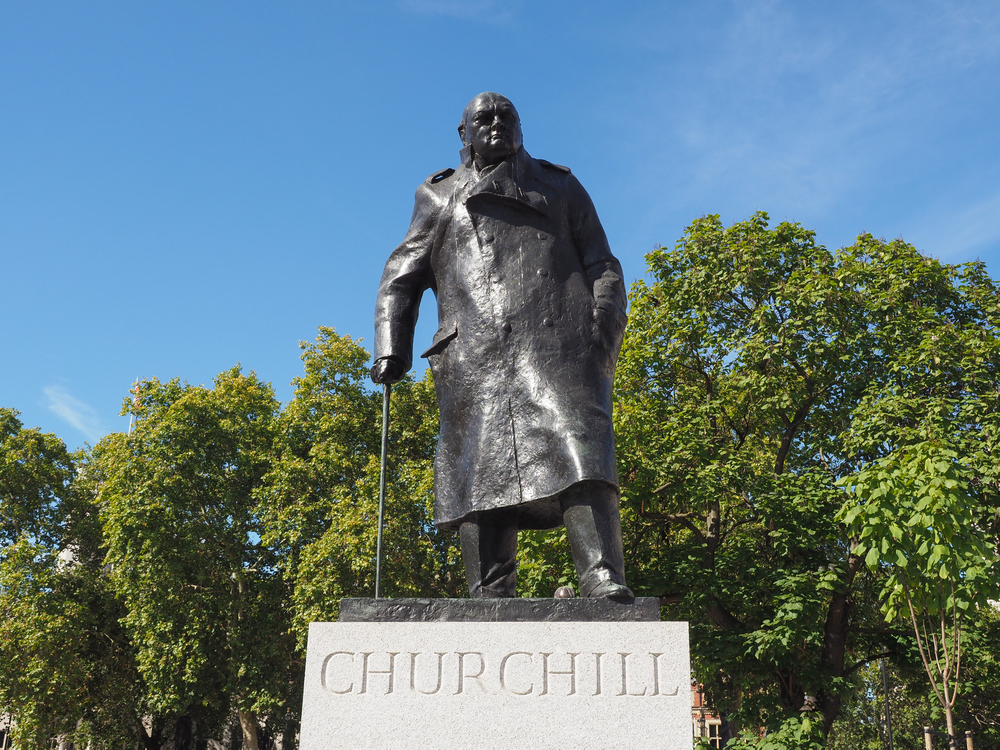
Britain stood alone against Nazi Germany in 1940 when Churchill addressed Parliament with this defiant message. The country faced possible invasion, and morale was low after the evacuation at Dunkirk.
Churchill refused to consider surrender, and his words rallied both politicians and regular citizens during the darkest days of World War II.
John F. Kennedy’s inaugural address
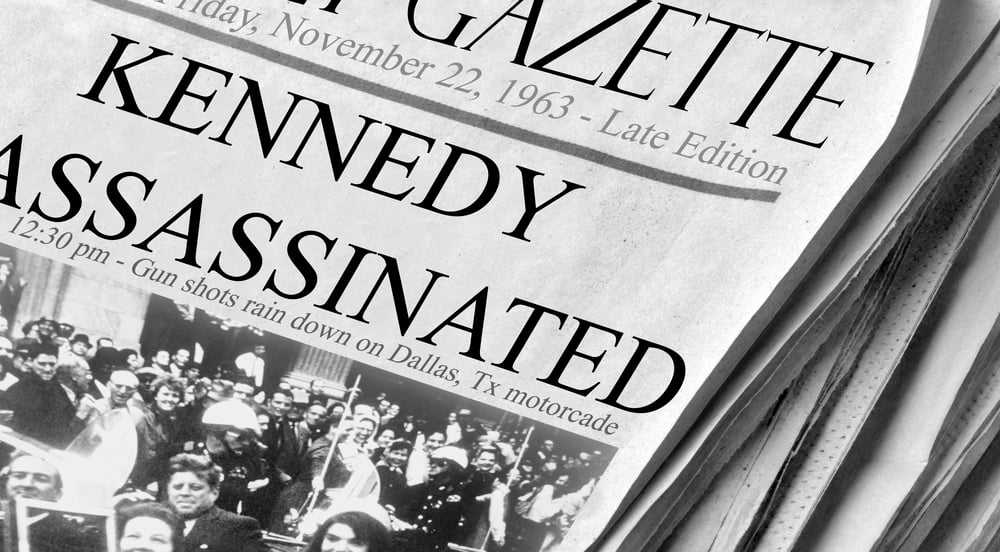
Kennedy challenged Americans to think beyond themselves when he spoke those famous words in 1961: ‘Ask not what your country can do for you, ask what you can do for your country.’ The young president called for unity during the height of the Cold War.
His speech got a generation excited about joining the Peace Corps and getting involved in public service.
Nelson Mandela’s speech from the dock
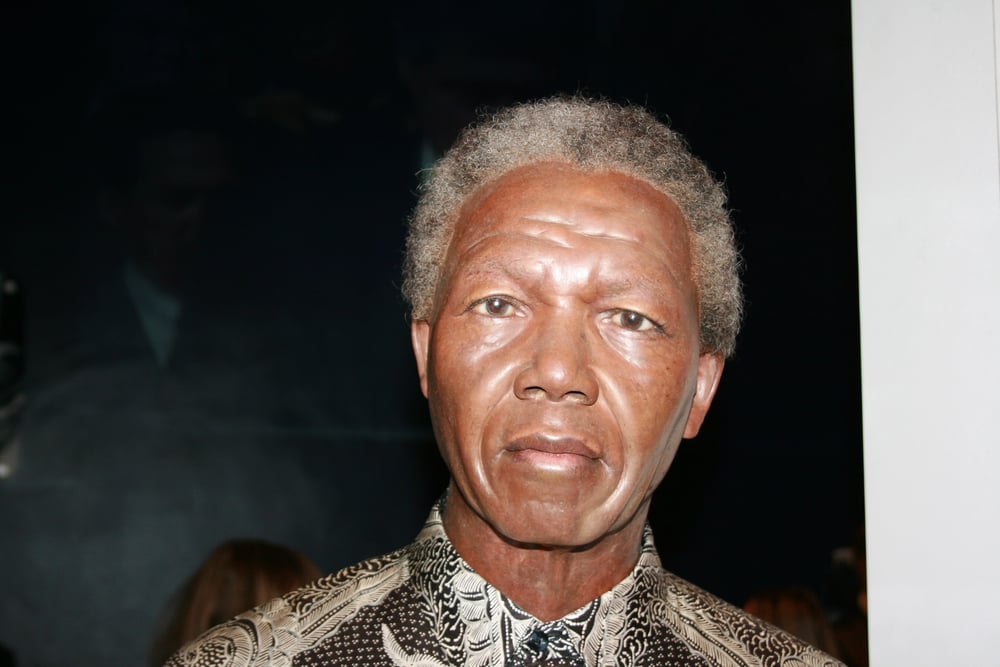
Facing a possible death sentence in 1964, Mandela used his trial to expose the brutality of apartheid. He spoke for over four hours, explaining why he was willing to die for equality in South Africa.
The speech turned him into a global symbol of resistance. Though he spent 27 years in prison, his words kept the anti-apartheid movement going.
Franklin D. Roosevelt’s first inaugural address
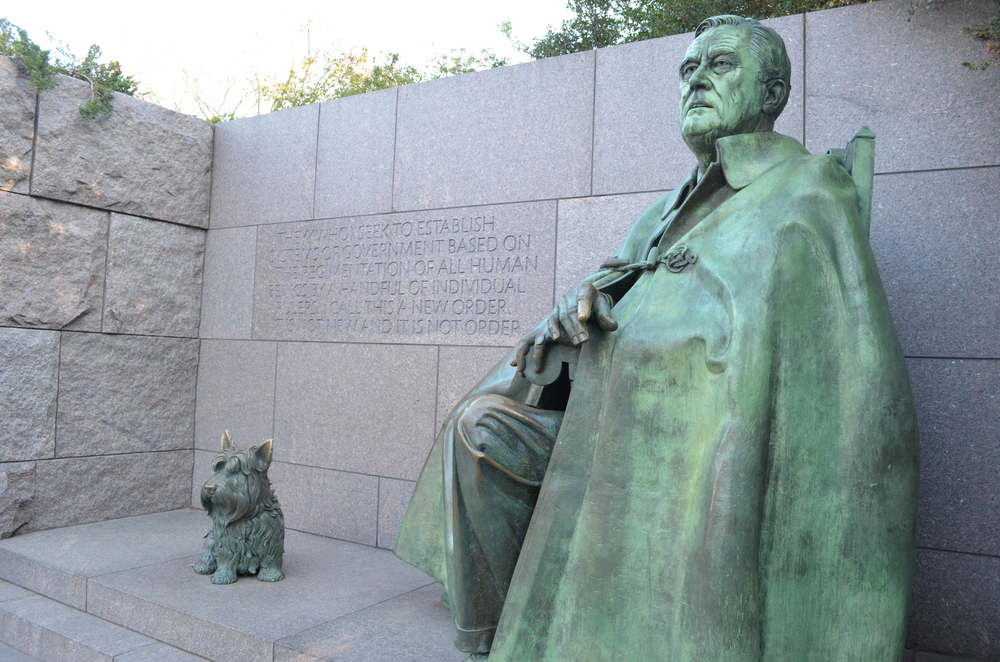
Roosevelt took office in 1933 when the Great Depression had Americans terrified about their future. Banks were failing, unemployment was sky-high, and people had lost faith in their government.
His assurance that ‘the only thing we have to fear is fear itself’ gave people hope when they desperately needed it.
Sojourner Truth’s ‘Ain’t I a Woman’
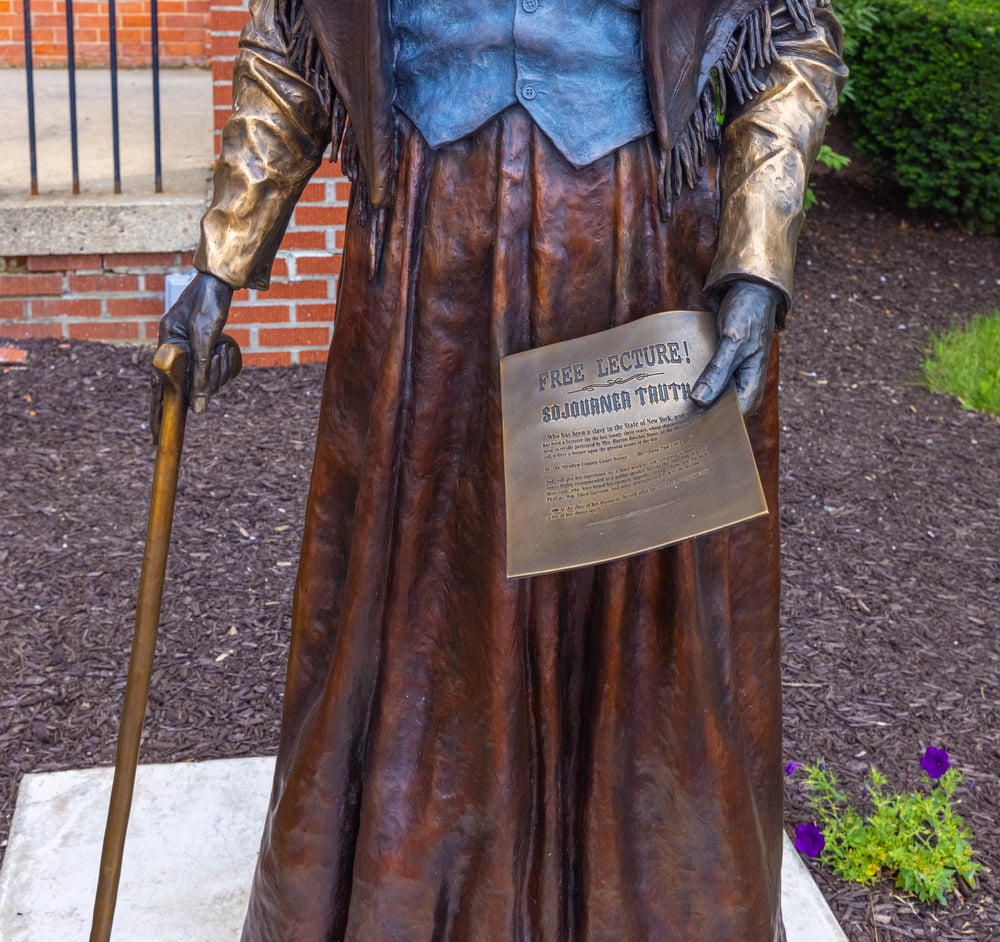
At a women’s rights convention in 1851, Truth stood up and challenged both racism and sexism in one powerful moment. She pointed out the contradiction of denying women rights while expecting them to work just as hard as men.
Her speech was brief but packed a punch. Truth spoke from personal experience as a formerly enslaved woman, giving her words an authority nobody could dispute.
Abraham Lincoln’s Gettysburg Address
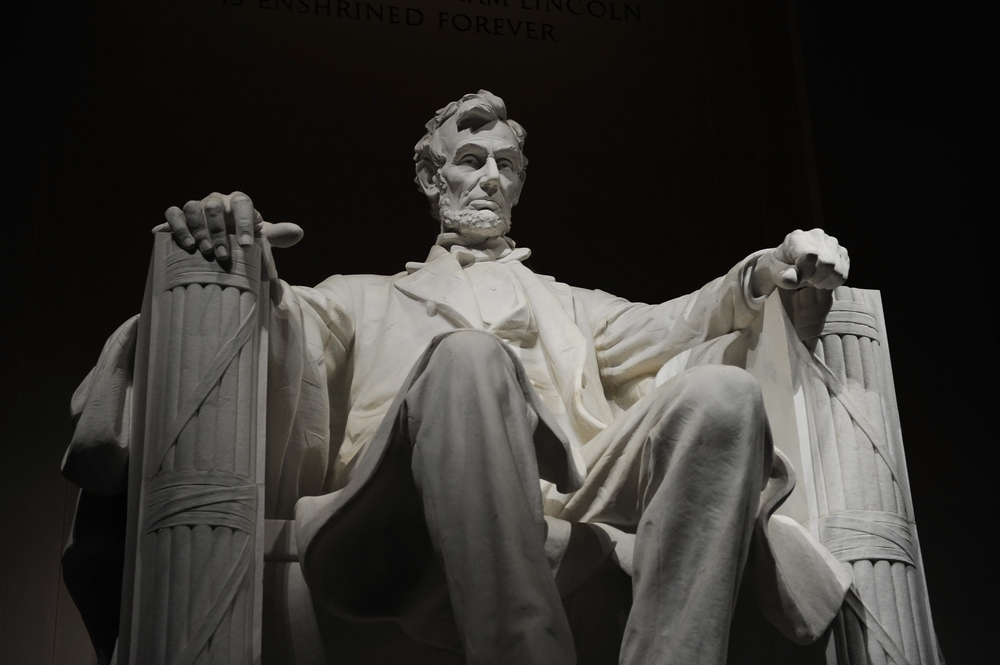
Lincoln spoke for just two minutes at a cemetery dedication in 1863, yet his words redefined the purpose of the Civil War. He connected the bloody conflict to the founding principles of equality and democracy.
The speech was so short that photographers didn’t even have time to set up their cameras, but those 272 words became the most analyzed speech in American history.
Mahatma Gandhi’s ‘Quit India’ speech
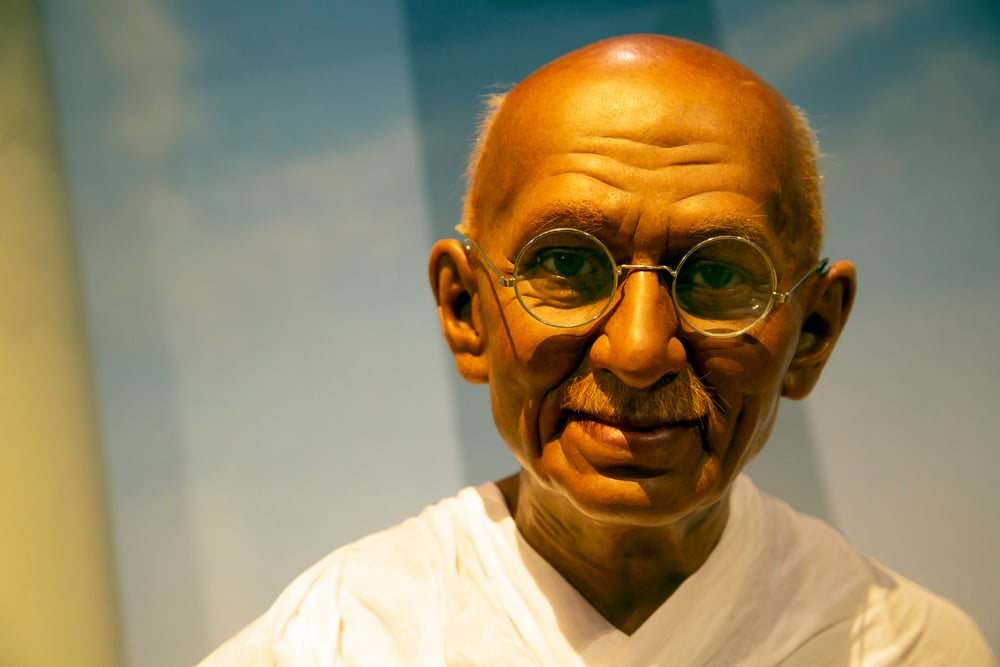
Gandhi demanded British withdrawal from India in 1942 with a simple but powerful message. He called for immediate independence and launched a mass civil disobedience movement.
The British arrested him and thousands of others, but the movement couldn’t be stopped. His speech accelerated the end of colonial rule and inspired independence movements worldwide.
Ronald Reagan at the Brandenburg Gate
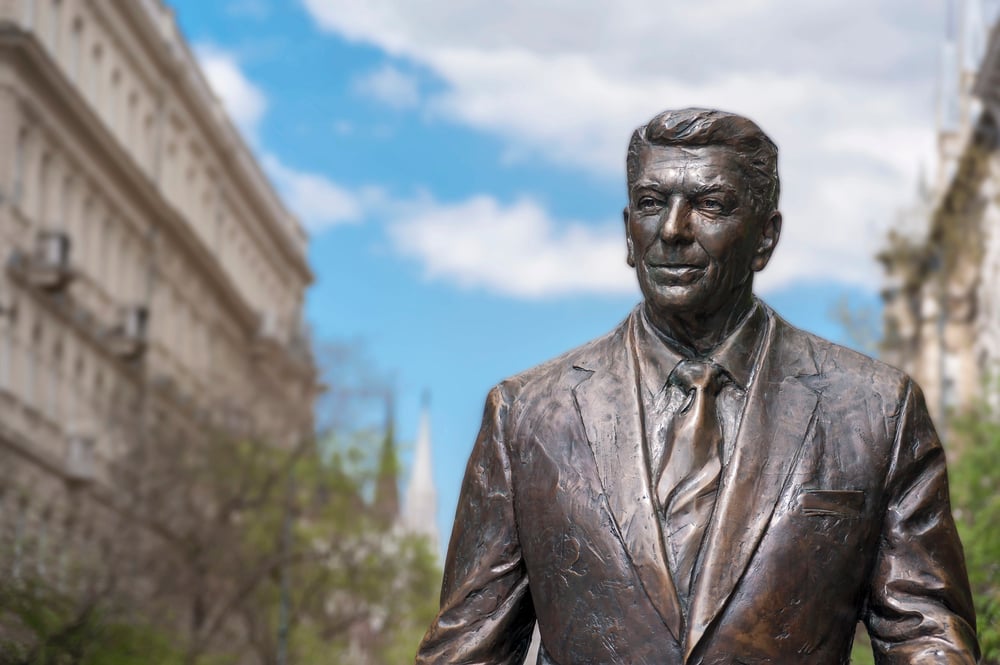
Reagan stood at the Berlin Wall in 1987 and directly challenged Soviet leader Gorbachev to tear it down. Many advisors thought the speech was too provocative and tried to get him to soften it.
Reagan refused. Two years later, the wall fell, and his words became a symbol of freedom’s victory over communism.
Susan B. Anthony’s speech after arrest
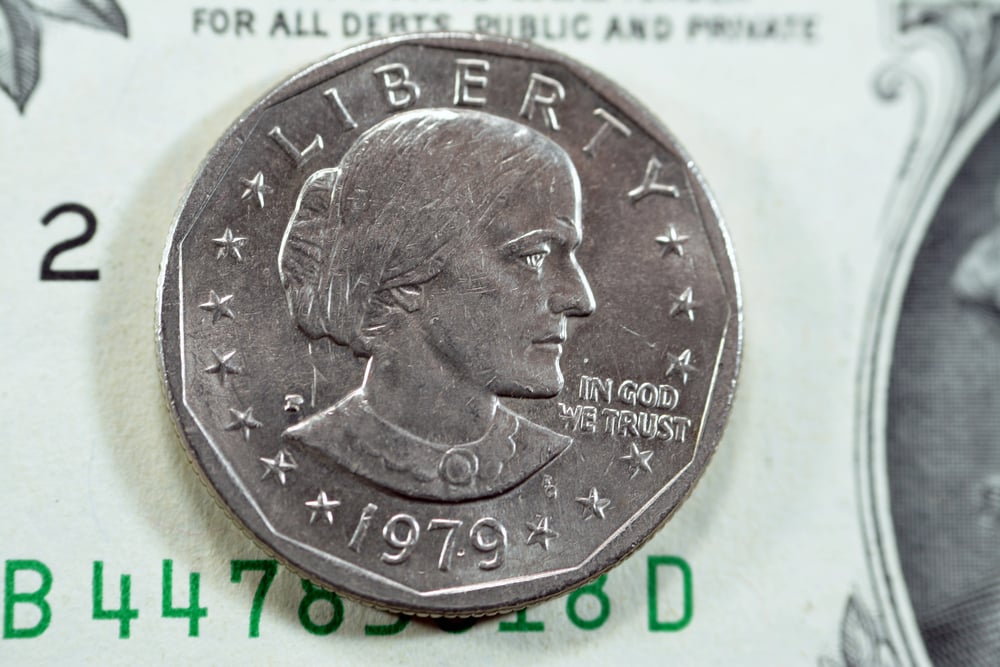
Anthony was arrested in 1873 for the crime of voting as a woman. She traveled around giving speeches before her trial, turning her prosecution into a platform for women’s suffrage.
She argued that the Constitution already gave women the right to vote and that denying it was unconstitutional. Though she was convicted and fined, she never paid the penalty.
Patrick Henry’s ‘Give Me Liberty or Give Me Death’
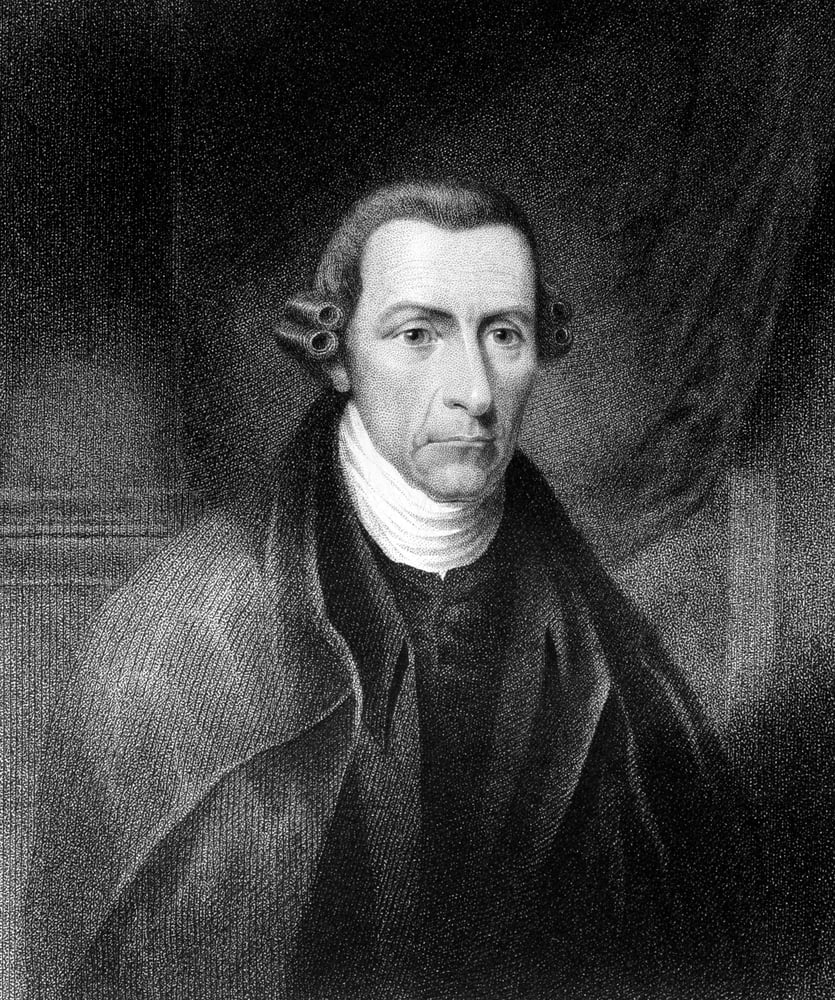
Henry spoke to Virginia legislators in 1775 when many still hoped to avoid war with Britain. He argued that peaceful solutions had failed and that armed resistance was the only option left.
His dramatic conclusion became a rallying cry for the American Revolution and helped convince Virginia to send troops to join the revolutionary cause.
Emmeline Pankhurst’s ‘Freedom or Death’
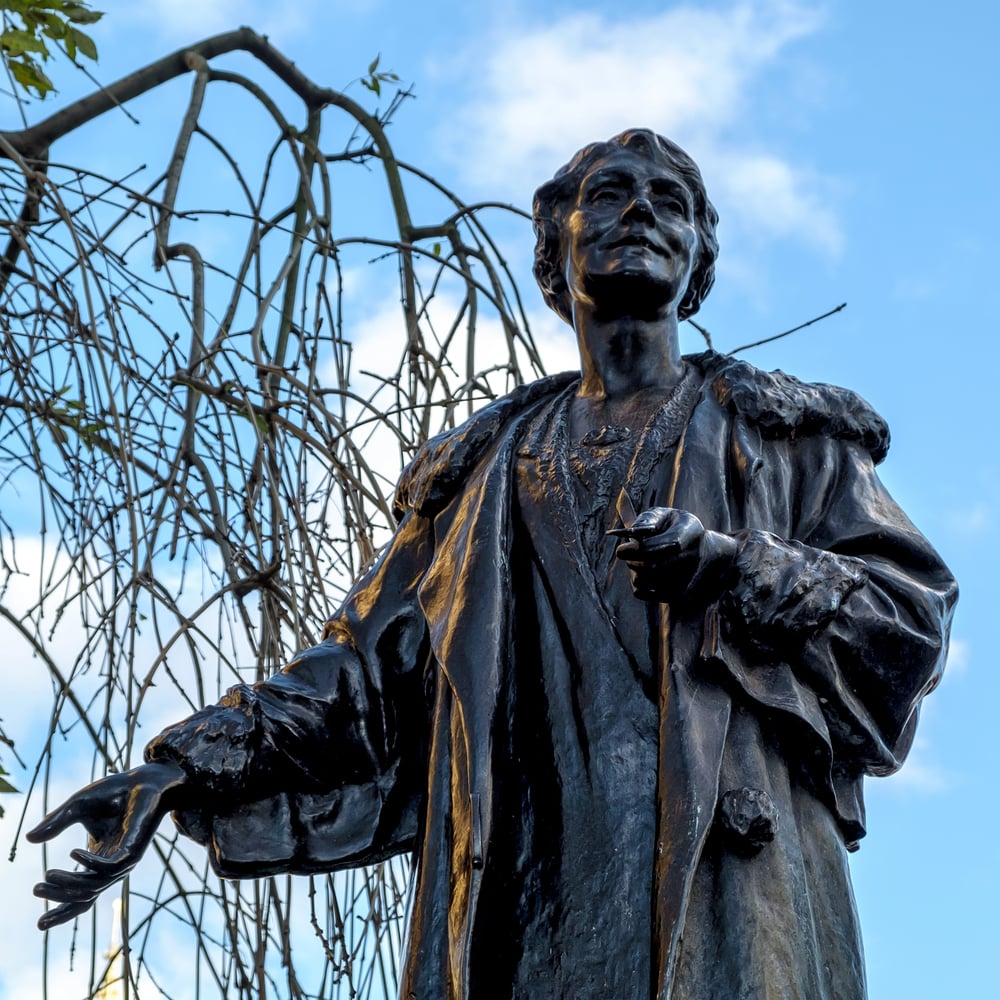
The British suffragette leader defended militant tactics in this 1913 speech delivered in Connecticut. She explained why women had turned to more aggressive methods after decades of peaceful protest achieved nothing.
Pankhurst compared the suffrage struggle to other fights for liberty throughout history, inspiring women on both sides of the Atlantic.
Malcolm X’s ‘The Ballot or the Bullet’
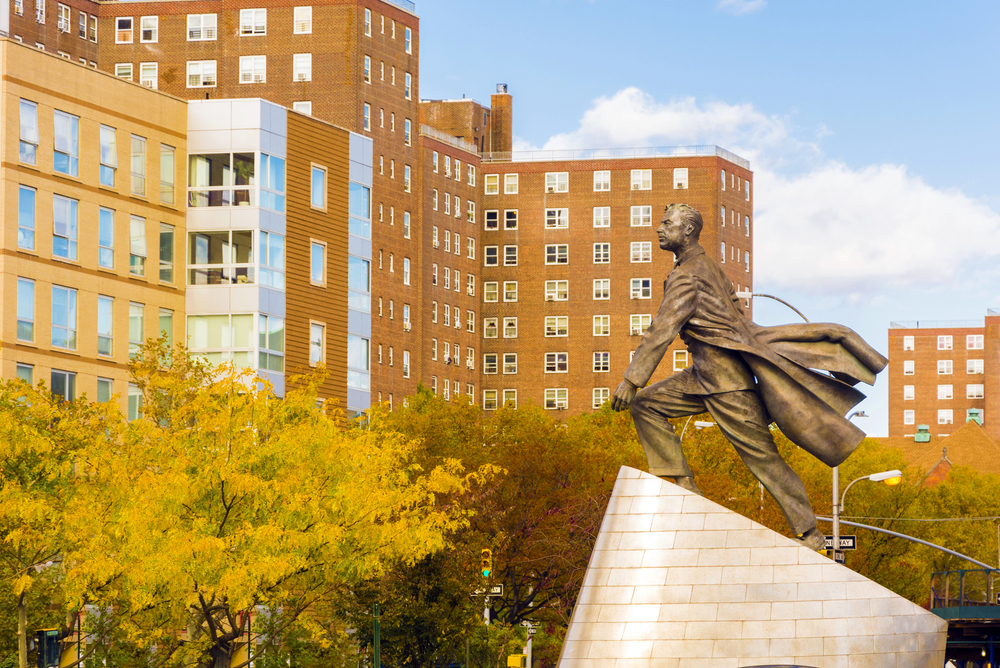
Speaking in 1964, Malcolm X laid out his philosophy that African Americans should use voting power to achieve equality. But he also made clear that if peaceful change proved impossible, other methods would follow.
The speech marked his evolution beyond the Nation of Islam’s teachings. His blunt talk about self-defense and economic independence resonated with frustrated Black Americans.
Chief Joseph’s surrender speech
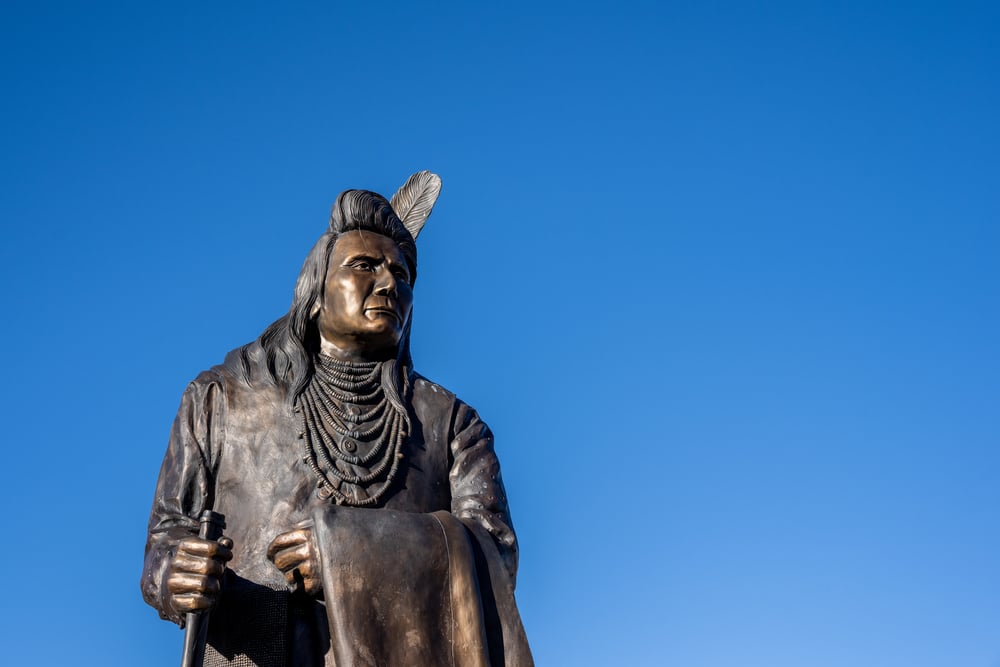
After a 1,170-mile fighting retreat in 1877, the Nez Perce leader finally surrendered to U.S. forces. His brief statement, ‘I will fight no more forever,’ captured the tragedy of Native American resistance.
The speech was simple and dignified, refusing to beg for mercy or apologize.
Lou Gehrig’s farewell at Yankee Stadium
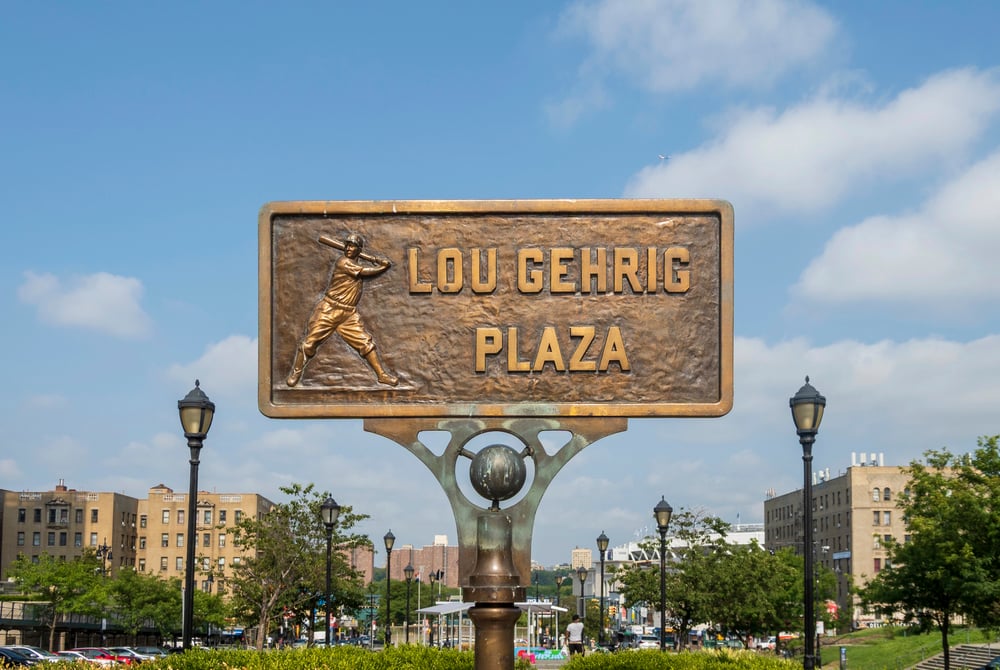
Dying from a degenerative disease, the baseball legend told 60,000 fans in 1939 that he considered himself ‘the luckiest man on the face of the earth.’ Instead of dwelling on his illness, Gehrig expressed gratitude for his career and the people who supported him.
The speech showed grace under the worst circumstances imaginable.
Elizabeth I’s speech to the troops at Tilbury
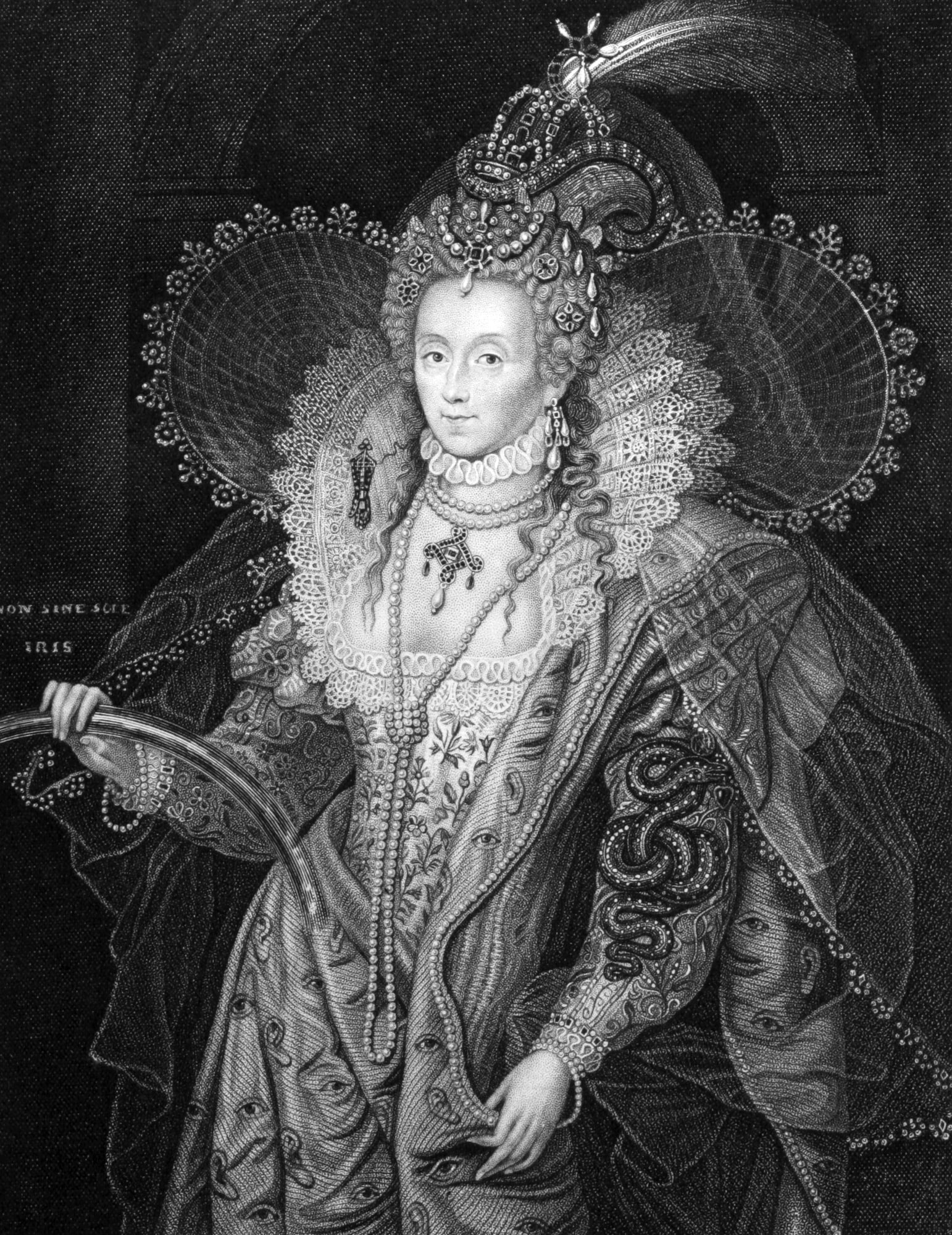
Facing a Spanish invasion in 1588, Queen Elizabeth I rode out to address her soldiers in full armor. She declared she had ‘the heart and stomach of a king’ and would fight alongside them if necessary.
The speech rallied troops who might have doubted following a woman into battle, and England’s victory over the Spanish Armada made her words even more legendary.
Harvey Milk’s ‘Hope Speech’
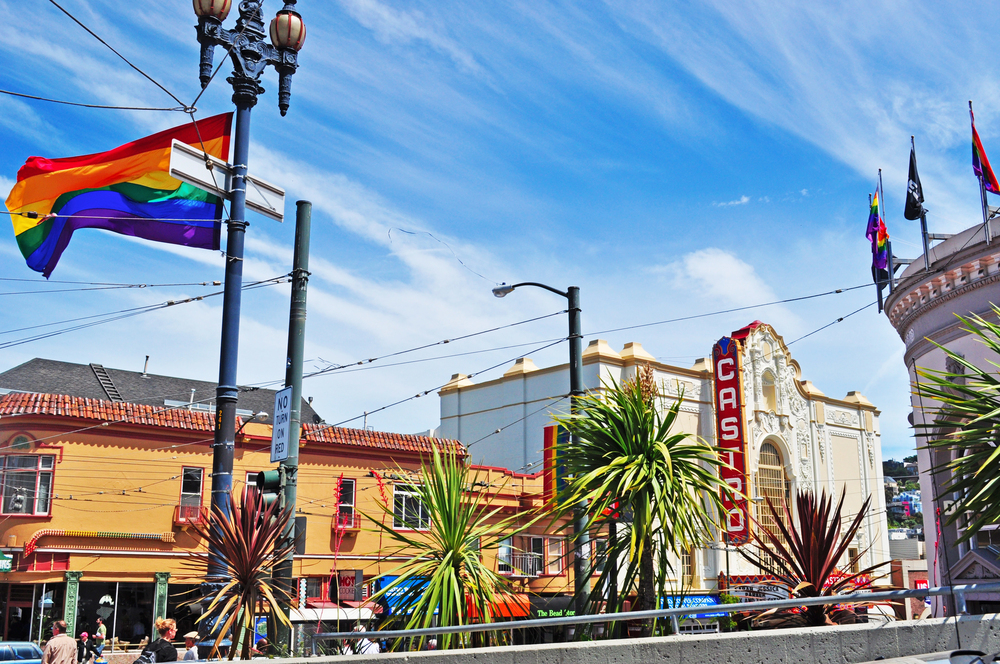
California’s first openly gay elected official used his 1978 speech to call for visibility and political action. He urged people to come out and show the world that they were everywhere, in every family and community.
Milk knew he might be killed for his activism and said so directly. His assassination later that year made his words carry even more weight.
Vaclav Havel’s New Year’s address
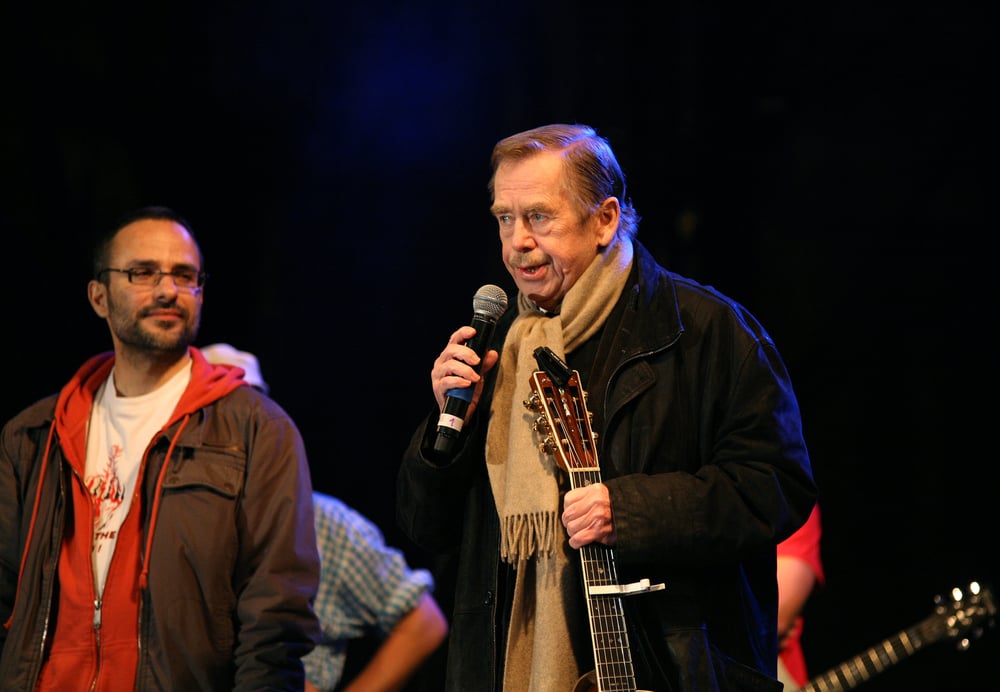
The dissident playwright became Czechoslovakia’s president in 1989 and immediately told citizens uncomfortable truths. He said the previous regime had corrupted everyone and that rebuilding would require facing that reality.
His honesty was shocking after decades of communist propaganda and set a different tone for leadership in post-communist Eastern Europe.
Barbara Jordan at the Democratic National Convention
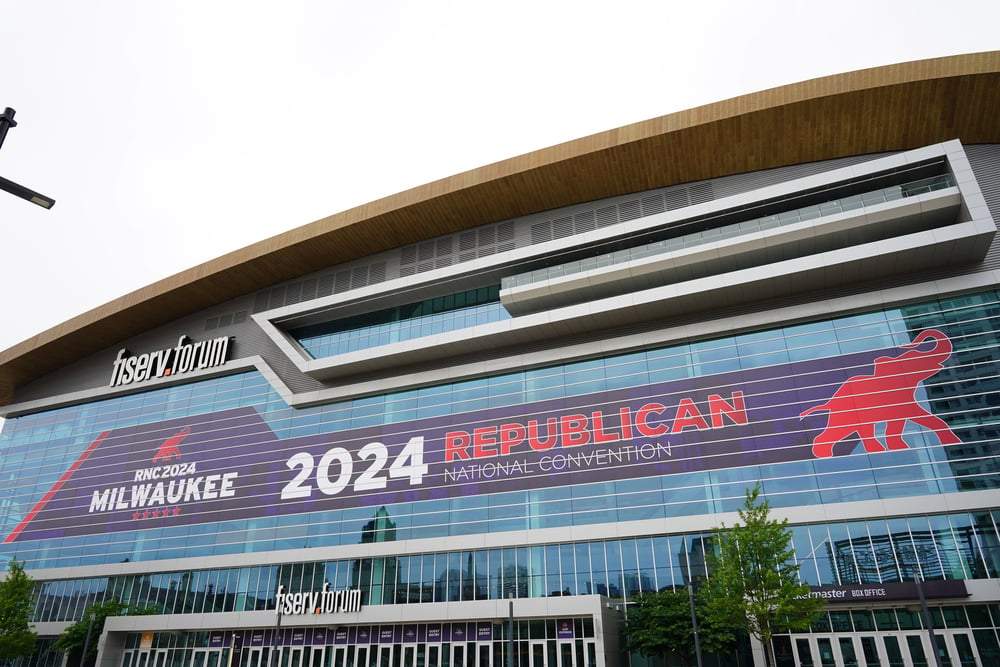
The Texas congresswoman’s 1976 keynote address made history as the first by an African American woman at a major party convention. She spoke about the Constitution and American ideals with an authority that commanded respect.
Jordan’s powerful voice and clear logic made her an instant political star, proving that eloquence and substance could still win over cynicism.
Franklin D. Roosevelt’s ‘Day of Infamy’ speech
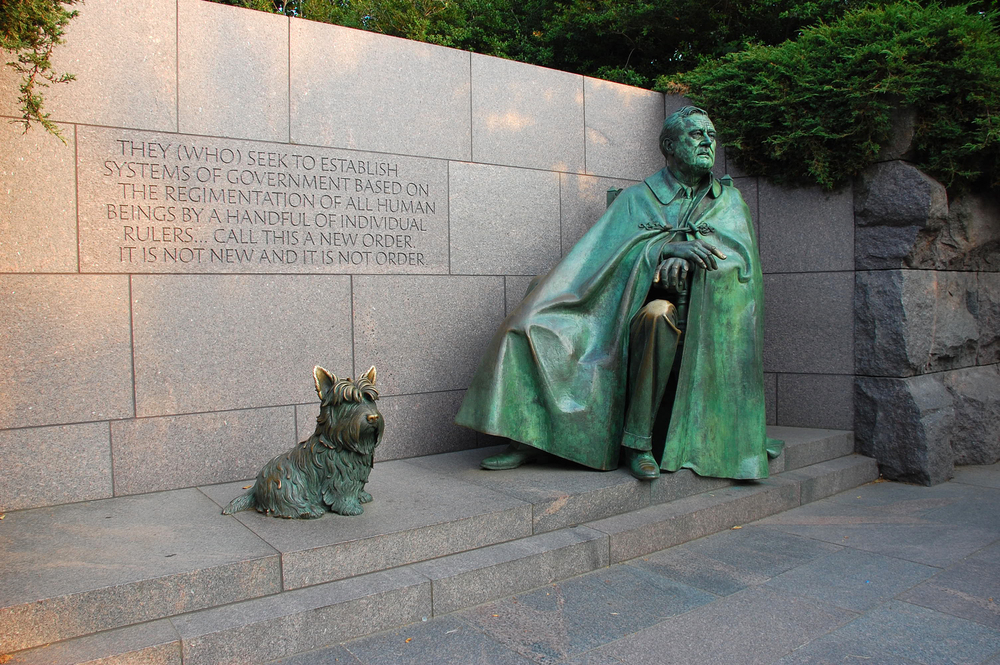
The day after Pearl Harbor was attacked in 1941, Roosevelt asked Congress to declare war on Japan. His opening line calling December 7 ‘a date which will live in infamy’ immediately entered the American vocabulary.
The speech was short and to the point, reflecting the nation’s anger. Within an hour, Congress voted to enter World War II with only one dissenting vote.
Why these words still matter
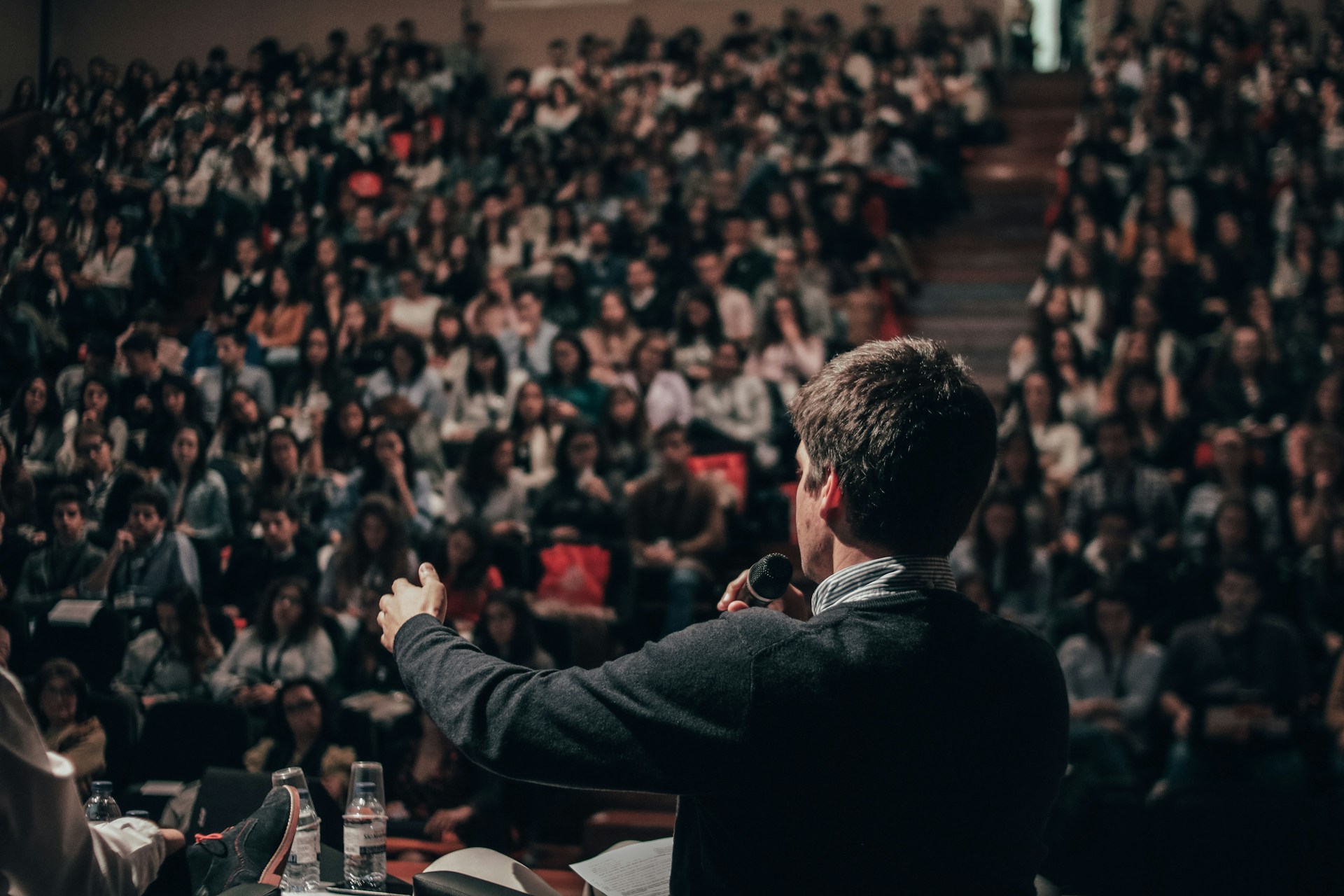
These speeches didn’t just capture important moments. They created them.
The speakers took risks, said what others were afraid to say, and called people to action when it counted most. Their words spread beyond the original audiences and took on lives of their own.
People still quote these speeches today because the struggles they addressed haven’t entirely disappeared, and the courage they showed remains worth remembering.
More from Go2Tutors!

- The Romanov Crown Jewels and Their Tragic Fate
- 13 Historical Mysteries That Science Still Can’t Solve
- Famous Hoaxes That Fooled the World for Years
- 15 Child Stars with Tragic Adult Lives
- 16 Famous Jewelry Pieces in History
Like Go2Tutors’s content? Follow us on MSN.



