Real-Life Stories Wilder Than Any Movie
Some of the most unbelievable events in human history actually happened. These aren’t scripts written by Hollywood screenwriters; they are moments where ordinary people found themselves in extraordinary circumstances.
Life has a way of creating plot twists that no screenwriter would dare pitch because audiences might say it’s too far-fetched.From daring escapes to shocking discoveries, these stories prove that truth can be stranger and more thrilling than fiction.
Here are some incredible real-life events that would likely be rejected by studios for being too outlandish.
The Great Escape from Alcatraz

In 1962, three inmates orchestrated one of the most daring prison escapes in American history. Frank Morris and brothers John and Clarence Anglin spent months digging through walls with handmade tools and smuggled materials.
They crafted a raft from raincoats and disappeared into the San Francisco Bay under cover of darkness. The FBI investigated for decades, but the men were never found, keeping the story alive in public imagination.
The True Story of Apollo 13
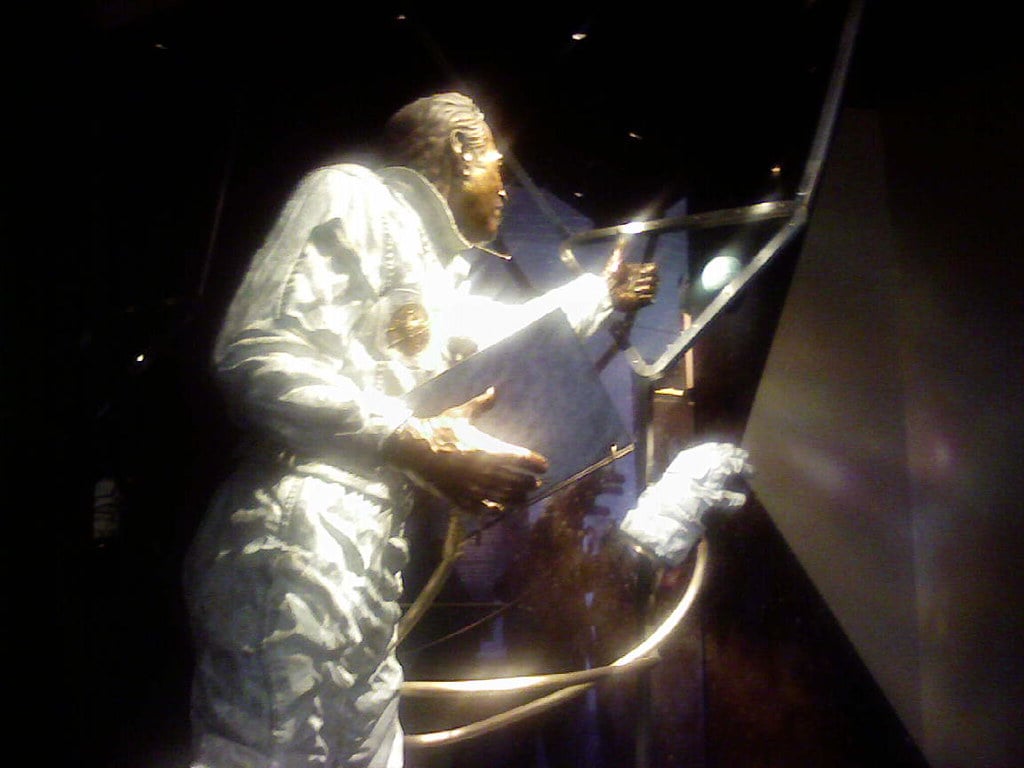
When an oxygen tank exploded aboard Apollo 13, the mission to land on the moon turned into a fight for survival. Astronauts Jim Lovell, Jack Swigert, and Fred Haise became trapped in a crippled spacecraft 200,000 miles from Earth.
Mission control worked around the clock to solve impossible problems. The crew had to ration power, oxygen, and water while dealing with equipment failures.
Their safe return proved ingenuity and teamwork can overcome seemingly insurmountable odds.
Aron Ralston’s Five-Day Ordeal

A canyoneer became trapped by an eight-hundred-pound boulder in a remote Utah canyon with no one knowing his location. Aron Ralston spent five days without food or water, rationing his urine to survive.
On the fifth day, desperation drove him to break his own arm bones and cut through his flesh with a dull knife to escape. After freeing himself, he still had to rappel down a cliff and hike seven miles to find help.
The 1944 Hartford Circus Fire
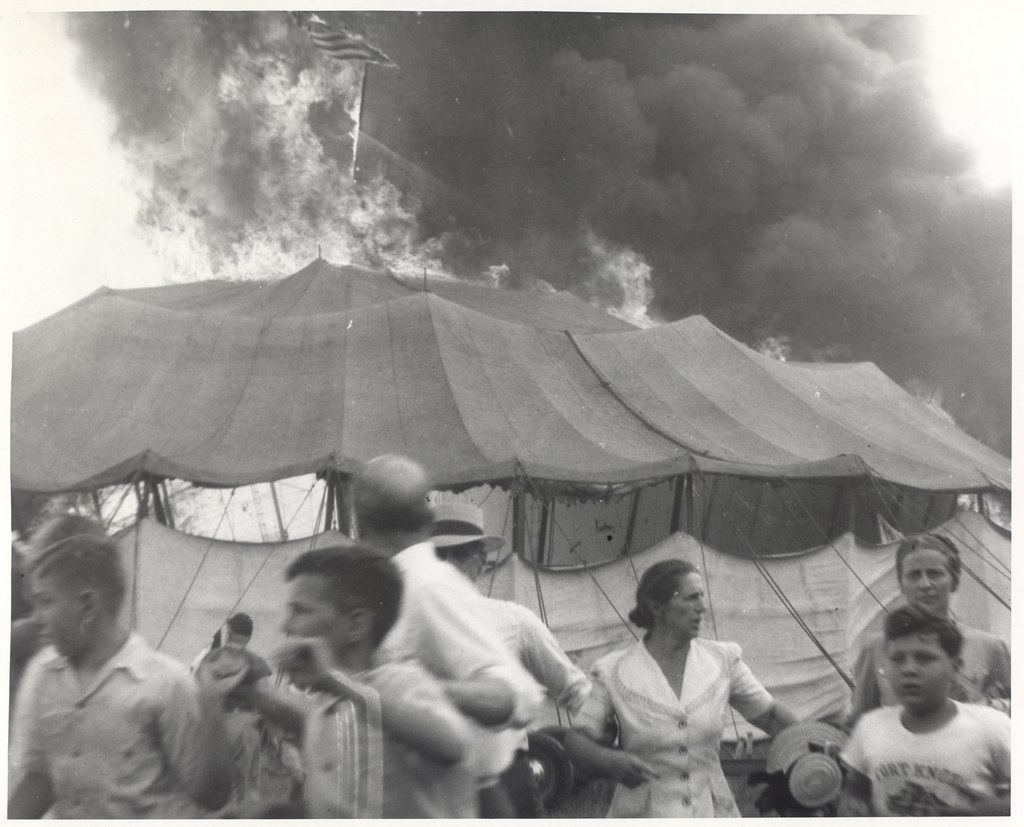
What started as a typical summer day at the circus became one of America’s deadliest disasters. A fire broke out in the big tent, and the canvas burned like paper. Panic caused a stampede toward the exits.
The death toll reached 167 people, many of them children. The tragedy led to major changes in fire safety regulations for public gatherings across the country.
Ernest Shackleton’s Antarctic Rescue

Shackleton’s ship, the Endurance, became trapped in Antarctic ice, stranding him and his crew. For months, they drifted on ice floes while their ship was crushed. Shackleton took five men in an open boat across 800 miles of some of the world’s roughest seas to reach help.
Against impossible odds, they survived, and Shackleton led a rescue mission that brought back every crew member alive.
The Nazis’ Great Escape

During World War II, over 70 prisoners of war tunneled their way out of a German POW camp. They dug three separate tunnels and coordinated communication for months.
Seventy-six men escaped, though most were recaptured. The story became legendary for its incredible planning, teamwork, and bravery.
Howard Hughes’ Disappearance

Billionaire aviator and filmmaker Howard Hughes gradually withdrew from public life, eventually becoming a total recluse. He locked himself in hotel rooms and penthouses, controlling his business empire from behind closed doors.
He grew his hair and fingernails to extreme lengths and refused outside contact. His isolation lasted years, raising questions about how wealth enables complete disconnection from the world.
Kitty Genovese’s Tragic Night

In 1964, Kitty Genovese was murdered outside her Queens apartment while dozens of neighbors heard her screams. The news claimed 38 witnesses ignored her cries for help, shocking a nation.
Later investigations suggested a more complex story, but the case fundamentally changed societal views on bystander responsibility.
The Miracle on Ice

At the 1980 Winter Olympics, young American hockey players faced the dominant Soviet team. The Soviets had won gold every Olympic competition since the sport’s inclusion.
Against all odds, the Americans won 4–3 in one of sports’ greatest upsets. The victory became a symbol of hope during the Cold War and remains one of the most replayed Olympic moments.
Flight 1549’s River Landing

Captain Chesley Sullenberger faced a nightmare when both engines on his plane failed after bird strikes. With 155 passengers aboard and minutes to react, he safely landed the aircraft on the Hudson River.
All passengers survived, turning a potential tragedy into a masterclass in calm, decisive action.
The Chilean Miners’ Rescue
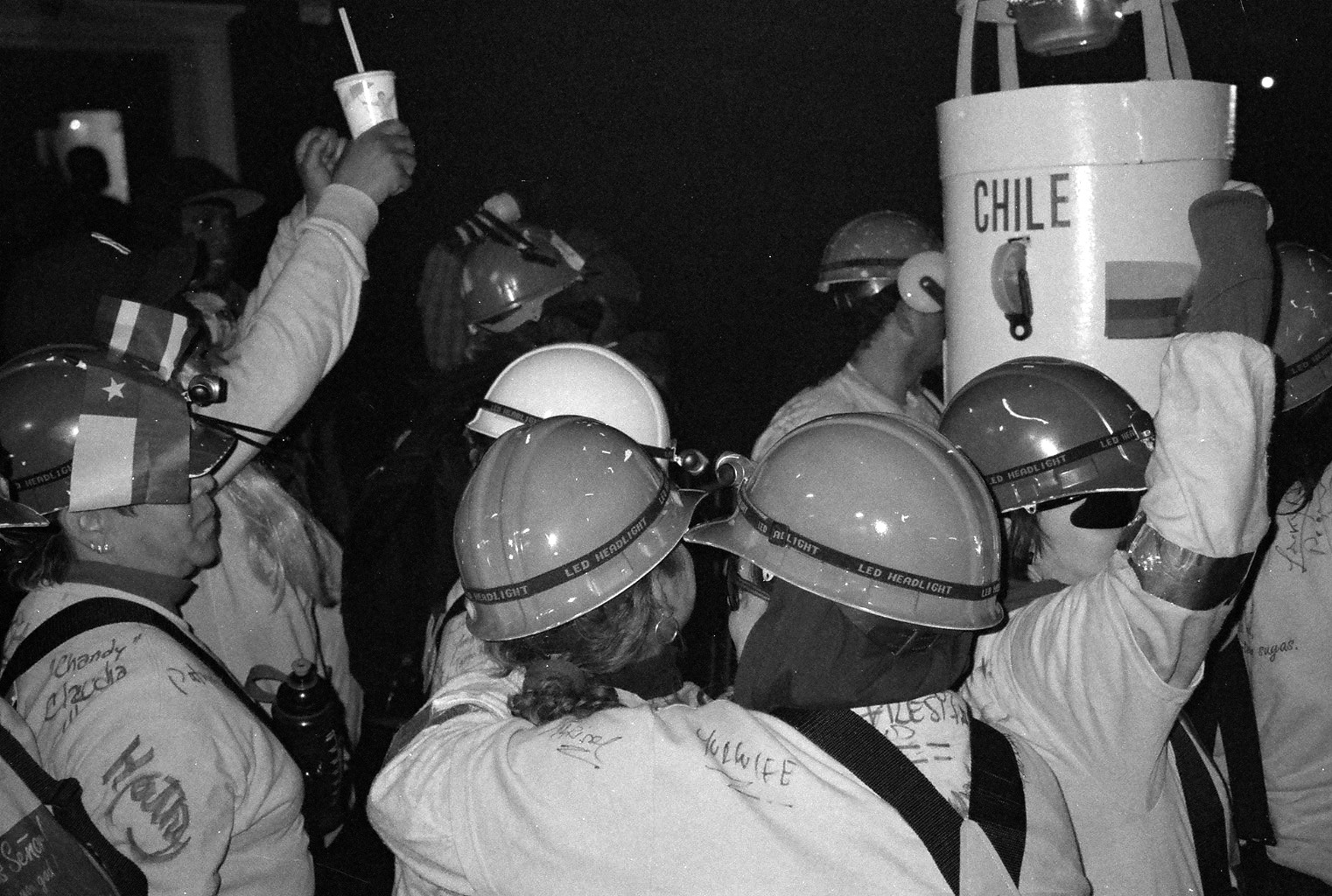
Thirty-three miners became trapped nearly 2,300 feet underground in Chile. Rescue teams drilled tirelessly to reach them. After 69 days, each miner was brought to safety.
The operation captivated global attention, showcasing human resilience and determination.
The Zodiac Killer’s Reign of Terror

Between 1966 and 1970, the Zodiac Killer taunted San Francisco police with cryptic letters and ciphers. He claimed dozens of murders but was confirmed to have killed seven.
Despite decades of investigation, the killer was never caught. The case remains one of America’s most famous unsolved mysteries.
The Sinking of the Titanic
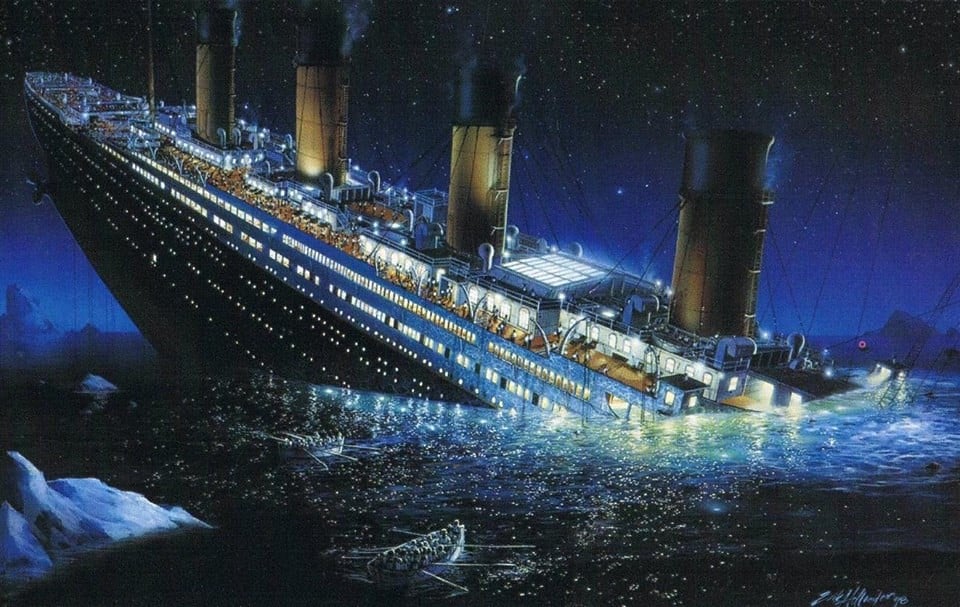
The “unsinkable” luxury liner struck an iceberg and sank in under three hours. Over 1,500 people died, exposing class disparities and inadequate lifeboats.
The tragedy led to major maritime safety reforms and remains a lasting symbol of human hubris and nature’s power.
The Poisoning of Alexander Litvinenko

A former Russian intelligence officer in London became mysteriously ill and died from polonium-210 poisoning. Critical of the Russian government, suspicion fell immediately
on authorities. The case sparked international tension and remains a chilling example of modern political assassination.
The Rise and Fall of Bernie Madoff
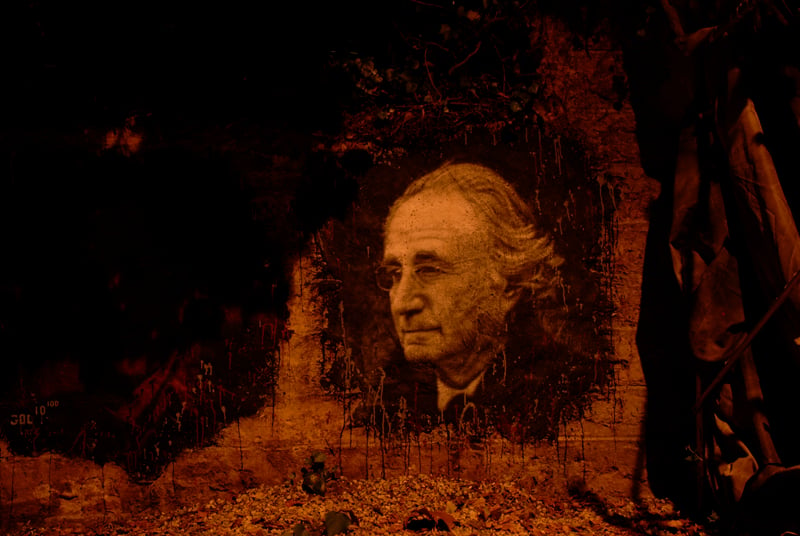
Bernard Madoff ran one of history’s largest Ponzi schemes, defrauding investors of an estimated $65 billion. Operating for decades, he maintained a reputation as a trusted financier.
When exposed, victims lost life savings, and Madoff received a 150-year prison sentence, illustrating how sophisticated fraud can hide in plain sight.
The Everest Disaster
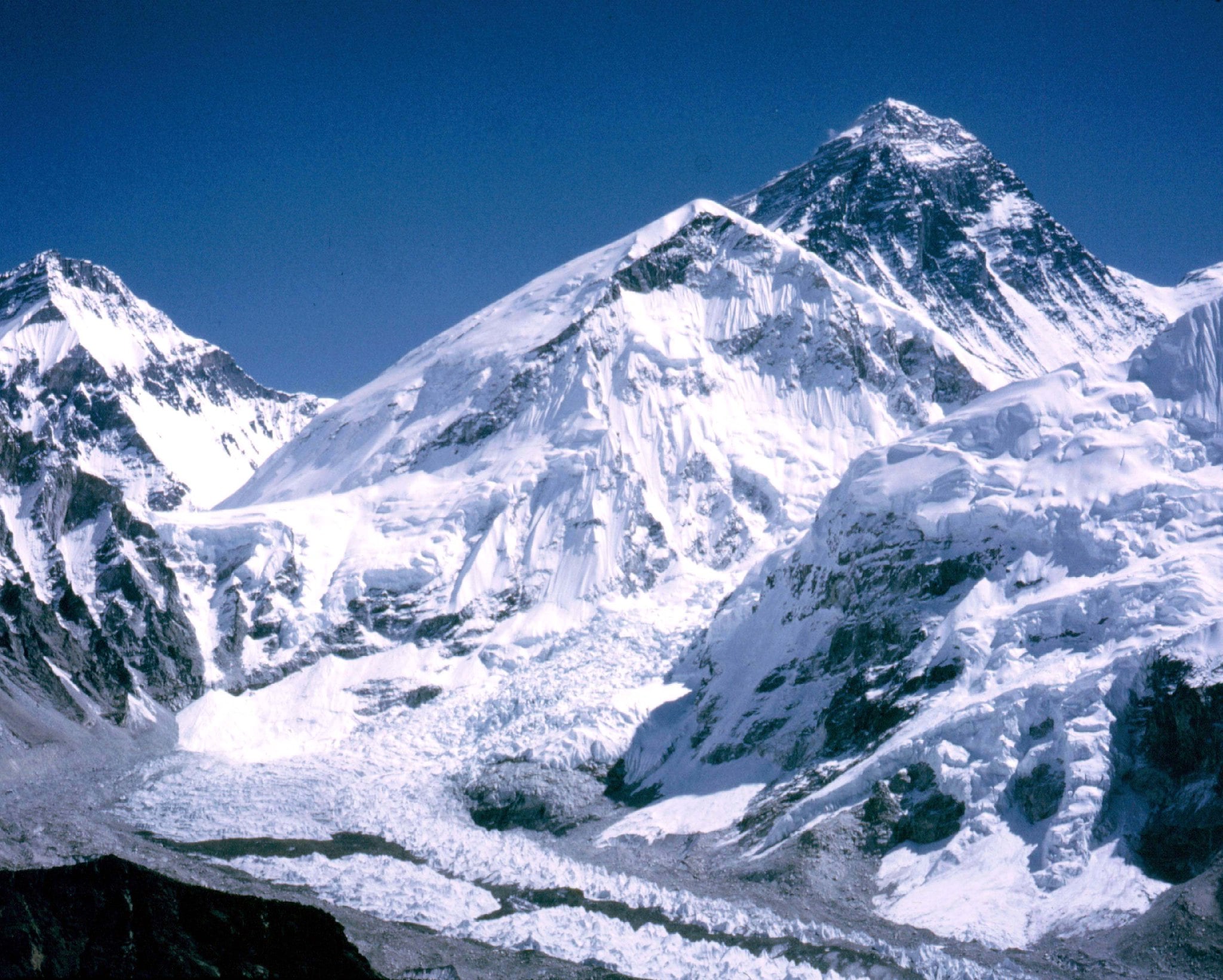
A commercial Mount Everest expedition turned deadly when climbers became trapped above 26,000 feet during a storm. Lack of oxygen, extreme cold, and poor communication led to multiple deaths.
The tragedy sparked debates about the ethics of adventure tourism and extreme mountaineering.
The Chernobyl Nuclear Disaster
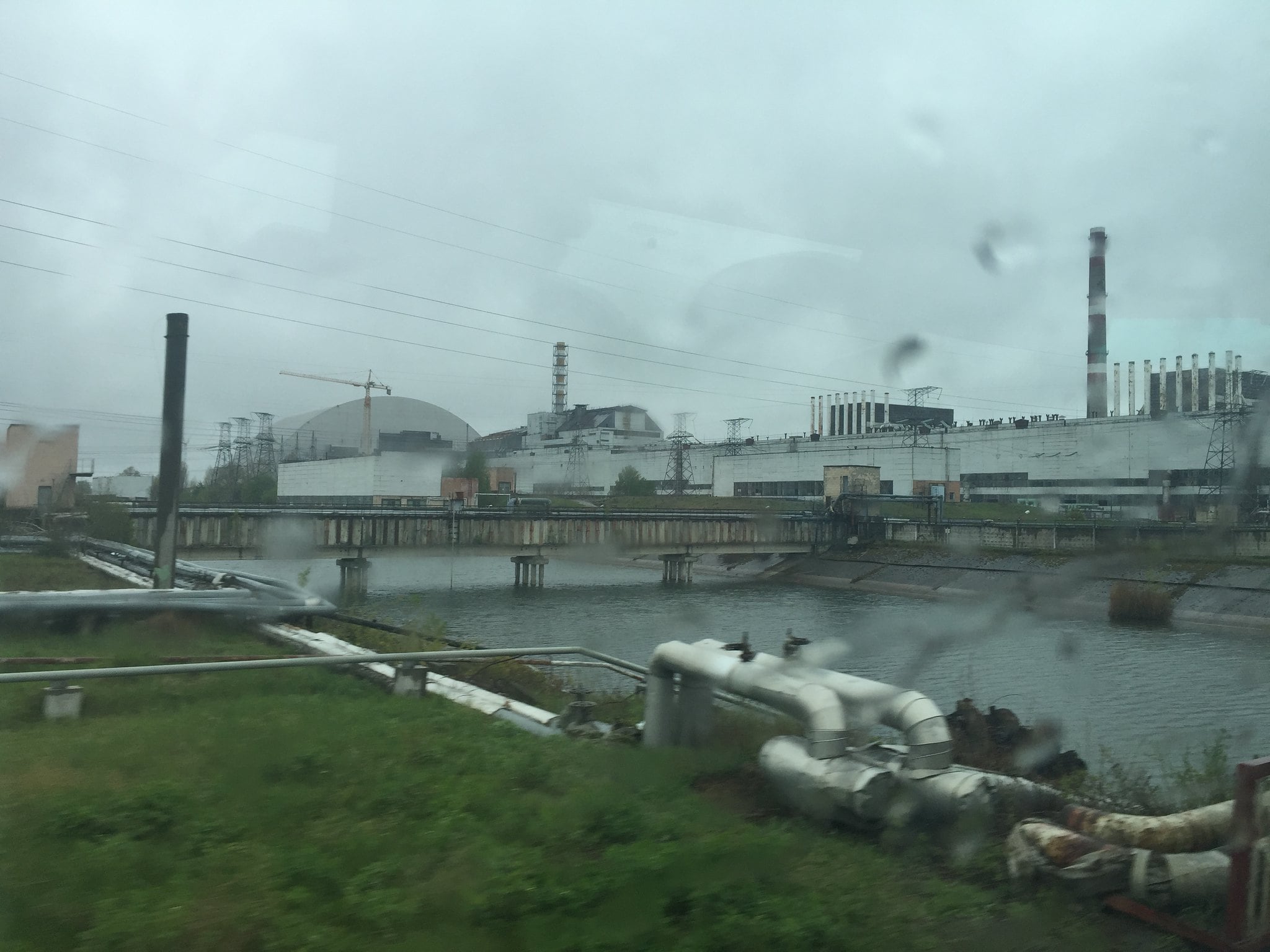
A catastrophic explosion at a Soviet nuclear reactor contaminated an area the size of New Jersey. Fires released radiation across Europe, forcing chaotic evacuations. The city of Pripyat became a ghost town overnight.
The disaster highlighted the devastating consequences of human error and technical failure on a massive scale.
The Story That Keeps Surprising Us
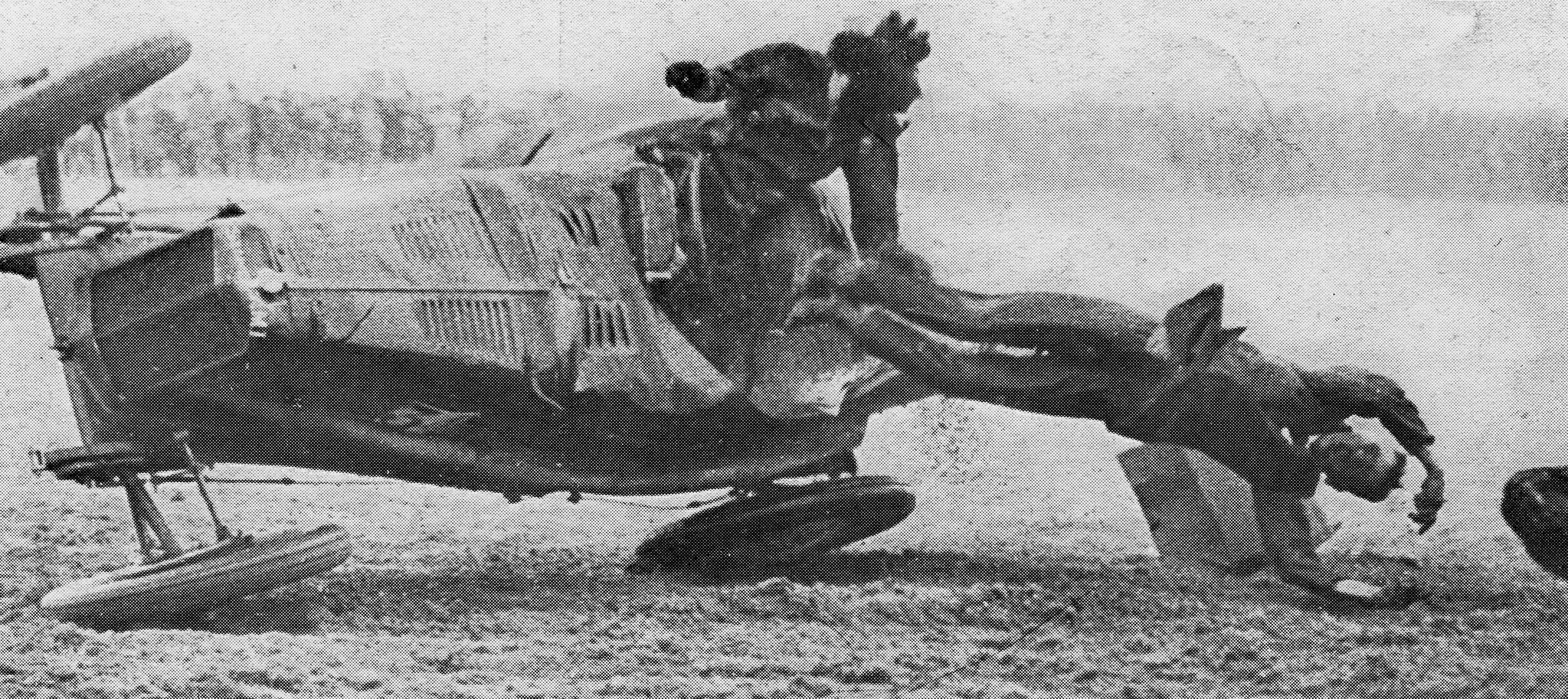
History often creates drama and stakes that screenwriters struggle to invent. These stories have captured the public imagination because they reveal human potential for courage, ingenuity, and resilience.
Whether tragic or triumphant, each event reminds us that reality can be far stranger—and more thrilling—than fiction.
More from Go2Tutors!

- The Romanov Crown Jewels and Their Tragic Fate
- 13 Historical Mysteries That Science Still Can’t Solve
- Famous Hoaxes That Fooled the World for Years
- 15 Child Stars with Tragic Adult Lives
- 16 Famous Jewelry Pieces in History
Like Go2Tutors’s content? Follow us on MSN.