16 Most Expensive Skyscrapers Built in America
Up high, America’s tallest buildings speak louder than words – shaped by bold ideas, smart minds, upside-down budgets. They twist skylines like modern art made of steel and glass.
One after another, they rise where nothing stood before, thanks to endless effort, time chewed through slowly, cash poured in wave after wave. Billions shift on paper while cranes turn above streets, turning silence into something breathing, stretching skyward.
Spinning prices on these towers might leave you dizzy, yet what lies behind isn’t merely metal and windows. Dig into the ones that drained fortunes just to stand upright.
One World Trade Center
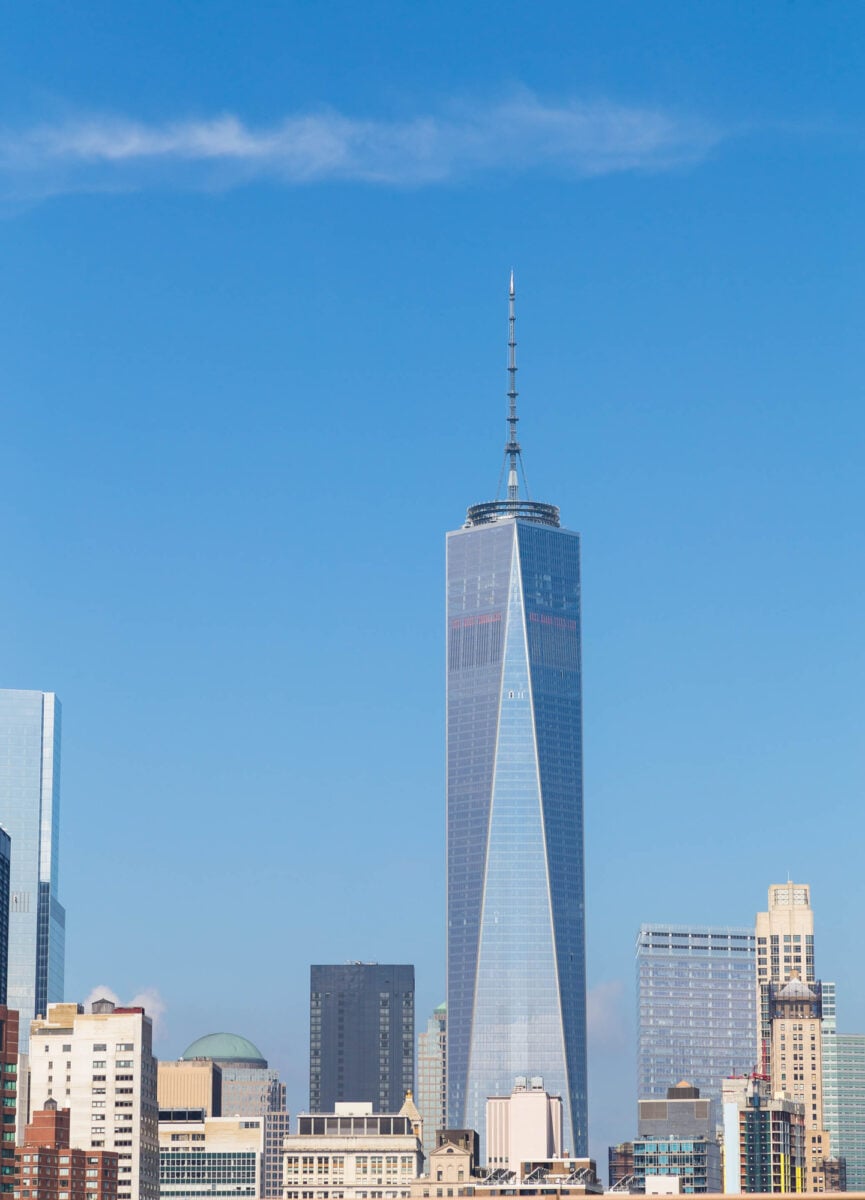
Right there, where the Twin Towers used to be, this structure holds deep meaning just as much as it does cost – nearly four billion dollars. Built between 2006 and 2014, each element reflects memory on one hand, progress on the other.
Topping out at precisely 1,776 feet, the number itself points straight to the year of national founding. Inside, safeguards rank among the smartest ever placed in any tall building; pricier they were, yet calmer they made those who enter.
The Oculus
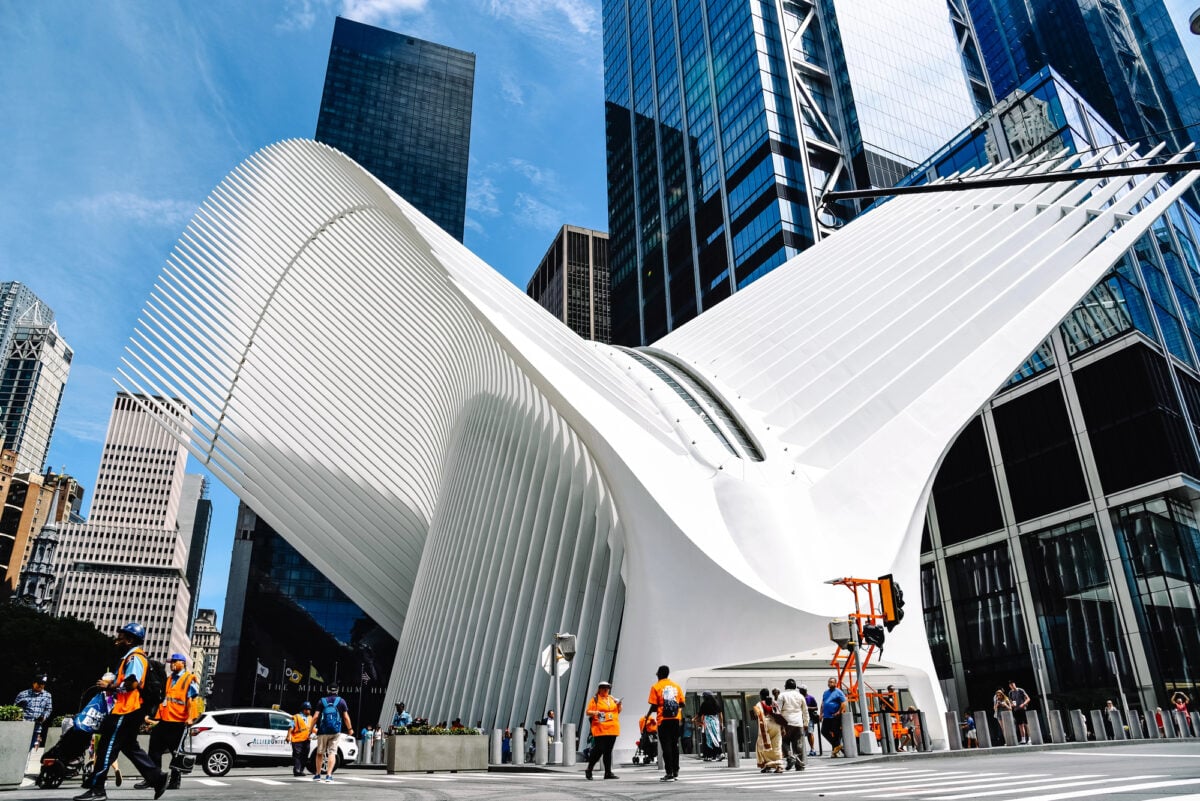
A sprawling transit center by One World Trade Center resembles a soaring winged creature, built at a price close to four billion dollars. Light pours into the hall thanks to a unique arched ceiling crafted by architect Santiago Calatrava.
Delays hit hard, spending swelled far beyond early forecasts, almost doubling what was first planned. Even with heated debate around expenses, people passing through find themselves in an environment that leans toward sculpture rather than steel.
Hudson Yards Development
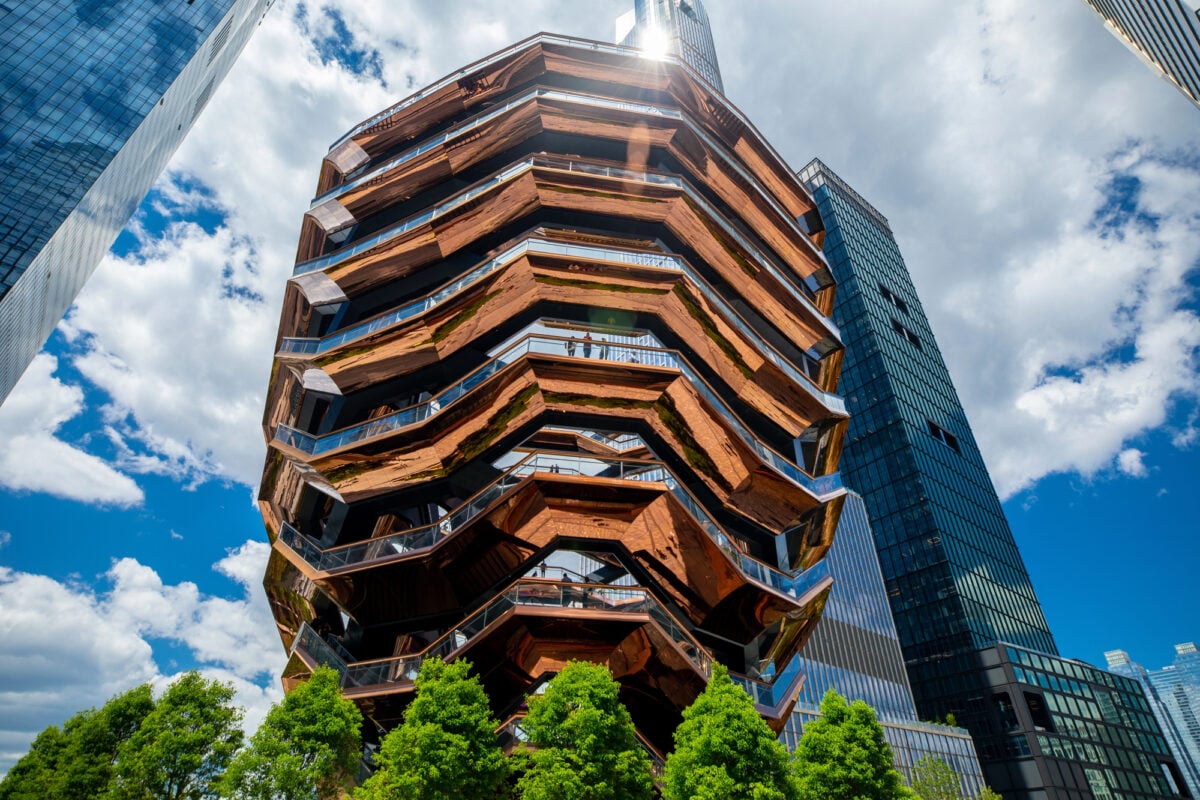
West of Midtown, a fresh district took shape after years of construction fueled by twenty-five billion dollars. Rising together, several high-rises replaced old train tracks where locomotives used to idle.
At its heart stood a winding climb known as The Vessel – costing two hundred million, it drew eyes fast. Some doubted if more upscale space was truly necessary here.
Salesforce Tower In San Francisco
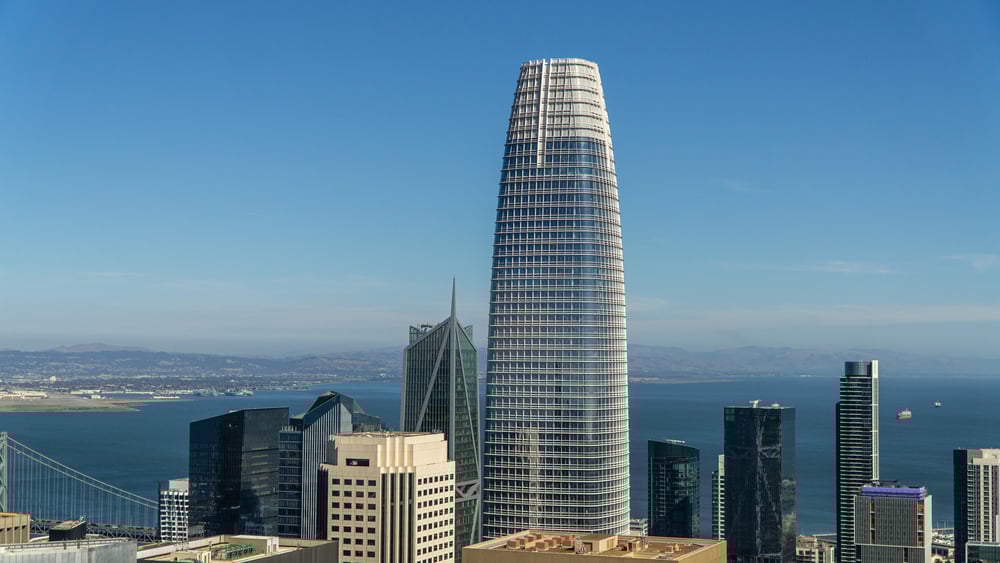
Up above San Francisco, a giant structure finished rising in 2018 after costing close to $1.1 billion. Standing tall at 1,070 feet, it reshaped what the skyline looked like – some people cheered, others frowned at how sleek it appeared.
Each level runs on recycled water along with smart temperature systems, pushing ahead of older ways of building green. When night rolls in and fog wraps the city, glowing LEDs on top begin to shine, quietly becoming part of the view.
Bank Of America Tower New York
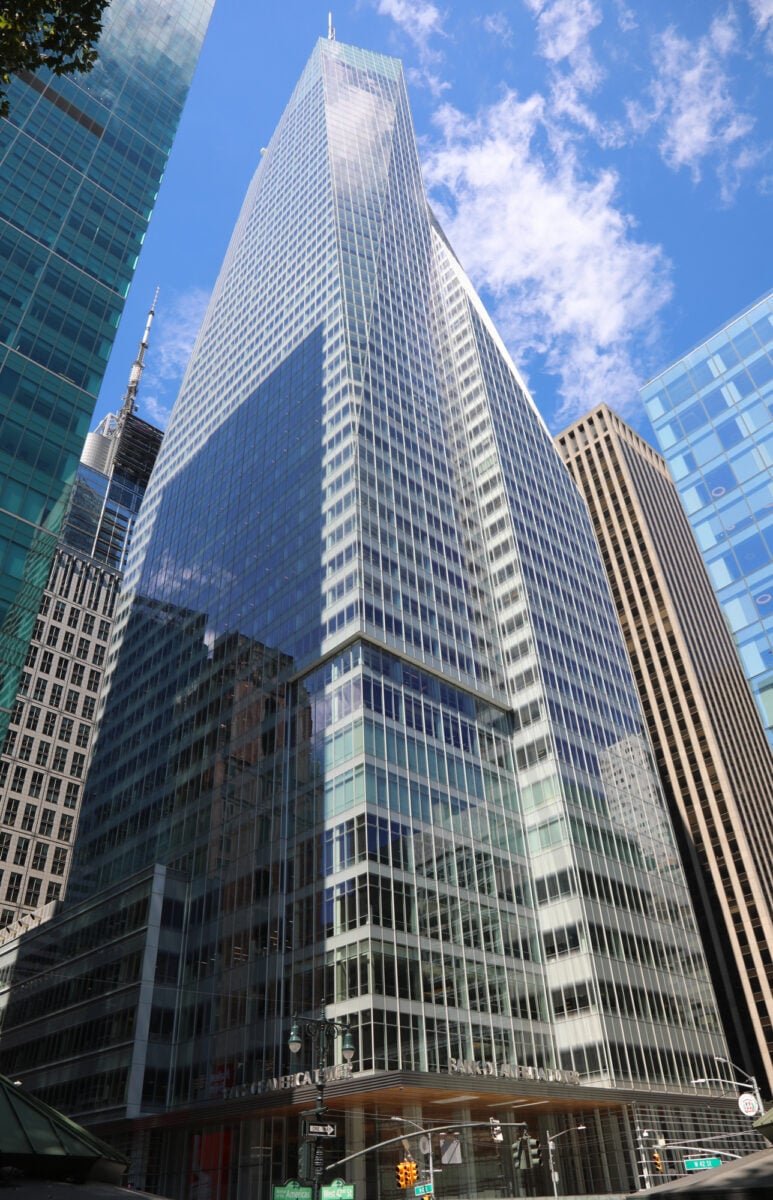
Back in 2009, finishing this tower ran close to a billion dollars, landing it among the earliest tall buildings awarded LEED Platinum status. Power comes partly from an on-site system that generates electricity while extra savings come from windows stretching wall to wall.
Light bounces off its faceted form in shifting ways depending on the hour, setting it apart from nearby structures built like standard blocks. Some voices noted the high price tag tied to eco-friendly work when done so large, far above what regular builds usually demand.
Comcast Technology Center Philadelphia
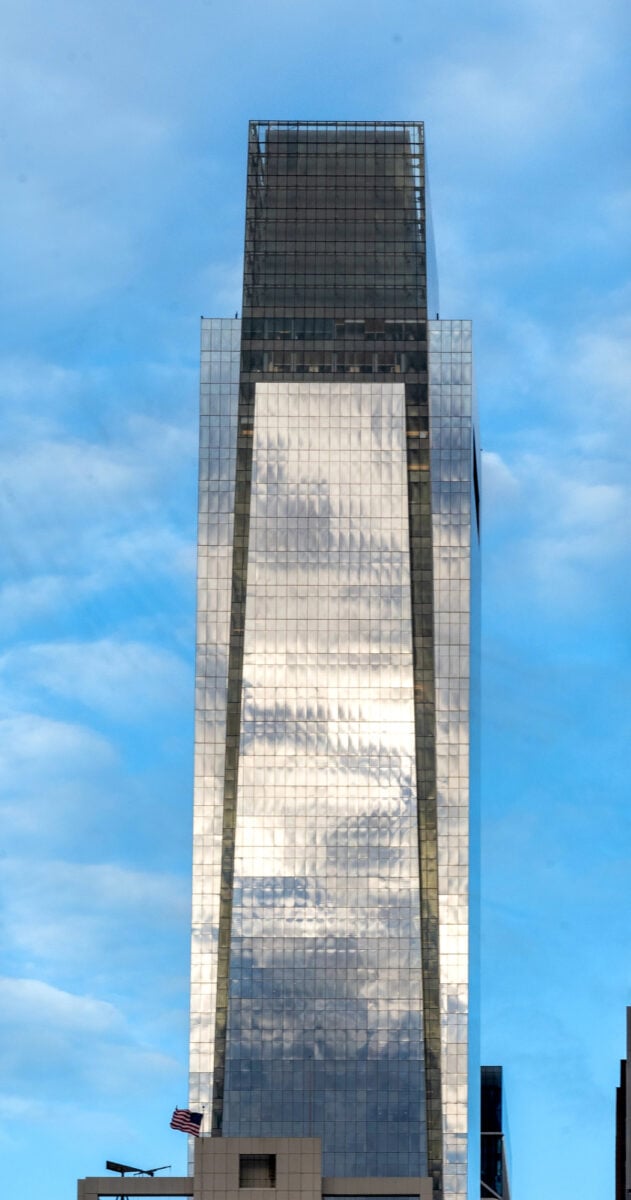
A giant tower quietly changed Philadelphia’s skyline back in 2018, hitting a height no structure there had reached before at $1.5 billion spent. Instead of just offices, its core holds a Four Seasons hotel, dining spots, plus a viewing level where you can spot distant horizons.
City leaders saw it as proof the area could draw big innovation players, not just history buffs. Its narrowing shape and unique glass skin demanded rare construction skills – making it costlier than most tall buildings to build.
432 Park Avenue
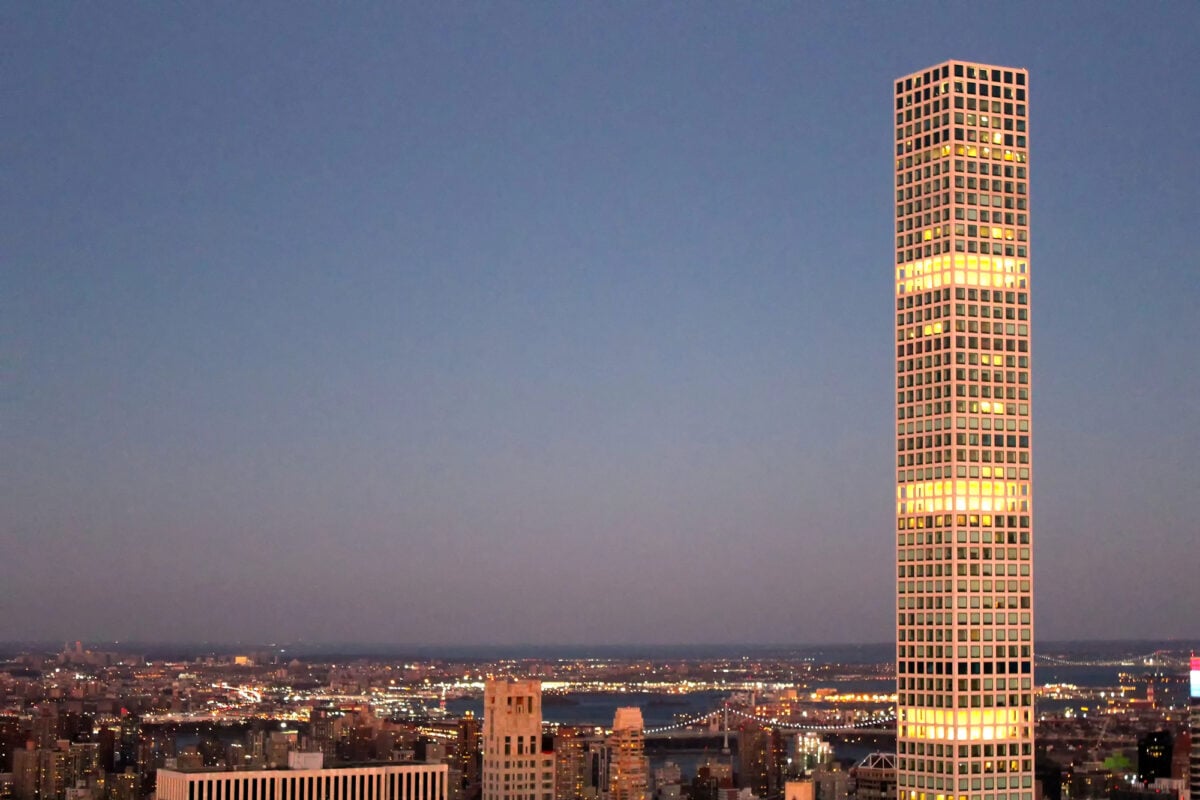
This ultra-skinny residential tower cost around $1.25 billion and changed Manhattan’s skyline when it topped out at 1,396 feet in 2015. The building’s grid pattern of windows makes it instantly recognizable, though some architectural critics found the design too stark.
Apartments inside sell for tens of millions, with penthouses breaking records for price per square foot. Engineering challenges of building so tall and narrow required innovative damping systems to reduce sway during high winds.
Apple Park
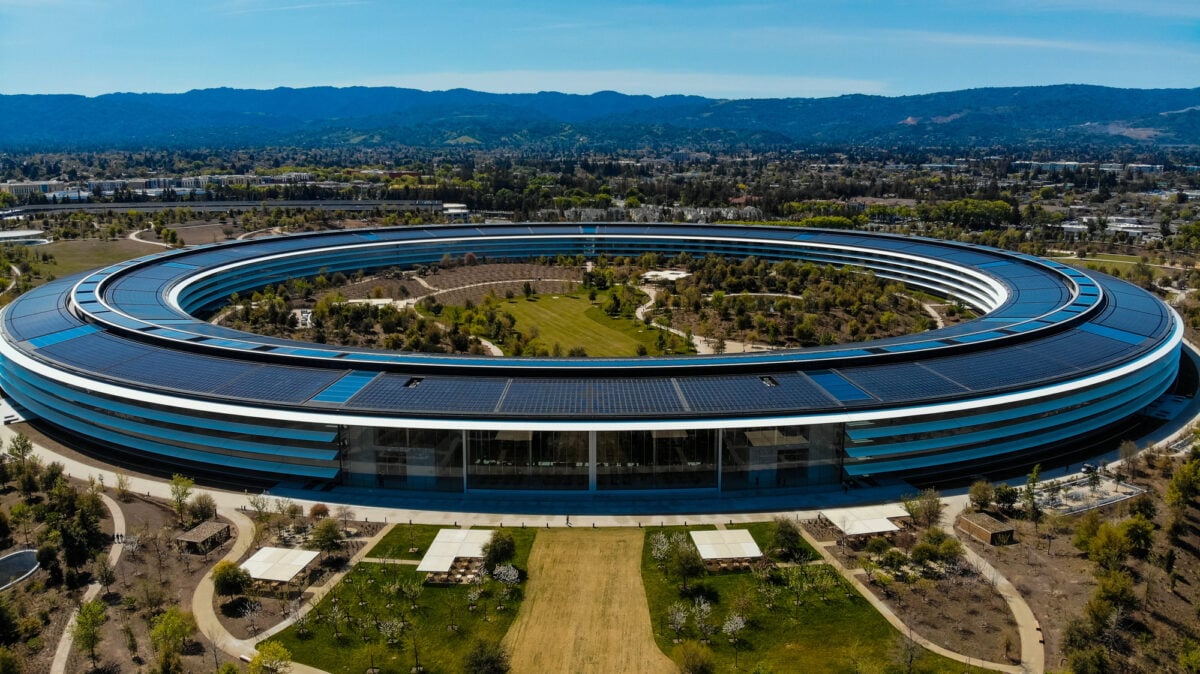
Apple’s spaceship-shaped headquarters in Cupertino cost an estimated $5 billion, making it one of the priciest corporate campuses ever built. The massive ring structure stretches nearly a mile around and houses 12,000 employees under one continuous curved roof.
Steve Jobs pushed for perfection in every detail before his death, from custom door handles to the specific species of trees planted throughout the grounds. The building runs entirely on renewable energy, with solar panels covering most of the roof.
Wilshire Grand Center, Los Angeles
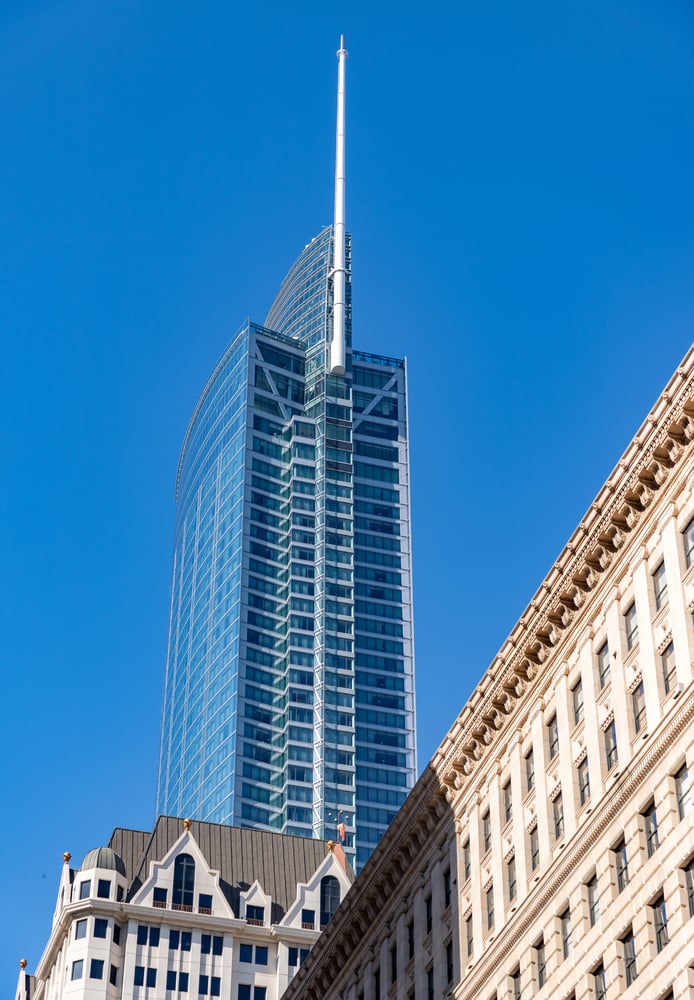
Los Angeles finally got a proper supertall building in 2017 when this $1.35 billion tower reached 1,100 feet. The design includes a distinctive sail-shaped crown that lights up at night, giving LA’s skyline a focal point it previously lacked.
Construction required the largest continuous concrete pour in history, with trucks delivering cement for nearly 20 hours straight. The building sits in an earthquake zone, so engineers installed some of the most sophisticated seismic protection systems available.
MetLife Building Transformation
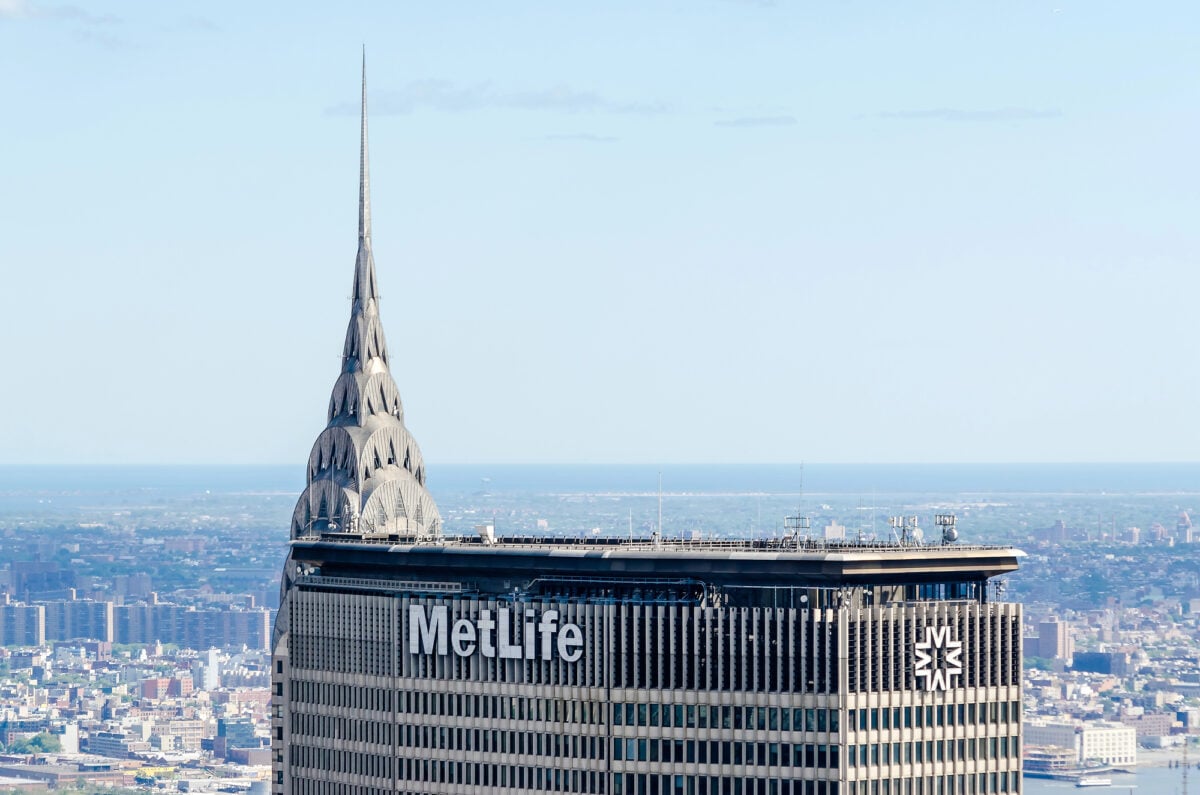
The old Pan Am Building got a complete $2 billion renovation that transformed it into modern office space while keeping its iconic profile. Workers stripped the interior down to its steel frame and rebuilt everything from mechanical systems to windows.
The project took years longer than planned because the building stayed partially occupied during construction. Today’s version uses a fraction of the energy the original 1963 structure consumed.
30 Hudson Yards
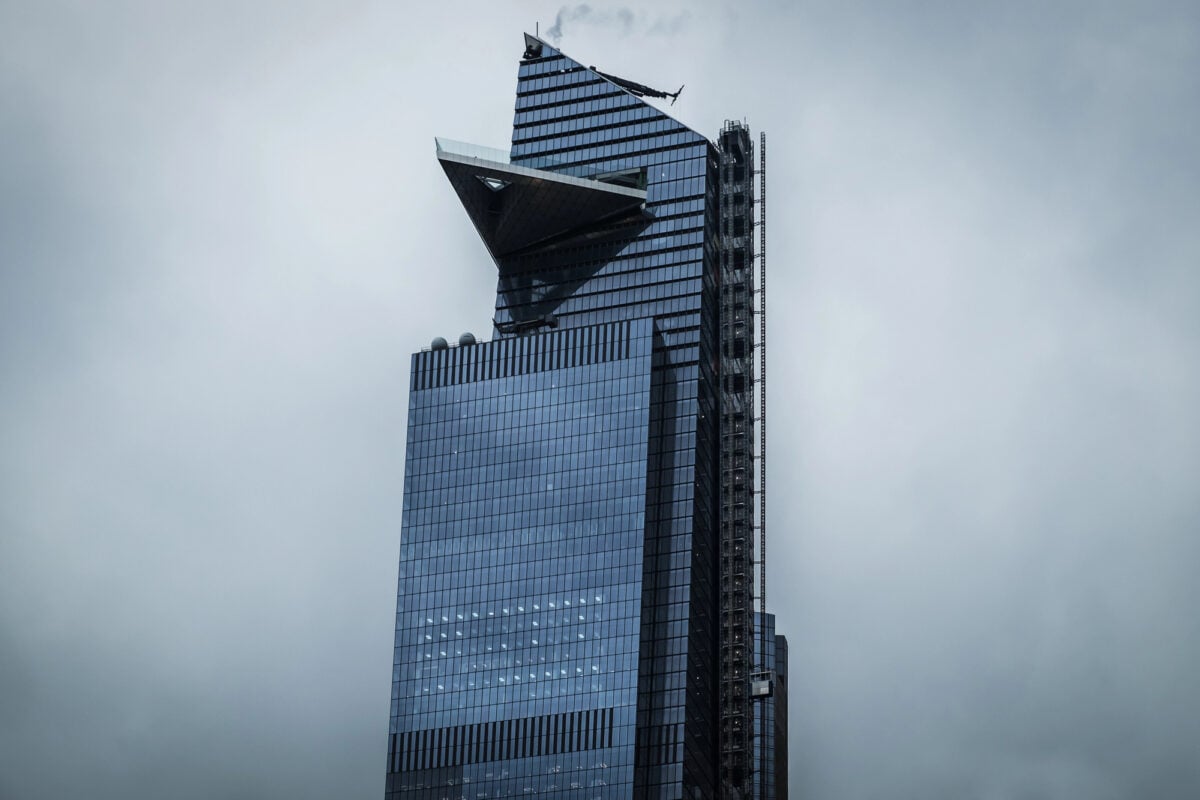
Back in 2019, this office tower worth $3.9 billion took center stage at Hudson Yards. Perched high above Manhattan, Facebook set up shop here alongside other big firms.
Edge, its sky-high lookout, juts boldly from the 100th level into open air. Because of its sharp triangle form, corner rooms pop up far more often than in boxy skyscrapers.
JPMorgan Chase Tower Renovation
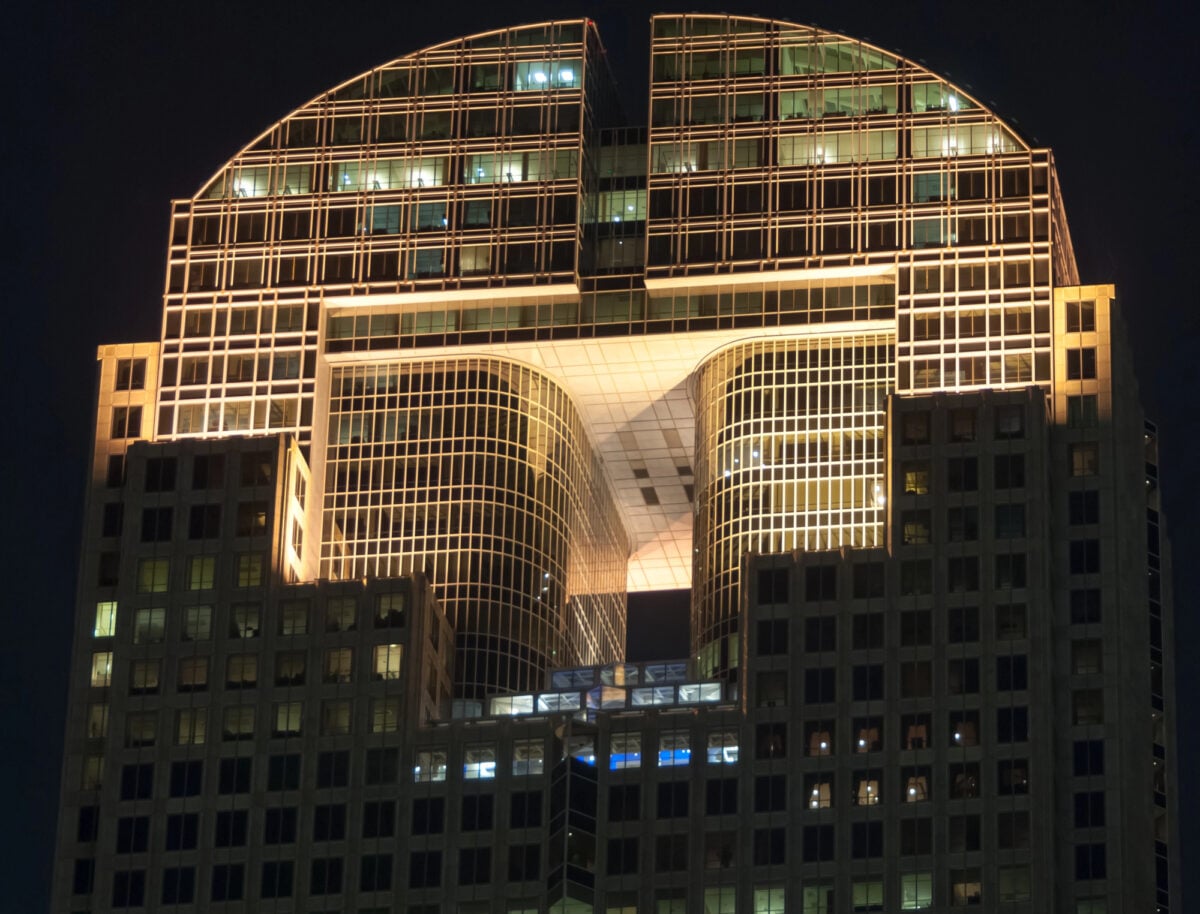
Midway through downtown Houston, the city’s highest tower quietly emerged from a massive overhaul costing thirteen hundred million dollars. Though built decades ago, it now operates with fresh technology under old skin.
Every piece inside shifted – climate systems, digital networks, vertical transport – all remade without pause. Outside crews swapped each pane of glass while desks stayed full below, an intricate dance of construction and routine.
Millennium Tower San Francisco
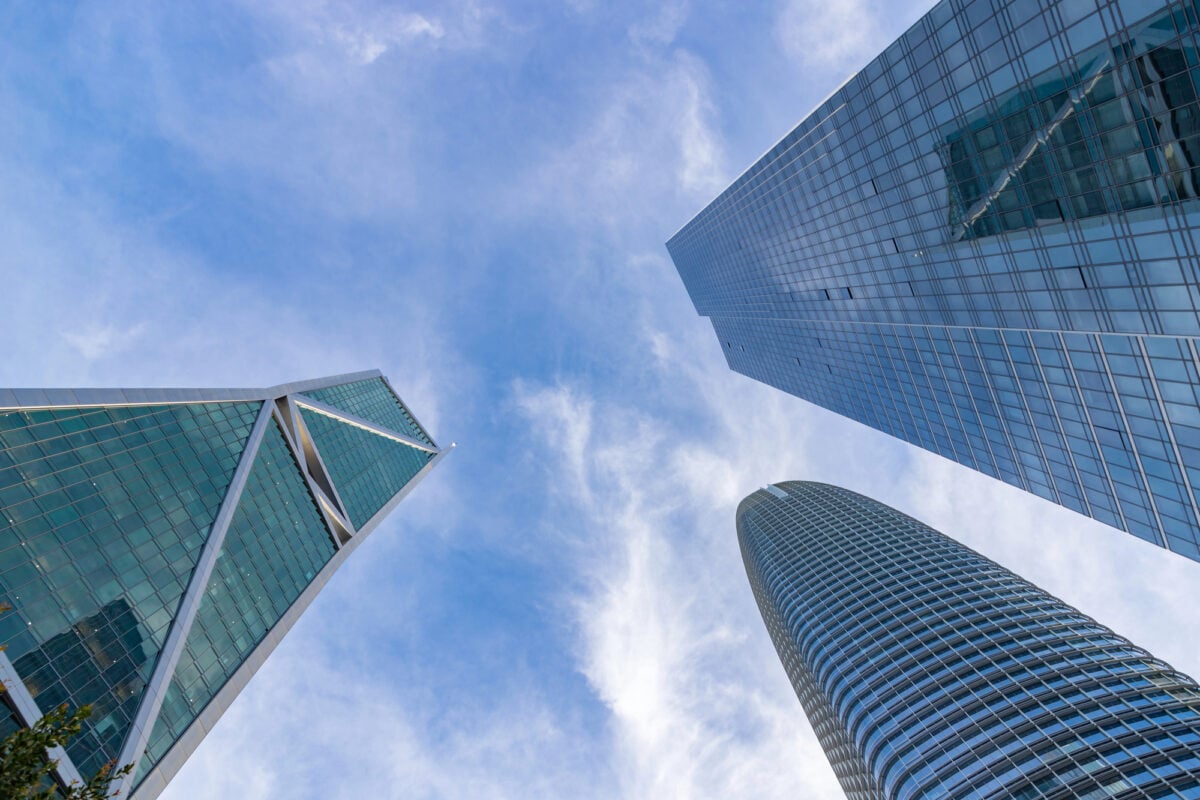
One morning in 2009, a new tower stood tall at a price near $850 million – only for cracks to appear beneath it within months. Since then, fixing the ground below has piled on extra costs, wave after wave.
Right after doors opened, floors began shifting; walls leaned where they shouldn’t. People handed over top dollar for high-end homes now shadowed by doubt.
Salesforce Transit Center
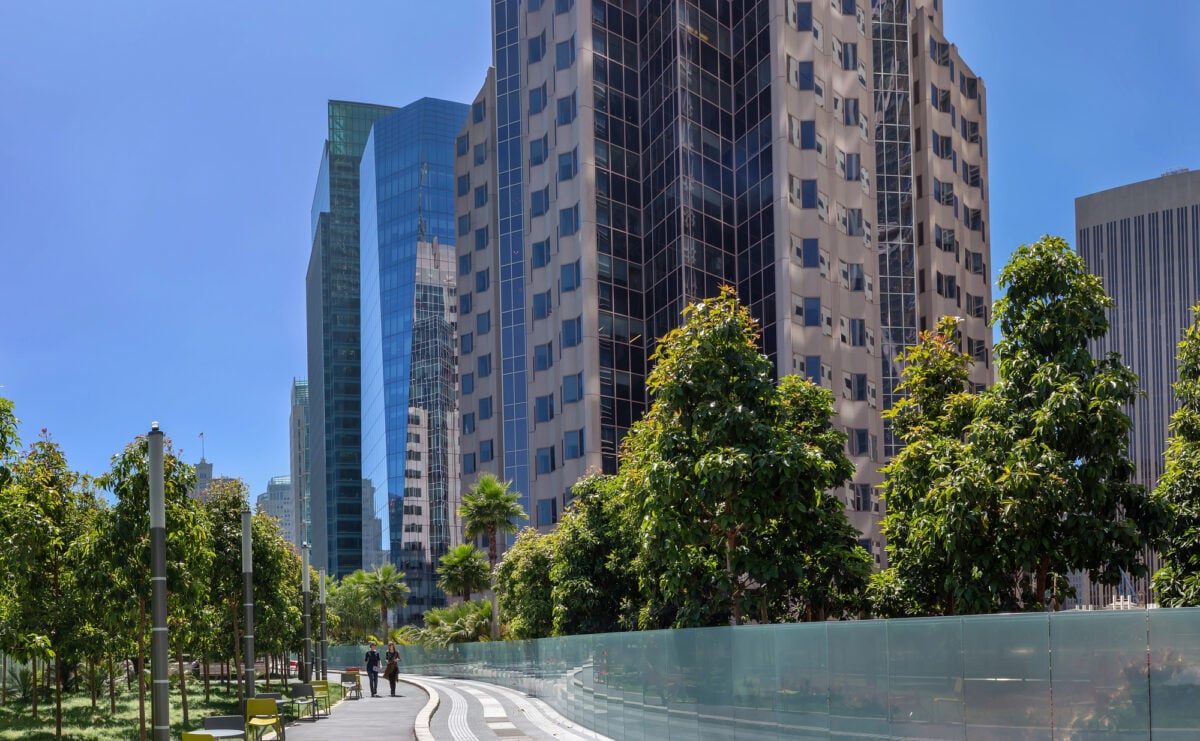
A shiny new transport center costing 2.2 billion dollars began operating in San Francisco, often called the western version of Grand Central Terminal. On top, a long park spreads across several city blocks, adding plants and open areas into a crowded downtown zone.
Not long after it welcomed people, broken parts inside the frame were spotted, leading to a sudden shutdown – fixes followed, leaving leaders and builders red-faced. Once repaired, doors opened again, yet doubts remain.
Vista Tower, Chicago
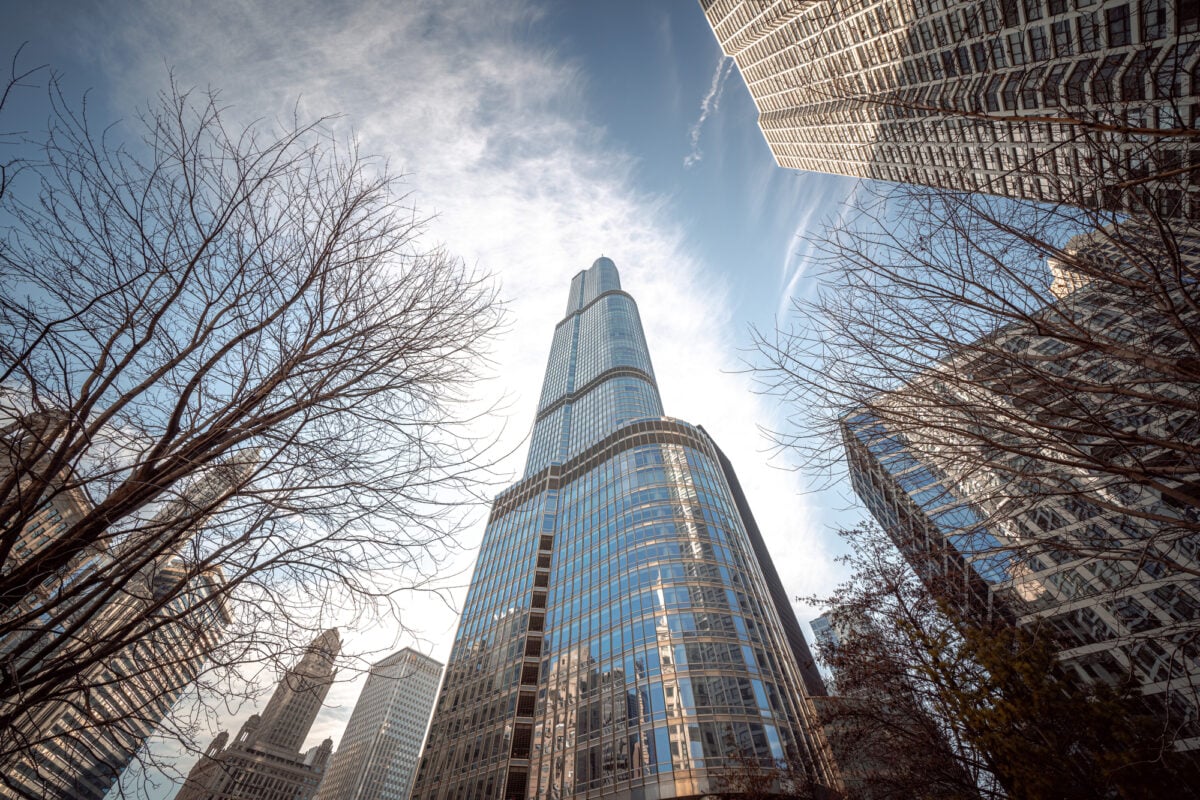
One billion dollars bought Chicago a new trio of towers rising into the sky in 2020. Shaped like rolling waves, each level shifts just enough to twist the outline when seen from another direction.
Up top live private residences built for comfort and space, whereas guests stay below inside rooms meant for short visits. Cold months slowed everything down – frozen materials delayed work more than once during winter builds.
Three World Trade Center
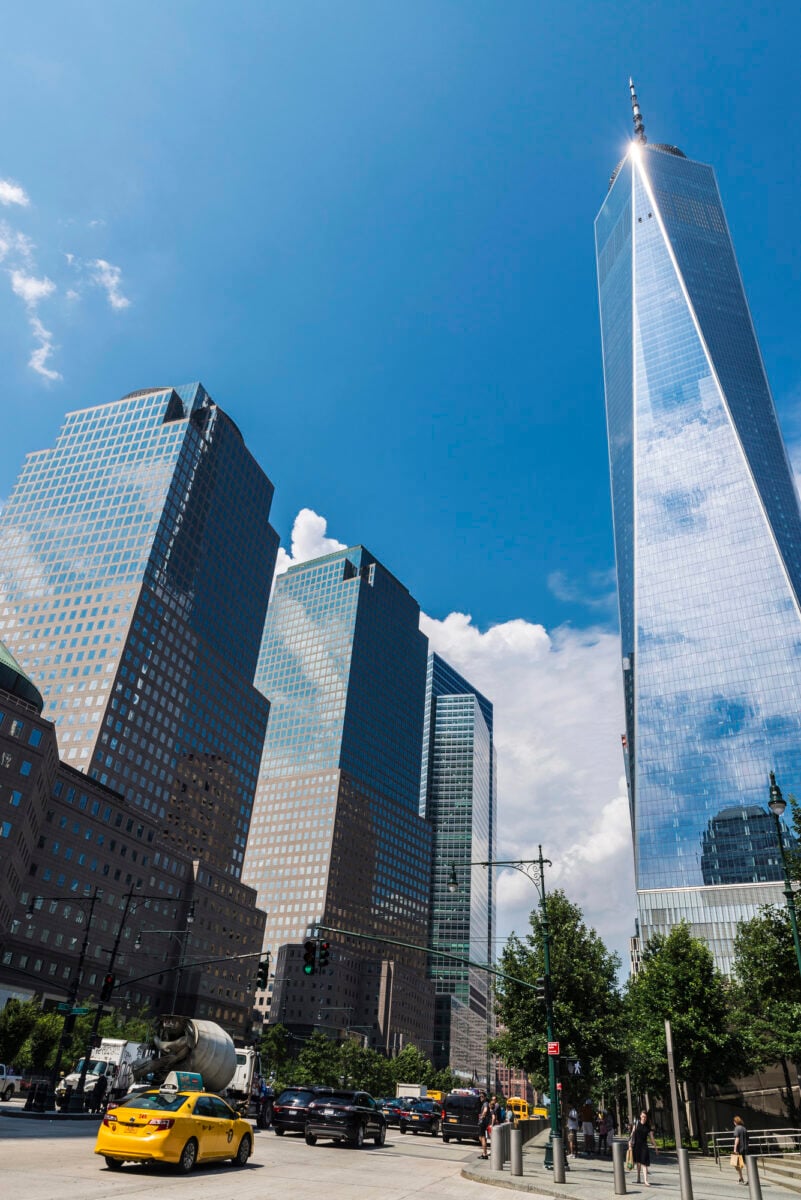
One more part of the renewed World Trade Center arrived in 2018 – a skyscraper costing 2.7 billion dollars. Built by Richard Rogers, its outside shows slanted steel supports behind glass walls, hinting at a raw, workshop feel.
Financial offices filled much of the interior, along with media groups making their way back downtown. Work stretched on, slowed by the need to align construction below ground with existing subway lines and the PATH rail network tucked under the plot.
Where Ambition Meets Altitude
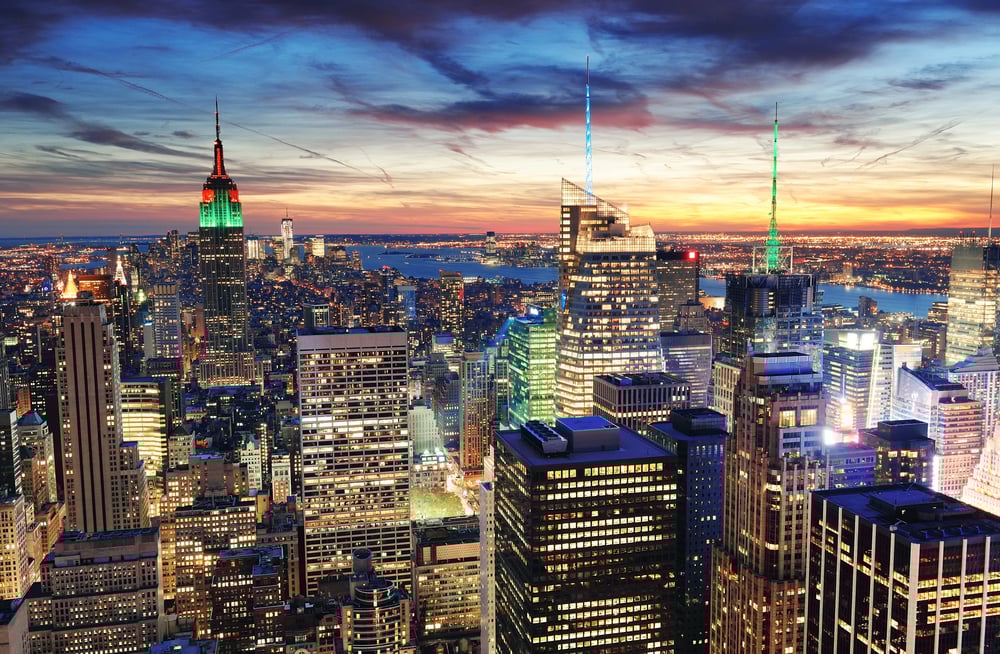
A skyline climbs upward, city by city, though price tags climb faster still. Not merely offices or homes – these towers speak of power, whispered through glass and steel.
A fresh giant rises, each one shouting worth to distant horizons. Billions melt into frameworks that outlive their builders. Still drawing blueprints, architects sketch ever greater heights, decade after decade.
More from Go2Tutors!

- The Romanov Crown Jewels and Their Tragic Fate
- 13 Historical Mysteries That Science Still Can’t Solve
- Famous Hoaxes That Fooled the World for Years
- 15 Child Stars with Tragic Adult Lives
- 16 Famous Jewelry Pieces in History
Like Go2Tutors’s content? Follow us on MSN.



