Mountain Peaks That Terrify Climbers
Mountains have always drawn adventurers who want to test their limits and stand on top of the world. But some peaks are so dangerous that even experienced climbers approach them with genuine fear and respect.
These aren’t just tall mountains; they’re the ones with reputations for taking lives, creating nightmares, and sending people home with stories they can barely believe. Here are the mountains that make even the toughest climbers think twice before attempting the climb.
K2
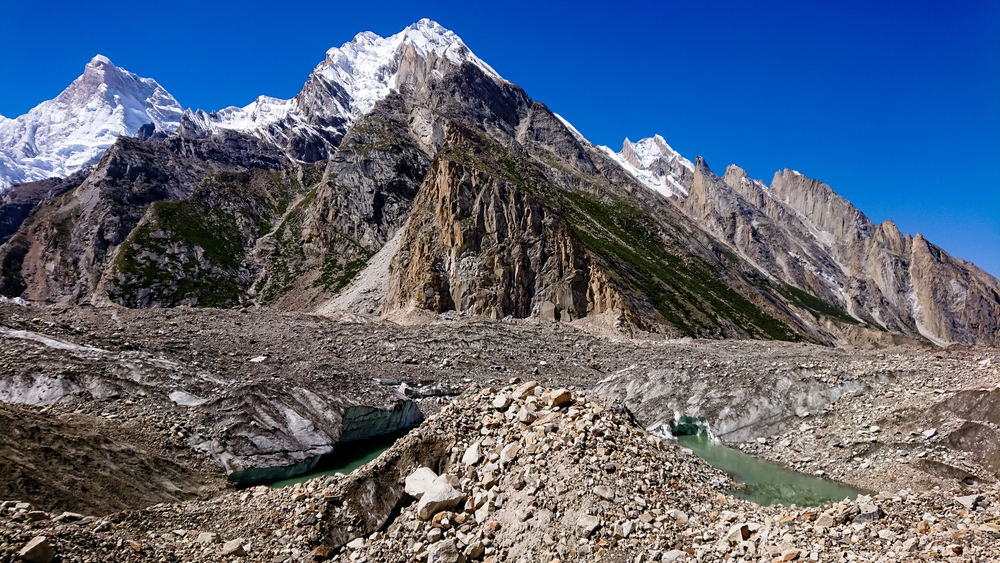
Standing at 28,251 feet in the Karakoram Range between Pakistan and China, K2 kills about one in four people who try to reach its summit. The mountain doesn’t forgive mistakes.
Weather changes in minutes, avalanches sweep down without warning, and the final push to the top is so steep and exposed that climbers call it the ‘death zone’ for good reason. Many consider it far more dangerous than Mount Everest, even though it’s slightly shorter.
Annapurna
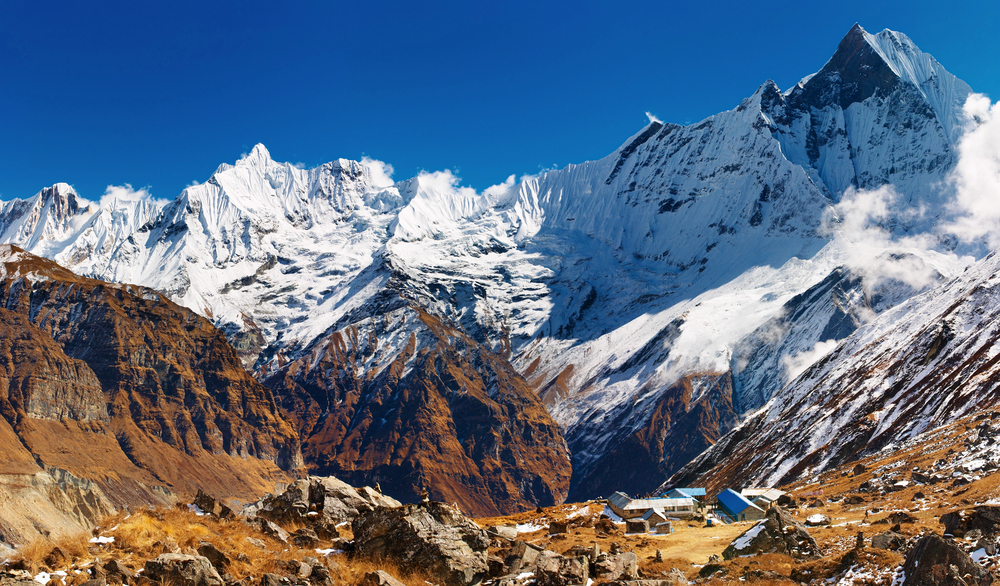
This Himalayan giant in Nepal has the worst death rate of any 8,000-meter peak, with roughly 32% of climbers never making it back down. Massive avalanches are the biggest threat here.
The mountain’s south face is a nearly vertical wall of ice and rock that has defeated some of the world’s best mountaineers. Even the safer routes still put climbers directly in the path of falling ice and unpredictable snowfall.
Nanga Parbat
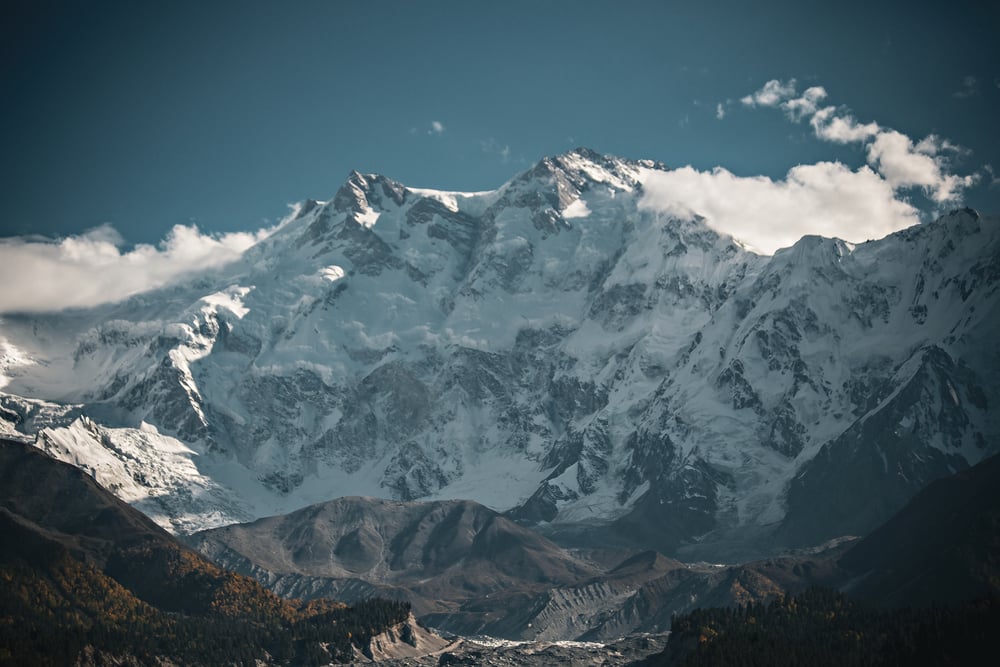
Germans named this Pakistani mountain ‘Killer Mountain’ after it claimed 31 lives before anyone even reached the top in 1953. The Rupal Face is the tallest mountain face on Earth, rising over 15,000 feet of sheer rock and ice.
Climbers face constant rockfall, hidden crevasses, and storms that appear out of nowhere. The mountain has a particularly grim reputation for winter ascents, in which very few people have survived.
The Eiger North Face
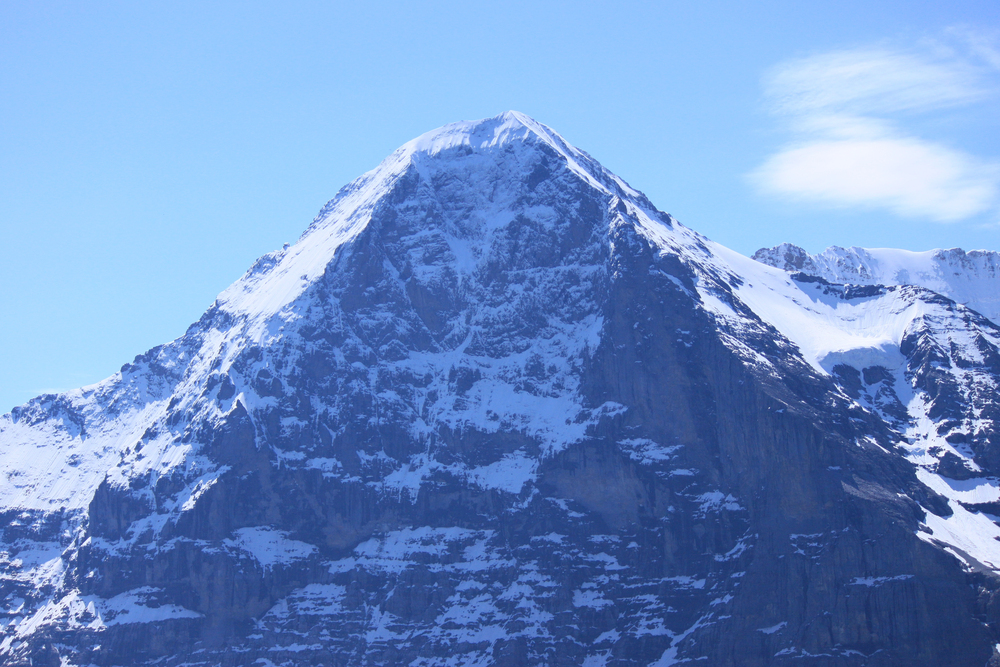
The Nordwand, or ‘north wall,’ of this Swiss peak has terrified European climbers since the 1930s. It’s not the tallest mountain at 13,015 feet, but the 5,900-foot vertical face is a deathtrap of loose rock, falling ice, and sudden storms.
Climbers attempting it have to dodge rocks and ice that rain down constantly. More than 64 people have died on this face, and locals used to call attempts on it ‘self-harm missions.’
Matterhorn
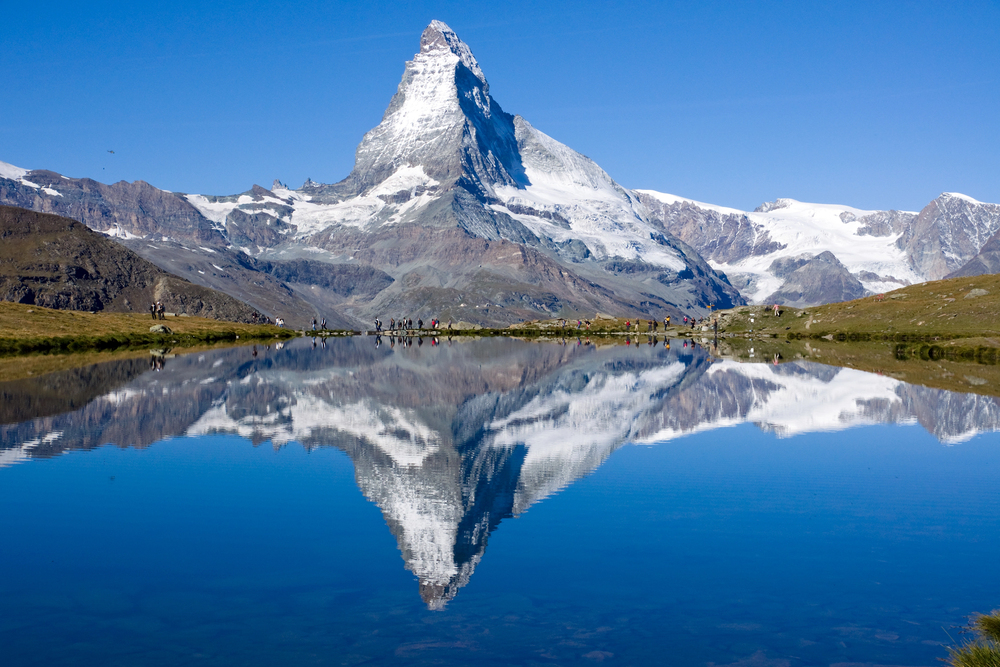
That perfect pyramid shape that appears on Toblerone chocolate bars hides a mountain that kills more climbers than almost any other Alpine peak. The routes are extremely exposed, meaning one wrong step sends a person tumbling thousands of feet.
Rockfall is constant during climbing season, and the weather can turn deadly in less than an hour. About three to four climbers die on the Matterhorn every year, despite it being one of the most famous and frequently attempted mountains in the world.
Kangchenjunga
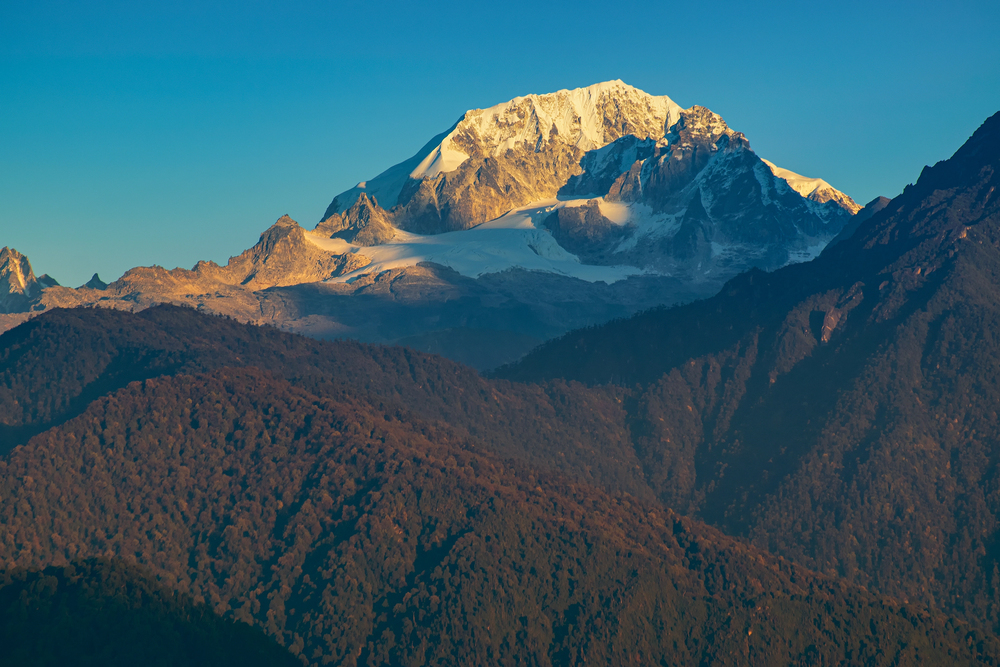
The third-highest mountain on Earth sits on the border between Nepal and India, and it demands respect from everyone who approaches it. Avalanches sweep the slopes with terrifying frequency.
The mountain is so remote that rescue is nearly impossible if something goes wrong. Climbers also stop a few feet before the true summit out of respect for local beliefs that the peak itself is sacred, which means the final moments require holding back when every instinct says to keep going.
Denali
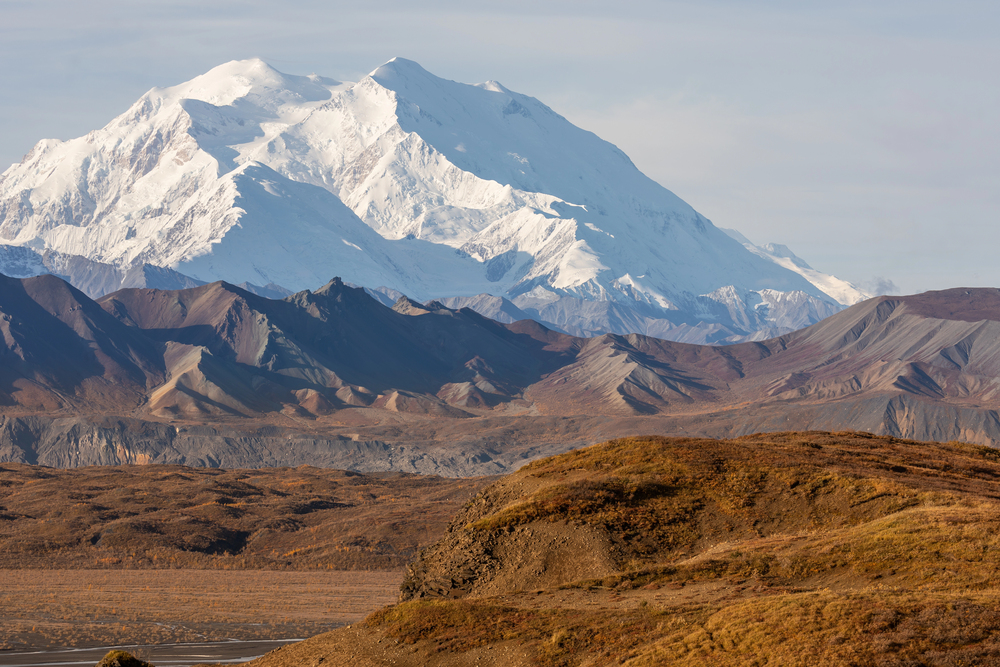
Alaska’s highest peak at 20,310 feet doesn’t sound as scary as the Himalayan giants, but it has killed plenty of climbers who underestimated it. The extreme cold is the real killer here; temperatures can drop to minus 75 degrees Fahrenheit with windchill.
Crevasses hide under snow bridges that collapse without warning. The altitude affects people more severely here than at similar heights in other parts of the world because Denali sits so far north.
Baintha Brakk
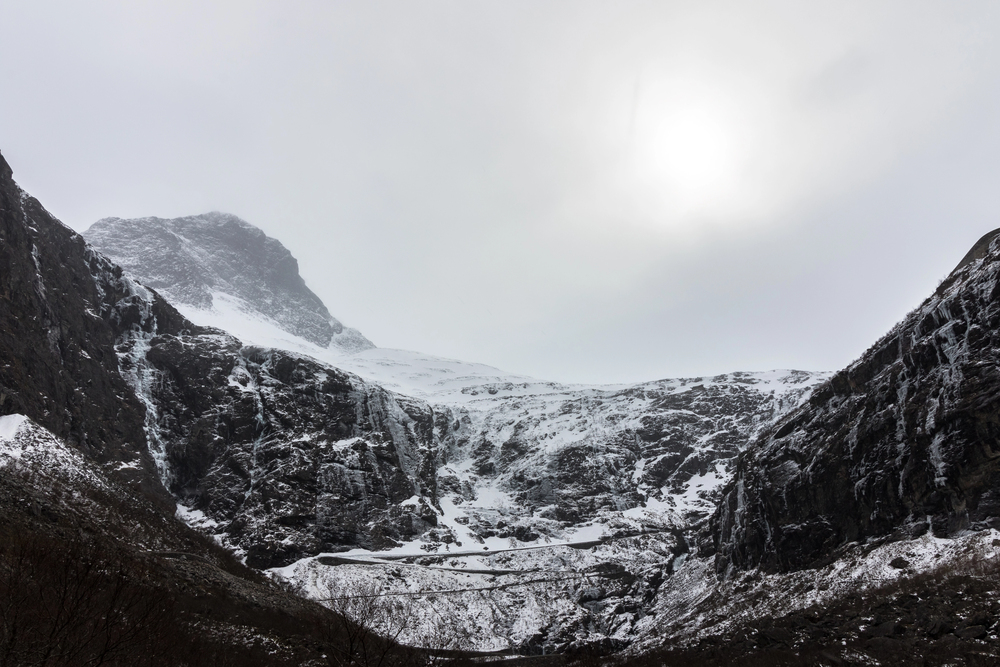
Climbers know this Pakistani mountain as ‘The Ogre,’ and the name fits perfectly. It stood unclimbed until 1977, and very few people have reached the summit since.
The rock is notoriously unstable, and the technical climbing required is incredibly difficult even by expert standards. Doug Scott and Chris Bonington made the first ascent, but Scott broke both legs on the descent and had to crawl and hop for days to reach safety.
Siula Grande
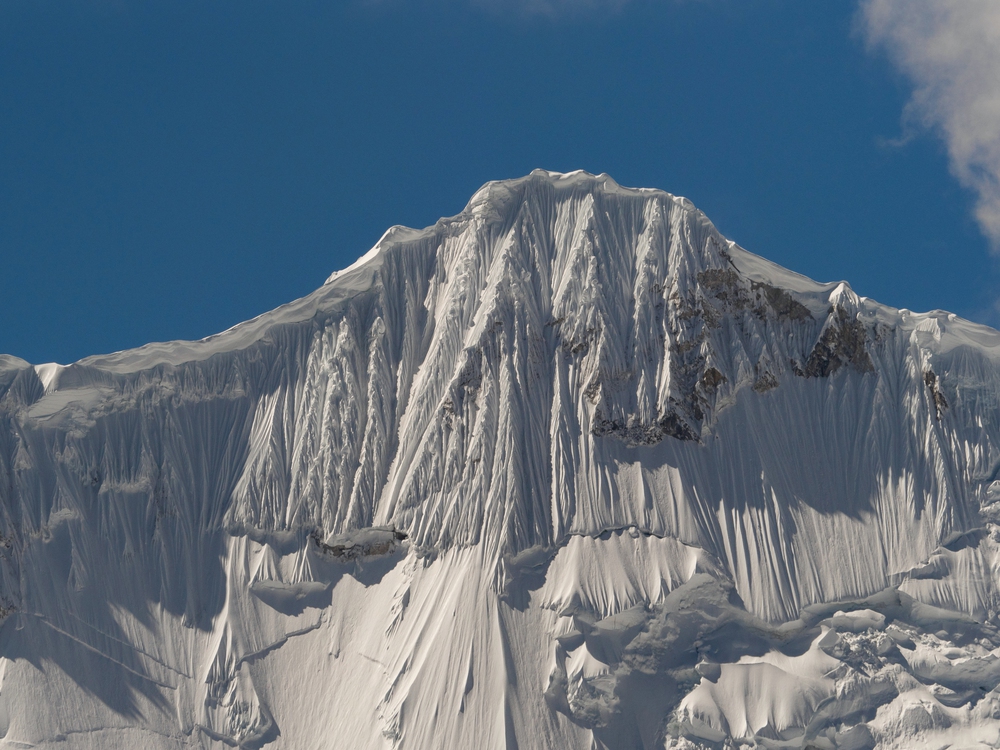
This Peruvian peak became famous after Joe Simpson’s near-death experience, which he wrote about in ‘Touching the Void.’ The west face is a brutal climb of ice and rock.
Storms hit fast and hard, and the descent routes are just as dangerous as going up. Simpson’s climbing partner had to cut the rope while Simpson dangled over a crevasse, and Simpson somehow survived the fall and crawled back to base camp over several days.
Mount Vinson
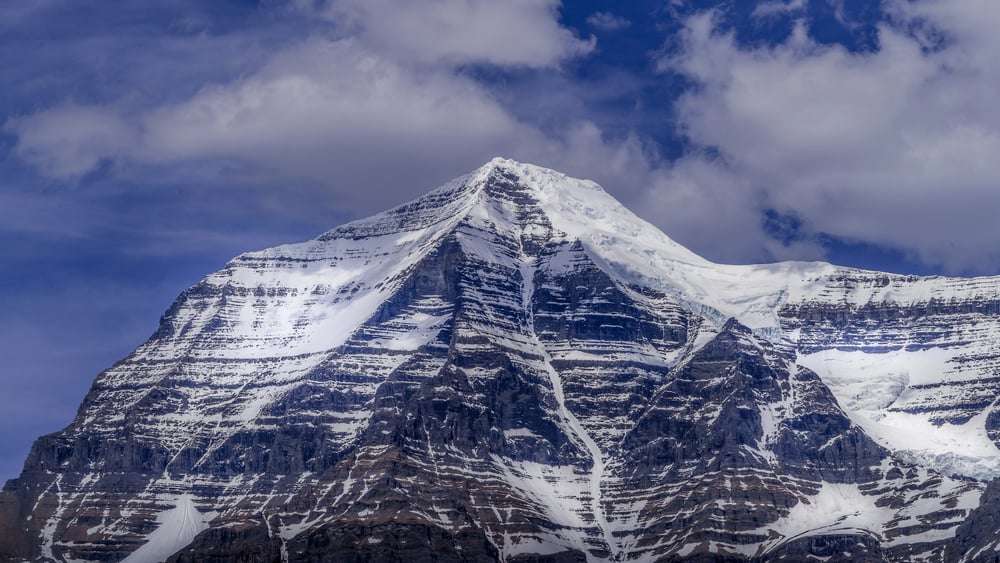
Antarctica’s highest peak at 16,050 feet terrifies climbers for completely different reasons than tropical mountains do. The cold is relentless and unforgiving, with temperatures regularly hitting minus 40 degrees.
There’s no vegetation, no wildlife, and absolutely no chance of rescue if a storm traps a team. Climbers have to bring everything with them, and a simple equipment failure can turn fatal in minutes.
Cerro Torre
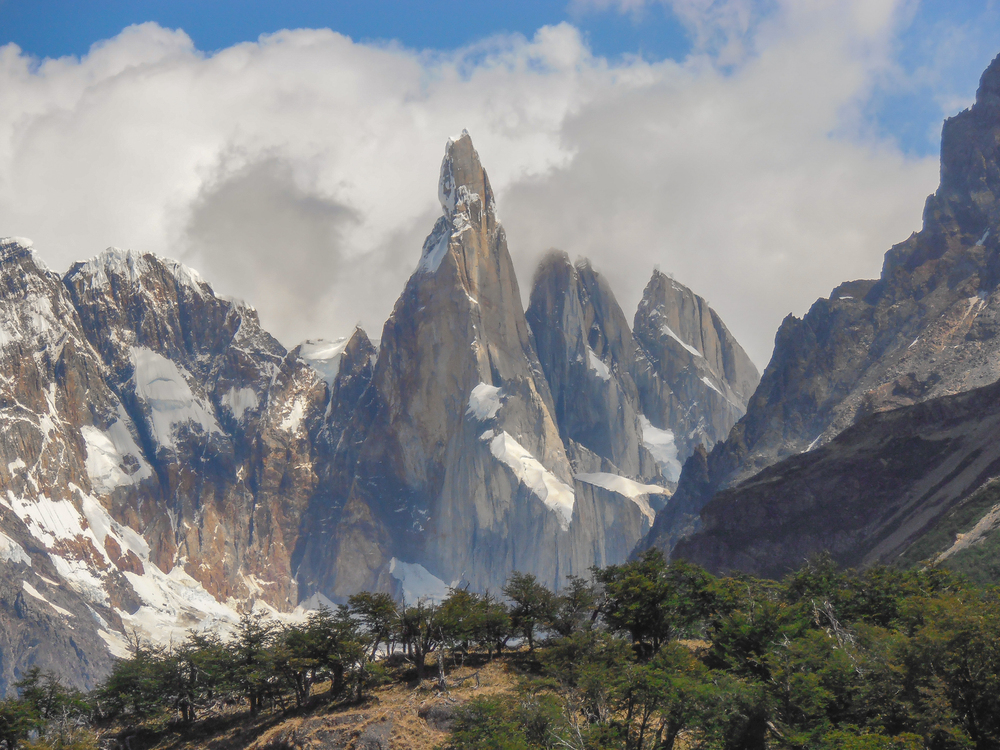
This spire of granite and ice in Patagonia might be the most beautiful and terrifying mountain in South America. The summit is covered with mushrooms of ice called rime that form from constant storms and wind.
These ice formations can collapse at any moment. The rock is often wet or covered in verglas, a thin layer of ice that makes climbing nearly impossible.
Mount Rainier
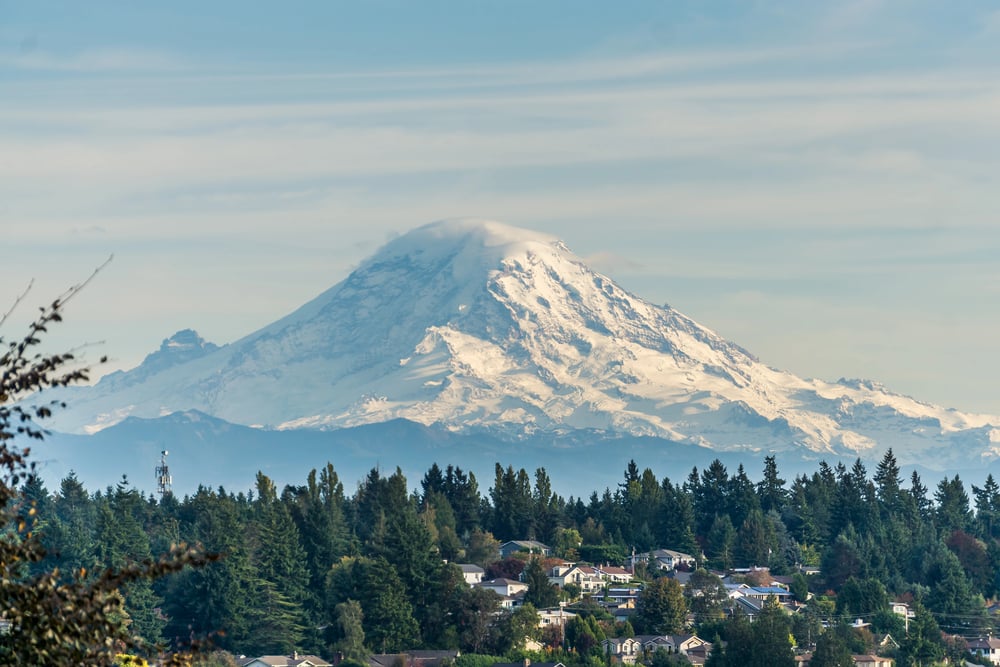
One wrong step here often ends badly, even though many come to practice for harder peaks ahead. Whiteouts strike without warning when sudden storms roll in, cutting off escape.
Hidden cracks in the ice swallow climbers each season instead of giving second chances. Up north, the ice crawls downhill quicker than nearly anywhere else below Canada.
Laila Peak
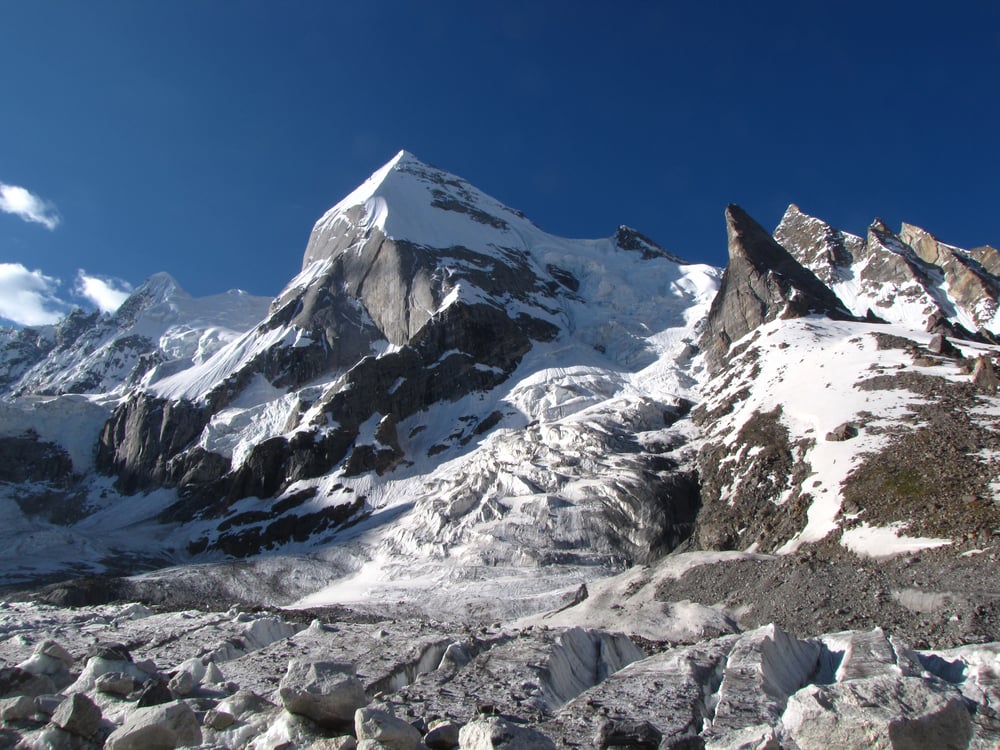
A sharp spire of stone in northern Pakistan cuts through the clouds like a blade forged by ancient forces. Rising above the jagged spine of the Karakoram, it stands apart – remote, silent, untamed.
Climbers face sheer walls where every move depends on precision, timing, strength. Exposure runs constant here; one slip leads straight into open air.
Ice coats steep faces, demanding flawless technique with each swing of the axe. Rock layers crumble under pressure, making secure placements rare at best.
Protection devices may hold – or they might pull free without warning. Few names appear on summit records because most who try eventually choose descent instead.
The upper reaches test resolve more than skill, revealing how thin the line becomes between progress and peril.
Fitz Roy
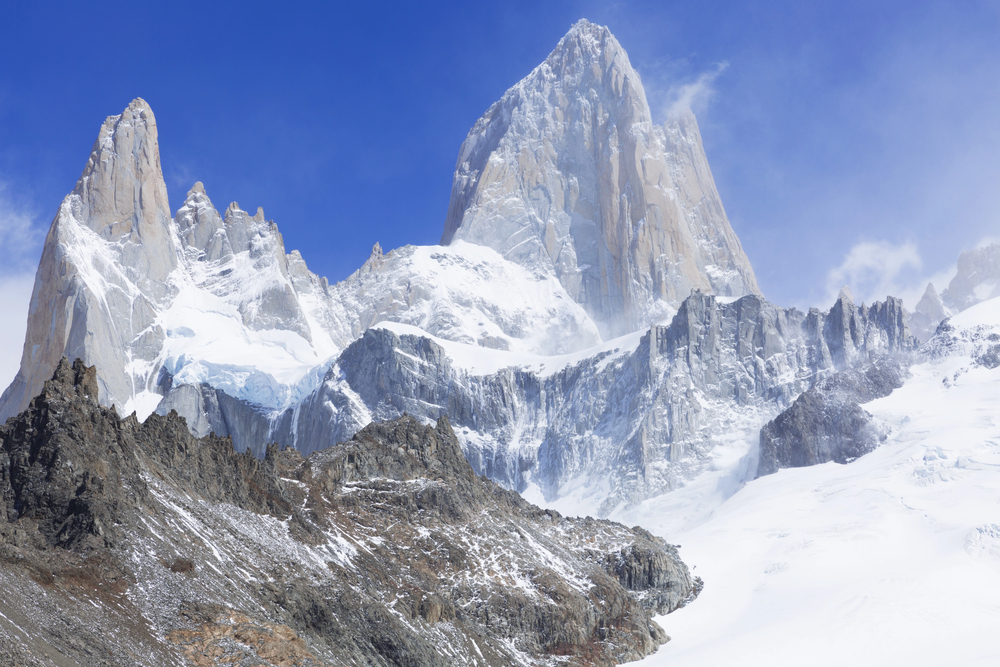
High up at 11,171 feet in Argentina, this mountain fights back hard thanks to Patagonia’s wild skies. Waiting sometimes stretches past weeks just hoping for a break in the clouds – if it comes at all.
Sunlight could mean only three hours to move, so everything hinges on timing. Rock walls made of granite demand sharp skill, while icy patches shift almost minute by minute.
Plans collapse easily when winds refuse to calm or snow won’t stop falling. Most groups leave empty-handed, blocked not by strength but stubborn storms.
Once gaps appear between rain and wind, climbers sprint into motion knowing delays bury chances fast.
Batura Sar
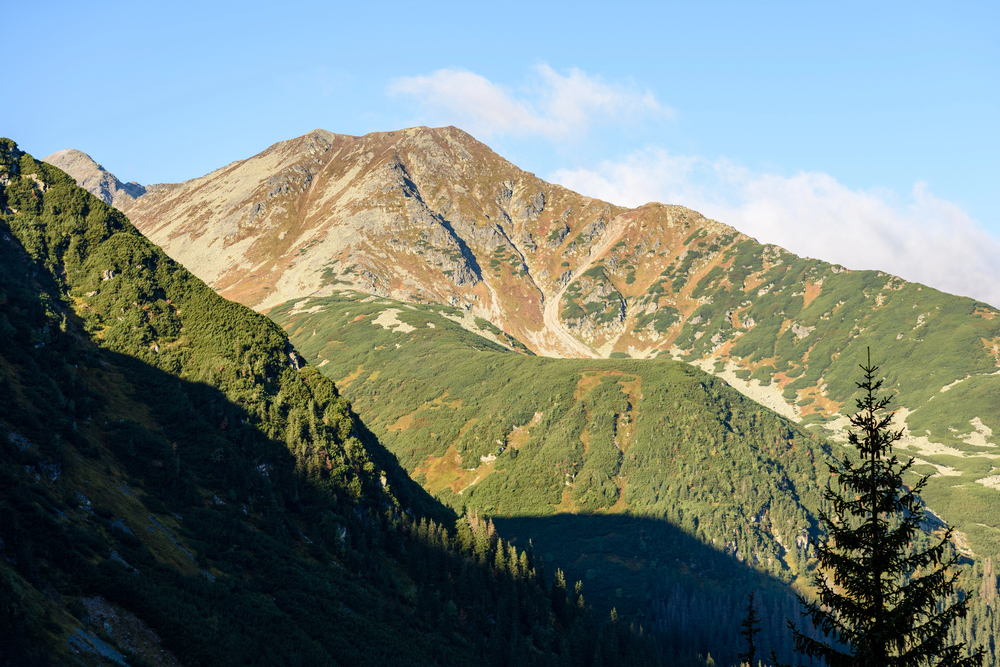
Far off in northern Pakistan, tucked within the Batura Muztagh, sits a sharp peak that doesn’t grab headlines like K2 or Nanga Parbat – yet those who’ve faced it speak of equal risk. Ice clings overhead in suspended rivers, ready to snap loose without warning.
Paths toward the top wind across shattered ground where snow bridges sag over deep cracks. Each team must carve their own path forward because old routes vanish between seasons.
Hardly anyone stands on its crown, and just getting close means walking for weeks through empty valleys cut by ancient stone.
Now That Fear Shapes the Goal
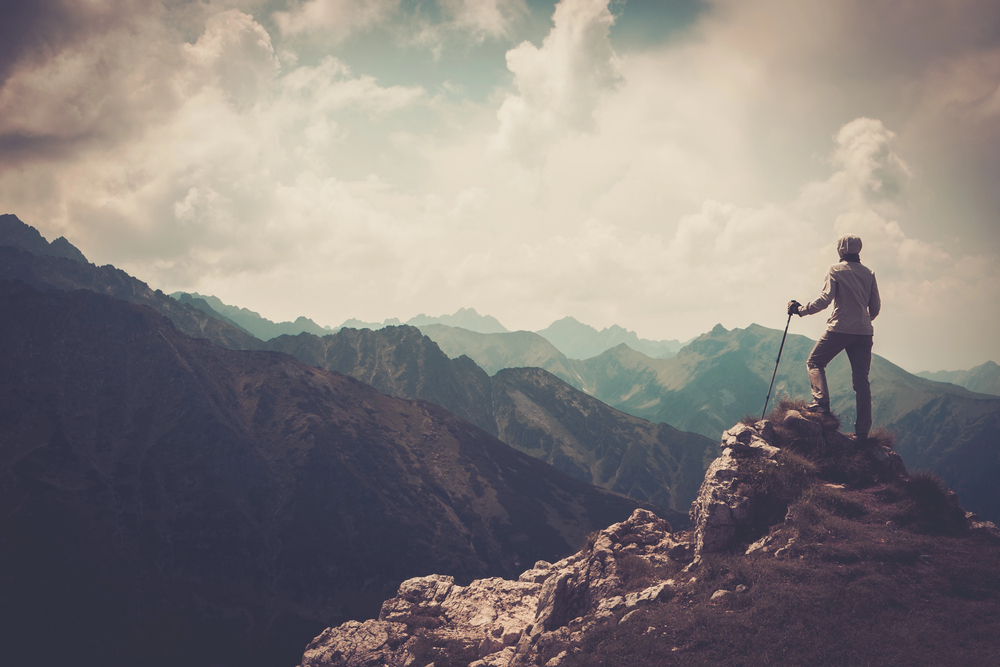
Some folks keep climbing these high places even when they know it could be their last trip. Strange thing is, having stronger tools and fancy equipment hasn’t made the slopes less deadly – more climbers just bring more trouble.
Still, year after year, fresh groups show up ready to trade safety for one moment at the highest edges of land. It turns out there are spots on this planet that won’t bend to our plans, regardless of what we build or believe.
More from Go2Tutors!

- The Romanov Crown Jewels and Their Tragic Fate
- 13 Historical Mysteries That Science Still Can’t Solve
- Famous Hoaxes That Fooled the World for Years
- 15 Child Stars with Tragic Adult Lives
- 16 Famous Jewelry Pieces in History
Like Go2Tutors’s content? Follow us on MSN.



