Movie Scenes Based On Real History
Strange how certain film images stick like half-remembered dreams. Not flash, nor scale, yet they pull at what we know existed – moments caught before lenses rolled.
Truth sometimes slips into storytelling through back doors, shaped by events carved into old reports and witness words. These pieces breathe close, almost familiar, because roots tie deep into soil long disturbed.
Well-crafted, they blur where fact ends and feeling begins. This isn’t just using old clothes or dusty settings as decoration.
Real moments from history form the backbone of these scenes, rebuilt so precisely experts recognize where they came from. Even when bits get moved around or squeezed together, the feeling stays true to what really happened.
A moment lingers. Some film images stick because they mirror actual events.
These scenes echo past moments people lived through. Truth shapes them, not invention.
They return to us, again and again. What happened before feeds what we see on screen now.
Reality slips into storytelling without warning. Moments once recorded in photos or newsprints become motion pictures.
Viewers recognize something familiar. That recognition holds power.
History doesn’t shout – it whispers through frames.
The Normandy Landing In Saving Private Ryan

The opening beach landing scene stunned audiences with its intensity and restraint. Rather than romanticizing combat, it focused on confusion, fear, and the sheer scale of what unfolded on that stretch of coastline.
The handheld camerawork and muted sound design created a sense of disorientation that felt uncomfortably authentic. Historians and veterans noted how closely the scene mirrored firsthand accounts of the invasion.
Details like equipment failures, the vulnerability of landing craft, and the chaos upon reaching shore reflected documented experiences. While the characters were fictional, the environment they moved through was grounded firmly in reality.
The Execution Of William Wallace In Braveheart
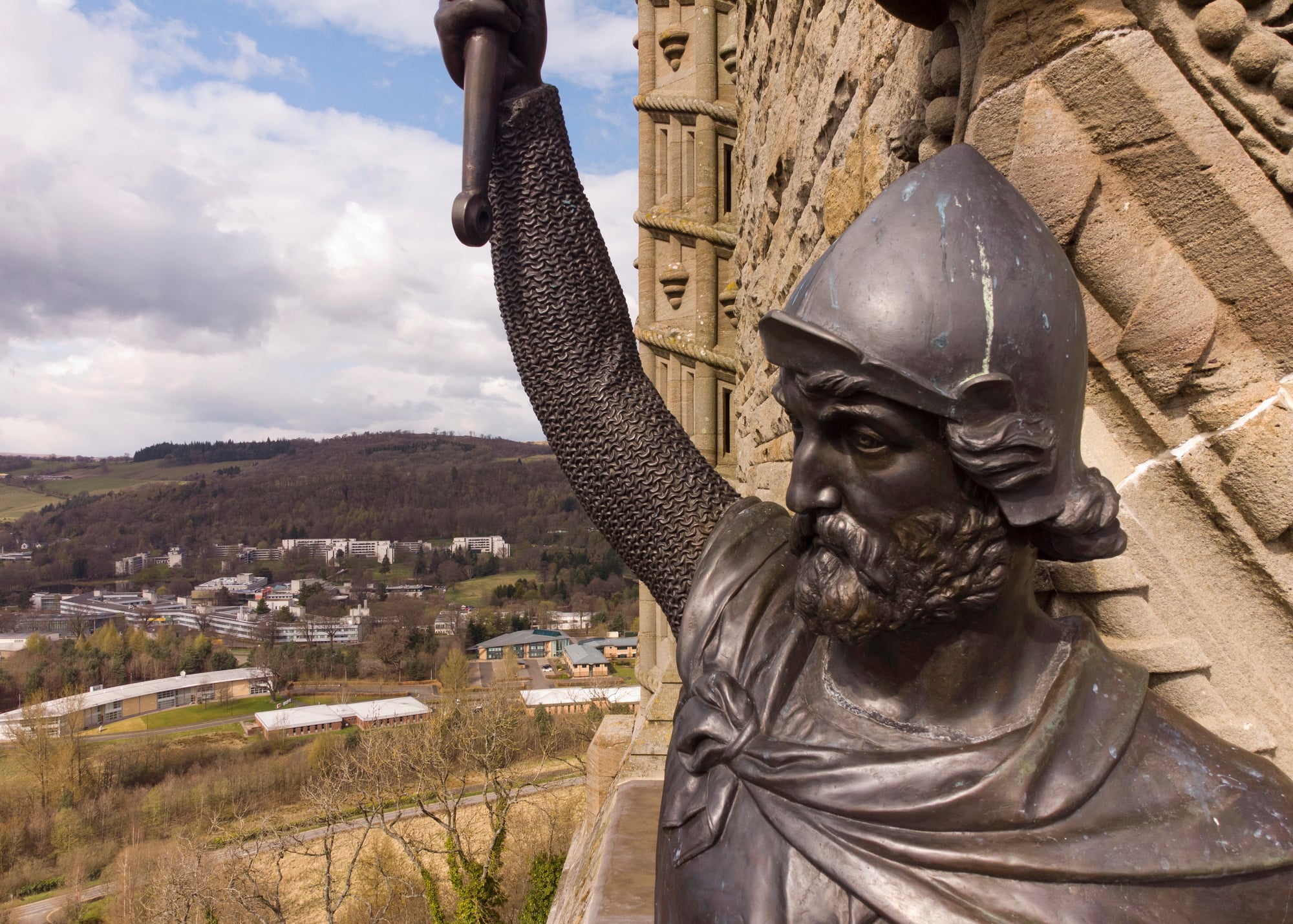
The final moments of William Wallace’s story are dramatized, but they are rooted in historical record. Wallace was captured, tried, and publicly executed in a way meant to send a message.
The film condensed and stylized the event, yet preserved its symbolic importance. What made the scene powerful was not procedural accuracy but emotional alignment.
The public setting, the presence of witnesses, and the political intent behind the punishment matched historical descriptions. The scene captured how power was displayed and enforced during that period, even if dialogue and pacing were adapted for storytelling.
The Assassination Attempt In Munich
The depiction of covert operations following the 1972 Olympic attack focused on moral ambiguity rather than spectacle. One particular scene involving a mistaken target reflected the real risks and errors documented during retaliatory efforts.
The tension came from uncertainty rather than action alone. Historical records confirm that intelligence failures and civilian harm occurred during this period.
By including such a scene, the film acknowledged complexity instead of presenting a simplified narrative. It reinforced the idea that history often unfolds through imperfect decisions rather than clear victories.
The Courtroom Confrontation In A Few Good Men
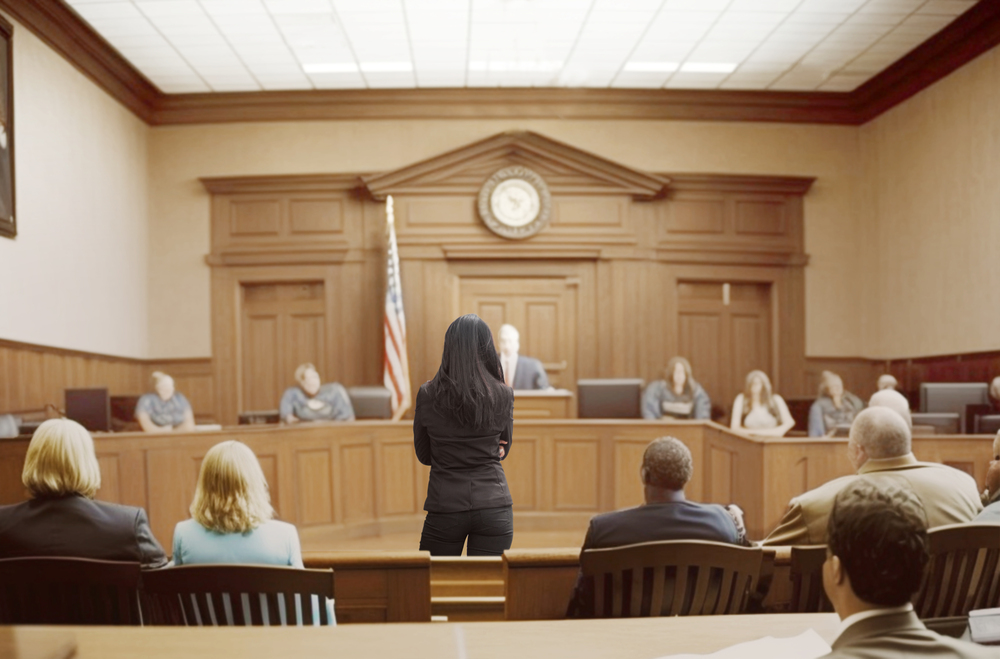
Although the trial itself was fictional, the culture and command structures depicted were drawn from real military practices. The climactic confrontation about responsibility and authority echoed documented cases involving chain-of-command accountability.
The scene resonated because it reflected genuine tensions within hierarchical institutions. Real-world investigations have shown how authority can shield behavior until challenged publicly.
The dialogue crystallized these dynamics into a moment that felt plausible rather than exaggerated.
The Signing Of The Declaration In John Adams

The portrayal of debate surrounding independence focused less on celebration and more on conflict. Arguments were heated, alliances fragile, and compromise unavoidable.
This tone aligned closely with letters and transcripts from the period. Rather than depicting unanimous enthusiasm, the scene showed hesitation and disagreement.
That approach reflected historical reality more accurately than traditional depictions. Independence emerged not as a sudden decision, but as a hard-fought agreement shaped by pressure and uncertainty.
The Slave Ship Sequence In Amistad

The opening sequence depicting conditions aboard the ship was grounded in survivor accounts and legal records. The lack of narration forced viewers to confront the environment directly, without explanation or commentary.
Historians praised the scene for avoiding sensationalism while still conveying brutality. The focus remained on confinement, fear, and resistance rather than spectacle.
By relying on documented descriptions, the film translated written records into a visual language that made the past harder to ignore.
The Fall Of The Roman Senate In Gladiator
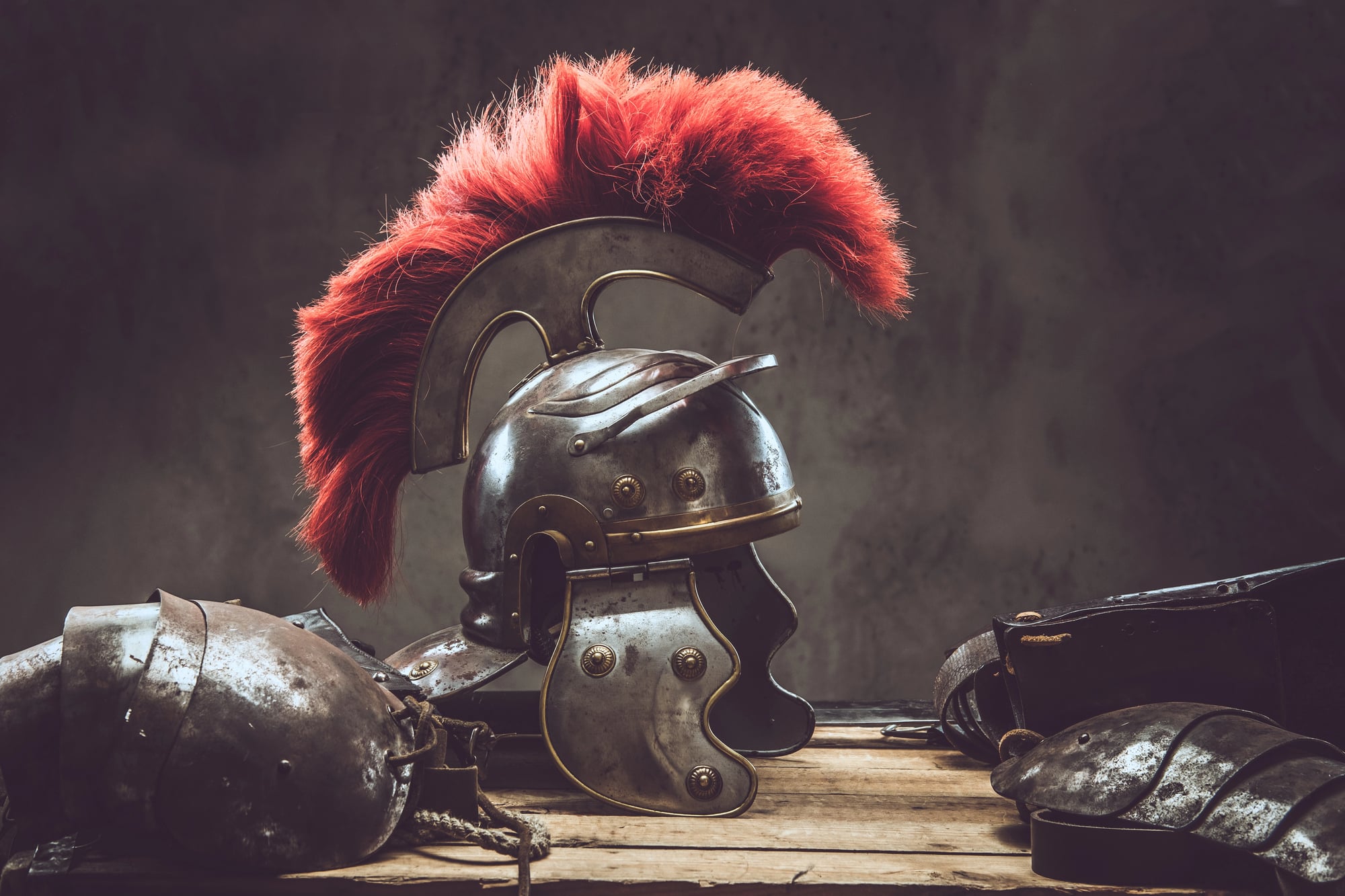
While the main character was fictional, the political breakdown shown in the Senate reflected documented instability during the late Roman Empire. Power struggles, symbolic gestures, and public manipulation were all part of recorded history.
The scene captured how governance shifted from collective authority to individual control. Though dramatized, the underlying dynamics mirrored historical patterns.
Viewers were watching a fictional story unfold inside a real political collapse.
The Black Hawk Down Crash Scene

The depiction of the helicopter crash and subsequent chaos closely followed military after-action reports. The film avoided simplifying the event into a single heroic arc, instead showing confusion and fragmented decision-making.
This approach aligned with historical accounts that described the event as disorganized and overwhelming. The realism came from restraint rather than embellishment.
By sticking close to documented timelines, the scene conveyed the unpredictability of modern conflict.
The Trial Scene In The Trial Of The Chicago 7

Courtroom exchanges were drawn directly from transcripts, sometimes using exact phrasing. The tension came from procedural imbalance rather than dramatic twists.
Authority figures behaved as they had in reality, often to an uncomfortable effect. By anchoring the dialogue in documented records, the scene highlighted how institutional power can shape outcomes.
The realism lay in repetition and frustration rather than dramatic revelation. It reminded viewers that history often unfolds through bureaucracy as much as protest.
The Evacuation In Dunkirk

The evacuation scenes were notable for their minimal dialogue and fragmented perspective. This mirrored how the event was experienced by those involved, often without full awareness of the broader strategy.
Historical records describe confusion alongside quiet acts of coordination. Civilian boats played a crucial role, a detail the film preserved without overstatement.
The scene respected the scale of the event without reducing it to a single narrative thread.
Why These Scenes Stay With Us

What sticks around isn’t just facts, but how they make us feel. Moments drawn from actual events stay with people when emotions tie into what really happened.
A viewer begins to sense the pressure of time, not just see old words on paper. If the filmmaker keeps the heart of the event intact, small changes still ring true.
Truth held close gives even altered scenes a solid ground. What sticks isn’t just facts, but moments caught on screen.
Later on, when pages fade, it’s still these pictures people turn to. Done right, their role goes beyond showing a story.
Memory lives through them
More from Go2Tutors!

- The Romanov Crown Jewels and Their Tragic Fate
- 13 Historical Mysteries That Science Still Can’t Solve
- Famous Hoaxes That Fooled the World for Years
- 15 Child Stars with Tragic Adult Lives
- 16 Famous Jewelry Pieces in History
Like Go2Tutors’s content? Follow us on MSN.