Movies Filmed at Real Crime Scenes
Hollywood has a complicated relationship with tragedy. Sometimes filmmakers choose to shoot at the actual locations where horrible things happened.
The reasons vary—authenticity, atmosphere, budget constraints, or simply access to a space that looks right for the story. But when you watch these films knowing the history behind the walls, the experience changes.
The fiction becomes harder to separate from reality.
The Amityville Horror House Still Stands

The white colonial at 112 Ocean Avenue in Amityville became infamous in 1974 when Ronald DeFeo Jr. killed six family members there. A year later, the Lutz family moved in and claimed paranormal experiences drove them out after 28 days.
The 1979 film adaptation brought cameras right to the property. The production filmed exterior shots at the actual house, though the address has since changed to discourage tourists.
The distinctive quarter-moon windows remain. People still drive by slowly, phones out, trying to capture something they can’t quite name.
Dog Day Afternoon Used the Actual Bank

Sidney Lumet filmed much of this 1975 heist drama at the real Chase Manhattan Bank in Brooklyn where John Wojtowicz and Sal Naturile attempted their robbery in 1972. The interior shots happened on a soundstage, but the exterior and surrounding streets were authentic.
Wojtowicz wanted money for his partner’s gender confirmation surgery. The robbery went wrong.
Naturile died in the standoff. Wojtowicz served time and reportedly enjoyed the film, even receiving payment for the rights to his story.
The bank building still operates today.
Zodiac Recreated Northern California’s Fear
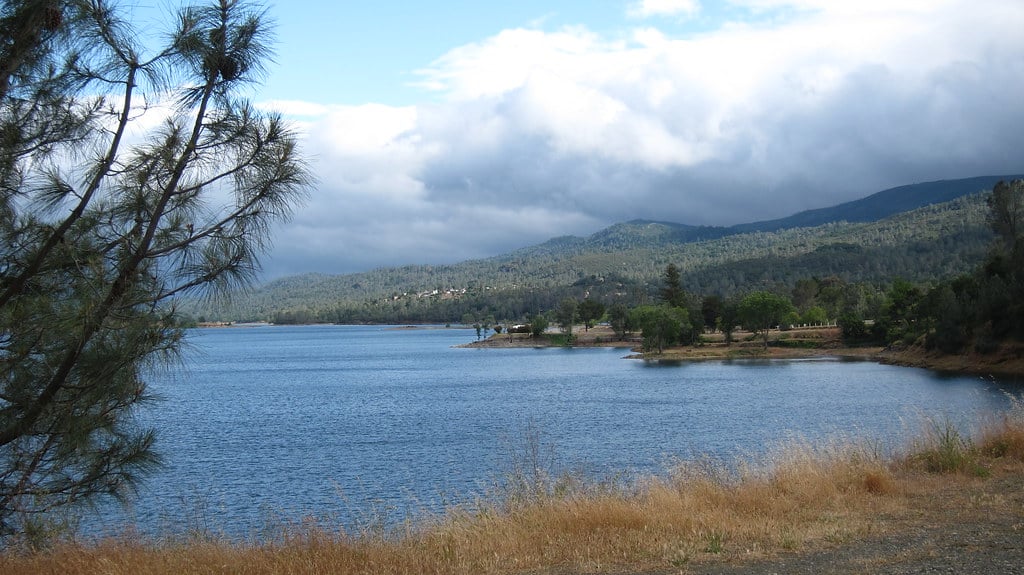
David Fincher’s meticulous 2007 film shot at multiple locations connected to the real Zodiac killer’s reign of terror in the late 1960s and early 1970s. Blue Rock Springs in Vallejo, where Darlene Ferrin and Mike Mageau were attacked.
Lake Berryessa, where Bryan Hartnell and Cecelia Shepard were assaulted. The filmmakers sought accuracy in everything from period details to geographic precision.
Hartnell, who survived his attack, served as a consultant. The killer was never caught.
These places remain, marked by history that refuses to fade.
The Exorcist Steps Connect Two Worlds

The 75 stone steps in Georgetown became instantly recognizable after Father Karras’s fatal fall in the 1973 film. While the exorcism case that inspired William Peter Blatty’s novel happened in Maryland, the production chose this Washington DC location for its dramatic effect.
The steps were already there, connecting Prospect Street to M Street below. Now they carry a different weight.
People climb them specifically because of the film. The physics of the stunt—a dummy in a priest’s costume tumbling down concrete—created one of horror cinema’s most memorable deaths.
In Cold Blood Filmed at the Clutter Home

Truman Capote’s non-fiction novel about the 1959 murders in Holcomb, Kansas became a stark 1967 film. Richard Brooks directed and made the unusual choice to shoot inside the actual farmhouse where Herbert Clutter, his wife Bonnie, and their children Nancy and Kenyon died.
The house still looked much as it did that night. The production paid the new owners for access.
Some crew members found the experience deeply unsettling. The film’s commitment to realism included using real locations throughout the small town, from the courthouse to the streets where Perry Smith and Richard Hickock were seen before the murders.
JFK Returned to Dealey Plaza
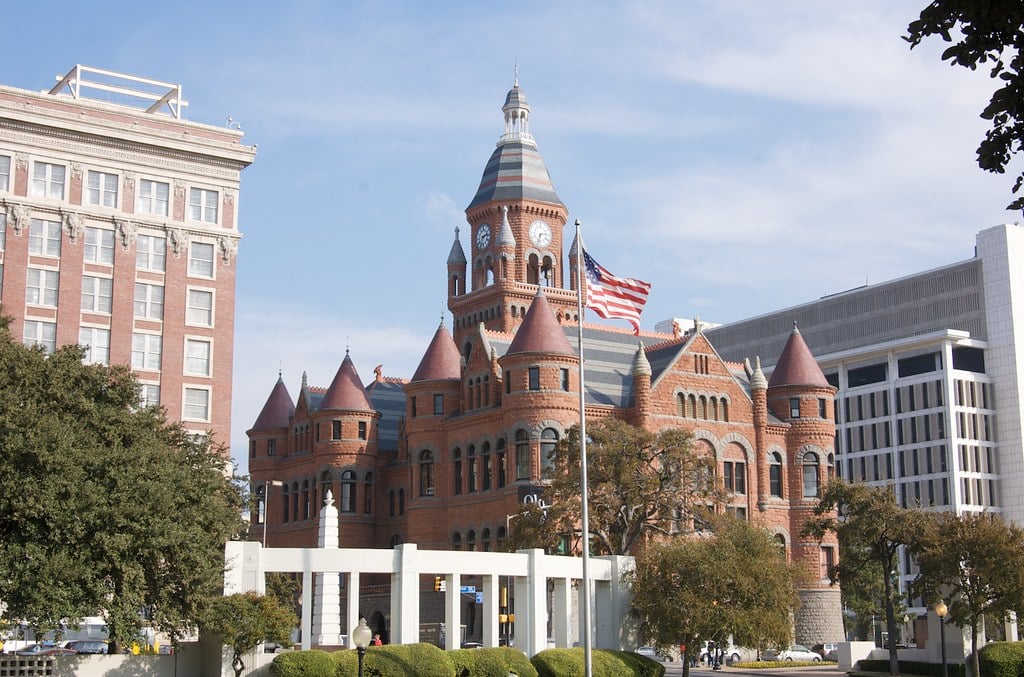
Oliver Stone’s controversial 1991 film brought production back to the site of President Kennedy’s assassination on November 22, 1963. Dealey Plaza in Dallas served as both location and character in the film’s recreation of that day.
The Texas School Book Depository still stands, now housing the Sixth Floor Museum. The grassy knoll remains a pilgrimage site.
Stone filmed there, incorporating the actual geography into his theories about the shooting. Critics argued about the film’s accuracy, but nobody questioned its use of the real place where history fractured.
Monster Showed Florida’s Highway Deaths

Patty Jenkins’s 2003 film about Aileen Wuornos shot throughout central Florida, using roads and locations where the actual murders took place between 1989 and 1990. The highways, the dive bars, the cheap motels—all authentic to Wuornos’s world.
Charlize Theron transformed herself for the role and won an Oscar. The locations added a documentary quality to the drama.
Florida’s landscape of strip malls and endless asphalt became a character itself, showing how someone could kill seven men and keep moving, almost invisible in plain sight.
Alpha Dog Used Real San Gabriel Valley Locations
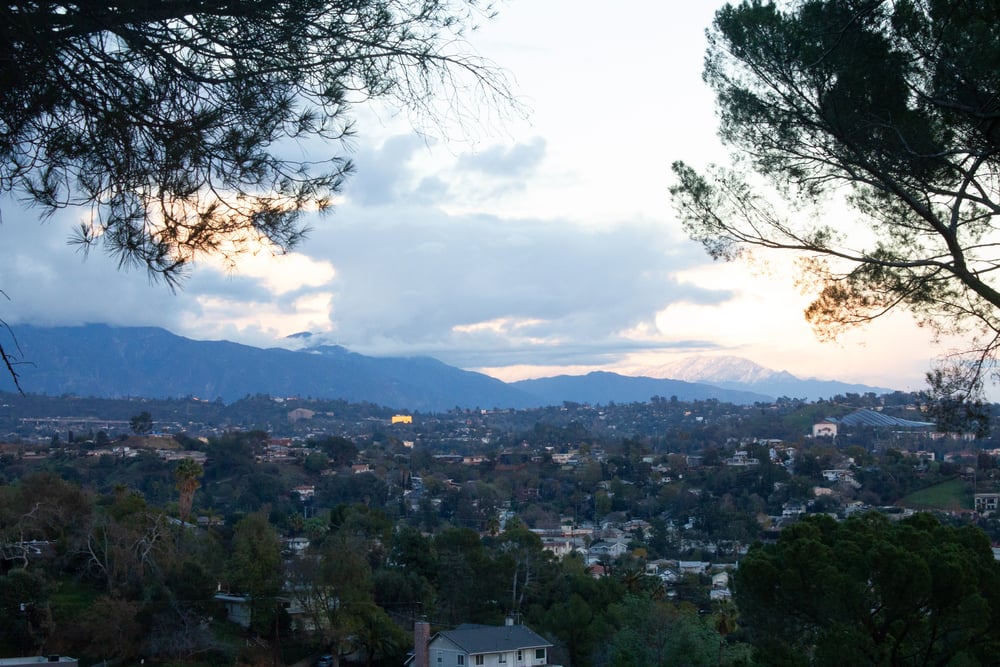
Nick Cassavetes filmed this 2006 drama about the Jesse James Hollywood case at actual locations in the San Gabriel Valley where events unfolded in 2000. The kidnapping and murder of Nicholas Markowitz, just 15 years old, shocked California.
The production used the real neighborhoods, the same type of suburban houses where middle-class kids got tangled in drug dealing and violence. Some scenes were shot very close to where Markowitz was held.
The film premiered while Hollywood was still a fugitive, later captured in Brazil.
The Conjuring House Has New Owners
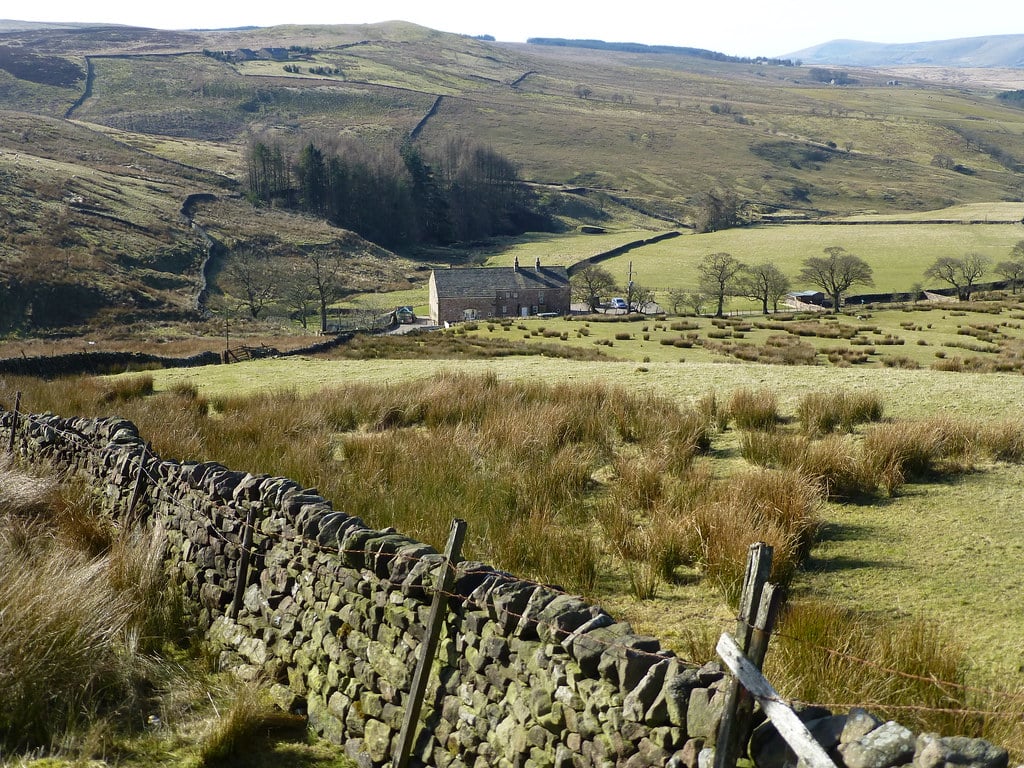
The Rhode Island farmhouse featured in the 2013 film still stands, and the real Perron family experienced disturbing events there in the 1970s. Ed and Lorraine Warren investigated.
The film recreated some scenes at the actual property, though production also built sets for more controlled shooting. The house changed hands multiple times.
Recent owners opened it for paranormal tours, capitalizing on the film’s success. Whether you believe in the supernatural or not, the building carries stories of genuine human fear.
Auto Focus Depicted a Hollywood Murder Scene
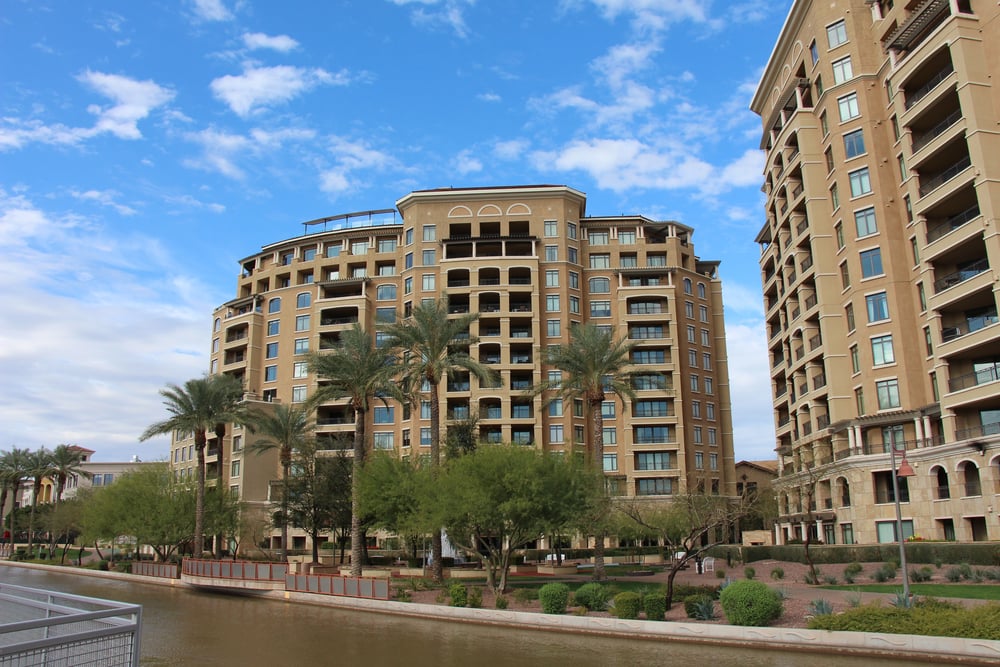
Paul Schrader’s 2002 film about Bob Crane’s life and death included the Scottsdale apartment where someone killed the former Hogan’s Heroes star in 1978. The murder remains officially unsolved, though John Carpenter was tried and acquitted.
The production recreated the crime scene with disturbing precision. The actual apartment has long since been cleaned, repainted, rented to new tenants who probably don’t know its history.
But the film preserved what investigators found that morning.
The Town That Dreaded Sundown Returned to Texarkana

Both the 1976 film and its 2014 follow-up shot in Texarkana, where a masked killer known as the Phantom attacked people in 1946. Five people died, three survived.
The case was never solved. The town embraced its dark history, allowing filmmakers to use the actual streets, drive-ins, and railroad tracks where attacks occurred.
For many residents, the films felt like a form of remembrance, keeping victims’ stories alive when official investigation files sat cold.
Henry: Portrait of a Serial Killer Used Chicago’s Grit
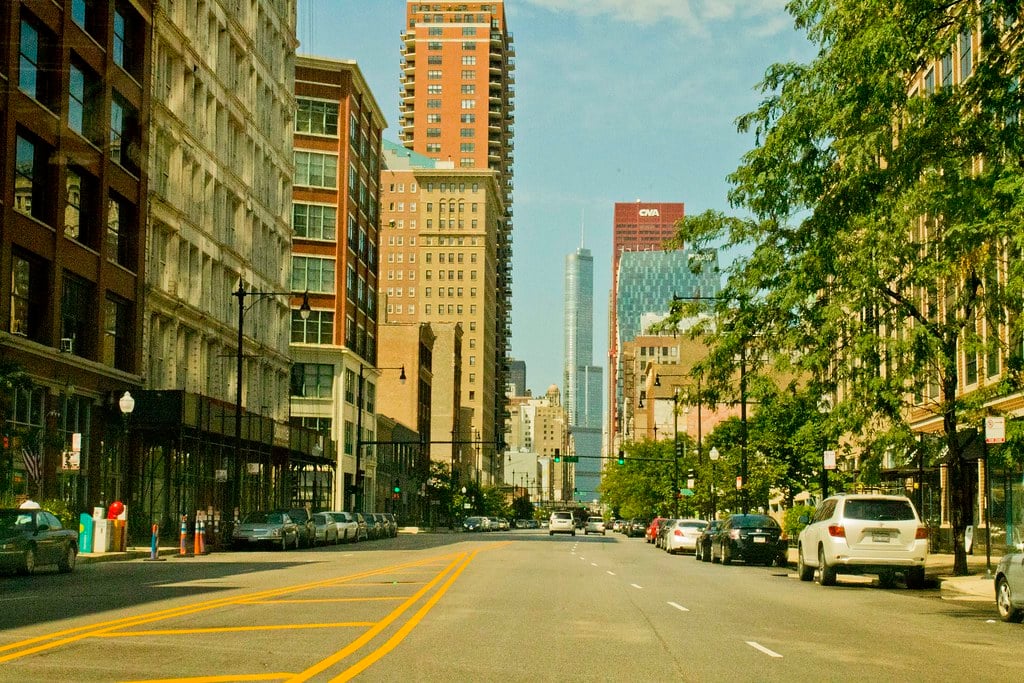
John McNaughton’s brutal 1986 film followed Henry Lee Lucas’s own claims about his murders. While Lucas later recanted many confessions, the film captured something real about how killers move through cities unnoticed.
Chicago’s grimy streets, cheap apartments, and industrial zones provided the setting. These weren’t famous crime scenes but rather the type of anonymous spaces where violence happens away from cameras and witnesses.
The authenticity came from showing how ordinary these places look, how easy they are to forget.
Helter Skelter Productions Visited Cielo Drive

The TV movie about the Manson Family murders included exterior shots of Los Angeles locations connected to the case, though the actual Cielo Drive house where Sharon Tate and others died in 1969 has been demolished. Later owners couldn’t escape the property’s history.
They eventually tore it down and built a new structure with a different address. But films keep returning to the area, to Benedict Canyon, to the city where Charles Manson saw the end of the 1960s through blood and chaos.
The Deliberate Acts Involved in Filming
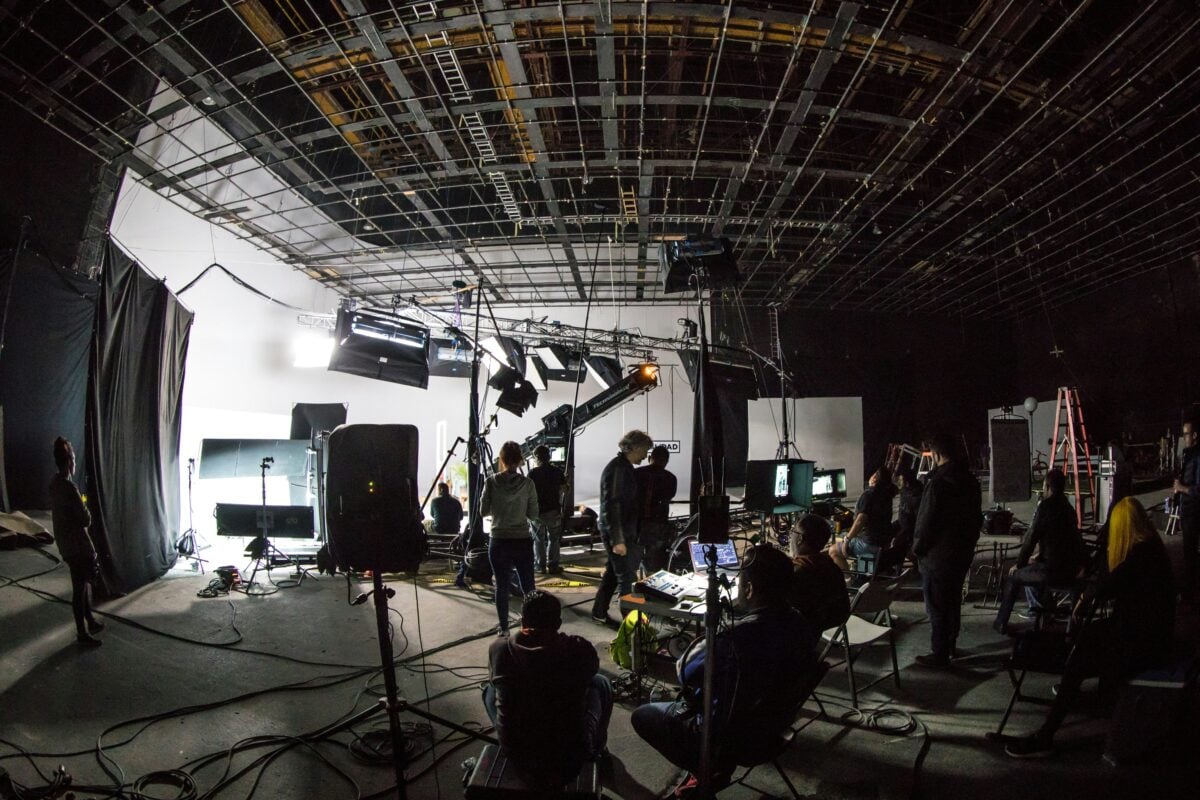
What pulls a director toward actual crime spots? Money plays a role.
Shooting on site usually takes fewer resources than constructing fake rooms or hallways. Still, cash isn’t always king here.
There’s another force at play. A kind of gravity.
Like the ground itself remembers what happened. Stories sink deeper when filmed where they unfolded.
Pretending won’t do. Folks whose loved ones were lost usually aren’t asked.
Ownership shifts quietly. Others move in, do their jobs, pass through each day.
What happened turns into stories told for interest – and that shift unsettles folks, deeply.
Where Memory and Commerce Meet

Out here, movies blur the line – part proof, part profit. Not that honesty stops them from filling seats or grabbing trophies.
Intentions mean nothing to brick and steel. Silent, they collect time like dust.
Nowhere else do films feel quite so heavy once you learn the walls were never pretend. Acting might shine, camera work amaze – yet beneath hums something raw: pain that lived, wounds that bled.
This truth shifts how light hits your eyes. And it ought to.
ore from Go2Tutors!

- The Romanov Crown Jewels and Their Tragic Fate
- 13 Historical Mysteries That Science Still Can’t Solve
- Famous Hoaxes That Fooled the World for Years
- 15 Child Stars with Tragic Adult Lives
- 16 Famous Jewelry Pieces in History
Like Go2Tutors’s content? Follow us on MSN.